
Fertilizing is an essential part of comprehensive spathiphyllum care. Special fertilizers with minimal nitrogen content will provide the plant with essential nutrients, promoting long-term health and impressive blooms.
Essential elements for growth and flowering
Spathiphyllum, like many other plants, requires essential macronutrients for healthy growth and thriving. Nitrogen plays a key role in the formation of vibrant, vibrant foliage. A deficiency results in small, pale leaves, while an excess can lead to excessive leaf volume and a lack of flowering.
- ✓ Soil pH should be between 5.5-6.5 for optimal nutrient absorption.
- ✓ The temperature of the water for diluting fertilizers should not exceed 25°C to avoid damage to the root system.
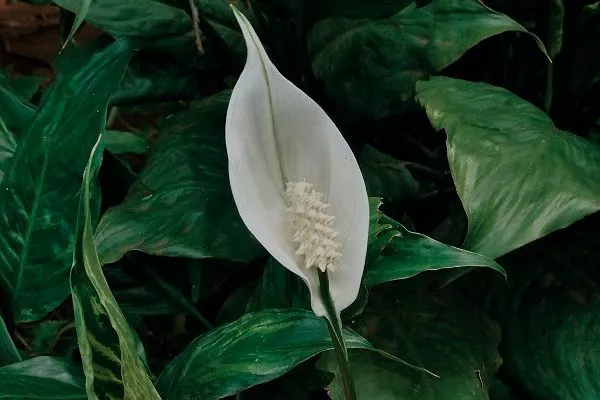
To ensure flowering, maintain adequate phosphorus and potassium levels. The plant requires micronutrients, which are usually included in ready-made fertilizers. Follow the fertilizing guidelines: use nitrogen-containing fertilizers during the active growth period, and phosphorus-potassium fertilizers during the budding and flowering phases.
Fertilizer application schedule
The frequency of fertilizing spathiphyllum depends on the season and the plant's current condition. Below are the relevant recommendations:
- In early spring, if the soil remains unchanged, feed the spathiphyllum once every 14 days.
- In mid-spring and summer, when the plant does not bloom after division or produces an insufficient number of buds, the optimal frequency of feeding is once every 10 days.
- During the period of abundant flowering of the bush in mid-spring and summer, feed once a week.
- In August, after flowering has completed, the optimal frequency of feeding is once every 10-12 days.
- In the autumn, when flowering again, apply fertilizer once a week.
- In autumn and winter, if the bush continues to produce green growth, apply fertilizer once a month.
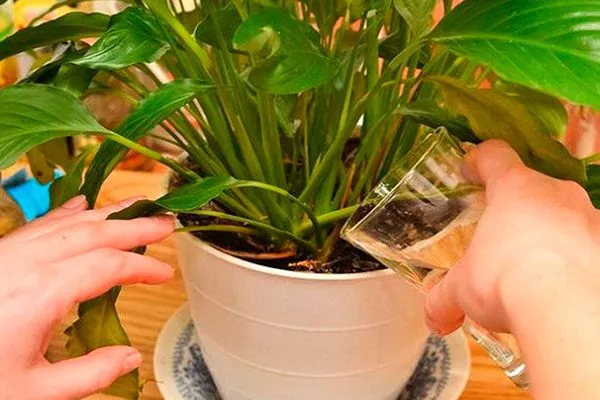
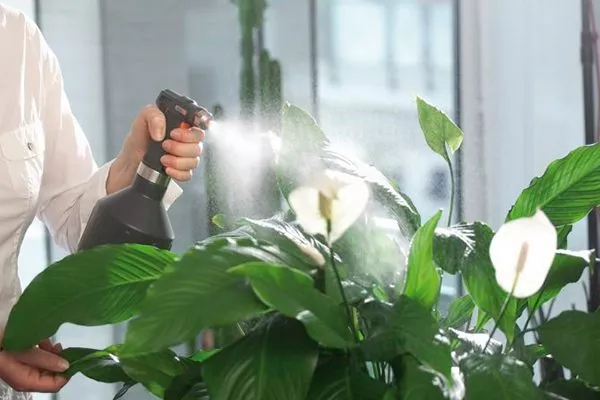
Feed your spathiphyllum not only at the root but also on the foliage, and in this case, alternate the fertilizers without increasing their frequency. When using both commercial fertilizers and folk remedies, maintain the same frequency of feeding and don't exceed once a week.
When is it dangerous to feed a flower?
Delay fertilizing for at least two weeks after a regular plant transplant. Even careful repotting can damage some roots, and over-fertilizing can cause burns and plant disease.
Types of fertilizers
Organic, mineral, and combined fertilizers are used for plant nutrition, including root and foliar methods. Let's take a closer look.
Organic
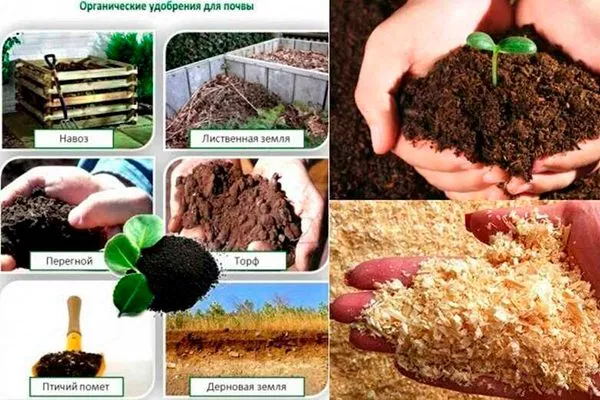
These are natural materials such as compost, humus, manure, and organic fertilizers based on plant or animal waste. They provide plants with gradual and long-term nutrition, while having a beneficial effect on soil structure.
Mullein infusion
There's no better organic fertilizer for flowers than cow manure infusion. To prepare the infusion, take 2-3 kg of manure and place it in a bucket or container, then add 10 liters of water, mix well, and cover.
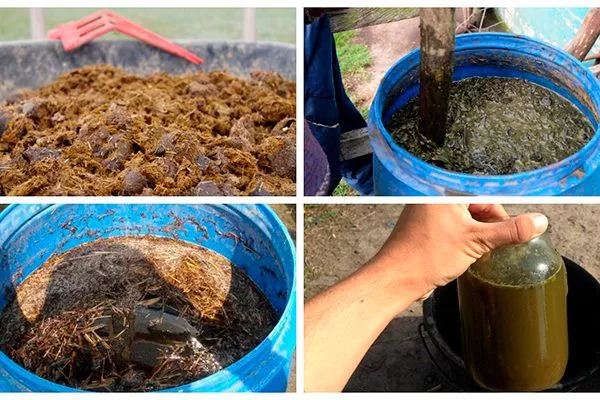
- ✓ The manure must be completely rotted to avoid burning the root system.
- ✓ Compost should have a uniform structure without signs of mold or rot.
Ferment the mixture for 10-12 days, stirring occasionally every two days. Before use, dilute the infusion with water 1:10. Fertilize in spring and fall at two-week intervals.
Horse manure
Horse manure is an excellent organic fertilizer containing many nutrients. To fertilize peace lilies with horse manure, follow these steps:
- If you have fresh horse manure, give it time to dry and air out.
- Spread the manure in an open area and let it dry in the sun to remove any possible weed seeds and pathogens.
- Mix horse manure with other materials to create a more balanced fertilizer. For example, you can add humus, peat, or compost.
- Place the fertilizer around the root zone of the spathiphyllum, leaving a small distance from the trunk.
- Do not cover the roots directly with manure to avoid possible burns.
- After applying the fertilizer, water the soil around the plant thoroughly. This will help speed up the distribution of nutrients in the soil.
- Fertilize spathiphyllum with horse manure in the fall or spring when the plant is actively growing.
- Maintain moderate amounts of fertilizer, avoiding over-saturation of the soil.
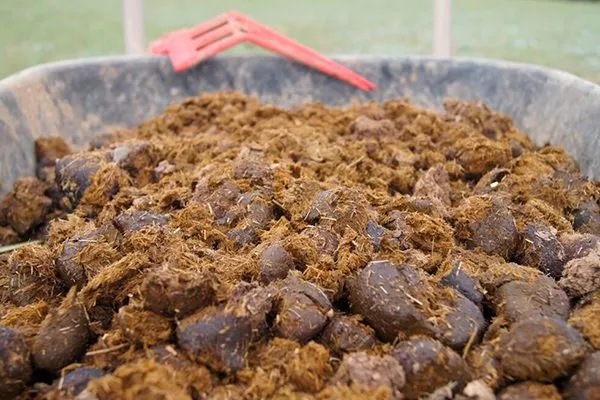
Using horse manure as a fertiliser for spathiphyllum will enrich the soil with essential nutrients, promoting the health and beauty of the plant.
Herbal infusions
Organic green manure, like manure, is rich in nitrogen. The fertilizer preparation process begins by filling a container (barrel or bin) two-thirds full with weeds and nettles, then adding warm water.
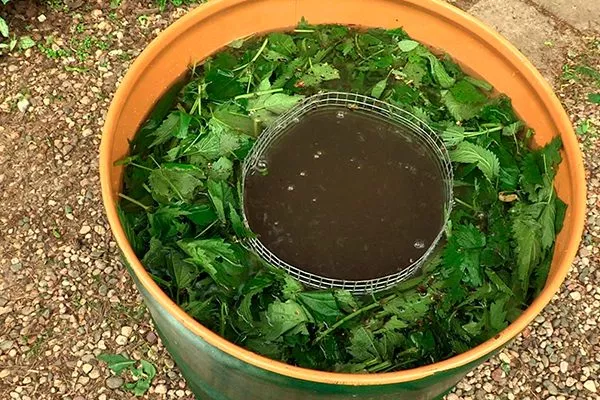
Let the mixture steep, covered, for two weeks, stirring occasionally. Before use, dilute the resulting infusion with water at a ratio of 1:10.
Ready-made mineral complexes
To ensure abundant flowering of your peace lily indoors, we recommend using commercial fertilizers. Specialized fertilizers for aroid plants are available, but general-purpose fertilizers are also suitable.
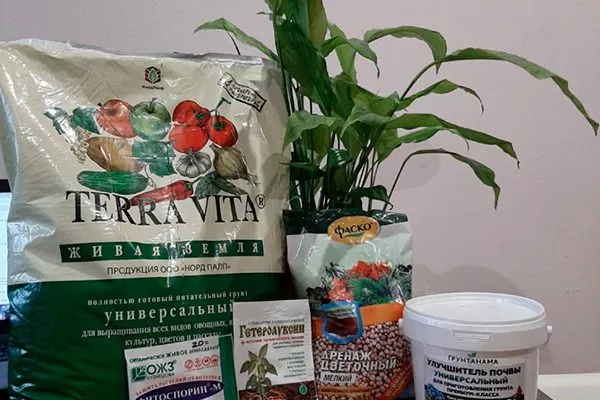
To stimulate growth, choose products from the “for decorative foliage plants” category, and to maintain flowering, choose products from the “for flowering indoor plants” line.
Folk recipes
Many gardeners highly value the effectiveness of various home fertilizing methods. Popular folk remedies are recommended for spathiphyllum care.
Yeast
Yeast fungi are an effective growth and flowering stimulant. To prepare a nutrient solution, simply use regular dry baker's yeast:
- Dissolve half a teaspoon of yeast in 1 liter of warm water.
- Add 40 g of sugar to activate the fermentation process and let it sit for 24 hours.
- Before use, dilute the resulting infusion with water in a ratio of 1:5.
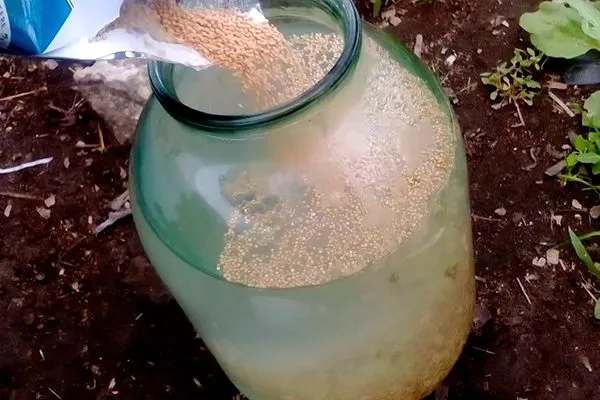
Water your spathiphyllum and other flowers with this solution once in spring and summer. Yeast promotes the development of soil microflora, so frequent application of the infusion can deplete the soil.
Wood ash infusion
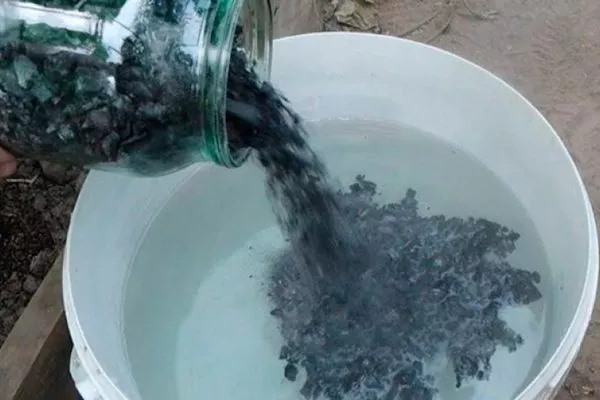
Ash can be collected in the summer, using either stove ash or ash from a campfire. This natural fertilizer is rich in beneficial microelements. To prepare a solution, dissolve 20 grams of ash in 1 liter of water, let it steep for a week, and then use it to water your plants.
Citrus peel
During the cold season, citrus fruits are a regular part of the diet of many Russians. Orange and tangerine peels can serve as excellent fertilizer, and they're easy and simple to prepare.

Step-by-step instructions:
- Cut the peels of two tangerines or one orange.
- Place them in a 2-liter jar.
- Pour warm water over it and let it steep for 24 hours.
Water the flowers with the resulting infusion once a week.
Tea leaves
Tea contains potassium and various microelements, such as calcium, magnesium, sodium, and iron. Whole-leaf tea is considered the most valuable, as it retains a significant amount of untapped nutrients, contributing to its beneficial effects on plants.
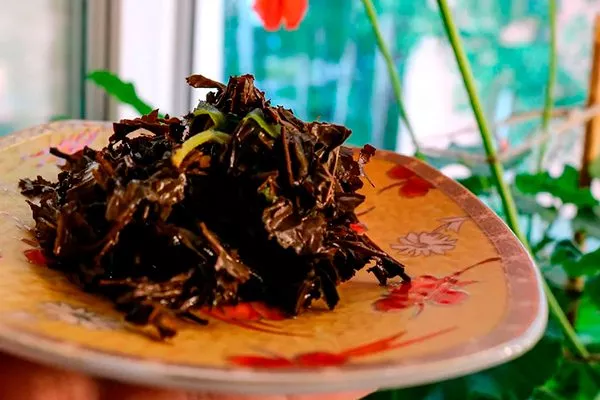
Brewing tea for plant nutrition has the advantage of containing microdoses of all the essential elements needed for flowering. Mixing the tea with soil can improve air circulation, which is especially beneficial for peace lilies.
The tea leaves should not contain any additives. Avoid using moist, sweet tea leaves, as this can attract gnats. They are usually collected, washed, and dried, then added to the soil. The organic matter gradually dissolves, providing essential nutrients.
Coffee grounds
Coffee grounds dissolve slowly in the soil, but their advantage is that they don't leave behind excess nutrients—they're released gradually, enriching the soil. Dry grounds are used as mulch, which is ideal for peace lilies, as mulch effectively prevents the topsoil from drying out.
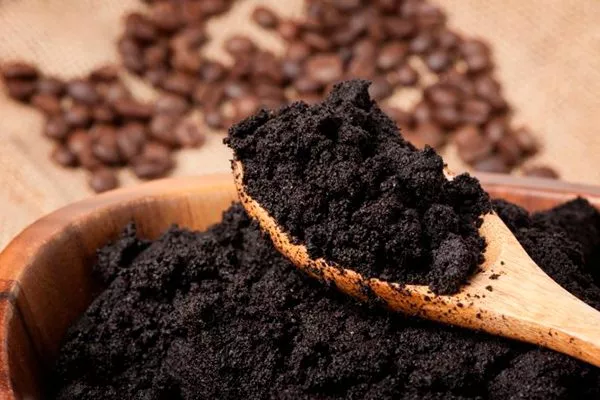
To avoid attracting gnats and ants with sugar residue, rinse the coffee grounds with clean water and let them dry. Simply placing the coffee grounds on the soil surface can provide additional protection against drying out, especially since peace lilies are often watered from a tray.
Banana peel
Banana peels are a rich source of nutrients, especially potassium and various sugars, making them an attractive home fertilizer for peace lilies. The process for preparing the infusion is as follows:
- Wash the banana peel with soap and let it dry.
- Place the washed peel in a three-liter jar and fill with water.
- Let the mixture steep for 4-5 days, then strain.
- Dilute the resulting infusion with water in a ratio of 1:2 and water the soil.
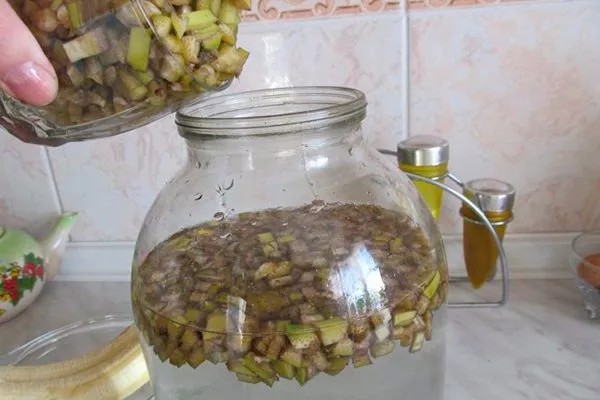
The mother liquor can be stored in the refrigerator for a month or even longer if the liquid does not ferment. Since banana peels are a breeding ground for bacteria, it's important to boil the water and steam the jar before preparing the tincture.
Whey
Milk whey is an excellent natural fertilizer for peace lilies and other houseplants. The whey, obtained after milk separation during the production of cottage cheese or cheese, contains valuable elements that can positively impact the health and growth of plants.
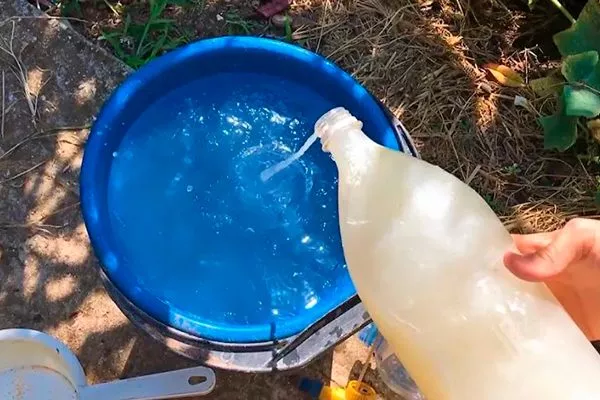
Whey contains many beneficial elements, such as nitrogen, calcium, phosphorus, protein, and other micronutrients. These substances are essential for plant development and overall health.
Succinic acid
Succinic acid is an organic substance that can be used as a growth stimulant and fertilizer for peace lilies and other plants. It contains biostimulants that promote accelerated plant growth.
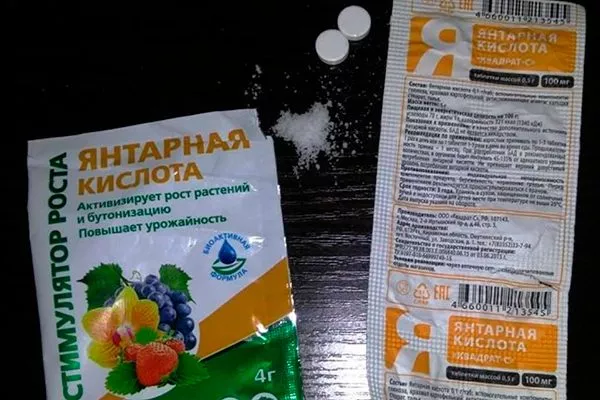
Succinic acid can help strengthen the peace lily's immune system, making the plant more resistant to disease and stress. It is a powerful growth stimulant. To feed, dissolve one tablet in 1 liter of water and apply the fertilizer to the roots.
Boric acid
Boric acid, or boric borate, can be used to fertilize and improve the health of plants, including peace lilies. Follow the instructions for fertilizing your houseplant:
- Dissolve boric acid in water. To feed peace lilies, use a concentration of approximately 0.5 g of boric acid per 1 liter of water.
- Water the plant using root watering, directing the solution towards the roots of the spathiphyllum.
- Avoid direct contact of the solution with the leaves to prevent possible burns.
- Apply fertilizer approximately once a month during the plant's active growth period.
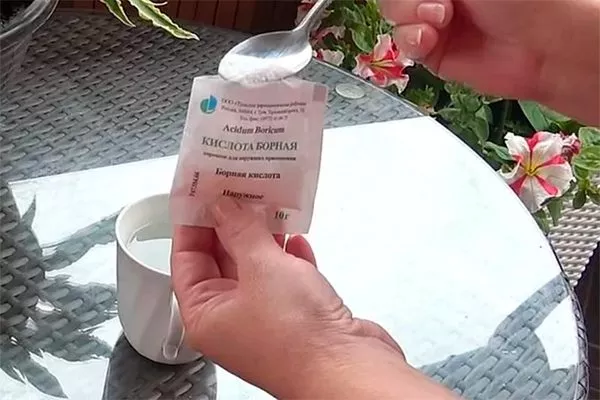
Before using, ensure the plant isn't suffering from a boron deficiency, as this fertilizer may be more effective. If symptoms of overwatering are present, limit the amount of solution applied.
Ammonia
Ammonia can be used to care for peace lilies. It has antiseptic properties and can be used to disinfect the soil before planting or repotting. This helps prevent the development of pathogens and fungi in the soil.
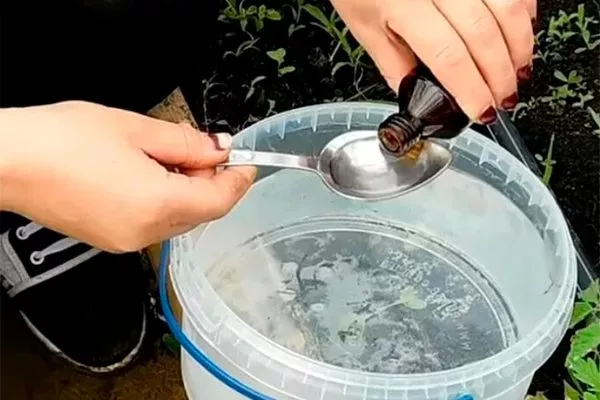
Diluted ammonia can stimulate root growth. Used in moderation, it can promote the health of the spathiphyllum's root system. Fertilize as follows:
- Dilute ammonia with water in a ratio of 1:10.
- Ensure thorough mixing to obtain a uniform solution.
- Water the plant at the roots. To do this, carefully pour the prepared solution at the base of the plant, directing it toward the roots.
- Make sure the solution does not come into direct contact with the leaves to avoid possible burns.
- Apply ammonia fertilizer to your peace lily about once a month during the active growth period, usually from spring to fall.
Fertilizing with ammonia can help provide your peace lily with the nutrients it needs, but it is important to be careful not to damage the plant with possible excess fertilizer.
What should absolutely not be used?
There are several substances and materials that are strictly not recommended for fertilizing peace lilies. Let's take a closer look at them:
- Heavy metal salts. Using fertilizers or water containing high concentrations of lead, cadmium, mercury and other heavy metals can cause serious plant poisoning.
- Fertilizers with high ammonia content. Ammonia can be harsh on plant roots and cause burns, especially if used carelessly.
- Liquids with high sugar content. Using syrups, drinks, or other liquids with high sugar content can encourage fungal growth and lead to root rot.
- Fertilizer solutions that are too concentrated. Using too strong solutions can cause burns to the roots and leaves of the spathiphyllum, disrupting the natural balance of nutrients.
- Untreated or contaminated water. Water containing high levels of chlorine, salts or other contaminants can negatively affect plant health.
- Substances not tested for toxicity. The use of any substances that have not been tested for their safety and toxicity to plants poses a potential threat to spathiphyllum.
Before using any fertilizers or liquids to feed your peace lily, check the manufacturer's recommendations and ensure they are safe for this type of plant.
Ten Taboos for Beginner Florists
Beginner gardeners may encounter some difficulties when growing spathiphyllum. Ten don'ts for new gardeners:
- Do not feed newly purchased spathiphyllum. Give the plant time to acclimate to the new conditions, which can take about 2 months. Furthermore, new plants may have already received sufficient fertilizer when they were sold.
- Do not fertilize the transplanted "women's happiness". The plant will extract all the necessary nutrients from fresh soil if you have chosen the soil composition correctly.
- Do not add nutrient solution to dry soil. Pre-moisten the soil with clean water to avoid burning the roots before you start fertilizing.
- Avoid contact of nutrient solutions with plant leaves. Although spathiphyllum loves to be sprayed with plenty of water, fertilizer should not touch the leaves.
- Do not store diluted fertilizer. The solution, even refrigerated, loses its effectiveness after a week. It's best to prepare only the amount you need.
- Take seasonal changes into account in your care. In winter, give the plant a dormant period by limiting fertilizing.
- Do not exceed the recommended dose of fertilizer. Excess nitrogen, phosphorus or potassium can negatively affect plant growth and flowering.
- If you overfeed the plant, stop feeding for a month. Just water it and observe the condition of the leaves.
- It is better to fertilize on sunny days. Avoid fertilizing during hot weather.
- Do not feed a plant that is sick, infested with pests, or has recently been treated. Allow it to fully recover before fertilizing.
Follow these recommendations and you won't have to deal with all sorts of troubles that may await you at the beginning of your journey.
Signs of nutrient deficiency and excess
Using unbalanced fertilizers to feed spathiphyllum can lead to deficiencies of certain elements. If this problem becomes chronic, it can affect the plant's appearance.
Manifestations of deficiency and excess of macronutrients
Macronutrients are essential nutrients required by plants in large quantities for normal growth and development. Deficiencies or excesses of macronutrients can significantly impact the health and appearance of plants, including peace lilies.
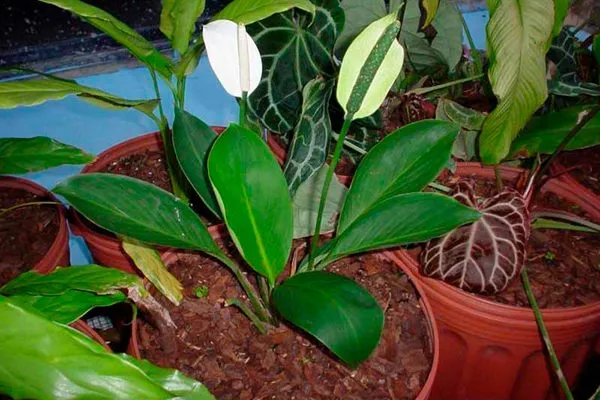
Let's take a closer look:
- Nitrogen. Nitrogen is a key nutrient for spathiphyllum. A nitrogen deficiency can manifest itself through external signs such as a cessation of flowering, a reduction in the size of new leaves, a pale crown, and yellowing of the leaves.
Avoid applying too much nitrogen, as this can cause excessive greening of the flower coverings and even failure to form buds. - Phosphorus. Affects the condition of the plant's foliage and roots. With a phosphorus deficiency, spathiphyllum may exhibit the following symptoms: dull leaves, degenerated flowers with small new leaves, and the appearance of dry, black spots.
Excess phosphorus is rare, but can lead to impaired iron absorption and the appearance of interveinal chlorosis. - Potassium. Essential for spathiphyllum flowering, its deficiency can cause dull leaves, wrinkles on the blades and petioles, and the appearance of brown spots. Excess potassium can slow plant growth.
- Calcium. Calcium is essential for the health of spathiphyllums, but deficiency rarely occurs with regular water. Calcium deficiency can manifest itself as leaf deformation, pale coloring, and spots along the edges.
Excess calcium, caused by watering with hard water or feeding with eggshells, can lead to leaf deformation, white necrotic spots and stunted plant growth.
These manifestations can serve as indicators for determining the plant's need for specific macronutrients and adjusting fertilizer levels.
Manifestations of micronutrient deficiency
For healthy growth, spathiphyllum requires not only the essential NPK elements but also a variety of micronutrients. Deficiencies in each of these manifest as various leaf problems:
- Calcium. A deficiency of this element can cause deformations of leaf blades with upward-curled edges, pale coloration, and the appearance of spots along the edges of the leaves, especially on young growths.
- Phosphorus. A lack of phosphorus can manifest itself in small leaves, a pale crown color, and the formation of dry black areas, so-called necrosis.
- Potassium. Potassium deficiency can cause dull leaves, wrinkles on the blades and petioles, and brown spots along the edges of the leaves, which begin to crumble.
- Nitrogen. Nitrogen deficiency is manifested by the cessation of flowering, a decrease in the size of new leaves, a pale color of the crown and yellowing of the spathiphyllum leaves.
- Microelements. Deficiencies of various micronutrients can affect the condition of leaves, leading, for example, to changes in the color or shape of leaf blades.
Maintain balance and maintain the health of your peace lily to ensure it receives optimal conditions for growth and prosperity.
How does fertilizing affect the watering regime?
Water the plant as the soil dries out, often indicated by drooping leaf corners. Fertilize after the soil has moistened, following a schedule to avoid damaging the roots. If the soil is wet, apply fertilizer along with watering.

Proper fertilization, timely selection, and application help strengthen the plant, allowing it to retain its attractiveness for many years and bring joy.
Proper fertilization of the peace lily is the key to its health and beauty. Selecting the right fertilizer, maintaining a schedule that meets the plant's needs, and taking into account the seasons contribute to the growth of this exquisite houseplant. Peace lily responds to care and attention, bringing bright and colorful moments to the gardener's life.