
The condition of the spathiphyllum leaves can be used to diagnose a disease or suspect other problems affecting the plant. This plant is very sensitive to any inconsistencies in care or growing conditions. By monitoring the condition of the leaves, you can take timely action and resolve the problem.
Leaf diseases
Any problems with leaves may be related to fungal, bacterial, or viral diseases. If they have changed, compare their condition with the symptoms of common diseases.
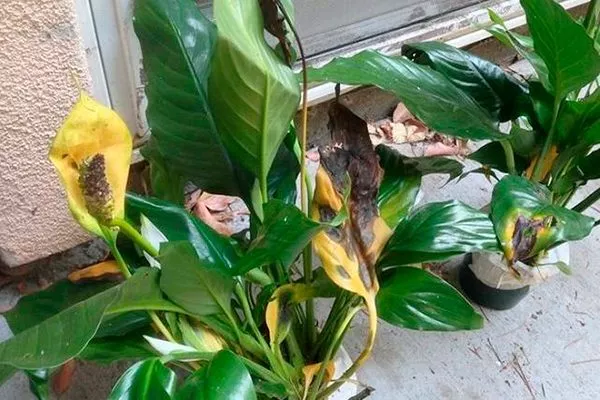
Most often, spathiphyllum gets sick:
- Peronosporosis. This fungal disease is commonly known as powdery mildew. It causes a white coating to appear on the leaves. Affected plants should be cut off and the plant should be sprayed with Bordeaux mixture. You can also use fungicides such as Fitosporin, Topaz, or similar products.

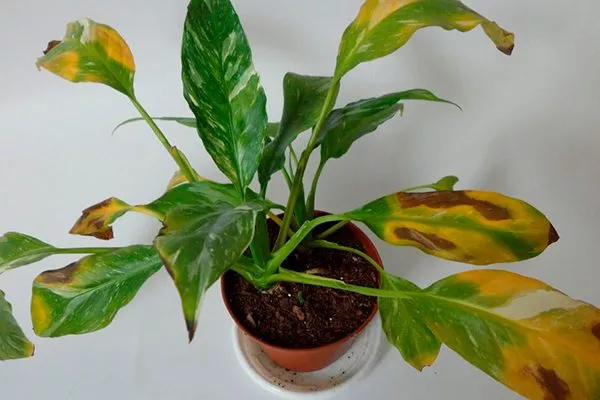
- Late blight. This fungal infection causes brown or tan spots to appear on the leaves. The plant is treated with antifungal agents, such as copper sulfate or Bordeaux mixture.
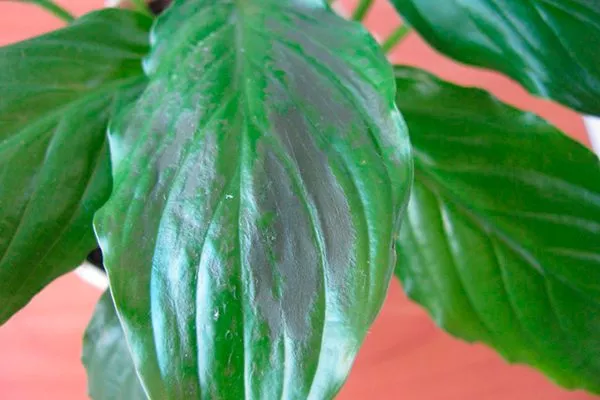
- Sooty mushroom. This infectious disease is spread by insect pests such as aphids, scale insects, and mealybugs. Young plants are particularly often affected. The leaves of diseased peace lilies become covered with dark gray spots. At first, they appear singly, but then merge to cover the entire bush.
Sooty mold develops in damp conditions and poor ventilation. It is recommended to promptly eliminate pests, trim dead leaves, and treat the bush and soil with fungicides as a preventative measure.
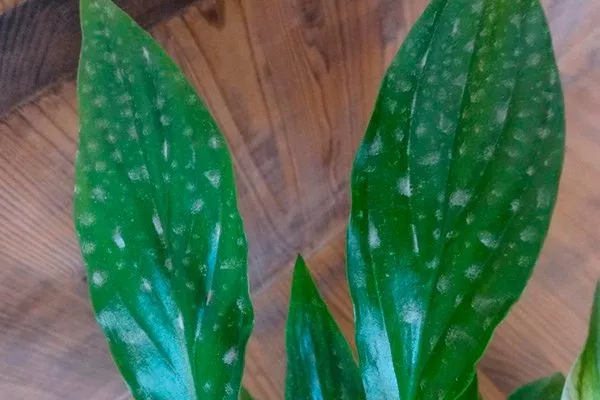
- ✓ Downy mildew: white coating on leaves, requiring immediate removal of affected parts.
- ✓ Late blight: brown or brown spots, treatment with copper sulfate or Bordeaux mixture.
- ✓ Sooty mold: dark gray spots that merge into a single whole, prevention includes the destruction of pests.
If a plant is affected by a bacterial or viral disease, saving it is extremely difficult. It's much easier to prevent such diseases by regularly spraying the bushes with fungicides and insecticides, such as Intavir, Actellic, and Confidor.
How do root diseases affect leaves?
Spathiphyllum's roots are short and can't handle large volumes of water. Overwatering can lead to rot-related diseases. After some time, root damage can lead to leaf problems.
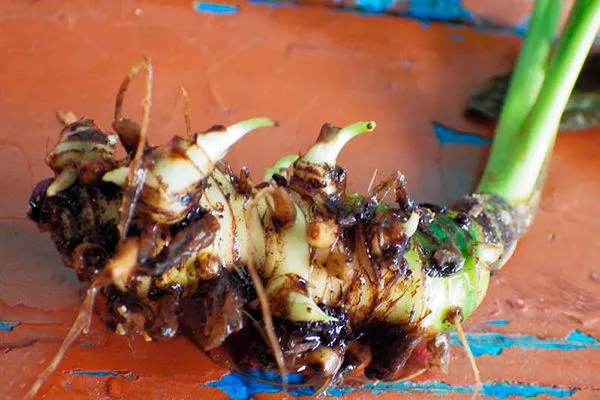
Root system decay and, as a consequence, leaf decay occurs due to the following reasons:
- frequent watering;
- using cold water (this is especially harmful for the plant in autumn and winter).
Replanting will help save the flower, which involves cutting out all the affected parts of the roots down to healthy tissue.
Be sure to sprinkle the cut areas on the roots with a fungicide or crushed activated carbon.
What pests spoil leaves?
Leaf problems can occur when the plant is infested by various insect pests. They can chew through the leaves, entangle them in webs, or suck out the sap. Carefully inspect the plant; beetles, mites, or larvae may be hiding on the undersides of the leaves or in their axils.
Spathiphyllum is usually attacked by the following insect pests:
- Mealybug. These tiny insects, measuring 3–6 mm in length, typically hide in leaf axils. They typically appear in dry, hot conditions, and lack of ventilation. Spraying with insecticides, such as Fozalon or Karbofos, can help save the plant. A repeat treatment is essential after a week.
- Aphid. Small insects, green or black, suck the juices from leaves, causing them to wilt. They also damage flowers and young shoots. Systemic insecticides such as Confidor and Aktara can help remedy the situation. You can also spray the plant with Fitoverm, Fufanon, Karate, and BI-58.
- Spider mite. A sucking insect that causes the death of leaves and then the entire plant. Leaves covered in patina first turn pale and then die. A soapy solution will help kill the pests. If the infestation is severe, apply Fitoverm weekly.
- Scale insect. Waxy-shelled insects prefer to nest on flower stalks, leaves, and petioles. By sucking the sap, they cause the leaves to wilt, eventually killing the plant. It's recommended to remove these pests manually with a soft-bristled brush. Then, spray the plant with insecticides such as Intavir or Aktara.
- Thrips. If whitish marks appear on the leaves, the plant is likely infested with thrips. These beetles cause light stripes to appear on both sides of the leaves, which soon turn black and die. Spraying the plant with Confidor is recommended.
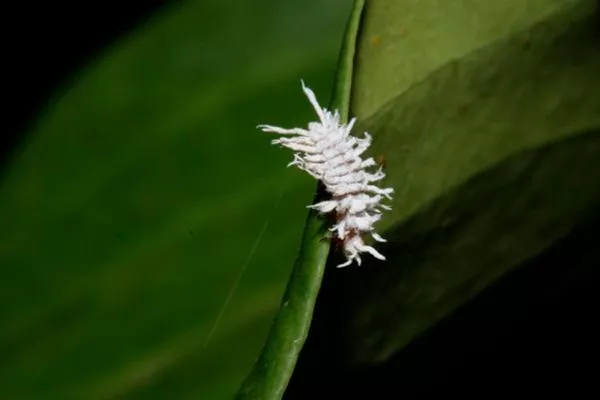
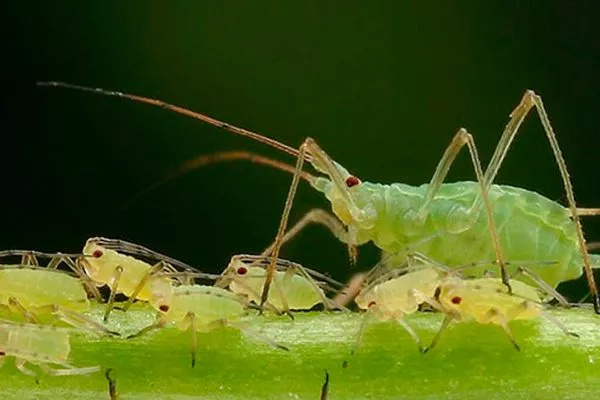
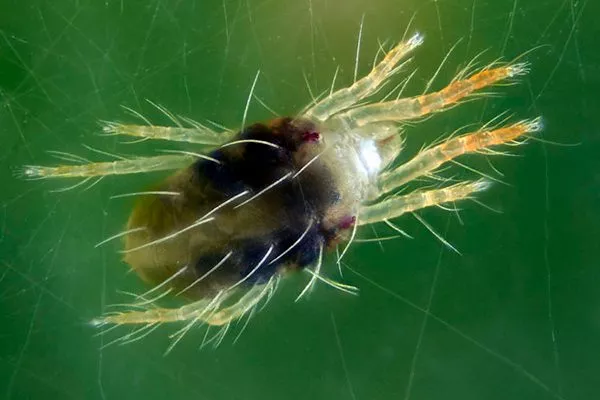
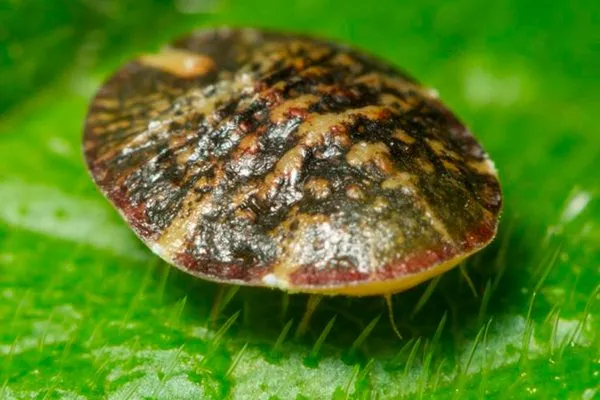
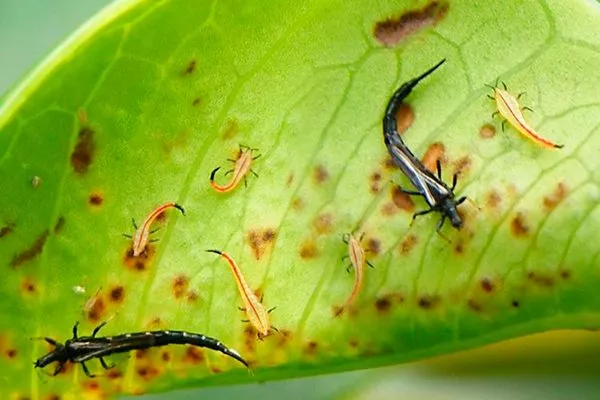
Most often, insects appear on plants due to contaminated soil, which is why it's important to calcine or treat the soil before planting. Improper care and poor growing conditions (excessive dampness or dryness, dust, high humidity) can also trigger pest infestations.
Why do leaves dry out?
Leaves can dry out due to injury during repotting (dead roots can kill the entire plant), drought, or excessive heat. Harsh sunlight, typical of spring and summer, can cause severe burns on leaves.
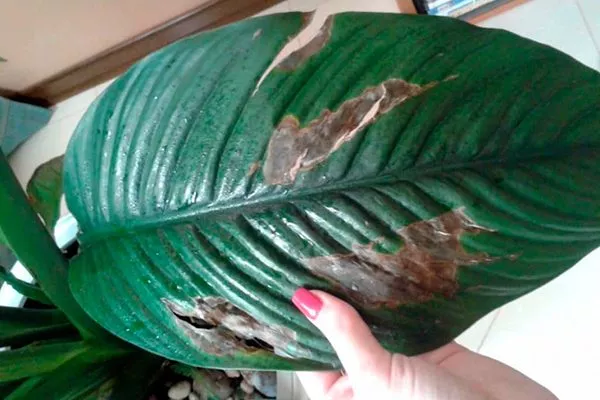
Spathiphyllum with dry leaves—damaged by the sun or exposed to drought—should be moved immediately to a more shaded location. All dry leaves should be trimmed off, as they are highly likely to harbor pathogens and insect pests.
Why did the flower droop?
Drooping foliage is a serious sign for a gardener. If a plant's leaves are drooping, it means urgent action is needed, but first, the cause of the problem must be determined.
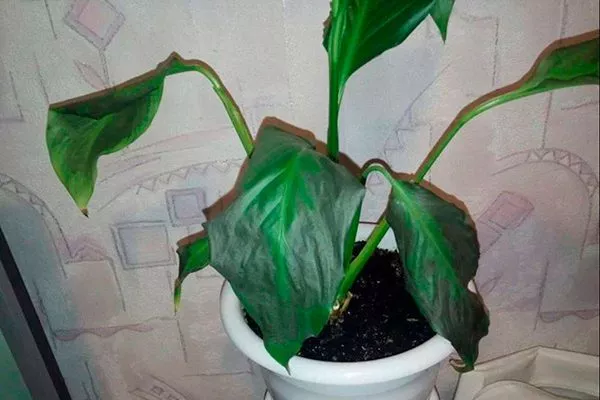
Spathiphyllum may droop due to:
- incorrect soil composition;
- violation of conditions of detention (temperature, humidity, etc.);
- the air is too dry.
Why do leaves turn black?
Leaf blackening can be caused by a variety of factors. It's important to identify the root cause of the problem and take prompt action.
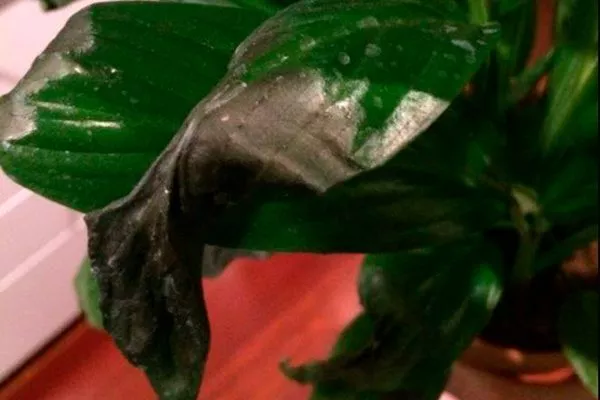
Spathiphyllum leaves may turn black for the following reasons:
- Too much moisture in the root zone. After watering, water must be drained - it should not stagnate.
- Raw substrate. It must be dried immediately, and if root rot is detected, it must be replaced completely.
- Draft. If the flower is located under a fan or near a window, move it further into the room, away from the air currents.
- Excess nitrogen. They must be applied strictly according to the instructions. Overdosing can cause the leaves to turn black.
- Tap water. Hard or cold water, as well as chlorinated water, often leads to the appearance of mold on the substrate, followed by darkening of the leaves.
- Black spot. It can be fungal or bacterial. Due to the penetration of microflora deep into the tissue, almost the entire above-ground part is affected (darkening). Treatment is long and painstaking, requiring the plant to recover for up to a year.
To quickly reduce water hardness, place a bag filled with peat (2 liters, 50 g) into the water. After 24 hours, the water is ready for watering, and the peat can be used 2 or 3 more times.
Why do leaves wither?
If the plant is drooping, its leaves are limp, and there are no signs of spotting, it indicates a long-term watering issue. This could be due to either a lack of water or an excess of it.
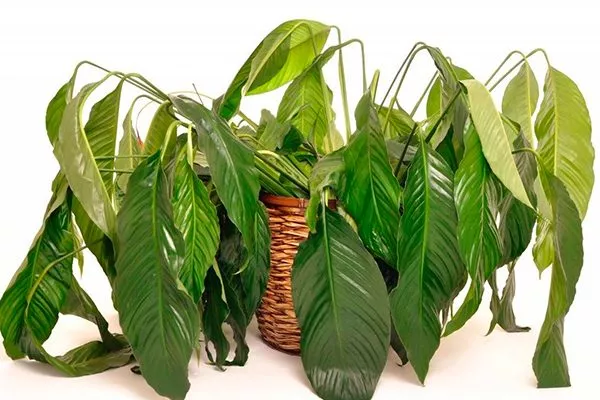
Wilted leaves can also indicate overheating. This can occur when the plant is exposed to direct sunlight. Shade the window with light curtains or lower the blinds. Wiping the leaves with damp cloths is also recommended.
Why did the spathiphyllum turn yellow?
Yellowing leaves are a serious sign of a plant's growth and development being disrupted. The causes of this phenomenon can be very varied. A close look at the plant can help you determine the cause of the problem—leaf yellowing can occur in a variety of ways.
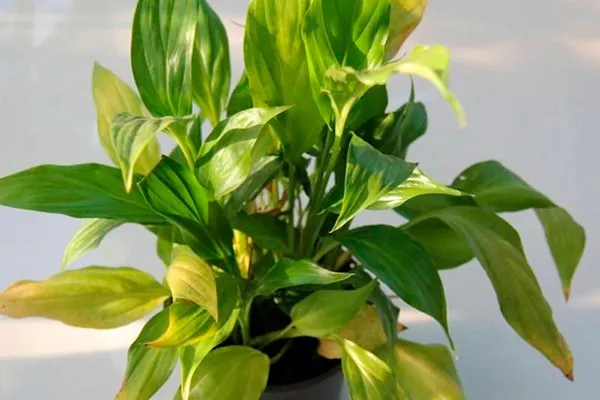
How and why does spathiphyllum turn yellow?
- If the lower leaves turn yellow, they are most likely aging. The leaves located at the bottom are the oldest; they are turning yellow and dying. It is necessary to trim off the yellowed leaves and flower stalks.
- If all the green mass of the plant has turned yellowMost likely, the plant is experiencing a moisture deficiency and overheating. It's important to improve its drinking regime and normalize the room temperature.
- If the lower tier has turned yellow After flowering, it means the plant simply lacks strength and needs to be fed with complex mineral fertilizers.
- Yellowed edges and tips of leaves These indicate excessive heat, stuffiness, and dryness. In summer, it is recommended to place pots on damp expanded clay and increase watering.
The room temperature should not exceed 30°C, with 22°C being ideal. It is recommended to refresh the spathiphyllum daily by spraying it with lukewarm water or wiping it with damp wipes, cotton pads, etc.
Why did the spots appear?
Spathiphyllum leaf spots appear due to improper care or pest infestation. This is usually the plant's response to stress.
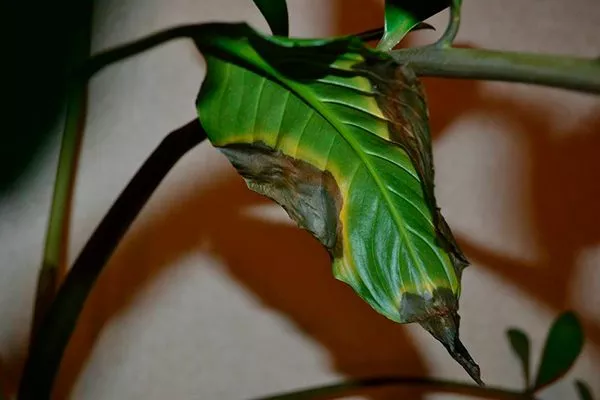
The appearance of spots occurs due to:
- Dry air. First, the edges are affected, and then the blackening spreads over the entire area of the leaf.
- Burns. If the flower is exposed to direct sunlight, brown spots of varying sizes appear on the leaves.
- Mineral accumulations. These can cause leaves to become covered in spots all over. The solution is to rinse with distilled water.
Why do the leaves have brown tips?
Brown tips are a common occurrence for spathiphyllum plants. While minor lesions can be ignored, it's still important to determine the cause of the darkened tips, as the problem could worsen.
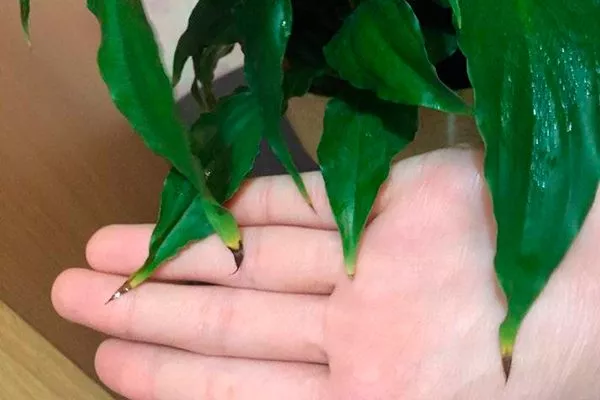
Causes of brown ends:
- Poor water quality. If watering is done with tap water, especially chlorinated water, the leaves will darken at the tips. The water should be filtered and allowed to settle for 2-3 days. The soil in the water can also be periodically watered with distilled water to remove accumulated minerals and harmful substances.
- Excess fertilizer. Excessive dosages lead to "burning" of the plant, resulting in brown tips and spots. It is recommended to regularly rinse the substrate with distilled water and stop fertilizing completely in winter.
- Violation of the watering regime. Excess water can cause brown tips or even death of entire leaves.
Why isn't the spathiphyllum growing?
If a flower isn't growing leaves, isn't producing new ones, or isn't producing new shoots, this is cause for concern—the plant is in an unfavorable situation and urgently needs help.
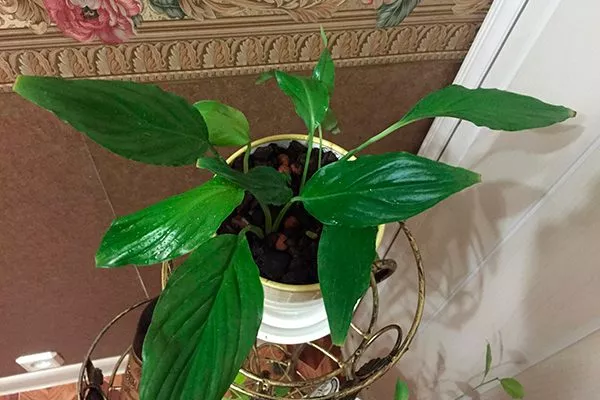
Spathiphyllum does not grow because of:
- Too big a pot. The flower first develops roots, then leaves. When transplanted into an overly large container, the plant begins to grow a root system, and only after it has covered the entire soil ball will foliage begin to grow.
If you don’t want to wait (and the wait can last 1-2 months), you can transplant the flower into a smaller pot - 1-2 cm smaller than the previous one. - Inappropriate lighting. Stunted growth can occur due to both excess and insufficient light. The trick is to reposition the plant so it receives adequate light but is not exposed to direct sunlight.
Why do leaves turn pale?
Because of pale leaves, the flower loses its decorative value, looks dull and unattractive, and most importantly, the plant suffers for one reason or another, and does not receive the necessary growing conditions.
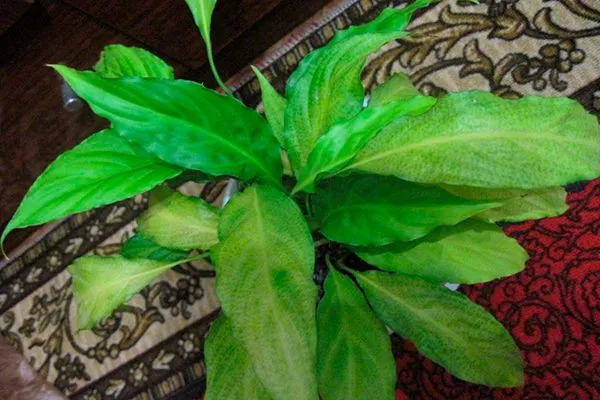
Leaves may turn pale due to:
- Lack of light. Photosynthesis is only possible with good lighting; if there's insufficient light, the leaves will fade and become lighter. It's recommended to move the plant to a southeast or southwest-facing window. During the winter and fall, grow lights can be used.
- Sucking insects. They disrupt sap exchange, which slows down photosynthesis, leaves lose elasticity and gloss, and the color becomes pale.
Leaves can also fade due to root damage, lack of nutrition or water, all of which lead to a loss of natural pigment and attractiveness.
Why do leaves become smaller?
Shrinking leaves are also a developmental abnormality that requires intervention. This phenomenon can be caused by various factors, and it's important to identify and address them.
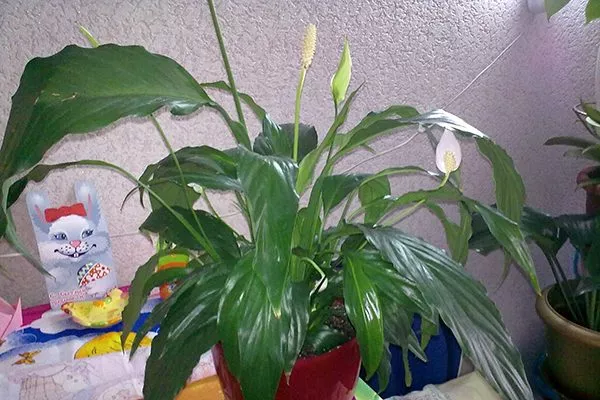
Spathiphyllum leaves may become smaller due to:
- Heavy soil. It is necessary to fluff it up, loosen it mechanically, and add leavening agents to the composition.
- Lack of nutrition. 2-3 weeks after transplanting, it is important to feed the flower with complex fertilizer.
- Poor lighting in winter. Move the flower pot closer to the window or turn on the lighting.
- Lack of moisture in summer. Spraying, warm showers, immersion watering, and the use of a wet tray are necessary.
Although considered an easy-to-grow plant, spathiphyllum is sensitive to various adverse factors. Any stress or negative impact is reflected in its leaves. As a result, the plant loses its visual appeal. However, this characteristic helps gardeners quickly diagnose and eliminate the cause of the problem.