
Spathiphyllum grows wild in tropical forests, so it requires specific conditions that include increased humidity and fertile soil. For this plant, the most important factor for normal development is not only the soil composition but also its structure. The substrate can be purchased at the store or made at home, for which there are many options.
Basic requirements for land
Spathiphyllum requires soil that is as close as possible to that in which the flower grows in its natural environment. It never thrives in acidic or overly dry soils, but prefers soil with rotted plant debris and charcoal. Humidity should be moderate or slightly moist.
Lightness, looseness, air and water permeability
Light, loose soil provides airiness and porosity, allowing the root system and the plant as a whole to receive sufficient oxygen. At the same time, water in such a substrate doesn't stagnate but rather permeates to the bottom. Consequently, the roots receive the moisture they need and are not susceptible to rotting.
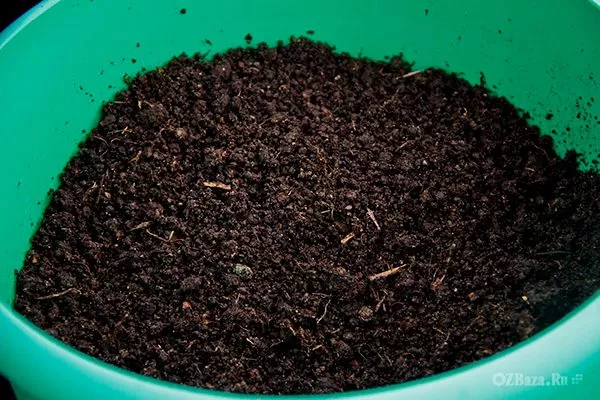
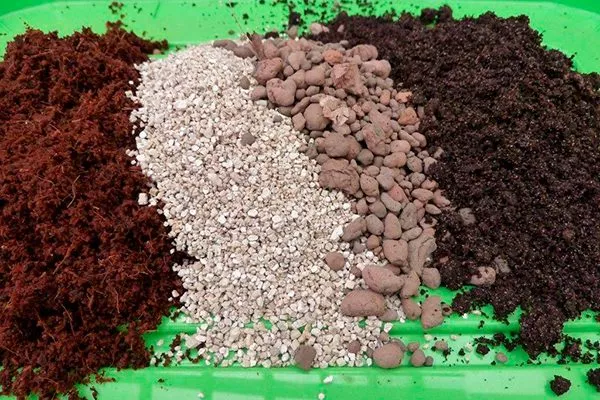
If the soil mixture is heavy and compact, the roots will not only rot but also dry out or wither. To improve such soil at home, use special loosening agents. These can include:
- river sand;
- vermiculite;
- perlite;
- peat;
- vermicompost;
- charcoal;
- needles;
- crushed bark from pine or spruce.
Fertility
Humid tropical conditions create a unique compost in the soil, rich in macro- and microelements, vitamins, and minerals. This is the optimal environment for spathiphyllum growth. Therefore, even indoors, it's essential to maximize the soil's fertility.
If you use depleted soil, the plant will develop and grow slowly, flowering will be sparse, and sometimes there will be no fruit at all. If you improperly prepare the soil but then apply fertilizer, the situation will not improve, because the soil composition must be fertile.
To do this, add leaf or sod soil, humus, peat and fertilizers, which will be distributed throughout all layers, and not just on the surface.
Acidity
Spathiphyllum requires a slightly acidic or neutral substrate, so pay attention to these values. The ideal range is between 5.0 and 5.5 pH, with a maximum pH of 6.5.
What kind of ready-made soil is suitable for spathiphyllum?
Today, flower shops offer a good selection of ready-made soils specifically designed for spathiphyllums, which contain all the necessary components. Other commercial potting mixes are also acceptable for this plant:
- Universal mixtures or for aroids. They always contain peat, so you need to be careful with such substrates due to their high acidity. However, in general, they contain various mineral complexes. Despite this, you will need to feed the plants periodically—twice a month.

- Soil for palm trees. These soils are identical to those intended for peace lilies. However, keep in mind that it's best to purchase varieties with high-moor peat, as low-moor peat is not recommended for peace lilies. Another caveat is that you'll need to add perlite or another rooting agent.
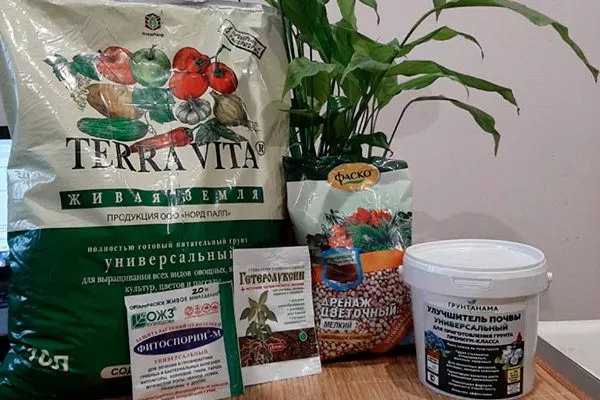
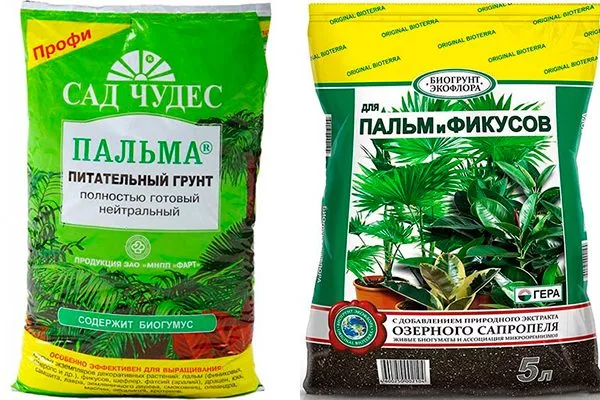
Among the ready-made substrates, the following are considered the most popular:
- The power of Suzdal. A specialized soil containing soil, high-moor peat, perlite, and river sand.
- Green city. The substrate is based on organic nutrients (biohumus).
- BioMaster. Considered a universal fertilizer for araceae, it contains fertile soil, river sand, various types of peat, sphagnum moss, and charcoal.
- They're purring. This manufacturer produces various mixtures for spathiphyllums based on meadow soil, vermicompost, peat and humus.
- UltraEffect Plus. A specialized soil based on hydroponics, sphagnum moss, peat, agroperlite, charcoal and pine bark.
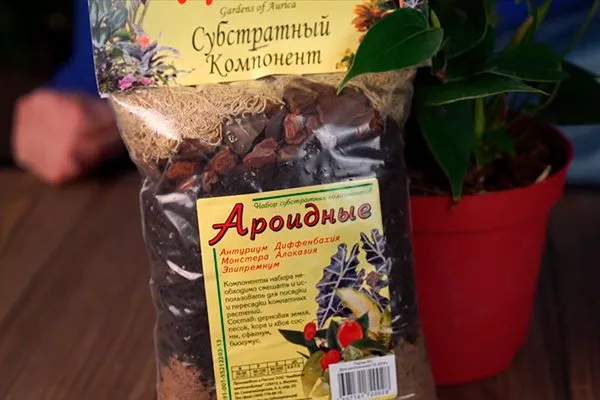
- Gardens of Aurica. This is a budget option. It consists of river sand, pine needles, pine bark, and turf.
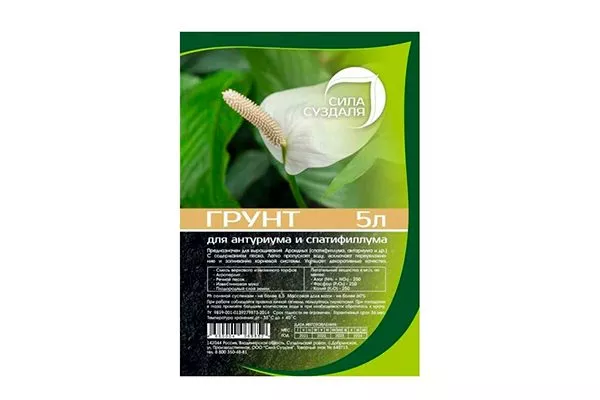
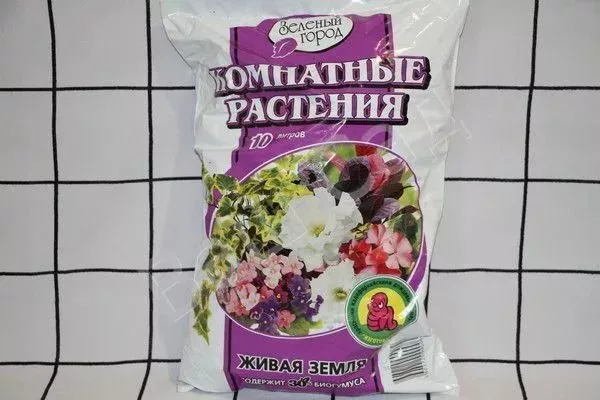
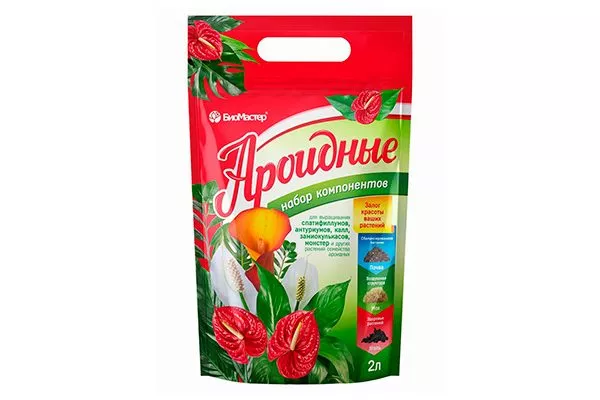
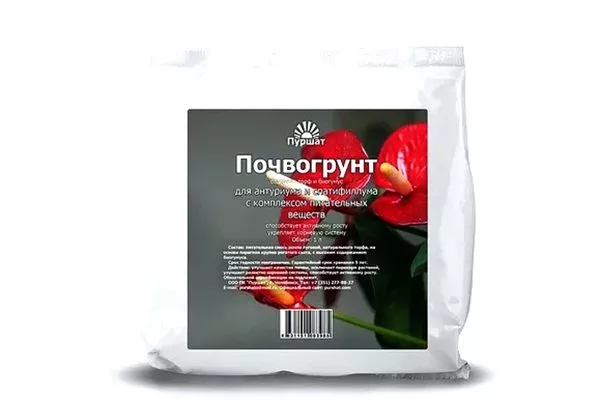
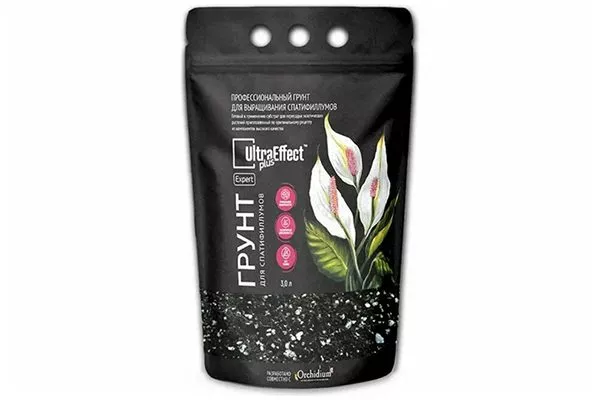
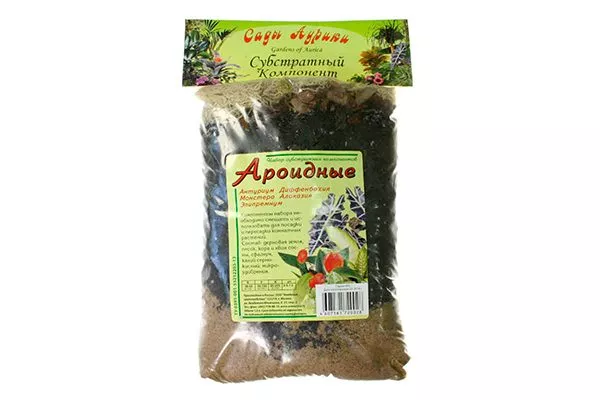
When choosing a ready-made substrate, pay attention not only to the ingredients but also to the expiration date, packaging condition, and other parameters. Try to purchase soils from reputable manufacturers.
How to prepare soil mixture yourself?
Ready-made mixtures offer many advantages, but they also have a significant drawback: high cost. Therefore, many people prefer to make their own substrates. There are many options for this. Carefully examine each one and choose the one that suits you best.
For planting young plants
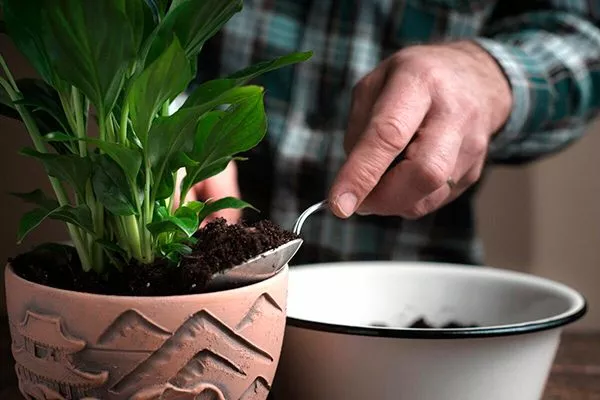
While the spathiphyllum is still young, it devotes all its energy to developing its root system, foliage, and rosettes. Therefore, these plants require a slightly different substrate. The following is considered optimal:
- 2 parts each of leaf and turf soil;
- 1 part each of coarse sand and peat;
- 0.5 parts each of fine charcoal, pine bark and crushed brick chips.
For transplantation
Repotting is performed in several situations: every 2 or 3 years during adulthood, after the plant has been purchased, or in case of illness. A good option for these purposes is the following composition:
- 1 part each of coarse sand, peat and leaf soil;
- 2 parts of turf soil;
- 0.5 parts of wood ash and perlite or other leavening agent.
For flowers growing with anthurium in the same pot
Many gardeners prefer to grow peace lilies and anthuriums together in a large pot. Although the plants are related, they have slightly different soil requirements. Therefore, choose the following soil:
- coarse-grained river sand;
- coconut fiber;
- charcoal;
- lowland and high-moor peat;
- pine or spruce bark;
- agroperlite.
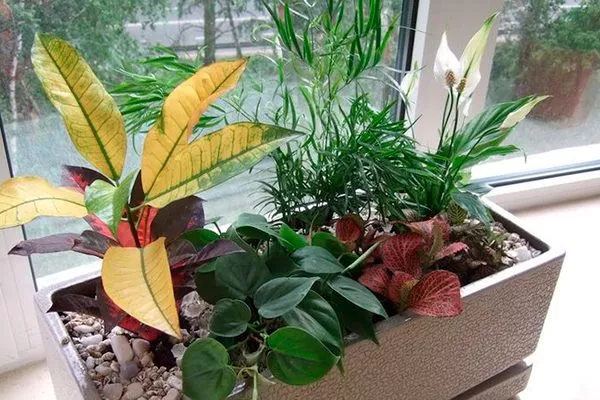
All components must be taken in 1 part.
Other compositions
There are also other variations that are ideal for mature spathiphyllums:
- 1 part each of leaf soil and peat, 0.5 parts each of river sand and turf soil;
- 2 parts each of leaf humus, regular humus and peat, 1 part each of bark, sand, wood ash and brick chips;
- 2 parts of turf soil, 1 part each of coarse sand, leaf soil and peat, 0.5 parts each of brick or clay chips and charcoal;
- 3 parts of high-moor peat and ready-made substrate for orchids, 2 parts of perlite and garden soil;
- 1 part each of peat and leaf humus, 0.5 parts each of sand and clay chips;
- 1 part coconut substrate for orchids and high-moor peat, 2 parts regular universal substrate;
- in equal proportions - sphagnum moss, vermiculite and universal soil.
If some components are sold in the form of briquettes, it is better to soak them before use.
How do you know when the soil needs to be changed?
In addition to scheduled repotting, there may be an urgent need to replace the substrate. This is necessary in the following cases:
- when roots appear in the drainage holes;
- no flowering;
- buying a potted flower;
- the leaves have fallen;
- the flower is sick;
- pests were discovered.
- ✓ The appearance of a white coating on the soil surface indicates an excess of salts and the need to replace the soil.
- ✓ Slow growth of new leaves, even under optimal care conditions, may indicate soil depletion.
What is better: a ready-made substrate or a homemade one?
Deciding whether to use store-bought soil or homemade can be difficult. To make the decision easier, familiarize yourself with the advantages and disadvantages of each option.
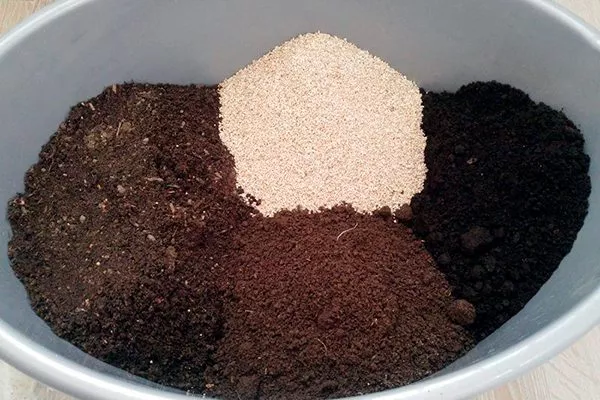
Experienced gardeners always prepare their own soil mixtures.
Correct selection of drainage
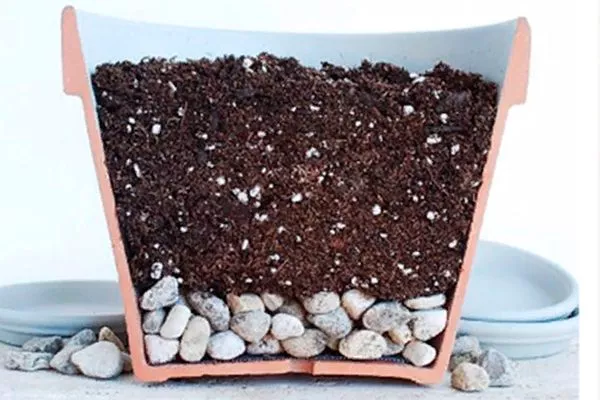
To successfully grow spathiphyllum, a drainage layer is essential to ensure excess water drains after watering. What materials are best for this plant?
- pebbles;
- crushed stone;
- expanded clay;
- broken red brick;
- granite;
- pebbles;
- foam plastic.
Consequences of planting in an unsuitable substrate
If spathiphyllum is planted in unsuitable soil, the plant will be subject to the following problems:
- green mass is growing, but there is no flowering, which indicates an excess of nitrogen and a lack of potassium and phosphorus in the soil;
- wilting begins - the soil is too compacted;
- the roots are rotting - heavy soil that does not allow water to pass through, it is important to replace the soil;
- the formation of black spots on the leaves is due to increased acidity;
- leaves turn yellow – the problem arises due to lack of fertility;
- slow growth – lack of minerals;
- the leaves are getting smaller – the substrate is too loose and light;
- there is no shine on the leaves – the soil is too dense, over-acidified or alkaline;
- New leaves are not growing – the soil is heavy.
To avoid problems when growing peace lilies, learn how to choose the right substrate. Be sure to consider the specific characteristics of your particular variety. Remember the key rule: the soil should be permeable to air and water, light, fertile, and moderately moist.