
The health and development of a spathiphyllum directly depend on the correct pot selection. Size is key, but other characteristics, such as material and color, also play a role. Choosing the wrong pot can lead to problems with flower stalks and root rot.
The importance of making the right choice
Selecting the right pot for your peace lily is important because it affects the plant's health and growth. The pot's size, shape, material, and drainage all impact the root system, soil moisture, and ventilation.
Choosing the wrong pot can lead to root problems, excess moisture, and even deterioration of the plant's overall health. It's important to carefully select a container for your peace lily to avoid potential problems.
Which one to choose?
The wide variety of pots available in stores can be confusing for shoppers. Therefore, it's recommended to research the best containers for your peace lily before heading out to shop.
- ✓ Check the pot for resistance to temperature changes to prevent cracking.
- ✓ Consider the weight of the pot to ensure plant stability, especially for tall specimens.
Size
A pot with a diameter of 9-10 cm is ideal for peace lilies 5-10 cm tall, providing optimal conditions for root development. For flowering plants 2-3 years old, choose a container with a diameter of 18-20 cm.
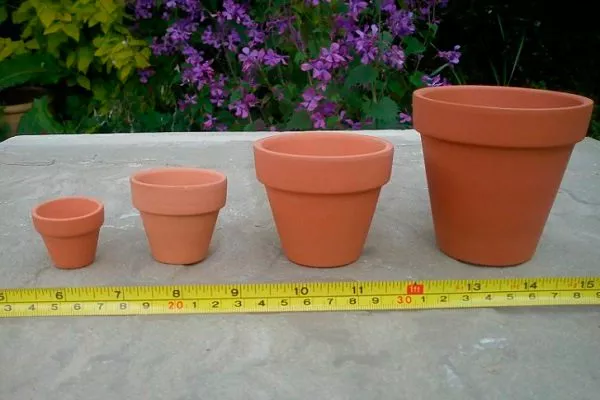
Spathiphyllum's rhizome spreads laterally, so the pot should be wide and shallow. When repotting every 1-2 years, the new pot should be slightly larger than the previous one, especially in diameter (by 3 cm), to ensure comfortable growth.
When dividing the rhizome for propagation, choose a pot 2-3 times smaller than the container for the divided section. If the spathiphyllum is dormant, increase the pot size by approximately 2 cm every 2-3 years, adding the required amount of potting soil.
Material
Both ceramic and unglazed clay pots are suitable for spathiphyllum. The porous structure of the pots allows good oxygen access to the roots and promotes the natural evaporation of excess moisture. Furthermore, ceramic and clay pots are heavier, making them more stable.
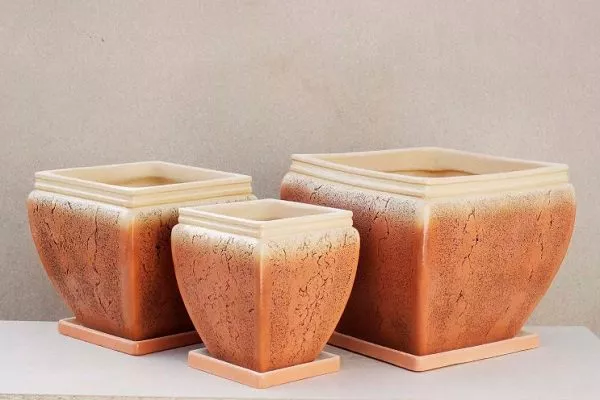
In ceramic pots, the soil can cool down faster, especially if the pot is placed near a window. It's important to avoid drafts and cold air currents from under the window to prevent root rot. Spathiphyllums thrive in plastic pots, without the risk of freezing while remaining resistant to rot.
Form
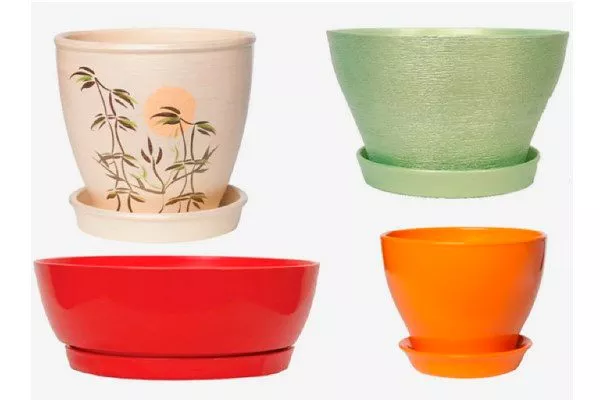
Spathiphyllum roots tend to spread outward rather than downward, creating a wide network. A suitable pot for it should be wide and low, providing optimal conditions for root development.
Color
Experienced gardeners recommend avoiding planting the "women's happiness" plant in dark pots. In summer, this can cause the root system to overheat, even if the spathiphyllum is not exposed to direct sunlight.
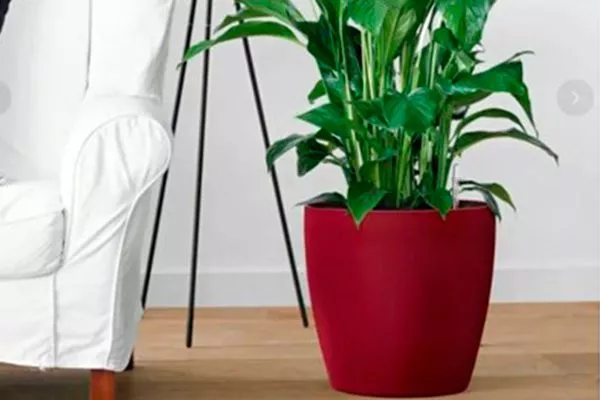
Houseplants hold special significance in esoteric teachings. For those interested in feng shui, it's interesting to know that plants are influenced by the following shades, depending on their location:
- Pink, brown and red are suitable if the flower is placed in the southwest part of the house (zone of marriage, family and love).
- Yellow, grey and white are suitable if “women’s happiness” is in the children’s area (western part of the house).
Drainage holes
It's important for the spathiphyllum pot to have several drainage holes. A lack of them can create difficulties for a novice gardener, making it difficult to control the watering level.
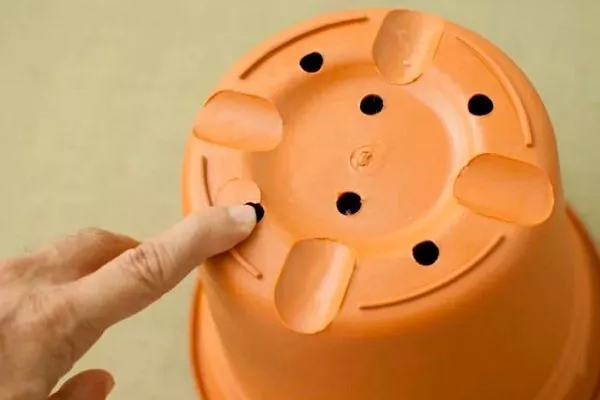
Some houseplant owners claim that mastering the art of moderate watering is quite simple, but the presence of drainage holes is considered a guarantee of error correction. In addition to their primary function of removing excess moisture, drainage holes promote aeration of the roots.
Which pot is not suitable for spathiphyllum?
When planting a young spathiphyllum, newly grown from a small seedling, it should be in a container of an appropriate size. A large pot may cause difficulties for this "woman's happiness."
Avoid using wooden or glass pots when growing this plant, as this can lead to potential root rot. Avoid deep and narrow containers, as the peace lily's root system tends to expand in width rather than depth.
Questions and Answers
Gardeners often encounter preventable difficulties when growing peace lilies, but they lack experience and knowledge. We've compiled the most frequently asked questions and provided detailed answers.
Spathiphyllum, being a very hardy plant, can grow in plastic or glass pots, but its growth may be more intense in ceramic containers.
-Plant each plant in separate pots, then combine them in a common planter or stylish basket.
- Choose a special elongated pot with an internal partition dividing it into two unequal parts. The smaller part can be used for the spathiphyllum, and the larger one for the anthurium.
Spathiphyllum blooms only when its roots are cramped, while anthurium roots require plenty of free space and a large container.
Bowls of various sizes, both large and small, are suitable as pots for these plants. Although not very tall, these containers are wide enough. Salad bowls of various sizes are also a good option, provided they have drainage holes.
Experience shows that maintaining plants in such systems for the long term is problematic. Regular repotting and root pruning, which can cause rotting, become an integral part of care. As a result, mature spathiphyllums cannot survive long-term in such a system.
Choosing the right pot for your peace lily is an important step that affects its overall well-being and development. The right size, material, and other characteristics promote a healthy root system, ensure good ventilation, and prevent problems with excess water. This makes caring for your peace lily more effective and enjoyable.