
Hydrangea is a favorite plant for many gardeners. Thanks to its multicolored flower heads, this plant can transform a garden or country house, adding a special charm. It is distinguished by its cold tolerance, low maintenance, ability to change color, and long-lasting blooms.
Appearance and characteristics
The round bush consists of slender shoots covered in a light down. The ovate leaves, approximately 20 cm long, are a rich green, with a slightly greenish-blue underside. The leaves are supported on long, thin petioles arranged opposite each other.
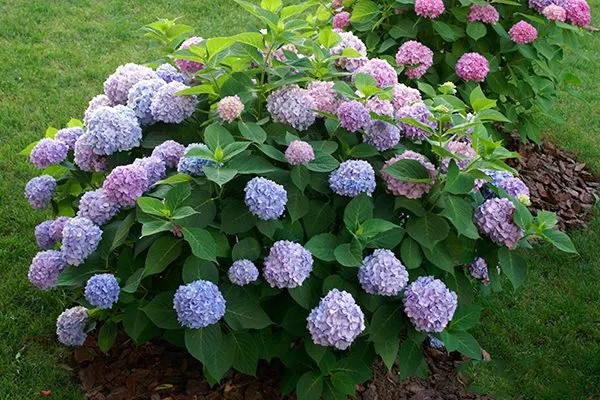
This type of hydrangea is characterized by:
- good winter hardiness;
- active regrowth after severe frosts in winter;
- high percentage of rooting of cuttings.
The best varieties of hydrangea arborescens
All varieties of hydrangea arborescens possess their own unique beauty and are sought after in landscape design. Some are widely known. These plants can give any garden a unique and picturesque look.
| Name | Bush height (m) | Inflorescence diameter (cm) | Inflorescence color | Flowering period | Winter hardiness (°C) |
|---|---|---|---|---|---|
| Annabelle | 1.5 | 30 | Lemon green, white, green | From mid-July to October | -34 |
| Pink Annabelle | 1.2 | 30 | Intense pink | From June to September | -34 |
| Hayes Starburst | 1-1.2 | 25 | Light green, snow-white, greenish | From June until the onset of frost | -35 |
| Bella Anna | 1.5 | 12-25 | Pink | Long-term | -35 |
| Candibelle Loliloup Bubblegum | 1.3 | 12-25 | Pale pink, white | From June to September | -35 |
| Candibella Marshmallow | 0.8 | 12-25 | Pink with a light salmon tint | From June to September | -35 |
| Golden Annabelle | 1.3 | 25 | White | Long-term | -35 |
| Incrediball Blush | 1.5 | 15-30 | Pale pink with a silvery tint | Long-term | -35 |
| Bounty | 1 | 15-30 | Light green, light cream | From July to mid-autumn | -35 |
| Strong Annabelle | 1.5 | 30 | Greenish, white | From July to September | -35 |
| White Dome | 1.5 | 15-25 | White | Long-term | -35 |
| Grandiflora | 1.5 | 20 | White, cream | From June to September | -35 |
| Lime Ricky | 0.9-1.2 | 15-25 | Lime, lightening | From July to September | -35 |
| Sterilis | 1-2 | 15-20 | Greenish-white, white | From July to September | -35 |
Annabelle
This woody shrub with deciduous branches forms a spreading, dome-shaped form. It reaches a height of approximately 1.5 m, with a width corresponding to this. During flowering, the bush is adorned with large inflorescences that form a cap and reach up to 30 cm in length.
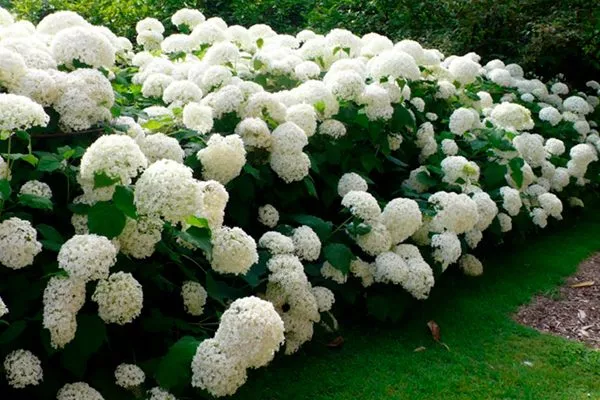
At the beginning of flowering, the inflorescences take on a lemon-green hue, gradually turning white, and finally turning green. Over time, the inflorescences become more aesthetically pleasing and attractive. The leaves are elongated, their green color turning a vibrant yellow in the fall.
Pink Annabelle
The bush grows to approximately 1.2 m in height and can reach 1.5 m in width. The sturdy shoots of this variety prevent the weight of its large flowers from crushing it to the ground, even in strong winds or rain.
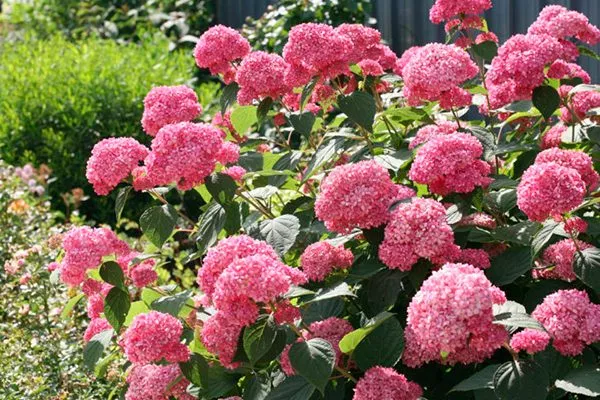
This variety is considered the first cultivar with intensely pink flowers. The inflorescences are impressively large, reaching up to 30 cm in diameter. The sterile flowers are closely pressed together, forming an irregular hemispherical structure.
Hayes Starburst
The bush reaches a height of 1-1.2 m and a diameter of up to 1.5 m. Slender shoots easily stand upright without support, and velvety light green leaves add charm. This hydrangea attracts attention with its double flowers, gathered in hemispherical corymbs up to 25 cm in diameter, reminiscent of stars.
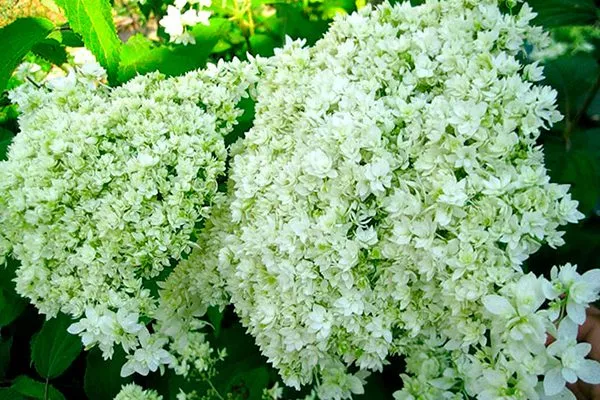
Starting with a light green bud, they bloom into snow-white crowns, and upon finishing their blooms, they regain their greenish hue. This hydrangea delights with its magnificent blooms from June until the onset of frost. This variety demonstrates resistance to temperatures down to -35°C.
New varieties of tree hydrangea
Originally, white and lime tones dominated the older hydrangea varieties. Modern hybrids have introduced new shades of pink into this spectrum, available in a variety of variations—from pale, almost transparent, to rich.
Bella Anna
This plant is a small bush, reaching up to 1.5 m in height and up to 2 m in width. The shoots are stiff and straight, but not so strong that they sag during flowering. The leaves are green and rounded-ovate. Toward the end of flowering, they acquire a yellowish tint.
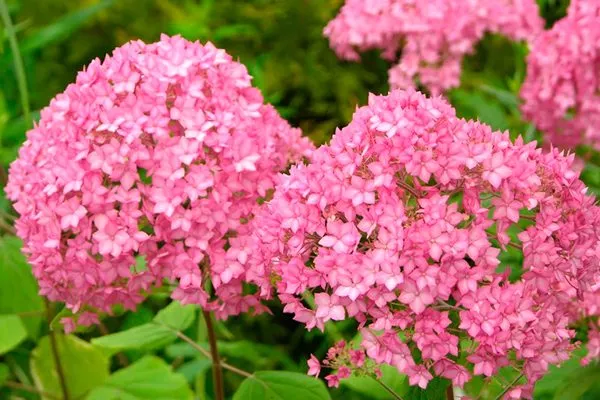
The inflorescences of this hydrangea variety are spherical and large, with a diameter of 12 to 25 cm. This plant blooms for a long time and occurs on shoots, as with other varieties of this species.
Candibelle Loliloup Bubblegum
This new hydrangea variety is a compact shrub with a rounded crown and sturdy stems reaching heights of up to 1.3 m. The almost spherical and irregularly shaped corymbs are adorned with densely packed sterile flowers that begin pale pink and later turn white.
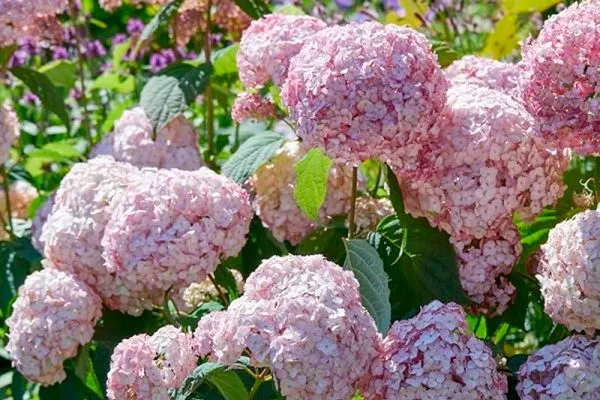
This variety is suitable for growing in pots or containers. Numerous flowers completely cover the bush, appearing from June to September. This hydrangea is easy to grow and has a medium growth rate. To achieve larger blooms, short pruning is recommended.
Candibella Marshmallow
This compact hydrangea variety is characterized by its low growth, forming a neat, round bush 80 cm tall with a crown diameter of up to 90 cm. The flowers are pink with a light salmon hue and are gathered in dense, hemispherical corymbs.
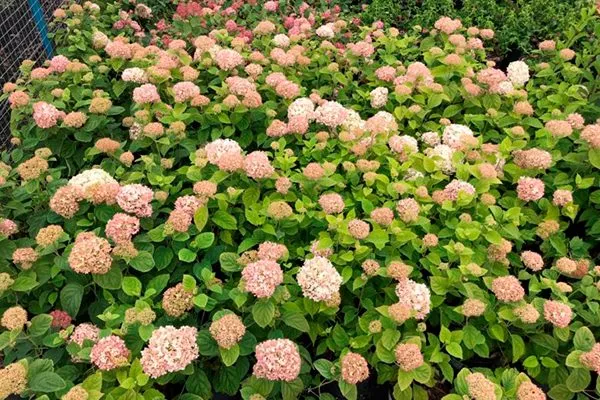
This variety's shoots are strong. Blooming is prolonged, beginning in June and ending in late September. This hydrangea is winter hardy to zone 4.
Golden Annabelle
The bush reaches a height of 1.3 m and forms a rounded crown. Its lacy inflorescences are large and white, up to 25 cm in diameter. Golden Annabelle is characterized by leaves decorated with a wide, light green border along the edges. This variety is highly frost-resistant, withstanding temperatures down to -35°C.
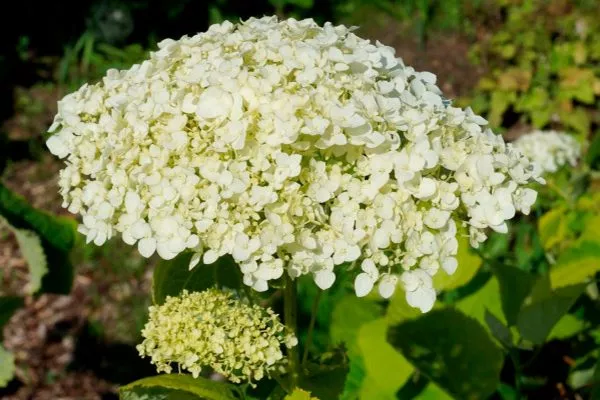
Incrediball Blush
A spreading bush with sturdy branches reaches a height of up to 1.5 m. Dark green, heart-shaped leaves retain their color until they fall. Large, hemispherical inflorescences.
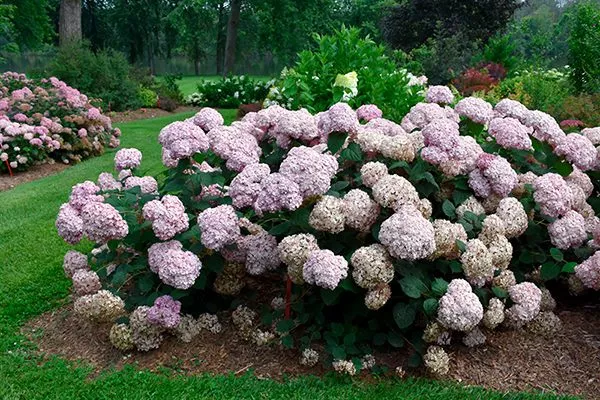
As the buds open, they acquire a pale pink color with a silvery tint, which from a distance creates the impression of light violet. Over time, the petals darken. Hydrangea is undemanding in terms of light.
Winter-hardy varieties of hydrangea arborescens
This is the most frost-hardy hydrangea species. In zone V, all varieties overwinter successfully even without additional protection. In zone IV, most plants freeze only in extreme temperatures, but recover quickly. Even in zone III, many varieties can be planted with additional protection.
Bounty
The shrub reaches a height of about 1 m and a diameter of approximately 1.5 m, forming a compact bush with large inflorescences. The plant's shoots are strong and require no additional support, returning to their original shape after rain. The leaves are large and heart-shaped.
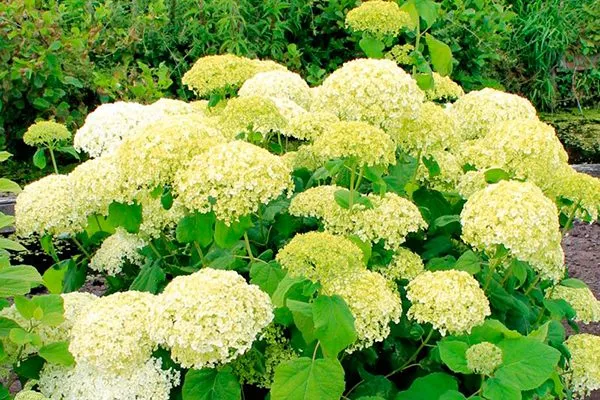
The inflorescences are spherical, 15-30 cm in diameter. At the beginning of the flowering period, they are a light green color, which gradually changes to a light cream. Bounty hydrangea begins blooming in its third or fourth year and continues to bloom from July until mid-autumn.
Strong Annabelle
The bush grows to a height of 1.5 m and a diameter of approximately 1.3 m. Upright, sturdy shoots with large oval leaves, reaching up to 15 cm in length, turn yellow in the fall. The lacy, almost round corymbs of this variety are impressive in size, reaching a diameter of approximately 30 cm.
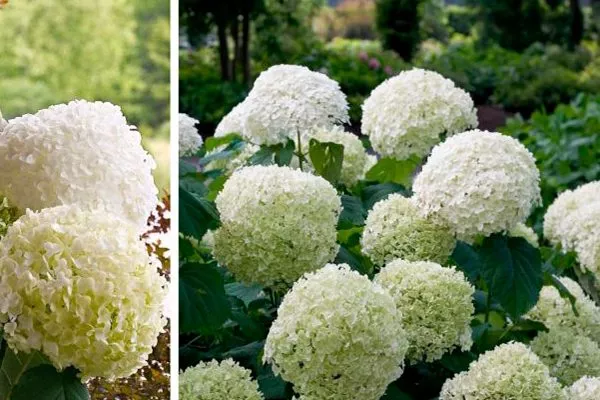
The large, sterile flowers initially have a greenish hue that gradually fades to white. The flowering period begins in July and continues until September. Hydrangea is highly frost-resistant.
White Dome
This shrub reaches up to 1.5 meters in height and 2 to 3 meters in diameter, with a rapid growth rate and a lifespan of up to 20 years. The dense bush has thin but strong stems that prevent it from bending or breaking, even during rainfall.
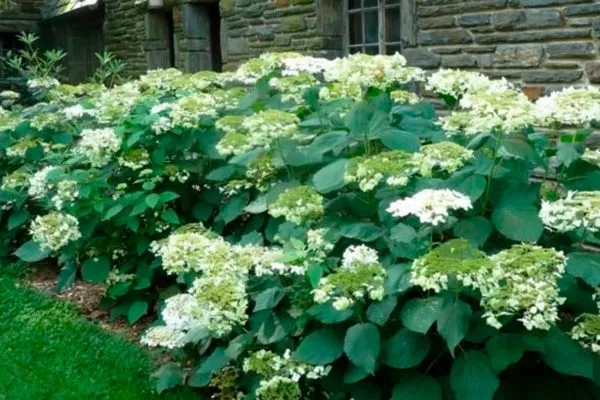
The leaves are elliptical, dark green above and light green below. Large, white, dome-shaped inflorescences reach 15-25 cm in diameter.
Varieties for the Moscow region
Any variety of arborescens hydrangea can be grown in the Moscow region, as they survive winter well. Even if the bush freezes due to a sudden drop in temperature or ice, it quickly recovers in the spring and blooms beautifully.
Grandiflora
In appearance, this hydrangea is similar to Annabelle, but its distinctive features include flatter, irregularly shaped inflorescences. The bush reaches 1.5 m in height and can be 1.8 m in width. The leaves are light green and pubescent.
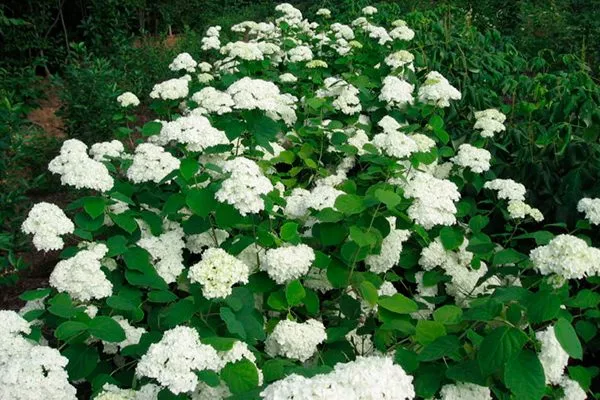
The inflorescences, up to 20 cm in diameter, are hemispherical or irregularly shaped. The flowers are white or cream-colored. Grandiflora blooms from June to September.
Lime Ricky
The bush is compact, reaching a height of 90 to 120 cm. Its branches have a strong structure and thick stems capable of withstanding inclement weather. The corymbs are convex, dome-shaped formations, dense, and contain sterile flowers with obovate petals.
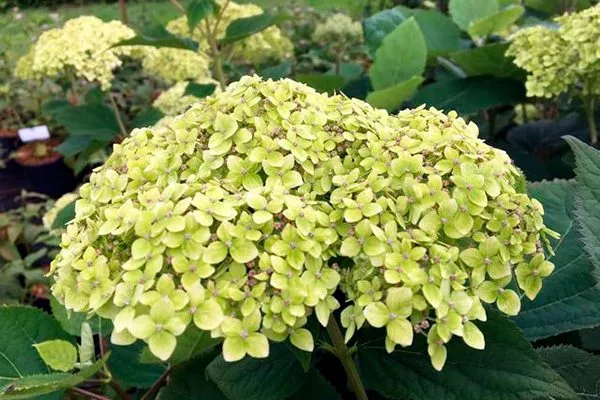
The initial color of the corymbs is lime green, gradually lightening. This hydrangea variety thrives in a variety of soil types and doesn't require any special lighting conditions.
The corymbs are often cut for dried flowers. The flowering period is July–September.
Sterilis
The shrub reaches 2 meters in diameter and 1 to 2 meters in height. The stems are soft, allowing the spreading branches to bend toward the ground under the weight of the large flowers. The leaves of this variety are bright green and heart-shaped.
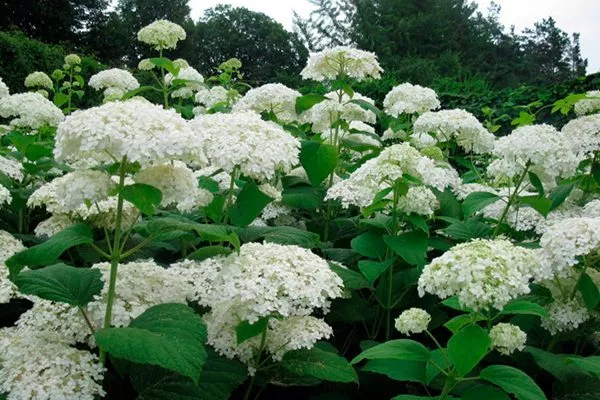
The inflorescences are conical and reach 15-20 cm in diameter. The flowers begin with a greenish-white hue, gradually turning pure white. The plant blooms from July until the end of September. This variety can withstand severe cold for approximately two months.
Suitable conditions and landing site
Planting hydrangea arborescens takes little time and requires little effort. It's important to properly prepare the site and follow the recommendations of experienced gardeners.
Planting dates
The planting time should be determined based on the region's climate and the characteristics of the chosen variety. In colder climates, plant before the growing season begins (early spring). In southern regions, planting can be done in either spring or late fall.
How to plant?
For young plants, it's important to select moist soil, so avoid areas with trees or other shrubs that may compete for moisture. Mature plants can absorb moisture from the soil, leaving young seedlings without the necessary nutrients.
- ✓ Check the root system for rot and drying out.
- ✓ Give preference to seedlings in containers or with a root ball wrapped in burlap.
The process of planting hydrangea arborescens is as follows:
- Mix the soil thoroughly in the planting area, adding compost and sand if necessary.
- It's best to purchase three- or four-year-old seedlings. Pay attention to the condition of the root system, choosing healthy roots with no signs of rot or drying out.
- Select seedlings in a container or with the root ball wrapped in burlap.
- Dig a hole up to 50 cm deep and slightly larger in diameter than the root system of the seedling.
- Mix the soil with compost and perlite to improve drainage.
- Place a small layer of sand or fine stone chips at the bottom of the hole.
- Remove the seedling from its container, inspect the roots, and spread them out. Place it in the center of the hole and fill the voids with potting soil.
- Firm the planting site and water the seedling generously.
- The root ball level should be comparable to the surrounding soil.
- Keep the soil moist for the first few weeks, especially around newly planted plants.
Mulch the tree trunk circle using dry leaves or bark.
Care Features
Despite its low maintenance requirements, insufficient attention can cause the shrub to dry out quickly. Follow the care recommendations to ensure the longevity of the plant.
Watering and fertilizing
It's important to follow certain guidelines when watering hydrangeas. The plant doesn't tolerate drought, so keep the soil moderately moist, avoiding it from drying out. Regular watering is standard, but be careful to avoid stunted growth and root rot.
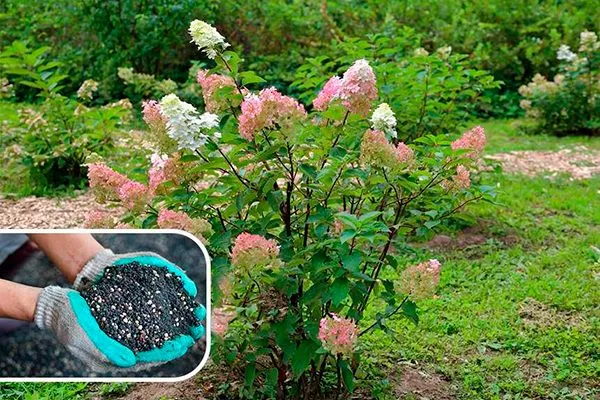
Hydrangea arborescens is naturally self-sufficient in nutrients and often requires no additional fertilizing. In most regions, a single application of granular fertilizer in early spring is sufficient.
- ✓ Yellowing of leaves at the beginning of the season.
- ✓ Slow growth or lack of flowering.
Trimming
Hydrangea arborescens blooms on new growth, and over time, the bushes can become too dense, which negatively impacts the quality of the blooms. Formative pruning maintains the bushes' health. This promotes the emergence of strong shoots that produce large blooms.
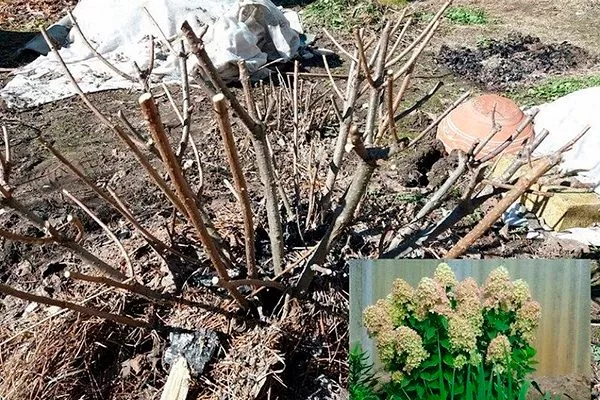
Formative pruning process:
- Shorten strong shoots by 3-5 buds, and weak shoots by 2-3 buds, ensuring uniform growth. This maintains bushiness and prevents the center of the crown from becoming dense.
- After pruning, apply fertilizer containing nitrogen, phosphorus and potassium.
It is recommended to prune broken, dried, and poorly developed shoots from young plants immediately after planting. In the second year, formative pruning is performed, which involves significantly shortening the previous year's branches.
To rejuvenate mature bushes, severe pruning is performed, with all branches cut back to 50 cm from the ground. Young specimens up to 4 years old are not pruned unless they have begun flowering.
How to propagate hydrangea?
There are several methods for propagating this flowering shrub. Let's look at each of them:
- Dividing the bush. This method can be used in both early spring and fall. Remove the plant from the soil and divide it into several parts. Each part should contain buds for new growth and roots. Then plant the divisions in pre-prepared holes.
If the procedure is carried out in early spring, then by autumn the seedlings will have time to take root and prepare for winter. - Propagation by layering. The process begins at the beginning of the growing season. Select a flexible, healthy shoot growing close to the ground. Then, dig a small trench next to the parent plant and carefully bend the shoot down to the soil.
After planting the shoot in the trench, secure it with a stone or brick. Leave the end of the shoot above the soil surface. Water the cutting regularly, and when a new shoot appears, transplant it to a new location in the fall or next spring. - Cuttings. This method is the most common. Prepare cuttings in early or mid-June from the upper, non-lignified parts of the shoot. The cutting should have a "heel" from the shoot and at least 1-2 internodes. Trim the upper leaves by half and remove the lower ones completely.
Place the cutting in a soil mixture of peat and sand or leaf mold with a sandy top layer. To create a greenhouse, cover the cutting with plastic film.
Pest and disease control
Caring for hydrangea arborescens can be simple, but the plant is susceptible to fungal diseases caused by excess moisture and poor drainage. Helpful tips:
- To prevent fungal diseases, it is important to properly prepare the seedling for planting, treat it with copper sulfate and spray it with Bordeaux mixture at the beginning and end of the season.
- To protect against viruses such as gray mold, downy mildew, powdery mildew, septoria leaf spot and viral ring spot, carry out appropriate treatments using products such as Fundazol, a solution of laundry soap, copper sulfate, Fitosporin-B, Skor, Topaz.
- Insects (aphids, spider mites and root-knot nematodes) can be controlled using products such as Tanrek and Komandor.
Pay attention to diseases caused by metabolic disorders (chlorosis, manifested by deformed buds and leaves). Nutrient deficiency, improper soil acidity, excessive sun, and dry soil can all be the causes of this condition.
Regular watering and fertilizing will help if the leaves turn yellow, but sunburn and excessively hard water can cause dryness and blackening. Chlorosis, caused by a lack of minerals such as iron, requires repotting and fertilizing.
Hydrangea arborescens in landscape design
These ornamental shrubs are perfect as a natural border in a garden or as a beautiful backdrop for low-growing perennials and annuals. The plant's flowers attract butterflies, bees, and other pollinators.
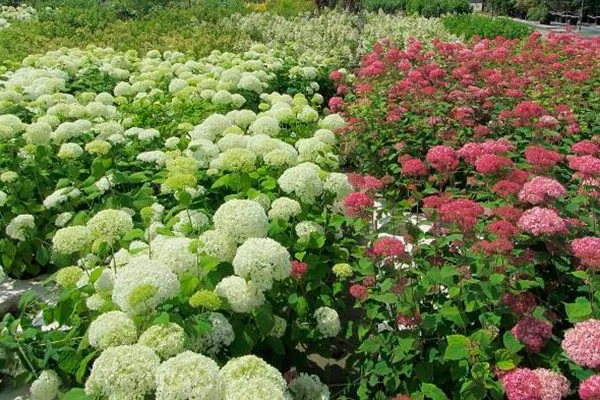
For the best visual effect, it's recommended to plant hydrangea bushes in rows or groups to maximize their floral diversity, or use them as accent plants among other attractive shrubs. Hydrangeas are ideal for creating exquisite bouquets of fresh or dried flowers.
The arborescens hydrangea's unique features, including a variety of colors, a long bloom period, easy overwintering, and the ability to be shaped into various shrubs, make it a versatile and colorful addition to the landscape. The care and pruning recommendations described in this article will help maintain the plant's health and beauty.