
Frost-hardy hydrangea varieties are true gems in the plant world, providing beauty and splendor even in harsh climates. Their unique ability to survive and thrive in cold regions makes them indispensable for gardeners living in northern latitudes.
The most frost-resistant varieties of panicle hydrangea
Panicle hydrangea is renowned for its large, showy blooms, which add vibrant, rich color to the garden. Each panicle hydrangea variety contributes to beautiful landscape compositions while providing resistance to cold and frost.
| Name | Frost resistance (°C) | Bush height (m) | Color of inflorescences |
|---|---|---|---|
| Pinky Winky | -20 | 2 | White → Purple-red |
| Silver Dollar | -20 | 1.5 | White → Beige-white |
| Grandiflora | -30 | 2 | Cream → Pink |
| Vanilla Fraise | -20 | 1.5 | White → Raspberry |
| Sundae Fraise | -20 | 1 | White → Hot Pink |
| Magical Fire | -20 | 1.5 | Purple-pink |
| Limelight | -20 | 2.5 | Greenish → White |
| Unigue | -20 | 3 | White → Pink |
| Early Sensation | -20 | 1.5 | Cream → Pink → Red/Burgundy |
Pinky Winky
A fast-growing shrub with remarkable cold tolerance, it can withstand temperatures down to -20°C thanks to its strong shoots. Its crown has a stable structure, resisting decay.
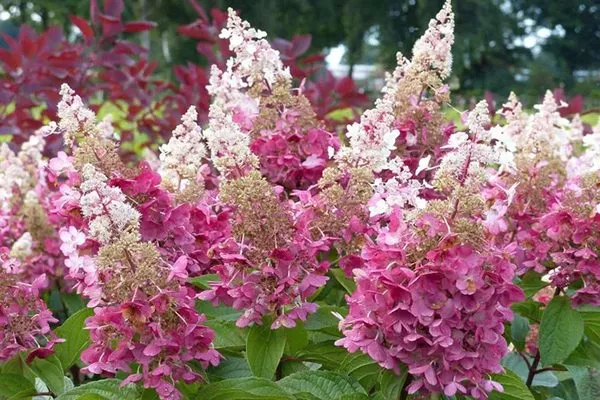
The shrub can reach up to 2 m in height, forming a compact and beautifully proportioned structure. It will become a reliable and attractive element in the garden, providing a stunning appearance.
The attractive blooms undergo a stunning color transformation: starting from a pearly white, they gradually acquire a purple-red hue. The foliage is a rich, dark green, giving it a fresh and picturesque appearance.
Silver Dollar
This low-growing shrub is a true gem in the garden. Covered in luxurious buds, it is a true work of nature. This variety is characterized by strong, upright shoots, creating a stable and structured form.
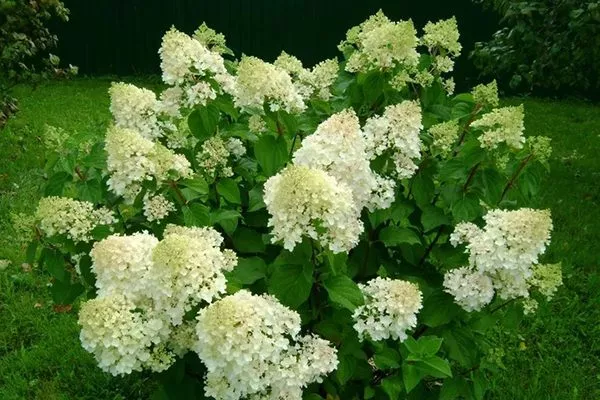
The inflorescences are stunningly beautiful—pyramidal in shape, they begin their journey through the world of flowers with a luxurious white hue. Two weeks after flowering, the clusters transform into a veritable lacework, enveloping the garden in beige and white nuances.
Grandiflora
This unique plant has been developed by breeders into a modern hybrid. The shrub reaches up to 2 meters in height. One of its most striking features is its inflorescence, which begins in creamy shades and then gradually turns pink.
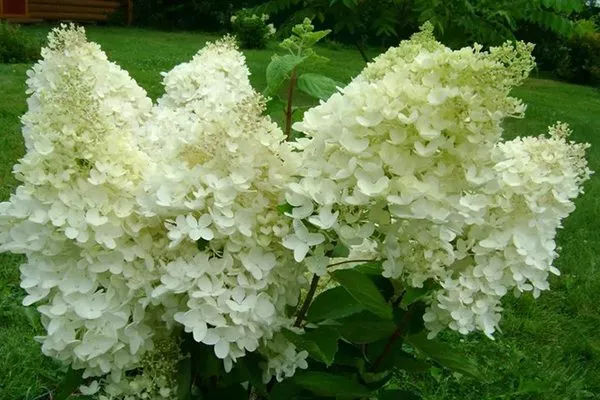
Abundant flowering lasts from late June until October, creating a long period of visual delight. Breeders have significantly improved Grandiflora's frost resistance, reducing its hardiness to -30°C.
Vanilla Fraise
This amazing variety, originating in the Far East, impresses with its unique characteristics. Particularly striking are its majestic inflorescences, which can reach an impressive length of up to 30 cm.
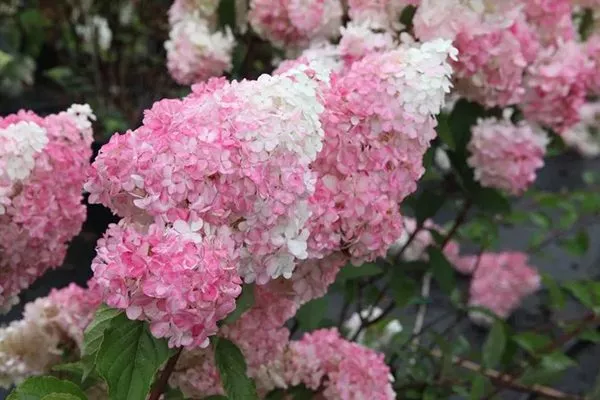
The variety offers a wide range of colors, ranging from white to crimson, with each bud boasting its own unique hue. A remarkable feature of this plant is its ability to withstand severe winter cold without significant consequences.
Sundae Fraise
The low-growing panicle hydrangea is a stunning plant with a compact, spherical shape, reaching no more than 1 m in height. It is ideal for use as a garden hedge, giving the area an elegant and neat appearance.
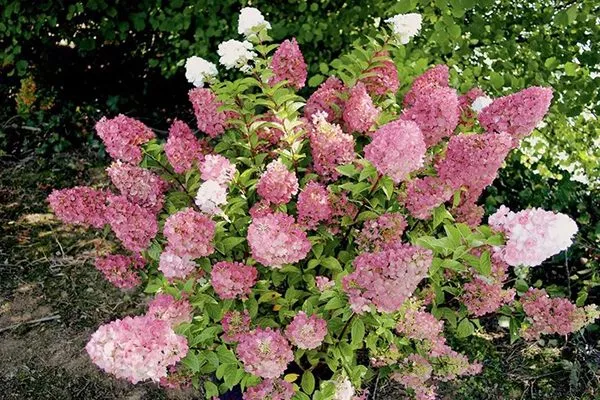
One of the outstanding characteristics of this variety is its frost resistance. The plant can survive temperatures down to -20°C even without shelter, making it an excellent choice for colder regions.
Hydrangea's luxurious, pyramidal-shaped clusters are stunningly beautiful. The buds open in pure white, which gradually transforms to a vibrant pink, creating a visually striking contrast.
Magical Fire
This variety stands out for its most distinctive feature: its stunning purple-pink coloring, giving the bush the appearance of a flickering flame. The plant's incredibly rich hues make it a vibrant accent even in the most dull landscape, transforming ordinary surroundings into a festive and colorful space.
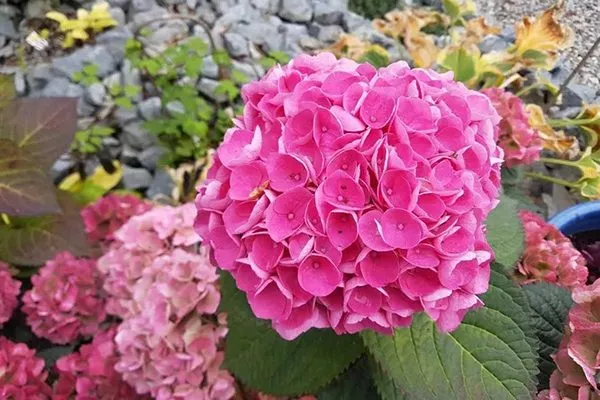
Magical Fire has a significant advantage: its ability to withstand winter frosts down to -20°C. This variety is an ideal partner for creating unique and visually stunning garden arrangements.
Limelight
Limelight is a fast-growing variety, capable of reaching a height of up to 2.5 m. Its spreading crown responds remarkably well to formative pruning, making it easy to achieve the desired shape and size.
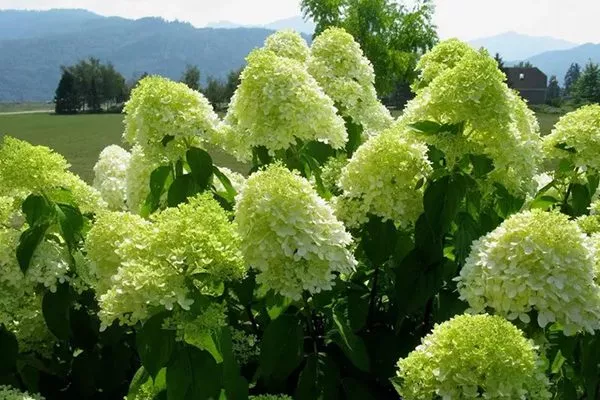
Limelight's resilience is particularly noticeable in cold climates. Its straight, rigid stems make it frost-resistant and incredibly easy to care for. This plant will become a reliable addition to your garden, able to withstand a variety of climatic conditions.
Limelight's flowering process is stunningly beautiful. At the start of bloom, the inflorescences take on a greenish hue, which gradually lightens, eventually turning white. Their conical shape and impressive length of up to 25 cm give the plant an elegant and refined appearance.
Unigue
This impressive plant, which can reach a height of up to 3 m, makes a stunning addition to any garden landscape. Regular pruning to shape its crown helps maintain its compact and graceful form.
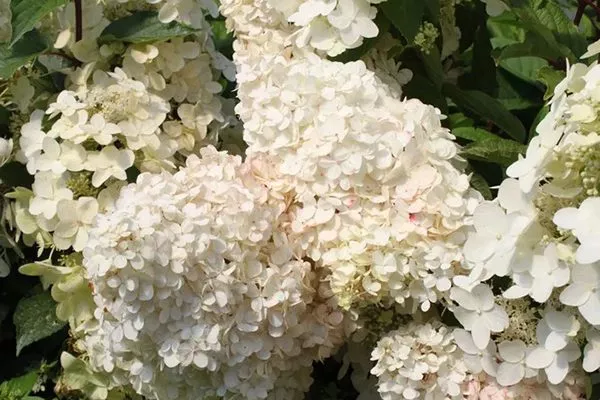
This plant's flexible stems bear beautiful blooms reaching up to 30 cm in length. These exquisite blooms give the hydrangea a sophisticated look, decorating it until frost. Beginning with white, the flowers gradually transition to pink, creating a captivating color transition.
Early Sensation
The shrub is covered with bright, large leaves adorned with small teeth. Its upright shoots have a dark hue. Inflorescences form on both young and old shoots, sometimes reaching 30 cm in length. The open flower is approximately 3-5 cm in diameter.
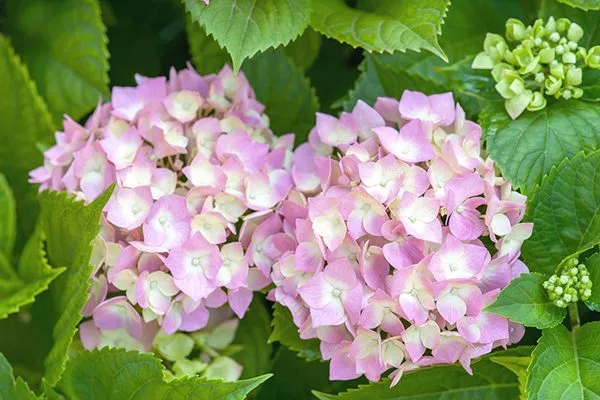
The Early Sensation hydrangea is particularly interesting for its ability to change flower color. Initially, the petals are creamy, which gradually turn pink. As they fully open, they acquire a red or burgundy hue, giving the shrub a unique and picturesque appearance.
The most frost-resistant varieties of tree hydrangea
The arborescens hydrangea, with its elegant structure and large blooms, is becoming an important element of landscape design. Choosing winter-hardy varieties ensures the plant retains its beauty even during the cold season.
| Name | Frost resistance (°C) | Bush height (m) | Color of inflorescences |
|---|---|---|---|
| Annabelle | -25 | 1.5 | White → Greenish |
| Strong Annabelle | -25 | 1.5 | Dark pink |
| Invincibelle Spirit | -37 | 1.5 | Dark pink |
| Bella Anna | -25 | 1.4 | Crimson |
Annabelle
Annabelle is an easy-to-grow and winter-hardy variety, withstanding even severe frosts down to -25°C. Its main features are its beautiful large leaves and impressive white, ball-shaped inflorescences. As they fade, they acquire a greenish hue, creating an interesting and decorative contrast in the garden.
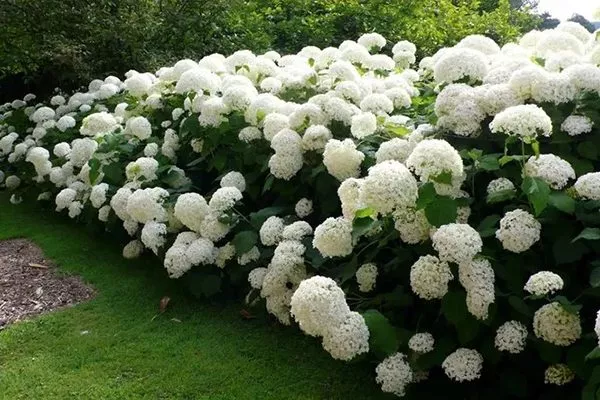
It's not just her visual qualities that make Annabelle so appealing. This plant is long-lived, and under favorable conditions can live up to 50 years, delighting with its elegant beauty and stability for many decades.
Strong Annabelle
This plant is capable of blooming even after the harshest winters. Even if the above-ground portion of the bush is frozen, the inflorescences still appear on new young shoots, continuing to delight with their beauty.
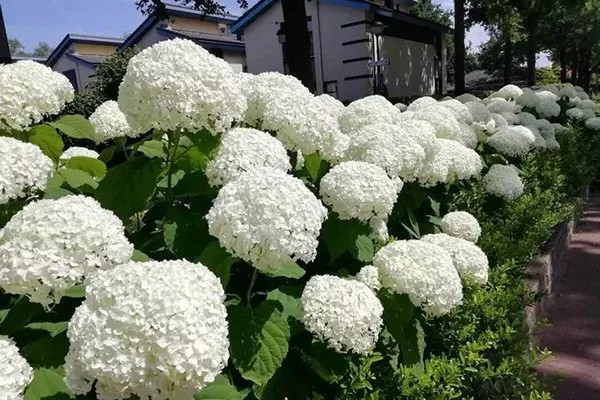
In summer, it grows into a huge, spherical shrub covered in dark pink flower heads. This magnificent species creates a vibrant and attractive picture in the garden, lending a unique character to the landscape.
One of the amazing qualities of this plant is its long flowering period in one place, which can last up to 30 years. This makes it not only a beautiful garden element but also a durable, long-lasting decoration, bringing joy to its owners for many decades.
Invincibelle Spirit
A plant with incredible winter hardiness, withstanding even extreme cold down to -37°C. Its beautiful dark pink inflorescences, reaching up to 30 cm in length, make it not only exceptional in terms of survival but also a visually appealing element of the garden landscape.
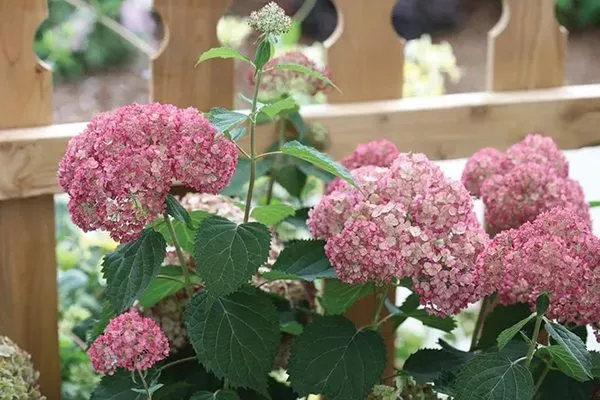
The blooms of this variety become a true decoration, bringing warm and vibrant colors to the garden. A unique feature of this plant is its ability to recover even after its above-ground parts freeze.
Bella Anna
This variety has a unique tree-like habit, giving it a refined appearance. A mature plant reaches no more than 1.4 m in height, and its crown diameter is impressive—1.3 to 1.5 m. The shrub is characterized by straight, strong, green-brown branches, creating a compact and elegant structure.
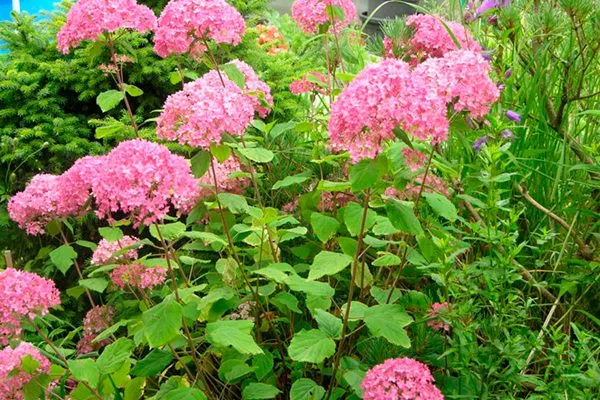
During flowering, the shoots bend gently under the weight of the inflorescences, giving the plant an even more graceful appearance. Large, crimson-colored inflorescences, 15 to 20 cm in diameter, form only on young shoots, lending the plant a special charm.
The flowers, though small, have a regular shape, consisting of five rounded petals with slightly tapering tips. This creates an impressive and harmonious floral display.
The most frost-resistant varieties of large-leaved hydrangea
Bigleaf hydrangeas are distinguished by their large, striking leaves, and their inflorescences create magnificent cascades of blooms. These plants not only add color to the garden but also make durable and beautiful landscape elements in winter climates.
| Name | Frost resistance (°C) | Bush height (m) | Color of inflorescences |
|---|---|---|---|
| Endless Summer | -5 | 1.5 | Variety of colors |
| Forever Ever | -25 | 1.5 | Soft Pink → Purple |
| You and Me Together | -20 | 0.8 | White, pink, blue |
| Hovaria | -23 | 1 | Blue, purple, eggplant |
| Schloss Wackerbarth | -20 | 1.5 | Crimson, purple, blue, green |
| Otaksa | -20 | 0.6-1 | Pink, blue |
| Red Sensation | -30 | 1.5 | Brilliant Red → Burgundy |
| Côte d'Azur | -20 | 1.5-2 | Dark blue → Purple |
| Rum | -18 | 1-1.2 | Cherry red |
| Paris | -20 | 0.3-0.6 | The reddest |
| Mirai | -20 | 0.5-1 | Pink-raspberry |
| Geisha | -12 | 1.4-1.6 | Pink, fuchsia, mauve |
| White Wave | -20 | 1.2-1.8 | White |
Endless Summer
This garden hydrangea combines a variety of colors, an impressive crown, and excellent frost resistance when properly protected. Stunning large blooms, reaching up to 20 cm in diameter, make this variety incredibly attractive to garden enthusiasts.
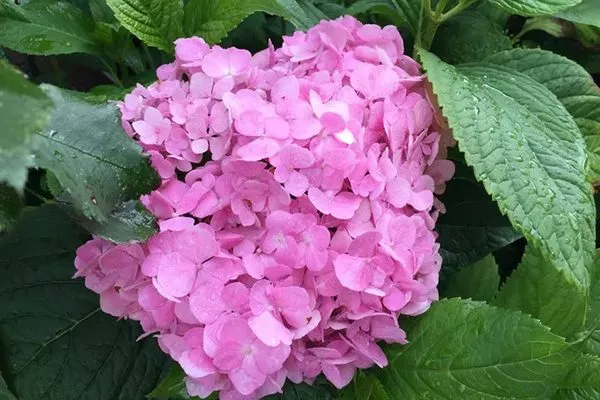
Hydrangea can survive the winter in temperatures down to -5°C, making it suitable for growing in areas with relatively mild winter climates. In harsher conditions, this plant requires double covering to ensure its safety during cold periods.
Forever Ever
The large-leaved hydrangea grows up to 1.5 m in height. It attracts attention with its large, spherical buds, which can reach 20 cm in diameter. At first, the flowers are a soft pink, which gradually fades to purple.
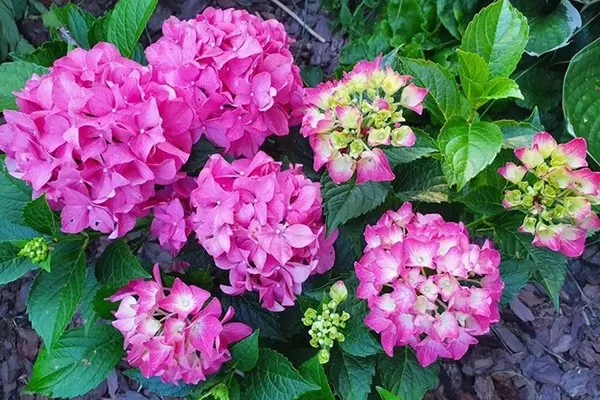
Hydrangea demonstrates high frost resistance when properly protected, withstanding temperatures down to -25°C. This variety not only impresses with its elegant form and large flowers, but also allows for easy cultivation even in cold climates, providing a beautiful garden throughout the season.
You and Me Together
This low-growing shrub reaches a height of only 80 cm. It is characterized by bright green foliage and large buds, which can reach 30 cm in diameter. The flower clusters are striking in their diversity, offering blooms in shades of white, pink, and blue.
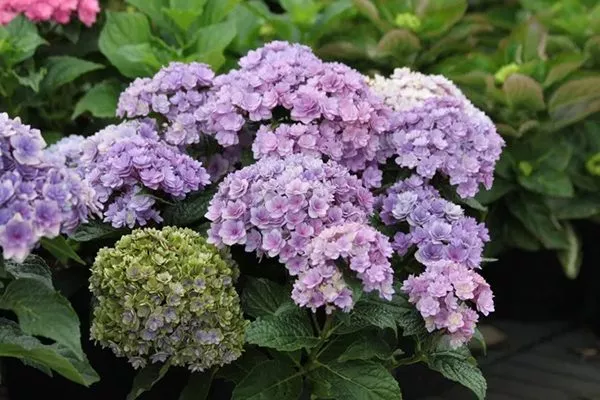
Despite its beauty, this variety requires protection for successful wintering. This will help preserve the plant and prepare it for spring bloom, ensuring joy and beauty throughout the season.
Hovaria
Hydrangea impresses with its flowers, which range in shades from blue and purple to eggplant. The shrub reaches a height of 1 m, creating a visually stunning display of vibrant, rich hues.
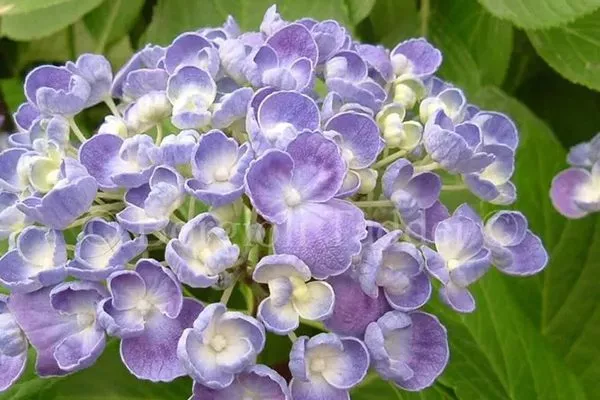
The variety can survive winter temperatures down to -23°C, making it resistant to cold climate conditions.
It is often chosen for growing as a houseplant, allowing one to admire its dark, exotic flowers throughout the year, despite the changeable natural conditions.
Schloss Wackerbarth
The chameleon hydrangea amazes with its extraordinary play of colors. The petal tips are crimson, the centers shimmer from violet to blue, and the stamens are captivatingly white.
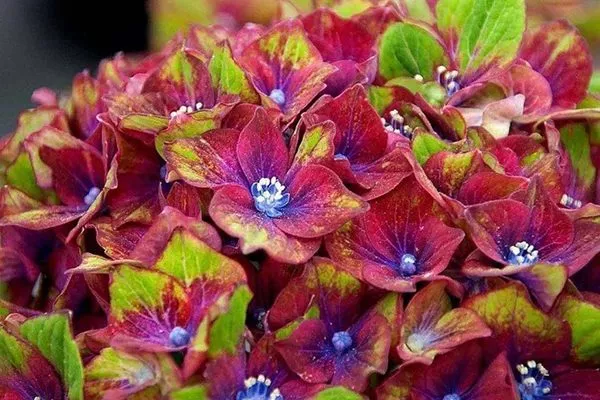
This hydrangea's uniqueness is also evident in its evolution during flowering. Toward the end of this period, green is added to the colorful palette, creating an even more vibrant and captivating image. The budding process continues until late autumn.
With proper protection, hydrangeas can withstand temperatures down to -20°C. This makes them an excellent choice for gardeners looking to add a unique and colorful plant to their garden that will enhance the space for a long time.
Otaksa
The compact shrub grows from 0.6 to 1 m tall and 0.6 to 1.2 m wide, forming a rounded shape. It is hardy to USDA zones 6-9. The leaves are obovate or elliptical, medium green to light green in color, and the petioles have a reddish tint.
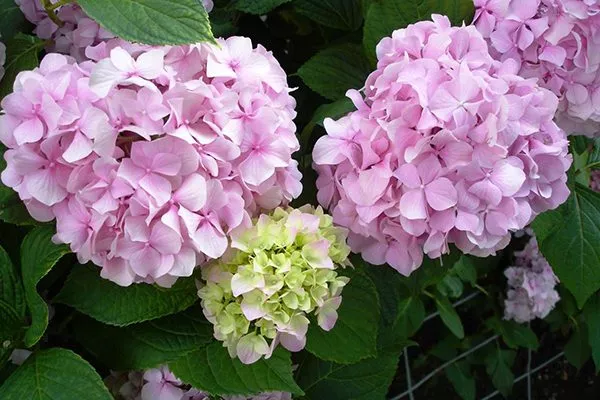
Flowers, produced in large, rounded corymbs, can be pink or blue. Blooming occurs on last year's shoots, beginning in early summer and lasting up to two months.
Red Sensation
The plant can withstand temperatures down to -30°C, corresponding to USDA hardiness zones 5-9. In summer, its flowers delight with a brilliant red hue, which changes to burgundy in the fall.
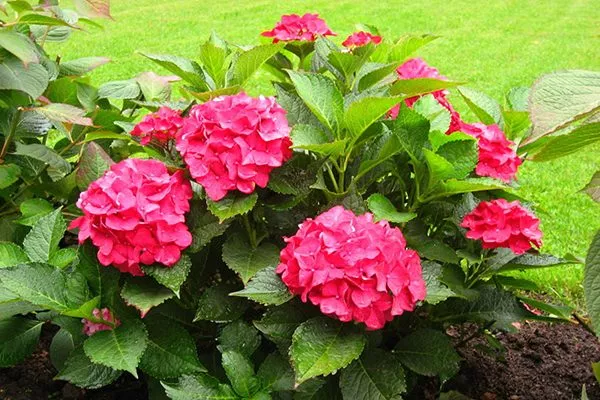
Hydrangea blooms on both previous year's growth and current stems, ensuring a long blooming period. This variety is an attractive and frost-resistant plant capable of delighting with rich flowers throughout the seasons.
Côte d'Azur
This variety is ideal for large garden plots: the bush grows to a height and width of 1.5-2 m. The inflorescences are large and round, and the flowers have a rich dark blue hue, which tends to turn purple in low soil pH.
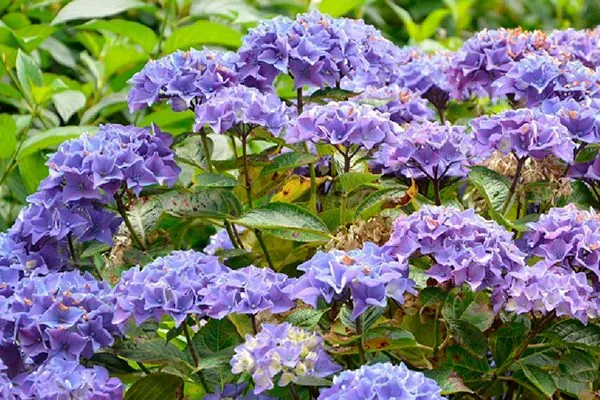
According to the USDA, this variety is winter hardy in zones 6-9. It blooms on both old and new growth, ensuring a long and vibrant bloom period.
Rum
Hydrangea, reaching a height and width of 1-1.2 m, is in high demand due to its compact size. This makes it an ideal choice for various perennial mixed borders and potted cultivation.
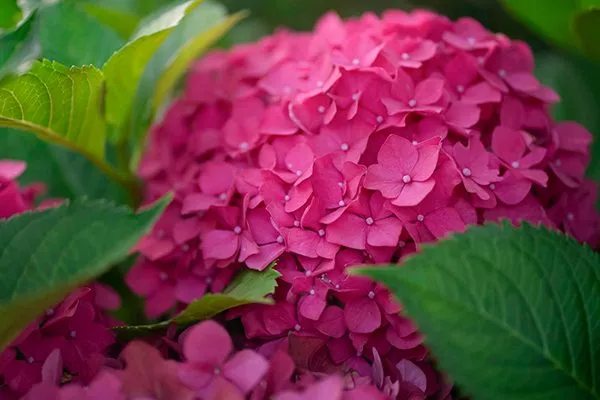
The inflorescences are cherry-red. It blooms on both last year's and current growth. According to USDA data, this variety is winter hardy in zones 6-8. In zone 6, it is recommended to cover the plant, as temperatures below -18°C (-18°F) can be critical.
Paris
Hydrangea is the reddest of its kind. It maintains its rich color in virtually any soil. Despite its vibrant color, it is compact, reaching only 30-60 cm in height and 90-120 cm in width. Its crown is dense and compact, and its leaves are dark green.
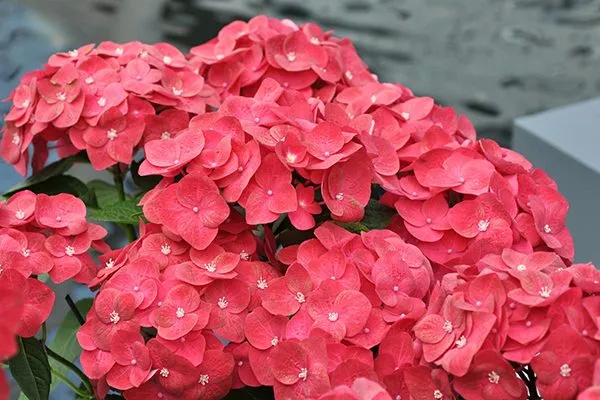
It blooms on last year's growth, creating a beautiful display throughout the season. It requires no pruning and maintains its attractiveness without any additional intervention. According to USDA data, this variety is winter hardy in zones 5-9 and is also resistant to diseases and pests.
Mirai
The bush reaches a height of 0.5 to 1 m, and its flowers are pinkish-crimson in shades, forming large inflorescences. According to USDA data, this variety is winter hardy in zones 6-9, withstanding temperatures down to -20°C. This type of hydrangea is capable of blooming on first-year shoots thanks to their rapid maturation.
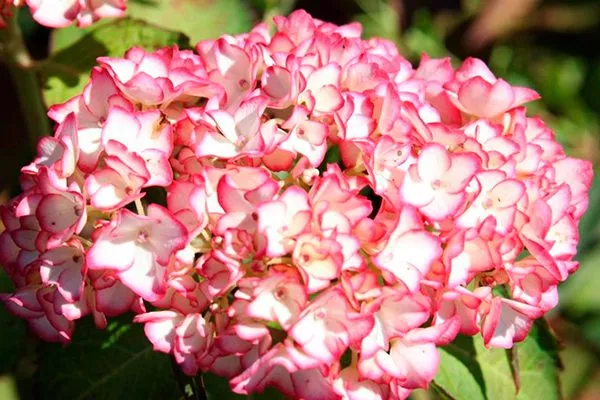
If the entire above-ground portion of a hydrangea freezes in the spring, huge inflorescences form on the new shoots in August. This makes the plant resilient to adverse weather conditions and allows it to delight with colorful blooms throughout the season.
Geisha
This shrub reaches a height of 1.4 to 1.6 m and is an excellent variety with flat inflorescences. The flowers are large, with rounded petal edges, and are colored pink, with shades of fuchsia or mauve, depending on the soil's pH.
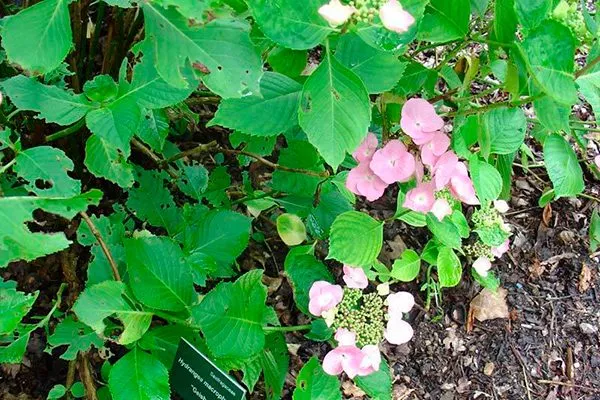
This variety's hardiness, according to USDA data, ranges from zones 5 to 9, allowing it to withstand temperatures as low as -12°C (53°F). This hydrangea blooms on last year's growth, creating a magnificent display throughout the season. It can be successfully grown in a large pot or planted in a medium-sized mixed border.
White Wave
The bush reaches a height of 1.2 to 1.8 m. This variety is winter hardy, according to USDA data, covering winter hardiness zones 6 through 9. The hydrangea inflorescences are white, and the plant blooms on last year's shoots.
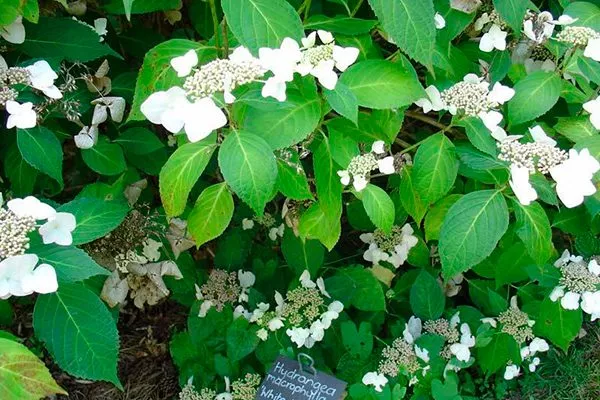
The variety's distinctive feature is its small central flowers, which change color depending on soil acidity. This adds an additional decorative element to the plant, making it interesting and adaptable to various conditions.
Which frost-resistant hydrangea variety is best to choose?
The wide selection of hydrangea varieties can be confusing for beginning gardeners. For those living in regions with temperatures down to -30°C and below, it's important to understand the wintering and care requirements for hydrangeas to select the right variety. It may be worth purchasing several different varieties.
A bed of hydrangeas is a wonderful solution for those who appreciate exquisite and breathtakingly beautiful flowers. Abundant blooms bring joy to their owners every year. Choosing the right variety for your region is crucial. That's why many beginning gardeners are drawn to the most frost-hardy hydrangea varieties.
Thanks for the review of the hydrangeas. How beautiful!