
Peonies, like other crops, have a critical need for nutrients, but fertilization must be done according to specific requirements, rules, and timing. It's important to know what exactly to feed peonies and when. There are commercial products, folk remedies, organics, and more.
Why do we need fertilizers?
Fertilizers nourish the plant and promote its growth. Their immune system is strengthened, which helps them resist diseases and pests, as well as increase their resilience to adverse conditions.
- ✓ The optimal soil temperature for applying fertilizer should be at least +10°C so that the roots can actively absorb nutrients.
- ✓ The soil pH level should be between 6.0-7.0 for maximum efficiency of micronutrient absorption.
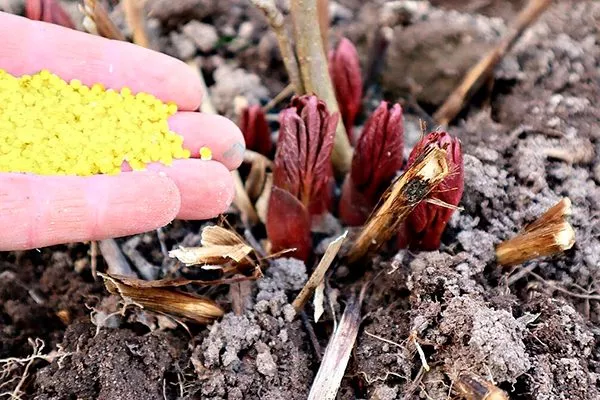
The main reasons why fertilizing is carried out:
- nitrogen is required to increase green mass and form shoots;
- To produce large quantities of buds, phosphorus is used;
- magnesium is used to enhance the color of the petals;
- In order for flower buds to be set for the next season and for ovaries to form, potassium is needed.
In addition to the above elements, other substances are also required, thanks to which the root system of peonies will develop and strengthen, the flowering period will be extended, and the buds will become larger.
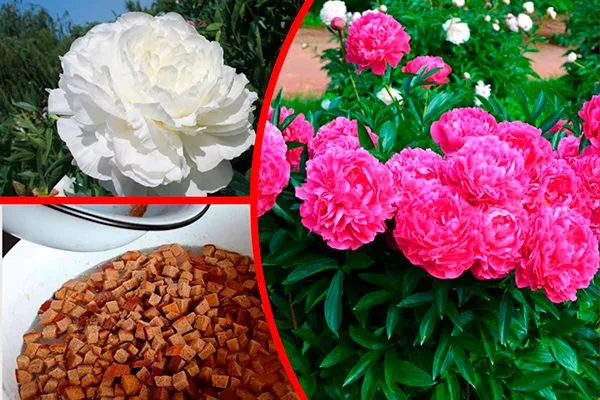
The main stages of feeding peonies
Peonies begin to receive fertilizing in their third year after planting. Fertilizers are applied using the classic method in several stages:
- First time. The time is early spring, when the snow melts and the first buds of tree peonies begin to emerge, or shoots appear on other species. During this period, the above-ground portion of the plant needs to grow, so nitrogen is needed in greater quantities. Growers typically use urea and ammonium nitrate.
- Second time. The time is early summer, when budding begins, or just before. Mineral complexes should be applied.
- Third time. This is done a couple of weeks after flowering ends. Potassium and phosphorus are needed, but the former in larger doses. This is the final feeding.
- The first year after planting: limit yourself to applying phosphorus-potassium fertilizers in the fall to strengthen the root system.
- Second year: Begin spring fertilizing with low-dose nitrogen fertilizers to support growth.
- Third year and beyond: Apply a full cycle of fertilizers according to the classic scheme.
Fertilizer application methods
Peonies are fertilized using two methods:
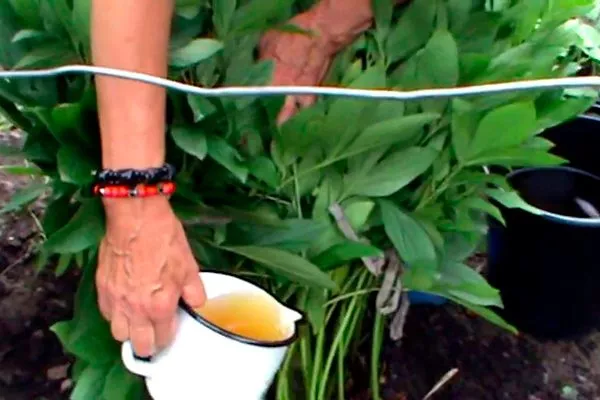
- Root. Fertilizers are applied to the roots, and it is the root system that absorbs the nutrients and then distributes them throughout the entire bush.

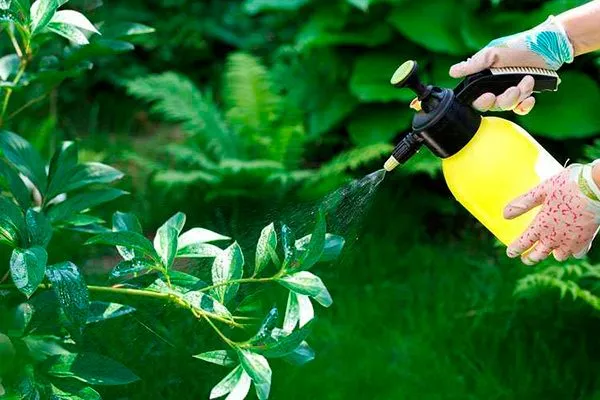
- Foliar. Another name for this is foliar application. Fertilizers are diluted in a lower concentration than for root feeding and sprayed onto the above-ground portion of the plant. It's used as a "first aid" treatment.
What can you feed them with – types
There are a huge number of different types of fertilizers. Each type has its own characteristics and composition. When growing peonies, gardeners can choose the most suitable option.
Complex mineral fertilizers
These are summer preparations and substances that are often used as supplementary fertilizers. Mineral complexes, sold in flower shops, contain a variety of balanced elements.
The most commonly used products for peonies are:
- Nitroammophoska. For 10 liters of water, 20 g of the preparation is required, and about 5 liters are added for one adult peony.
- Ammophoska. It is rich not only in essential substances (potassium, nitrogen and phosphorus), but also contains sulfur and magnesium, which prolongs flowering and enhances shoot development.
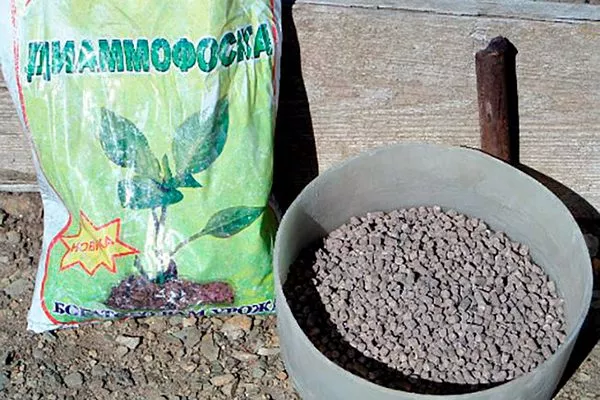
- Diammophoska. A standard universal mixture that is diluted and applied in the same way as Nitroammophoska.
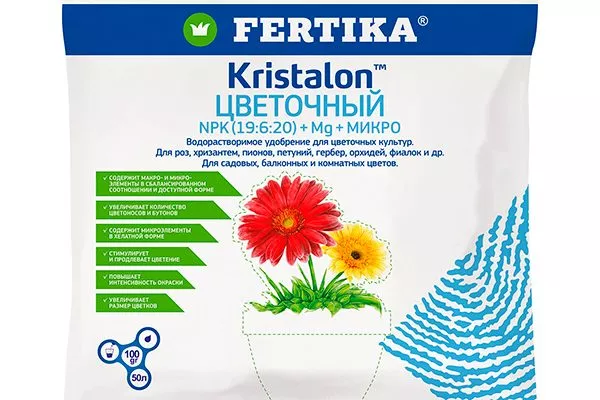
- Fertika. In addition to the main components, it contains boron, magnesium, and much more. It is sold in granule and solution form.
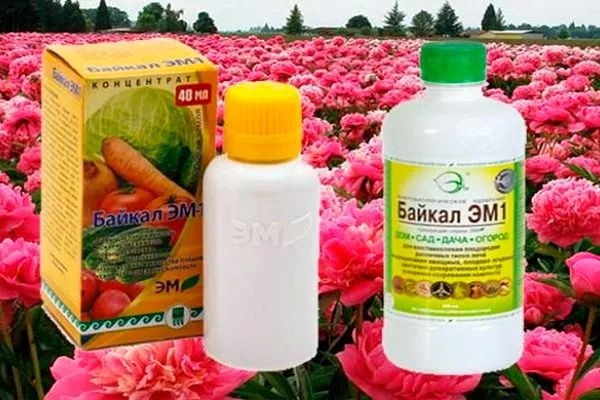
- Baikal EM-1. A universal microbiological product. Sold in liquid form only.
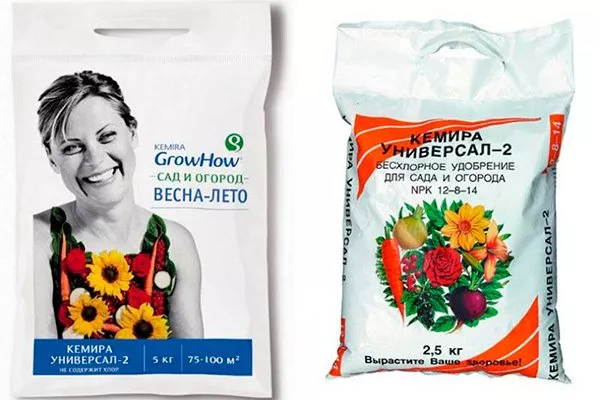
- Kemira. This brand offers a wide variety of different fertilizers for peonies. Each product has its own specific purpose.


Nitrogen fertilization
These fertilizers are needed in early spring. The list is not very long:
- ammonium nitrate – nitrogen content – 33%, 15 g is needed for 10 liters of water;
- urea - nitrogen is contained in the amount of 45%, 10 g is added per 10 liters of water;
- ammonium sulfate - nitrogen - 21%, about 35 g is needed for 10 liters of water.
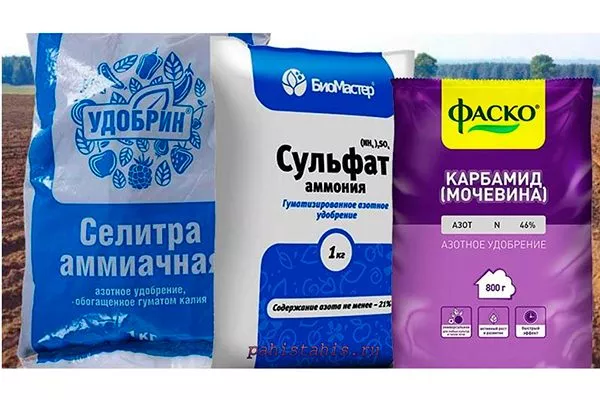
At home, you can use bird droppings, which are most often diluted with water in a ratio of 1:20.
Phosphorus-potassium fertilizers
Such fertilizers are applied not only during the third feeding of peonies, but also to improve the color of the petals, extend the flowering period and achieve larger buds.
The most popular for peonies:
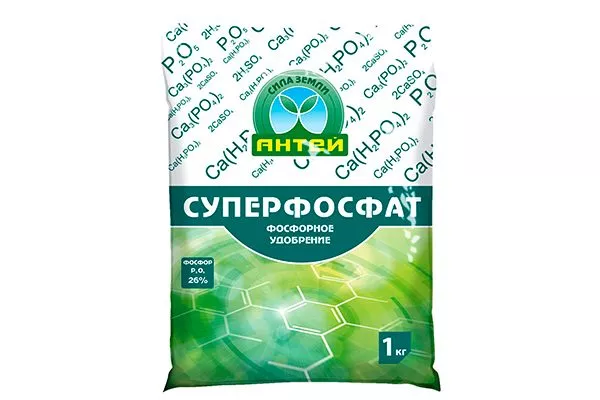
- Superphosphate. Contains 29% phosphorus. 2 tablespoons of the product are required for 10 liters of water.
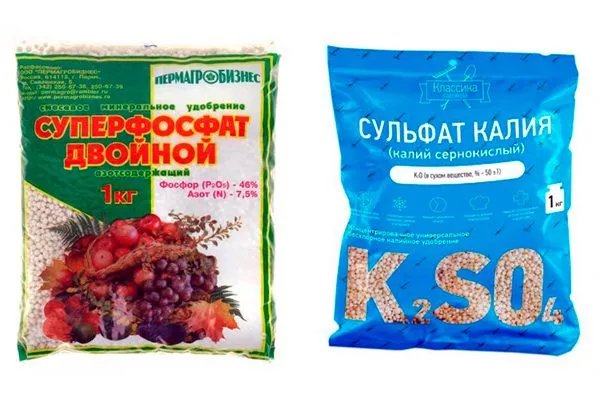
- Double Superphosphate. The phosphorus concentration is higher – 49%. Only 1 tbsp is needed for 10 liters of water.
- Potassium sulfate. It contains 50% potassium in an easily digestible form. You need 1 tablespoon per 10 liters of water.
Fertilizers based on humates and microelements
Humate fertilizers are based on humic acid salts, which dissolve easily. These are sodium and potassium salts of plant origin. Their main purpose is to help plants absorb all micro- and macroelements, minerals, and other nutrients. Therefore, they are applied as an adjuvant.

For peonies, it's advisable to use Krepysh, Humate +7, Souffleur, Bud, Humate + Iodine, and Energen Aqua. Humates interact seamlessly with various fertilizers, but are best with nitroammophoska and ammonium. They can be combined with other essential nutrients.
Organics
This is the most popular fertilizer among gardeners, especially those with their own farms and livestock farms. Organic fertilizer is a complex of naturally occurring chelated elements that dissolve in water. They are formed by bacteria, worms, fungi, and other microorganisms.
The most popular home organic remedies:
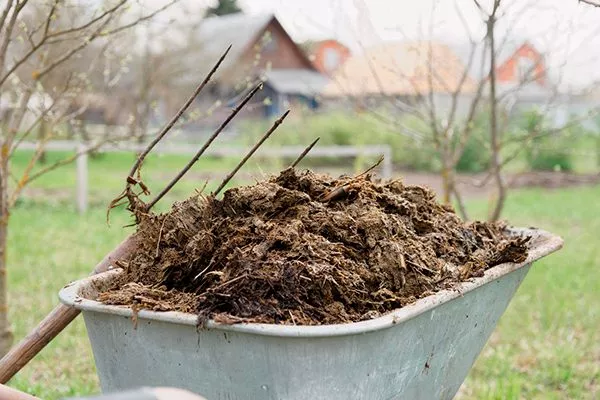
- Manure. There's cow manure, which is the most commonly used, and horse and rabbit manure, which are the most valuable. Manure contains all the necessary micronutrients and other elements, but if you have a bush in the garden, it should only be used in a well-rotted form; otherwise, the root system will be burned and die.
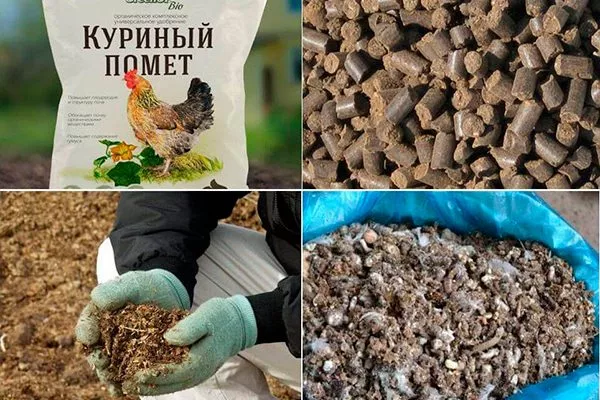
Fresh manure is applied only after digging and left for at least three months. The recommended rate is 8-10 kg per square meter. Fertilizing should be done once every two to three years, otherwise nitrates will accumulate. - Bird droppings and mullein. They contain primarily magnesium, potassium, phosphorus, and nitrogen. Using them in their pure form is strictly prohibited due to the high concentration of these elements. They are diluted with water at a ratio of 1:10, left to ferment, and then mixed again with water at a ratio of 1:20 chicken manure and 1:10 mullein.
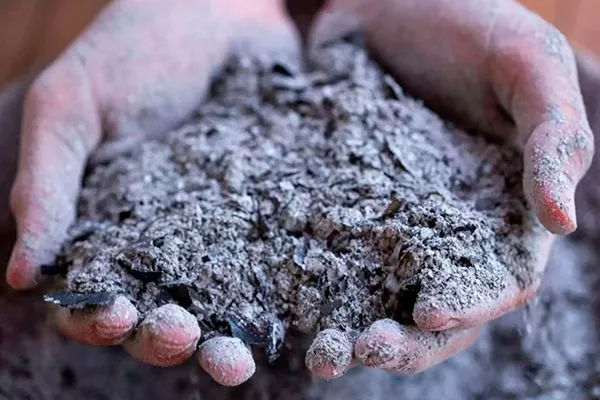
- Wood ash. It's a source of potassium and other nutrients. It's not only a fertilizer but also a disinfectant for shoots and roots during pruning. Ash from absolutely any crops and grass, including trees, can be used. It can be dusted on above-ground parts or used to make ash solutions.
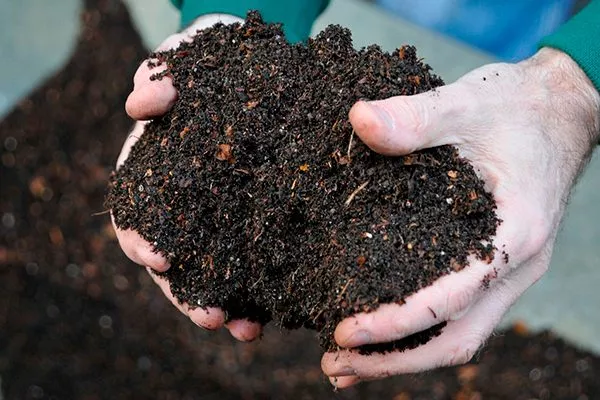
For 10 liters of water, about 700 g is required. Charcoal is added under bushes, into the soil when digging, etc. - Compost. It's considered versatile because it contains a wide range of beneficial substances. It's used in the same way as manure. Anything can be used to make it—grass, food, table scraps, vegetable and fruit peelings, straw, hay, etc.
When and how to feed peonies in spring and summer for lush flowering?
The main goal of growing peonies is to produce lush, long-lasting blooms. These processes can be easily stimulated with fertilizer, even if the variety produces a small number of medium-sized flowers.
Early spring
In spring, in addition to growing foliage, the plant should prepare for budding. Along with nitrogen, other nutrients can be added, including potassium in higher concentrations. Before flowering, the following can be applied:
- Vesenniy is a mineral complex for direct use, produced under different brands, so carefully read the instructions for use regarding dosages;
- urea or ammonium nitrate - one bush requires 1.5 to 2 tablespoons;
- nitroammophoska - 1.5-2 tablespoons are added per plant;
- Cow dung or bird droppings – used once every few years, a bush requires about 15-20 liters.
At the beginning of budding
During this period, supportive "therapy" based on a rich composition is important. The following is used for this:
- a mixture of potassium sulfate (15 g) and superphosphate (20 g) - this is the dosage for one adult bush, the fertilizer is applied in dry form, after which watering is carried out;
- The same elements are added in liquid form, but for 10 liters of water you need 2 tablespoons;
- ash solution in concentration - 400 g per 10 l of water.
During flowering
The main purpose of fertilizing during flowering is to prolong this period. You can purchase specialized products or make one of the following:
- 5 g of boric acid, a little hot water, after complete dissolution add enough water so that the total volume is 10 l;
- water – 10 l, potassium monophosphate – 15 g, potassium sulfate – 20 l, the bush is sprayed.
After flowering
At this time, even though flowering has ended, buds are already beginning to form for next season's budding. A mixture of 1 tablespoon of superphosphate and 2 tablespoons of potassium sulfate is most often used.
Folk remedies for feeding
Florists around the world actively use traditional methods, but not all of them have been tested and proven effective. The most effective folk remedies are:
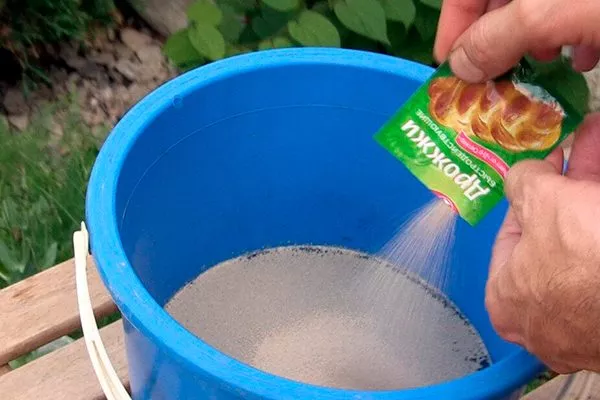
- Yeast. They are rich in nutrients that promote rapid growth and lush budding. They're easy to prepare: dissolve 50-70 g of granulated sugar in 10 liters of warm water and add 10 g of dry yeast.
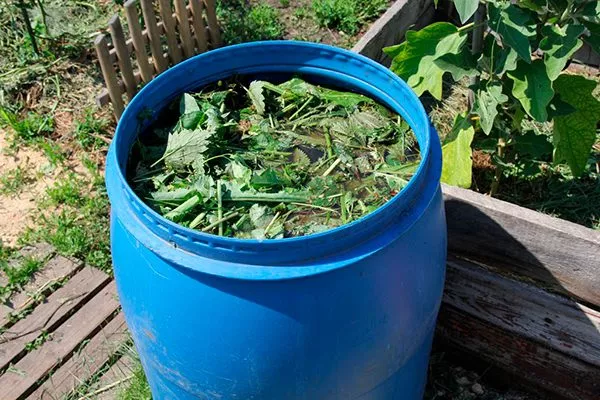
Let it soak for 2 hours – a foam should form on the surface due to the fermentation process. If it doesn't, the mixture is considered ineffective. One bush requires 1-1.5 liters. - Herbal infusion. Medicinal herbs are best, but weeds also contain many beneficial elements. Gardeners commonly use nettles—it's considered the most valuable plant for fertilizer. Collect the herbs and chop finely.
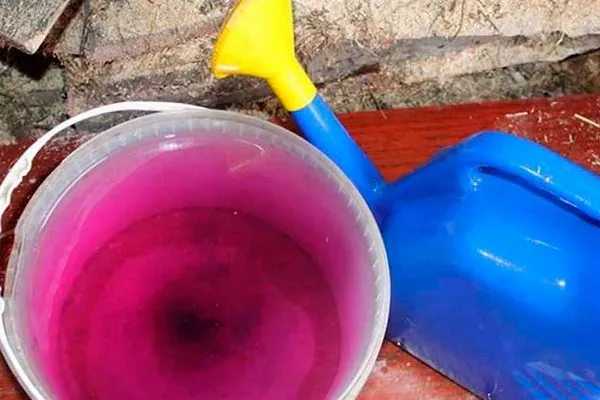
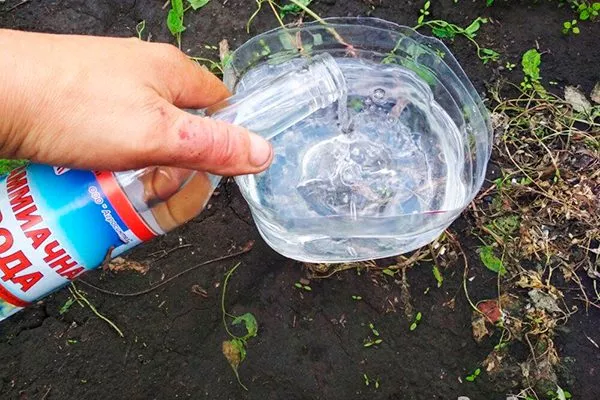
Fill a 10-liter bucket 1/4 full. Top it up with warm water and let it sit for at least 3-4 days. Water as you would with regular water. - Potassium permanganate. It's rich in potassium, additionally disinfects plants and soil, and prevents the development of many diseases. The liquid should be a standard pink color. Approximately 1 liter is applied per bush. Bushes can be sprayed.
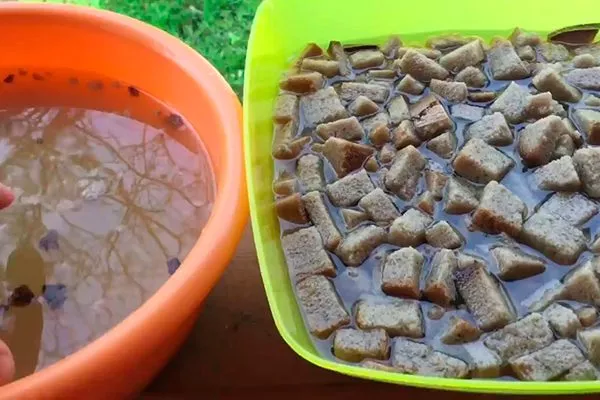
- Bread. Use stale bread as fertilizer. Rye is preferable. Cut a loaf of bread into small pieces or prepare croutons in advance. Place in a container and add enough water to cover the bread. Let it sit for about 12 hours. Then mix thoroughly and apply the resulting mixture under one peony bush.
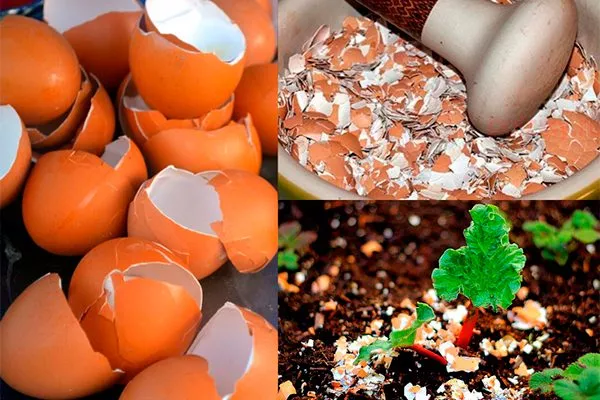
- Eggshell. They are a source of calcium and other micronutrients. The shells should be collected in advance, as they must be completely dry. You can scatter them under the bushes, crushed first, or prepare a nutrient solution. To do this, grind 20 shells into a powder and soak them in 2 liters of water.
Let it steep for 2-3 weeks, until an unpleasant odor begins to emerge from the container. Pour 500 ml under each plant. - Ammonia. It's also rich in minerals. To prepare a working solution, add 25 ml of ammonia to 10 liters of water. Water as before.
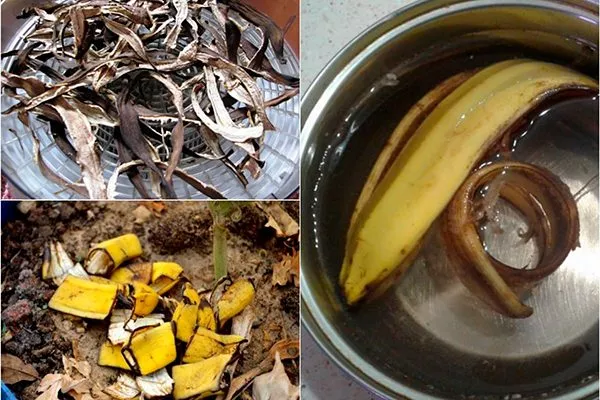
- Banana peel. This fertilizer is very popular. To prepare the fertilizer, peel 4 bananas, slice them with a knife, and dry them in the oven. Grind the peels completely dry in a blender. Add a handful of eggshells and magnesium sulfate (about 20 g) to the powder.
Pour warm water over the mixture and let it steep for 4 hours. Apply foliar feeding to stimulate flowering.
Rules for making
Experienced gardeners and specialists recommend strictly adhering to certain requirements for peony feeding:
- Never water the bushes at the roots; it is better to apply liquid solutions at a distance of 20-30 cm, having first made a furrow in a circle;
- Combine fertilizing with watering to protect plants from burns;
- the optimal time for applying fertilizers is early morning or late evening;
- During hot weather, avoid root feeding and give preference to foliar feeding;
- Alternate between organic and mineral fertilizers.
Consequences of incorrect and untimely feeding
When fertilizing peonies, it's important to strictly adhere to all dosages and recommendations specified in the instructions. There are many reasons for this. For example, too little fertilizer can't achieve a positive effect, while too much can cause burns and other problems. The most common consequences of not following fertilizing instructions are:
- buds may appear earlier than usual, but the flowers will be small;
- the petals will quickly fall off and will not have a rich color;
- all metabolic processes are disrupted, against which background the biological stages of the growing season change;
- the appearance deteriorates, the decorative effect is lost;
- diseases will begin to arise;
- the plant will become vulnerable to pests;
- immunity will decrease.
Signs of nutritional deficiency
The essential elements for any flowering plant are nitrogen, phosphorus, and potassium, but peonies also require other micronutrients. If any of these are lacking, the bush itself will signal the grower:
- with a lack of nitrogen, the leaves suddenly turn yellow;
- If there is a lack of phosphorus, the leaves will turn purple and then fall off;
- with potassium deficiency, leaves wither and curl;
- magnesium deficiency is manifested by yellowing of the veins, and sometimes they become bright orange;
- The yellowing of leaves only at the top of the bush indicates a lack of pine forest;
- white veins indicate a need for iron;
- when there is a lack of copper, the leaves become deformed and curl;
- If there is not enough zinc, yellow spots will form on the leaves.
How to choose fertilizer?
When choosing fertilizers, pay attention to the most important criteria:
- season – you cannot use nitrogen-containing preparations in the fall, otherwise the plant will not prepare for wintering, but will grow its above-ground part;
- peony needs – by studying the changes on the leaves, you will understand what elements the plant is lacking;
- soil acidity – peonies do not like acidic soils, so you should not purchase products that contain acids.
Try to buy fertilizers from a single manufacturer – many companies produce entire lines of fertilizers for the entire growing season. This makes things much easier for beginners.
Before fertilizing peonies, carefully study all the intricacies and peculiarities of the process. Strictly monitor the dosage and composition of the fertilizer, remember to combine the procedure with watering, additionally use folk remedies, and monitor the condition of the bushes.