
The Yellow Crown peony is an exquisite variety distinguished by its vibrant yellow blooms and compact, neat habit. This plant combines cold and disease resistance with a long blooming period. Its rich color and pleasant fragrance make this variety a true gem in any garden, ideal for flowerbeds, borders, and cut flowers.
Who developed the variety and when?
The cultivar was developed in 1974 by crossing tree and herbaceous peonies. Breeders from the United States and Japan worked on the plant's creation.
The result was a spectacular hybrid with a compact growth habit, abundant and long-lasting blooms, and high resilience and low maintenance. Thanks to these qualities, the variety quickly became a favorite among gardeners in our country.
Characteristics of the Yellow Crown peony
A wide variety of plants are suitable for gardens and homesteads. The elegant Yellow Crown peonies make a particularly striking addition to the landscape. Their compact size makes them an excellent choice even for small or limited spaces.
Description of the plant and flowers
The Yellow Crown Ito hybrid is characterized by its refined appearance. Key features:
- bushes – neat and compact, most often growing up to 50-60 cm in height;
- stems – strong, dense and hold their shape well, allowing the plant to maintain a neat appearance throughout the season;
- foliage – varies from dark green to lighter, effectively shading the bright flowers, and the long, carved leaves give the bush a decorative effect even outside the flowering period;
- aroma – rich, pleasant.
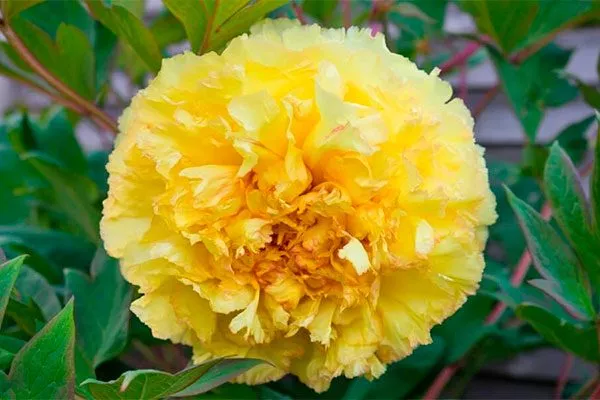
The flowers are semi-double and large, reaching 18-20 cm in diameter. They are painted in rich yellow tones with subtle reddish streaks at the base of the petals. Although the buds are not distinctly two-toned, their delicate and subdued palette creates a harmonious effect. The petals are complemented by golden stamens.
Features of flowering
The Yellow Crown variety is a multi-flowered Itoh hybrid with double and semi-double buds. Blooming lasts almost 1.5 months, from late May to July. Large flowers, reaching 17 cm in diameter, offer a striking variety of colors, from lemon-orange to deep yellow-burgundy.
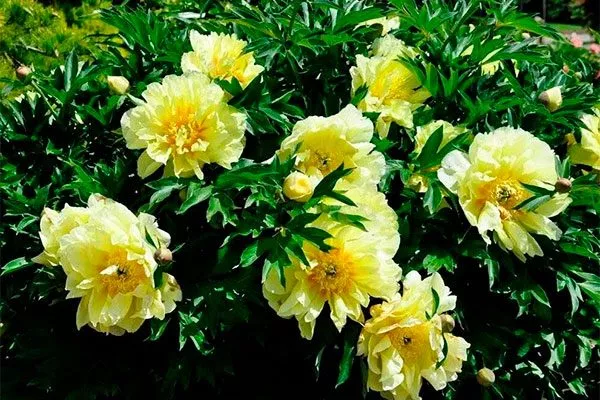
The vibrant red center, golden stamens and delicate pale yellow petals create a striking visual contrast.
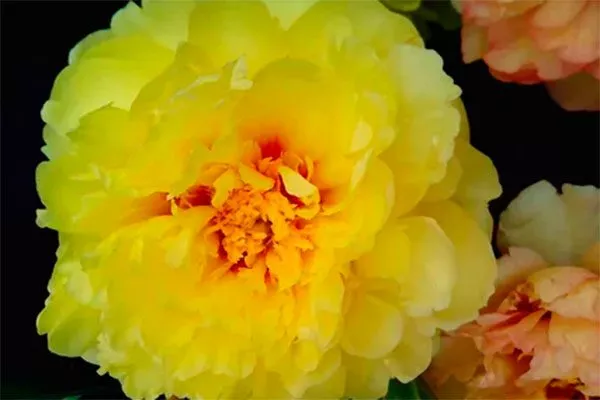
The buds are discreetly arranged among the dense foliage and exude a subtle, pleasant fragrance. In the second or third year, the bush may bloom with its first, yet somewhat irregularly shaped, buds. However, as it matures, by the fourth or fifth year, the plant becomes more luxuriant, the number of flowers increases, and their decorative effect reaches its peak.
Application in design
The semi-double Yellow Crown peony is successfully used in a variety of garden design solutions. Here are a few spectacular ways to use it:
- It looks great both in single and group plantings, where it is especially effective in bright and fluffy compositions.
- Ideal for discreet yet expressive garden zoning thanks to its compact size.
- It easily combines with other ornamental crops – both with flowers and with shrubs of different shapes and sizes.
- Suitable for creating exquisite bouquets: it retains its freshness and decorative properties for a long time when cut.
- It can be used in flowerbeds, mixed borders, rock gardens and along borders – it is especially good for decorating paths and trails.
- It complements garden decor elements well: sculptures, lanterns, fountains, benches, stairs, swings and other small architectural forms.
- It is often planted in entrance areas and recreation areas, where it effectively emphasizes the well-groomed appearance of the space.
Pests and diseases
Thanks to the work of breeders, Yellow Crown has acquired not only high frost resistance, but also strong natural immunity to most diseases and pests.
Bushes are extremely rarely affected by them, and the risk of infection by fungal infections, including rust, is minimized.
Methods of reproduction
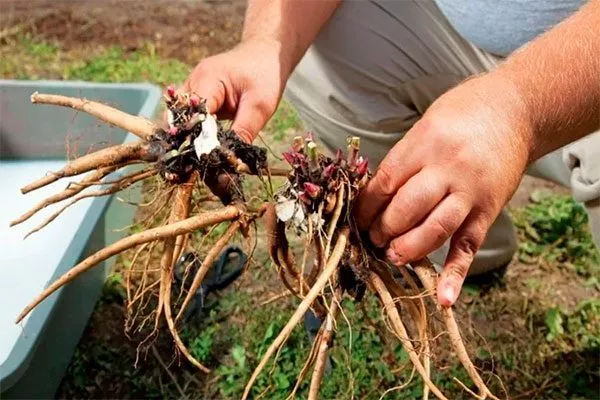
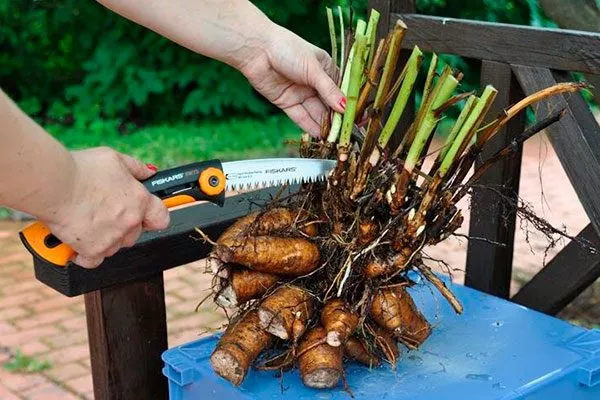
Common peonies can be propagated both by seed and vegetatively, but for Itoh hybrids like Yellow Crown, vegetative propagation is the only effective method. This is the only effective method for preserving the varietal characteristics of the variety.
Key Features:
- The plant's buds are located both on the rhizomes, which is typical of herbaceous peonies, and on the woody parts of the shoots—a characteristic of tree-like forms. The root system consists of a powerful central root and a branched network of lateral shoots.

For propagation, the root is divided into 2-3 parts, each of which must have several buds left. - Because the root is so dense, it's impossible to cut it with a regular knife. Use a fine-toothed jigsaw to carefully saw through the roots to avoid damaging the buds. You can also plant the remaining rhizome fragments; under favorable conditions, they will sprout.
- The best time to divide a bush is autumn, when the plant is 4-5 years old. Autumn planting is preferable to spring planting: the divisions take root faster and have time to develop root mass before frost sets in. In spring, however, the slightest delay can result in poor survival or even death of the planting material.
Differences between the Yellow Crown peony and the Bartzella variety
Yellow Crown and Bartzella peonies are two popular Itoh hybrid varieties. Each has its own distinctive characteristics:
| Parameters | Yellow Crown | Bartzella |
| Flower coloring | It stands out for its rich yellow hue with reddish flashes at the base of the petals.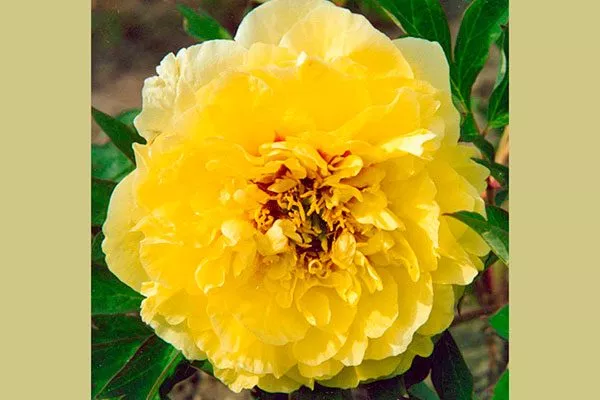 | It is distinguished by softer, pastel tones – from light yellow to cream.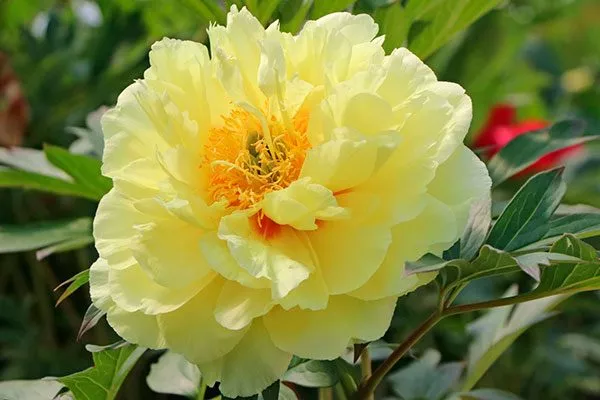 |
| Flower shape | The flowers are semi-double, with neat rows of petals. | The buds are lush, densely double, and form a full rosette. |
| Plant size and height | Usually reaches 80-90 cm, the flower diameter is 15-18 cm. | It grows up to 90-100 cm, and the flowers are larger – up to 20-22 cm in diameter. |
| Flowering time | It blooms in mid-May and blooms for several weeks. | It blooms later – at the end of May or the beginning of June, but flowering lasts only a few days. |
Both varieties are prized for their beauty and ornamental value, but they have distinct characteristics. The choice between them depends on preferences in color, flower structure, bloom duration, and garden design goals.
Growing rules
To plant the Yellow Crown peony correctly, it's important to observe the optimal timing—early spring or late summer to early fall. The planting site must be selected especially carefully, as the plant will grow in the same location for many years.
Selecting a location
Plant peony bushes in areas with good sunlight to ensure successful bud formation and full development. Peony plants do not tolerate strong gusts of wind well and do not tolerate close groundwater.
Necessary soil
Peonies prefer loose, fertile, and well-drained soil with a neutral or slightly alkaline pH (6.5-7.5). Loamy soil enriched with organic matter is best.
The soil should be sufficiently moisture-retentive, but not waterlogged, as overwatering can lead to root rot. Before planting, it is recommended to add humus, wood ash, compost, and phosphorus-potassium fertilizers, thoroughly mixing them into the base soil.
How to prepare soil and flowers for planting?
Dig the area to a depth of about 30 cm, removing weeds and roots of previous plants. Add organic matter – rotted manure or compost (approximately 3-5 kg per 1 sq. m).
Add wood ash (approximately 200 g per square meter) to improve soil structure and increase its fertility. Apply mineral fertilizers, such as superphosphate and potassium salt, according to package directions.
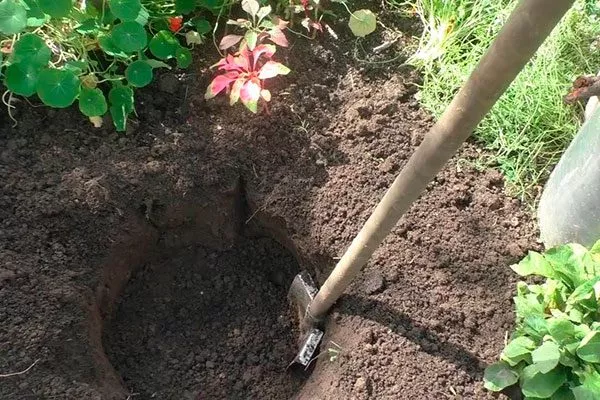
If you bought a mature peony (with a lump of soil or in a pot), prepare it for planting:
- Examine the plant. Make sure the roots are not damaged, dry, or rotting. If necessary, soak them in warm water for 2-3 hours.
- If the peony is in a pot. Water it a few hours before replanting – this will ensure the soil is moist and the roots are not damaged when removed.
- If the bush has no root ball. Carefully straighten the roots, inspect and remove damaged or dry parts with sharp pruning shears or a knife.
Dig a hole with fertile, fertile soil (humus, wood ash, mineral fertilizer). The hole should be large enough to accommodate the roots.
Step-by-step landing procedure
The golden peony grows and thrives when planted correctly. Step-by-step instructions:
- Place the prepared young bush in the center of the hole.
- Carefully fill with soil and compact the soil thoroughly around the plant.
- After planting, water the plant generously and mulch the area around the trunk.
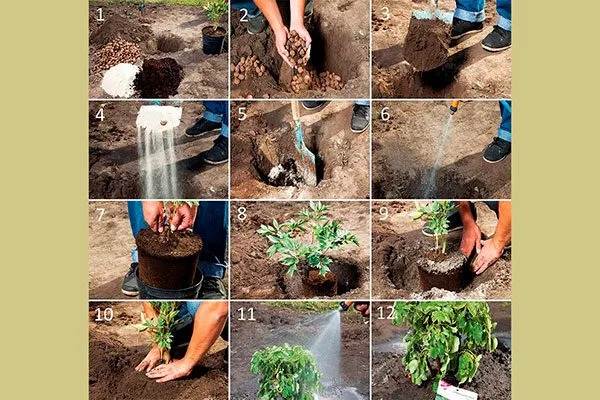
It is important not to plant the plant more than 5 cm deep from the top bud – planting it too deep can weaken the plant’s immunity and lead to poor or absent flowering.
Aftercare
Peonies require comprehensive care, which includes a number of important agricultural practices. If followed and carried out promptly, the plant will delight you with lush and abundant blooms.
Watering and fertilizing
The plant requires moderate moisture, but don't overdo it. Increase watering only during hot and dry periods. During rainy and cool weather, overwatering can harm the plant. Watering frequency also depends on the moisture content of the topsoil around the plants.
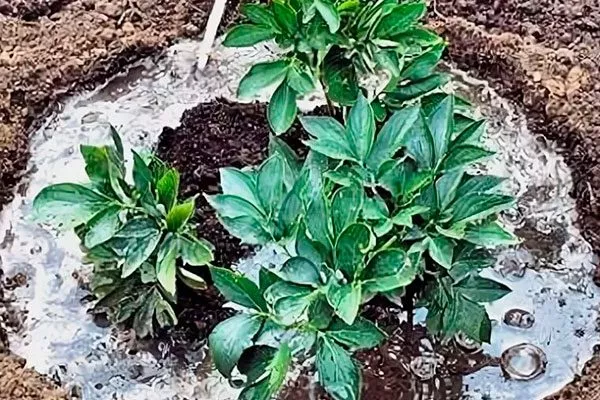
Yellow Crown peonies require regular fertilizing, which should be applied in measured doses and in the recommended quantities.
Suitable for feeding:
- wood ash;
- dolomite flour;
- potassium and phosphorus fertilizers.
Mulching and loosening
Mulching helps retain soil moisture and protects peony roots from overheating and sudden temperature changes. Use organic materials for mulch:
- peat;
- sawdust;
- compost.
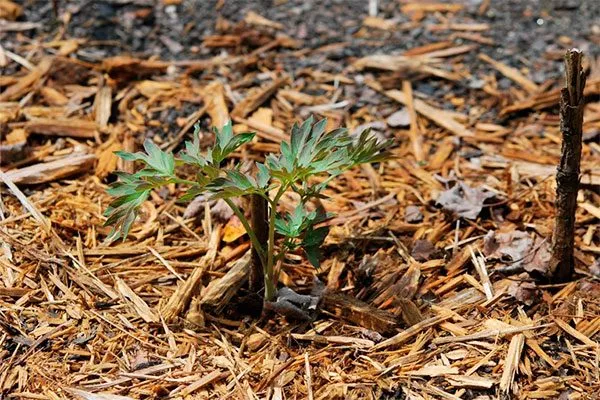
Loosening the soil around the bush improves air access to the roots and promotes better moisture absorption. Perform this procedure carefully to avoid damaging the root system. Regular loosening and covering the area around the trunk maintains the plant's health and stimulates vigorous growth and flowering.
Shaping, pruning
Prune the Yellow Crown peony by removing weak, damaged, and dry shoots to maintain the bush's health and improve its appearance. Prune in early spring, before active growth begins, and after flowering has finished, removing faded blooms and dried plant parts.
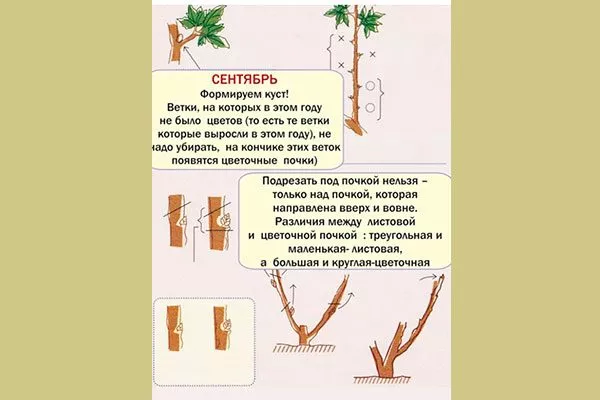
This regular treatment stimulates the emergence of new, strong shoots and promotes abundant flowering the following season. It's important to avoid overcrowding to ensure good ventilation and reduce the risk of disease.
Preventive treatment
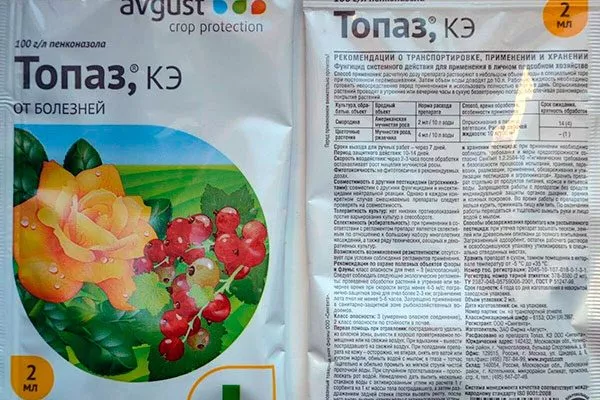
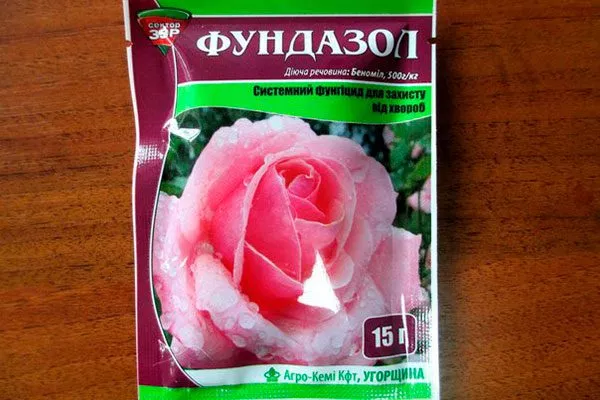
To prevent diseases and pests, it is recommended to regularly treat peonies with fungicides. The most popular treatments are:
- Topaz - for the prevention and treatment of powdery mildew and gray rot;
- Fundazol – a systemic drug against a wide range of fungal diseases;
- Hom - Copper-containing fungicide for protection against spotting and rust.

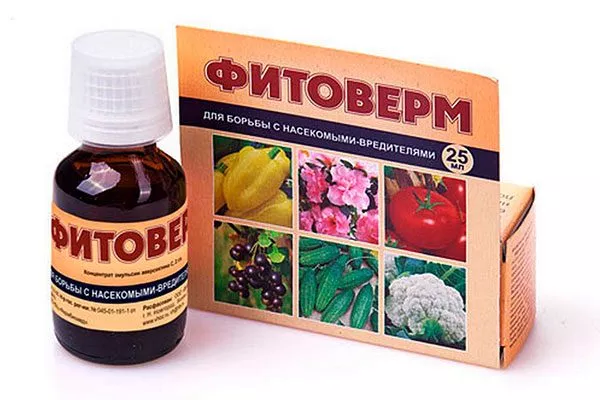
The following insecticides effectively control pests:
- Fitoverm – bioinsecticide against mites and leaf-eating insects;
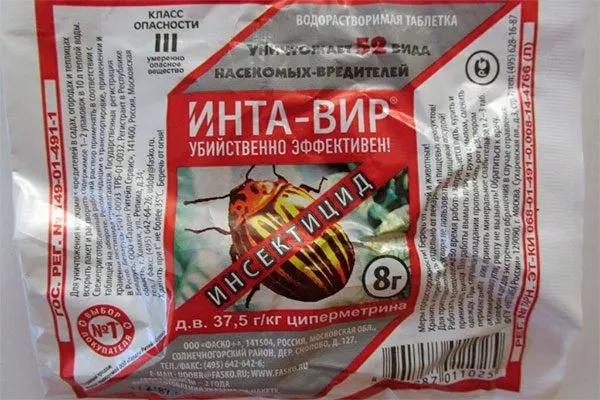
- Intavir – contact and intestinal insecticide against caterpillars, aphids, weevils;
- Aktara – systemic drug against aphids, thrips, and scale insects.

Preparing for winter
With the onset of winter cold, the peony's above-ground part dies, so it is recommended to cut it off to prevent stem rot. In the fall, it is useful to feed the plant with dolomite flour or wood ash.
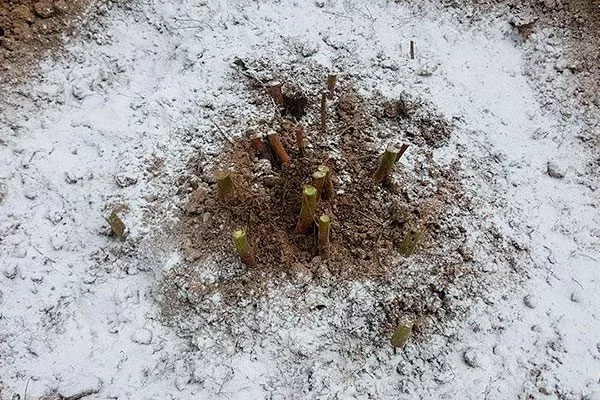
Thanks to its frost resistance, this Itoh peony generally requires no cover and tolerates winter frosts well. However, if severe frost threatens, it's worth protecting the soil around the bush with a thick layer of mulch, covering an area slightly larger than the diameter of the bush.
Pros and cons
Reviews
The Yellow Crown peony is easy to maintain and highly decorative, delighting gardeners with consistent and abundant blooms year after year. This variety adapts well to a variety of conditions while maintaining the elegance and vibrancy of its flowers. It will be a worthy addition to any garden, adding warmth and a sunny ambiance.