
Peonies don't have many pests, and they're rarely attacked by them, but under certain circumstances, these flowers can be attacked by insects. If their numbers reach a critical level, peony bushes can suffer serious damage. We'll explain which pests are most dangerous to peonies and how to control them.
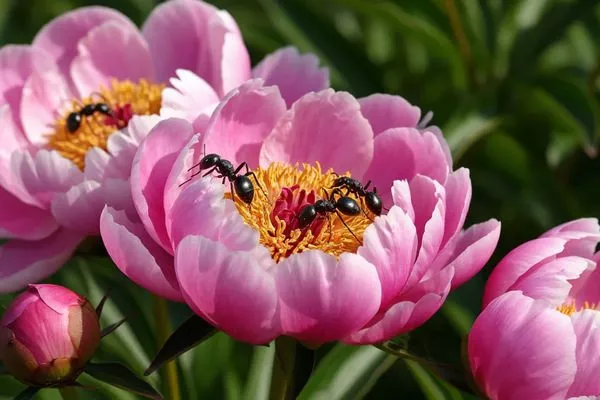
Ants
Ants are considered beneficial insects, but their proliferation often becomes a problem. Furthermore, wherever there are ants, there are usually also aphids, which are very dangerous to any plant.
Signs of defeat
In small numbers, ants don't cause much harm to peonies. Crawling over the buds, they consume the sweet sap that helps the flower open.
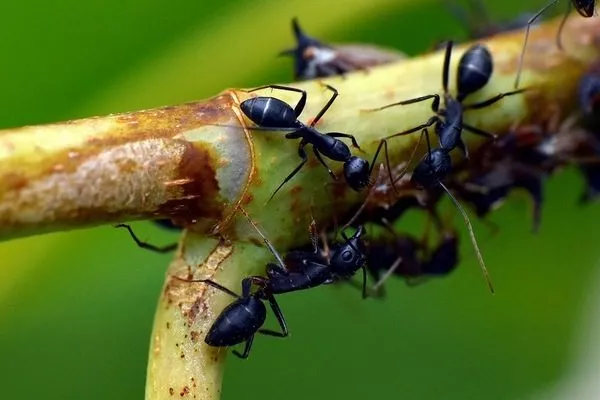
But if there are a lot of ants, it is already dangerous for peony bushes:
- If the ants don't get enough juice from the buds, they chew them. The damaged buds dry out without opening.
- Even if the buds gnawed by ants open, the flowers are small, faded, and deformed.
- It's especially dangerous when ants nest in or near the roots of a bush—this leads to the destruction of the root system and interferes with the plants' nutrition. Furthermore, ants can carry various rots and infectious diseases.
Methods of control
Chemical ant control should only be used if an anthill is discovered near the peony's roots. These insects usually leave the bushes on their own as soon as the buds open.
If there are only a few ants, you can use folk remedies:
- Vinegar solution. To prepare it, dilute 1 tablespoon of vinegar in 10 liters of water. Pour the solution into a spray bottle and spray the bushes with it.
- Lemon juice solution. To spray peonies, use lemon juice diluted in water (1:1).
- Garlic infusion. Add 3-5 crushed garlic cloves to 2 liters of water, cover, and let steep for 1-2 days. The longer you steep the solution, the more concentrated and effective the concentrate will be. Strain the infusion, dilute it with water 1:1, and spray the resulting solution on peonies, their buds and stems, and the soil beneath the bushes. Repeat the treatment once a week until the problem is resolved.

- Infusion of wormwood. Pour 20 grams of dried herbs into 1 liter of water and let steep for 1 hour. Spray the peonies with the cooled infusion. The bushes are treated 3 or 4 times per season.
- Tobacco decoction. Pour 100 g of tobacco into 1 liter of hot water (60…70 °C) and boil for half an hour. Strain the infusion and dilute with water 1:2.
- Barriers. Peony stems are wrapped with tape coated with special insect-repellent glue or regular petroleum jelly—this will prevent ants from moving upward toward the buds.
- Essential oils. Add 3-4 drops of eucalyptus or peppermint oil to the water. Spray the peony buds with the resulting solution—ants dislike the smell of these oils.
- Scented plants. Near the peonies, you can plant plants whose smell will repel ants - garlic, anise, wormwood, mint, bay leaf, tansy, lavender, parsley.
- VelcroSpecial sticky traps can help reduce ant infestations on peonies. They're inserted into the soil near the plants. Their sticky surface attracts not only ants, but also gnats, whiteflies, mosquitoes, and other garden pests.
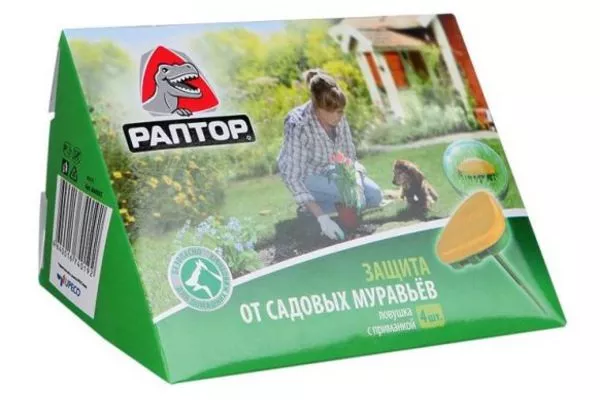
- Poisonous baitsFor example, "Raptor." It's designed as a honey trap, which attracts insects. The ants crawl into the bait, eat the poisonous treat, and then return to the nest to infect other ants.
- Sweet baitsDissolve any sweet syrup in water. Pour the solution into shallow bowls and place them around the bushes.
One radical method of ant control is to destroy the anthill. Or move it. In the morning or evening, when all the ants are "at home," the anthill is moved—first the upper (aboveground) part, then the underground part.
Chemical preparations for ants:
- "Ant-eater". An insecticide with contact and stomach action. It paralyzes the nervous system of insects, causing their death. Available as a concentrated emulsion. Effective against black and red ants.
- «Muratsid" or "Muratsin"An insecticide in the form of an aqueous emulsion. It is diluted in water (1 ml per 10 l) and the resulting solution is poured onto ant concentrations and ant trails.
- «Murav'in" A granular insecticide in 100g and 300g tubes. Insects consume the granules scattered around bushes and carry them to the queen ant's nest. This product thus helps eliminate the entire colony at once.
- «Raptor"Another granular insecticide with contact and stomach action. The granules are scattered in areas where ants move.
When using chemicals, wear personal protective equipment (PPE): gloves, respirators, hats, goggles, and rubber boots. Spray insecticides on sunny, windless days, in the morning or evening. Preferably, no rain for 24 hours. Do not store unused solution; dispose of it immediately.
Prevention
To prevent ant infestations, peony bushes should be inspected regularly. It's also important to keep the garden clean, weeding regularly, and removing fallen leaves, which can be a hiding place for ants.
Ant prevention also includes folk methods of ant control, such as spraying with various herbal solutions, sprinkling the soil with cinnamon, ground pepper, and crushed eggshells.
Nematodes
Nematodes are very small, barely visible to the naked eye, roundworms. They are only 0.6-1 mm long. The most common nematodes found on peonies are root-knot nematodes, which attack the roots, and foliar nematodes, which damage the leaves and stems.
Signs of defeat
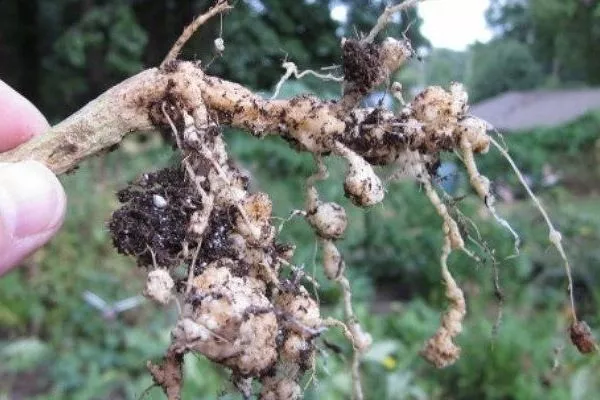
Bushes infested with root-knot nematodes appear stunted. Their leaves become small, shoots thin, and flowering ceases. Nematode infestation can be recognized by the characteristic thickenings (galls) on the roots—these are where the worms live.
When peonies are affected by foliar nematodes, the signs of damage are different:
- Buds stop growing due to dehydration. They develop rotting, black petals. Buds can dry out at any stage of the disease. And if they do open, the flowers are deformed.
- Leaves become covered with irregularly shaped spots. Gradually, they turn brown and become dry. The spots are typically located between the veins of the leaf blades; over time, they expand, and the leaves dry out.
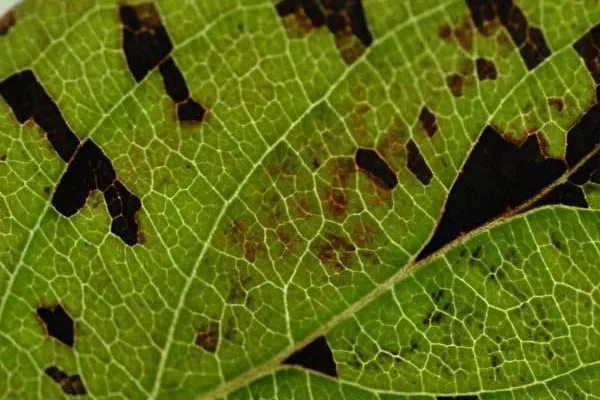
Nematodes are spread through contaminated soil and water - during rains and irrigation (read about how to properly water peonies so that they do not get sick and die). Here). Infection can also occur through plant debris, on which nematodes can overwinter.
Methods of control
If peonies are infested with root-knot nematodes, they must be removed from the area and destroyed to prevent the pest from infecting healthy plants. Areas where nematode-infested peonies were growing are treated with formalin.
If peonies are infested with foliar nematodes, they can be saved. The bushes are sprayed with special products (discussed below) 2-3 times per season. These treatments are carried out at night, when the leaves are damp from dew—this is when the pests are most likely to be present.
The following preparations are used to combat root-knot nematodes:
- Nematophagin Mtkopro — a biological product based on a strain of the predatory fungus Duddingtonia flagrans. It destroys motile larvae and cysts (shells) of nematodes throughout the season. Dosage: 200 ml per 10 liters of water. Apply by drenching the soil.

- Nematodin — a biological product containing the predatory fungus Arthrobotrys oligospora. Designed for soil treatment. Dosage: 100 ml per 10 liters of water.
- Vermitek Gold — a chemical preparation for treating bushes infested with foliar nematodes. Peonies are sprayed at night. The preparation is used 2-3 times during the summer.
- "Vidat" - A chemical used to control two types of nematodes—root-knot and stem-knot nematodes. When applied to the soil, the product prevents nematodes from penetrating the roots.
In case of massive infestation of peonies by nematodes, it is recommended to use chemical agents, as they are more powerful and effective.
Prevention
Prevention of nematodes is a set of measures including agricultural measures and the use of special preparations.
Preventive measures:
- Purchase healthy planting material from specialized nurseries. Before planting, carefully inspect the roots, remove any damaged areas, and dust the cut areas with crushed ash.
- Before planting, dig up the soil thoroughly.
- Timely removal of plant debris from the site. It should be disposed of in dry weather.
- Disinfection of cutting tools – pruning shears, scissors, garden knives, etc.
- Regularly inspect peonies for signs indicating the presence of nematodes.
- Spray healthy peonies for preventative purposes. You can, for example, use the biological products mentioned above—Nematophagin-Mycopro and Nematodin—as well as insecticides based on avermectin C, such as Fitoverm.
Aphid
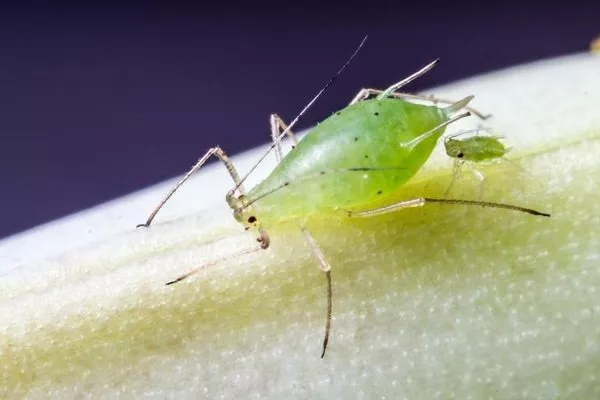
If ants attack peony bushes, aphids will sooner or later appear. Ants "herd" aphid colonies, feeding on their sweet secretions (honeydew), and even protect them from enemies, as befits the owners of a "herd."
Signs of defeat
Aphids suck the sap from the above-ground parts of peonies—leaves, stems, and petals. Furthermore, this pest reproduces rapidly and can transmit various viral infections that are untreatable. If there are numerous aphids, peonies quickly weaken and may even die.
Methods of control
Aphid control methods are chosen based on the extent of the peony infestation and personal preference. Some gardeners prefer to use pesticides, while others opt for eco-friendly methods.
How to get rid of aphids:
- If the pest infestation is small, aphids can be washed off the bush with water by directing a strong stream of water from a hose at it.
- Before using insecticides, you can try folk remedies. However, these are generally only used for small aphid infestations. For example, you can make a solution of green soap, wood ash, or tobacco dust. Treatments with these solutions are also recommended as a preventative measure.

- The most reliable and effective way to rid peonies of aphids is to spray the bushes with insecticides. Examples of popular products include:
- "Aktara" (1 g per 10 liters of water).
- "Kinmiks" (2 ml per 10 l of water).
- "Alatar" (5 ml per 10 liters of water).
The aphids that attack peonies don't have a specific species. They're a general pest that can infest almost any garden plant.
Prevention
In the fight against aphids, it is much easier and more effective to prevent their appearance than to take measures when several colonies of these insects have settled on the bushes.
Preventive measures:
- Peonies need to be inspected regularly. If aphids are detected, take preventative measures immediately—spray the bushes with biological products or folk remedies.
- When planting peonies, maintain space between adjacent bushes. This will ensure good ventilation and minimize the risk of fungal diseases, which often arise due to dampness and poor ventilation.
- It is recommended to use natural enemies of aphids - attract birds to the garden.
- You can plant repellents near peonies, such as carnations, marigolds, mint, anise, lavender, etc. - these plants repel aphids with their pungent smell.
Bronze beetle
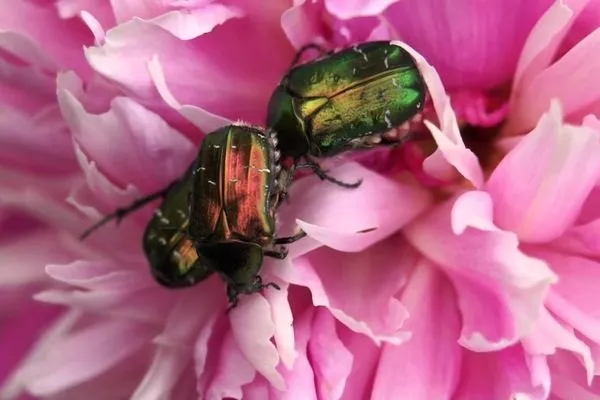
The bronze beetle is most active from May to August. Its body length is 1.3-2.3 cm and its color is golden-green. A large infestation of bronze beetles typically occurs during the blooming period of peonies. Moreover, these beetles are especially attracted to light-colored buds.
Signs of defeat
The pest attacks flowers—petals, pistils, and stamens. If left untreated, the rose chafer can cause irreparable damage.
Signs of damage:
- The beetle damages the buds, devouring the petals, sometimes completely. Only a few outer petals remain.
- The rose chafer completely eats away the pollination and ovary formation organs – the pistils and stamens.
Methods of control
Chemical and mechanical methods are used to combat bronze beetles. However, it is impossible to completely eradicate this pest, only to reduce its numbers.
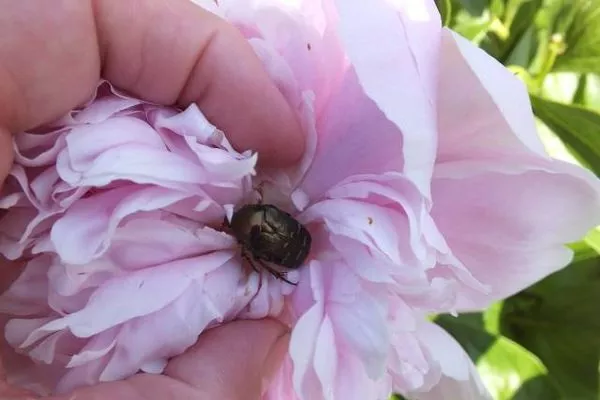
Mechanical methods of combating bronze beetles:
- Manual collection. It's recommended to collect beetles in the morning, when they're sitting motionless on flowers. You can shake the pests off onto plastic sheeting spread under the bushes. Gardeners and summer residents sometimes collect 10-15 beetles from a single plant.
- Traps. You can, for example, fill a basin with water and coat the sides with mineral oil, which will prevent the beetles from escaping the trap.
A more effective and reliable method of combating bronze beetles is considered to be the use of various types of chemical preparations.
Chemical control agents:
- The soil is treated with insecticidal solutions such as Prestige, Medvetoks, or similar products. This is done in the evening, as the beetles fly away from the flowers at night and hide in the soil. The solution should soak the soil to a depth of 3-5 cm.
- Peony bushes are foliar sprayed with Aktara, Bi-58, Confidor, Kinmiks, Fitoverm, and other broad-spectrum insecticides. Spraying flowers during the day is not recommended, as this can kill bees and other pollinating insects.
The treatment is carried out in the evening, just as the sun sets—at this time, bees and other beneficial insects have already left the flowers and flown away for the night. Peonies should be sprayed twice, with a weekly interval. The rose chafers will disappear for a while, but new ones may return after a couple of weeks.
Instead of chemicals, you can also use gentler, more environmentally friendly methods of control. Infusions and decoctions of certain herbs are particularly effective.
Folk remedies for bronze beetles:
- Celandine infusion. Add 300-400 g of fresh, crushed herbs or 100 g of dried herbs to 1 liter of hot water and let steep for 1-1.5 days. Strain the resulting infusion and use it to spray the leaves of peonies.
- Infusion of horse sorrel. Pour 30 g of crushed sorrel roots into 1 liter of hot water and let steep for 2-3 hours. Apply the strained solution to the peonies.
- Infusion of wood ash. 250 ml of ash is poured into 5 liters of water and infused for 1-1.5 days and used for spraying.
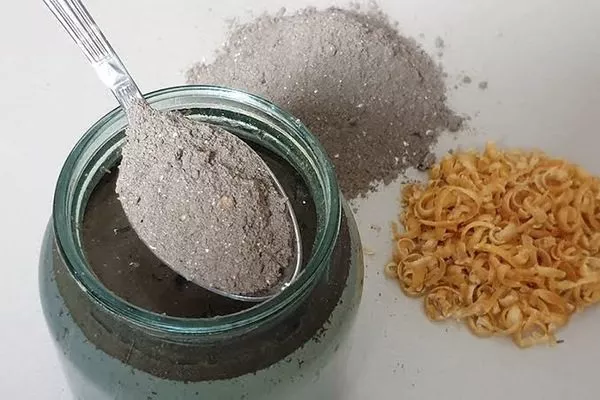
To ensure the resulting infusions adhere better to the leaves and are not washed away by the first rain, add grated laundry soap (1 tablespoon per 1 liter of infusion). Spray the flowers once every 5 days.
Prevention
To prevent the appearance of bronze beetles, it is recommended to combine agricultural measures with folk remedies, and sometimes with chemicals.
Agrotechnical preventive measures include:
- Creating unfavorable conditions for the overwintering of rose chafers: dig up the soil around the peonies before frost so that the beetle larvae freeze to death in winter.
- Carrying out sanitary cleaning of the area, removing dry grass and leaves - bronze beetles can overwinter in these plant remains.
- Regular loosening of the soil under the bushes at the end of August, when the larvae begin to pupate.
It's also recommended to repel flying rose chafers with unpleasant odors, such as burning branches or grass. Spraying bushes with liquid smoke (50 ml per 10 liters of water) will also repel the beetles.
Thrips
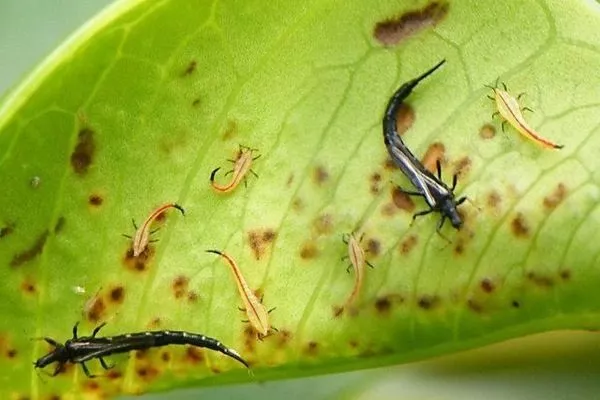
Thrips are very small, four-winged, yellow-brown insects, reaching only 2-3 mm in length. They are versatile pests, infecting not only flowers—peonies, roses, chrysanthemums, and many others—but also vegetable and berry crops. This is important to consider when managing thrips; it should be comprehensive and cover the entire garden plot.
Signs of defeat
Thrips suck the sap from leaves and buds. Affected plants develop poorly, and their appearance deteriorates. Thrips are especially dangerous during the budding stage.
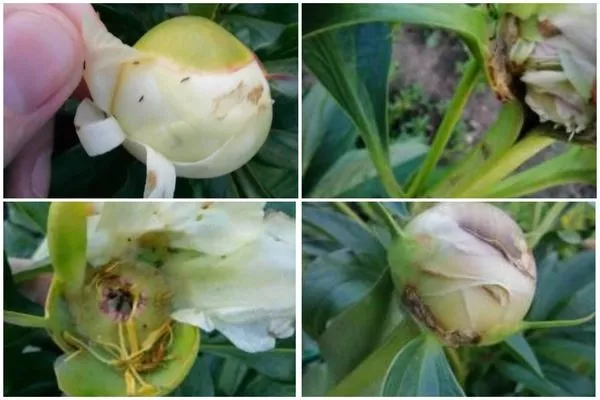
Signs of damage:
- The buds become deformed, developing a brown border. They fail to open.
- Yellowish or white spots appear on the leaves. Affected leaves dry out.
- Peony stems become deformed and buds fall off.
Methods of control
If the thrips population is small and the damage is minor, you can try to solve the problem using environmentally friendly methods, without the use of chemicals.
Folk remedies:
- Soap solution. Dilute 40 g of laundry soap in 1 liter of water. Spray peony bushes with the solution every 5-7 days.
- Ammonia. Dilute 1 tablespoon in 3 liters of water. This solution serves as both a fertilizer and a deterrent.
Folk remedies are effective primarily in the early stages of thrips infestation. They can reduce the number of larvae and adults, but they won't completely eradicate the pests.
Insecticides:
- "Alatar" (5 ml per 10 liters of water).
- "Aliot" (10 ml per 10 liters of water).
- Biological product "Fitoverm" (2 ml per 1 liter of water).

Treatment is recommended as early as possible, before the buds open. Affected plant parts, including buds, are pruned and destroyed to prevent the spread of thrips.
Prevention
To avoid having to deal with a thrips infestation, it's important to prevent their spread. This can be achieved through a range of preventative measures.
Preventive measures:
- Regularly inspect plants for pests.
- Remove weeds growing near flower beds and flower gardens in a timely manner.
- In the autumn, collect and destroy plant debris and fallen leaves, as thrips overwinter in them.
- All new plants should be quarantined to prevent infection.
Hop thinworm
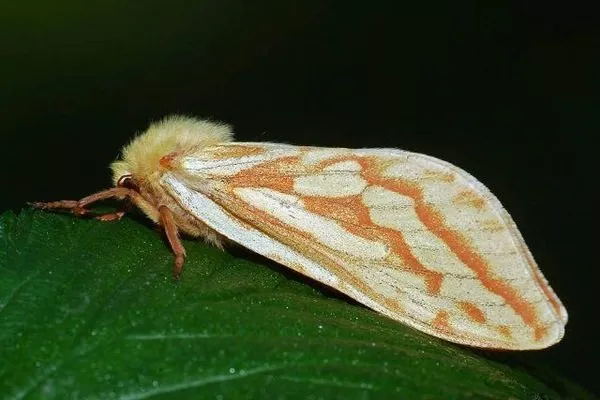
Peonies can be attacked by caterpillars of the hop weaver moth, a butterfly from the family of weaver moths. The caterpillars live for a year and a half, feeding throughout the summer and hibernating for the winter. They feed on hops, sorrel, various grains, and grasses.
Signs of defeat
In peonies, caterpillars of the hop weaver eat the underground parts, gnawing at their root system.
Signs of damage:
- The development of bushes slows down.
- The formation of flower buds is deteriorating.
- If the roots are severely damaged, the peony may die.
Methods of control
To combat hop weevil caterpillars and moths, insecticides are recommended. It's important to take action promptly, as root damage often causes irreparable damage to the plant.
The following preparations can be used to spray peonies:
- "Alatar" (5 ml per 10 liters of water).
- "Inta-Vir" (1 tablet per 10 liters of water).
- "Iskra Double Effect" (1 tablet per 10 liters of water).
Prevention
To prevent hop moth on peonies, thoroughly and regularly loosen the soil around the bushes and remove any growing weeds. Old and overgrown bushes should be replanted and divided.
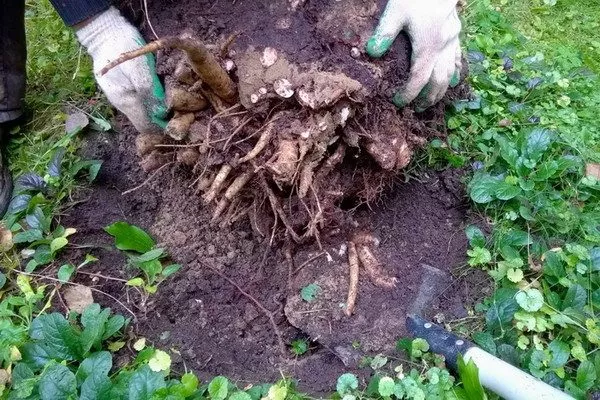
Repotting helps get rid of not only the caterpillars but also other pests. If a peony isn't repotted for a long time, a variety of insects can gather around its root collar, preventing flower bud formation and resulting in less blooms.
The key to controlling peony pests is prevention and early detection. Regularly inspecting your bushes and taking appropriate measures when pests are detected will prevent any problems with your peonies' blooms—all attacks are easily neutralized with effective insecticides.