
Peonies delight with their vibrant, lush blooms every season. But sometimes gardeners encounter an unpleasant problem: peony buds begin to dry out or curl, failing to open fully. This not only ruins the plant's decorative appearance but also reduces the flower yield. There are many possible causes, but solutions are quite possible.
The main reasons for buds drying out
There are many reasons why buds begin to dry out before they open. This can be due to environmental conditions, care errors, or plant diseases.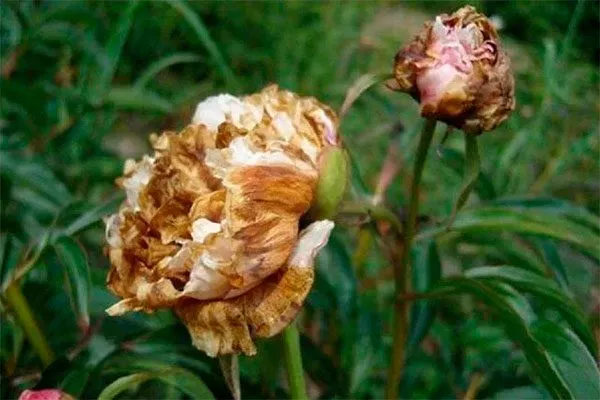
Lack of moisture
During the budding period, which typically occurs in May-June for peonies, the plant experiences increased moisture requirements. Flower buds are forming at this time, so a lack of water can cause them to dry out or fall off.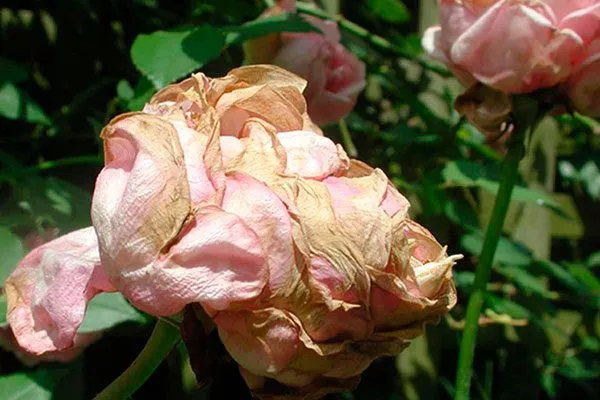
Mature bushes with lush foliage are especially sensitive to soil drying out. To support active physiological processes and ensure full flowering, peonies need regular and generous watering.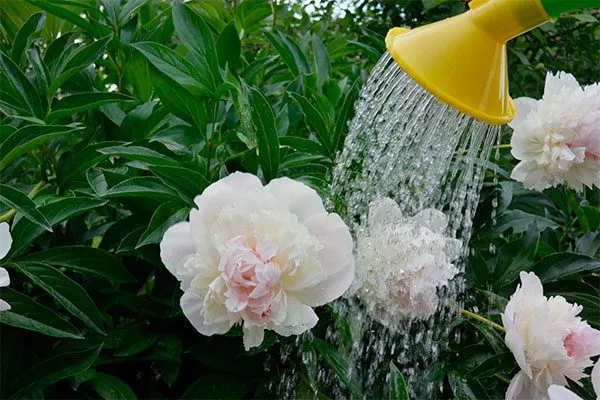
Basic requirements:
- The optimal regime is once every 7-10 days, 20-30 liters of water under each bush.
- Apply water at the roots, being careful not to wash away the soil or wet the leaves to prevent the development of fungal diseases.
Excess nitrogen fertilizers
A nitrogen deficiency negatively impacts peony flowering. Nitrogen stimulates vegetative growth, primarily the development of leaves and shoots, while bud formation and flower set are secondary tasks for the plant.
As a result, the bush appears lush and green, but flowering is either very weak or absent altogether. Moreover, if overfed with nitrogen, the buds often dry out before opening or fail to develop properly.
This imbalance is especially dangerous during the period of active budding. To avoid this problem, it's important to maintain the correct fertilizer ratios, alternate nitrogen with phosphorus and potassium, and consider the plant's developmental stage.
Fungal diseases
Botrytis, also known as gray mold, is one of the most common fungal diseases affecting peonies. It is caused by the fungus Botrytis cinerea, which causes rotting of various parts of the plant, especially in high humidity conditions.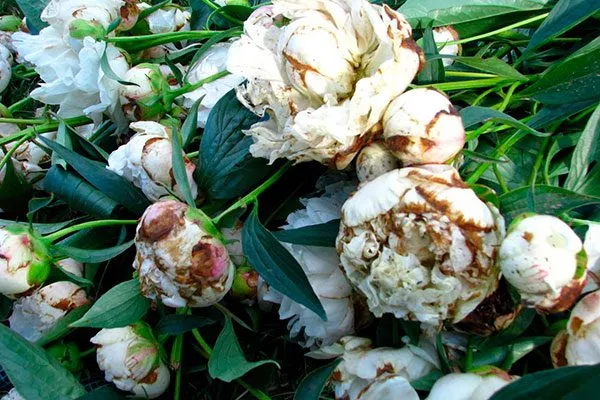
This disease is especially dangerous for peonies, as the fungus can spread from affected shoots to the root system, causing rotting and death of the plant.
Signs of the disease:
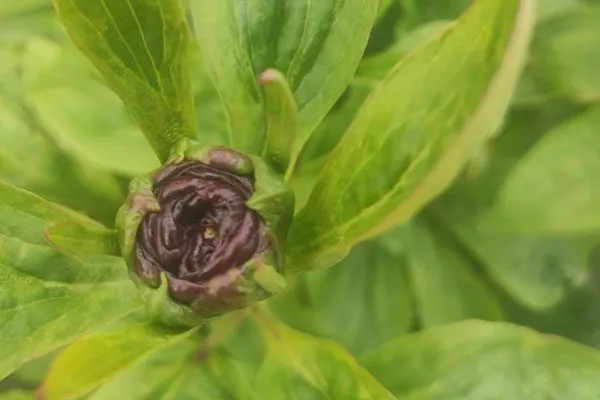
- brown spots appear on the buds and petals, which gradually increase in size;
- the petals are covered with a characteristic gray fluffy coating - fungal spores;
- stems and leaves begin to turn black and rot, especially in places where they come into contact with the soil;
- Affected buds often dry up and do not open.
Pests
Nematodes are microscopic roundworms, 0.6 to 1 mm in length, that can cause significant damage to peonies, attacking the roots, stems, and leaves of the plants. Two types of nematodes are most commonly found on plants:
- galls (Meloidogyne spp.) – affect the root system;

- leafy (Aphelenchoides spp.) – damage the above-ground parts of the plant.
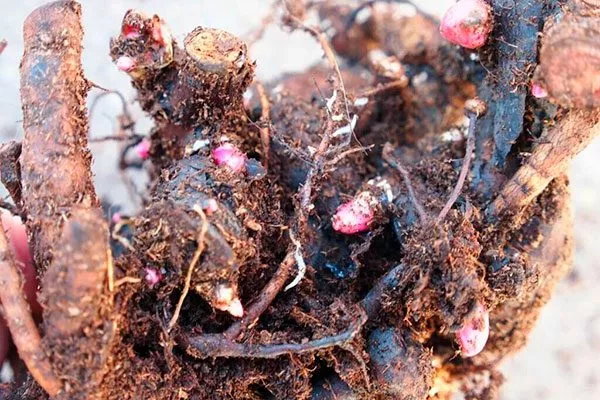
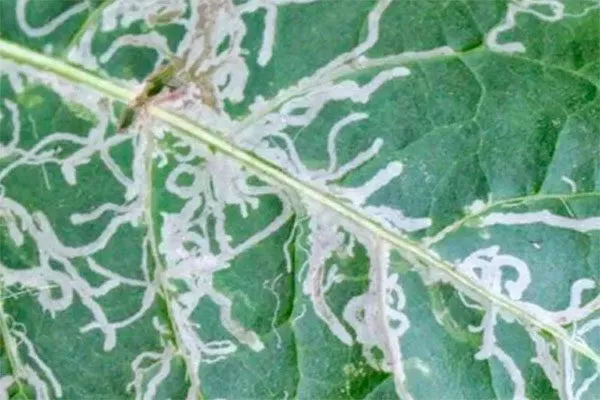
Foliar nematodes are particularly dangerous, as their symptoms can often be confused with those of botrytis.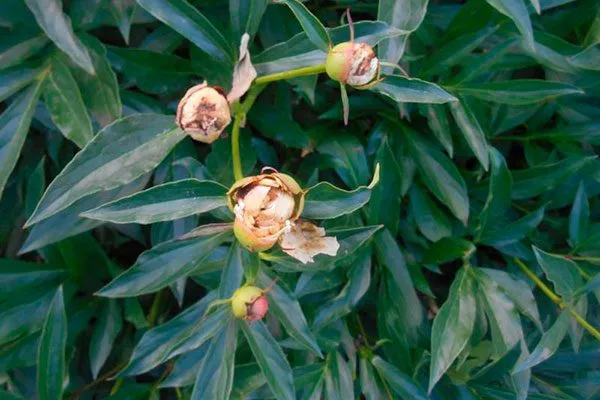
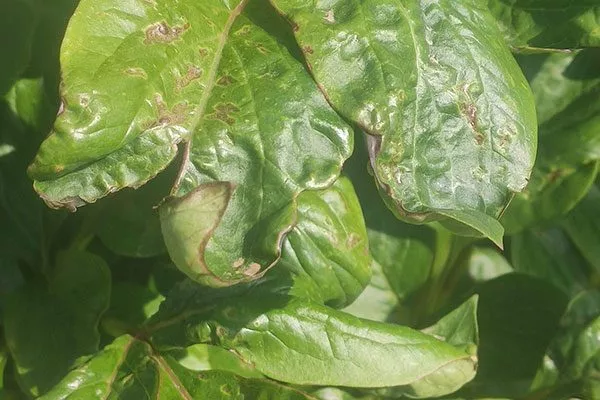
Signs of foliar nematode infestation in peonies:
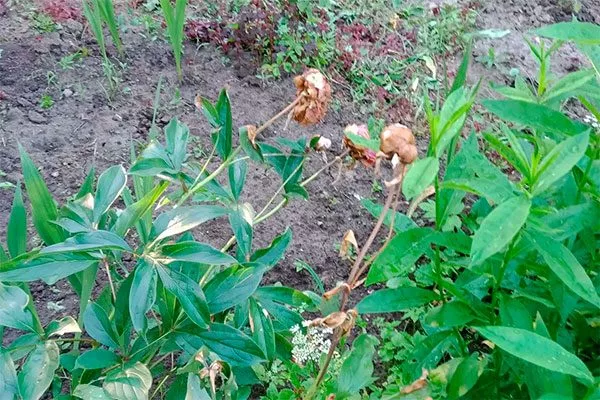
- Irregular spots appear on the leaves, eventually turning brown and drying out. The spots are typically located between the leaf veins, gradually enlarging and causing the leaf tissue to dry out.
- Severe infestations cause dehydration of the buds and stunted growth. This manifests as black, rotting areas on the flowers, while the surrounding healthy petals may remain intact.
- Buds can dry out at any stage of development; sometimes they bloom, but the flowers are deformed.
Lack of light
Peonies require good light for full and abundant blooms—at least six hours of direct sunlight per day is optimal. Insufficient light, especially if plants are grown in partial shade or shade, bud formation slows down, and the flowers themselves become less vibrant and smaller.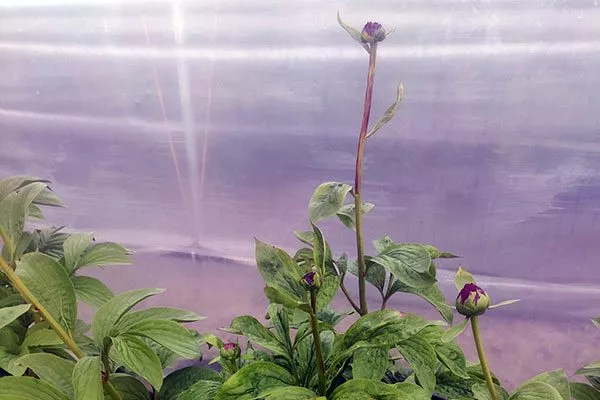
In low-light conditions, peonies may not bloom at all or produce sparse, weak flowers, and foliage will develop at the expense of blooms. Therefore, when choosing a planting site, choose open, well-lit areas where the sun will shine on the plants for most of the day.
Late frosts
Spring frosts and sudden cold snaps pose a serious threat to delicate flower buds. During this period, when plants are just beginning to form flower buds, low temperatures can damage or even kill them.
Cold damages the cellular structure of buds, causing them to become fragile, dry out, and fall off before they have time to open. Early-ripening peony varieties and young plants with less developed root systems are particularly vulnerable to spring cold snaps.
Planting too deep
It is recommended to plant renewal buds at a depth of 3-5 cm below soil level. This depth helps protect them from temperature fluctuations and drying out, providing favorable conditions for active growth and development of new shoots.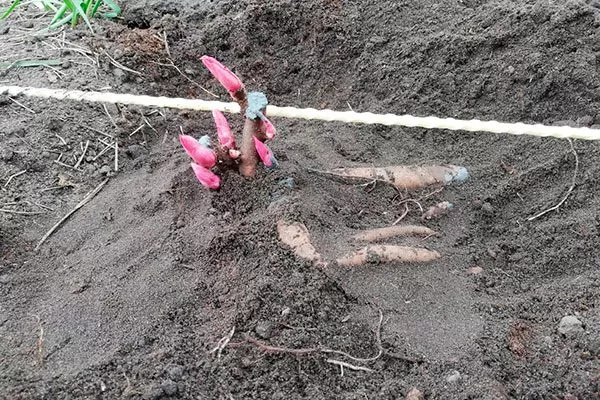
How to help peonies?
For healthy growth and abundant flowering, it is important to follow a number of agricultural practices, which include standard agricultural practices.
Helpful tips:
- Proper watering should be generous but not too frequent—excess moisture can lead to root rot, while insufficient water can cause plants to wilt. To retain essential moisture in the soil and reduce evaporation, mulching is recommended.
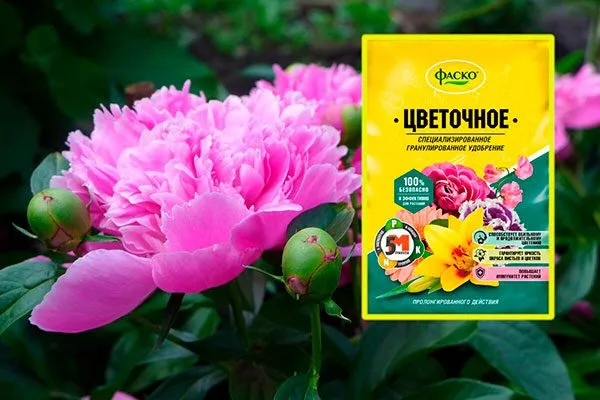
- In spring, use complex fertilizers with a high phosphorus and potassium content to promote root development and flower bud formation. After flowering, feed the plants with potassium-phosphorus fertilizers to strengthen them and prepare them for winter.
Apply nitrogen only in early spring and in minimal quantities to avoid stimulating excessive foliage growth at the expense of flowering. - At the first signs of botrytis, treat peonies with fungicides, such as Fundazol or HOM, to stop the fungus from developing. As a preventative measure, spray with a 1% Bordeaux mixture in the spring to reduce the risk of infection.
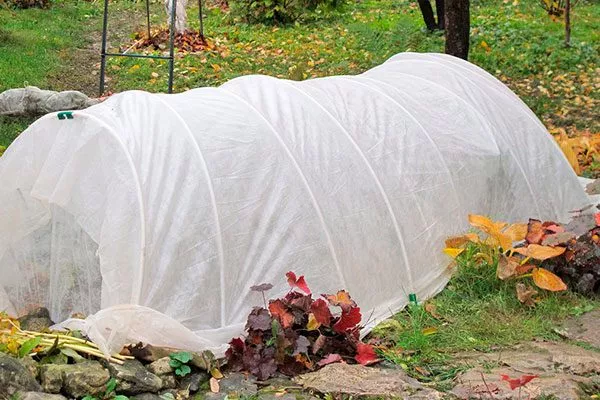
- If there is a threat of sudden cold snaps, cover peony bushes with agrofibre or other light covering materials to protect delicate buds and shoots.

Preventive measures:
- Choose a sunny, well-ventilated location for planting – this reduces the risk of fungal diseases and promotes full flowering.
- Maintain the correct distance between bushes – at least 1 m – to ensure good air circulation and prevent dense plantings.
- In the fall, be sure to prune and remove all plant debris to avoid creating a favorable overwintering environment for pests and pathogens.
- Make sure that water does not stagnate near the roots - excess moisture can lead to root rot and deterioration of the plant's condition.
- Rejuvenate older bushes regularly – approximately every 8-10 years – to maintain their vitality and improve the quality of their flowering.
Maintaining healthy peony buds requires attention to detail and an understanding of the factors that can negatively impact their development. Proper watering, balanced nutrition, protection from diseases and pests, and optimal growing conditions are all key to preventing problems.