
Peonies have always been popular among gardeners worldwide and are still used in landscapes today. Numerous hybrids and new varieties have been developed. Peonies with large, bomb-shaped flowers are especially prized due to their high decorative qualities. One such variety is Red Grace.
History of creation
The variety, developed by Glasscock, was introduced in the United States in 1980.
Description of the Red Grace peony
It grows vigorously, reaching up to 90 cm in height. The plant is covered with numerous large, green-hued leaves. The flowers are spherical, double buds, a pure dark red, reaching up to 22 cm in diameter.
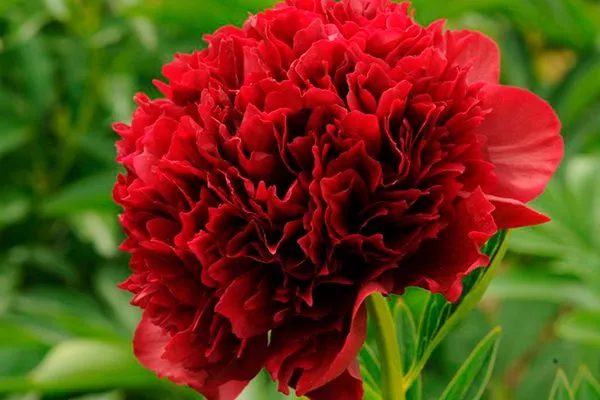
The outer petals are rounded. Seed production is almost nonexistent. The fragrance, not particularly strong for peonies, is characterized by notes of cinnamon, caramel, and chocolate.
Main characteristics
The first flower buds form only two years after planting. The flowering period lasts approximately one month during each growing season.
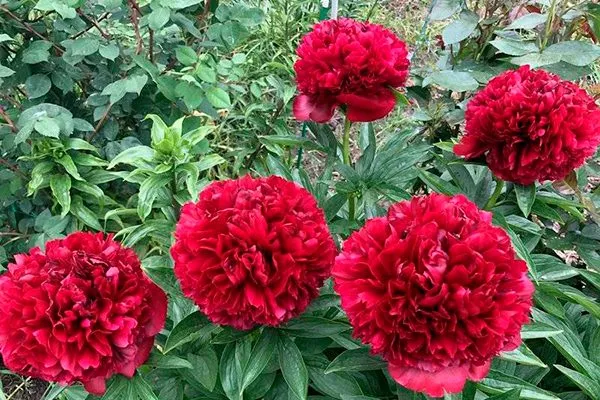
Lateral buds are absent, developing only at the tips of the shoots. Red Grace blooms only once during the growing season.
Application in design
It attracts attention with its decorative qualities, offering not only beautiful buds but also delicate foliage. With proper care, the foliage retains its color until frost. This unique property of the hybrid attracts the attention of landscape designers and gardeners, explaining its popularity in both private plots and parks.
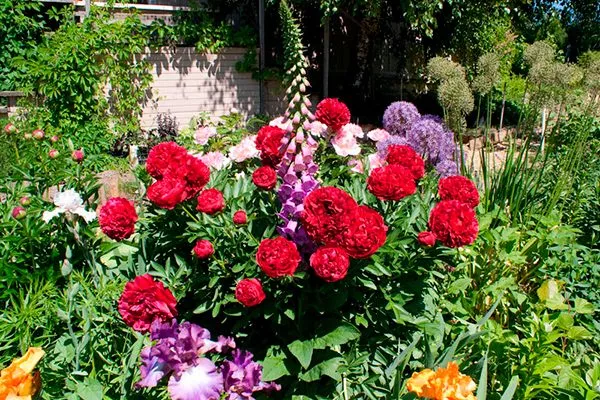
When used in landscape design, it is recommended:
- Place the bushes in the center of the grassy lawn for maximum visibility of the lush buds from all sides.
- Create a hedge along fences or buildings.
- Use in group plantings, harmoniously combining with other crops such as foxgloves, sedums, phloxes, irises, delphiniums and milkweeds.
- Integrate into alpine slides, mixborders or for garden zoning.
- Plant near gazebos to create an attractive addition to architectural elements.
They are often placed in pots on loggias and balconies, providing special conditions for the culture to flourish.
Landing
It's recommended to plant seedlings in spring or fall. Most gardeners choose late August or September, depending on the region. Fall planting allows for easy rooting while avoiding heat. When choosing a planting site, choose a sunny, draft-free spot, although the plant tolerates shade well.
Provide at least 8 hours of sunlight per day. Avoid planting under trees to maintain the number of buds and their rich color.
Since the plant does not tolerate excess moisture, the groundwater level should not exceed 2 meters. This will help prevent root rot, which can lead to death.
Step-by-step instructions:
- Dig a hole 30 days before planting. It should be large enough to accommodate the spreading habit of the bushes. If you plan to plant several seedlings, space the holes 1.5 meters apart.
- Fill the bottom of the hole with a 15-20 cm thick drainage layer to avoid moisture stagnation.
- Prepare a nutrient-rich soil mixture by mixing the topsoil with humus, peat, and sand, and adding superphosphate. Fill the hole with this soil.
- Avoid using fresh manure as it can cause disease.
- Select healthy seedlings with clean, rot-free roots. Place the planting material in water or a solution containing a growth stimulant.
- Trim the roots and sprinkle the cut area with wood ash or activated carbon.
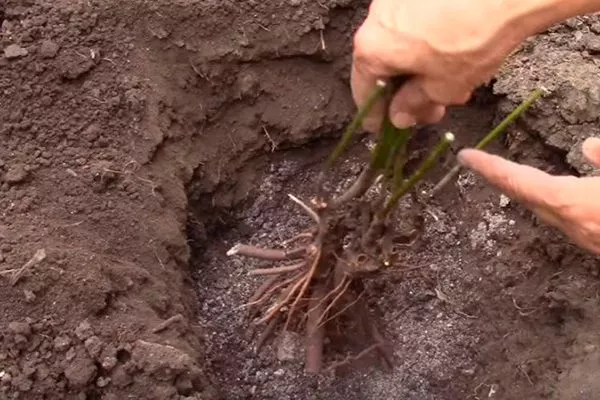
- Form a mound of earth in the center of the hole.
- Place the seedling at a slight angle and cover the roots to a depth of 3-4 cm.
- Compact the soil slightly.
- Create a furrow around the plant for watering. Use 20-30 liters of water to ensure deep penetration.
- ✓ The soil pH level should be between 6.5-7.5 for optimal growth of the Red Grace peony.
- ✓ The planting depth of the root collar should not exceed 3-4 cm to avoid lack of flowering.
Aftercare
Lush flowering depends on careful adherence to agricultural practices. The following aspects play a key role in this process:
- Watering. The plant has high water requirements, so watering should be generous. On average, a mature plant requires about 40-50 liters of water, and it is recommended to water it once a week.
During periods of rain, stop watering, and during periods of drought, water as needed, based on the condition of the topsoil. - Top dressing. Flowers don't need fertilizer for the first few years, but then fertilize three times a year. In early spring, after the buds open, apply nitrogen fertilizer.
From May to June, during the bud formation period, use potassium and phosphorus fertilizers. In the fall, apply fertilizers containing potassium and phosphorus. - Sanitary pruning. To maintain its decorative qualities, regular pruning is necessary. Remove dry, weak, and deformed shoots using pruning shears or a sharp knife.
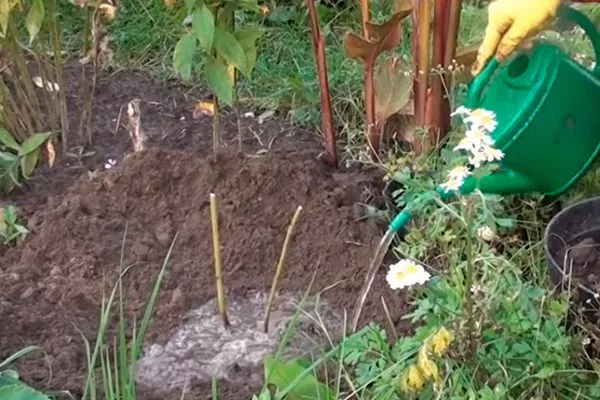
Loosening the soil is a necessary part of agricultural practice to ensure adequate oxygenation of the soil. Perform this procedure the day before watering, removing weeds to maintain a favorable environment.
Reproduction
Fertilizing the Red Grace peony is virtually impossible, making seed propagation unsuitable. Use other methods to obtain planting material.
Dividing the bush
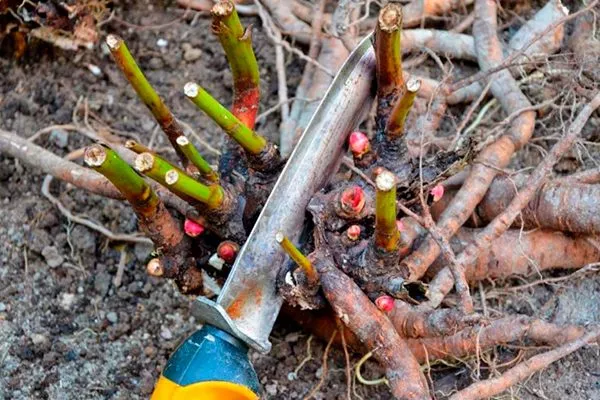
One of the most common propagation methods is division. Use this method for mature plants aged 8-10 years. Here's a step-by-step guide:
- Cut the stems to about 10 cm.
- Dig the rhizome out of the ground, carefully remove the soil and rinse with water.
- Using a sharp shovel or saw, divide the bush into several parts so that 3-5 buds remain on each plant.
Stem cuttings
Stem cuttings are another propagation method used by gardeners for plants older than three years. The procedure involves the following steps:
- In July, cut off a shoot with 3-4 leaf branches from a healthy bush.
- Trim the two bottom leaves, leaving short stumps, and shorten the top leaves.
- Dip the cutting in growth stimulator and place it at an angle in loose soil. Then moisten it and cover it with plastic wrap or a bottle.
- By September, the cutting should develop new buds, after which transfer it to open ground.
If the propagation method is carried out correctly, you can obtain healthy and beautiful plants that retain all the varietal characteristics of the Red Grace peony.
Preparing for winter
Despite the plant's high frost resistance, preparing it for winter remains an important part of its care. After applying fertilizer in the fall, hill up the young seedlings. This helps preserve the root system and provide additional protection from winter cold.
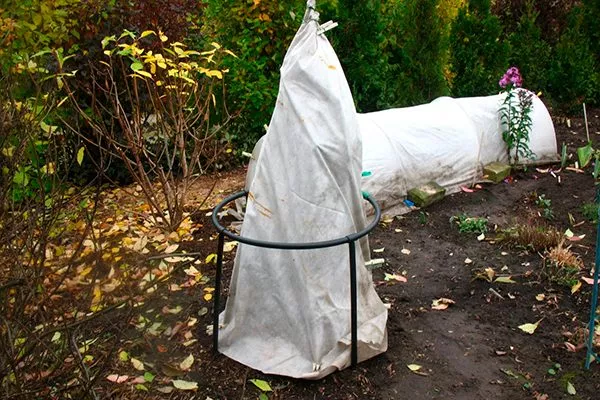
Mature, more resilient specimens don't require shelter, making them less susceptible to low temperatures. In regions with insufficient snowfall, use compost or humus as mulch.
Pests and diseases
Hybrid peonies are resistant to the diseases typical for this crop, but inadequate care can weaken their immunity, leading to various ailments.
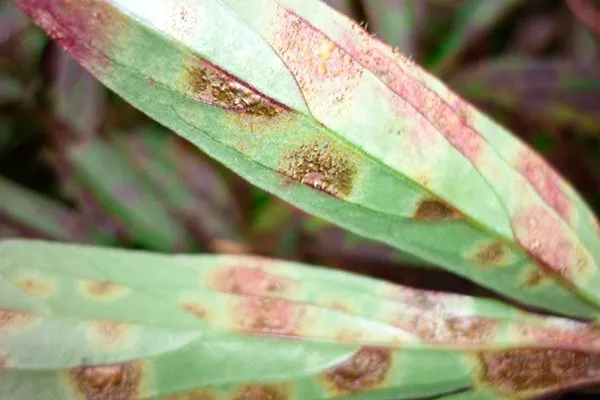
Rust
This is accompanied by the appearance of fungal spots on the leaves, which can be spread by the wind to neighboring plants. Apply a 1% solution of copper sulfate or Bordeaux mixture. Use modern products to combat the disease: Strobi, Fitosporin, or Horus.
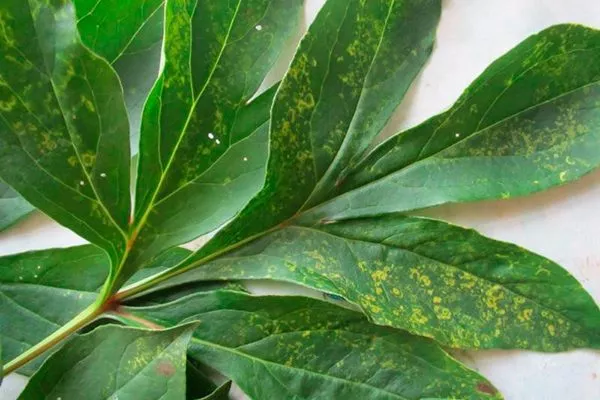
Mosaic
Marbled spots on foliage are the main sign of mosaic disease. The disease is quite difficult to eradicate. Remove heavily infected plants and disinfect the soil with Malathion, bleach, or Formaldehyde. In the early stages of the disease, apply Thiram or Alirin-B.
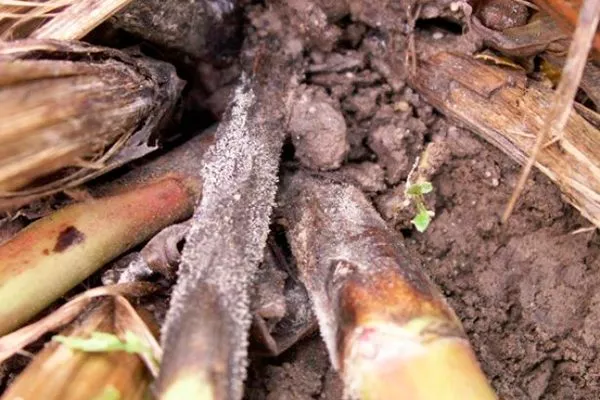
Root rot
The roots are affected, and a white coating appears on them. To treat the plant, apply Alirin-B to the bushes. Water the soil with a Topaz solution.
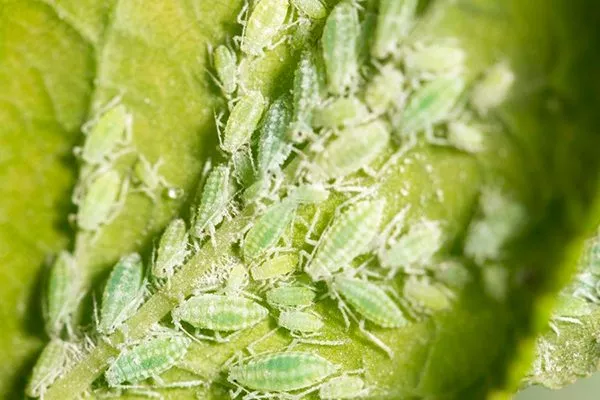
Aphid
Feeds on flower stalks. Remove pests by hand or water with soapy water for minor infestations.
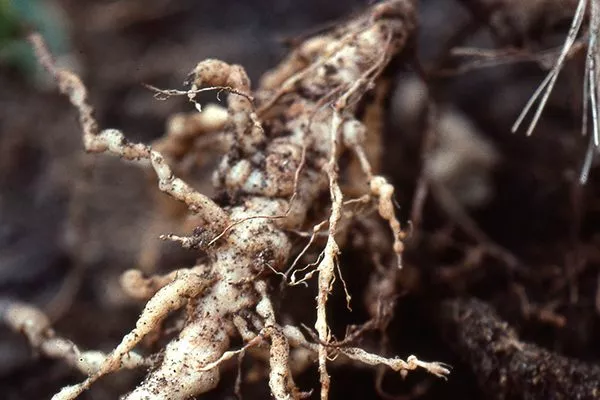
Nematode
The parasite completely destroys the root system. Remove and burn affected flowers, and disinfect the soil with a formalin solution.
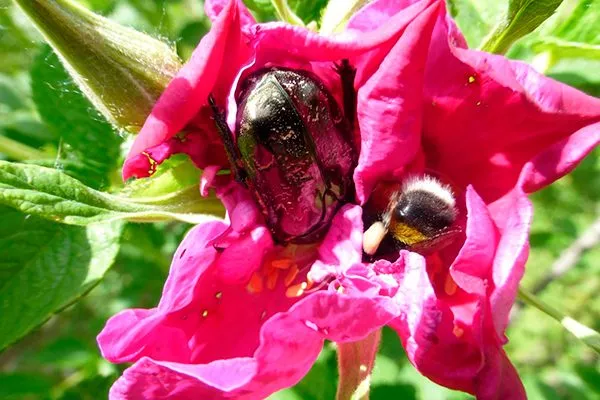
Bronze beetle
The insect eats the petals. Collect the rose chafers by hand and destroy them. You can attract them with jars of fermented compote.
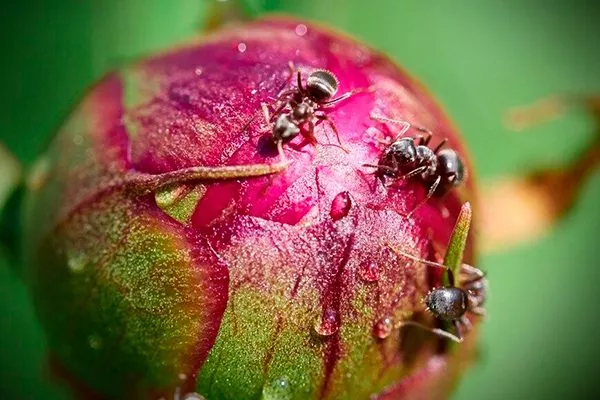
Ants
They lead to the appearance of aphids. They can be eliminated using pesticides such as Muravey, Expel, Antimuravey, or Pyrethrium.
Reviews
The Red Grace peony variety makes a positive impression, making it a favorite among everyone who sees and smells its beautiful flowers. With proper care, it will delight with its beautiful blooms, albeit short-lived.