
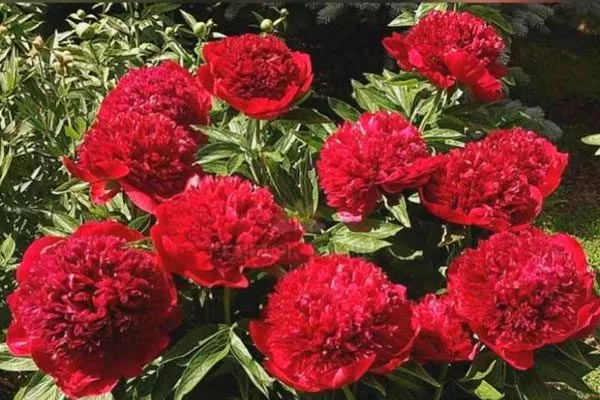
Red Charm is a striking peony with large, double flowers in a rich crimson hue. Its early blooming season, long blooming period, and delicate fragrance make it a desirable addition to any garden. Its frost resistance and low maintenance make it suitable for growing in a variety of climates, creating vibrant accents and luxurious arrangements.
History of creation
This herbaceous hybrid was created by American breeders under the direction of Glasscock. The variety was registered in 1944, and despite its age, it remains prized for its exquisite aroma, striking appearance, and versatility.
Description of the Red Charm peony
This perennial herbaceous plant with a strong root system and sturdy, straight stems grows to 75-90 cm in height. Distinguishing characteristics:
- The foliage is light green with pronounced, sunken veins.
- The bush is moderately spreading and when fully grown can reach up to 2 m in diameter.
- This variety grows well, forming a dense green mass capable of shading low-growing plants. It has high frost resistance (zone 5), tolerating temperatures down to -29°C without shelter.
- Thanks to its early flowering, it is suitable for growing in temperate climates up to the 60th parallel. Successful bud and seed formation requires at least 2.5 months with temperatures above 18°C.
Features of flowering
Red Charm is a large-flowered, double-flowered interspecific hybrid. Plant characteristics:
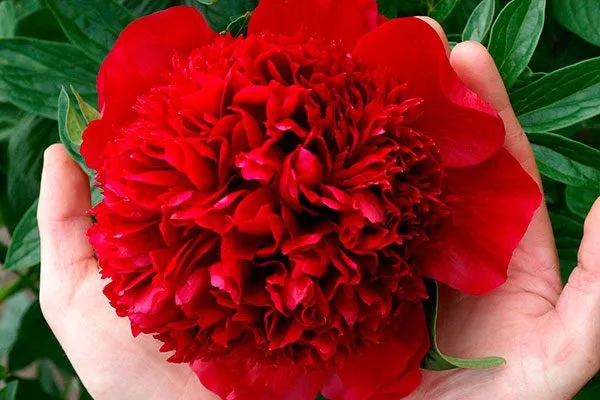
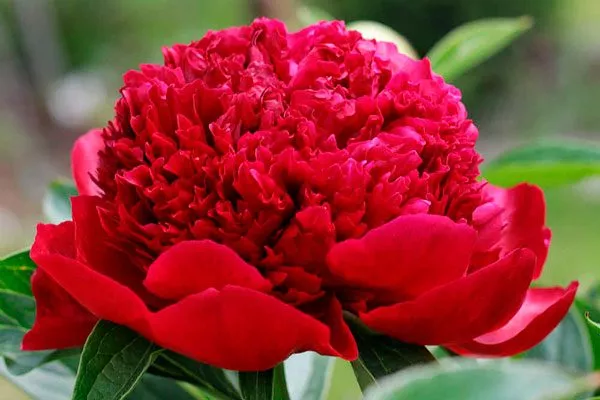
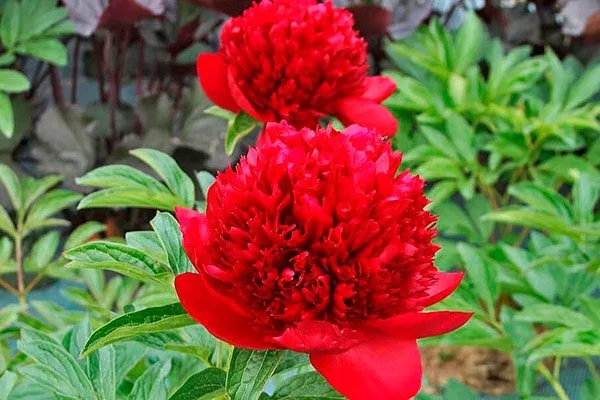
- Its spectacular flowers reach 20-22 cm in diameter and are distinguished by their rich crimson or dark red, shiny petals.

- Flowering is abundant and long-lasting – it begins in late May or early June and lasts up to 1.5 months.
- The more sunlight a plant receives, the larger the buds and the more abundant the flowering.
- The number of outer sepals usually does not exceed 20 pieces.
- The pistils are slightly pubescent and have yellow stigmas, while the stamens are elongated and dark green in color.
- The flowers have a light, subtle and unobtrusive aroma.
Application in design
This variety is often used to decorate garden paths, sidewalks, and recreational areas such as gazebos and terraces. In flowerbeds and mixed borders, it serves as a striking accent, blending harmoniously with other plantings and refreshing other crops. Its distinctive appearance makes any area more attractive.
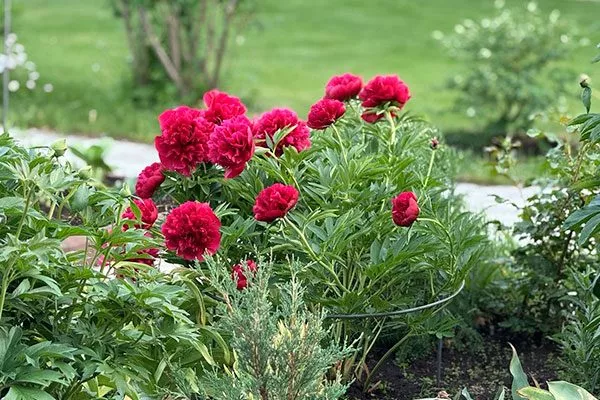
The variety's primary decorative purpose is to create striking splashes of color. However, container cultivation is only possible if the container is deep enough: the root system requires at least 60 cm of soil, excluding the drainage layer.
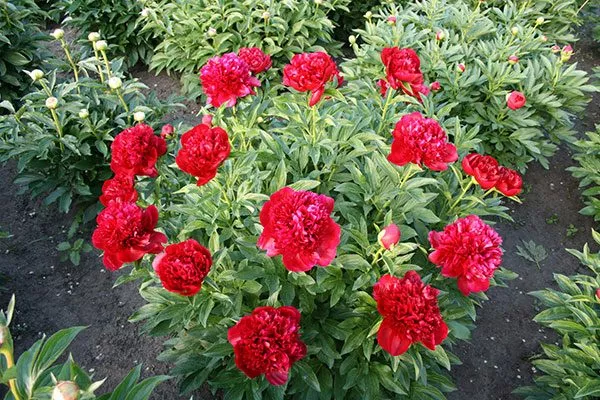
Red Charm goes well with the following plants:
- digitalis;
- geranium;
- poppy;
- iris.
Methods of reproduction
There are several methods for increasing the number of plants at home. The most popular and reliable option is dividing a mature plant. This method is most often used by gardeners due to its high effectiveness.
Propagation by cuttings and layering is less common because it requires a long wait until the first bloom. Growing from seed is the most labor-intensive process, and varietal characteristics may not be preserved. Despite this, some enthusiasts prefer the seed method.
Dividing the mother bush
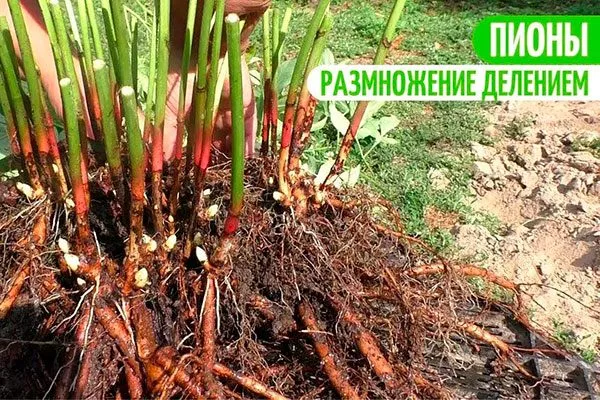
In late summer, prune 5-6 year-old plants, leaving 10-15 cm above the soil, then carefully dig up the bush. Next, follow these steps:
- Cut the rhizome into pieces with a sharp knife so that each division contains renewal buds.
- Before planting, soak the seedlings in a weak solution of potassium permanganate for two hours to disinfect.
- Place in pre-prepared holes.
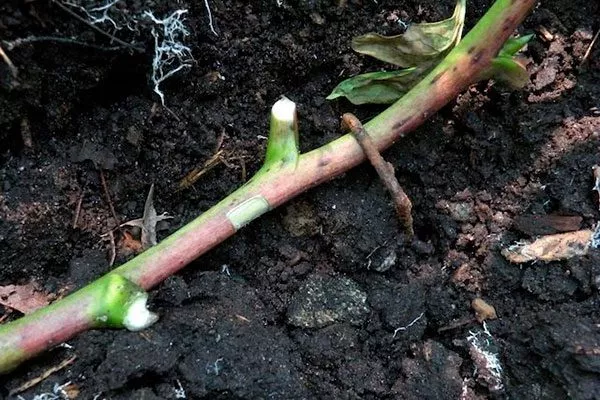
Cuttings of shoots
Carry out this procedure in the summer, immediately after flowering ends. The procedure includes the following steps:
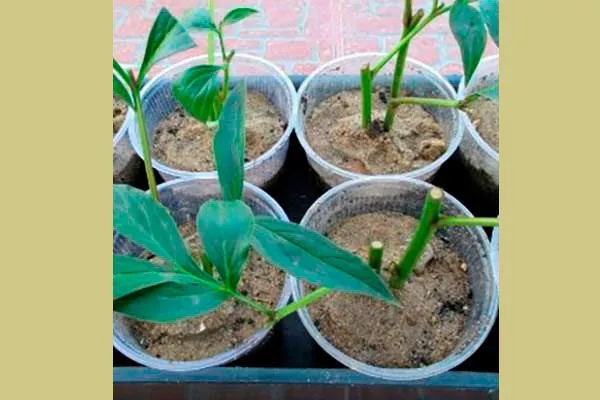
- Cut strong shoots from the central part of the bush. Shorten them to 10-15 cm, remove the leaves, cut the lower part at an angle, and treat with a rooting stimulant, such as Kornevin.
- Place the cuttings in containers with loose soil mixture and cover with film or a bag on top to create a greenhouse effect.
- When new leaves begin to appear, remove the covering.
- Transplant into open ground no earlier than a year later – at the end of summer.
Propagation by layering
Plan this event for spring, immediately after the plant awakens. Here's the procedure:
- Make a shallow cut on the selected shoot, sprinkle it with Kornevin powder, then carefully bend the shoot to the ground and secure it with a pin.
- Fill the anchoring area with soil, loosening and moistening it regularly throughout the season.
- At the end of summer, check for root formation. If the root system is established and strong enough, separate the cutting and transplant it into a nursery for further growth. If the roots are weak, leave it for next year, covering it and the mother plant with non-woven fabric for the winter.
Sowing seeds
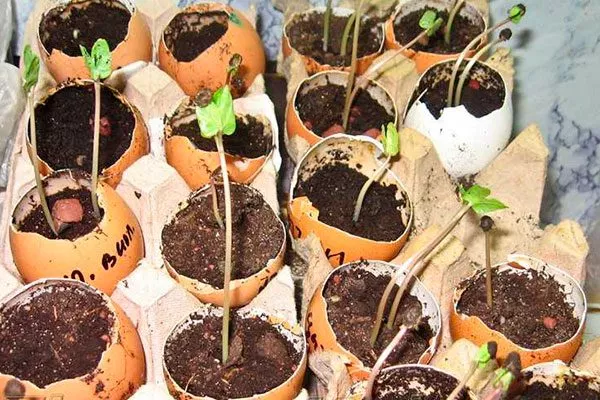
Growing Red Charm peonies from seeds is a lengthy but rewarding process. The step-by-step process includes the following steps:
- At the end of August, cut off the seed pods, remove the seeds and soak them for 6 hours in an Epin solution.
- Sow the seedlings in a container with moistened substrate, cover with plastic wrap, and place in a room with a daytime temperature of approximately 28°C and a nighttime temperature of 15°C. Remove the cover for 15 minutes each day to allow air to air out.
- After roots appear, transplant into separate containers with nutrient soil and transfer to cool conditions with a temperature of +6…+7°C.
- When the seedlings' first leaves appear, place them back in a warm room (22…23°C), cover with plastic wrap, and keep them in these conditions until planting outdoors. The optimal time for transplanting is the first ten days of August.
Growing
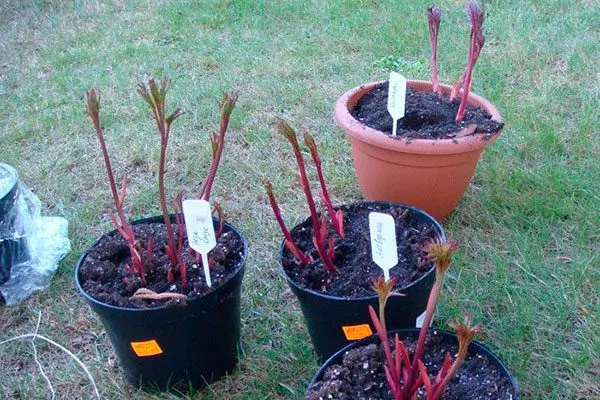
Planting the Red Charm peony is much like planting bulbous perennials, but has its own nuances. The best time to do this is considered to be late summer or early fall.
Selecting a location and preparing the soil
To grow the hybrid, select a well-lit area protected from drafts and strong winds. Basic requirements:
- Planting in light partial shade is allowed - this will save the plant from the scorching midday sun.
- Best results are achieved in fertile, nutritious, and well-drained soil. The groundwater level should be no higher than 1 meter from the roots.
- If the area has not been fertilized, it is recommended to mix the soil with compost or other organic fertilizer before planting, and also slightly acidify it to improve its structure and nutritional properties.
Selection of planting material
The health and growth of the Red Charm peony depend largely on the quality of the seedlings. They must meet the following criteria:
- have a well-developed root system;
- contain at least three renewal buds;
- be healthy, without signs of rot or damage.
Landing rules
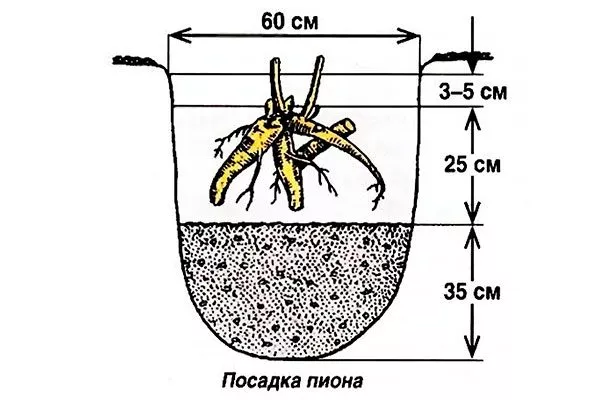
Plant peonies after dividing the parent plant's rhizome, usually in late summer. Step-by-step instructions:
- Dig a hole 60-70 cm deep and 60-80 cm in diameter.
- Place compost or humus on the bottom.
- Place a drainage layer on top. Fill with a mixture of soil and humus in equal proportions (1:1).
- Place the rhizome so that it is 5 cm below ground level.
- Fill the hole with soil and compact it lightly.
- Water generously and mulch the planting.
The final stage is pruning green shoots to a height of 15 cm.
Aftercare
Caring for this plant doesn't require much time or effort, but it does require some simple agricultural practices. In return, the plant will delight you with luxurious and lush blooms.
Watering and fertilizing
Red Charm requires adequate moisture for normal growth and development, but overwatering is dangerous – it can cause root rot and the plant's death. Water the bushes moderately, maintaining optimal soil moisture.
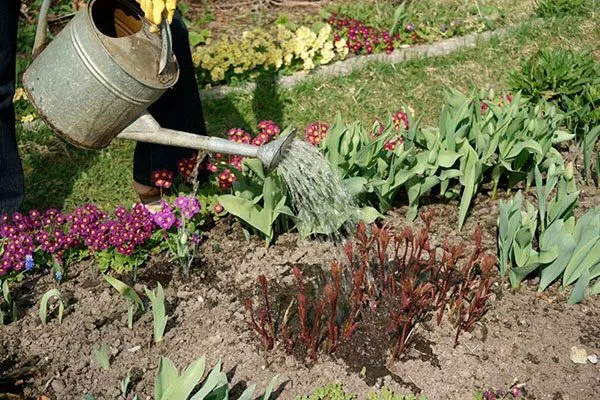
Basic requirements:
- During the period of active growth and flowering (spring-summer), watering should be regular and frequent. Pay particular attention to young plants during the first year after planting.
- Fertilizing is an important care routine. Apply fertilizer from early spring to late summer, opting for root fertilizers: those specialized for roses or general-purpose mineral fertilizers. Follow the package instructions to avoid overfeeding and burning.
- Apply fertilizers during watering or immediately after rain so that they are evenly distributed in the soil and begin to work faster.
Don't fertilize peonies for a month before the first frost. When applying fertilizer, avoid getting it on the leaves and flower stalks. After fertilizing, be sure to moisten the soil to prevent concentrated fertilizers from accumulating on the surface.
Pruning and supporting the plant
These measures will promote the formation of a beautiful crown and vigorous flowering. Follow these recommendations:
- Prune peonies in the spring, before the growing season begins. Remove all damaged, diseased, and weak branches to conserve the plant's energy. Cut back faded stems to stimulate new growth.
- To support the bush, use metal or wooden supports, installing them in advance to prevent breakage and wind damage. Regularly tie the branches to the stakes, especially during flowering, when the inflorescences become large and heavy.
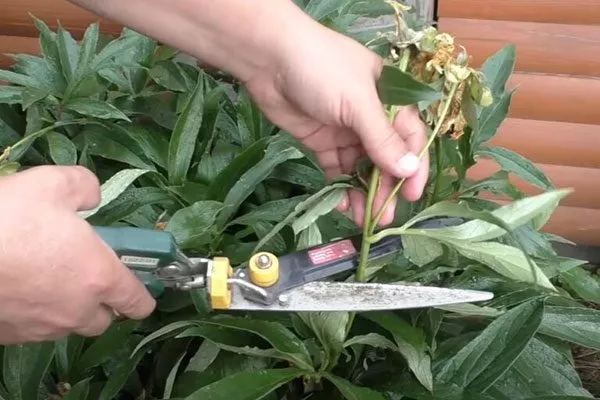
Proper pruning and timely support will ensure healthy growth and abundant flowering, creating a real decorative accent in the garden.
Loosening, mulching and weeding
To ensure adequate aeration for the peony's roots, loosen the soil around the plant after watering and heavy rains. Regularly remove weeds and weed the area—this will help retain moisture and nutrients for the peony, and will also keep the plantings looking neat.
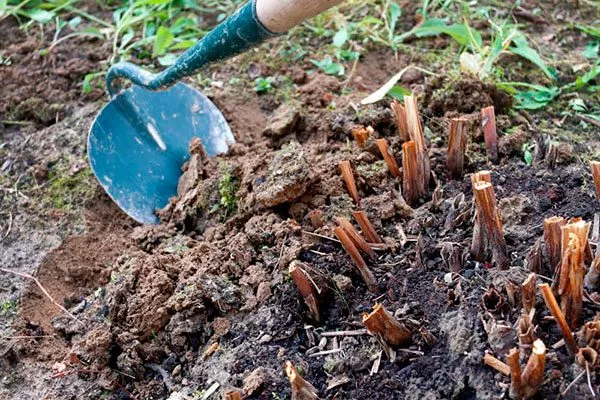
To slow moisture evaporation and prevent soil cracking, mulch the tree trunk area. Use mown hay, dried grass, straw, or pine needles as mulch.
Why shouldn't you let your plants bloom in the first few years, and how should you cut them properly?
It's not recommended to allow peonies to bloom during the first year after planting. During this period, all the plant's energy should be focused on strengthening the root system.
Important requirements:
- Cut off the opened buds with sharp pruning shears or garden shears at a 45 degree angle.
- Sprinkle cut areas with wood ash to prevent infections.
- Place cut flowers in ice water to maintain freshness.
What to do after flowering?
Further peony care consists of regular watering, loosening the soil, and weeding. Leave the bush alone until the end of summer to allow it to form renewal buds.
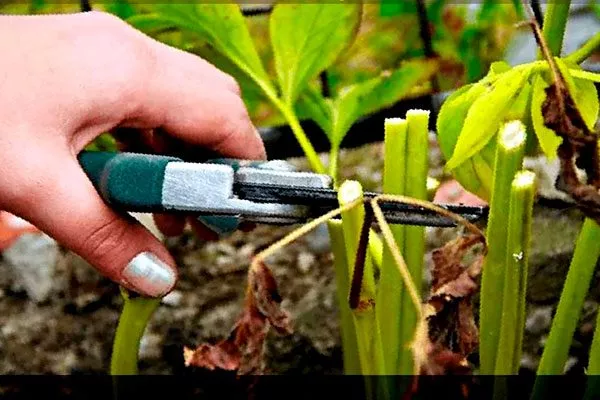
Follow these other recommendations:
- Repot the Red Charm peony every 6-8 years to rejuvenate the bush, as the soil becomes depleted over time, reducing the quality of its blooms. If the plant is too large, carefully cut off a portion of the rhizome, dig it up, and replant it in a new location. Fill the resulting hole with fertile soil and water thoroughly.
- After the first frost, when the bush begins to wilt naturally, trim the stems, leaving stumps 2-3 cm high, just below the first buds. Be sure to disinfect your tools before cutting. Sprinkle the cut areas with wood ash to prevent infection.
Preparing for winter
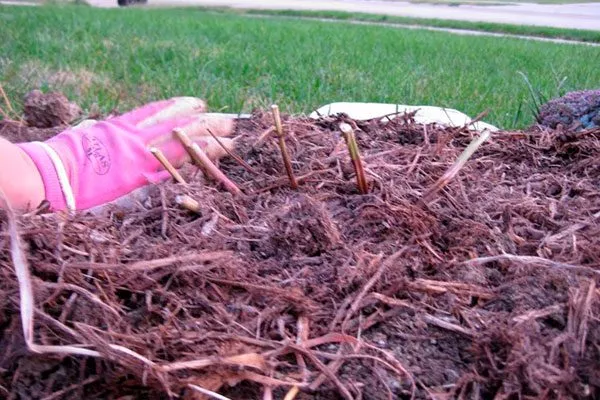
Red Charm tolerates frost well and, in many regions of Russia, overwinters successfully without cover. A mulch layer of at least 10 cm around the root zone provides protection.
Pests and diseases
The hybrid's main drawback is its susceptibility to viral and fungal diseases. It is most commonly affected by:
- Gray rot. It manifests itself as mold on the above-ground parts. Treat with Bordeaux mixture.
- Cladosporiosis. Leaves become covered with brownish spots that dry out and fall off. In the initial stages, the product HOM helps.
- Mosaic. Light green mosaic patterns on the leaves. The disease is incurable, and the plant must be disposed of.
- Verticillium wilt. Damage to leaves, buds, and stems even on seemingly healthy bushes. There is no treatment; remove infected plants.
- Powdery mildew. Accompanied by a white coating that reduces the plant's decorative appeal. Figon is effective in this case.
The main pests of peonies:
- Bronze beetle – A large green beetle that damages leaves and buds. Collect by hand and spray with tomato top infusion.
- Aphids - A small parasite that sucks out your blood. Fight it with Actellic or Fitoverm.
Helpful tips and why it doesn't bloom?
Sometimes a Red Charm peony grows well but fails to bloom. There may be several reasons for this.
Lack of sun
If the plant grows in partial shade or shade, don't expect bright and abundant blooms. Peonies are sun-loving plants that reveal their full beauty only in a well-lit area, so it's recommended to replant them there.
Not enough fertilizer
Over time, even the most fertile soil becomes depleted, and in poor soils, this process occurs more quickly. A lack of nutrients and microelements manifests itself in weak or complete lack of flowering.
The bush is planted too deep into the soil.
Planting a peony too deeply will result in a lack of buds and flowers. Don't plant the rhizome deeper than 60 cm, otherwise the bush will develop only vegetatively, devoting all its energy to foliage growth without producing flowers.
Pros and cons
Reviews
The Red Charm peony combines decorative appeal and hardiness, delighting gardeners across the country with lush blooms and healthy growth. Despite some care requirements, this variety remains a popular choice thanks to its resilience and striking appearance, capable of transforming any garden.