
Peonies are one of the most popular and beautiful garden flowers, capable of adorning any garden with their lush, vibrant blooms. But sometimes even experienced gardeners encounter a problem: the plant stops producing flowers and instead actively produces foliage. The lack of buds can have various causes, but these problems are quite easy to solve.
Key reasons for peonies not blooming
If a peony has been growing in the same spot for several years but hasn't bloomed, it's time to be wary and investigate immediately. It's possible the plant is out of place or lacking something.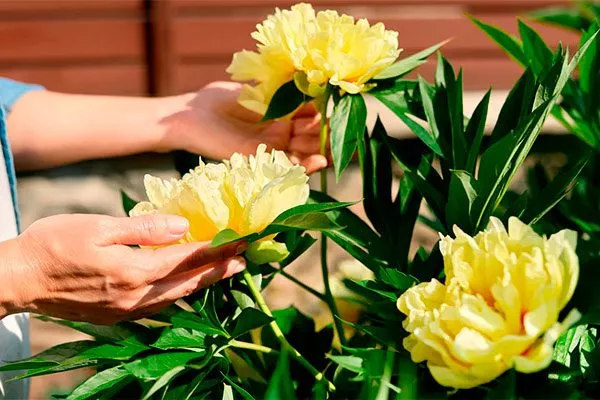
Incorrect planting of a peony
Proper placement is the foundation of a plant's health and lush flowering. It's at this stage that mistakes are most often made that hinder the plant's development.
The most common mistakes when planting peonies:
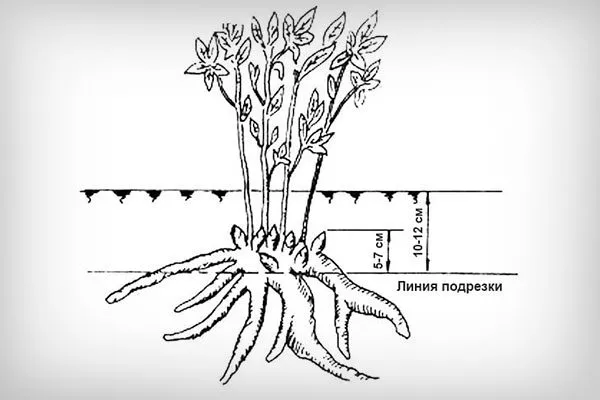
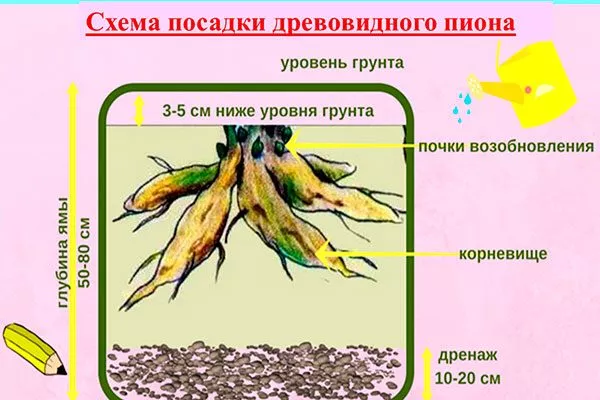
- Deep rhizome planting. Renewal buds (eyes) should be located at a depth of 3-5 cm. If they are deeper, the bush will only grow foliage, and flowering will be sparse or will not occur at all.

- Lack of sun. For full development, peonies require bright light for at least 6-8 hours per day. Shade or partial shade can lead to poor development and a lack of buds.
- Over-watering of the soil. High groundwater levels or stagnant moisture can lead to root rot and fungal diseases. Therefore, choose well-drained areas with deep water tables and avoid areas where meltwater accumulates.
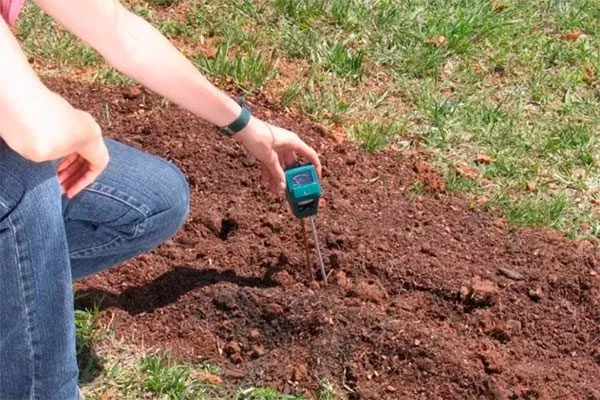
- Unsuitable soil composition. Peonies prefer fertile, neutral, or slightly alkaline soil. Highly acidic soil and poor soil inhibit growth and reduce flowering.
- Tight fit. If the distance between bushes is insufficient, air circulation is impaired. This promotes disease and prevents peonies from growing fully. Leave sufficient space between plants.
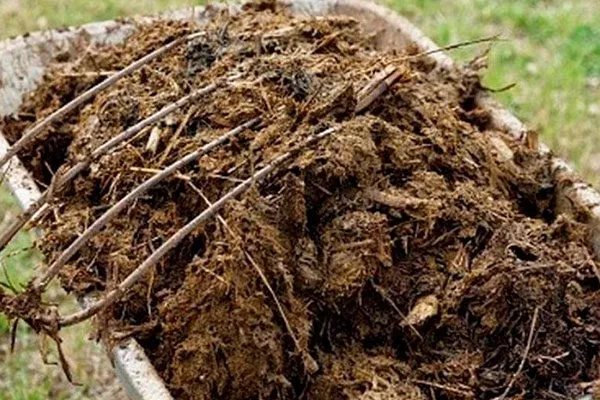
- Use of fresh manure. It can burn the roots and kill the plant. Apply it only after it has completely rotted.
- Incorrect planting times. The best time is from late August to early September. Autumn allows peonies to establish roots safely before frost. When planting in spring, be sure to shade the seedlings from the sun. If buds appear, remove them so the plant can focus all its energy on adaptation.
- Incorrect planting depth. If a peony is planted too deeply, it will not be able to form flower buds and will grow only vegetatively - with lush foliage, but without flowers.
Lack of light
Peonies are sun-loving plants, so one of the most common reasons for a lack of blooms is insufficient sunlight. If the bush is planted in the shade, under trees, against the north wall of the house, or in a spot that only receives a couple of hours of sun, it will develop poorly.
While the peony may develop foliage, it will either not produce any buds at all, or will produce only a few weak ones. Only with good light will the plant begin to form flower buds. In a permanently shaded or semi-shaded area, the plant "grows fat"—actively growing foliage.
Poor quality of seedlings
A peony's lack of bloom is often due to poor-quality planting material. Even with proper planting and good care, the bush will fail to bloom if the seedling was initially weak or improperly prepared.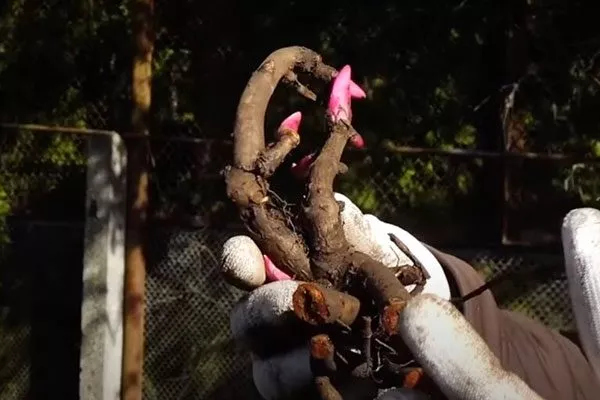
Main problems:
- Insufficient number of kidneys. A good peony cutting should have at least 3-5 developed renewal buds and a full-sized piece of rhizome. If the planting material only has 1-2 buds, the bush will take a long time to develop foliage, and flowering will be delayed for several years.
- Damaged or dried roots. When the root system becomes over-dried, it loses its vitality, which slows down the plant's survival and prevents it from developing. The plant becomes ill for a long time, takes root poorly, and fails to form buds.
- Infestation with diseases or insect attacks. If a seedling is infected with fungi or nematodes, this affects the overall health of the plant. Such peonies often become stunted, grow slowly, and fail to bloom.
- Too young division. If the bush was divided too early (for example, a year or two after planting), the resulting cuttings will not have gained sufficient strength. They need time to recover—the first flowering may not occur until 2-3 years later.
Too young or too old
Peonies grown from seeds or small divisions don't begin to bloom until the third or fourth year after planting. This is normal: the plant needs time to develop a strong root system and accumulate the necessary nutrients. During this period, it's important not to rush things and provide the peony with comprehensive care.
Bushes that reach 15-20 years of age eventually lose their ability to bloom profusely. The roots become depleted, and numerous small shoots emerge, competing with each other for nutrients. As a result, the plant devotes energy to foliage growth rather than bud formation.
The emergence of diseases and pests
Peonies may stop blooming if weakened by disease or insects. If the damage is severe, the plant's immunity is weakened, and it devotes all its energy to survival, leaving no resources for bud formation. Therefore, it's important to identify the problem promptly and take action.
The main difficulties are listed below:
| Disease/Pest | Signs | Prevention and treatment |
Gray mold (botrytis)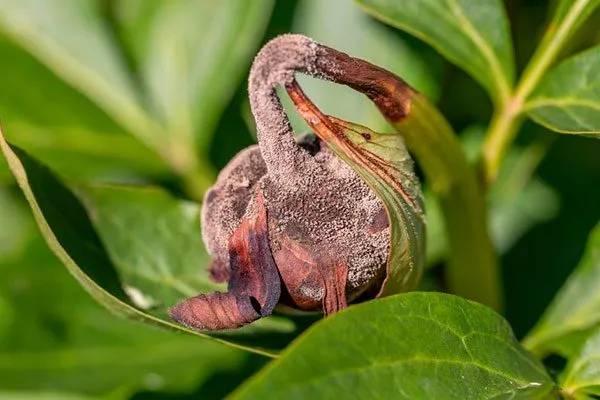 | A fungal disease that attacks young shoots and leaves. Flower buds turn black and fall off without opening. | Preventive treatment with fungicides: Hom, Topaz, Chistotsvet, Previkur, etc. |
Leaf spot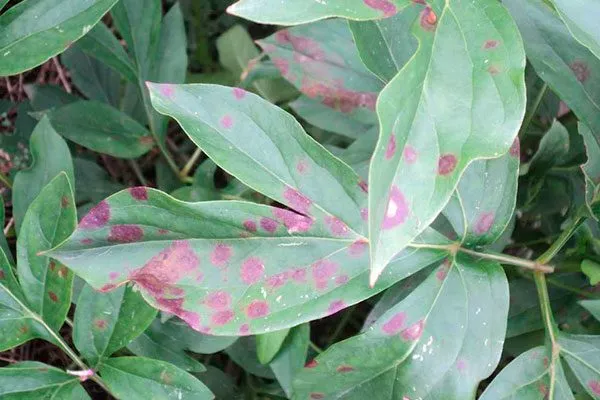 | Brown or purple spots appear on the leaves. The plant's immunity is weakened, and bud development is inhibited. | Regular sanitary pruning and spraying with antifungal preparations. |
Aphid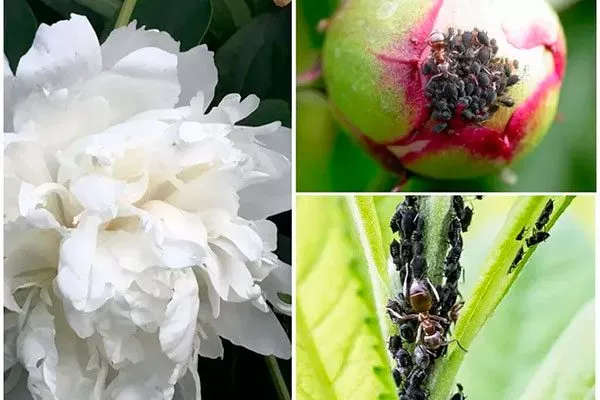 | It is spread by ants and settles on buds and leaves, deforming them and weakening the bush. | Spraying with insecticides: Aktara, Iskra, Fitoverm, Teppeki, Zubr, etc. |
Nematode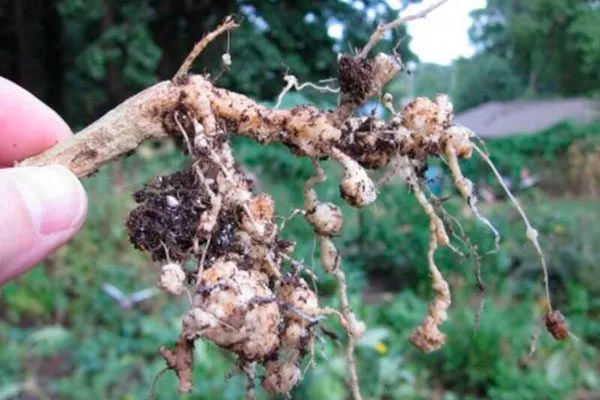 | Microscopic worms damage the roots. The plant wilts, develops poorly, and may die. | Replace contaminated soil, use beneficial nematodes, and use nematicides with caution. |
Lack of food
A nutrient imbalance in the soil is one of the common reasons why peonies fail to bloom. When there's an overabundance of some elements and a shortage of others, the plant's growth phases shift: it either "goes into leaf litter" or simply survives, lacking the resources to produce buds.
In fertile but nitrogen-saturated soils, peonies begin to actively form green mass—leaves and shoots—while completely ignoring flower buds. In poor, depleted soils, the plant looks weak, with pale leaves and signs of chlorosis.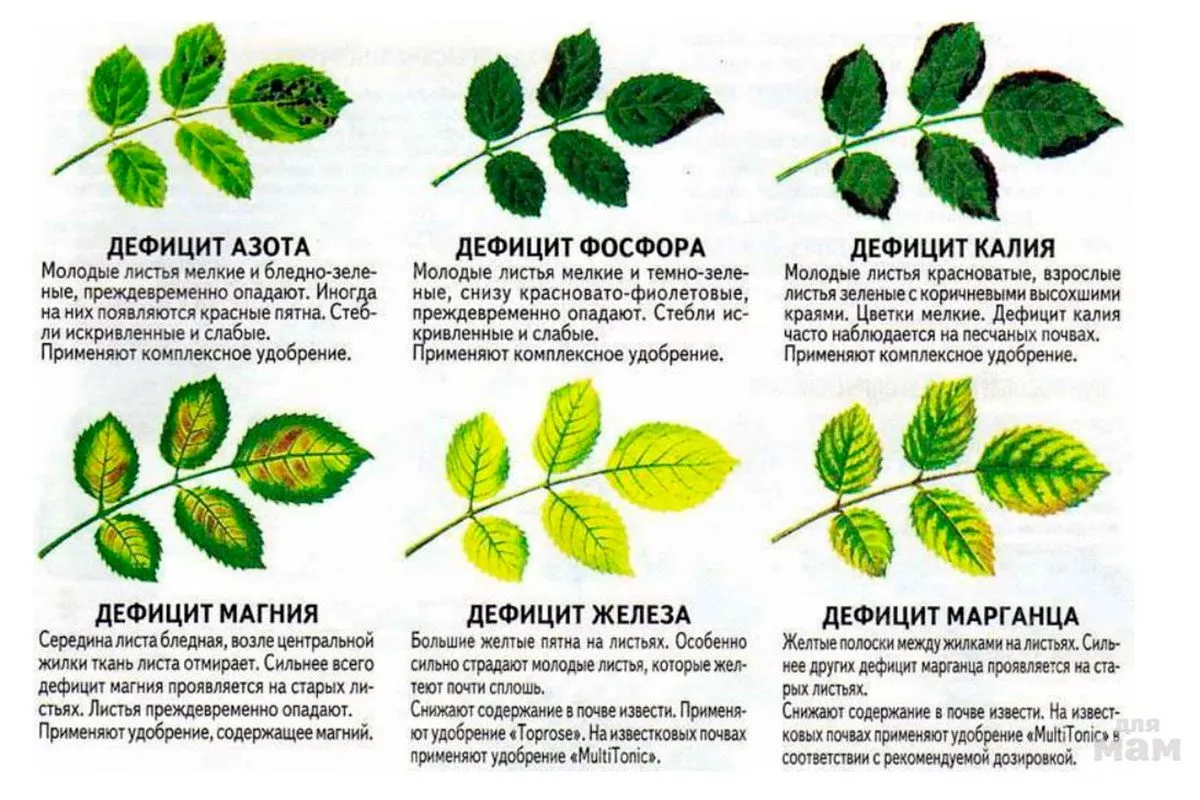
The role of essential nutrients:
- Phosphorus. It's responsible for the formation of flower buds. Without it, the peony will look healthy but won't bloom.
- Potassium. Maintains overall plant health. If there's a deficiency, buds will be fewer, and they may be small or misshapen.
- Bor. Affects the size and decorativeness of inflorescences. If there's a deficiency, flowers will be dull and poorly formed.
- Nitrogen. Responsible for growth and nutrition. Excess leads to excessive green growth and decreased resistance to fungal diseases.
Incorrect watering
The crop is sensitive to both moisture deficiency and excess, especially during key growth phases. Key features:
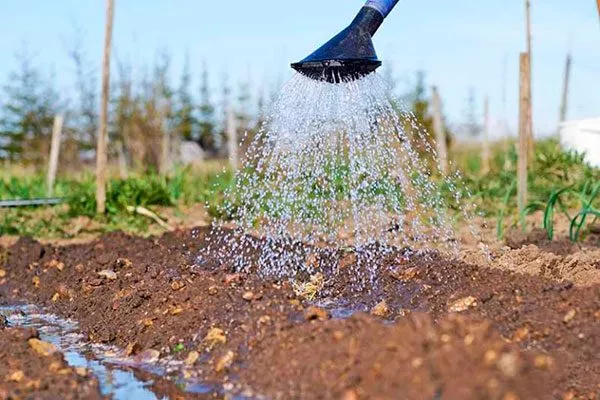
- In spring, during the period of active development and bud formation, peonies require ample moisture. If the soil becomes too dry at this time, the plant may become stressed: buds will either fail to form at all or will be weak and subsequently dry out and fall off.
- Excessive water is no less dangerous. When moisture stagnates in the soil, the root system begins to rot and fungal infections develop. Such a weakened plant will not be able to bloom.
Lack of division
During the first few years after planting, peonies develop a strong root system and only then begin to bloom vigorously. Typically, the peak of their decorative appearance occurs between 4 and 8 years of age, when the bush delights with abundant, large blooms. However, after 10 to 15 years, if the plant has been growing in the same spot without rejuvenation, flowering begins to decline or ceases altogether.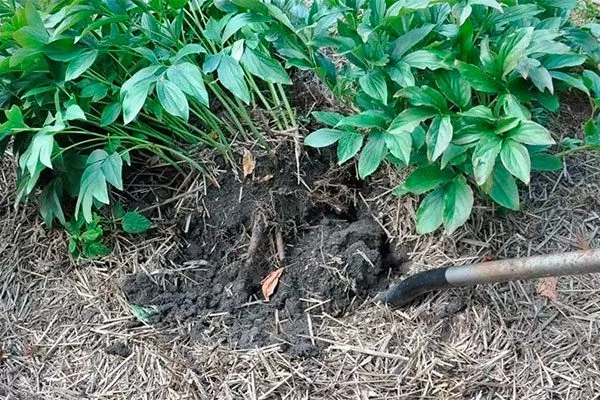
The main reasons why old peonies stop blooming:
- Soil depletion. Over time, the soil loses nutrients. Without regular fertilizing, the peonies simply don't have enough resources to form buds.
- Thickness of the bush. As the peony ages, it produces numerous shoots. This leads to poor air circulation, shading of the central part of the bush, and competition for nutrients. As a result, the plant stops blooming.
- Rhizome aging. An aging root system loses productivity. It absorbs moisture and nutrients less effectively, which affects the overall health of the plant.
Frequent transfers
It's not recommended to repot peonies annually, as they need time to establish roots and grow stronger. Typically, the plant builds up its bulk over the course of about five years, so it's best not to disturb it during this period.
Early leaf pruning
Peony leaves play an important role in the plant's nutrition, as they accumulate nutrients necessary for the formation of flower buds. If the foliage is pruned too early, the plant will not have time to accumulate sufficient nutrients, which will negatively impact subsequent flowering.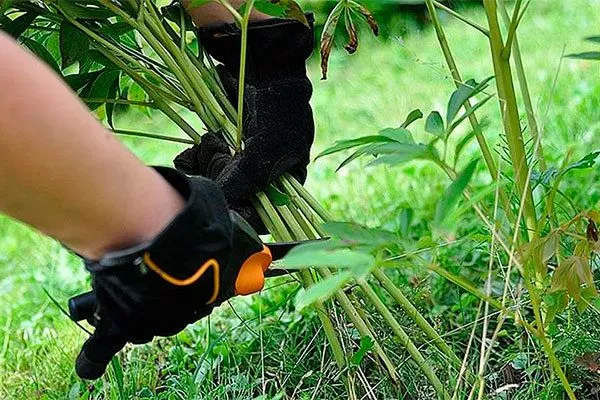
Therefore, removing leaves immediately after flowering is not recommended. It's better to wait until late autumn, when they begin to yellow and gradually die back. When cutting flowers for a bouquet, it's also important to leave 3-4 stems with leaves on the bush—these will provide nourishment to the root system and help the plant stay healthy.
What to do to make peonies bloom?
To ensure normal peony blooms, it's important to first understand the reason for the peony's lack of bloom. Follow these recommendations:
- If you feel the plant is planted too deep, it should be repotted. However, for the first 2-3 years, you can limit yourself to gently loosening the soil around the bush and carefully lifting it with a shovel, then adding soil under the roots.
- If the bush is already old, it will need to be divided and repotted. If there are no flowers this season, they won't appear this year. The main thing is to take action in time to ensure the peony blooms next summer.
To achieve this, it's important to properly organize watering and fertilizing. Keep in mind that the peony's root system extends significantly beyond the bush itself—an area of approximately 1.5-2 meters in diameter should be irrigated. - After pruning the stems in the fall, be sure to cover the bush with a layer of insulation—compost, peat, or sawdust. However, this layer should be removed in early spring to prevent the plant from being buried when it emerges from winter. Perform all other work carefully, avoiding mistakes.
The main secrets of regular flowering peonies
Despite all the potential problems, timely preventative measures can not only prevent diseases but also stop their development in the early stages.
To avoid problems with peonies, just follow a few simple rules:
- use only high-quality and healthy seedlings;
- Choose sunny, wind-protected and well-drained areas for planting;
- perform simple agricultural practices;
- Remove weeds and diseased leaves regularly.
Peony failure to bloom is a nuisance that can and should be addressed. Following simple tips will help restore the bushes' health and lush blooms. Even beginners who are new to growing flowers can cope with this problem. The key is to closely monitor the bush's condition to identify the cause promptly.