
The Pastelegans peony is renowned for its beauty, resilience to adverse conditions, and abundant blooms. These characteristics make it a welcome addition to many gardens. Attention and care are rewarded with a strong immune system and excellent growth.
History of creation
Developed by American breeder Bill Seidl, it was created by crossing the Salmon Dream and Lemon Chiffon subspecies. The breeding process was completed in 1989. It belongs to two varieties: grassy and itoh-hybrid.
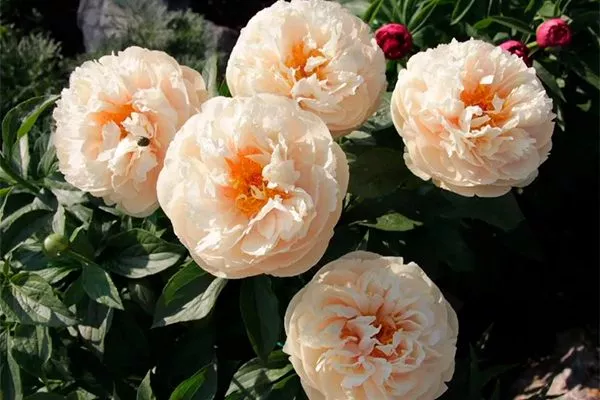
Pastelegans has participated in numerous exhibitions, where it has won prizes. In 2022, it was awarded the American Peony Society Gold Medal.
Peony Pastelegans variety characteristics, description
It has a number of characteristics that make it attractive. It has a compact form and reaches a height of about 60 cm. Large, bipinnate or thrice-pinnate leaves add decorative appeal. It copes well with heat and drought, demonstrating resistance to diseases and pests.
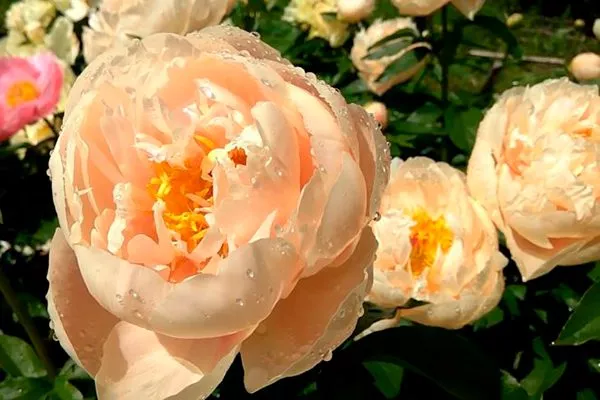
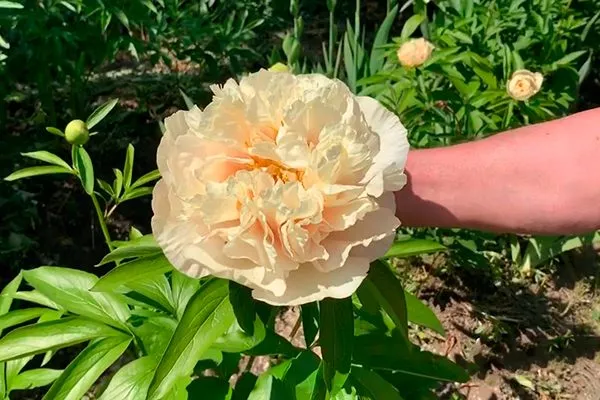
Large flowers, up to 20 cm in diameter, are double, spherical, and come in pastel shades, ranging from pale pink to peach. The fragrance is pleasant, delicate, and unobtrusive.
Bloom
It has a medium-term flowering period—abundant and long-lasting, delighting for up to four weeks. The flower color, size, and shape characteristic of this hybrid fully open by the third or fourth season, adding to the plant's appeal.
Interesting facts about the Pastelegans peony
It has a fascinating origin story and fascinating facts. The variety was developed by French breeder Victor Lemoine in the early 20th century, who named it after his daughter, Elegance, hence its name.
Interesting facts:
- The initial flowers were white, but over time pink and peach shades appeared, adding variety to the palette.
- It gained fame and popularity in Europe between the 1930s and 1950s. It appeared in Russia only at the end of the 20th century, but quickly gained recognition.
- Its long vase life confirms its long standing in the world of floriculture, making it one of the best varieties for cutting.
The Pastelegans has a rich history associated with France and Victor Lemoine.
Application in design
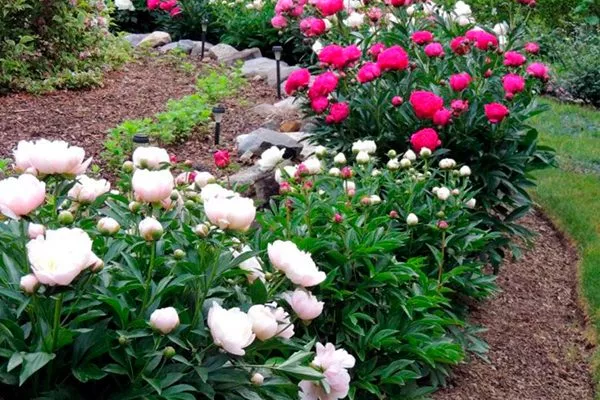
To highlight unique flowers, it's important to carefully choose their placement. Many gardeners prefer to place them near homes, garages, summer kitchens, and other outbuildings. They can be successfully planted both in the center of flowerbed arrangements and along paths.
Other options:
- When choosing plants to plant alongside peonies, choose flowering plants that are of similar height or shorter.
- It is popular to plant both perennial and annual crops with a variety of flowers and decorative leaves in the surrounding area.
- To create the effect of prolonged flowering, plants are selected so that they bloom in stages from spring to autumn.
Avoid planting tall or bulky plants near or between them, as they may shade them. Due to their large size, they are not suitable for indoor cultivation.
Landing
Plant the crop in September-October, after the growing season has ended, or in spring in March or early April before new shoots emerge. Pot-grown seedlings can be transplanted in the summer, preserving the root ball to ensure successful establishment.

Prepare the planting site in advance. Pastelegans prefer sunny locations, so avoid placing them too close to the house, other buildings, tall fences, or trees, as they do not thrive in shade. Avoid damp areas with standing water.
- ✓ Soil pH should be between 6.5-7.5 for optimal nutrient absorption.
- ✓ The depth of groundwater is at least 1.5 m to prevent rotting of the root system.
For successful growth, the soil must be fertile, loose, and well-drained. Avoid acidic soils; add lime if necessary. Before planting, soak the roots of the seedlings in a rooting stimulant, such as Kornevin.
Reproduction
The most common methods for propagating hybrids are division and rooting stem cuttings. Seed propagation is rarely used, as it produces virtually no seeds, making it virtually impossible to obtain an identical plant.
| Method | Time to first flowering | Success rate |
|---|---|---|
| Dividing the bush | 2-3 years | 90-95% |
| Cuttings | 3-4 years | 70-80% |
Dividing the mother bush
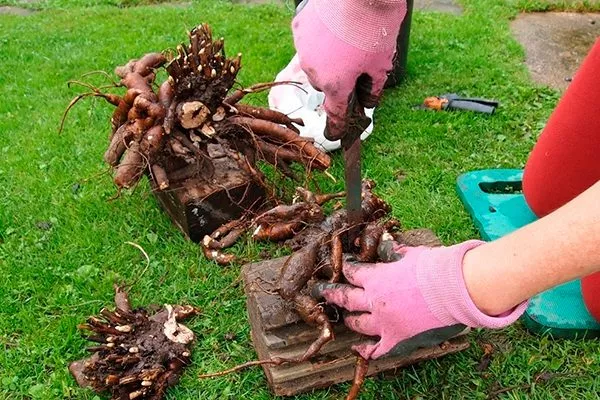
Division is the most reliable and fastest way to obtain new bushes. The procedure involves the following steps:
- Carefully dig up the plant, trying to minimize damage to the root system.
- Wash and inspect the rhizome to determine its condition.
- Cut the root into several pieces, ensuring that each piece has 2-3 buds.
- Soak the cuttings in a solution of potassium permanganate for several hours to prevent possible infections.
- Plant the parts in pre-prepared holes.
Cuttings
Preparing cuttings for rooting involves several steps. Follow these instructions:
- Select a strong stem from the center of the bush, preferably one with an undeveloped bud. This ensures the viability of the future cutting.
- Shorten the leaves and the cutting itself to a length of 10-15 cm. This helps concentrate energy on rooting and creates optimal conditions for successful development.
- Make a diagonal cut at the bottom and dust it with Kornevin. This will stimulate the rooting process and protect against possible infections.
- Root the cuttings in moist, loose soil and cover with plastic wrap or a plastic bag to create a greenhouse effect. Remove the covering once the plant has established itself and is actively growing.
- After a year, at the end of summer, transfer the young specimens to open ground.
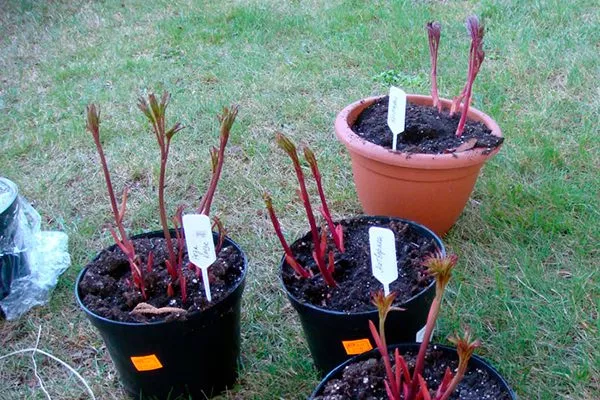
Cuttings provide effective propagation of the Pastelegans peony with a high probability of survival.
Aftercare
The plant requires particular attention to moisture, especially during rooting and the emergence of new stems. Mature bushes don't require frequent watering, as their roots penetrate deep enough into the soil to rely on rainwater during cooler periods.
During prolonged droughts or periods of extreme heat, water the crop using at least 30 liters of water for each portion. After watering, loosen the soil. Mulching the soil helps prevent it from drying out quickly, reducing the frequency of watering and making care easier.
Fertilize three times per season:
- In spring, after the snow has completely melted, apply nitrogen fertilizers.
- During the budding period, add phosphorus and potassium fertilizers.
- After flowering, use only phosphorus-potassium supplements.
What to do after flowering?
After the peony fades, perform some care. Follow these recommendations:
- Remove all faded buds.
- Clear the surrounding area of plant debris and fallen petals. This will help prevent disease and maintain cleanliness.
- About 10-14 days after removing the faded buds, apply the final fertilizer to support growth and development.
- At the end of August, if necessary, you can replant the bush. This may be especially important if the plant requires a change in location or growing conditions.
- In October, carry out pruning if necessary. This includes removing old and damaged parts, shaping the bush, and preparing it for winter.
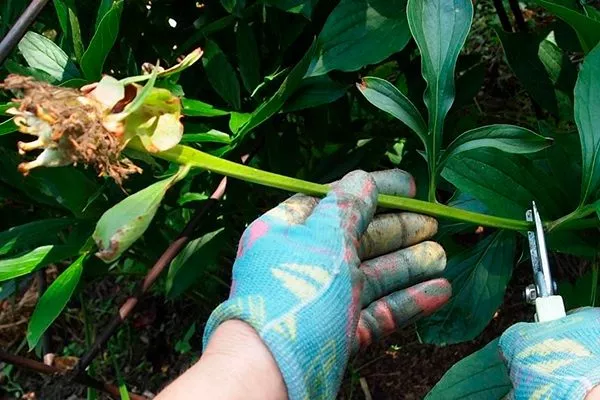
Following these steps will help maintain the health and beauty of your flower.
Preparing for winter
It exhibits excellent frost resistance, making bushes over three years old relatively easy to prepare for winter. For newly planted specimens, insulate them after pruning. Increasing the mulch thickness to 10-15 cm is sufficient.
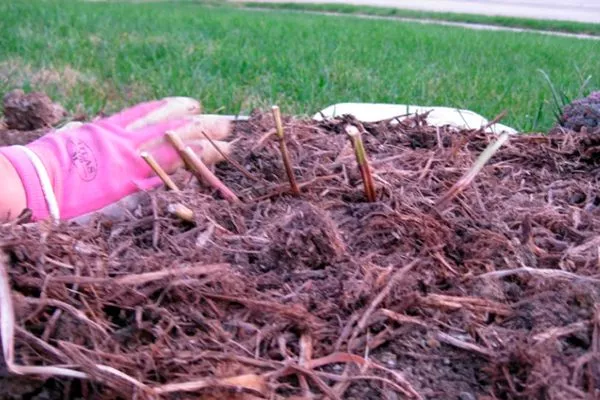
A thick layer of compost, humus, or agrofibre is excellent for protecting against the cold. When spring arrives, remove the non-woven material from the bush and carefully remove the mulch layer to prevent possible rhizome damping-off.
Pests and diseases
The crop is susceptible to various fungal and viral diseases. It's important to promptly identify the cause to begin eliminating it:
- Rust. Characteristic symptoms are easy to spot: brownish-brown spots with a reddish tint appear on the leaves, starting in isolated areas, which over time can merge into large, irregular spots.
Disease control involves removing and destroying all affected leaves and spraying the bush with Bordeaux mixture. - Gray rot. Affects stems, leaves, and buds. This disease is more common during wet periods. Symptoms include wilting and the appearance of a gray coating on green parts. Control of this rot involves the same methods as for rust.
- Powdery mildew. It manifests itself as a white coating on the upper leaf blades. Control involves spraying plants with fungicides.
- Leaf mosaic. Symptoms include yellowish-green spots arranged in a mosaic pattern, which over time can lead to necrosis. Viral diseases are incurable, so remove affected plants from the area.
Reviews
The Pastelegans peony is a beautiful specimen of the floral world. It attracts attention with its large, delicate peach-colored buds and exquisite bluish foliage. This variety has gained popularity among both novice and experienced gardeners for its beauty and ease of care. Proper care is essential for vibrant blooms and a strong immune system.