
The Old Faithful peony boasts robust health, a strong immune system, good frost resistance, and other positive qualities. Even novice gardeners who haven't grown this plant before can handle planting and care.
History of creation
Introduced to the public in 1964 in the United States by experienced breeders from Glasscock-Falk, it quickly gained recognition for its unique landscape design qualities, winning a gold medal in 1997.
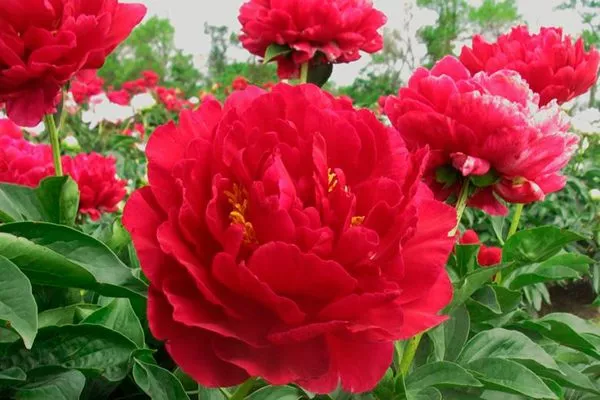
Description of the bush and flowers
It is characterized by medium-sized bushes, reaching a height of approximately 90 cm at maturity. Other plant characteristics:
- Strong, upright stems of medium size are decorated with rich green leaves.
- The buds are large and elastic in shape.
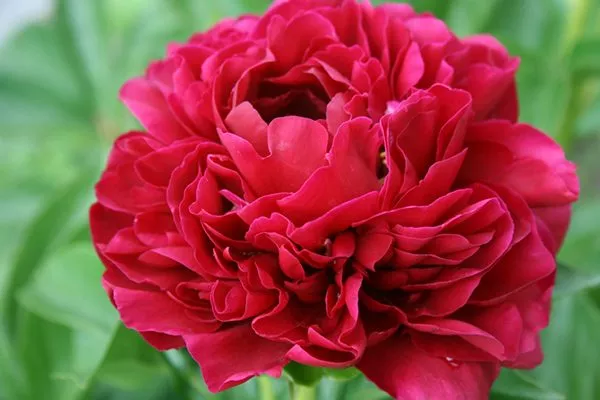
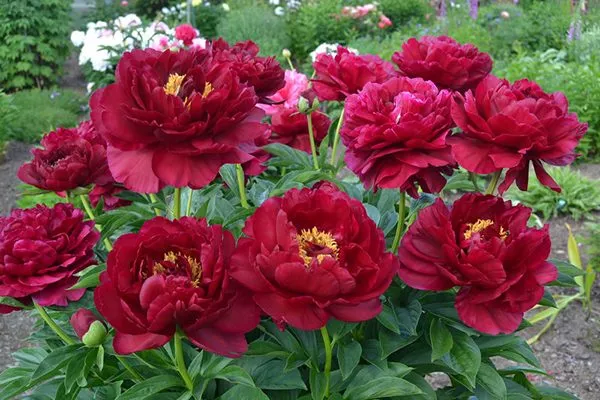
- As the petals gradually open, they become more double and richly bright.
- When opened, they reach a diameter of about 20 cm, their petals are painted in a dark red hue, have golden stamens, giving a lush and concave appearance.
- They have a sweet and spicy aroma.
Features of flowering
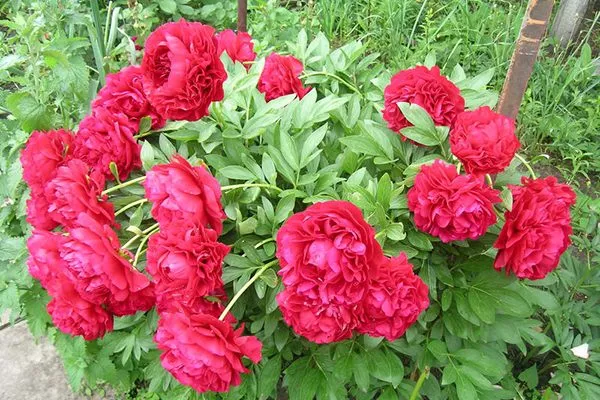
Already in the second year, buds form on the shoots, but in small numbers. Only after 3-4 years, when the root system becomes strong, does the hybrid's full decorative appeal emerge. Flowering begins in mid-June and lasts for about two weeks. The flowers are firm and do not fall off.
Frost resistance
Classified as frost-hardy to zone 4, it can withstand temperatures as low as -34°C. This characteristic makes it suitable for growing in various regions, including the central, central, and southern regions.
What kind of soil does it prefer?
It requires loose, fertile soil with a neutral or slightly acidic pH. Well-drained loam or sandy soil is preferred. Old Faithful can grow in poor soils, but its flowering may be less abundant.
Where is the best place to plant?
The plant does not respond well to shade, especially after midday, highlighting the need for careful planting site selection, given its longevity. Frequent repotting can weaken the plant's vigor, negatively impacting its development and flowering.
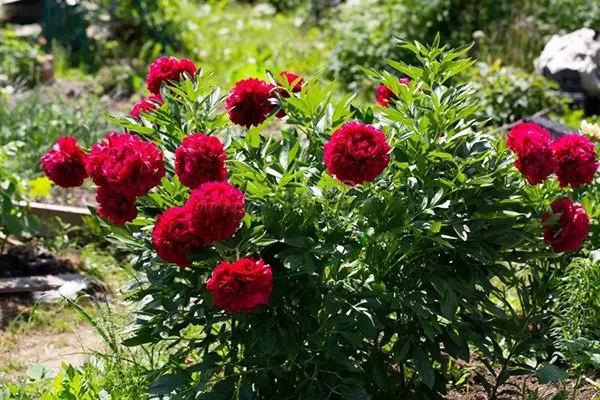
Choose well-lit areas, sheltered from the wind but free for ventilation. Avoid planting near fences or buildings. Maintain a distance of at least 2 meters.
Application in design
Landscape designers know many tricks for creating flower arrangements. Tall hybrids will enhance a plot and become its main attraction.
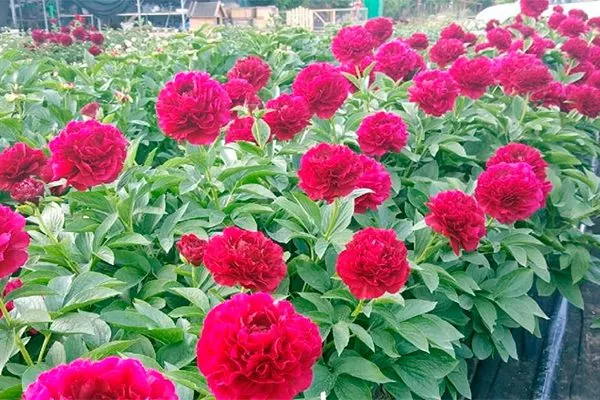
For cutting and shaping bouquets
A bouquet will stay fresh for two weeks if the water in the vase is changed regularly. Freshly cut flowers that are just beginning to open, but not yet fully bloomed, are especially effective.
For growing in pots
Given that the variety is medium-sized and does not decay, it can be successfully grown in deep containers with soil on a terrace or porch.
For landscape design
Landscape designers use this hybrid to create floral arrangements, either individually or in groups. It often serves as a focal point in flowerbeds and mixed borders.
It finds wide application in design:
- Flowers will complement a bright green lawn, placed both in the center and along the perimeter.
- Creating a composition solely with peonies is possible, but the colors should contrast with Old Faithful. Choosing plants with similar bloom times would be appropriate.
- In the presence of silver spruce, the hybrid looks advantageous.
- Bulbous plants that bloom earlier look beautiful next to peonies. Maintaining the flowerbed's decorative appearance is easy by trimming off spent flower stalks.
- Combines well with phlox, clematis and crops with small white flowers.
It is not recommended to plant bushes under trees, since the shade will cause them to grow and develop poorly and they may not bloom.
Landing
Carry out this procedure in the fall, preferably in September, when conditions are best for successful adaptation. Beforehand, trim the cuttings' roots to stimulate active rooting and ensure successful winter hardiness.
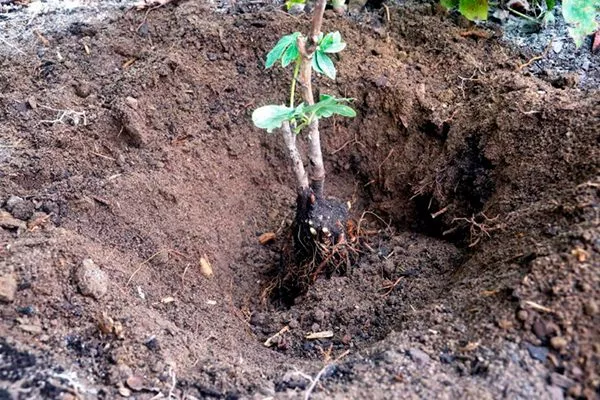
- ✓ The planting depth of the division should be such that the buds are 3-5 cm below the soil level.
- ✓ The distance between plants should be at least 1 m to ensure good ventilation and prevent diseases.
The planting procedure involves digging a deep hole, adding a drainage layer to the bottom, filling it with soil mixed with fertilizer, and placing the seedling at an angle onto the mound. After planting, gently compact the soil and water thoroughly.
Reproduction
Propagation is possible by seed or vegetatively. Vegetative propagation is more reliable. Choose the most suitable method for increasing the number of plants:
- Cuttings. This procedure is suitable for plants older than 3-5 years. Select a healthy shoot with a small bud in July. After separating the cutting, remove the lower leaves and trim the upper ones. Treat the stem with a growth stimulant and place it in loose soil.
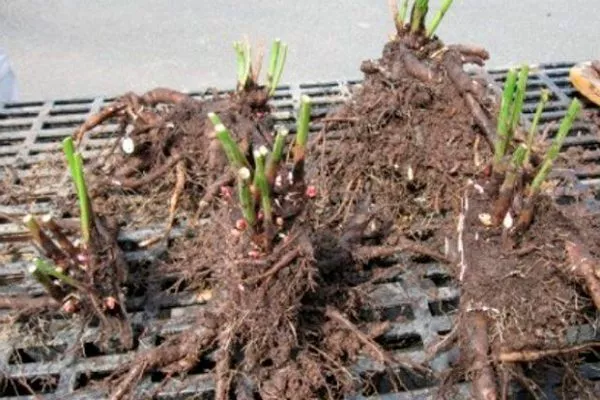
After a few weeks, new buds appear, and the young seedling can be transplanted into open ground after a year. - Dividing the bush. The most effective method for preserving varietal qualities: In early September, after shortening the stems, remove the plant from the ground. Cut the rhizome into several pieces and treat with a potassium permanganate solution.
Plant the resulting cuttings in pre-prepared holes, leaving 3-4 growth buds in each. - Seeds. This is a less reliable method, as it doesn't guarantee the preservation of varietal characteristics. Treat the seeds with potassium permanganate and plant them in the substrate at a depth of 1-2 cm. After the seedlings sprout, transplant them into new containers and then refrigerate them.
After the leaves appear, return the seedlings to a warm place and plant them in the ground in August.
| Method | Time to first flowering | Preservation of varietal qualities |
|---|---|---|
| Cuttings | 2-3 years | High |
| Dividing the bush | 1-2 years | Very high |
| Seeds | 4-5 years | Low |
Aftercare
If the planting process was carried out in compliance with all agricultural rules, then during the first two years only moderate watering, loosening of the soil and mulching are required, without the need for additional fertilizing.
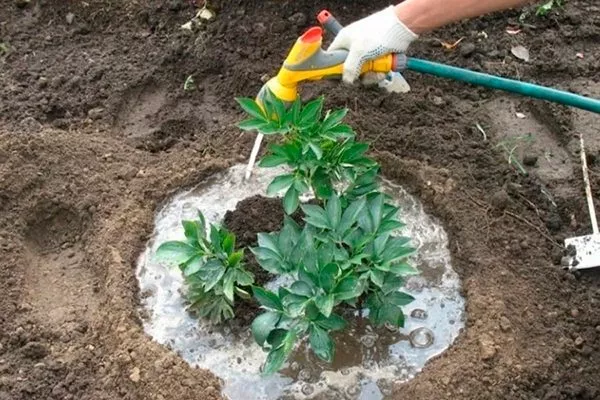
In the third year after planting, provide additional nutrients to ensure abundant flowering. Apply three additional fertilizers per season:
- Before emergence – mineral fertilizers with nitrogen.
- Before flowering begins – phosphorus-potassium fertilizers or organic compounds, such as wood ash and compost.
- Before wintering – wood ash.
Avoid standing water when watering the bushes and remove weeds regularly throughout the growing season.
Disease prevention
To maintain health and protect against disease, spray peonies twice a month with Bordeaux mixture or copper sulfate at a 1% concentration. Perform these treatments in dry but cloudy weather to prevent the solution from drying out on the leaves due to exposure to sunlight.
Mulching
To prevent roots from overheating and weed growth in the flowerbed, cover the soil with a layer of straw or sawdust. A mulch layer helps retain moisture, prevents the soil from overheating under sunlight, and reduces the risk of weed growth. Renew the mulch periodically.
What to do after flowering?
After flowering, fertilize with phosphorus and potassium. This will strengthen the perennial's resilience and help it gain strength before winter. Continue caring for it until early fall by simply watering regularly. Moisten the plant when the soil dries out, ensuring optimal conditions for its development and health.
Preparing for winter
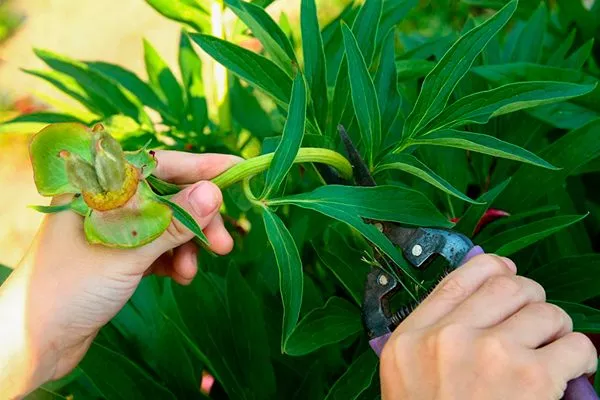
In the fall, cut the stems almost to ground level. Avoid touching the rosettes containing the buds. For fertilizing, use wood ash and humus, which will act as a kind of winter cover. In regions with little snowfall and severe frosts, create a layer of mulch at least 20-25 cm thick to protect the rhizomes.
Pests and diseases
The Old Faithful peony can be susceptible to various fungal diseases and insects. Potential threats include:
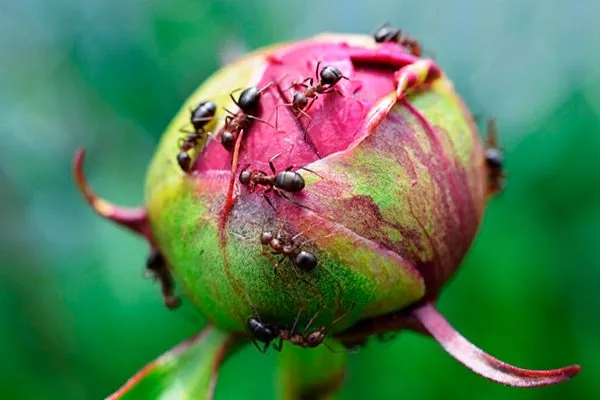
- Ants. They often carry harmful insects. Use Muravied to effectively eliminate pests on peonies.
- Aphid. Pest control is carried out using a soap solution or the drug Aktara.
- Bronze beetle. Use Malathion to control the disease. It will help prevent damage to flowers and buds.
- Mosaic. This is a viral disease that cannot be cured. Dig up the affected bushes and burn them.
- Powdery mildew. Use copper sulfate to combat disease caused by overwatering.
- Root rot. Disease caused by overwatering can lead to poor growth and death. Prevent overwatering and ensure good ventilation.
- Rust/Septoria/Gray rot. To treat fungal diseases, treat the bush with Bordeaux mixture, copper-containing preparations, or Fitosporin.
- Verticillium wilt. It's not treatable, so remove affected bushes. Treat the soil with formalin.
Why doesn't it bloom?
The hybrid doesn't begin blooming until two years after planting, which is normal. If time passes and flower stalks don't appear, consider the possible causes:
- Lack of light. Planting in a shady location with insufficient sunlight will hinder normal bud formation. Replant the plant in a brighter area.
- No transfer. Plants older than 10 years may stop producing buds due to excessive root growth. Repot them to refresh the soil and improve nutrient availability.
- Excessive nitrogen fertilization. Frequent applications of high-nitrogen fertilizers may encourage foliage growth but slow or prevent flowering.
Reviews
The Old Faithful peony has been popular with gardeners and landscape designers for many years. It's easy to grow and requires little effort or attention. Proper planting and care will ensure a strong immune system and a beautiful palette of petals.