
Peonies are among the most beloved and spectacular garden flowers, decorating a garden with lush and fragrant blooms. To preserve a variety, increase the number of bushes, or rejuvenate an old plant, gardeners resort to propagation. There are several proven methods, from dividing the bush to growing from seed. Each method has its own characteristics.
Why propagate peonies yourself?
There are several reasons why propagating peonies yourself makes sense. The main ones are:
- Saving money. Buying bulbs can be expensive, especially if they're rare or cultivars. By propagating your own bulbs, you get new bulbs for free.
- Preserving a favorite variety. If you have a particularly beautiful or valuable peony (for example, with a rare color, strong fragrance, or disease resistance), propagating it yourself allows you to preserve its characteristics.
- Rejuvenation of the bush. Old peonies bloom less well over time. Dividing a plant for propagation not only provides new planting material but also rejuvenates the mother plant, improving its ornamental qualities.
- Increasing the number of flowers in the garden. By propagating peonies, you can decorate more flowerbeds, create compositions of one variety, or plan for lush flowering in different corners of the site.
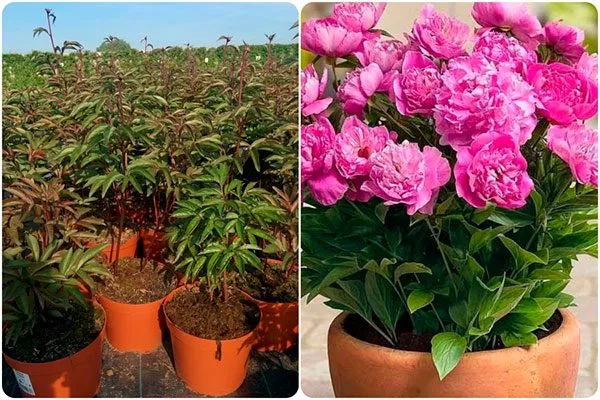
Preparing a landing site
Peonies prefer sunny, well-ventilated areas protected from strong winds. The ideal location is on the south or southwest side of the plot, with sufficient daylight (at least six hours).
Other important factors:
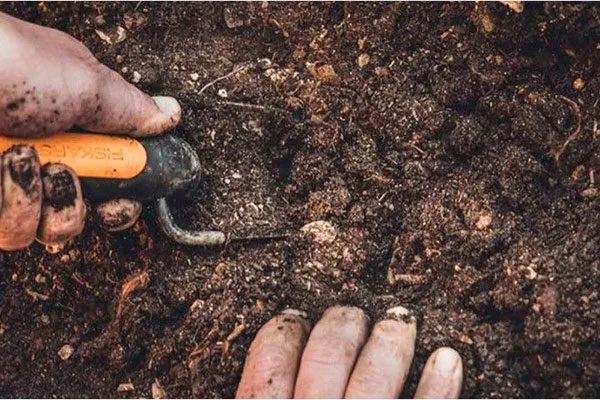
- The soil should be fertile, loamy, loose, and neutral in acidity (pH 6.5-7). Peonies do not tolerate stagnant water, so in heavy and damp areas, provide drainage or raise the beds.

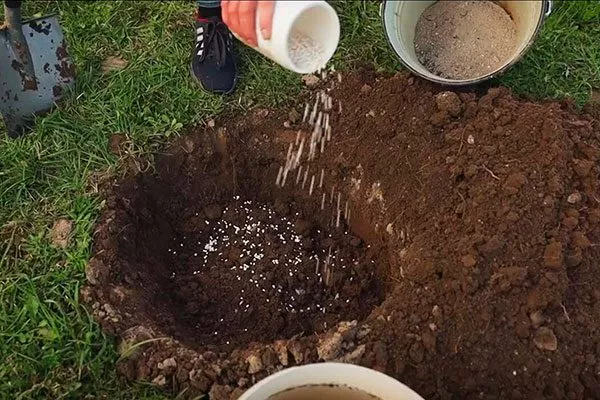
- To ensure planting material (divisions, cuttings, and layering) takes root well, dig the soil to a depth of 40-50 cm in advance, removing weed roots. Add humus or compost (10-20 kg per square meter), a little ash, and superphosphate to promote rooting. Water the soil and allow it to settle 12 weeks before planting.
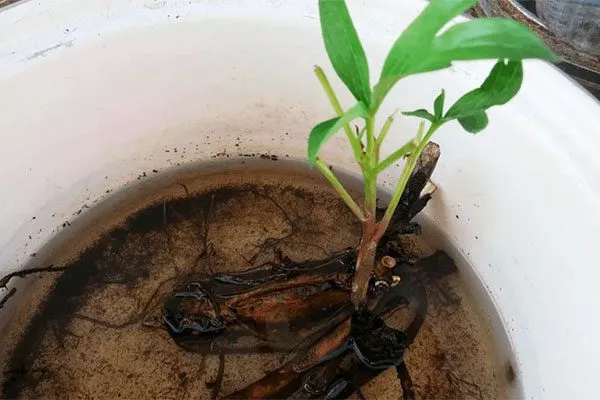
- Pre-soak the planting material in a solution of fungicide and rooting stimulator (for example, Kornevin) to increase the chances of successful rooting.
Methods
There are several methods for propagating peonies, which are important to familiarize yourself with, especially for beginning gardeners. This will help you choose the most convenient and effective option. Popular methods include dividing the bush and cuttings.
Propagation of peonies by dividing the bush
This simple and effective method almost always yields positive results, and the first flowers can be expected within two years of planting. Furthermore, this procedure is necessary for rejuvenating plants: over time, perennial shrubs lose vigor and bloom less profusely.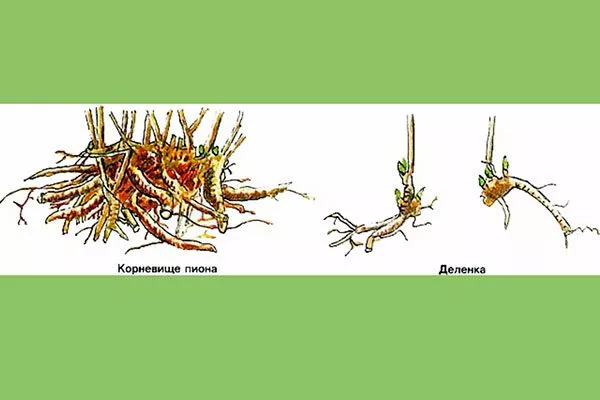
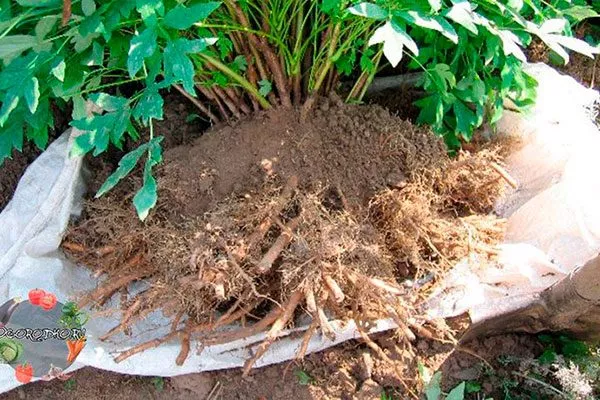
The optimal time for division is early fall. By this time, new buds have already formed on the rhizomes, and the root system is saturated with nutrients and ready for transplanting. Dividing peonies in the spring is not recommended: the roots are weakened by winter and do not take root well.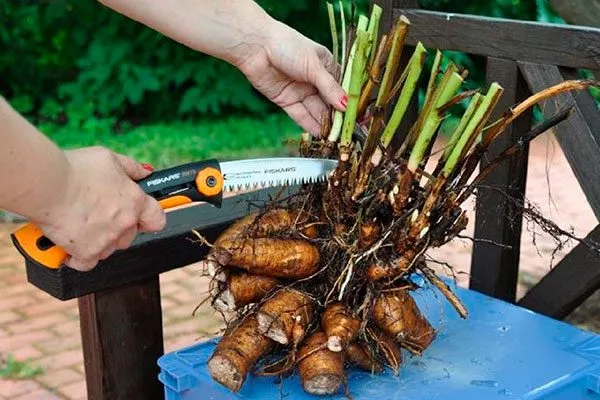
The procedure requires accuracy and adherence to all stages:
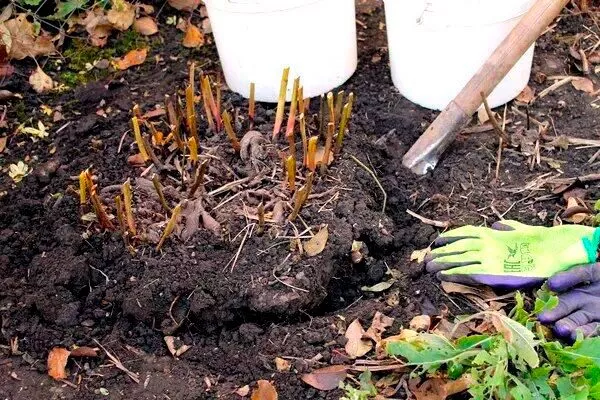
- Carefully dig up the bush and remove it from the ground.
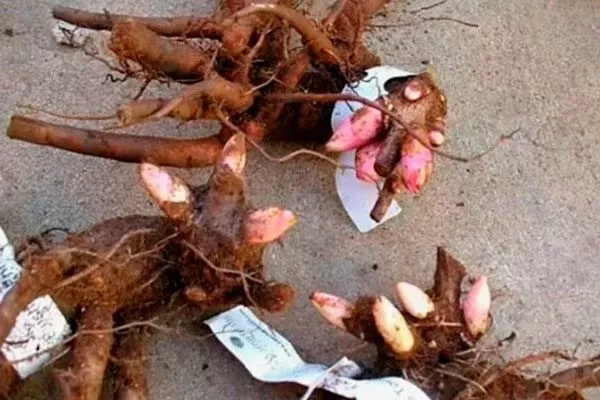
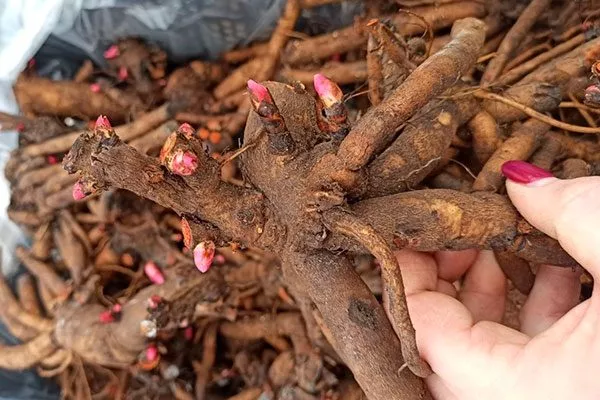
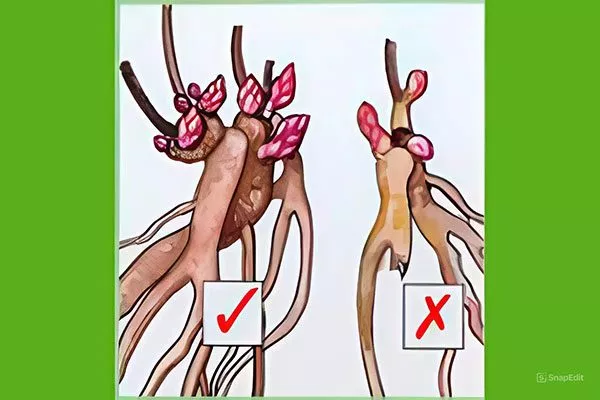
- Shorten the shoots to 10 cm. Each division should contain an average of five growth buds—more will weaken the root. It's also important that each section contains at least three storage roots.
- Remove damaged and non-viable parts, and sprinkle the cuts with wood ash to protect against rot and infection.
Propagation of peonies by root cuttings
Repotting peonies is the perfect time to propagate them using root cuttings. Follow these recommendations:
- Cut the rhizome into pieces about 5 cm long. Each piece should contain at least one bud and a small root.
- Before planting, be sure to disinfect the cuttings: soak them in a weak solution of potassium permanganate for 1.5-2 hours. Then, let them dry for 2-3 hours, sprinkle the cuts with wood ash, and leave them for another 16-20 hours to completely dry.
- Immediately before planting, treat the cuttings with a rooting stimulator.
- Plant the fragments in loose, nutritious soil, keeping a distance of 18-24 cm between them and deepening them by about 5 cm.
- After planting, mulch the area. In the spring, remove the covering and then begin caring for the emerging seedlings.
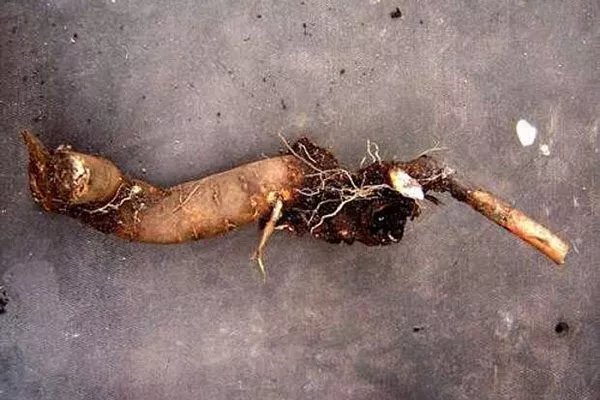
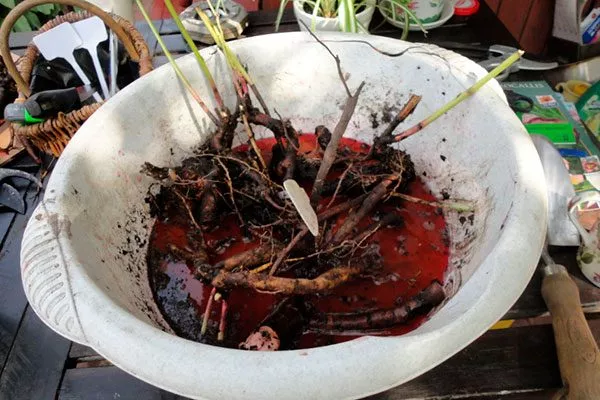
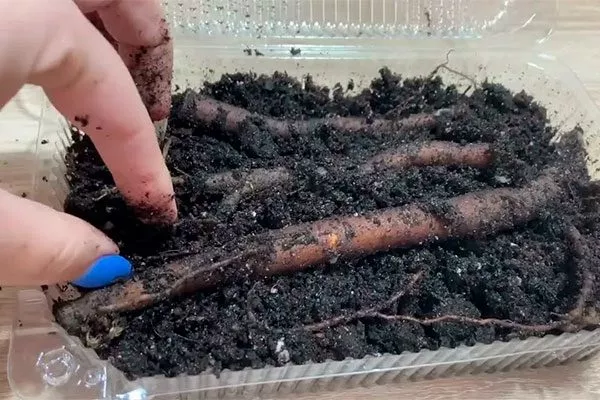
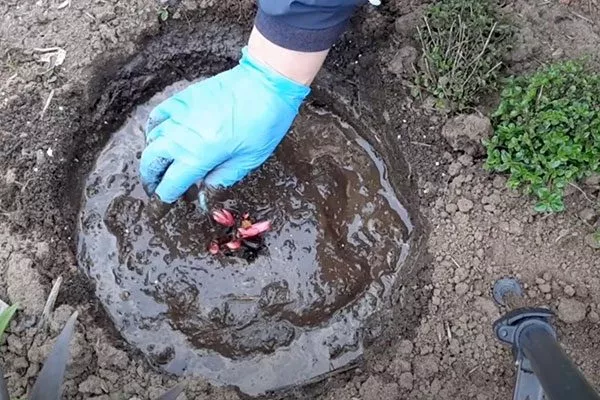
Not all buds will emerge immediately. Some may not sprout until the following season, so don't jump to conclusions. The best time to take root cuttings is from late July to early fall, when there are enough dormant buds on the roots.
Propagation of peonies by vertical layering
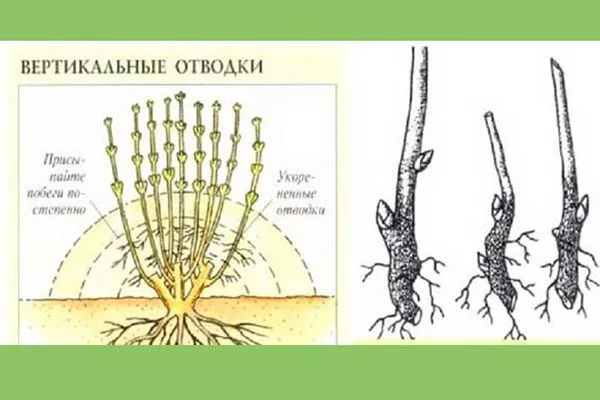
This method isn't suitable for all peony varieties—it works best with fast-growing, vigorous bushes. To carry out this procedure, follow these guidelines:
- As soon as the ground thaws in the spring, carefully rake it away from the base of the bush, exposing the underground buds.
- Place a tall, bottomless box (35-45 cm high) directly above the rhizome, and fill it with a 12-centimeter layer of a loose mixture of garden soil, peat, and sand in a 3:1:1 ratio.
Add a fresh portion of the same mixture once a week until the substrate rises to the brim. This stimulates the formation of adventitious roots on young shoots. - At the end of September, remove the box, carefully remove the soil, and cut off the shoots with rooted buds and plant them in a nursery – a temporary place for further growth.
Propagation of peonies by stem cuttings
Stem cuttings are a rather labor-intensive and challenging method of propagating peonies, especially for novice gardeners. Compared to root cuttings, this method requires more effort and patience. Furthermore, it's not always suitable for hybrid varieties, as the results can be inconsistent.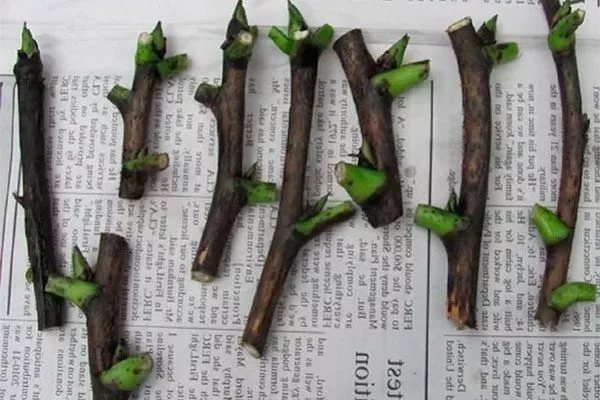
Helpful tips:
- For propagation, select mature bushes over five years old. Cut 4-7 strong shoots from them, either a week before flowering or within three days after the buds open.
- Cut each shoot into sections approximately 10 cm long, with two internodes. Trim the leaves on the cuttings by about two-thirds of their length.
- Soak the resulting fragments in water with a rooting stimulator, then plant them in a prepared seedling container.
- Place the container in a shaded area, covering the cuttings with film to create a greenhouse effect.
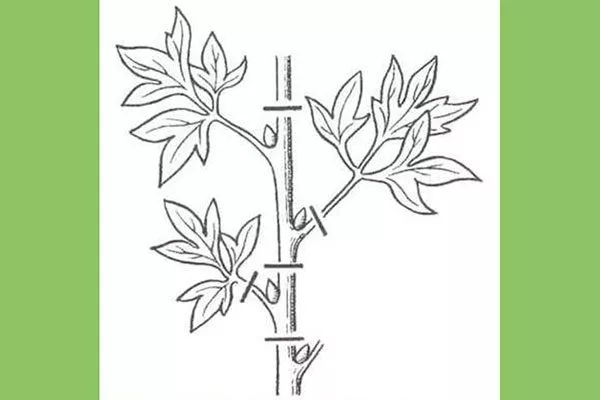
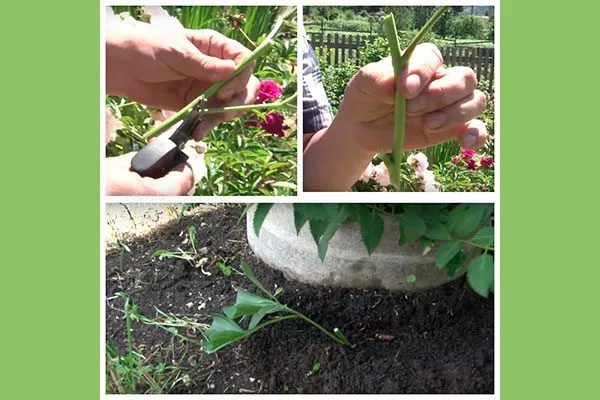
Care includes regular watering with a light pink solution of potassium permanganate to prevent rot. For the winter, bury the seedling tray in soil and keep it insulated. In the spring, the established plants can be replanted.
Propagation of peonies from seeds
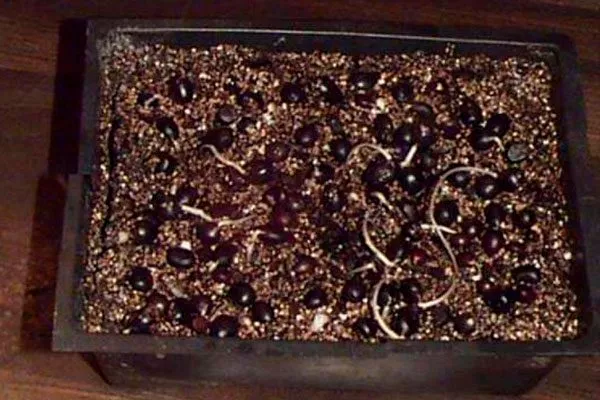
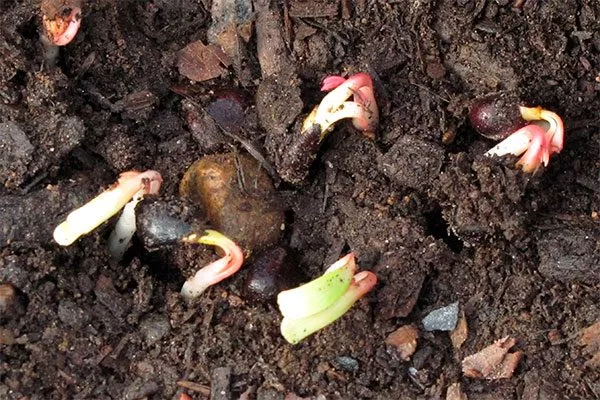
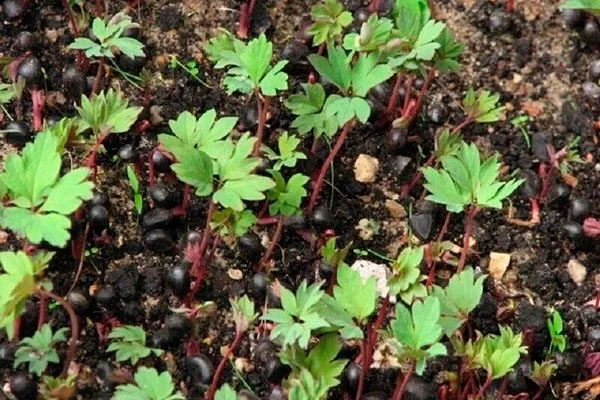
This is an interesting, but rather labor-intensive and not the fastest method. The main difficulty lies not so much in the sowing itself, but in the subsequent care and the long wait for germination. However, if you follow all the rules, you can achieve good results and grow strong plants from seed.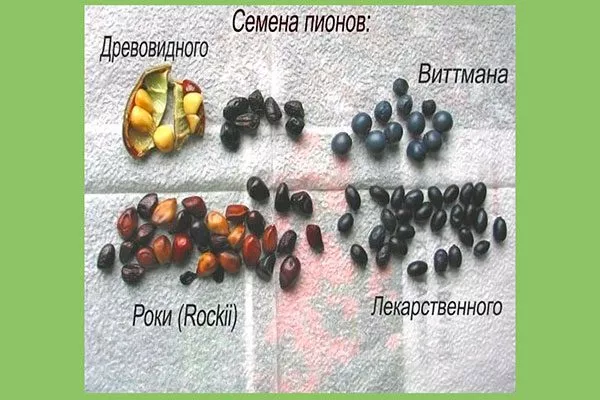
Key recommendations:
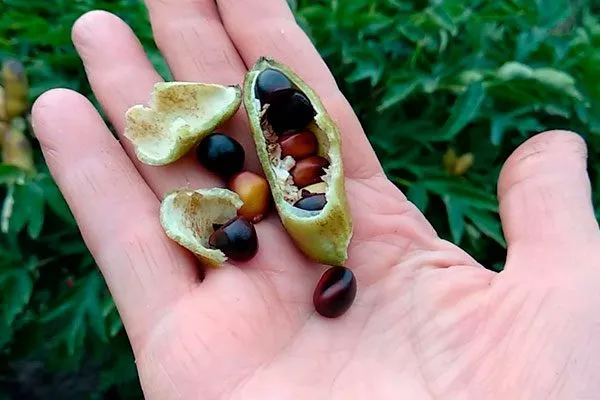
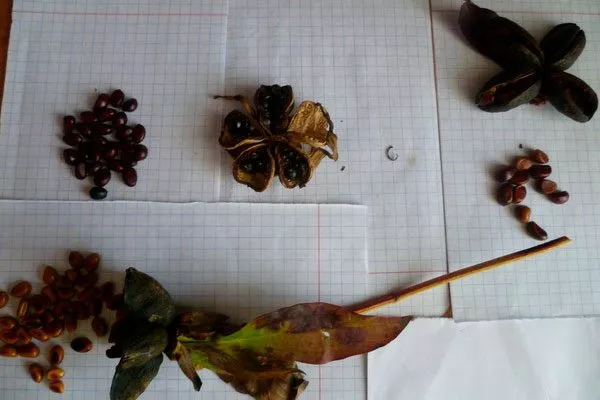
- It's best to use seeds collected from your own bushes, rather than store-bought ones. Ideally, they should be harvested when they're unripe: they should be brown with yellow speckles and show the first signs of cracking.
- To prevent drying out, sow the seeds directly into open ground or place them in a container with wet sand and store in the refrigerator for up to 1.5 months.
- You can sow directly in the garden or through seedlings. When sowing outdoors, two stratification stages are required:
- warm - at a temperature of +16…+30°C for 2 months;
- cold - at +5…+10°C for about 2 months.
- To speed up the process, use the container method, alternating heating and cooling of the moist sand in which the seeds are sown. After warm stratification, the seeds will develop roots. It's important to pinch them off and transplant them into the soil mixture.
- For cold stratification, use a stimulant solution (0.01%). Place the gauze soaked with hypocotyls in a cool place, covering with a light-permeable material to retain moisture.
- Once shoots appear, move the plants to a warm room. In the spring, transplant the grown seedlings into the garden: to a semi-shaded spot with a distance of 5 cm between plants. Mulch the soil and remove weeds. It's best to continue growing them in containers until the end of summer, and then transplant them to their permanent location in the fall.
- When planting in the ground, maintain a distance of approximately 50 cm between seedlings. Dig holes 2 cm deep, place drainage material at the bottom, and top with fertile soil with added organic matter.
Reproduction by renewal buds
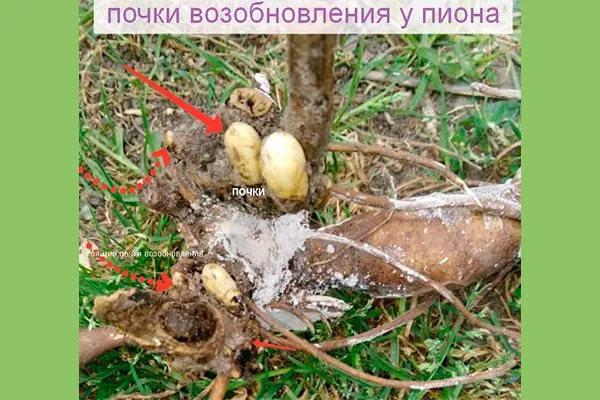
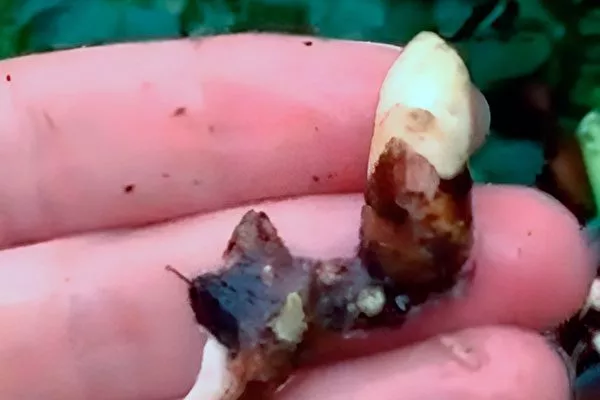
Renewal buds in peonies are special rudimentary flower buds that form on the plant's rhizome. They appear as small swellings and serve as a kind of "reserve," accumulating nutrients necessary for growth restoration after winter or in the event of root damage.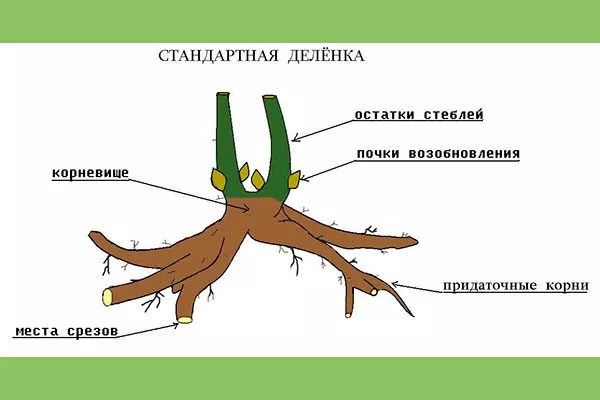
One method of propagating peonies is based on these buds. When the root system becomes sufficiently developed, they begin to actively grow, forming new shoots from which full-fledged plants can be grown.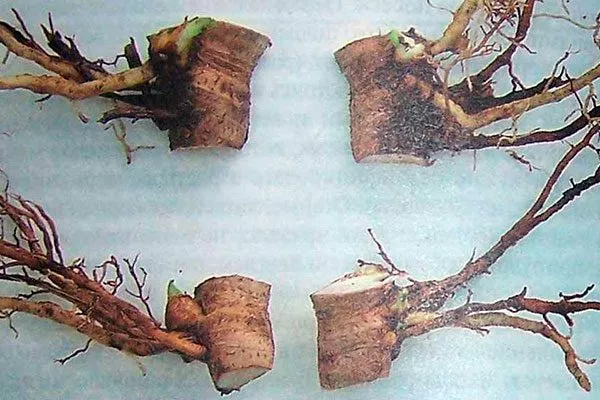
Step-by-step instructions:
- Select a healthy, mature peony bush.
- Place a shallow container hole around it.
- Wait until new buds form on the rhizome.
- Carefully separate the formed shoots from the mother plant.
- Transplant them into separate beds or containers with loose, fertile soil.
Caring for new plants:
- water moderately, avoiding stagnant moisture;
- Remove weeds regularly to avoid competition for nutrients;
- apply organic fertilizers to accelerate growth;
- protect young plants from drafts and sudden temperature fluctuations;
- After flowering has finished, trim the stems to maintain the shape of the bush and support its health.
Propagation of peonies by pruning
This method of flower propagation is considered quite effective, but it requires careful care of the young shoots. Follow these guidelines:
- For the procedure, choose a large, well-developed bush.
- Pruning should be done either in early spring or fall. After pruning, the plant will require recovery, a so-called rehabilitation period that can last up to two years. During this time, peonies typically do not bloom.
- If propagating in the spring, wait until the snow has completely melted and clear the soil around the bush. Carefully expose the rhizome to a depth of 10-20 cm. In the fall, follow the same procedure.
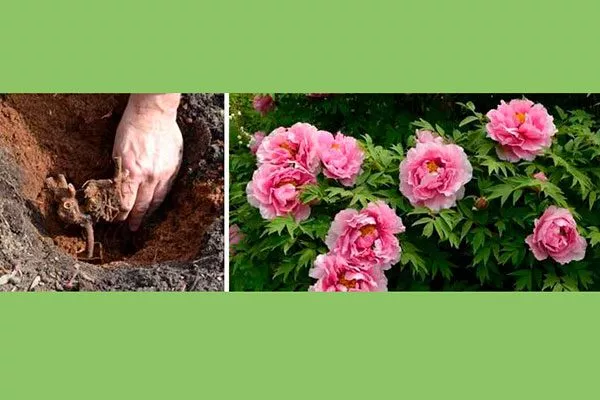
- To separate a section of the root, use a clean, disinfected shovel. Make a neat horizontal cut. Maintain a distance of at least 6 cm between buds to ensure normal development of future plants.
Helpful tips
Propagating peonies is a simple process, but it requires care, knowledge, and patience. It's important to choose the right method (dividing the bush, cuttings, layering, or seeds) and follow proper cultivation practices to ensure strong and healthy plants.
Below are some key tips to help you succeed:
- Use only mature and healthy bushes - the ideal age for division and cuttings is from 4 years.
- The optimal time for dividing roots and replanting is the end of August to mid-September.
- The division should contain 3-5 renewal buds and at least 2-3 developed roots.
- Be sure to treat all cuts with ash, fungicide or a weak solution of potassium permanganate.
- Before cultivation, it is useful to soak the planting material in a root formation stimulator.
- When cutting, use shoots with two internodes, shortening the leaves by 2/3.
- Root the cuttings in moist, loose soil, creating greenhouse conditions (film, hotbed).
- Peony seeds require double stratification: first warm, then cold.
- Fresh, slightly unripe seeds germinate better – do not overdry them.
- Young plants should not be overfed: use weak organic fertilizers.
- During the first two years, it is recommended to remove buds - this helps to develop a strong root system.
- The planting site should be sunny, with loose, fertile soil and good drainage.
- After planting, be sure to mulch the soil and protect the seedlings from direct sun and wind.
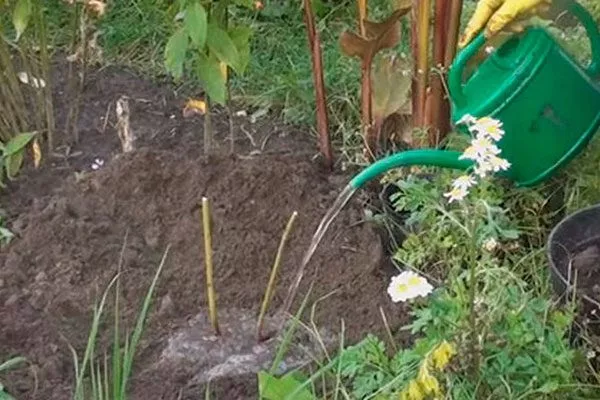
- Ensure moderate watering: stagnant moisture is harmful to plants.
Propagating peonies is a fascinating and rewarding process that requires attention and care, but the results are well worth it. By following the proper timing and growing techniques, you can not only extend the life of your favorite varieties but also create new blooming arrangements in your garden. Following these recommendations will ensure your flowers will delight you with abundant blooms for years to come.