
Peonies are among the most popular ornamental plants for gardens and yards. These perennials delight with lush blooms for decades, but only under one important condition: properly prepared soil. Even the highest-quality planting material will fail to reach its full potential if the roots are not in a favorable environment.
Soil selection criteria
Before planting peonies, it's important to assess the suitability of the soil in the area. Three key parameters are considered: soil type, acidity, and structure. All of these equally affect the health and decorative appearance of the bush.
By type
Before adding any soil amendments to a crop, it's important to determine the soil type in the area. This will help you select the appropriate components to improve the structure and create favorable conditions for plant growth.
Main types of soil:
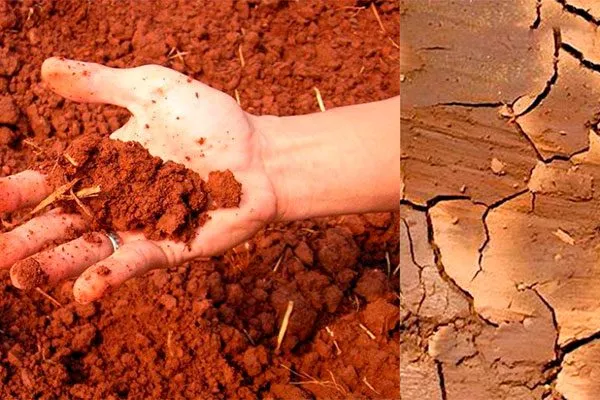
- Clayey. It has a dense texture and poor air permeability. It retains moisture for long periods of time, which can lead to waterlogging. To lighten the structure of clay soil, it is recommended to add sand and organic matter—compost or rotted manure—to improve drainage and aeration.

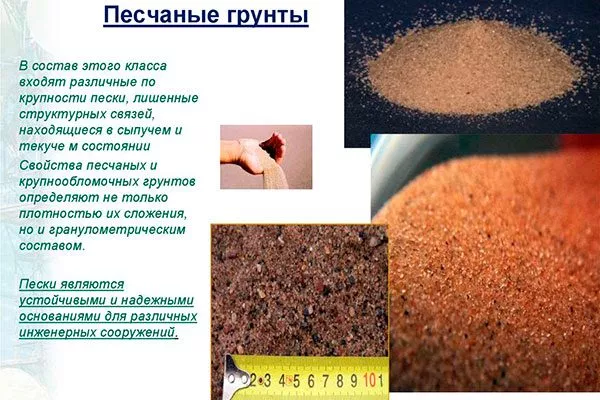
- Sandy. It allows air and water to pass through well, but retains little moisture or nutrients. To increase fertility and water retention, add clay, humus, or compost.
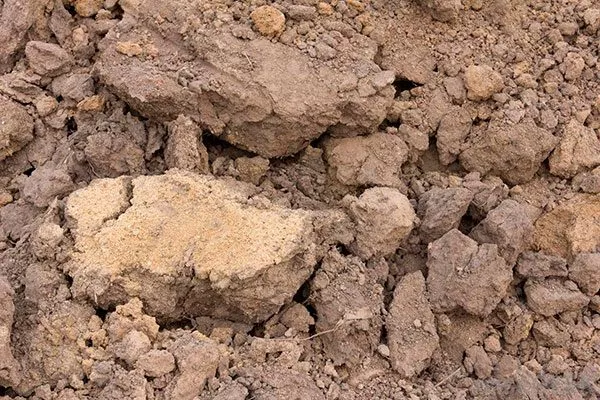
- Loamy. Containing both sand and some clay, it has moderate moisture retention and aeration capacity. To improve quality, it's recommended to enrich the soil with organic matter and, if necessary, add a small amount of sand to improve structure and drainage.
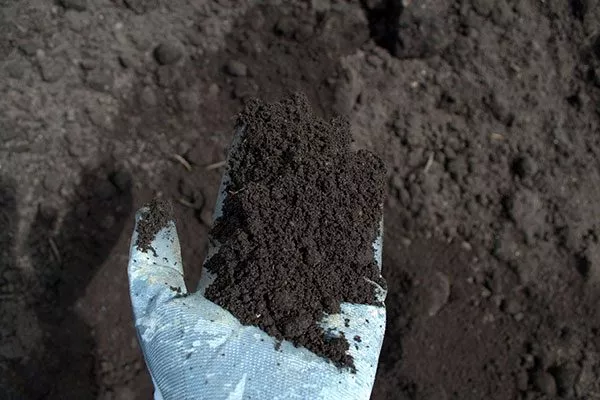
Loams are capable of retaining moisture, but due to their density, they often suffer from oxygen deficiency. To improve the structure and increase aeration, sand and organic matter are added to loamy soil, making it looser and more breathable. - Fertile. This type of soil is a balanced combination of sand, clay particles, and organic components. Peonies thrive in such conditions and bloom profusely.
Intervention in such soil is kept to a minimum – it is enough to add a little organic matter from time to time to maintain fertility.
By pH level
Peonies prefer slightly acidic or neutral soil. The ideal pH for peonies is 6-7. Outside this range, the roots have difficulty absorbing nutrients, the plants wilt, and flowering is reduced.
Highly acidic soil (pH below 5.5) causes chlorosis and stunted growth. Liming is required. Alkaline soil (pH above 7.5) interferes with the absorption of micronutrients, especially iron and manganese. Under such conditions, peonies experience poor growth and are prone to disease.
By structure
A loose, breathable soil structure is vital for peonies.
The root system of these plants is quite extensive and extensive. If the soil is too dense, the roots cannot develop fully, water stagnation occurs, and the risk of fungal diseases increases.
Ideal soil for peony:
- loose, well-ventilated;
- with the addition of humus, compost or rotted manure;
- does not form a hard crust after watering.
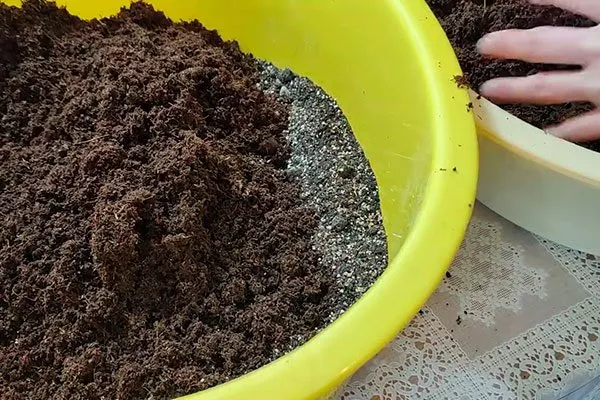
How to prepare garden soil for planting?
Most garden plots have less-than-ideal soil. But that's no reason to give up on growing peonies. With proper preparation, even ordinary garden soil can be brought up to the desired parameters.
Determining the soil type
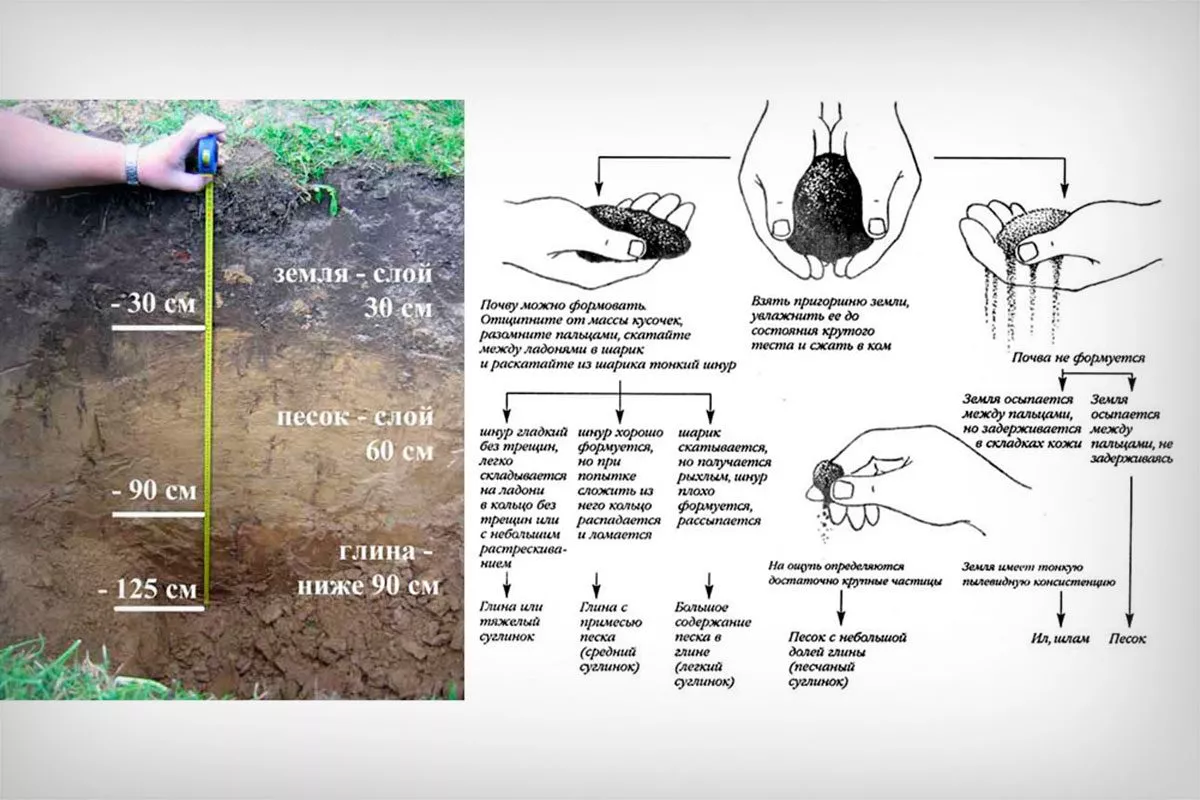
Determining the soil type in your area is an important step when preparing to plant peonies. The following methods are used to determine soil type:
- On-site observation. This is an initial method that provides a general idea of the soil's structure and composition. Based on the soil's appearance, color, and the presence of certain vegetation, preliminary conclusions can be drawn about the soil type.
- Manual field probing. Using a shovel or a special probe, you can examine the topsoil, assessing its density, moisture content, and structure. This allows you to quickly obtain information about the soil's physical properties.
- Laboratory tests. For a more accurate assessment, soil samples are taken and sent to a laboratory for mechanical (granulometric), chemical, and mineralogical analysis. The results provide a complete picture of the soil's composition, acidity, and other parameters.
Adding fertilizers for fertility
The key to successful growth and lush blooms for peonies is nutritious, structured, and well-drained soil. If your soil is less than ideal, it can always be improved with simple and affordable amendments.
Basic materials that will help enrich the soil and create optimal conditions for plant development:
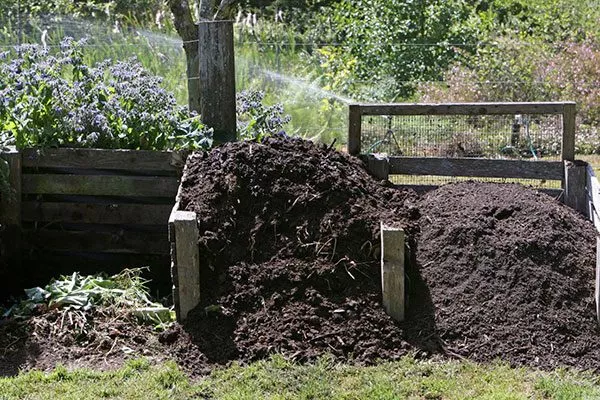
- Compost. A universal soil improver. It enriches the soil with microelements, promotes moisture retention, and stimulates the activity of beneficial microorganisms. These organisms, in turn, improve nutrient absorption by plant roots.
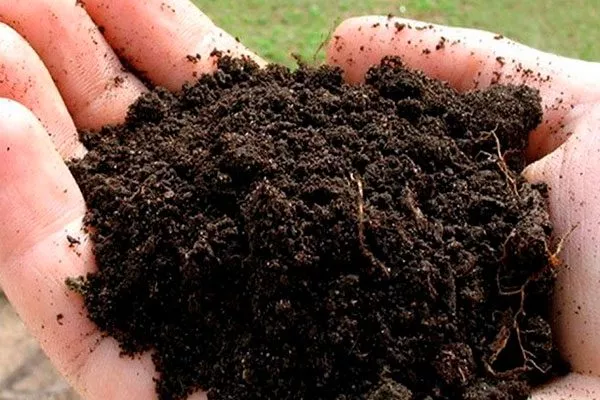
- Humus. A valuable source of organic matter and essential macronutrients: nitrogen, phosphorus, and potassium. Adding compost before planting helps enrich the soil, improve its looseness, and provide plants with everything they need during the rooting stage.
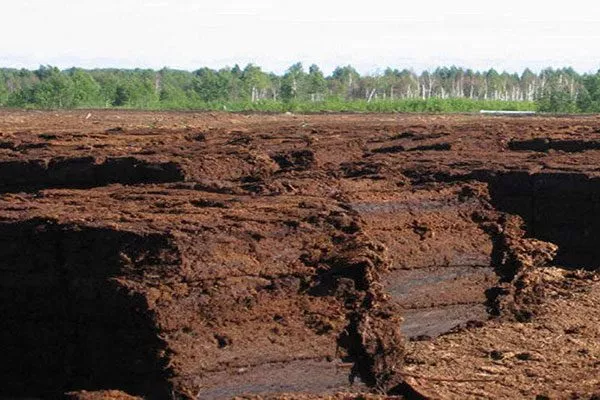
- Peat. Adding peat improves the air and water permeability of dense soil, helps retain moisture, and stimulates the development of beneficial microflora. It is especially beneficial in areas with sandy or depleted soil.
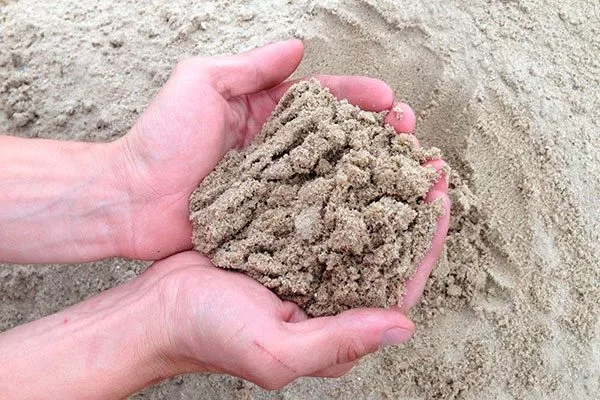
- Sand. If your soil is too dense or clayey, sand will help. It loosens the soil, improves drainage, and prevents waterlogging, which is harmful to peony roots.
Soil pH testing and acidity adjustment
Before improving your soil, it's important to determine its acidity. This will help you choose the right fertilizers and plants. The good news is, you don't need a lab to get a basic pH assessment.
Simple methods you can use at home:
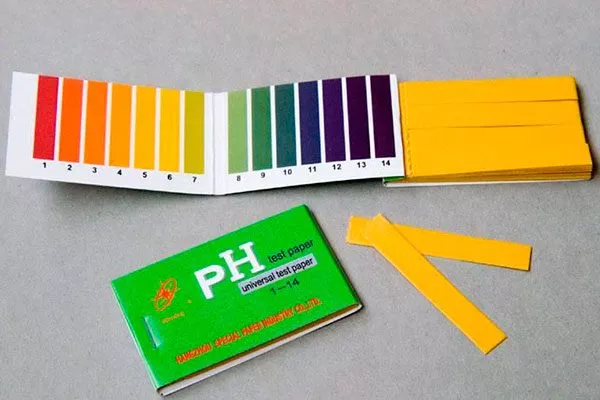
- Litmus paper. This is the most accessible and accurate method. You'll need litmus paper (available at pharmacies or online), some soil, and distilled water:
-
- Collect soil samples from a depth of 5-20 cm in different parts of the area.
- Place samples in plastic cups and fill with water (in a 1:1 ratio).
- Stir, let sit for 15 minutes and stir again.
- Dip the litmus strip into the liquid.
- Compare the color of the paper with the table and determine the pH.
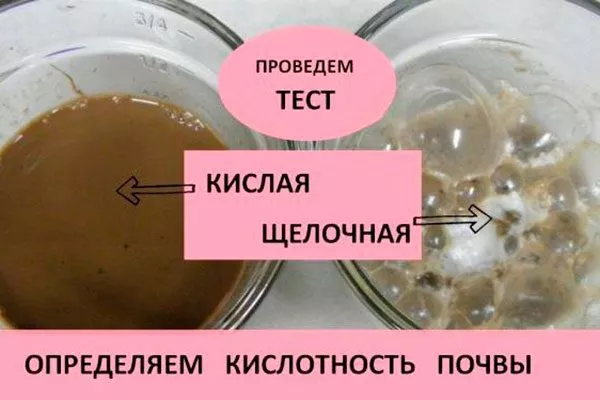
- Vinegar test. This method will help you determine the acidity "by eye." You'll need vinegar (9%) and a teaspoon of soil: pour the soil onto a glass or saucer, then add a drop of vinegar and observe:
- loud hissing – alkaline soil;
- weak reaction – neutral;
- absence of bubbles – sour.
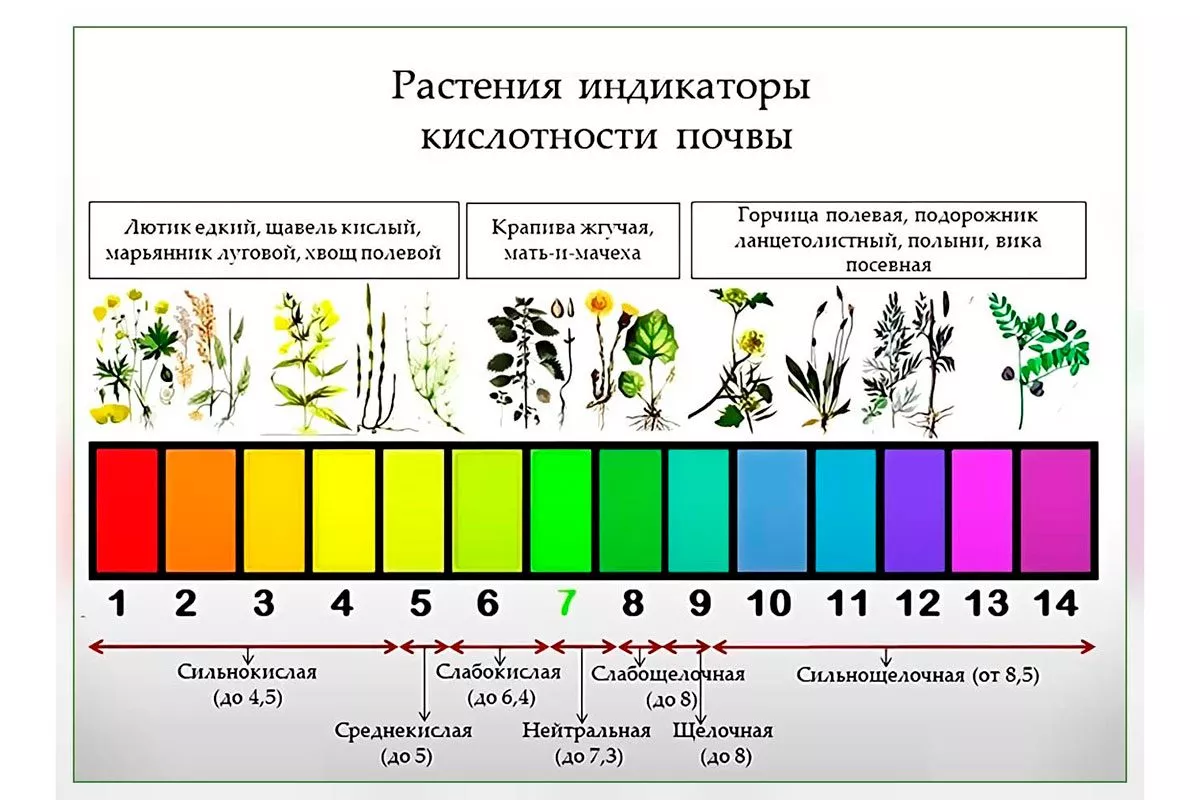
- By plants and appearance. Vegetation and the appearance of the soil also indicate the acidity level:
- highly acidic soil – sparse vegetation, green coating;
- medium acidity – horsetail, mint, sorrel, violets, and moss grow;
- slightly acidic – wheatgrass, chamomile, clover, coltsfoot;
- neutral – woodlice, quinoa, shepherd's purse;
- alkaline – field poppy, white campion, bindweed.
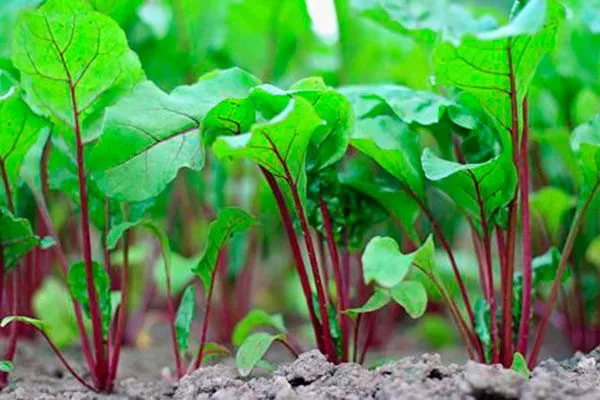
- Using beets. If you grow a crop in your garden, look at its leaves:
- red ones – acidic soil;
- green with red petioles – neutral;
- red veins – slightly acidic environment.
If your soil test shows that its pH is below optimal, you'll need to adjust it by increasing its acidity. Several effective methods can be used for this:
- Dolomite flour. An excellent remedy for neutralizing excess acidity. It also enriches the soil with important elements—calcium and magnesium—improving the overall condition of the soil.
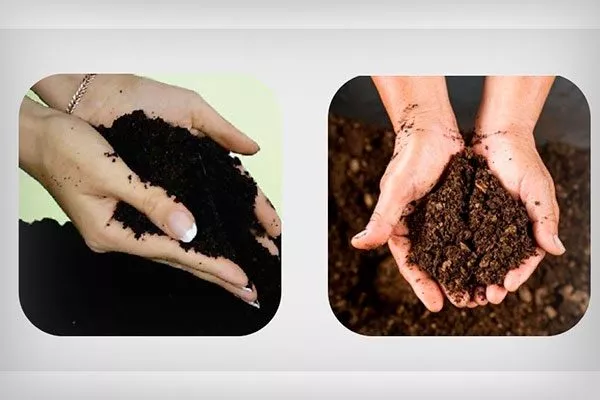
- Peat or humus. These organic additives not only help reduce acidity, but also improve the soil structure, increasing its moisture capacity and aeration.
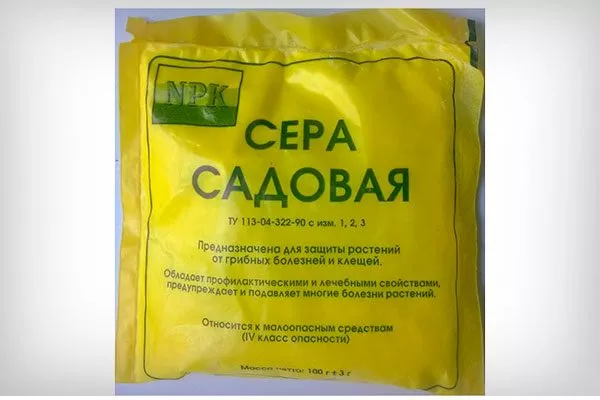
- Sulfur. It can be used to gradually acidify the soil and also has an antiseptic effect, preventing the development of certain fungal and bacterial diseases.

Improving soil aeration
Good aeration is important for root respiration, especially in regions with frequent rainfall and heavy soils.
To improve air permeability and soil structure, apply:
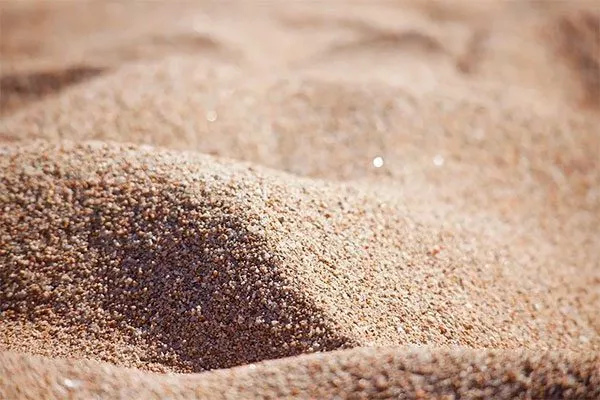
- river sand – 10-20 kg per 1 sq. m in clay soil;
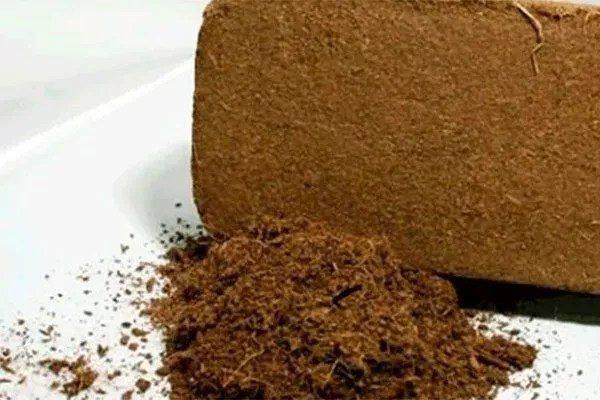
- coconut substrate – retains moisture and improves structure;
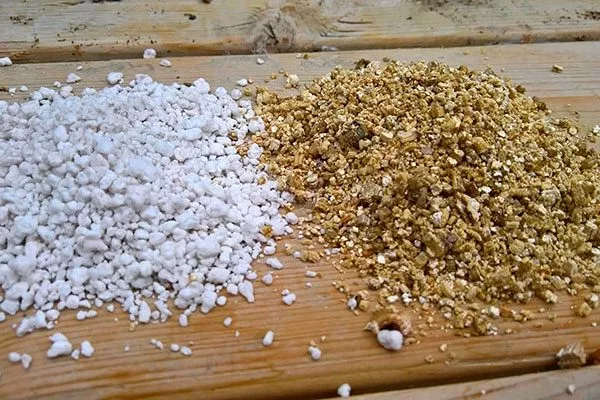
- agroperlite or vermiculite – light additives that improve aeration and drainage;
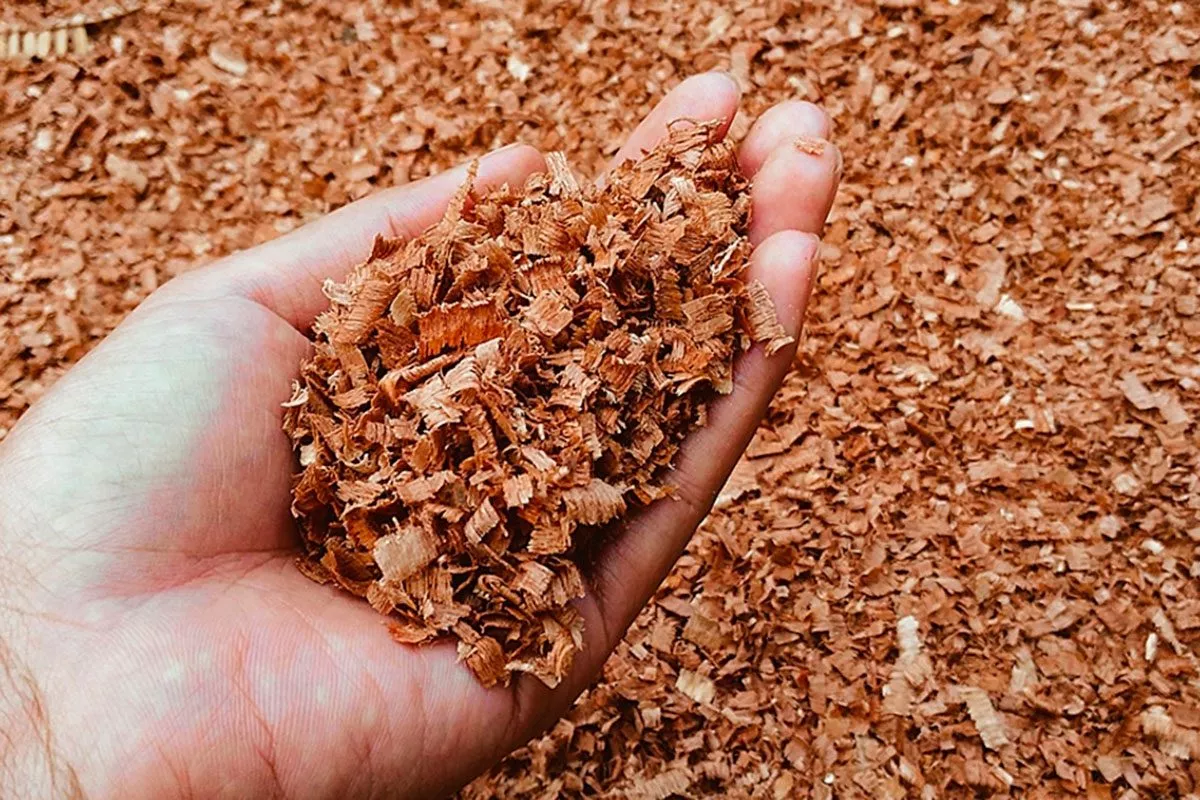
- sawdust (rotted) - no more than 10-15% of the total volume.
Mix all components evenly with the main mass of soil and dig to a depth of 30-40 cm.
Common Soil Problems and Solutions
Even if planting was done correctly, problems may arise over time that negatively impact the growth and flowering of peonies. It's important to address these issues promptly.
Poor drainage
Stagnant water at the roots is one of the most dangerous problems. It leads to rot, root collar rot, and fungal diseases.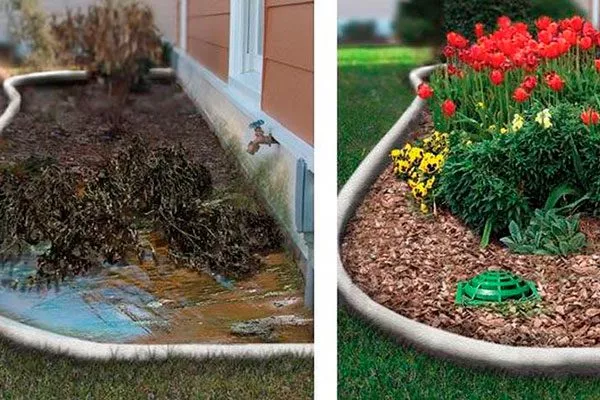
How to determine:
- after rain or watering, a puddle remains on the surface for a long time;
- the soil quickly turns sour and a musty smell appears.
Follow these recommendations:
- make raised beds (bulk layer);
- Place a layer of crushed stone or expanded clay at the bottom of the planting hole;
- Add sand, ash and humus to improve the structure.
Soil compaction
The soil becomes compacted due to frequent watering, rain, and foot traffic. In dense soil, the roots don't get enough air.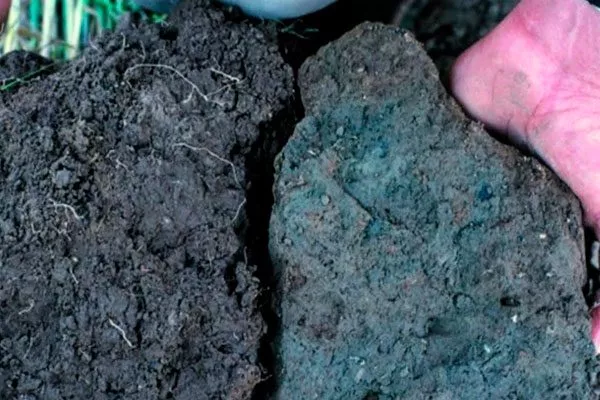
Signs:
- a hard crust forms on the surface;
- The plant is growing poorly, the leaves are turning yellow.
The solution to this problem is quite simple:
- regular loosening (especially after rains);
- mulching the surface with organic matter;
- adding loosening agents (peat, vermiculite, compost).
Nutritional deficiencies
Even in good soil, nutrients become depleted over time. This is indicated by poor plant growth, small leaves, and weak or no flowering at all.
Follow these recommendations:
- add organic matter annually in the fall (humus, compost);
- in spring and summer, feed the crop with mineral fertilizers with an emphasis on potassium and phosphorus (for example, potassium monophosphate, Agricola for flowering plants);
- use complex fertilizers with microelements (Fertika, Pokon).
Constant waterlogging
Increased soil moisture can be a consequence not only of poor drainage, but also of the site’s characteristics (lowland, close groundwater table).
Consequences:
- the appearance of mold on the surface;
- rhizome rot;
- delay in bush development.
How to fix the problem:
- transplant the bushes to a higher area;
- arrange high beds;
- install a drainage system from pipes or trenches;
- Limit the frequency of watering and mulching to regulate moisture exchange.
Suitable soil for peonies is the key to healthy growth, vibrant foliage, and lush, long-lasting blooms. The ideal option is loose, fertile, neutral loam with good aeration and drainage. Even if the soil on your property isn't initially suitable for peonies, it can be adapted and adjusted to the desired parameters.