
Peonies are among the most spectacular and long-lived garden flowers, capable of delighting with lush blooms for decades. To ensure they thrive and thrive, it's important to approach their planting correctly. Fall and spring are suitable seasons, but each season has its own nuances that must be taken into account to avoid mistakes.
When to plant peonies in open ground?
Planting peonies outdoors requires careful consideration. It's important to choose a time when the plant can adapt without stress, establish roots, and gain strength before the new season. Choosing the right time for planting ensures lush blooms, strong immunity, and a long-lasting plant.
In the spring
In Russian climates, experienced gardeners often recommend planting or replanting peonies in the fall. However, this can also be done in the spring, as peony adventitious roots develop almost as actively during this period. This is especially true if the plant has already been purchased or requires immediate replanting.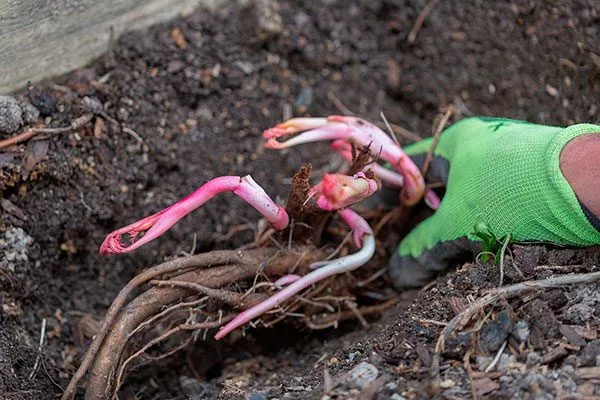
Key Features:
- When planting in spring, it's crucial to follow agricultural guidelines, consider weather conditions, and the needs of the crop. If hot weather sets in early in the spring, the bushes will require more careful care.
- Spring planting should be done before consistently warm weather sets in, usually in April or May. This will allow the plant to establish roots before active shoot growth begins.
Please note that after planting in spring, peonies may take a little longer to establish roots, and the first bloom may not be as abundant and may occur later than when grown in autumn.
In summer
Planting peonies in summer is possible, but not recommended, especially during the active growing season. However, if necessary, this should only be done under certain conditions and timing.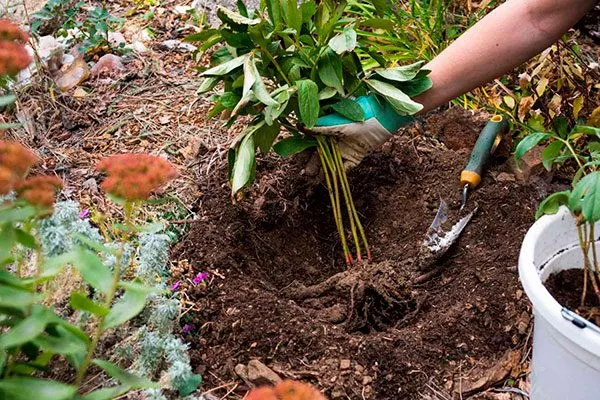
If you are planting in summer, do this:
- at the very end of July-beginning of August;
- on a cloudy day or in the evening;
- when the plant has already completed active growth (leaves begin to turn yellow, buds have faded).
Reasons why summer planting is undesirable:
- heat and drought in June-July do not contribute to survival;
- roots are damaged during transplantation during active growth;
- the young plant does not have time to take root properly before the cold weather sets in;
- requires intensive care: regular watering, shading, mulching.
In the fall
Successful fall planting of peonies depends directly on choosing the right time. Planting too early or too late will prevent the plants from properly preparing for the winter cold.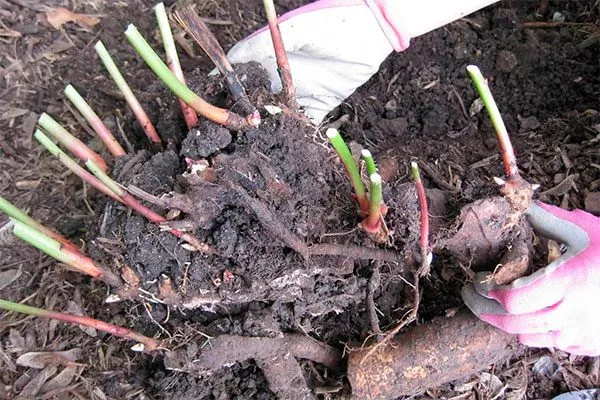
Helpful tips:
- Focus on the period after flowering ends and before the first frost.
- The optimal time for most regions is from mid-August to mid-September.
- In southern regions, the timing shifts to later. In northern areas, on the contrary, it is recommended to plant peonies in early August to ensure they are ready before the onset of cold weather.
The key is to plant 10-12 days before the expected frost. Keeping a personal weather diary, recording annual temperature changes and forecasts, will help you accurately determine this period.
How to plant peonies?
Proper cultivation of peonies is the key to their successful growth and abundant flowering. This involves more than just deepening the roots into the soil, but a complex set of steps: from preparing the planting hole to carefully positioning the rhizomes. It's important to consider many key characteristics.
What should a seedling be like?
To ensure the health and quality of your plants, purchase peony rhizomes from specialized nurseries or garden centers. Before purchasing, decide on the desired peony species. The following varieties are available:
- Herbaceous peonies. The most common variety, it forms compact bushes up to 1 m tall. Their foliage and stems die back completely in the fall, and new shoots emerge in the spring.

- Tree peonies. They are distinguished by thicker stems that become woody over time. They shed their leaves in winter, but in the spring, new foliage emerges from last year's stems. They can reach 2 meters in height.
- ITO hybrids. Developed by crossing herbaceous and tree peonies, they combine characteristics of both species. Their aboveground parts also die back in winter, but they are more similar in appearance to tree peonies. The bush typically grows to a height of no more than 50-90 cm.
Flowers of ITO hybrids often have a contrasting color in the center and a subtle fragrance.
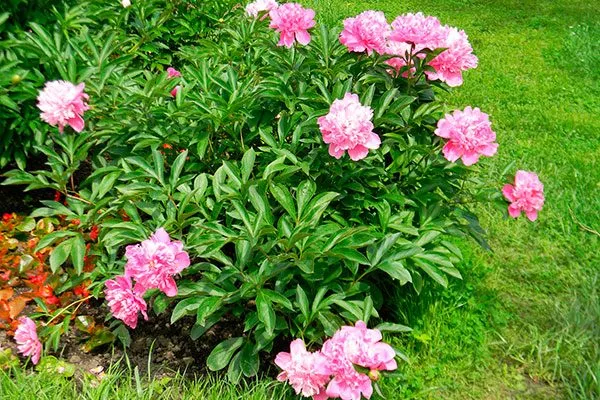
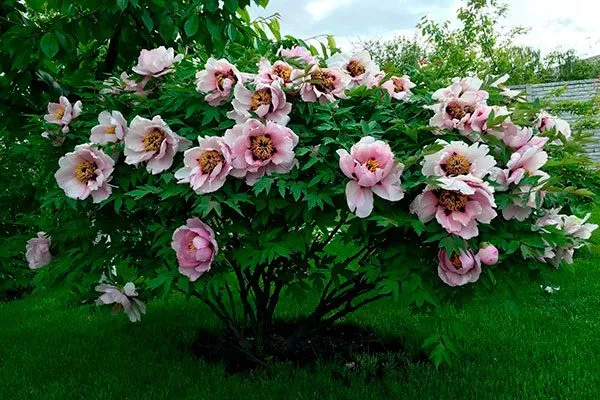
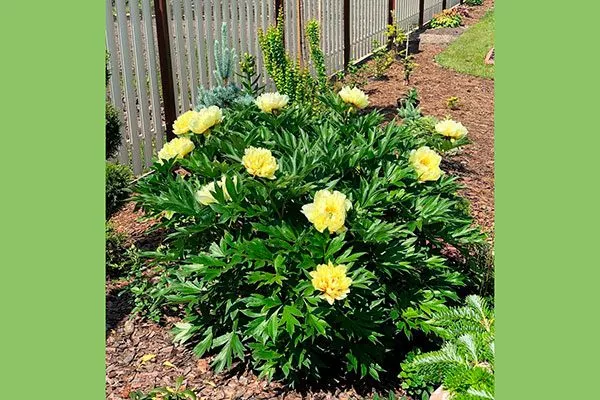
When choosing a peony seedling of any type, carefully inspect the rhizome. It should be dense, firm to the touch, and free of cracks. It is important to have at least two thin, long, sucking roots.
A quality seedling should have at least 2-3 fresh buds, from which future stems will develop. The rhizome should show no signs of rot or mold. It's preferable to choose peonies packaged in transparent bags so you can examine the planting material closely before purchasing.
Preparing the seedling
To protect the plant from fungus and stimulate its growth before planting, dissolve 5 ml of Fitosporin in 1 liter of room-temperature water. Then, soak the peony rhizome in the resulting solution for 24 hours. After this time, you can begin planting the plant in the ground.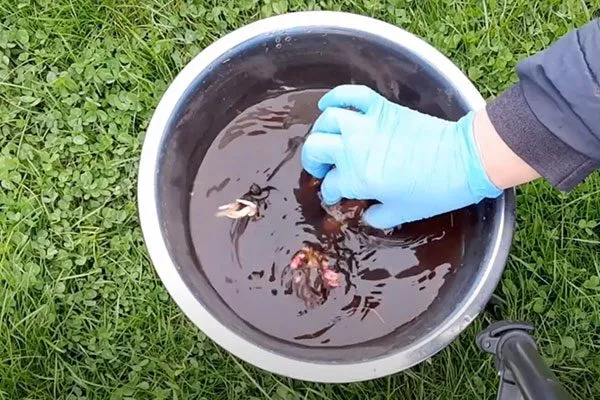
Choosing a location
For abundant flowering and healthy growth, plants require plenty of sunlight—at least 5-6 hours a day, but midday shade is beneficial. Cultivated peonies are particularly sun-loving, while wild species such as the Whitmani, Mlokosevichi, medicinal, evasive, and narrow-leaved peonies tolerate shade better.
Peonies prefer quiet, wind-protected locations. Building walls, hedges, and other landscape elements can provide good windbreaks. It's important not to plant peonies too close to these protective structures or to choose a south-facing site for planting.
Avoid planting peonies near trees and shrubs, as they will compete for water and nutrients, which can lead to flowering failure. However, peonies thrive in group plantings, such as in peony gardens or along paths.
Distance between bushes
For most peony varieties, 70-100 cm between bushes is sufficient, while larger tree-like varieties may require up to 1.5 m. Compact narrow-leaf peonies can be planted about 50 cm apart.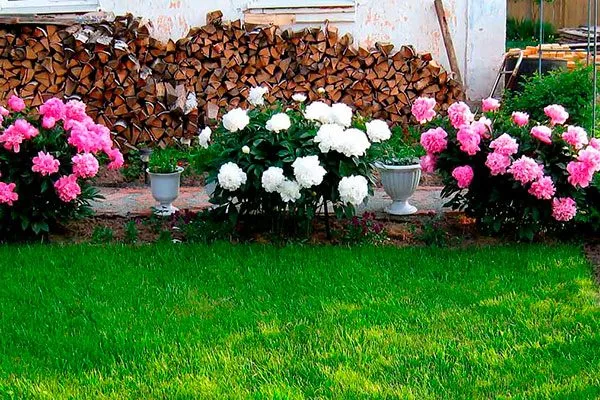
Maintaining distance is necessary not only to prevent physical overcrowding and competition for nutrients, but also to ensure good air circulation. This helps prevent the creation of a favorable environment for disease development.
What should be avoided?
Avoid planting in areas with high groundwater levels (above 1 m) or where water stagnates. In low-lying areas, effective drainage is essential.
Other requirements:
- Creating a drainage layer at the bottom of the planting hole is essential to ensure healthy growth. An alternative is to plant peonies in raised beds or terraces.
- Avoid replanting peonies in areas where they've been growing for a long time. This is for two reasons:
- they release specific chemicals into the soil that can persist for up to ten years;
- There is an increased risk of new plants becoming infected with diseases and pests left over from previous varieties.
Landscape designer tips
When choosing a location for planting peonies, it's important to consider not only the requirements of agricultural technology but also aesthetic preferences and the individual characteristics of each variety. For example, the narrow-leaved peony behaves like an ephemeroid—its decorative foliage disappears after flowering in June.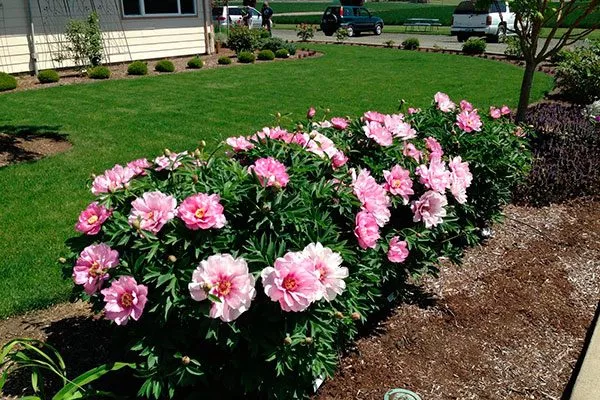
Therefore, planting only narrow-leaved peonies is not the optimal solution, and the vacated space in the compositions should be camouflaged with something.
Interesting solutions:
- Given the powerful and deep root system of this species, annual plants with shallow roots, such as petunias, lobelias and nemesias, are suitable for filling the voids.
- For border plantings, it's best to choose low-growing or medium-sized peonies of a single variety, or alternating varieties to create a rhythmic pattern. It's important that the plants maintain their decorative foliage throughout the season.
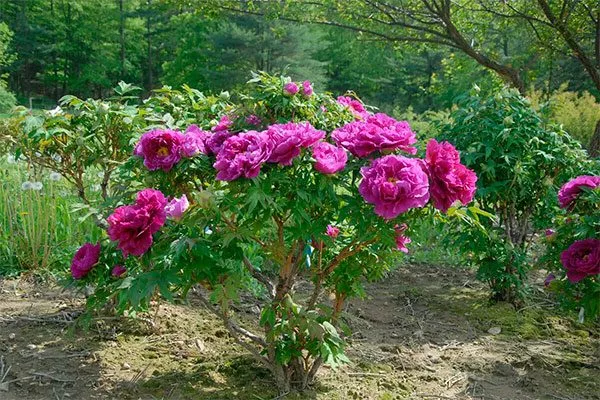
- Large and spectacular peonies, including tree peonies and milky peonies, are perfect for single planting as a solitaire.
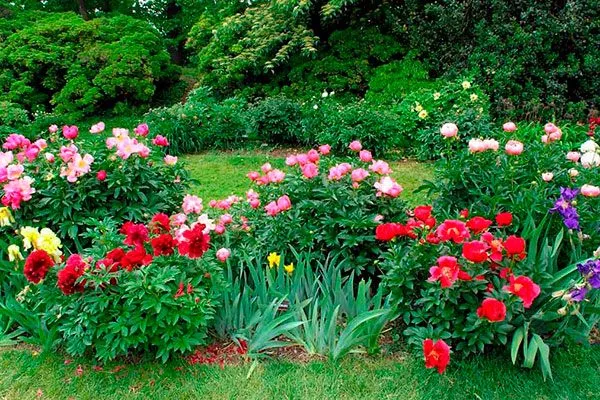
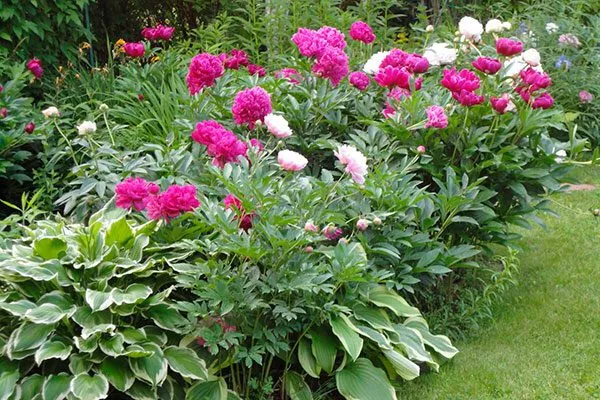
- When creating peony gardens and mixed compositions, it is necessary to take into account the height and flowering times of different varieties.
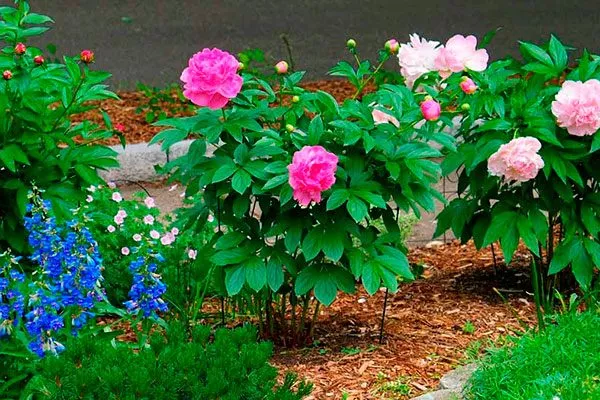
What kind of soil should I plant in?
Peonies are known for their undemanding soil conditions. Following basic planting guidelines ensures good growth and lush blooms in virtually any soil, with the exception of marshy or perpetually wet areas.
Peonies don't thrive in waterlogged soils, as their root system is sensitive to prolonged waterlogging. The ideal soil for peonies is loose, fertile, and well-drained soil with a neutral or slightly acidic pH.
Preparing the soil and planting hole
The crop grows best in loamy soils with a neutral pH. To ensure abundant flowering, it is recommended to adjust the soil composition at the planting site.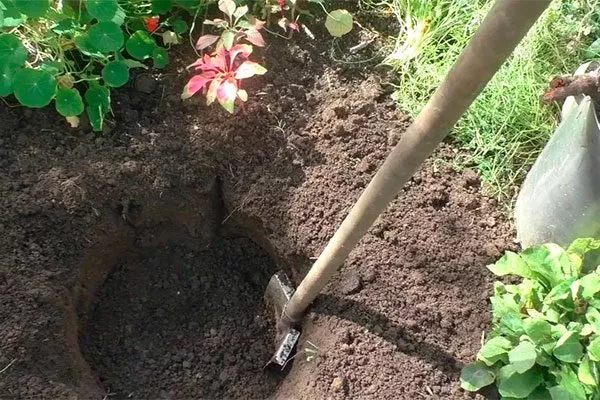
Follow these recommendations:
- If the soil is sandy, add clay. If the soil is predominantly clay, add a mixture of equal parts sand and peat.
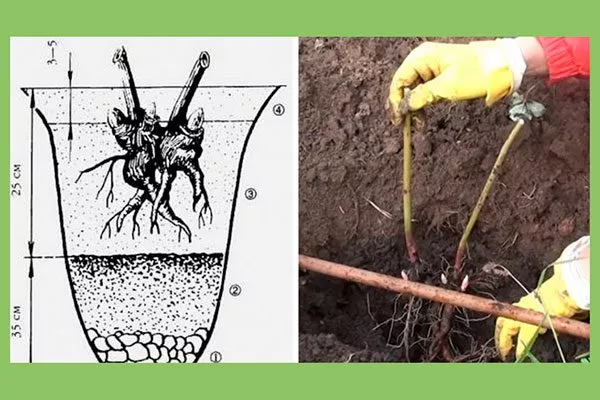
- Dig a planting hole measuring 60x60 cm and 60-70 cm deep. Place a drainage layer up to 35 cm thick at the bottom of the hole, using broken brick, expanded clay, or other similar materials mixed with river sand.
- Fill the hole one-third full with fertile soil. When planting, add compost or humus (about 5 kg), wood ash (300-400 g), and superphosphate (20 g).
- After applying fertilizer, fill the hole with the remaining soil, leaving 10-12 cm to the edges. It is recommended to make a slight thickening in the center to prevent the soil from settling when watering the seedling.
Planting peonies
First, use a trowel to make a small mound of moist soil in the planting hole. This will ensure the peony's roots are properly positioned.
Next, follow the instructions:
- Place the peony rhizome on this mound so that the buds are directed upward.
- Spread the roots by hand, carefully distributing them sideways and downwards through the soil. It's important to ensure the point where the rhizome connects to the buds (the growing point) is buried 5-7 cm below the soil surface.
- Fill the hole with soil, being careful not to damage the plant's buds. Don't pack the soil down too hard to avoid planting the peony too deeply.
- After planting, water the peony with 1 liter of water. To protect against diseases, you can add about 5 ml of Fitosporin to the water.

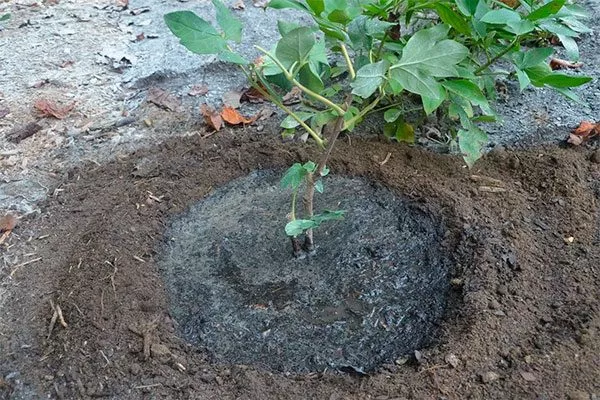
Finally, mulch the trunk area with a layer of soil or peat approximately 5 cm thick.
Planting at home - in a pot
Growing plants in containers appeals to many gardeners due to its numerous advantages. Successful planting requires a container with a capacity of 5 to 10 liters and a specific sequence of steps.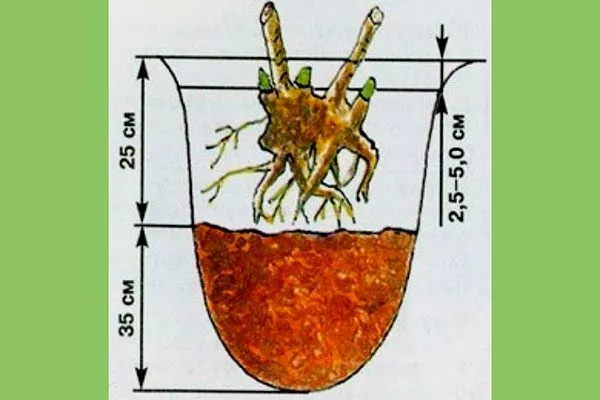
Step-by-step instructions:
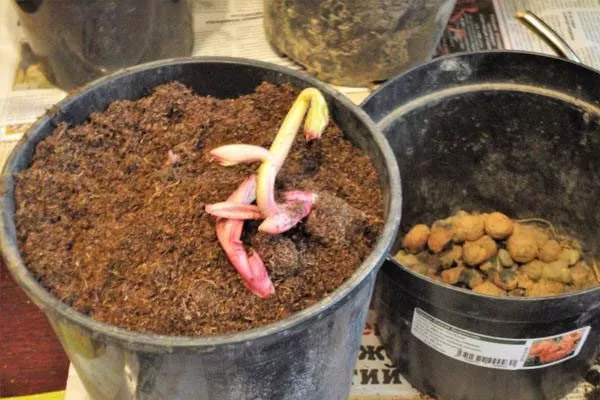
- Place a drainage layer at the bottom of the container.
- Fill the pot with a nutrient substrate consisting of equal parts of black soil, humus and peat.
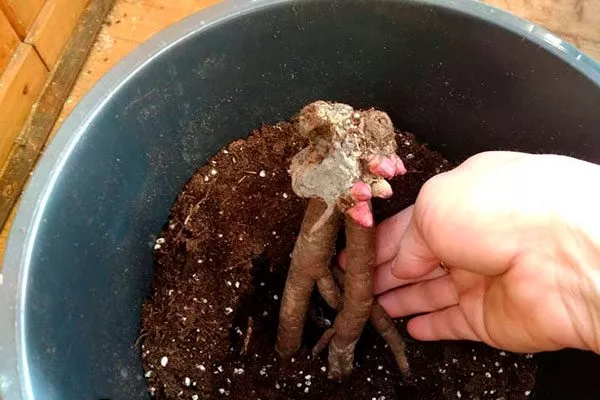
- Plant the seedling so that the growth point is at a depth of 2-3 cm from the soil surface.
- After planting, compact the soil carefully and moisten it thoroughly.
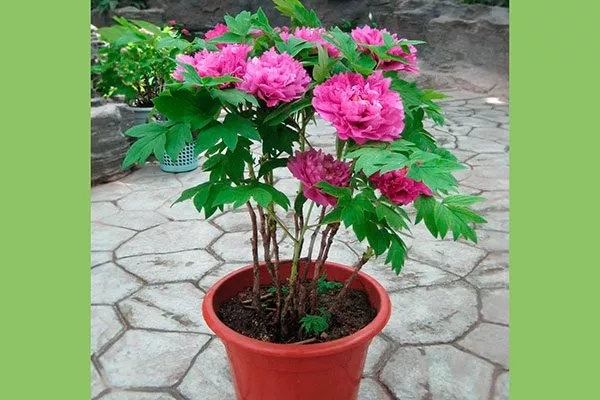
- Place the container in a cool, dark place, such as a basement, for rooting. Signs of success include vigorous stem growth. Once the stem reaches 5-7 cm in height, move the container into the light.
Post-planting care
Care after planting plays a crucial role in the survival and subsequent development of the plant. Even if planting is done correctly, without proper attention, the young plant may weaken. Proper agricultural practices at the outset are the key to health and lush flowering in the future.
Watering
Immediately after planting, peonies need daily watering for the first three days. It's recommended to use about 20 liters of water per bush. To avoid damaging the soil, water gently using a watering can with a diffuser attachment.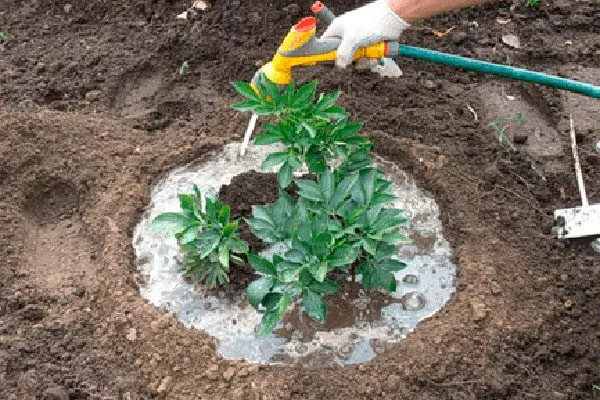
Helpful tips:
- From spring to fall, water the bushes every 10-14 days. Each plant requires 20-30 liters of water. Apply water from a small distance (15-20 cm) away from the peony, avoiding contact with the leaves and stems to prevent fungal infections.
- In autumn, the frequency of watering peonies depends on weather conditions. If there is sufficient rainfall, additional watering is not necessary. If the soil is dry, water each bush with 20 liters of water.
- When the first frost sets in, stop watering the flowerbed.
Loosening
To improve oxygen access to the peony's root system, regularly loosen the soil. About once every two weeks, 2-3 hours after the soil has been moistened, gently loosen the soil around the bush. Use a fine-toothed hoe, working down to a depth of no more than 5 cm.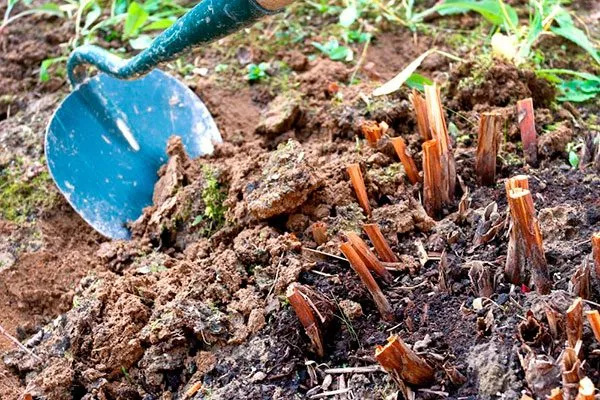
Be extremely careful not to damage the peony shoots during this process. This procedure improves soil aeration and, as a result, promotes healthier plant growth. Frequently aerate the soil to ensure optimal oxygen access to the roots.
Mulching
Before frost sets in, it's crucial to mulch the soil around peonies. This process involves creating a protective layer of organic or inorganic material around the plant.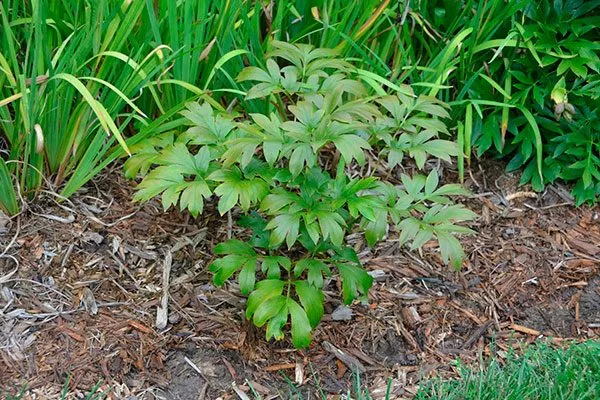
The following are perfect as mulch for peonies:
- sawdust;
- compost;
- peat;
- tightly packed grass;
- other similar materials.
Mulching plays a key role in protecting the soil from adverse environmental impacts, especially frost. It also improves soil fertility, helps retain moisture, and suppresses weed growth, which competes with crops for nutrients.
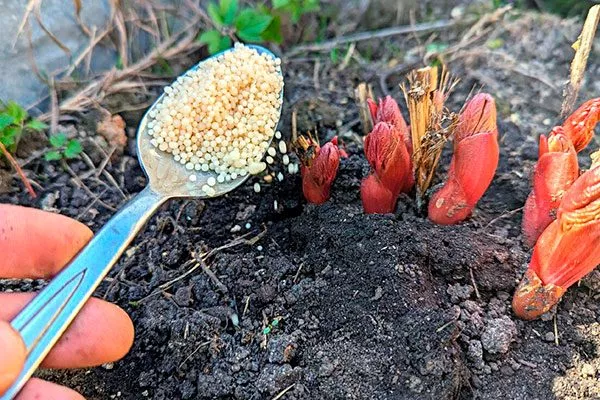
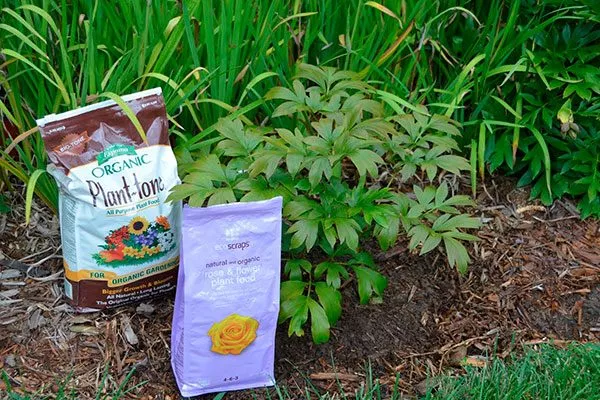
Top dressing
If the soil was fertilized when the peonies were planted in the flowerbed, no fertilizer is needed for the first two years. Subsequently, peonies should be fed three times per season:
- In early spring, when the snow melts. During this period, use organic or nitrogen-mineral compounds.
- During the period of bud formation, immediately before flowering. Here, a complete complex feeding with mineral fertilizers is necessary.
- After flowering is complete. At this time, add potassium and phosphorus to the root zone.
Pruning depending on the planting season
In the first year after planting, the main task is to give the bush a chance to take root and become strong. Remove all flower buds so the plant can focus its energy on root development.
Next, trim your hair according to the season:
- Autumn. Prune herbaceous peonies, cutting the stems almost to ground level (leaving 2-5 cm). This is necessary to prepare for winter and stimulate new growth in the spring.
- Spring. This procedure involves removing dry, damaged, or diseased stems. You can thin the bush, removing weak shoots to improve air circulation and light.

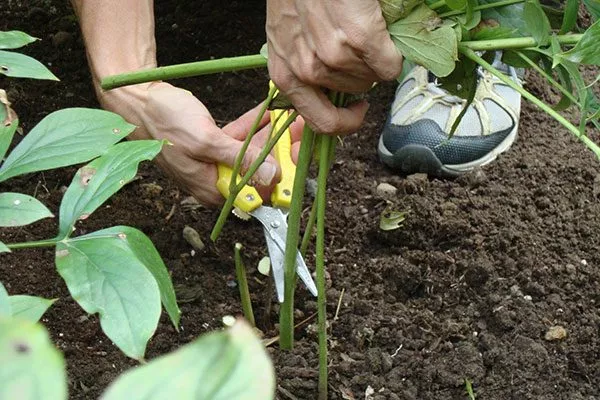
If the peony was planted in the spring, be sure to remove all buds to stimulate root development. In the fall, prune the plant as usual. If the peony was planted in the fall, remove all emerging buds in the spring as well. In the fall, prune the plant according to general recommendations.
Use clean and sharp pruning tools to avoid introducing diseases. Remove all fallen leaves and stems to prevent the spread of diseases. Mulch the soil around peonies after pruning to protect them from frost.
Preparing for winter
Perennial herbaceous peonies don't require special winter protection. It's important to prepare the plants for winter by trimming the stems so that shoots 10-15 cm tall remain above ground. If buds at the base of the bush protrude above the soil surface, cover them with peat or a similar material to protect them from frost.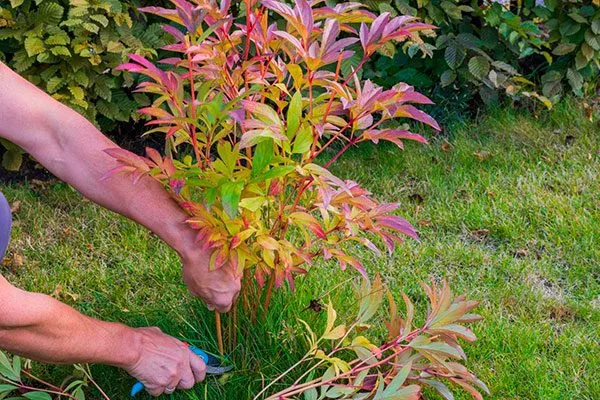
Young plants need additional protection – for this, apply a 10 cm layer of mulch around the trunk. Suitable mulch materials include:
- sawdust;
- peat;
- straw;
- humus.
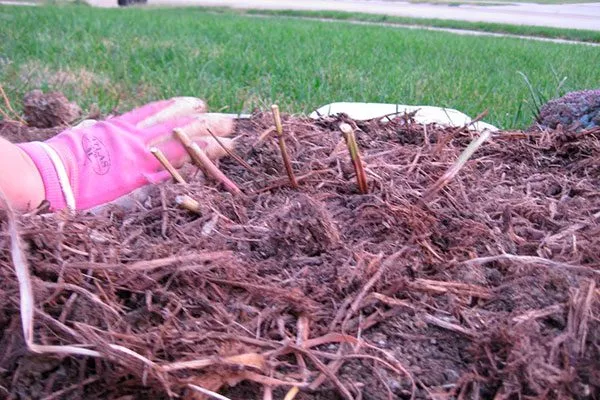
This procedure will help protect the roots from freezing and retain moisture in the soil.
Preventive treatment
Disease and pest prevention is an essential part of plant care, preventing numerous problems and maintaining the beauty of your shrubs. Timely measures significantly reduce the risk of fungal infections and parasites, ensuring abundant and long-lasting blooms.
The main goals of preventive treatments:
- prevention of fungal diseases (gray rot, rust, powdery mildew);
- protection from insects (aphids, nematodes, thrips);
- strengthening plant immunity.
Follow the pattern:
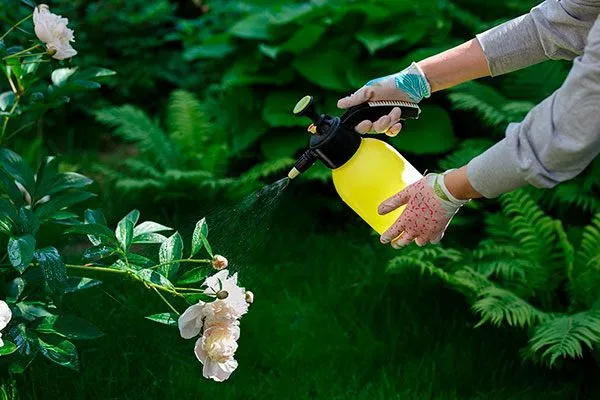
- Early spring (after the snow melts, before shoots begin to grow). Spray the bushes and the surrounding soil with a 3% solution of copper sulfate or Bordeaux mixture. This will help kill overwintering fungal spores.
- Before budding. Use systemic fungicides (e.g., Topaz, Skor) to prevent fungal diseases. If pests are present, add an insecticide such as Aktara or Decis.
- After flowering. Use insecticides to prevent the spread of infection after flowering.
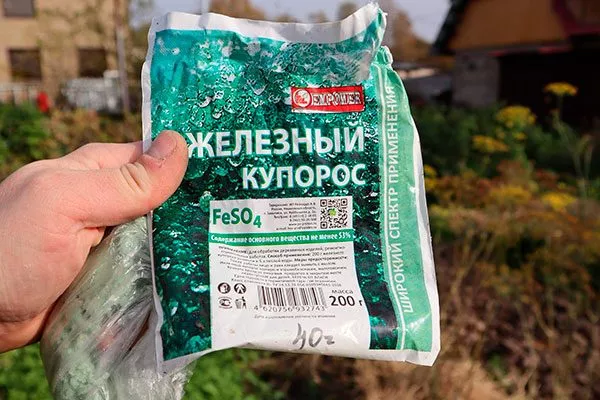
- In autumn (after pruning). Treat the soil around the plants with a 5% solution of ferrous sulfate to kill pathogens and saturate them with iron.


Basic requirements:
- strictly follow the instructions for the medications you use;
- hold the event in dry, windless weather;
- Alternate medications to avoid pathogen tolerance.
Planting peonies is easy if you follow a consistent approach and follow the basic rules. A well-chosen location, the correct depth, and timely watering will help the plant quickly adapt and establish the potential for future blooms. The effort will be well worth it if you follow the recommendations of experienced gardeners.