
When growing peonies in your garden, pay special attention to properly preparing them for the cold season. This involves a comprehensive set of steps. Proper implementation will ensure the ornamental plant remains healthy and delights you with luxurious blooms on time.
When should peonies be prepared for cold weather?
Peonies require proper care not only when they're about to bloom and dazzle you with their beauty, but also in late summer and fall. At this time of year, the bushes are focusing their energy on forming generative buds.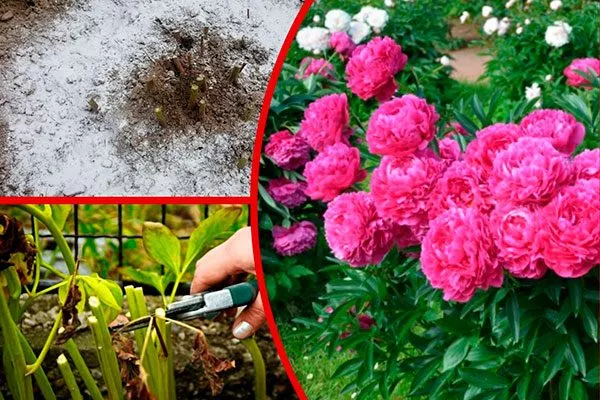
Provide peonies with sufficient moisture and nutrients. Focus your efforts on strengthening the plant's immunity and increasing its frost resistance.
Before the cold weather sets in, prepare your plants for winter so they can survive it safely. Perform the following tasks at the appropriate times:
- Water regularly throughout August. In September and October, water as needed during dry weather.
- Apply fertilizer in several stages:
- in the last month of summer - after flowering;
- at the beginning and end of September (or in October) - before and after pruning.
- If necessary, divide and replant the bushes, but no later than mid-September. The root system will need time to strengthen before the cold weather arrives.
- Prune your peonies before the first autumn frosts, at the end of September or during October (in the south, it is acceptable to carry out the procedure later, at the beginning of November).
When determining the timing of nutrient application, consider the climate conditions of the growing region. Apply the last fertilizing 30 days before freezing temperatures set in.
Why prepare peonies for winter?
Once peonies' blooming season is over, they don't go dormant. For the rest of the summer, their root system is in full swing underground, growing new shoots, absorbing nutrients, and storing them. All of this is aimed at setting flower buds for the following season.
Each step a gardener takes to prepare a plant for winter helps it accumulate internal resources to successfully survive the cold season and bloom abundantly next spring:
- Fertilizing. Because peonies tend to adorn flowerbeds with their lush blooms for long periods, they expend a great deal of energy. By autumn, the plants are exhausted. In this weakened state, their chances of successfully surviving the winter are extremely low.

- Watering. Adequate moisture helps the plant form buds, which will give birth to beautiful flower buds in late May, and successfully overwinter. While peonies require regular watering in August to ensure proper flower bud formation, with the arrival of autumn and the drop in temperatures, this should be reduced to a minimum.
- Pruning. This procedure is recommended for bushes not only immediately after flowering but also in the fall. By cutting off faded buds in June, you help the plant conserve its energy rather than waste it on seed production. This is especially important for tree peonies.
- Mulching. Flower bushes growing in areas with cold, low-snow winters have a particular need for this procedure. They are also vulnerable to sudden temperature fluctuations and frequent thaws. A thick layer of organic matter (at least 10-15 cm) helps protect roots and underground buds from freezing.
For species not characterized by good cold tolerance, as well as tree peonies, constructing a shelter made of pine branches and agrofibre is recommended. This shelter will reduce the exposure of the plant to adverse weather conditions.
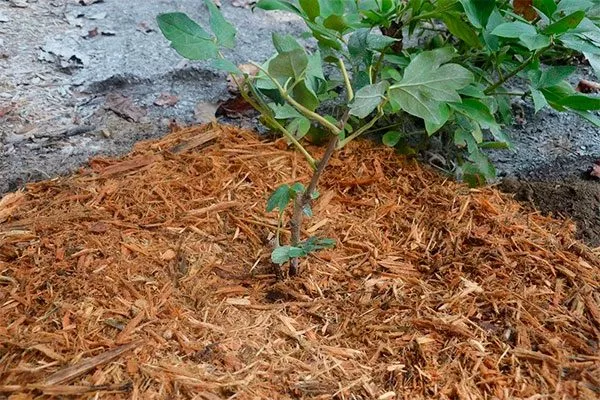
Stages of preparing peonies for winter depending on the region
From August until mid-autumn, care for your peonies to help them gain strength before the cold season arrives. Adjust your fertilizing and pruning schedule based on climate conditions. The further south you grow, the later you should perform these treatments.
Preparing peonies for winter in August
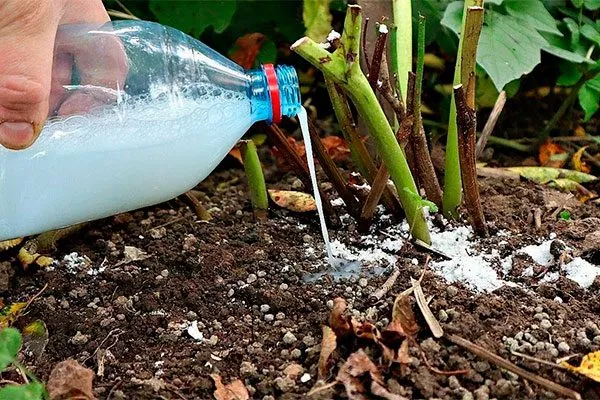
In the first weeks of the month, fertilize the flowers with a mullein solution (1:10) or ash infusion. Mineral fertilizers rich in phosphorus and potassium are also suitable for late summer feeding. Prepare a liquid nutrient mixture from the following ingredients:
- Superphosphate - 25 g;
- potassium sulfate - 12-15 g;
- water - 10 l.


Avoid pruning peonies to the ground in August. This will negatively impact the formation of flower buds, preventing the plant from developing rootlets and accumulating nutrients. This will weaken the plant, negatively impacting its frost resistance.
At the end of summer, it's acceptable to only remove peony leaves if they have yellowed and spots have appeared—the first signs of fungal infestation. This measure will help stop the progression of the disease. Supplement this with treatments such as:
- Bordeaux mixture;
- a preparation containing copper;
- any fungicide.
During the last month of summer, perform other care procedures to ensure luxurious flowering of peonies next season and prepare them for winter:
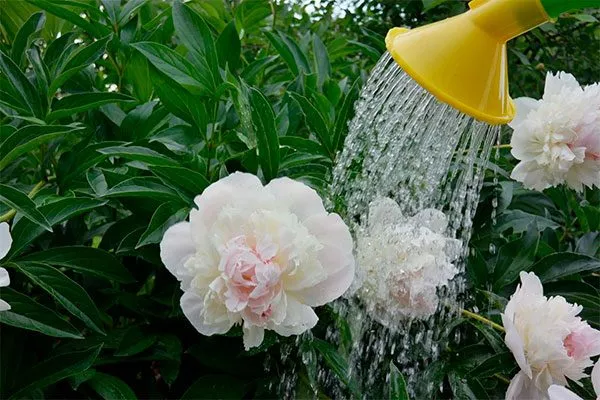
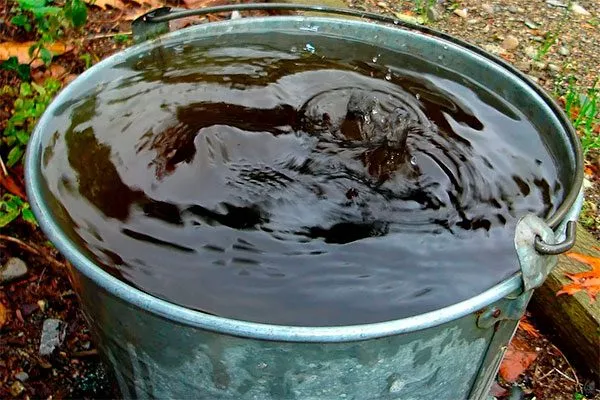
- Water the bushes Water once a week, using 6-7 liters of settled, lukewarm water per plant. If the weather is hot and dry, water more frequently. By the end of August, watering should be gradually reduced to a minimum.
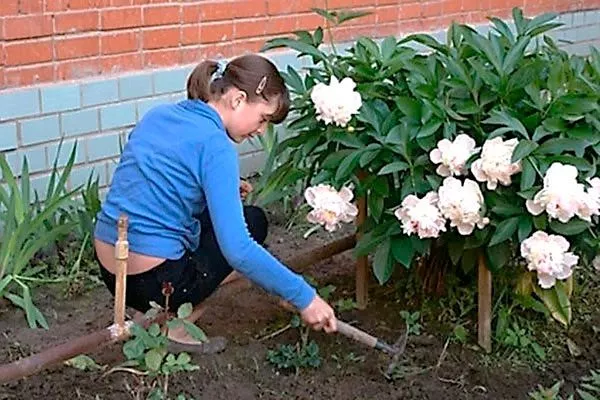
- Loosen the soil in a flowerbed after rain and irrigation to increase its air permeability and improve oxygen access to the roots.
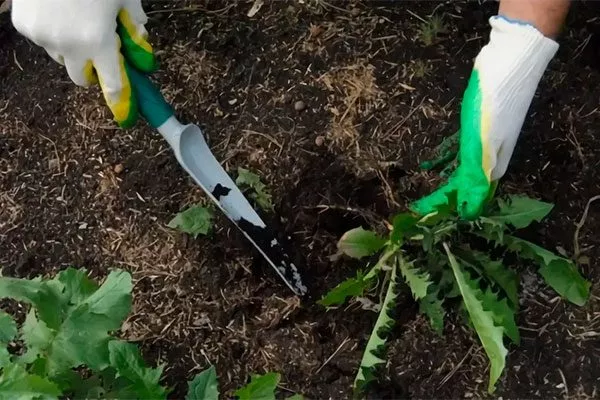
- Remove weeds, depriving the crop of nutrition and increasing the risk of infection.
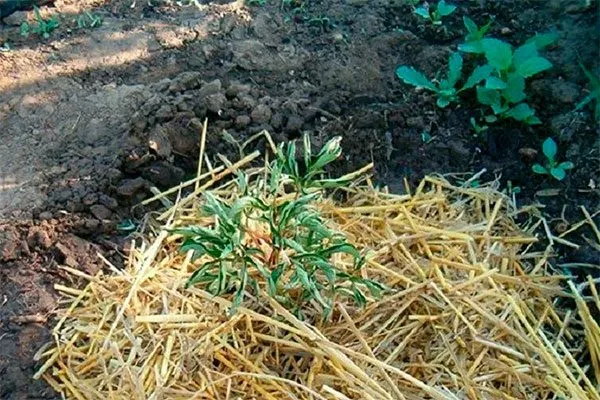
- Mulch the planting humus or peat.
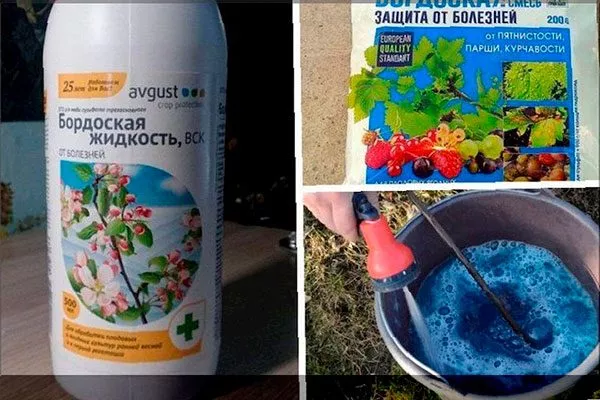
- Prevent diseases and pest attacks by spraying peonies with Bordeaux mixture (1%) or a solution of copper oxychloride (40 g per 10 l of water).
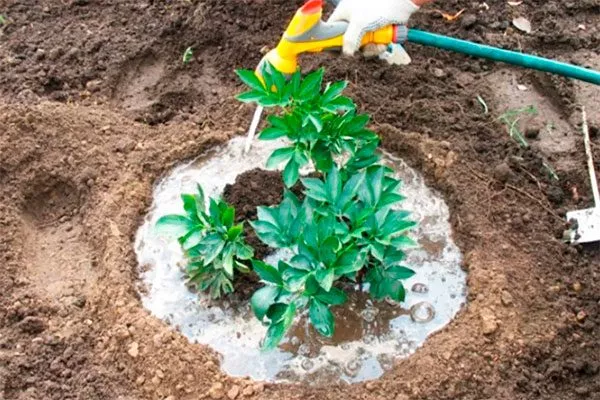
In the second half of August, you can rejuvenate bushes older than five years by dividing them and replanting them. This shouldn't be done before then, as the plant is still forming buds for the next season. This procedure promotes abundant flowering and the formation of larger buds.
Preparing peonies for winter in September
In the fall, continue fertilizing your flower bushes to prepare them for winter. The best time to do this is from September 10 to October 20. The timing may vary depending on the region. Adjust your fertilizer according to the weather and the expected frost.
Apply nutritional compositions to strengthen peonies twice at this time of year:
- Before pruning the bushesUse mineral fertilizers.
- After the haircutGive preference to organic products of plant and animal origin.
Avoid applying high-nitrogen fertilizers in the fall. They stimulate the growth of above-ground parts. Young shoots will be killed by frost, and the plant's winter hardiness will suffer.
Apply dry or liquid fertilizers. The former are useful if September has been rainy, while the latter are more effective if the weather is dry. Sprinkle granular or powder fertilizers evenly around the bush, working them into the soil. Pour solutions into the trench. Avoid getting them on the root collar.
For the first September feeding, which should be done 1-1.5 months before the first frost, the following mineral compositions are suitable:
- potassium magnesium sulfate (application rate: 20 g/sq. m);
- Superphosphate (30 g/sq.m);
- potassium monophosphate (50 g/sq. m);
- potassium sulfate (20 g/sq.m).




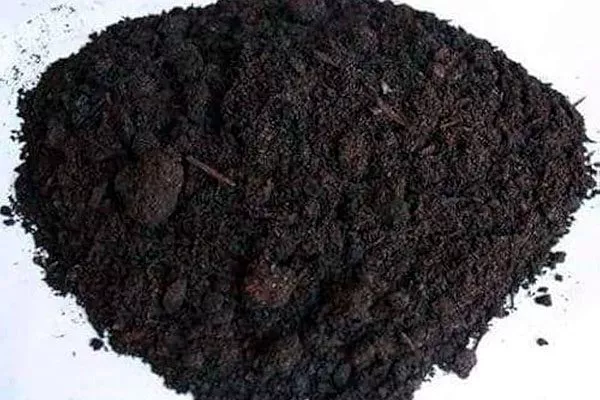
The best organic fertilizers for peonies in the fall are bone meal (150 g per plant) and wood ash (200 g). Humus and compost are also suitable for a second feeding. Mulch peonies with these fertilizers after pruning, using 8 kg per plant.
Proper application of nutrient compounds in the first half of autumn brings many benefits to the crop:
- its winter hardiness increases;
- it produces more buds in May and early June;
- flower heads are larger, more fragrant, and have a richer color;
- The bushes grow well next season.
Another procedure that gardeners should perform in September and October is preventative treatment. This is done two weeks before pruning peonies. This reduces the risk of fungal and bacterial diseases and prevents pest infestations.
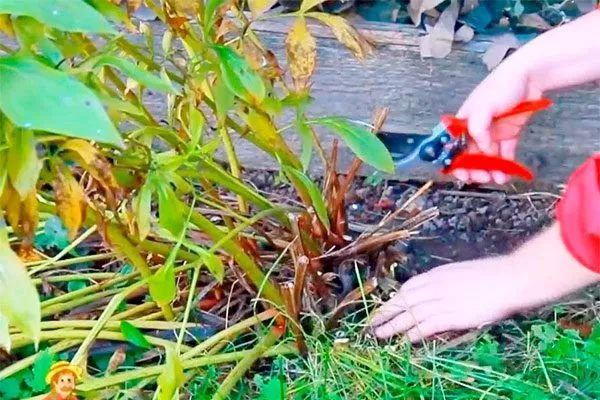
The next step after fertilizing and preventative treatment is pruning. This is a mandatory maintenance procedure that must be performed annually. It can't be postponed until spring. In the fall, you can easily remove wilted stems without damaging the underground buds.
Follow the rules:
- the optimal time for carrying out the manipulation is 7-10 days before the first autumn frosts;
- get to work after the stems and leaves have fallen to the ground, which by this time should have acquired a brown tint;
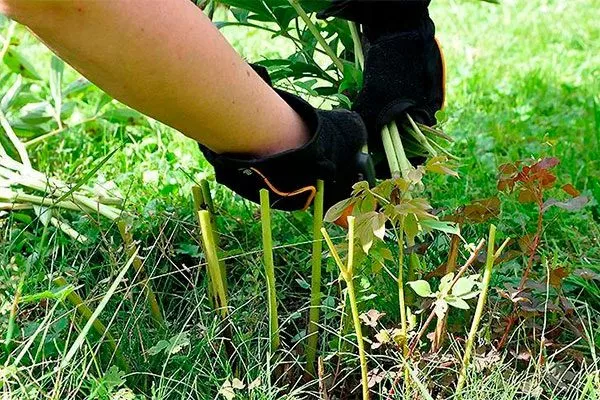
- remove the above-ground parts level with the ground, without going deep into it, so as not to damage the buds and roots;
- Take everything that was cut out outside the garden and burn it.
Immediately after pruning, mulch the peony with organic matter (this is the second autumn feeding). A thick layer of compost will protect its roots and growth buds from freezing. As it decomposes, it will supply the plant with nutrients.
The final stage of preparing the plant for winter is insulating it. Many peony varieties are highly frost-resistant, withstanding temperatures as low as -40°C. There's no need to dig them up or cover them.
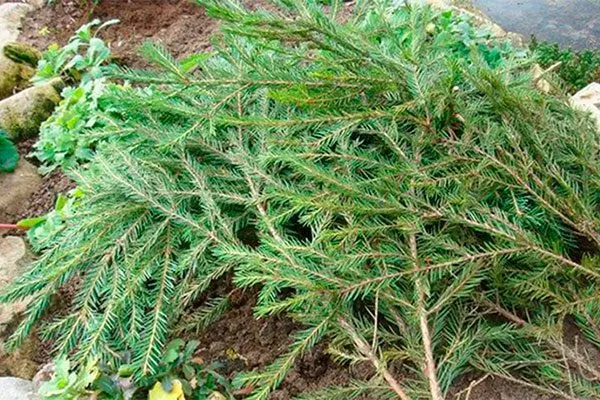
If you're growing flowers in a harsh climate, mulching alone won't be enough. Consider hilling the bushes with soil. Then, cover the soil with humus or compost (at least 10 cm thick). Then, add covering materials on top:
- spruce branches;
- lowland peat;
- dry leaves;
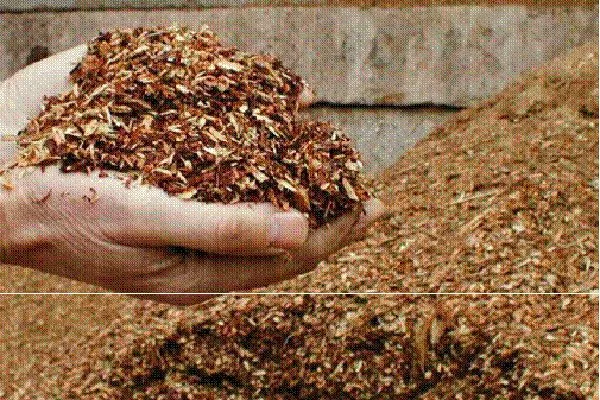
- sawdust.

Preparing young peonies for winter
Young plants in late summer and fall require the same care as mature bushes. Water them moderately and feed them with phosphorus-potassium fertilizers. They also require pruning.
If you've met the planting deadlines, there's no need to cover peonies in the temperate climate zone (especially for herbaceous varieties). Organic mulch will suffice.
If you carried out the procedure late or are growing the crop in the north, carry out hilling, add a thick layer of peat and dry leaves.
The subtleties of autumn pruning
Proper pruning is the key to a plant's successful overwintering. This procedure is recommended for all species, but each has its own specific requirements. Learn these to avoid harming the plant and achieve good results.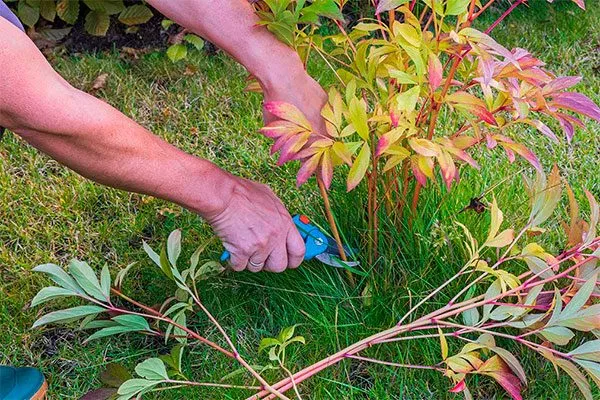
Pruning herbaceous peonies
This variety requires complete removal of all above-ground parts of the bush:
- stems;
- foliage.
Don't leave green foliage over the winter; cut it down completely in the fall. Pests hide in it, and pathogens live and reproduce there.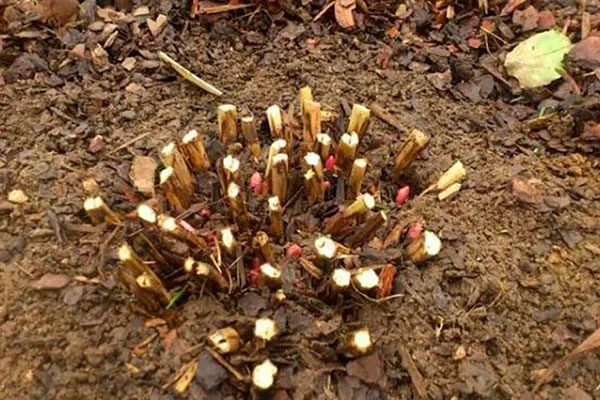
Pruning ITO hybrids
Autumn pruning of this type of peony is similar to the procedure gardeners perform for herbaceous varieties. It has a few differences:
- When pruning, leave the woody parts of the stems intact;
- start working after the first frosts have set in (in November for the Central Belt).
Pruning tree peonies
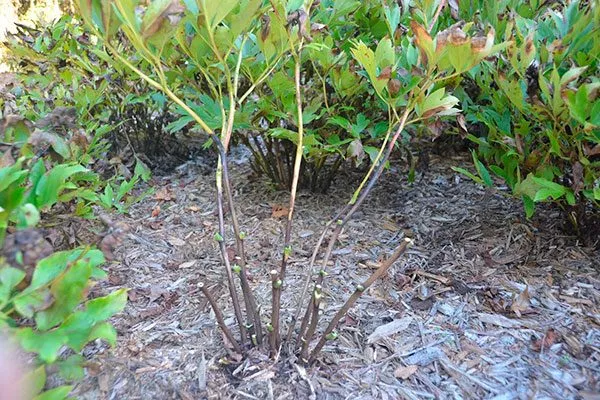
This variety is characterized by its flowering on last year's shoots. It requires gentle pruning:
- remove all damaged branches;
- trim the tops of woody stems, shortening their height to 70-90 cm.
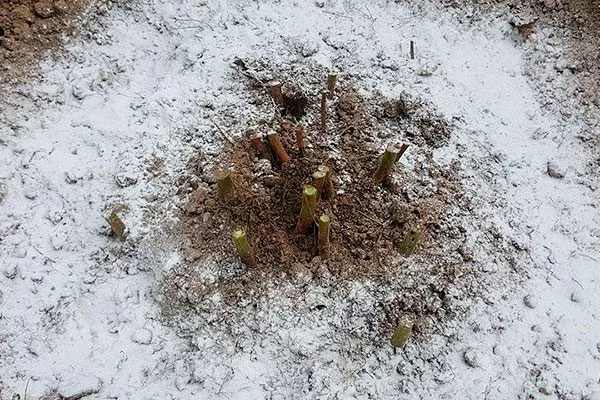
Prune on a dry, clear day. Avoid exposing the cut stems to moisture, as this can lead to root rot. Sprinkle the bush with crushed wood ash after pruning to disinfect the wounds. Use 2-3 handfuls per plant.
Covering peonies by type
The final stage of preparing flower bushes for winter, which involves insulating their root zone, has its own nuances for each type of peony.
Covering herbaceous peonies
Carry out this procedure immediately after cutting all the stems and foliage. First, sprinkle the pruned bush with wood ash powder, then mulch it with loose organic matter:
- compost;
- humus;
- lowland peat.
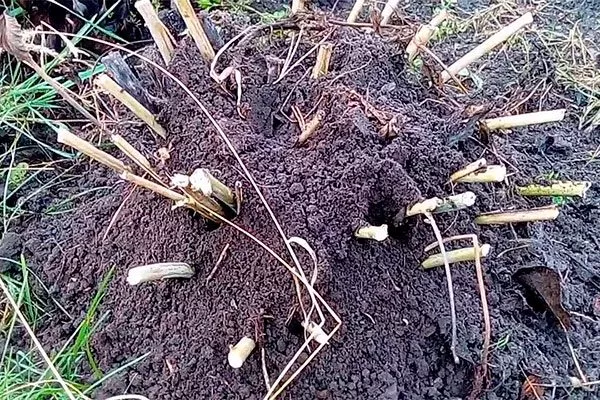
The mulch layer should be quite thick—10-15 cm or more. It's advisable to additionally cover it with wood chips or healthy leaf litter. Leave the peony in this state until spring.
Shelter for ITO hybrids
Representatives of interspecific selection have adopted many good qualities from their “parents”, in particular:
- excellent frost resistance - from tree peonies;
- dying off of green mass - from herbaceous plants.
This makes preparing mature bushes of this variety for winter quite easy. After pruning the stems, simply mulch the area around the trunk with organic matter such as humus, compost, or low-lying peat.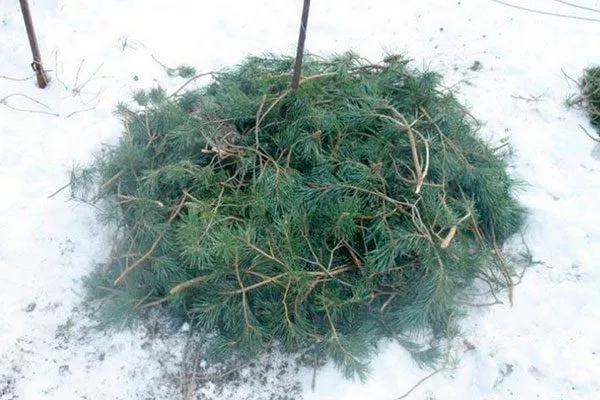
Covering tree peonies
Begin insulating this variety of plant after a sustained cold snap sets in. Your goal isn't so much to protect the bushes from low temperatures (they can withstand temperatures as low as -30°C in winter), but to prevent early bud break and damage from recurring spring frosts.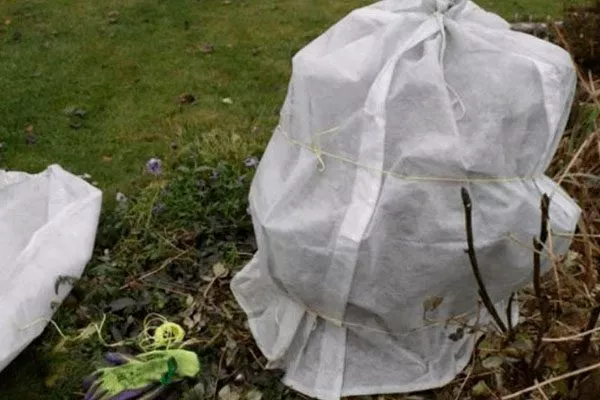
After pruning, begin covering the bushes by following the step-by-step instructions:
- Tie the branches with rope. Don't tie them tightly, just secure them in place. This prevents the bush from breaking apart and snow from getting inside.
- Wrap the peony in covering material. Use light-colored non-woven fabric or burlap. Secure with twine. Leave vents at the bottom for ventilation. You can also build a shelter over the bush using pine branches.
- To protect roots from frost, mulch the tree's trunk area with organic matter. Cover it with a thick layer of compost (at least 10 cm). Do this after the ground freezes to prevent the nutritious mulch from stimulating bud break.
Once spring arrives, there's no need to remove the organic mulch from under the peony. It will provide excellent nutrition.
Covering young plants
Young peonies require more attention in the fall than mature bushes. They require adequate insulation for the winter, especially if they grow in regions with harsh climates.
After pruning young plants and clearing the area of plant debris, carry out the following activities:
- add potassium-phosphorus compounds (superphosphate, potassium sulfate) to strengthen the root system of the crop;
- mulch the soil in the tree trunk circle with peat or compost, forming a 15-20 cm thick layer of organic matter;
- For additional thermal insulation, cover the mulch with spruce branches;
- To protect the young peony from icy winds and temperature changes, build a shelter over it from non-woven material;
- After winter has arrived, rake the snow into a high snowdrift above the bush.
In the first year of life, the tree-like variety can be covered with stems cut from perennials, and a cardboard box can be placed on top of them.
Removing the cover
Begin your first spring peony care after the snow has completely melted and temperatures have returned above zero (around April). By this time, shoots will have already begun to appear at the base of the bush.
Before removing the cover, make sure the threat of frost has passed. Remove it carefully to avoid damaging the plant.
Follow the rules:
- remove the cover gradually;
- During the first week, open the bushes every day for ventilation for several hours;
- First, remove the spruce branches and agrofibre;
- do not rake away fallen leaves, let them cover the roots for a while (until stable warmth is established);
- You can leave the organic mulch, it will serve as a source of additional nutrition for the crop;
- Make a ditch next to the bush to drain melt water away from the root zone (if this is not done, there is a high risk of rotting the underground part of the peony).
After removing the covering, loosen the soil beneath the plant. Reapply organic matter to the area around the trunk. In the spring, you'll also need to adjust your irrigation regimen and begin fertilizing.
Question and Answer
Many new gardeners don't know how to properly care for peonies in late summer and early fall. As they prepare their plants for winter, they have many questions, and experienced gardeners can provide answers. Take their tips and recommendations into consideration.
How to prepare peonies for winter in the fall?
To ensure your flowerbed's bushes survive the winter successfully, carry out a series of frost-resistant treatments in September and October. Follow these steps:
- 1-1.5 months before the onset of sub-zero temperatures, fertilize the bushes with phosphorus-potassium preparations.
- Shortly before or immediately after the first frost, prune the bushes. Sprinkle the wounds with crushed ash. Remove any remaining stems and leaves from the garden and burn them.
- Water your peonies if the autumn is dry.
- Treat the plant and the soil underneath with pest and disease control products.
- Mulch the flowerbed with organic matter. Avoid pressing compost (or humus) onto the remaining pruning stumps to prevent them from rotting.
- If necessary, create a winter shelter using spruce branches or agrofibre. This is recommended for young peonies and mature bushes grown in areas with a harsh climate.
What to spray peonies with in the fall?
September-October is a good time to perform preventative treatments on your bushes. To kill overwintering pests, spray the crop with one of the following insecticides:
- Aktara (prepare a solution of 8 g of the preparation and 10 l of water);
- Karbofos (60 g per 8 l);
- Fufanon (13 ml per 10 l);
- Inta-Virom (1 tablet per 10 l);
- Bitoxybacillin (50-100 g per 10 l).





Is it necessary to mulch peonies in the fall?
Applying organic mulch after pruning helps plants survive the cold season and protect roots from freezing. This procedure is essential for all types of peonies. It also has other beneficial effects:
- protects the plant from temperature changes and sudden cold snaps;
- helps retain moisture in the soil, preventing it from drying out;
- provides roots with nutrition after winter;
- prevents early awakening of flower buds, protects them from damage by recurrent spring frosts.
How to treat peonies against diseases in the fall?
To prevent and treat fungal diseases (if you notice signs of damage on the foliage during pruning), spray the bushes with a 1% Bordeaux mixture. Copper oxychloride is also suitable for this purpose. Prepare a solution of 40 g of the substance in 10 liters of water and apply it to the bush and the soil beneath.
Other fungicides, particularly copper-containing ones, also help protect perennials from diseases. The following are considered the most effective:
- copper sulfate;
- HOM;
- OxyHOM;
- Fitosporin-M;
- Fitolavin;
- Baktofit;
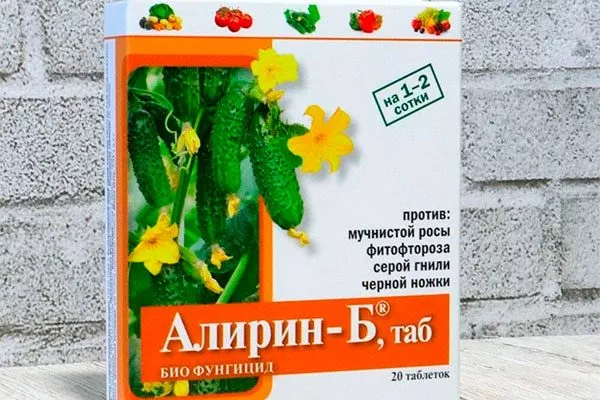
- Alirin-B;
- Ordan.







What are peonies afraid of in winter?
Despite its good frost resistance, this ornamental garden plant has its weaknesses. These are especially true for newer and heat-loving varieties. In winter, peonies are susceptible to:
- deep freezing of the soil;
- lack of snow cover;
- thaws, causing stagnation of melt water in the root zone;
- sudden temperature changes.
Warm spells followed by frosts are especially dangerous for flower bushes. Such changeable weather damages dormant buds and causes root cracking.
Why do you divide bushes in the fall?
This time of year is ideal for propagating peonies. In late August or early September, you can get new plants for your flowerbed by simply dividing the bush. This has many positive effects:
- rejuvenates the crop, stimulating the growth of new strong shoots;
- allows you to improve growing conditions (select a sunny and windless area with fertile soil for planting the divisions);
- is an effective way to combat diseases and pests (when dividing the bush, remove parts affected by fungi and parasites, keeping only healthy fragments).
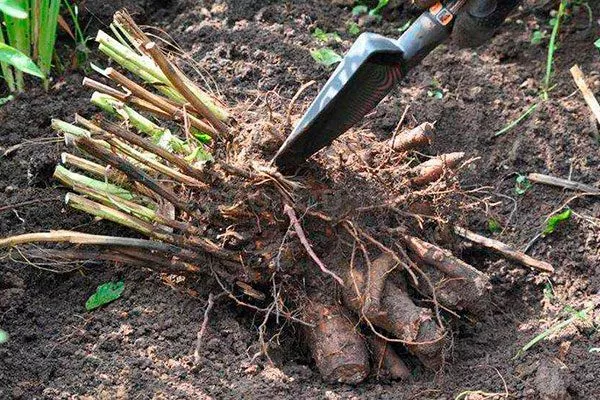
In autumn, the plant experiences a peak in the growth of its absorptive roots, which provide it with nutrition. This allows the cuttings to quickly establish themselves in their new location and then survive the winter safely.
Properly preparing peonies for the cold season allows them to survive it without damage. In the fall, pay special attention to fertilizing, pruning, and insulating the root zone. Learn all the intricacies of these essential pre-winter procedures to avoid harming the bushes and ensure they bloom profusely next season.