
Peonies are among the most spectacular and beloved garden perennials, delighting with lush blooms and elegant foliage. But to ensure their bushes remain healthy and attractive year after year, proper pruning is essential. This procedure depends on the plant variety: herbaceous, tree-like, and Itoh hybrids require different approaches and specific timing.
What is the purpose of pruning?
Although peonies finish blooming with the arrival of the summer months, this doesn't mean they're done. Their root system continues to grow vigorously, forming new roots, accumulating nutrient reserves, and forming flower buds for the coming season.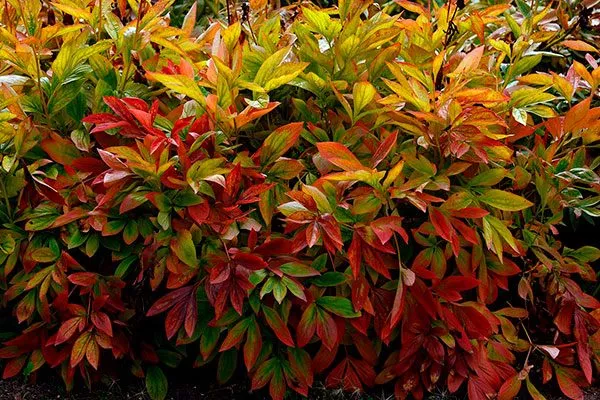
Features of the culture:
- By late summer, signs of fungal infections often appear on foliage. Many gardeners notice that by September, bright green leaves lose their appeal, wither, and become spotted.
- This indicates the development of fungal diseases, which are activated by decreasing temperatures and increasing humidity. Furthermore, various pests may infest the flower beds.
All these factors negatively impact the overall health and appearance of peonies. Abundant blooms next year are only possible with successful overwintering. To achieve this, it is necessary to remove wilted leaves and stems.
Signs of readiness for pruning
The plant itself determines the optimal time for pruning. This is indicated by yellowing leaves, which indicate a redistribution of nutrients to the roots. Pruning should be carried out at temperatures between 0 and 5 degrees Celsius.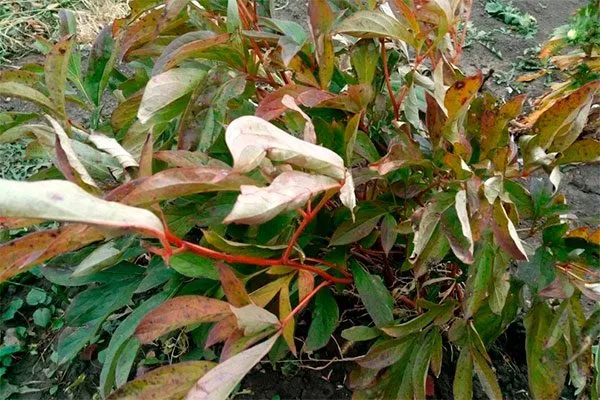
Necessary tools
Pruning peonies is an important part of caring for these perennials, directly impacting the health of the bush and the abundance of blooms next season. To ensure this procedure is effective and does not harm the plant, it's important to properly prepare the tools.
What you need to prune peonies:
- Secateurs – The main tool used for trimming stems. It's best to use a sharp, smooth-edged tool to avoid damaging plant tissue. Models with an anti-corrosion coating and a comfortable handle are ideal.

- Garden shears – Useful for removing small shoots or trimming foliage.
- Garden saw – It is rarely used, but may be necessary for sanitary pruning of old, woody stems.
- Gloves - Thick but comfortable gloves will protect your hands from abrasions and dirt.
- Antiseptic - Use an alcohol solution or potassium permanganate to treat the blades before and after each cut. This is important to prevent the spread of diseases.
- Sectional container or garden bucket – for collection and subsequent disposal of cut off residues.
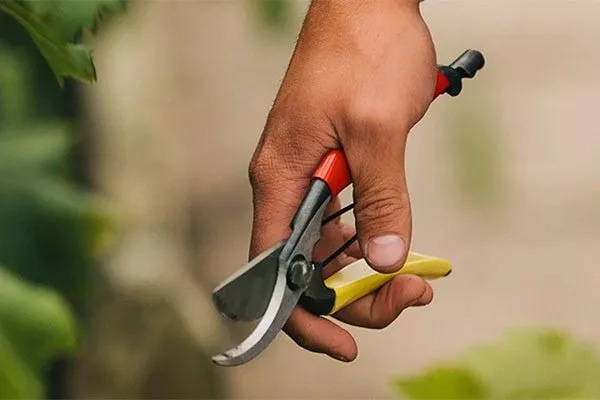
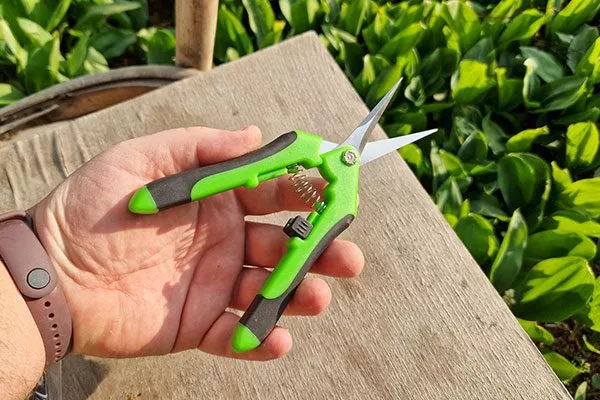
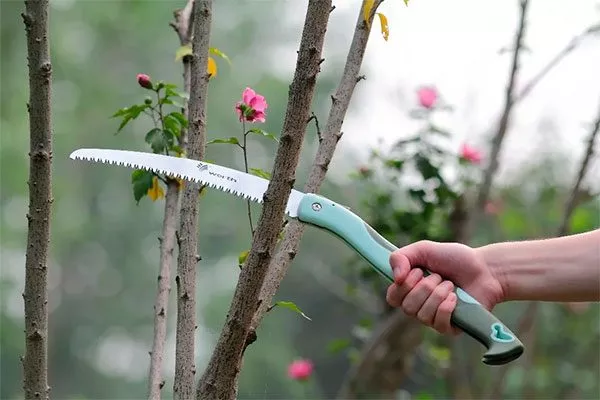

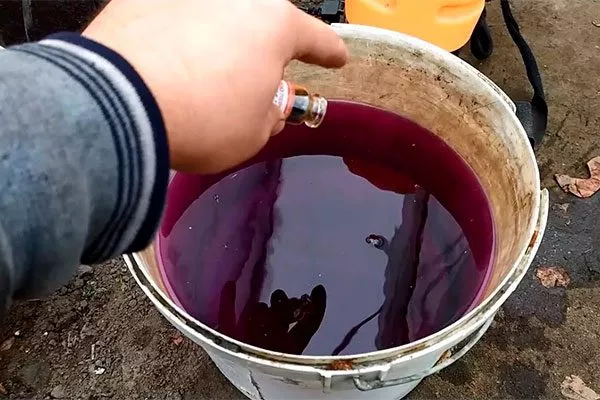
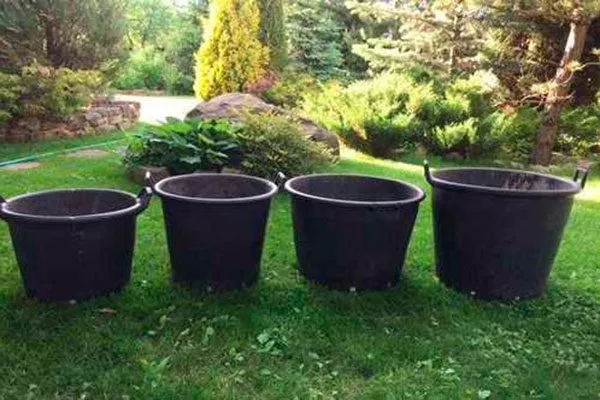
Proper preparation for pruning begins with selecting the right tools. Working with sharp, clean, and comfortable tools will not only make the task easier but will also ensure healthy and attractive peonies for the coming season.
When to prune different types of peonies depending on the season?
Pruning is an important procedure for maintaining plant health, promoting abundant flowering, and shaping the bush. The timing and method of pruning depend on the peony species and the time of year.
What is the best time to prune the crop?
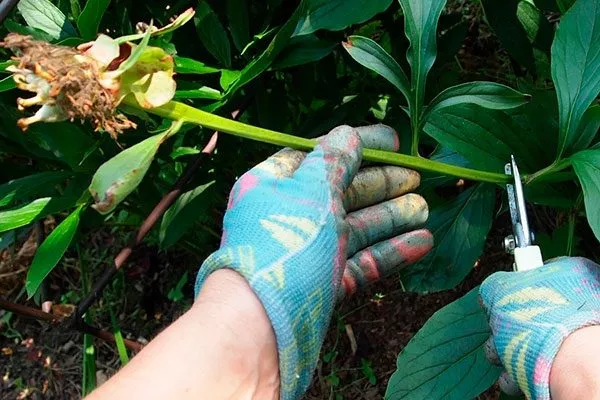
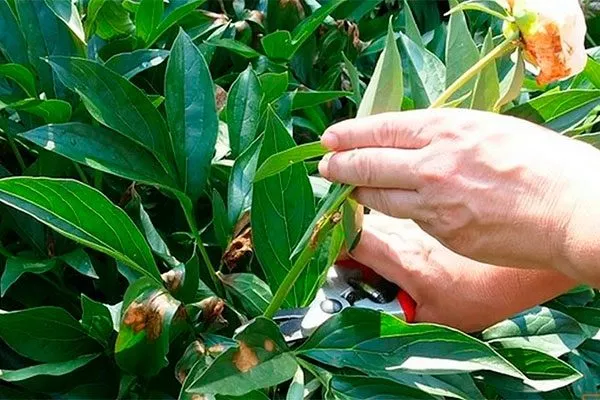
- Herbaceous peonies. After flowering in summer, remove only the faded flower heads to prevent seed formation and direct the plant's energy toward bud formation for next year. Cut the stem back to the first leaf below the flower.
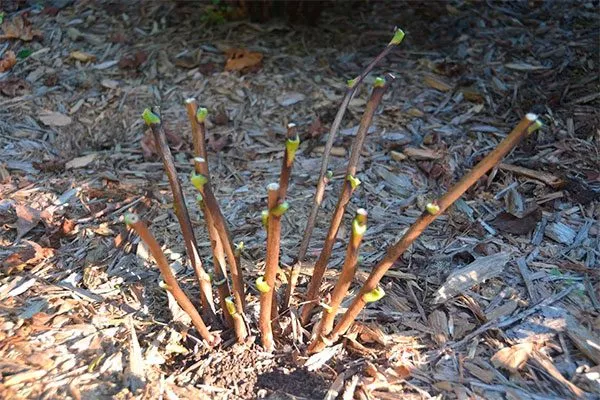
In the fall, after the first frosts, cut the entire above-ground part of the bush down to ground level to prevent the spread of diseases and pests and prepare for winter. - ITO peonies. After budding in summer, as with herbaceous varieties, remove faded flowers. The plant can also be pruned in the fall if desired. In this case, only dry or damaged stems are trimmed.
- Tree peonies. In early spring, perform sanitary pruning, removing dead, damaged, or crossing branches. After flowering in summer, shorten faded shoots by 1/3 of their length. This stimulates the formation of new flower buds.Formative pruning is also carried out every few years by removing old, weak branches to maintain the structure of the bush.
Types of pruning peonies
Pruning isn't simply the mechanical removal of plant parts, but a targeted intervention that improves plant health, stimulates flowering, and maintains an aesthetically pleasing appearance. There are different types of pruning, each serving specific purposes.
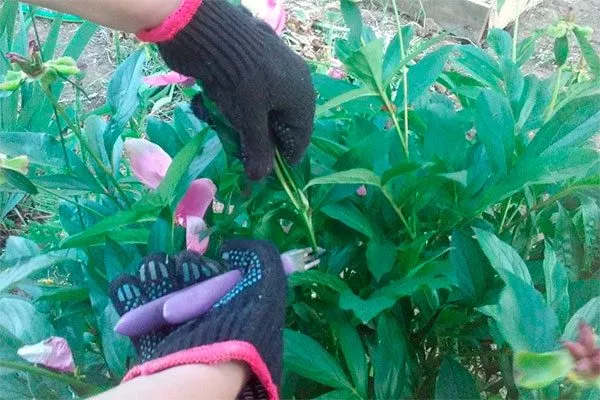
Thinning
This method is aimed at improving air circulation within the bush. It involves removing weak, thin, or centrally crowded shoots. This promotes:
- better lighting;
- reducing the risk of developing fungal diseases;
- stimulating the formation of larger flowers.
Sanitary
This is an essential part of peony care. It involves removing all dead, diseased, broken, or pest-damaged shoots.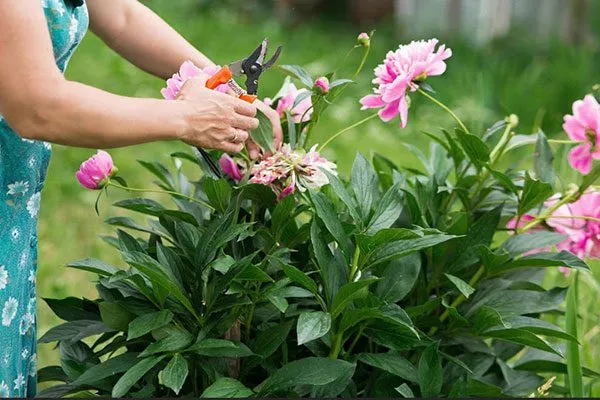
Helps prevent the spread of diseases and pests to healthy parts of the plant. This type of pruning should be performed regularly throughout the growing season.
Formative
This procedure allows you to give the bush the desired shape and size. This type of pruning is especially important for tree peonies, as it allows you to control their growth and create a beautiful crown.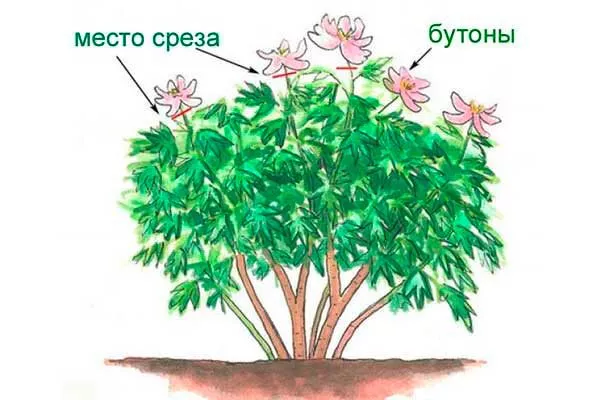
Rejuvenating
As peonies age, they can lose their decorative appeal and ability to bloom profusely. Rejuvenating pruning involves removing old, woody shoots that bloom poorly or not at all. This stimulates the growth of new, younger shoots, which will ensure more abundant blooms in the future.
How to trim?
The ideal time for pruning is a clear, dry day. It's important to avoid pruning in damp weather, as rainwater splashing on the fresh cut can cause root rot. High humidity creates a favorable environment for the development of decay.
Herbaceous peonies
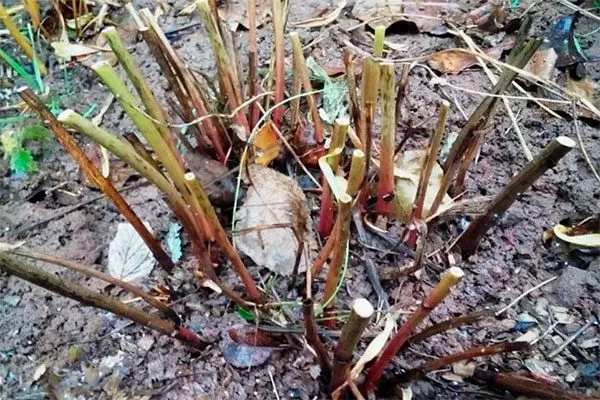
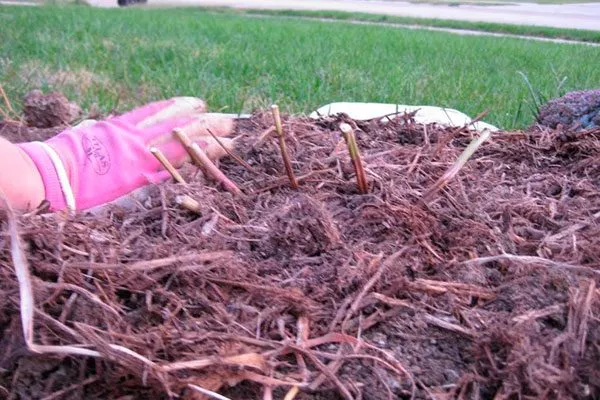
Autumn pruning of peonies involves removing all visible parts of the plant down to ground level, leaving minimal stumps no more than 3-4 cm long. Basic recommendations:
- After pruning is complete, it is recommended to treat the cut area with wood ash.
- To disinfect and fertilize, simply sprinkle the bush with a small amount of ash (about two handfuls). This will help protect the plant and provide it with essential nutrients.
Tree peonies
In the fall, peonies undergo sanitary pruning, removing damaged and dead branches. It's important to remember moderation, as next season's flower buds form on last year's shoots. Formative pruning isn't required every year, but only when shoots become excessively overgrown and woody.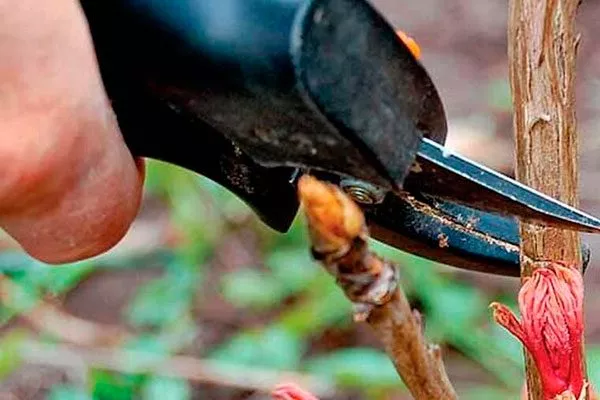
Helpful tips:
- Shorten branches, leaving about 1 m above the ground. This procedure stimulates active growth of young shoots.
- You can compost any healthy leaves left after pruning. If the foliage shows signs of disease, such as rust, powdery mildew, rot, or pests, burn them.
ITO peonies
Pruning ITO peonies is an important part of care, promoting healthy growth and abundant blooms. The main purpose of pruning is to remove dead, damaged, or diseased stems and to shape the bush.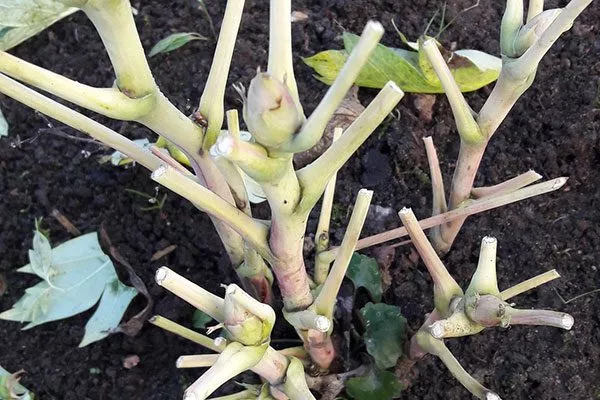
Pruning technique:
- Remove any wilted or dead stems, cutting them off at ground level.
- Cut off damaged or diseased stems below the affected area.
- To shape the bush, shorten healthy stems by about a third. This will stimulate the growth of side shoots and more profuse flowering next year.
- Remove thin or weak stems to make room for stronger ones.
What to do after pruning?
After peonies are trimmed, it's important not to rest on your laurels but to prioritize subsequent care, which will lay the foundation for their health and abundant blooms next season. The primary goal is to protect the plants from disease and create favorable conditions for recovery and growth.
How to feed peonies after pruning?
During the active growing season, spring and summer, plants actively absorb nutrients from the soil. To ensure a successful wintering and future growth of perennials, it is necessary to replenish these reserves.
Follow the rules:
- Fertilize peonies in the fall in September or early October. Later dates are undesirable, as this can stimulate growth before winter. For successful overwintering, it's important for all plant processes to slow down before the onset of cold weather.
- Superphosphate is a universal fertilizer suitable for various soil types, containing potassium, magnesium, sulfur, and phosphorus. A distinction is made between single superphosphate (approximately 25% phosphorus) and double superphosphate (up to 50%).
When applying regular superphosphate, use 35 g per square meter while loosening the soil around the plant. For one plant, 5-7 g (approximately 1 teaspoon) is sufficient. Reduce the dosage of double superphosphate by half. - Potassium sulfate contains up to 50% potassium, as well as sulfur, magnesium, and calcium. The recommended dose is 25 g per square meter. You can apply the fertilizer as granules during tillage or as a dissolved fertilizer for watering.

Watering
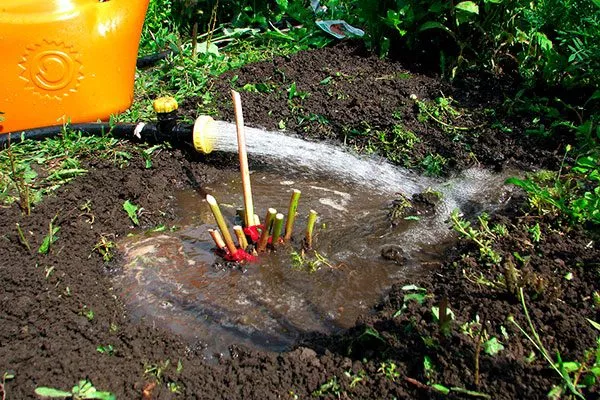
To ensure healthy renewal bud development after flowering, peonies require regular watering. Key requirements:
- Moisten the soil around the bushes weekly, using 330-40 liters of water per plant.
- Maintain a distance of 25-40 cm from the shoots when watering.
- Avoid pouring water directly under the plant; instead, wet the periphery where the suction roots are located, ensuring efficient moisture absorption.
Sanitary measures
After pruning peonies, it's important to maintain proper care—this is the final, but no less important, stage of plant care. Sanitary measures help prevent disease, improve the bush's winter survival, and maintain the flowerbed's decorative appeal.
Perform simple care procedures:
- Removal of plant debris. Carefully collect all cut stems, leaves, and other debris and remove them from the area. Don't leave them near the bush, as they may harbor fungal spores and pests.
- Processing the cut area. Although peonies rarely need cut sealing, if the cut stems have been affected by disease or the bush shows signs of infection, treat the plant.
Use fungicides (for example, Fundazol, Maxim, Bordeaux mixture) or wood ash, dusting the surface of the soil around the bush. - Caring for the soil around the bush. To prevent the spread of fungal spores, it's recommended to water the tree trunk area with a solution of potassium permanganate or Fitosporin. It's also helpful to loosen the soil and add a little wood ash or compost.
- Mulch renewal. It's a good idea to remove old mulch, especially if the season has been rainy. Instead, you can lay down a fresh mulch layer of peat, dry sawdust, or pine needles—this will help insulate the rhizome for the winter and prevent rot.
Why is it important to follow pruning schedules?
Timely pruning is crucial for maintaining healthy peonies. The timing of pruning after flowering varies depending on the peony species: herbaceous peonies are pruned from mid-October to early November, when the first frosts appear, while itoh peonies are pruned from mid- to late November.
Premature pruning weakens the plant because it deprives it of the opportunity to store essential nutrients. If the autumn is warm, bushes pruned too early may produce new shoots that won't survive the winter cold.
Pruning peonies isn't just a seasonal procedure, but a crucial element of proper plant care. By taking into account the characteristics of each species—herbaceous, tree-like, or Itoh hybrid—you can extend the life of your peonies, maintain their health, and enjoy vibrant blooms year after year. Adhering to the correct pruning schedule and guidelines is key to ensuring your peonies will provide years of enjoyment.