
The Elsa Sass peony is a popular variety prized for its excellent appearance, low maintenance, and good frost resistance. To ensure full bloom, this plant requires proper care, which even a novice gardener can handle.
The Origin of the Elsa Sass Peony
Work on the variety began in 1920, and 10 years later, Dutch breeder Henry Sass developed the first specimen. The name was given in honor of the breeder's wife.
Description and characteristics
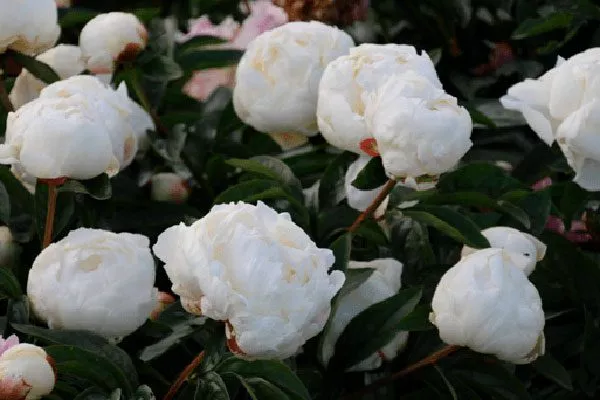
This perennial has thick, sturdy stems that are resistant to strong winds and snow. Large flower buds don't exert much pressure on them, so there's no need for support. It's characterized by the following distinctive features:
- The erect stems grow up to 90 cm in height. They are abundantly covered with medium-sized leaves, colored a rich emerald hue.
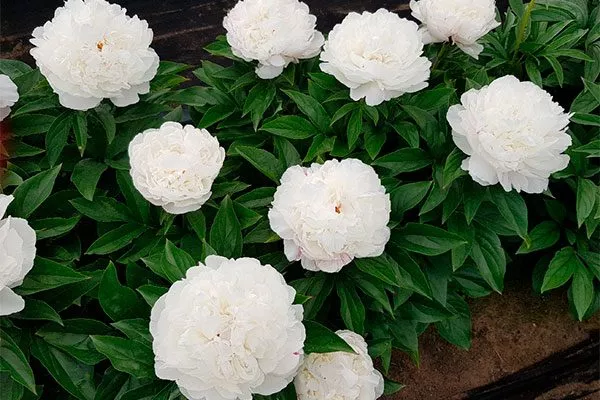
- The petals are double and rose-like.
- The base color is usually creamy white, although young specimens may have a slight edging on the petals. With age, the flowers become completely white.
- The petals have a regular shape, with clearly visible stamens at the top, which serve as the reproductive organ.
- The flower reaches up to 18 cm in diameter.
- The center of the bud, where the stamens are located, has a yellow tint. It gradually transitions to white toward the edges of the petals.
Flowering time
The plant begins flowering late, typically in summer. Buds open from June to July, lasting only 35-40 days.
Advantages and disadvantages
Before planting a flower crop in your garden, it's important to consider its positive and negative qualities. The Elsa Sass peony has the following advantages:
Landing rules
Seedlings purchased from a nursery can be planted outdoors in April, provided the threat of frost has passed. The optimal planting time is from late August to mid-September.
- ✓ The seedling planting depth should be such that the renewal buds are 2-3 cm below the soil level, which is not indicated in the article.
- ✓ The distance between plants should be 80-100 cm to ensure sufficient space for growth and air circulation.
Helpful planting tips:
- Prefers partial shade or sunny places, but the main thing is that the place is protected from drafts.
- Choose a site with loamy soil with a pH of around 6. The location should have deep groundwater to prevent root rot.
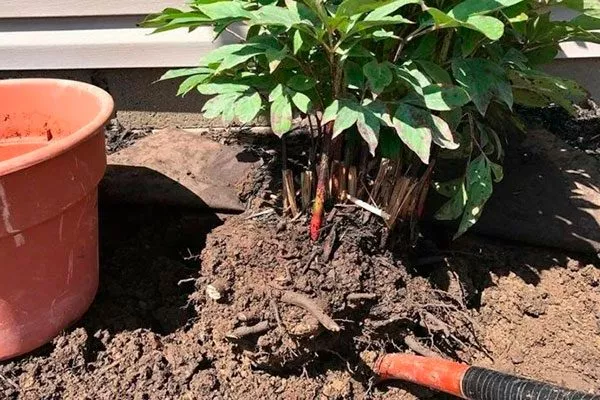
- When choosing seedlings, pay attention to the presence of renewal buds, a developed root system and shoots no more than 25 cm long.
- Prepare a 60x60 cm hole a month before planting, place a drainage layer on the bottom and fill the hole with a nutrient mixture of humus, peat, sand and garden soil (in equal parts), add 250 g of superphosphate.
- Place the seedling in the center of the hole, spreading the roots, leaving the buds 2-3 cm below the soil level. Firm the soil around the seedling and water.
- Leave 80-100 cm between plants. Mulch the soil to retain moisture. Hay, compost, peat, leaf litter, or sawdust can be used as mulch.
Avoid placing it next to tall shrubs and trees to avoid damaging its growth.
Care instructions
Proper care for your plant involves regular maintenance. This plays a key role in ensuring the health and longevity of your flowers. Follow these basic care procedures:
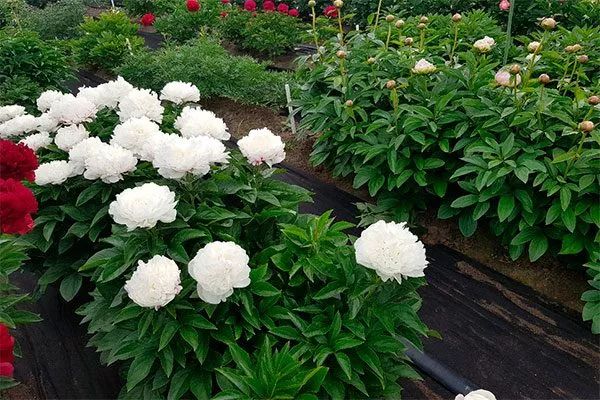
- WateringRegular watering is necessary to maintain soil moisture, although the plant is quite drought-tolerant. Moisten the soil individually for each plant, using 20-30 liters of water per plant.
- Top dressingDuring the first year of life, use only foliar feeding. In subsequent years, use a full range of fertilizers. Fertilize three times per season.
- VentilationPlants need fresh air, so limit contact with trees, buildings, or other crops. This will help ensure good air circulation.
By following these simple care rules, you can ensure healthy growth and beautiful flowering of your peonies.
Preparing for winter
It has high frost resistance, but certain measures are required for successful overwintering. Follow these recommendations:
- Before winter, fertilize the soil to provide plants with beneficial minerals. This will help them better survive the winter.
- Ensure soil moisture before winter. Well-moistened soil will help your plants survive the cold months better.
Methods of reproduction
Increasing the number of seedlings for planting in your garden is very easy. There are several popular propagation methods:
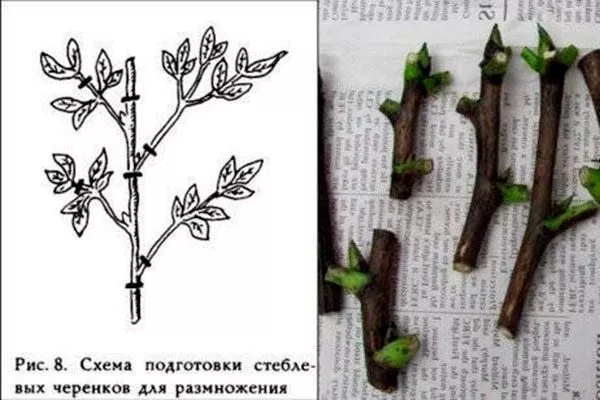
- Cuttings. Select a healthy, strong shoot from the mother plant, preferably near its base. Make sure the selected shoot shows no signs of disease or damage. Cut the cutting 10-15 cm long; it should have several nodes (buds).
Remove the lower leaves from the cutting, leaving only the upper ones. Treat the lower end with a growth stimulant to promote root formation. Place the prepared cutting in a pot or container with light, fertile soil for rooting.
Cover the container with the cutting with plastic film or glass to create a greenhouse effect and ensure optimal rooting conditions. Check the soil regularly for moisture – it shouldn't be overwatered.

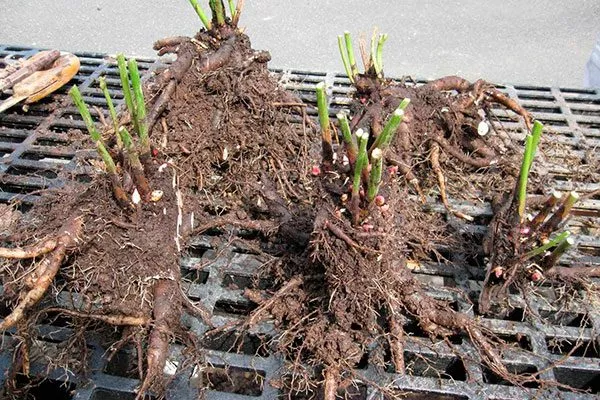
- Division. The best time for this procedure is early spring or late fall, when the plant is dormant. During this period, the roots are less likely to be damaged, which facilitates a successful transplant.
Water the bush thoroughly to keep the soil moist, then carefully clear the root system of dirt and plant debris. Divide the plant into several sections. Each section should have at least one healthy shoot and several roots. Plant them in separate holes.
After planting, water the cuttings generously to establish contact between the roots and the surrounding soil. Continue caring for the new plants as you would for mature specimens. Provide them with adequate moisture and light, and protect them from weeds.
Each of these methods has its own characteristics and advantages, and the choice depends on personal preferences and specific conditions.
Pest and disease control
Breeders have developed a hybrid resistant to diseases and pests, but in rare cases, infection is possible, which can lead to root rot. Ants, aphids, and bronze beetles can cause damage and spoil the appearance. They can be controlled with insecticides such as Fufanon, Karbofos, and Fitoverm.
The most common diseases include rust and gray mold, which quickly spread to neighboring flowers. To eliminate the disease, prune the affected areas and isolate them from the rest of the flowerbed. Treat the seedlings with the following products: Horus, Skor, and Revus.
Application in landscape design
It is a preferred choice for landscape designers due to its ability to create beautiful compositions. Ways to use it in landscape design:
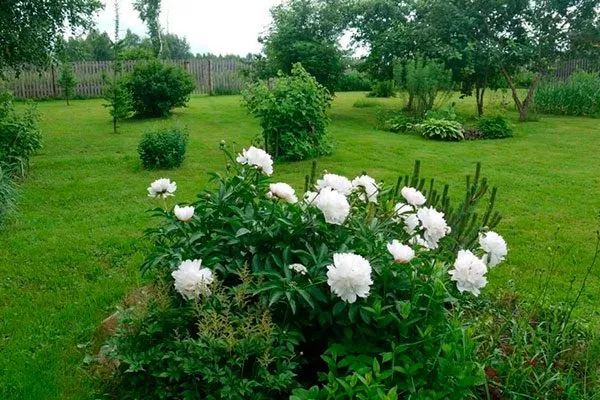
- The snow-white flower looks beautiful in single plantings.
- Plant the crop on a patio or terrace.
- Medium-sized bushes are planted along the paths on the site.
- It looks impressive against the backdrop of low-growing conifers and a green lawn.
- Add variety and bright colors to the composition using varieties with raspberry and burgundy inflorescences.
- Good neighbors can be lupines, magnificent geraniums, delphiniums, irises and hostas.
- A white flower can serve as a central accent in a park or city square.
Gardeners' reviews of the Elsa Sass peony
The Elsa Sass peony is a variety that has been popular worldwide for over a century, including among gardeners in our country. It is chosen for growing in gardens to create beautiful arrangements. It is low-maintenance, but requires some attention to ensure lush blooms.