
Lush and long-lasting peony blooms are the result not only of successful planting but also of proper care. One of the key components is regular fertilizing, which maintains the plant's vigor throughout the season. Each season has its own challenges and specific fertilizing requirements.

Types of fertilizers for peonies by composition
Lush blooms of peonies depend directly on proper care and adequate nutrition. During the period of bud formation, plants especially need additional nutrients. Only proper application will bring benefits and ensure healthy growth.
Organic fertilizers
Natural fertilizers form a special group. They include decomposed plant and food residues, rotted manure, and litter.
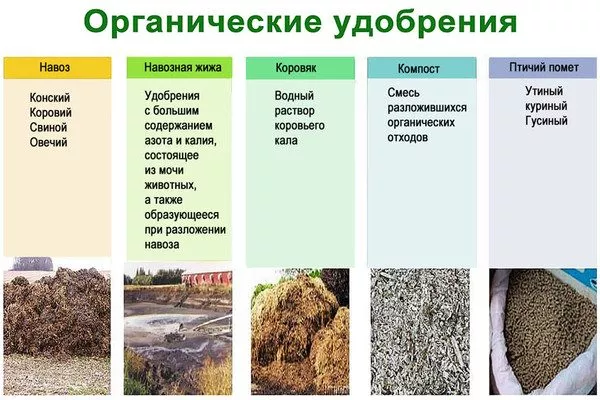
Key Features:
- These materials are a valuable source of plant nutrients and are completely environmentally friendly, a fact valued by organic farming advocates. However, precise dosing of organic fertilizers is difficult, and preparation for use can be complex.
- Fresh manure and litter can be harmful to plants, causing burns and root death. Therefore, they are used only after they have been thoroughly rotted or as an infusion. Plant waste, straw, and food scraps also require rot to produce compost, a valuable fertilizer.
Organic fertilizers include:
- silt;
- bone meal;
- peat;
- ash;
- sapropel and other additives.
Mineral fertilizers
A wide range of mineral fertilizers, produced through the artificial synthesis of chemical compounds, are available on the market. While they are safe in recommended doses, exceeding these limits can cause harm.
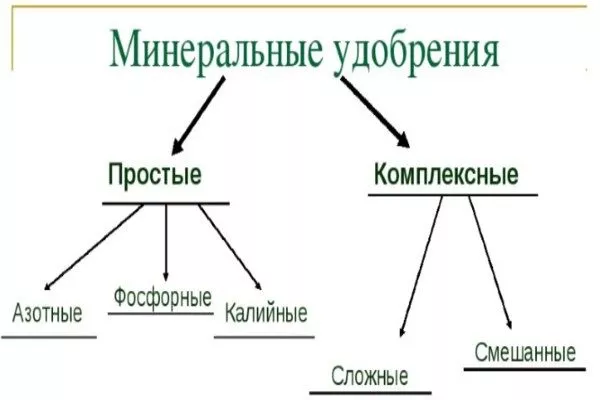
Nutritional features:
- Among mineral fertilizers, mono-fertilizers contain only one active ingredient, such as urea. The advantage of such preparations is their targeted application, allowing the plant to receive precisely the element it needs.
- Plants often require several nutrients simultaneously. In such cases, complex fertilizers are used, which vary in composition and include various macro- and microelements in specific proportions.
Although it is possible to prepare a mixture of mono-fertilizers yourself, it is preferable to use ready-made complex compositions.
Flaws:
- If used incorrectly, there is a risk of oversaturating the soil with minerals, which can lead to a disruption of the salt balance;
- Changes in soil properties negatively affect the ability of plants to absorb nutrients, causing disease, slow growth, and even death.
Organomineral
To create effective fertilizers, an organic base is often used, in particular, humic substances, enhanced by the addition of nitrogen, phosphorus and potassium.
In some cases, natural materials rich in humic acids, such as peat, are further enriched with nutrients. The result is a granular organic fertilizer that surpasses conventional fertilizers in its concentration of nitrogen, phosphorus, and potassium.
Differences in fertilizing tree and herbaceous peonies
The differences in fertilizing tree and herbaceous peonies lie in the timing and proportions of nutrients.
Let's take a closer look:

- Herbaceous peonies Fertilize in the fall to prepare the bush for winter and stimulate the formation of new buds. Phosphorus-potassium fertilizers are used, but in smaller proportions than for tree-like plants.
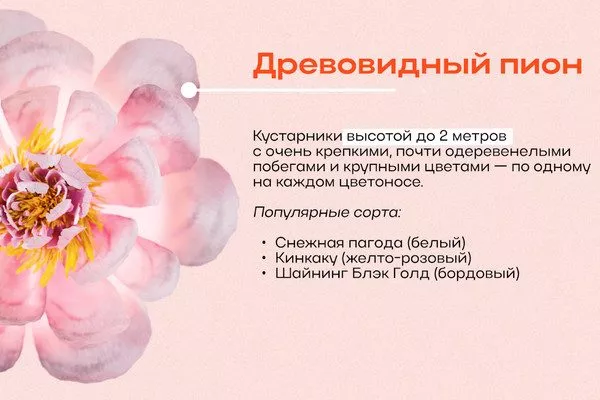
- Tree peonies Fertilize for 1-2 weeks after flowering, using phosphorus-potassium fertilizers in higher proportions than for herbaceous varieties. In August, reduce watering and stop fertilizing to prevent shoots from growing before winter.
Varieties by application method
There are fertilizers that are applied directly to the soil to ensure nutrient absorption through the roots, while others are applied as foliar sprays—these act more quickly and are especially useful for acute micronutrient deficiencies. It's important to thoroughly study their basic properties.
Foliar feeding of peonies
While such fertilizers are beneficial for plants, they do not replace adequate nutrition through the roots. It is important to apply foliar feeding correctly to avoid leaf burn.
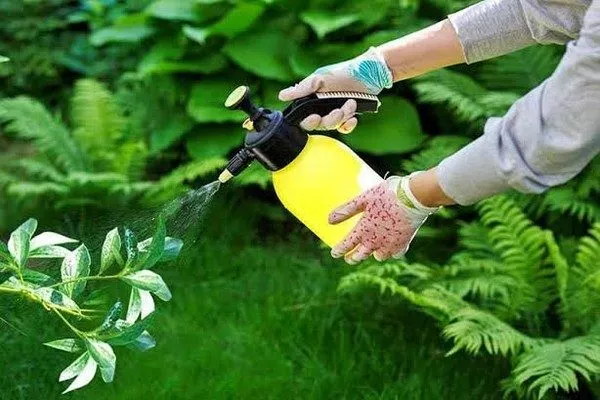
Follow these recommendations:
- Prepare the spray solution strictly following the instructions, but it is better to make the concentration slightly weaker than indicated.
- Foliar feeding is accomplished by evenly spraying the entire above-ground portion of the plant to ensure rapid nutrient absorption. A sprayer is the best tool for this purpose.
There are several types of sprayers, from simple atomizers to pump-operated and battery-powered models. The former are the most convenient to use.
Choose the sprayer's capacity based on the task at hand: a 2-liter sprayer is suitable for a small number of plants, while a 10-liter backpack sprayer is ideal for treating a large garden. They're very easy to use: simply pour the solution, turn on the sprayer, and spray the plants. - Foliar feed peonies 1-2 times per season, starting when buds appear. The best time to apply is on cloudy days, in the evening, or early morning, when the sun is not active. On a hot, sunny day, applying foliar feed can cause leaf burn.
- To spray peonies, you can use a solution of Plantafol 10-54-10 (to stimulate flowering) when the first buds appear, as well as a mixture of a chelate complex (for example, Aquamix) to combat chlorosis and provide plants with the necessary microelements.
Root feeding of peonies
If slow-release fertilizer was added to the planting hole during cultivation, the crop does not require additional feeding during planting or even the following year. However, if the plant's appearance indicates nutrient deficiencies, such as chlorosis or stunted growth, apply additional fertilizer.
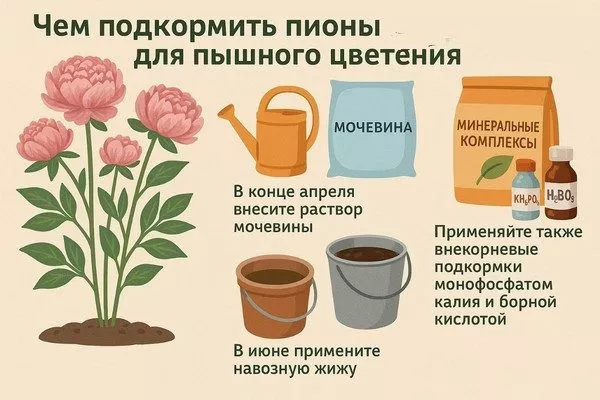
Follow the pattern:
- at the beginning of the growing season – nitrogen fertilizers;
- during the period of bud formation – a mixture of phosphorus, potassium and nitrogen;
- during flowering – phosphorus-potassium substances;
- two weeks after the end of flowering - phosphorus-potassium solutions for shoot maturation and preparation for winter.
Solutions for feeding peonies
Most mineral fertilizers that dissolve in water are highly soluble. To speed up this process, it is recommended to use warm water, as it promotes faster and more complete dissolution of the nutrient granules.
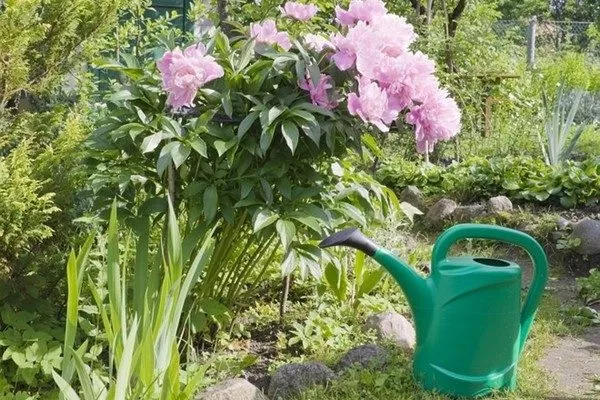
However, some complex fertilizers, such as diammophoska, azofoska, and nitrophoska, have reduced solubility. Therefore, to prepare them for use, it is recommended:
- initially dissolve them in a small amount of hot water (0.5 to 1 l);
- then bring the solution to the required concentration by adding water to a total volume of 10 liters.
Dry fertilizers for feeding peonies
In such situations, it's critical to strictly adhere to the manufacturer's dosage instructions and follow all instructions carefully. Here are a few steps to follow:
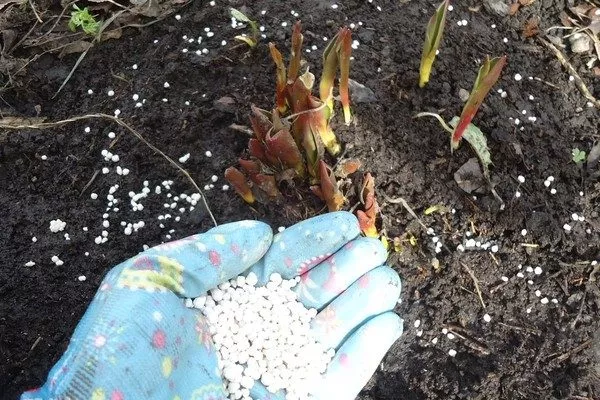
- Carefully loosen the soil around the plant.
- Apply granular fertilizer. Gently work the granules into the soil.
- Moisten the soil around the bush thoroughly.
Seasonal fertilizing schedules for abundant flowering
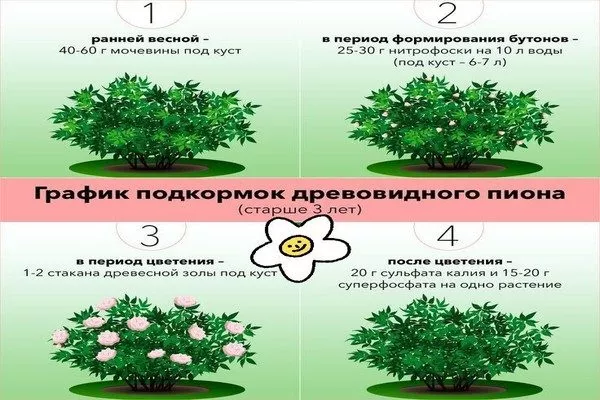
To ensure peonies delight you with abundant blooms every year, it's important to follow a seasonal fertilizing system. Each growing season requires its own approach, aimed at supporting growth, bud development, and post-bloom recovery.
Early spring
After emerging from winter dormancy, peonies urgently need nitrogen to stimulate growth and potassium to form future buds. Here are several ways to feed peonies during this period:
- Mineral fertilizers. Use the fertilizer in either liquid or dry form, depending on your preferences.
For liquid feeding: dissolve 20 g of ammonium nitrate in 10 liters of water and water the pre-moistened peonies at the roots. This amount is sufficient for one bush.
For dry fertilizer: sprinkle 20 g of urea (carbamide) and 10 g of potassium sulfate around each plant. Work the fertilizer into the soil by lightly loosening the soil. Then water the plant thoroughly.
- Organic fertilizers. Nitrogen-rich manure is excellent for the first feeding of peonies. Dilute 1 kg of rotted cow or horse manure in 5 liters of water. Let the mixture sit in a warm place for about a week, stirring regularly.
Dilute the prepared concentrate with water at a ratio of 1:10. Pour about 2 liters of the resulting liquid under each bush, moistening the soil first. - Folk recipes. One option is a mullein-based infusion. To prepare it, mix one part mullein with five parts water. Let the mixture sit in the sun for a week. Before applying, dilute the concentrate with water at a ratio of 1:10. Pour approximately 2 liters of the resulting solution under each peony bush.
Another popular method is using yeast. Dissolve 100 g each of sugar and dry yeast in 500 ml of warm water. Mix thoroughly and let sit in a warm place for two hours. Then strain the solution and dilute it with water, using half the resulting yeast concentrate per 10 liters of water.
At the beginning of budding
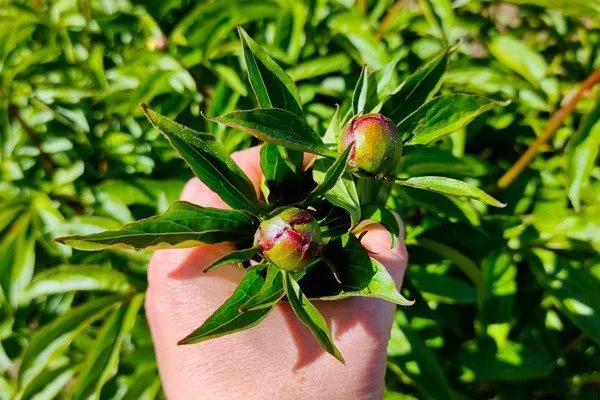
Peonies require phosphorus and potassium to form large, healthy buds. You can fertilize them in a variety of ways: by adding mineral fertilizers directly to the soil (in dry form), by watering with a liquid solution, or by spraying the leaves.
Basic feeding during this period:
- Mineral fertilizers. Spread 20 g of superphosphate, 15 g of potassium sulfate, and 5-10 g of urea around each peony bush. Gently work the fertilizer into the soil with a small tool and water thoroughly.
Use a complex fertilizer with equal amounts of nitrogen, phosphorus, and potassium (e.g., 16:16:16 or 18:18:18). Dissolve 20 g of fertilizer in 10 liters of water and water the pre-moistened peonies (about 2 liters per bush).
It is also acceptable to spray the leaves with the solution using a spray bottle early in the morning or in the evening to avoid sunburn. - Organic fertilizers. Use wood ash, which is rich in potassium, especially during bud formation. To prepare the solution, add 100 g of ash to 3 liters of hot water, mix thoroughly, and let it sit for at least 24 hours in a warm place. Dilute with clean water to make 10 liters. Pour approximately 2-3 liters under the bush.
An infusion of mullein enriched with ash is equally nourishing for peonies. To prepare the solution, dilute the mullein in water to make 10 liters. Add 1 liter of wood ash and let it steep for an hour. Use 2 liters per plant. - Folk remedies. Bread fertilization using yeast is considered one of the most effective. Cut half a loaf of yeast bread into small pieces. Add a little sugar and pour in 5 liters of warm water.
After several hours of infusion, knead the softened bread by hand and use the resulting mixture, without straining, to water the peony bushes.
During flowering
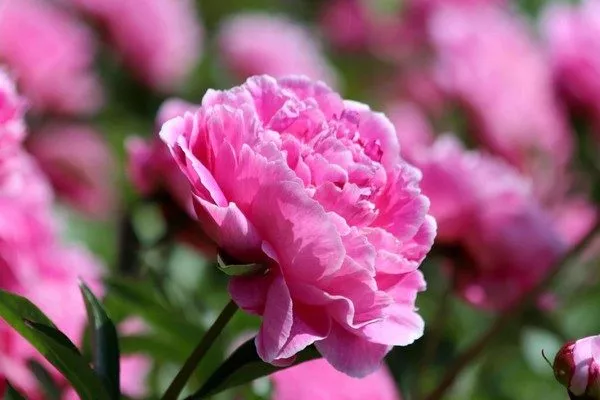
As buds begin to form, feed the plants with phosphorus and potassium fertilizers to stimulate and prolong flowering. Eliminate nitrogen fertilizers or minimize their use to prevent the plant from devoting energy to foliage growth.
Use substances such as:
- Mineral fertilizers. Evenly distribute 10-15 g of potassium sulfate and 15-20 g of superphosphate around each peony. Carefully hoe the fertilizer into the soil and water the plants thoroughly.
Alternatively, mix 20 g each of potassium monophosphate and potassium sulfate in 10 liters of water. Spray the bushes with the resulting solution in the morning or evening, making sure to treat both the tops and bottoms of the leaves for optimal nutrient absorption. - Organic fertilizers. You can reuse the ash solution used for the previous feeding. 2-3 liters of the solution, poured under the roots, is sufficient for one plant.
Alternatively, apply foliar feeding: dissolve 5 g of boric acid in 1 liter of hot water, then add clean water to bring the total volume to 10 liters. Spray the flowers early in the morning or in the evening after the sun has set. - Home recipes. Use boric acid. Dissolve 5 g of boric acid in 1 liter of hot water, then bring the total volume of the solution to 10 liters. Apply this solution to the plant leaves immediately before flowering.
Prepare eggshell fertilizer. One option: crush 10 dried eggshells and add 1 liter of warm water. After a couple of weeks, the infusion will develop a characteristic pungent odor—this indicates the fertilizer is ready. Dilute the resulting concentrate in 10 liters of water and water the soil around the bushes before flowering.
After flowering
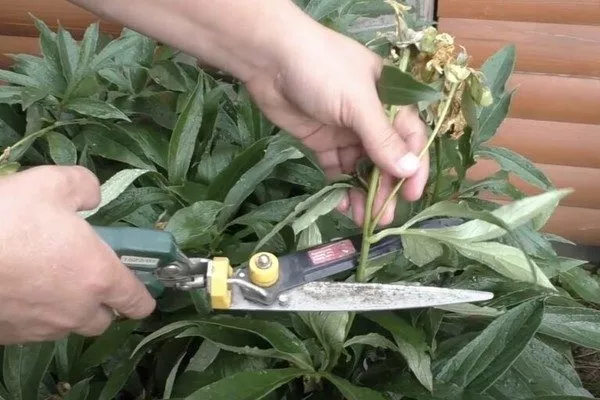
During this period, peonies require restoration and fertilization to promote the formation of future flower buds. The following fertilizers are suitable for this purpose:
- Mineral. Use one of the following methods. Sprinkle 20 g of superphosphate and 5 g of potassium sulfate around each bush. Gently loosen the soil and water thoroughly. Dissolve 20 g of monopotassium phosphate in 10 liters of water and spray the peony leaves with this solution, preferably in the morning or evening.
- Organic. Use a rotted manure infusion: dissolve 1 kg of fertilizer in 5 liters of warm water and let it steep for about a week. Then dilute the resulting concentrate with water at a ratio of 1:10 and water the peonies at the roots, using 2 liters of the solution per bush. Pre-moisten the soil with clean water.
Helpful Tips
Before planting peonies, enrich the soil with organic matter, such as compost or humus. This will ensure good drainage and nourishment for the young plants.
Follow these other tips too:
- As soon as the first shoots appear, feed the peonies with a nitrogen fertilizer. This will stimulate vigorous foliage growth and the formation of strong stems.
- During the bud formation phase, use a fertilizer high in phosphorus and potassium. Phosphorus promotes abundant flowering, while potassium strengthens plants and increases their resistance to disease.
- After the peonies have finished blooming, apply a fertilizer high in potassium. This will help the plants accumulate nutrients for wintering and the formation of flower buds for next year.
- To simplify the fertilizing process, you can use complex mineral fertilizers specially formulated for peonies. Follow the instructions on the package to avoid overdosing.
- Don't forget to add organic fertilizers. They improve soil structure and provide plants with essential micronutrients.
- Spray your peonies periodically with a micronutrient solution. This is especially helpful during periods of stress, such as after replanting or during drought.
- Excessive fertilization can lead to overgrown foliage, detrimental to flowering, or even root burn. Use in moderation and adhere to the recommended dosages.
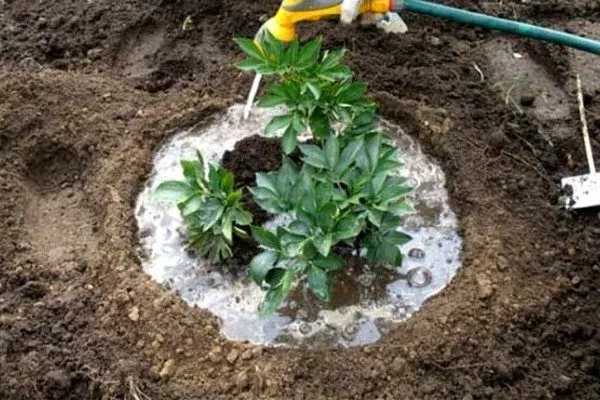
- After applying fertilizer, water the plant thoroughly. This will help the nutrients dissolve more quickly and reach the roots.
- After fertilizing, mulch the soil around the peonies with organic material such as straw or peat. Mulch will help retain moisture, suppress weed growth, and gradually enrich the soil with nutrients.
Feeding peonies is a simple yet crucial part of plant care. A properly formulated fertilizer regimen helps the bushes grow vigorously, form large buds, and recover after flowering. Regular feeding strengthens the plant's immune system and prolongs its decorative appearance.