
Providing pelargonium with the necessary nutrients year-round is the key to its health and abundant flowering. By following the suggested fertilizing schedules and taking into account the plant's seasonal needs, you can create optimal conditions for growth and development. Proper care and attention to detail will help the plant become an attractive flowering ornament.
Why doesn't the pelargonium bloom?
Pelargonium is one of the most popular plants for both indoor cultivation and garden flowerbeds. It is prized for its low maintenance, drought tolerance, long flowering period, and rich variety of varieties and colors.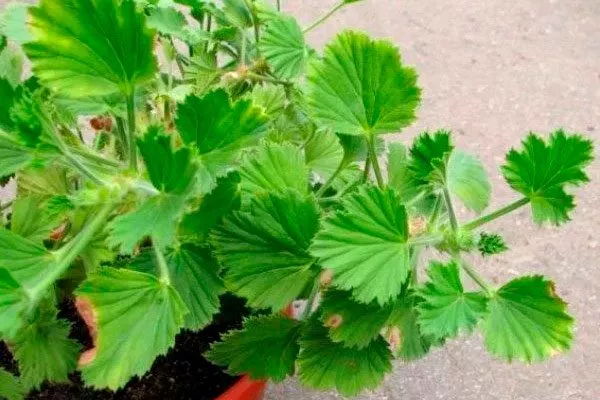
But even such a hardy flower can encounter difficulties—most often, the plant refuses to bloom. If this happens, the right fertilizer can restore its decorative beauty.
Common reasons for lack of flowering:
- Lack of light. This sun-loving plant does not respond well to shade. If light levels are insufficient, especially during winter, supplemental lighting is necessary.
- Soil depletion. If a plant grows in the same pot for too long, the soil's nutrients become depleted. Without regular feeding, the plant grows poorly and fails to bloom.
- Post-transplant stress. Repotting the plant into a new container often results in bud drop. To support the plant, spray the leaves with a solution of Epin or Zircon, and water the roots with Kornevin.
- Aging of the bush. As pelargoniums age, they need rejuvenation. Prune the old plant almost to the ground, root the shoots, and feed the remaining roots with potassium monophosphate, calcium nitrate, and a complex mineral fertilizer, such as Plantafol 20-20-20.
- The pot is too spacious. Until the plant's roots have completely encased the soil, flowering will not occur. Choose a pot that is appropriate for the size of the root system.
What substances are needed for long and abundant flowering?
Pelargoniums especially need nutrients during flowering. This period coincides with active growth, when the plant not only produces flower stalks but also grows foliage. However, it's important to maintain a balance: too much nitrogen, which is responsible for leaf and shoot growth, can impair flowering.
When overfed with nitrogen, the plant produces vigorous, lush bushes with bright green foliage, but rarely blooms. To ensure the plant produces buds, other elements are needed:
- potassium;
- phosphorus;
- boron;
- zinc;
- iron;
- manganese.
These substances stimulate the formation of flower buds, prolong the flowering period and improve the overall condition of the plant.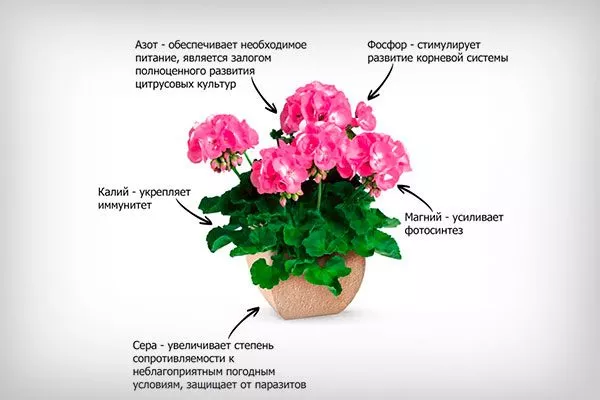
Helpful tips:
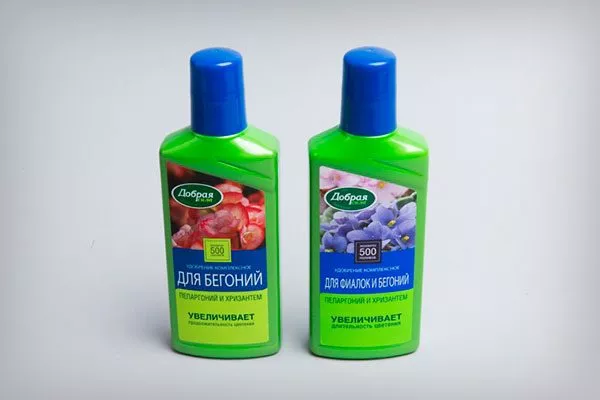
- One good option is the liquid fertilizer "Dobraya Sila" for ornamental flowering plants. In addition to essential elements, it contains humates, succinic acid, and B vitamins.

It nourishes roots, strengthens immunity, and improves soil quality. Prepare a fertilizing solution at a rate of 10 ml per 1 liter of water. Apply it once every 7-10 days, starting in March and ending in October. - A vigorously blooming pelargonium expends a lot of resources. New flower stalks quickly replace one another, sometimes continuing throughout the entire season. If nutrition is deficient, the buds become smaller, the number of flowers decreases, and the flowering period itself is shortened.
- Before applying fertilizer, it's recommended to pre-water the plant 3-6 hours (or 24 hours if the soil dries slowly). This helps the nutrients distribute evenly throughout the soil and be more easily absorbed by the roots.
For pelargoniums to bloom profusely and for a long time, balanced fertilizers containing potassium, phosphorus, and trace elements are essential. Regular but well-administered fertilizing will help maintain the plant's health and achieve impressive results—lush, long-lasting blooms without harming the plant.
Types of fertilizers
Nutrients can be applied in various forms, from mineral granules to liquid organic solutions. Below are the main types of fertilizers suitable for indoor pelargoniums.
What to feed for flowering: effective mineral fertilizers
Phosphorus and potassium are the key elements responsible for bud formation and prolonged flowering in plants. This is why mineral fertilizers high in these substances are often called "flowering accelerators" or "budding stimulators."
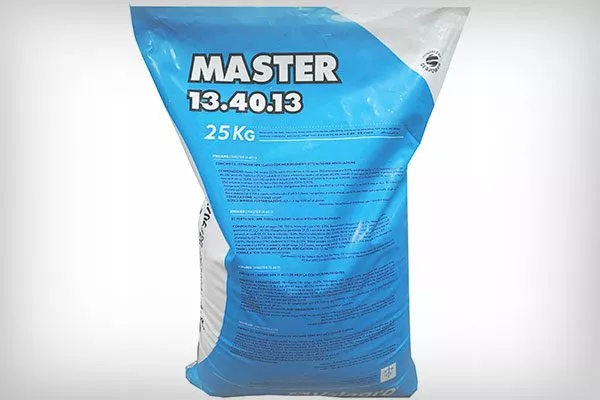
Fertilizers with increased phosphorus and potassium content:
- Master 13-40-13;
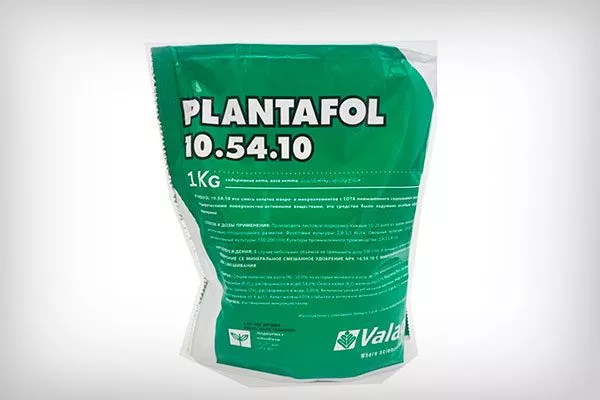
- Plantafol 10-54-10;
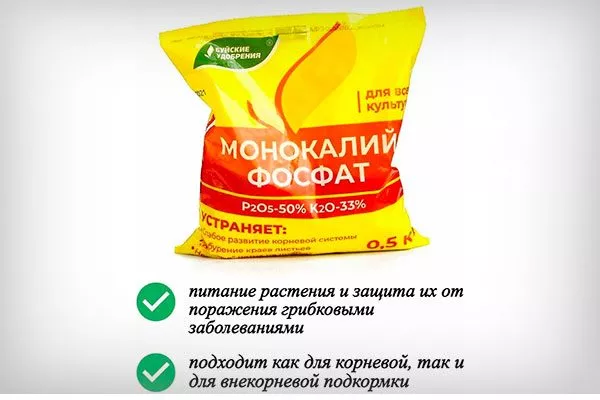
- Potassium monophosphate;
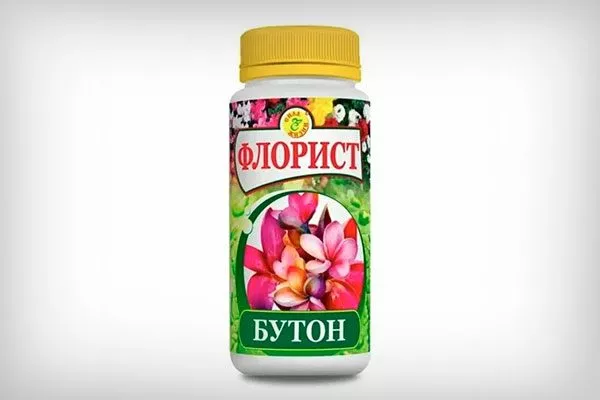
- Florist Bud;
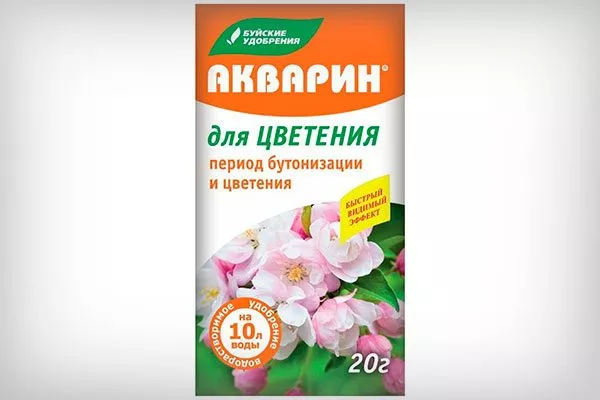
- Aquarin for flowering.
Complex mineral compositions for flowering plants:
- Bona Forte for flowering plants;
- Bona Forte for petunias.
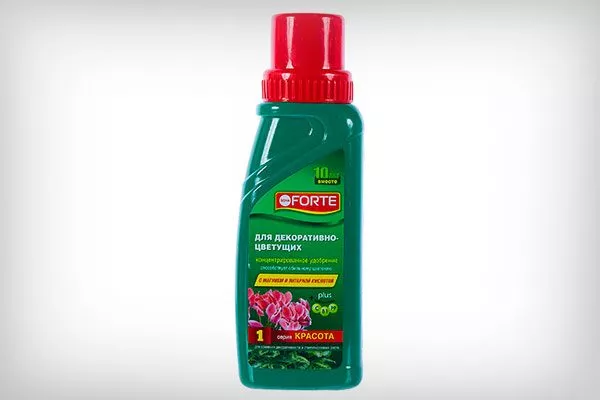
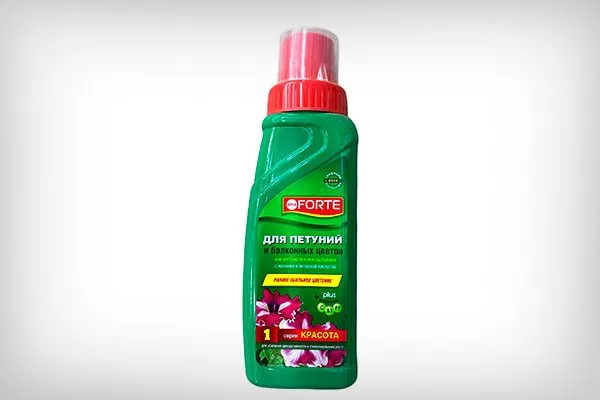
These preparations are suitable for regular fertilizing of crops and help stimulate the formation of new buds, enhance flower color and prolong the flowering period.
Organic fertilizer at home
Pelargoniums can be successfully fed with organic fertilizers, especially if you prefer natural care. Here's a list of safe and effective organic fertilizers for this plant:
- Infusion of mullein or horse manure. Dilute in a ratio of 1:10 (1 part manure to 10 parts water), let it sit for 2-3 days.
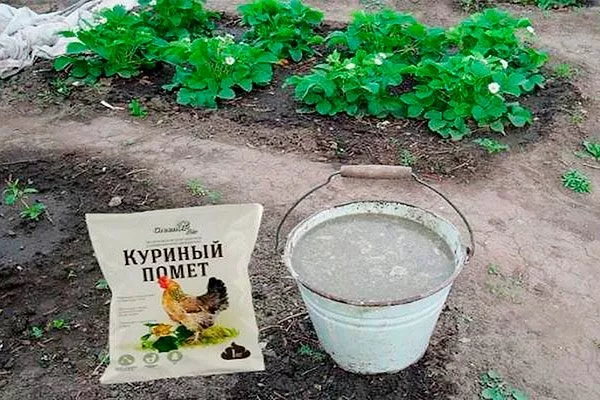
Suitable for feeding during the active growth period. Do not use more than once every two weeks. - Chicken manure (diluted). A powerful fertilizer – use with caution. Dilute 1:15 and leave for 3-5 days.
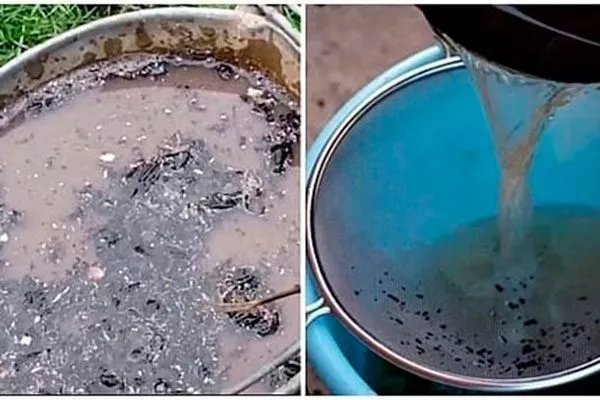
Suitable for feeding in spring and summer, no more than once every 3 weeks. - Ash infusion. Pour 200 g of wood ash into 2 liters of hot water, wait 24 hours, then strain.
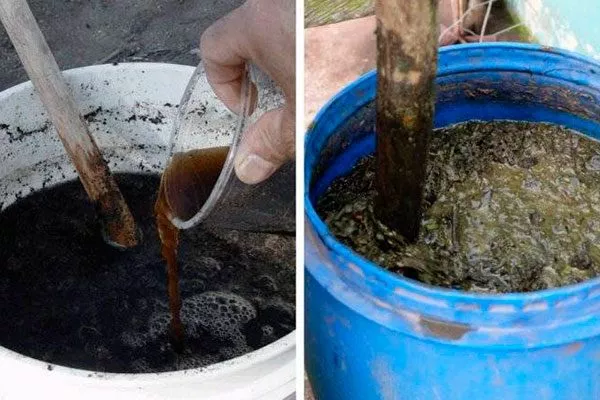
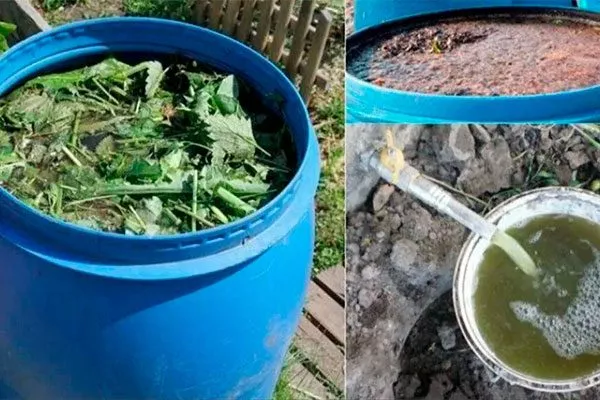
The infusion is rich in potassium, calcium, and microelements, promoting flowering. Use once every 10-14 days. - Herbal infusion (green fertilizer). Soak chopped weeds (nettle, plantain, goutweed, etc.) in water and let it ferment for 5-7 days. Dilute 1:10 and water the pelargonium. This is a general tonic fertilizer suitable for mid-summer.
Folk remedies
Natural fertilizers are valued by gardeners for their affordability, safety, and effectiveness. Many of them require no additional expense and, when used correctly, help plants grow healthy and bloom profusely.
Popular folk remedies:
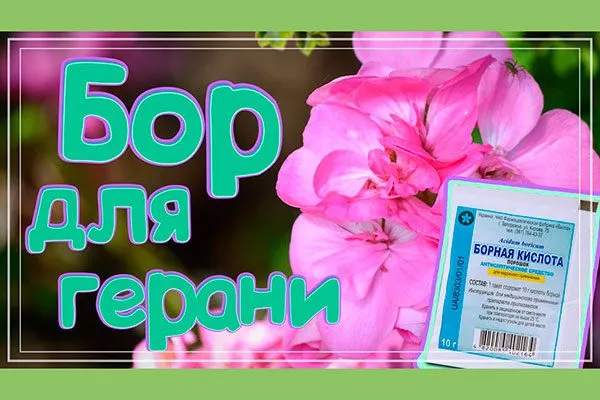
- Boric acid. Stimulates bud formation and enhances flowering. Preparation: Add 0.2 g of the product to 1 liter of warm water, stirring thoroughly until completely dissolved.
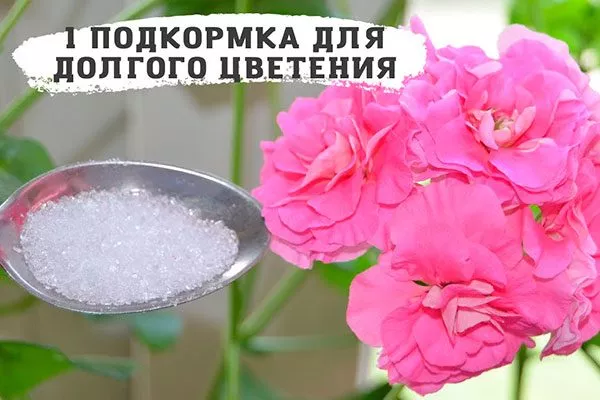
Before planting, thoroughly moisten the plants with clean water, then apply the fertilizer solution (no more than 50-70 ml per plant). Apply the fertilizer once a month. - Sugar. It's a source of glucose, essential for metabolic processes. However, too much sugar can lead to soil acidification and the appearance of pests (such as ants). Directions: Dissolve 1 teaspoon of sugar in 1 liter of water and pour it under the plant's roots.
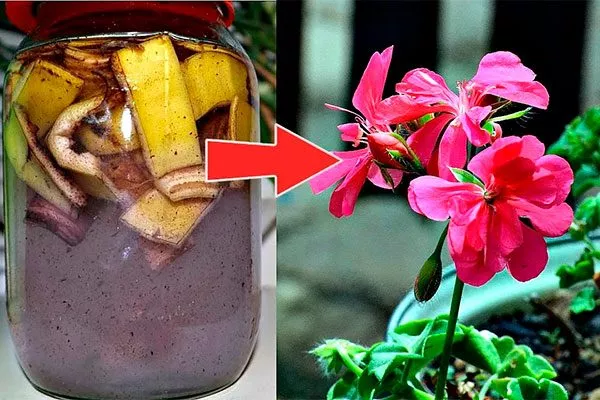
Use no more than 2-3 times a month. - Banana peel. A natural source of potassium and magnesium. Chop the peels of 2-3 bananas, add 1 liter of warm water, and leave in a dark place for 1-2 days. Then strain the infusion, dilute 1:20, and use for watering. The fertilizer can be applied every 10-14 days.
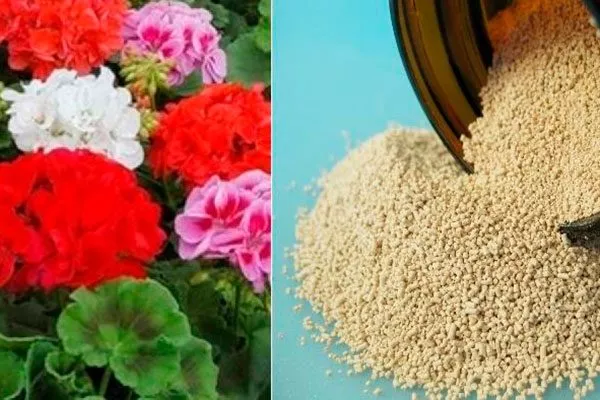
- Yeast. They stimulate growth and increase the activity of soil microflora. Dissolve 10 g of yeast in 1 liter of warm water, add 1 tablespoon of sugar, and let it steep for 2-3 hours. Then add another 2 liters of water. Water the plant with the resulting solution 1-2 times a month.
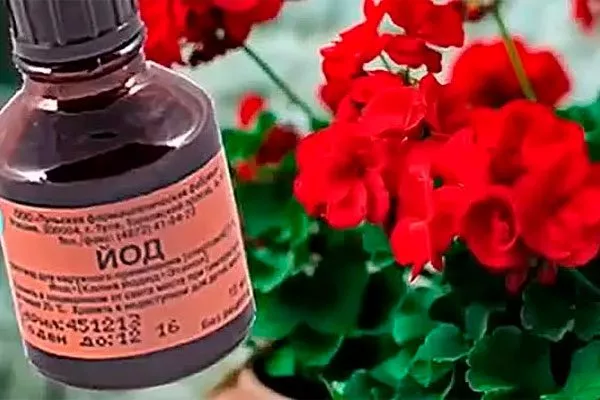
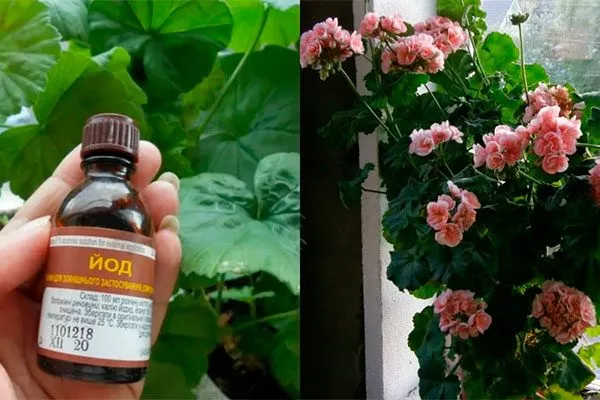
- Iodine. Often used as a disease preventative. Dissolve 1 drop of pharmacy iodine in 1 liter of water. It's important not to exceed the recommended dosage: water strictly at the roots—no more than 30 ml per plant. Apply fertilizer no more than once a month.
- Hydrogen peroxide. Improves oxygen exchange and helps prevent root rot. Use 3% hydrogen peroxide, diluting 1 teaspoon per 0.5 liters of water. Fertilize the plant at the roots every 5 days.
Feeding according to the season
To ensure effective pelargonium nutrition, it's important to consider the plant's seasonal needs. Different nutrients are required at different times of the year, which means different fertilizer formulations are needed, and the frequency and dosage of application vary.
Fertilizing schemes for geraniums for winter flowering
Don't fertilize the plant in winter—even in southern regions where winters are mild and snow is rare. In colder zones, the plant is usually covered, and rightly so: it's dormant during this period.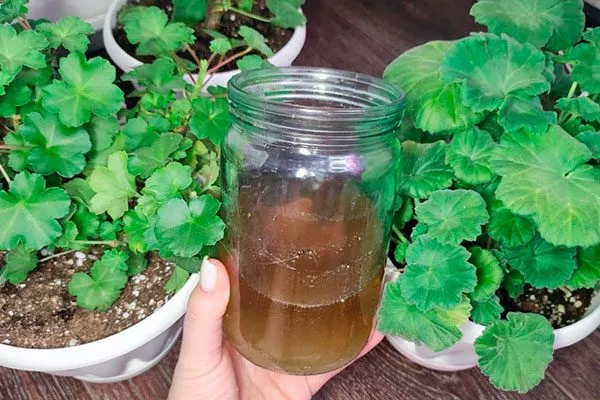
Fertilizing during the winter months is only relevant for indoor pelargoniums, towards the end of the season, in February, when the plant begins to awaken and prepare for spring. The rest of the year, allow the plant to rest, limiting it to infrequent and moderate watering.
Autumn fertilizers
In autumn, pelargoniums continue to bloom in the garden, but less profusely – the plant is gradually preparing for a dormant period. During this time, fertilizing becomes less important. Autumn fertilizers should be applied only once or twice, with the primary focus being on maintaining the health of the plant.
Key Features:
- It is very important that the crop goes into winter without signs of disease or pest damage, so carry out preventative treatments in the fall.
- Regarding fertilizers, nitrogen-containing compounds should be completely avoided in the fall, as they stimulate growth that is no longer needed. Instead, focus on potassium, using, for example, potassium nitrate or potassium magnesium sulfate.
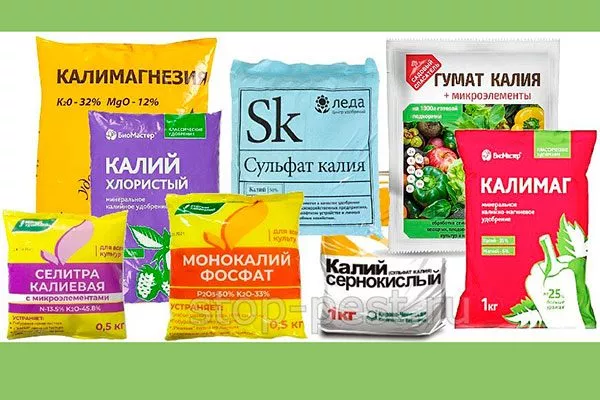
Potassium strengthens the plant's immunity and helps it successfully survive the winter.
Fertilizing pelargoniums in spring for flowering
In spring, after winter dormancy, pelargoniums are especially in need of support. To help the plant enter the active growth phase and begin forming buds more quickly, it's important to provide not only regular watering but also adequate nutrition.
Helpful tips:
- It is optimal to fertilize once every two weeks, using specialized fertilizers for flowering plants, which are easily found in gardening stores.
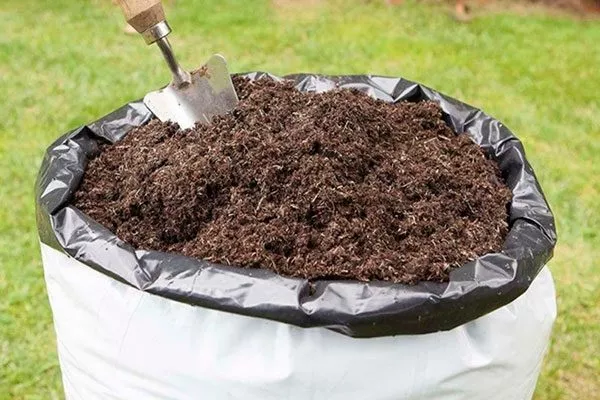
- In spring, it's also acceptable to use organic matter: a solution of bird droppings (1:20) or rotted manure (1:10) will work. You can also add humus or compost to the soil—they will improve the soil structure and enrich it with nutrients.
- Wood ash is a good addition, especially if added while tilling the soil. To prevent fungal diseases and gently stimulate growth, you can use dilute iodine or potassium permanganate solutions, both for watering and spraying.
- In spring, nitrogen-containing fertilizers are appropriate – this element stimulates the growth of green mass and promotes active shoot growth.
- Before fertilizing, tidy up the plant: trim away damaged and frozen shoots, remove old mulch, moisten and loosen the soil around the roots, and then renew the covering material. Only then apply the first fertilizer.
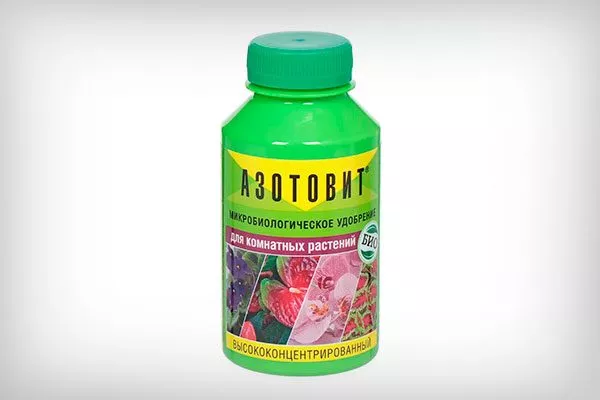
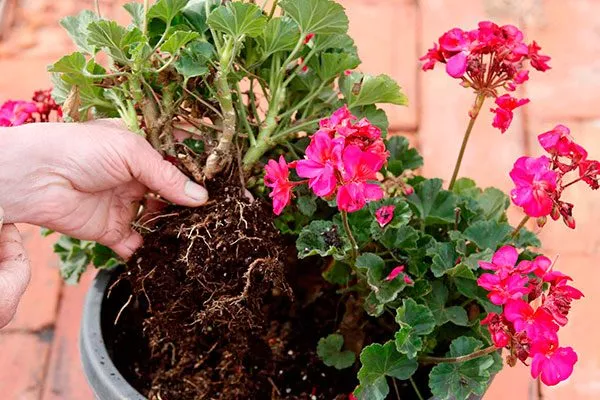
The timing of the first spring feeding depends on the climate:
- in the south – already at the beginning of April;
- in the central regions – in the first half of May;
- in cold zones – closer to the end of the month.
How to feed geraniums in summer?
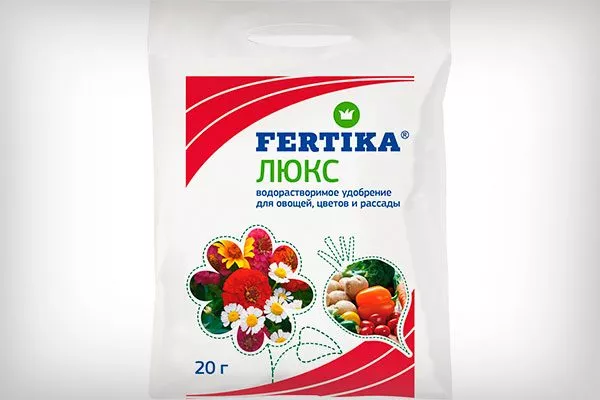
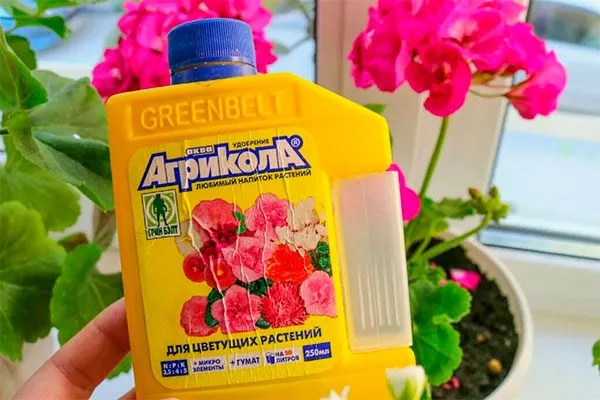
In summer, fertilize pelargoniums with phosphorus-rich fertilizers—they promote vigorous flowering. Popular options include:
- Fertika Lux;
- Agricola for blooming;
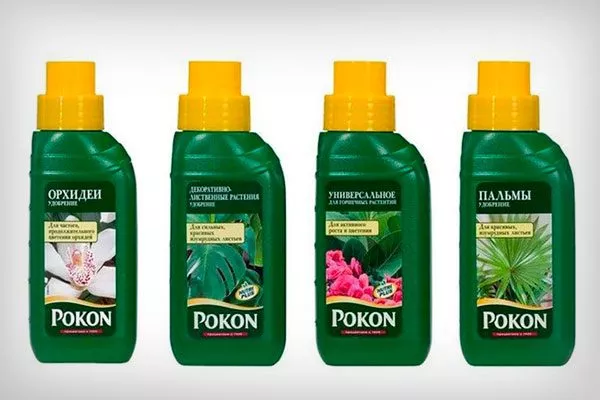
- Pokon for geranium and hydrangea;
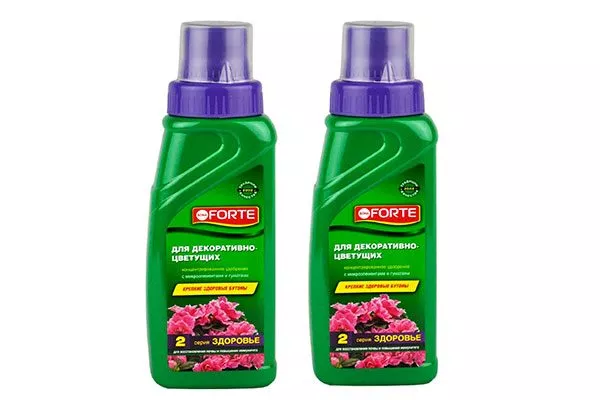
- Bona Forte for blooming;
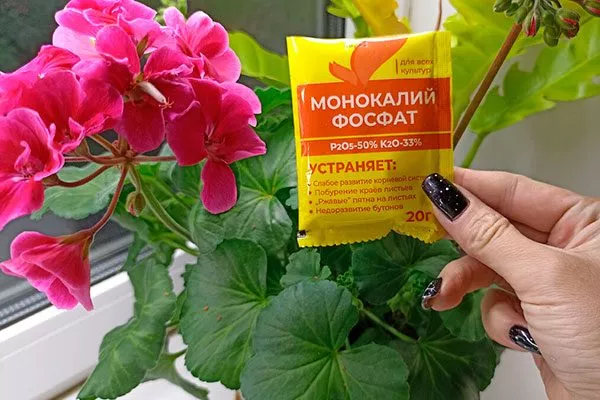
- monopotassium phosphate;
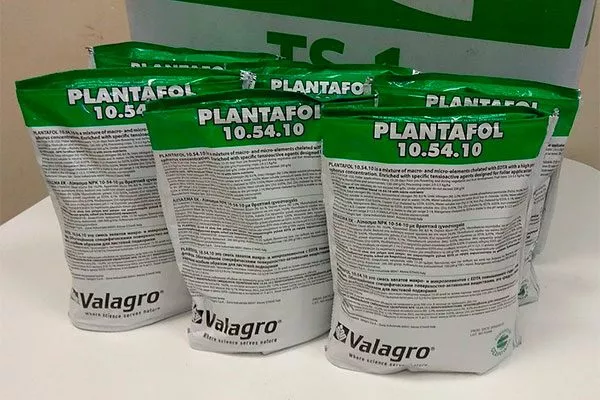
- Plantafol 10:54:10.
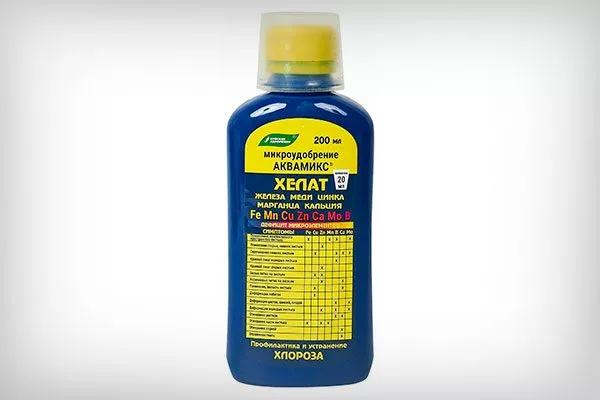
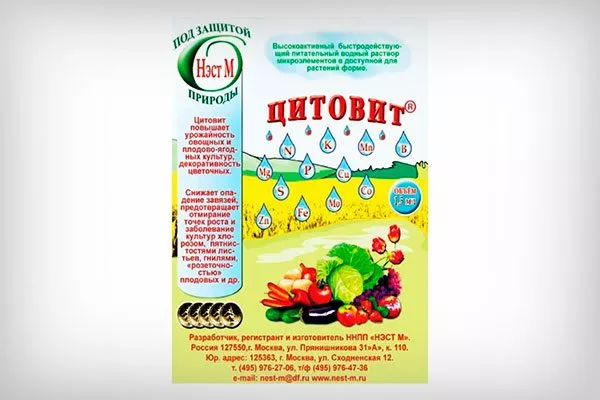
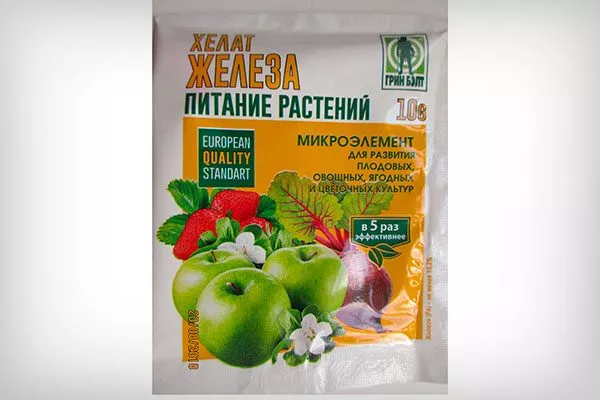
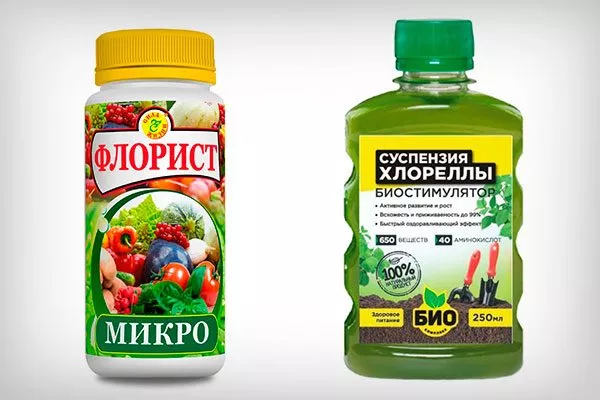
It's also important to remember about macronutrients and micronutrients to maintain plant health. For this, use chelates:
- Aquamix;
- Cytovit;
- zinc chelate;
- iron chelate.

Helpful tips
To ensure pelargoniums enjoy lush and long-lasting blooms, follow a few simple yet effective feeding guidelines. This approach will ensure healthy growth and abundant blooms.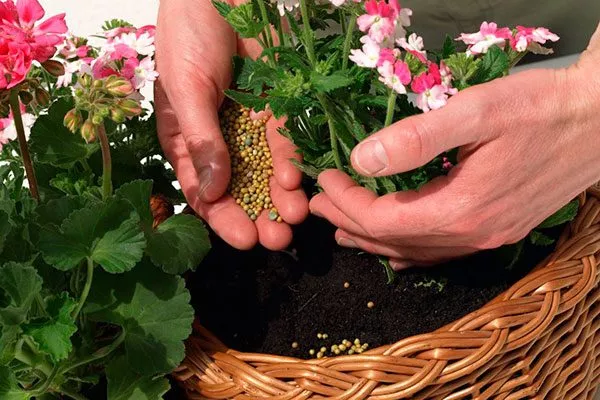
Key recommendations:
- Start feeding on time. Don't rush to fertilize immediately after repotting. Give the plant 2-3 weeks to adapt to its new location.
- Maintain regularity. During the active growth phase (spring-summer), fertilize pelargoniums regularly, every 2-3 weeks. During the dormant period (fall-winter), reduce fertilizing to once a month or stop altogether.
- Choose the right fertilizers. Use complex minerals formulated specifically for flowering plants. Pay attention to the composition: nitrogen (N), phosphorus (P), potassium (K).
- Control the dosage. Don't overfeed the plant. Excessive fertilizer can be harmful. Follow the package instructions carefully.
- Moisten the soil before fertilizing. This will help prevent root burns. Apply nutrients in liquid form.
- Remove faded buds and yellowed leaves. This stimulates the formation of new buds and prevents the spread of diseases.
- Inspect plants regularly. This way, you can spot signs of nutrient deficiencies or pest infestations early and take action.
Pelargonium is one of the most popular plants, prized for its low maintenance and vibrant appearance. But even this resilient plant requires regular feeding to maintain health and abundant flowering. It's important to choose the right fertilizer and develop a consistent feeding schedule throughout the year to ensure optimal conditions for bud formation.