
Pelargonium is a popular flower for home and landscape gardening, represented by dozens of species and hundreds of varieties. "Iris" is a separate line of indoor pelargoniums, featuring zonal, dwarf, rosebud, and other varieties bred between 2015 and 2020.
About Irida breeding
The creator of the Irida series of varieties is breeder Irina Koshcheyeva. A certified agronomist, she works at the Sverdlovsk Breeding Station, headed by leading breeder L. A. Kotov.
Every year, the station tests 300-500 seedlings, and only a few produce positive results. However, before pelargonium seedlings become cultivars, another two years of testing are required.
Pelargonium varieties from Iris
The Iris line includes several dozen pelargonium varieties. They differ from each other in flower color, bud shape, petal count, and more.
| Name | Flower type | Color | Year of entry into the register |
|---|---|---|---|
| FOR Luxury | Zonartic | Deep crimson | 2018 |
| FOR Watermelon Fresh | Zonartic | Delicate light with salmon speckles | 2020 |
| Cyclamen | Zonal | Pink-purple | 2017 |
| Mom's Roses | Rosebudnaya | Pinkish and salmon shades | 2021 |
| Blueberry Drop | Zonal | Blueberry juice | 2019 |
| Cranberries in the Sahara | Zonal | White with cranberry pink edges | 2016 |
| Confetti | Zonal | Soft white with pink eyes | 2015 |
| Bride | Dwarf | White | 2018 |
| Festival of Colors | Zonal | Greenish, light, pink | 2017 |
| Dance of the Butterflies | Dwarf | Hot pink | 2017 |
| Young Maid of Honor | Zonal | Pink | 2020 |
| Ruffles | Zonal | Salmon pink | 2018 |
| Bridesmaid | Dwarf | Soft pink | 2018 |
| Little Lord | Zonal | Pink | 2020 |
| Katerina | Dwarf | Soft red | 2016 |
| Caramel Dessert | Zonal | Caramel on a white background | 2020 |
| Apple Trees in Bloom | Zonal | Pinkish-white | 2017 |
| Snow Maiden | Zonal | Greenish-white, pinkish edge | 2015 |
| Sunny Bunny | Zonal | Soft salmon | 2017 |
| Orion | Stellar | Light pink with a burgundy eye | 2019 |
| Tenderness | Dwarf | Soft pink | 2016 |
| Sky Glaze | Dwarf | Bluish | 2019 |
| Cartoon | Zonal | White, pinkish tint | 2015 |
| Maldives | Jellyfish | Soft pink or soft lilac | 2020 |
| Dominoes | Stellar | White and pink | 2018 |
| Lightning | Formosum | Pink | 2020 |
| Morkovkin Blues | Stellar | Coral orange | 2017 |
| Page Boy | Zonal | Deep pink | 2020 |
| May Fireworks | Dwarf | Bright red | 2017 |
| The merchant's wife | Zonal | Hot pink | 2019 |
| The Lacemaker | Zonal | Salmon | 2016 |
| Little Red Riding Hood | Zonal | Red with a raspberry tint | 2017 |
| Handsome | Zonal | Deep red | 2017 |
| Clover for Good Luck | Formosum | Pink | 2020 |
| FOR Dracula | Zonartic | Dark red | 2020 |
| Evgeniya | Zonal | Pink | 2017 |
| Thumbelina | Zonal | Pink | 2019 |
| Hawaii | Jellyfish | Pink | 2020 |
| Eternal Call | Dwarf | Dark pink | 2020 |
| Viennese Waltz | Zonal | White-greenish, pink | 2017 |
| Young Lady-Peasant | Dwarf | Salmon | 2020 |
| Antoshka | Dwarf | Salmon-speckled | 2018 |
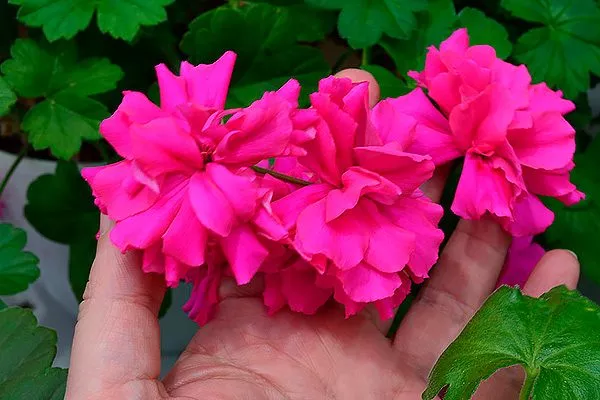
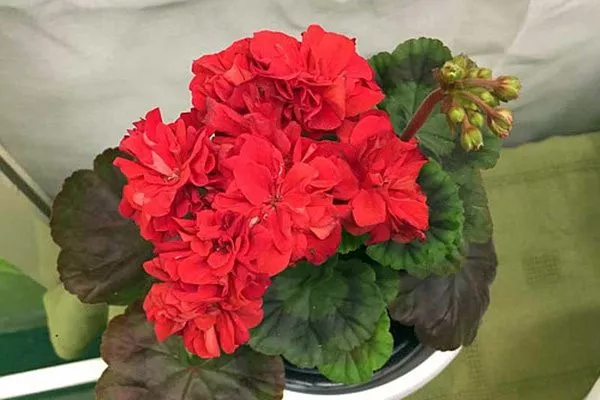
FOR Luxury
A compact zonartik with double flowers of a rich crimson color. The petals sometimes have small red spots. This variety is distinguished by its abundant blooms and coloration, unique among zonartiks. The seedling was introduced into the cultivars in 2018.
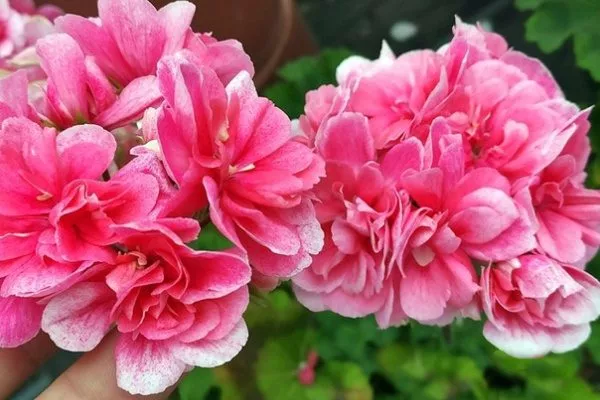
FOR Watermelon Fresh
Pelargonium zonarthik has a unique petal coloring. The soft, light petals are decorated with fine salmon-colored speckles or dusting. The pattern is reminiscent of watermelon flesh. This variety is double, with large flower heads and short, sturdy stems. It was added to the varietal register in 2020.
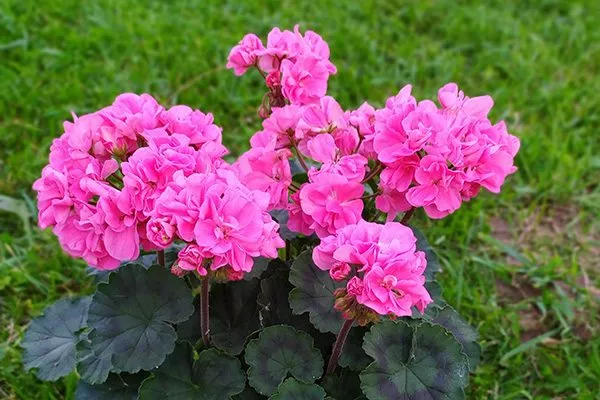
Cyclamen
This is a double zonal variety with pinkish-purple flowers. It has dense inflorescences, and the bushes are compact and easy to shape. The plant blooms profusely and lushly. The seedlings were added to the varietal register in 2017.
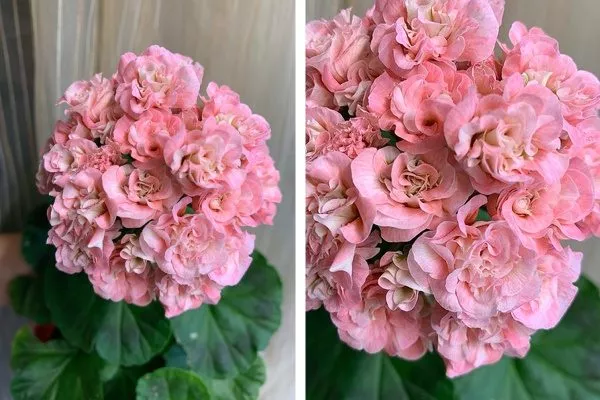
Mom's Roses
This variety is the first rosebud pelargonium in the Iris line. It features delicate flowers in shades of pink and salmon. The petals are curved outward, slightly wavy, like ruffles. The leaves have a wide dark zone. The bushes resemble large dwarf varieties and are shaped by pinching. It blooms profusely. It was added to the cultivar register in 2021.
Blueberry Drop
A double zonal variety with abundant blooms. The inflorescences are a rare shade—blueberry juice. The leaves are green and serrated, and the bushes are dwarf. It was added to the varietal register in 2019.
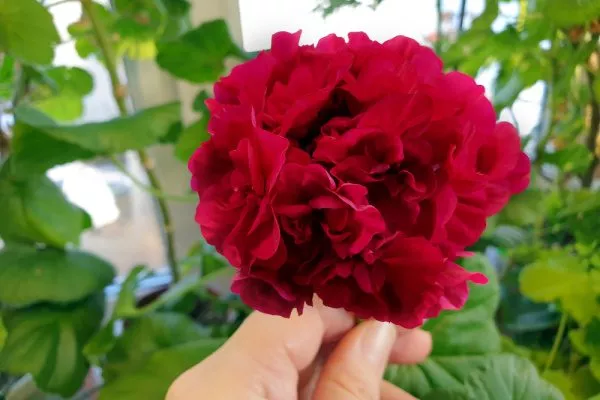
Cranberries in the Sahara
A double zonal variety. This pelargonium has bicolor flowers. The center is white, with cranberry-pink edges. The caps are dense and large, the bushes are compact, and the variety blooms profusely. It was added to the Cultivars Register in 2016.
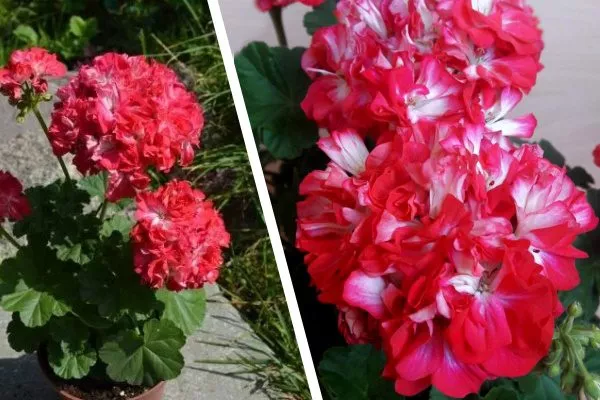
Confetti
A semi-double pelargonium from the zonal group. This variety has soft white flowers with pink eyes in the center of the petals. Confetti blooms profusely, and the bushes are compact. It was added to the varietal register in 2015.
A pink zonal variety. This pelargonium has bicolor flowers. The center is white, with cranberry-pink edges. The flower heads are dense and large, the bushes are compact, and the variety blooms profusely. It was added to the Cultivars Register in 2016.
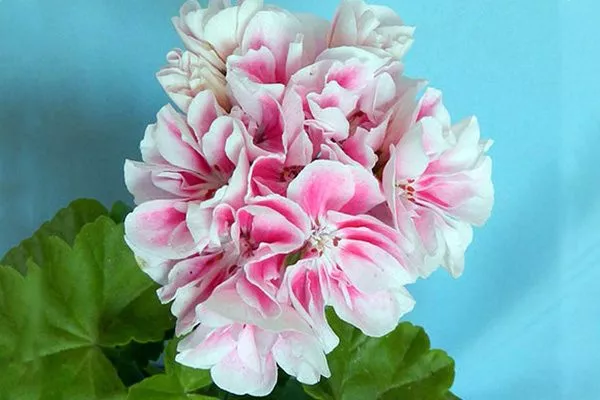
Bride
A dwarf variety with yellow leaves and white double flowers. The petals are delicately pleated and shimmer pink in the sun. Blooming is profuse and long-lasting. It was added to the Cultivars Register in 2018.
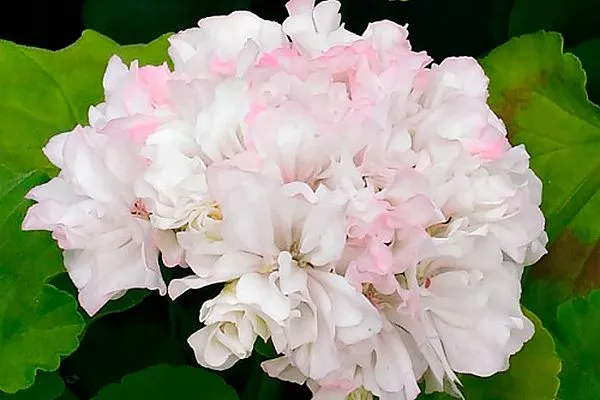
Festival of Colors
A zonal pelargonium with double flowers. The flowers open greenish, then turn light pink. The plant blooms extremely profusely, and the bushes are compact. Included in the varietal register since 2017.
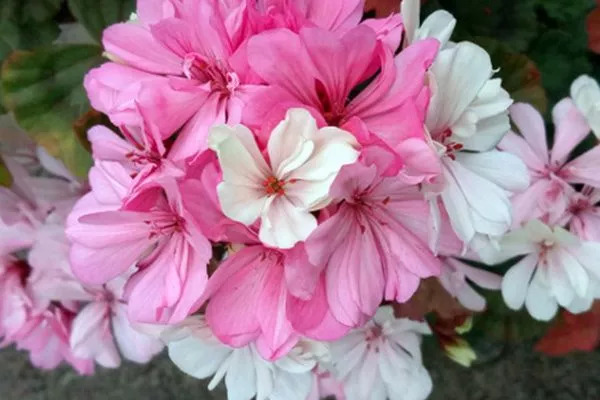
Dance of the Butterflies
A dwarf variety with single, bright pink flowers. The inflorescences are medium-sized, and the bushes are compact and easy to shape. The petals are narrow and graceful. Blooms profusely. Seedlings were added to the variety register in 2017.
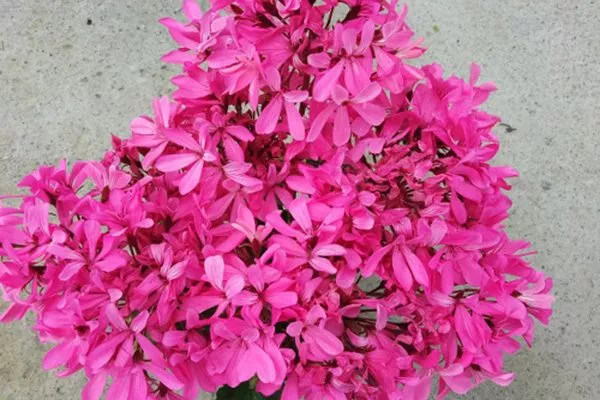
Young Maid of Honor
A zonal pelargonium with flowers composed of tightly packed petals. The pink flowers resemble terry pom-pom caps. The bushes are fluffy and self-forming. Seedlings were added to the varietal register in 2020.
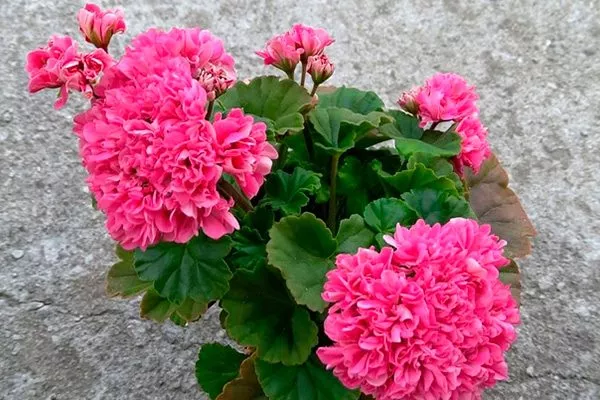
Ruffles
A miniature flower from the zonal pelargonium group. The leaves are beautiful and folded. The flowers are large, in shades of salmon pink. When they open, the folds have greenish flashes. The leaves are dark green, decorative, and dense. This seedling was added to the varietal register in 2018.
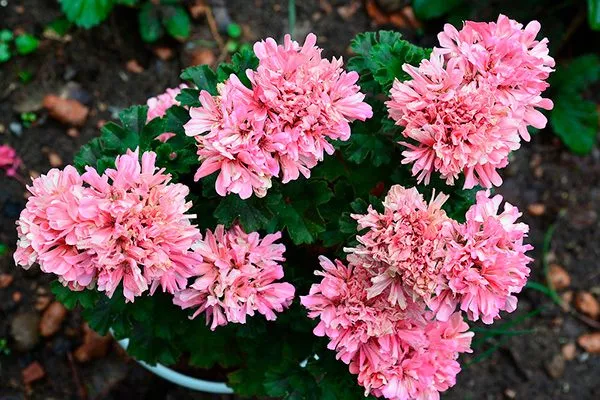
Bridesmaid
A dwarf variety with soft pink, double flowers. The petals are pleated. The inflorescences are lush and dense. The leaves are light green and serrated. The plant blooms long and profusely. Seedlings were added to the cultivar register in 2018.
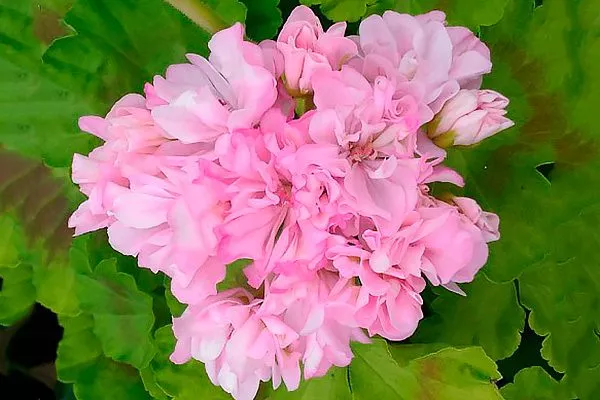
Little Lord
A zonal pelargonium with double pink flowers, lush and graceful. When fully open, it resembles the popular Norrland variety. This seedling was added to the varietal register in 2020.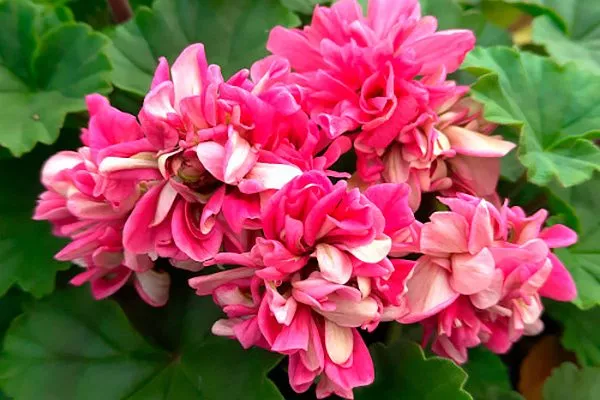
Katerina
A zonal dwarf pelargonium. Its dense, bushy growth appears fuzzy. It blooms long and profusely. The flowers are a delicate red. The inflorescences are small, with narrow, slightly curled petals. A favorite among mini pelargonium lovers. Included in the varietal registry since 2016.
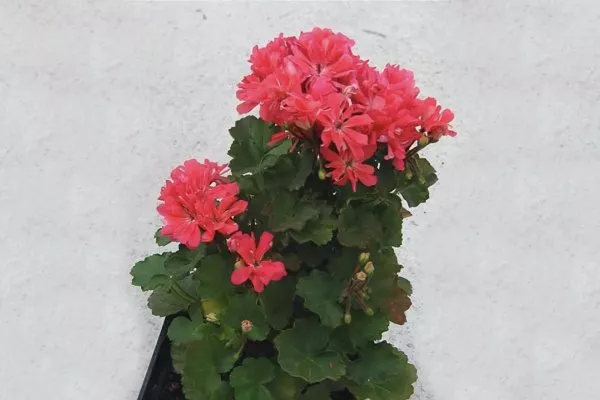
Caramel Dessert
A compact, zonal pelargonium. The flowers are simple, with five petals. Blooms profusely and for a long time. The coloring is caramel on a white background. The leaves are green with a dark zone. This dwarf variety has compact, self-forming bushes. This seedling was introduced to the cultivars in 2020.
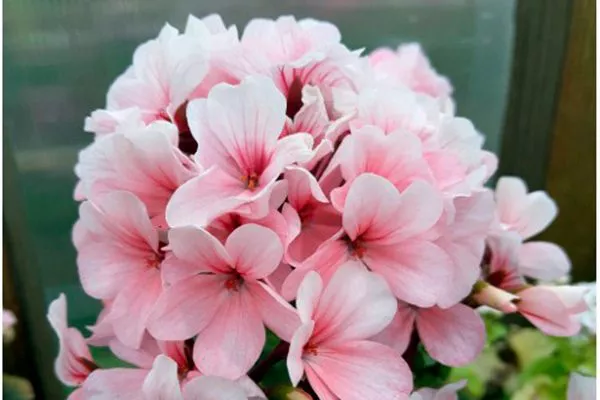
Apple Trees in Bloom
A double, zonal variety with pinkish-white flowers. The inflorescences are lush, delicate, and extremely decorative, reminiscent of apple trees in bloom. The bush blooms profusely, and the plant is compact and easy to shape. It has been included in the varietal register since 2017.
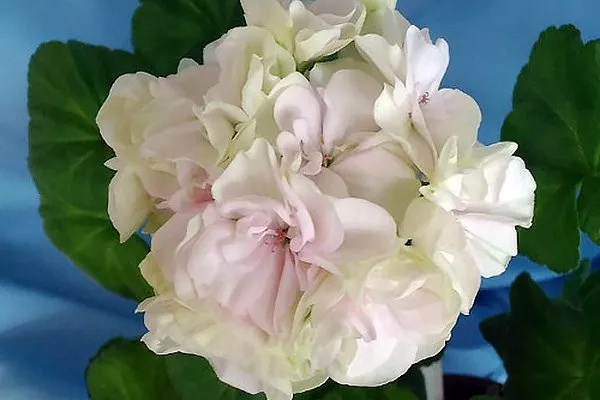
Snow Maiden
A zonal pelargonium with large, double flowers. They open greenish-white, then lighten. Over time, a pinkish edge develops along the petal edges. The bushes are compact, with dense, cap-like inflorescences, and are easy to shape. Introduced in 2015.
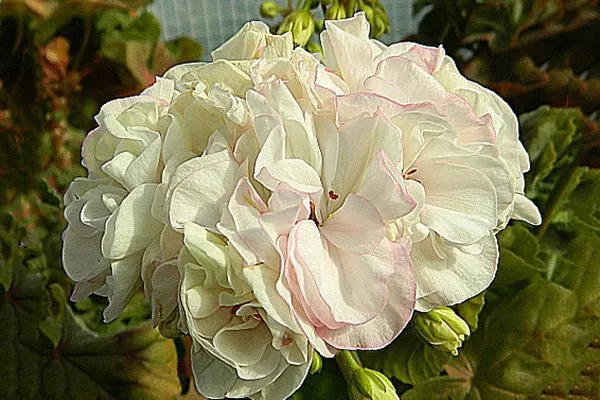
Sunny Bunny
A miniature, double-flowered zonal variety. Flowers are a delicate salmon shade. The caps are medium-sized, and the bushes are compact and easy to shape. The plant blooms profusely and for a long time. The leaves are golden with a striking dark zone. Included in the varietal register since 2017.
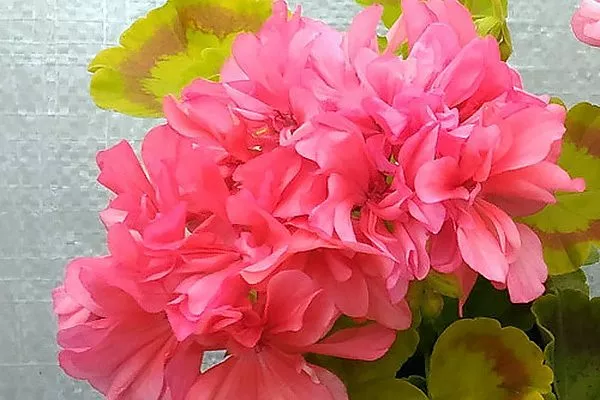
Orion
A double-flowered pelargonium of the stellar type, with a distinctive coloring. Light pink petals are adorned with a dark burgundy eye. The bushes are standard, large, easy to shape, and bloom profusely. Included in the varietal register since 2019.
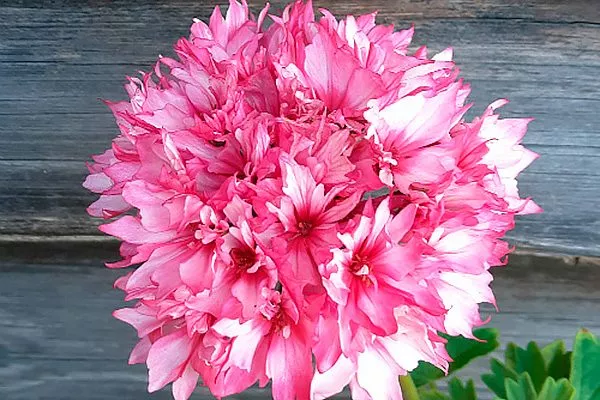
Tenderness
A dwarf, double-flowered variety. A zonal pelargonium with soft pink flowers and wavy petals. The flowers are medium-sized, and the bushes are compact and easy to shape. It blooms profusely. Included in the varietal register since 2016.
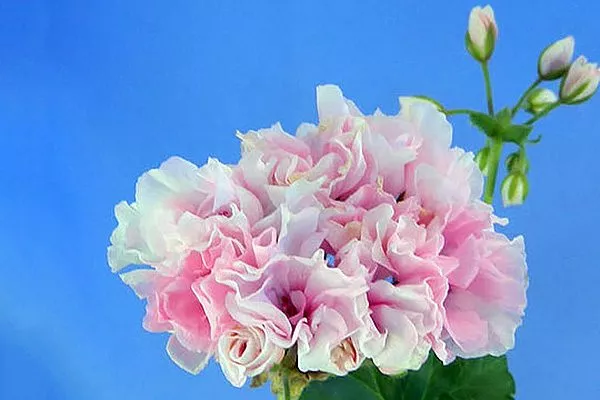
Sky Glaze
A dwarf variety with bluish semi-double flowers. They are fairly simple, with 5-6 petals, gathered in loose clusters. It is distinguished by its abundant blooms and easy bush formation. It was added to the Cultivar Register in 2019.
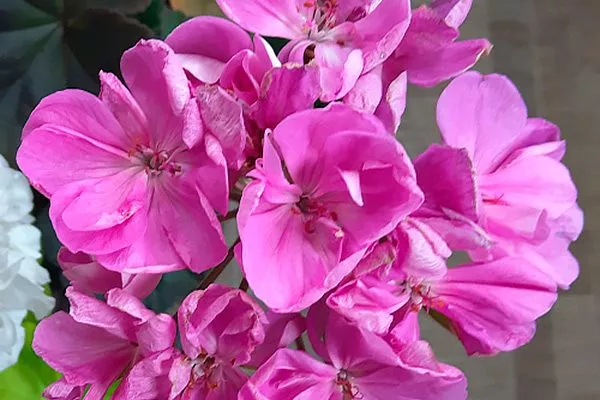
Cartoon
A common zonal pelargonium with white, slightly creamy flowers. Over time, the flowers acquire a pinkish hue. The inflorescences do not fall off for a long time. The caps are dense and large, and the bush itself is compact. It was added to the varietal register in 2015.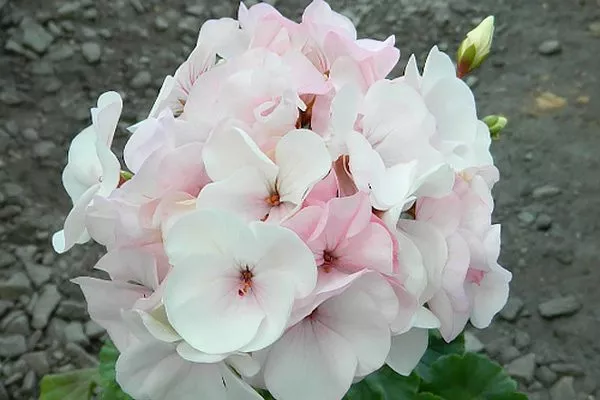
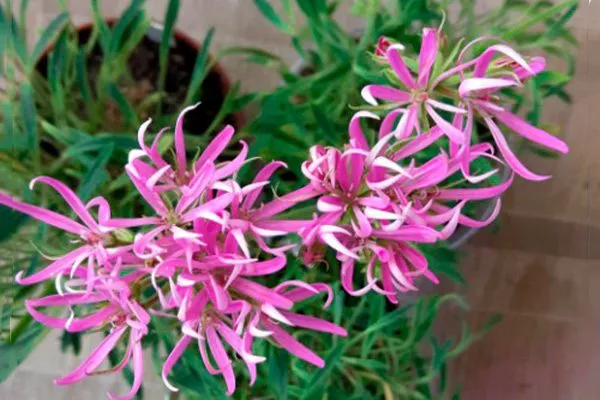
Maldives
This miniature variety belongs to the Medusa group of pelargoniums. It has unusual flowers—very narrow, gracefully twisted petals. The double flowers are a soft pink or lilac. The bushes are easy to shape. The leaves are narrow and dark green. This seedling was introduced into the cultivar in 2020.
Dominoes
This miniature stellar has white and pink double flowers and dark, serrated leaves. It blooms profusely, and the bushes are compact and easy to shape. The seedling was added to the varietal register in 2018.
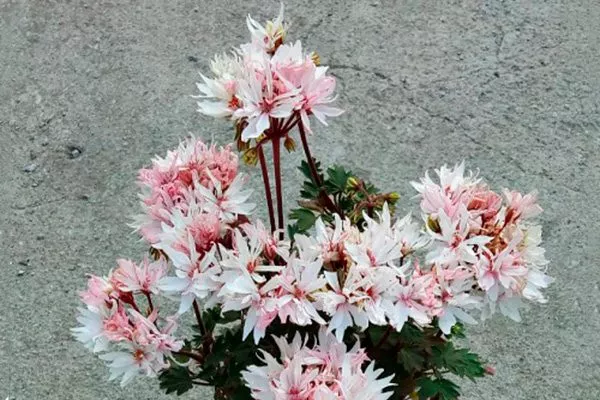
Lightning
This variety belongs to the Formosum group of pelargoniums. It has very simple but lovely flowers, consisting of 6-10 petals. The color is pink. The petals are more intense along the edges, and the flower is white in the center. This variety is miniature. The seedling was added to the varietal register in 2020.
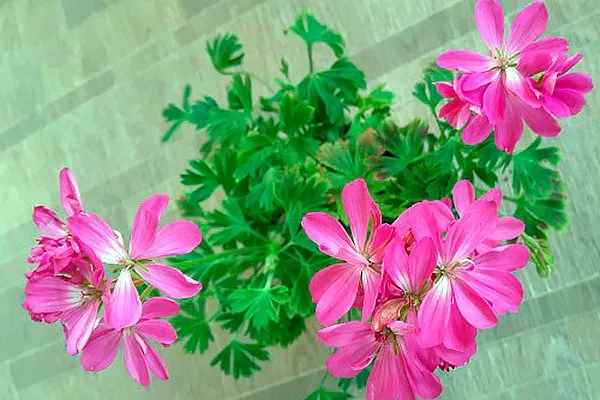
Morkovkin Blues
A star-shaped dwarf cultivar with coral-orange inflorescences. It has dense, large flower heads and blooms profusely. The leaves have a dark "butterfly" in the center. It was added to the cultivar register in 2017.
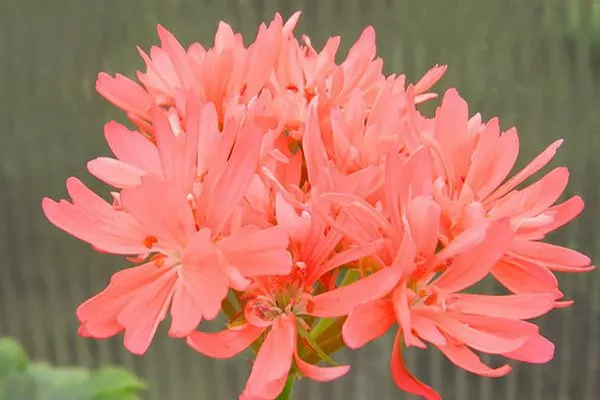
Page Boy
A dwarf zonal variety with ruffled "pom-poms." The double inflorescences are a rich pink. The leaves are decorative, carved, and have a dark zone. Added to the varietal register in 2020.
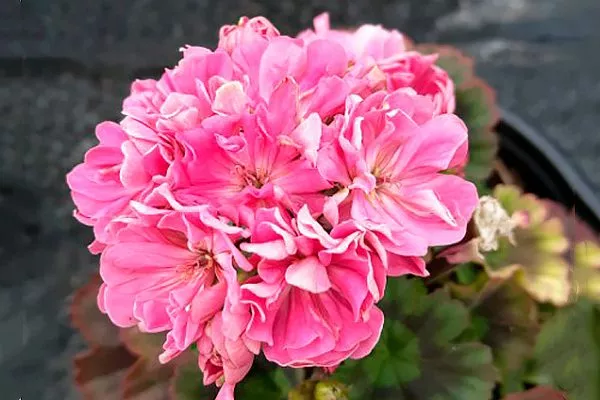
May Fireworks
A dwarf variety with bright red flowers. The petals are thin and long. The flower heads are medium-sized. The bushes are compact, with spectacular and very abundant blooms. Added to the cultivar catalog in 2017.
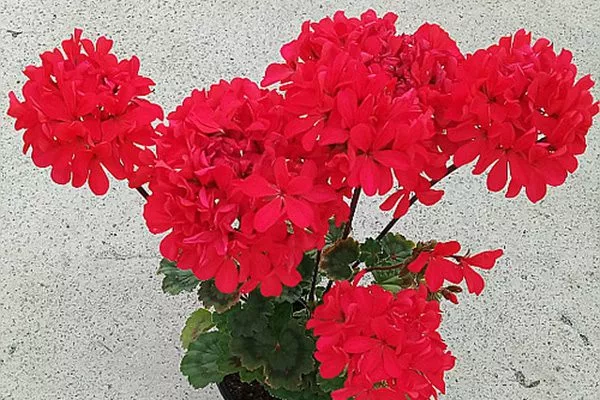
The merchant's wife
This zonal pelargonium boasts enormous caps of bright pink, double blooms. The bushes are standard, compact, and bloom early, with lush, long-lasting blooms. It was added to the varietal register in 2019.
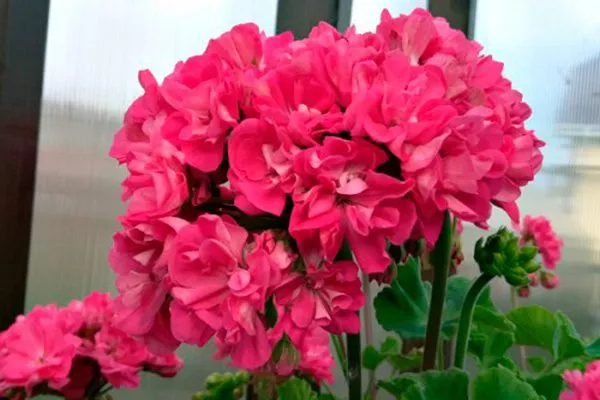
The Lacemaker
A single-flowered miniature zonal variety. The flowers are a very delicate salmon color. The petals become wavy at the edges after they fully open. The caps are dense and large, on short stems. The bushes are compact, and bloom profusely. It was added to the varietal register in 2016.
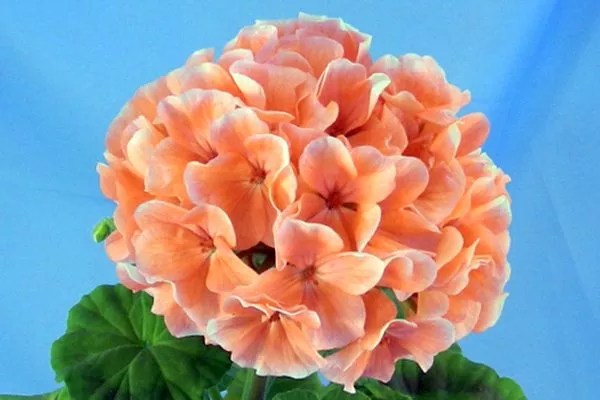
Little Red Riding Hood
A miniature, double-flowered variety from the zonal group. The flowers are red with a raspberry tint. The medium-sized caps resemble dense pom-poms. The bushes are small and easy to shape. It was added to the varietal register in 2017.
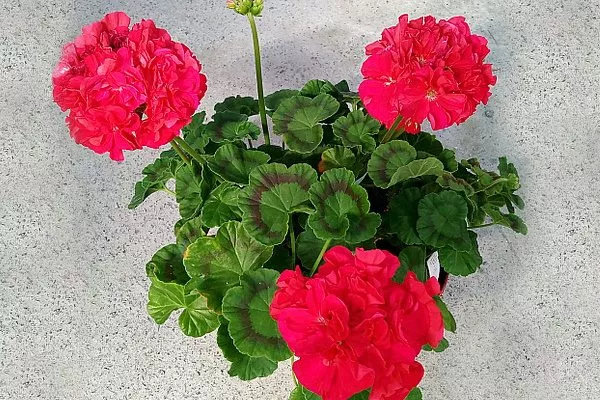
Handsome
A miniature double-flowered pelargonium from the zonal group. The flowers are rich red and striking. The caps are dense, and the peduncles are short. It was added to the varietal register in 2017.
Clover for Good Luck
A miniature cultivar from the Formosum group. This pelargonium features golden foliage and double pink blooms reminiscent of wild clover. The bushes are fluffy and bloom profusely. It was added to the Cultivars Register in 2020.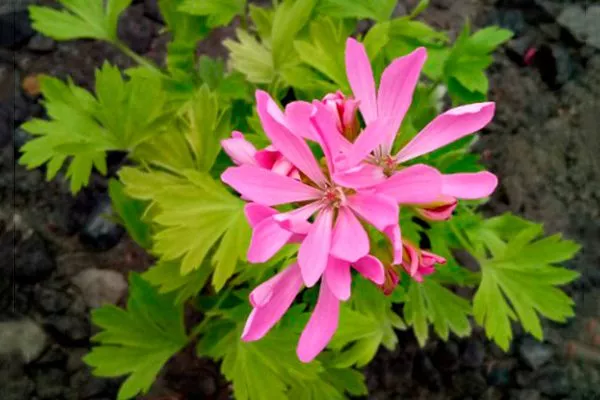
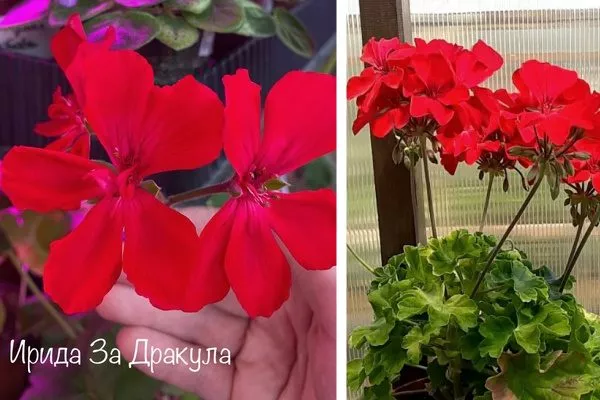
FOR Dracula
A variety with stunning petal color. They are velvety-silky, dark red. The flowers are single, not double. The caps are large, but they contain few flowers. It was created by crossing a zonarthica and an IVI hybrid. It was added to the varietal register in 2020.
Evgeniya
A zonal, double-flowered variety with pink flowers. It has medium-sized caps, compact bushes, and is easy to shape. It blooms profusely. The leaves have a dark zone. It was added to the varietal register in 2017.
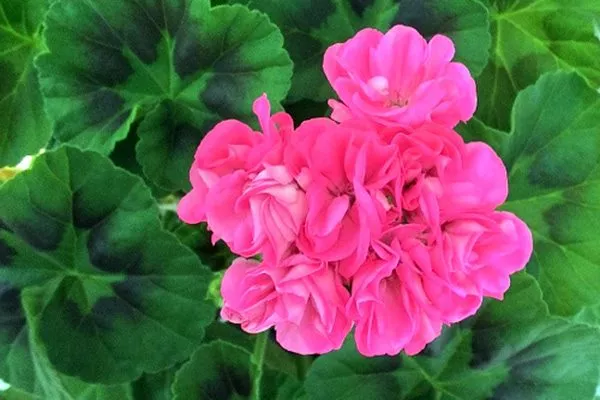
Thumbelina
A simple zonal super-mini variety with small pink flowers. The petals are unevenly colored, almost white in the center. The petal tips are pointed. It tends to become dense. It was added to the cultivar register in 2019.
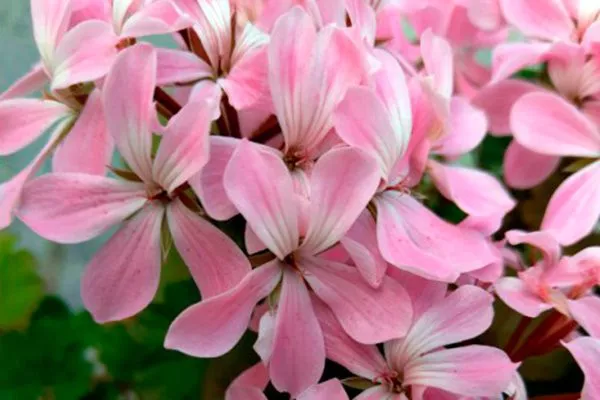
Hawaii
A dwarf variety with pink inflorescences from the Medusa group. The flowers are unique, with narrow, twisted petals pointing in different directions—reminiscent of jellyfish tentacles. Added to the varietal register in 2020.
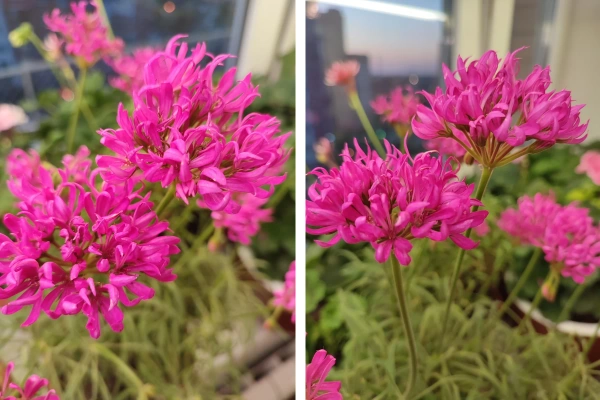
Eternal Call
A dwarf semi-double pelargonium with vibrant dark pink blooms. It blooms profusely, and the bush is bushy and compact. It was added to the varietal register in 2020.
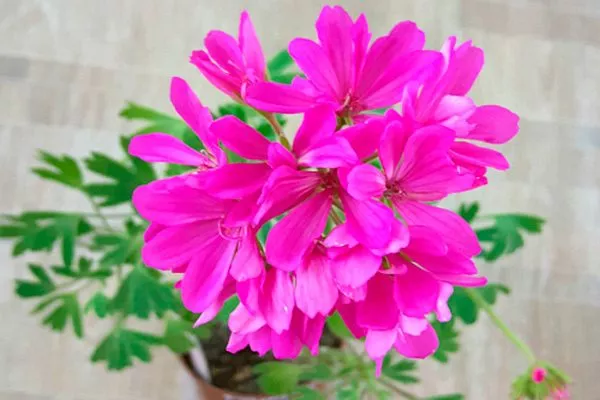
Viennese Waltz
A double zonal variety with spectacular flowers. They open white and greenish, then lighten to a pink hue. It blooms profusely and produces dwarf bushes. It was added to the varietal register in 2017.
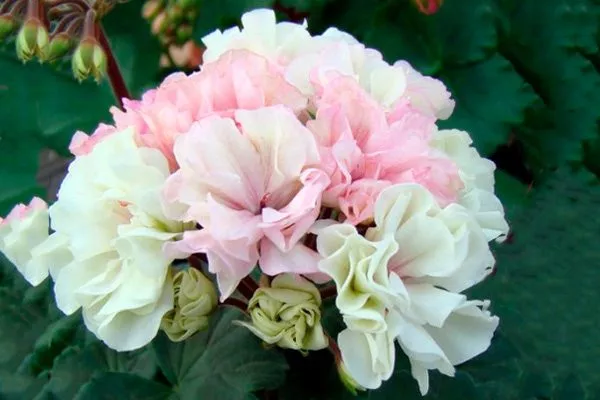
Young Lady-Peasant
A dwarf semi-double variety with abundant blooms. The inflorescences are uniquely colored, shimmering with salmon hues. Added to the varietal register in 2020.
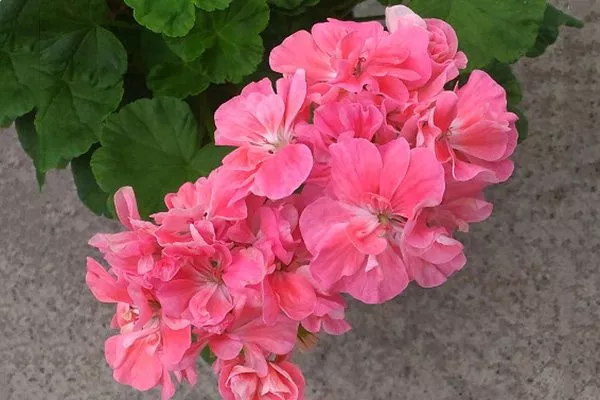
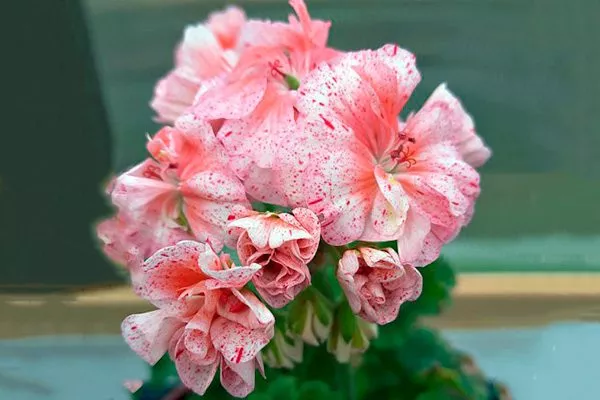
Antoshka
A miniature double variety with striking salmon-colored, speckled flowers. The petals are twisted and not uniformly colored. The saturation varies depending on conditions. It was added to the varietal register in 2018.
Tips for choosing pelargoniums
When buying a pelargonium cultivar, it's not always possible, despite a photo, to understand what the flower will look like. What size it will be, how the leaves and flowers will feel, and how the colors will sparkle.
- ✓ Disease resistance: Choose varieties that are resistant to fungal diseases, especially if you plan to grow in high-humidity conditions.
- ✓ Light adaptation: Consider how the variety reacts to changes in light intensity, especially if the plant will be kept in a room with variable light.
How to choose a pelargonium, what to look for when buying:
- Size of the bush. For indoor use, it's best to choose dwarf varieties with compact bushes. Larger pelargoniums will look beautiful in the garden, in pots, or in the ground.
- Bush shape. Not all pelargonium cultivars have bushy bushes. To avoid buying a plant that resembles a stick with flowers, be sure to check how lush and bushy the bush of a particular cultivar is.
- Size of inflorescences. In photos, the flowers often appear luxurious and large, but after blooming, they turn out to be much more modest. Be sure to check the size of the caps and how large they are.
- Flower coloring. Pelargoniums are characterized by their color changing depending on the light. In bright light, the flowers' colors become more saturated. This often results in the flower losing its beautiful iridescence. When purchasing a light-colored pelargonium, check whether it changes color in the summer, when the sun shines brightly.
- Abundance of flowering. The number of caps on the bush varies among different varieties - some have only a few, while others have a bush abundantly covered with flowering "pom-poms".
- Flower flowability. There are varieties that shed petals after flowering, and some lose them even with the slightest touch - this is very inconvenient for indoor growing.
- Variegation. It's been noted that many varieties with variegated leaves don't survive the winter well, with their leaf tips drying out. If you decide to buy variegated varieties, choose the most easy-to-grow ones.
The Ural line of Iris pelargoniums offers a vast selection of diverse varieties. Here you'll find indoor plants to suit every taste, with variations in color, leaf shape, inflorescence density, and other characteristics.