
Pelargoniums delight with abundant blooms when properly cared for. However, the key to their health and beauty begins with the right soil selection. Inappropriate soil can lead to root rot, stunted growth, and a lack of buds. It's important to learn what kind of substrate geraniums need, how to prepare it yourself, and which ready-made mixes are suitable.
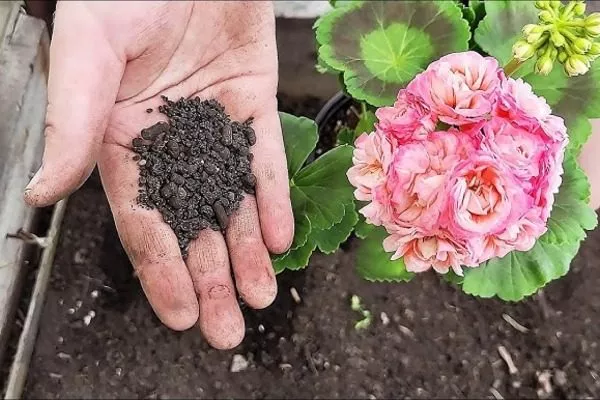
The Importance of Proper Soil
The foundation of pelargonium health and abundant flowering is properly selected soil that provides the plants with the necessary nutrients. No plant can thrive without the proper substrate.
Soil property requirements
Pelargoniums require loose, well-drained, and slightly or neutrally acidic soil. The necessary characteristics are described in detail below.
Soil acidity for pelargonium
Universal soil mixes produced in Russia primarily consist of humus or composted soil enriched with perlite, vermiculite, and sand. These substrates typically have a neutral pH.
Unlike universal soils, pelargonium soil requires the inclusion of high-moor peat. This component imparts a slightly acidic pH to the substrate, ensuring the necessary looseness and excellent water and air permeability.
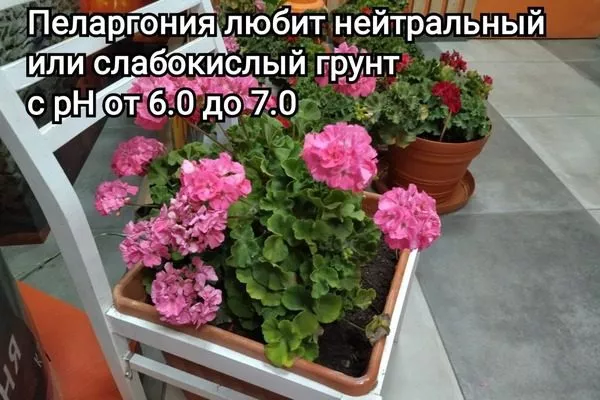
To reduce soil acidity, you can add lime, chalk, or dolomite flour. These additives will help balance the soil pH, creating optimal conditions for plant growth and development.
Fertility
High nutritional value is a characteristic feature of universal soil mixtures. This is due to their content of vital elements, in particular:
- nitrogen – not less than 250 mg/l;
- phosphorus – not less than 220 mg/l;
- potassium – not less than 300 mg/l.
Structure and moisture
For successful geranium cultivation, a properly selected substrate is essential. The soil should be loose and well-aerated. Equally important is the potting mix's ability to drain while retaining sufficient moisture to nourish the plant.
Pelargoniums can adapt to varying humidity levels without affecting their growth rate or flowering profusion. To increase their resistance to diseases and pests, they require a regular supply of fresh air.
Purchased options
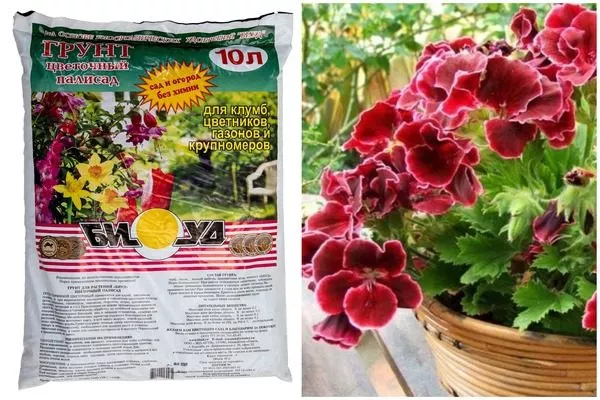
Today, stores offer a wide selection of ready-made potting mixes for growing pelargoniums. Below is an overview of the most popular options:
- "BIUD" "Flower Palisade". A nutritious soil enriched with the elements necessary for the healthy growth and development of indoor plants. Suitable for all plant types, it has no restrictions on use. Contains at least 0.2% nitrogen, 0.1% phosphorus, 0.1% potassium, and 0.1% calcium.
- "The Gardens of Babylon". A mixture containing nutrients and microelements. Ideal for both garden and indoor plants, it promotes vigorous growth and abundant flowering.
The composition includes: peat (high-moor and low-moor), coarse-grained river sand, expanded clay, dolomite flour, expanded vermiculite, and BUID compost. Nutrient content: nitrogen up to 0.9%, phosphorus up to 0.4%, calcium up to 0.3%, potassium up to 0.4%, water up to 53%. - "Garden of Miracles". A nutrient-rich soil suitable for growing both indoor and outdoor flowers. It has a neutral pH and is composed of high-moor peat, river sand, mineral fertilizers, and vermicompost. Nutrient content (mg/L): nitrogen 200, phosphorus 250, potassium 350, and salt suspension up to 6.5.
- Greenworld. A specialized soil for indoor and balcony plants. Its high nutrient content stimulates vigorous growth, development, and abundant flowering. Suitable for creating winter gardens and growing plants on terraces.
Contains: peat (high-moor and low-moor), clay soil, and crushed limestone. Nutrient content (mg/l): nitrogen up to 300, phosphorus up to 280, potassium up to 350, microelements up to 6.5.
Optimal soil composition
The key factor when choosing soil is its composition, since it determines the frequency of watering, the need for replanting, as well as the volume and frequency of fertilization.
High-moor peat
Formed as a result of the decomposition of sphagnum in raised bogs, it is a common component of soil mixtures and is often used in its pure form both for home gardening and in the agricultural sector.
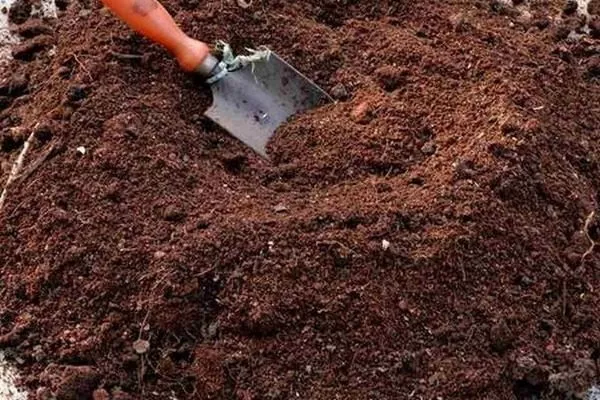
Main characteristics:
- Its popularity is due to its excellent water-holding capacity, good aeration and light structure.
- The acidity of high-moor peat is an added benefit, especially in areas with hard tap water, as it partially neutralizes salts when watered, although this effect is short-lived.
- It has a low nutrient content and absorbs moisture poorly when dry. High-moor peat-based substrates are quite suitable for geraniums, but they require regular fertilizing and timely watering.
Lowland peat
Extracted from lowland bogs and wetlands, it is characterized by a high nutrient content. Due to this property, it is widely used in combination with high-moor peat to create universal potting mixes for indoor plants.
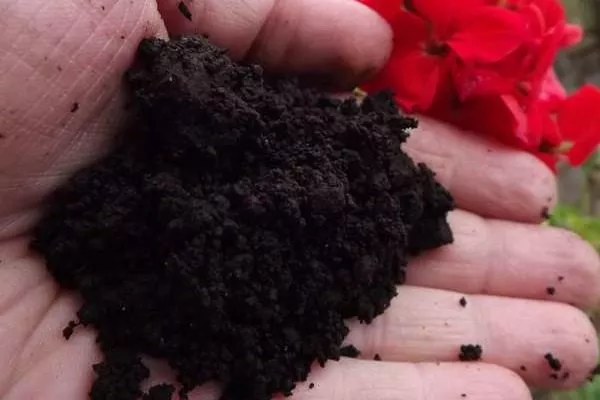
Lowland peat is not used on its own due to its unfavorable physical characteristics:
- has a dense structure;
- prone to rapid compaction;
- poor air permeability;
- retains excess moisture.
Biohumus
Widely used as a component of soil mixtures and as a standalone substrate, especially in gardening, it consists of rotted plant residues that form the fertile topsoil.
While the presence of humus, such as that obtained from cow manure on a state farm, is a plus for a purchased soil mixture, its nutritional properties are often difficult to predict and inconsistent.
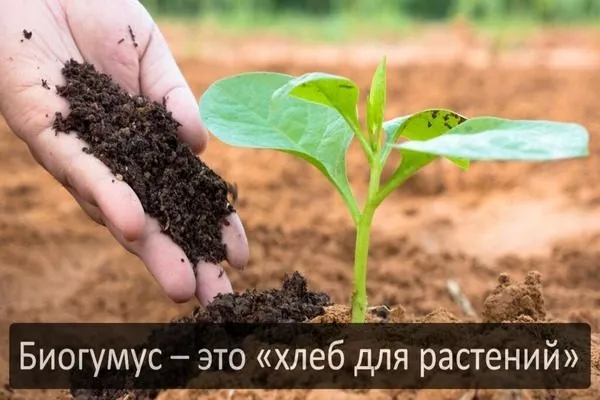
Even high-quality and nutrient-rich humus in its pure form has its drawbacks:
- characterized by low air permeability;
- has a high water-holding capacity.
This requires less frequent watering of plants grown on vermicompost, but regular loosening of the top layer of soil is necessary.
turf soil
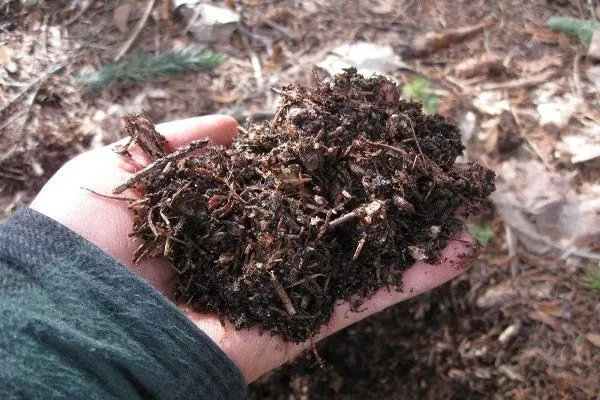
This is the top layer of soil, saturated with plant roots. However, the quality of turf soil can vary significantly depending on its origin, making it impossible to establish a uniform standard.
For example, soil from abandoned agricultural land may be more fertile than soil from a regular field. The main drawback of sod land is the need to clear it of plant debris and then sterilize it to kill harmful microorganisms.
Humus
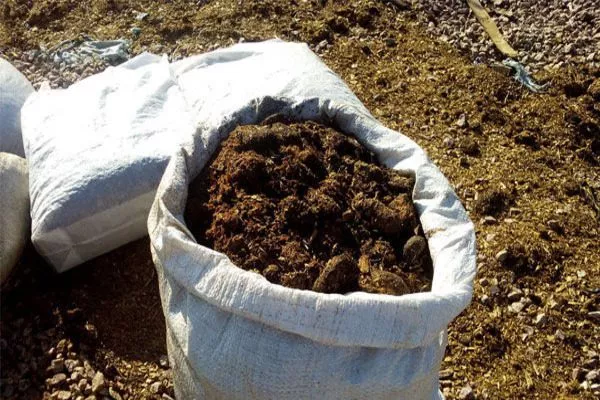
Humus soil is made by combining greenhouse soil with rotted manure. When planted in the greenhouse in the spring, it forms a ready-to-use compost by fall.
Depending on the type of manure used (horse, sheep, or cow), the composted soil can vary in texture, from light to heavy. It's important to regularly turn and moisten this soil. Initially, the piles are kept outdoors and then moved indoors.
Leaf soil
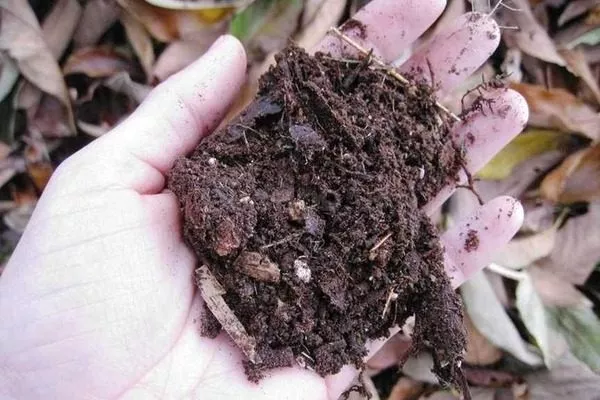
The key preparation stage begins in the fall, when the leaves fall. Leaves from fruit trees, maples, lindens, and acacias are used for composting.
The prepared layers of foliage are thoroughly soaked in a solution of mullein or slurry, adding a small amount of lime. After a year, the resulting soil is loose and nutrient-rich and ready for use.
Unusual components
In addition to traditional additives, you can also add less common but effective ingredients to your pelargonium potting mix. These help improve the soil structure, stimulate growth, and protect the plant from disease.
Heather soil
This soil type is uncommon, found exclusively in areas with coniferous trees and evergreen heather shrubs. Heather soil, which is dark gray in color and mixed with white sand, has a loose texture that provides excellent aeration and drainage.
In its composition, it resembles a mixture consisting of one part sand, two parts leaf soil and four parts peat.
Coniferous
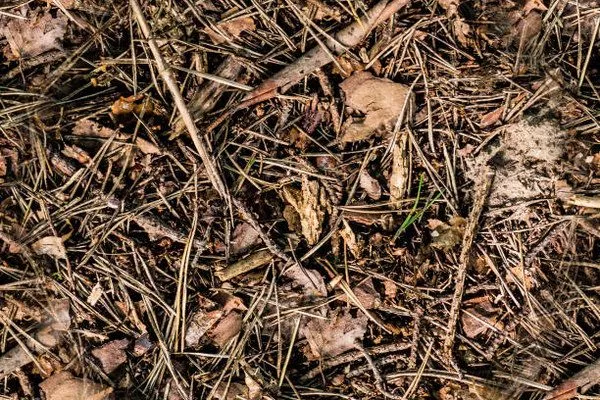
This type of soil is widely used as a component of soil compositions for various plants. It is obtained in coniferous forests, where the fallen needles of spruce, pine, and fir trees decompose, forming a loose, acidic soil.
When preparing coniferous soil, it's important to remember that the topsoil is not suitable for gardening or creating potting mixes. For these purposes, it's recommended to use only the bottom, second layer.
Fern roots
Dried and crushed fern rhizomes are a valuable ingredient used in creating soil compositions.
Additional components in the soil composition and drainage
For healthy pelargonium growth, it's important not only to select the right soil but also to enrich it with beneficial additives. Additional components and good drainage improve air circulation, maintain optimal humidity, and prevent root rot.
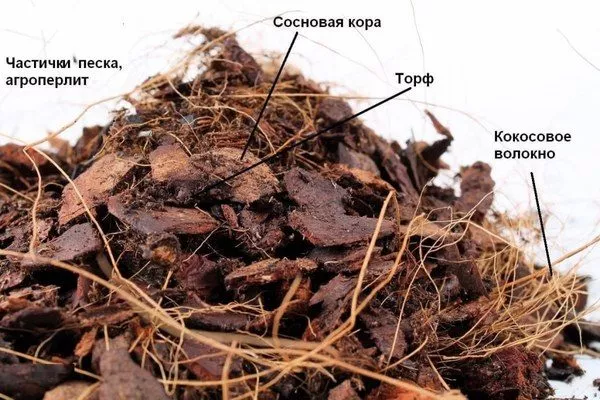
Vermiculite
Due to its ability to retain water in a volume 2-3 times greater than its own weight and gradually release it along with nutrients, this material is widely used in plant growing.
It is used as a component of soil mixtures, in hydroponics, for cultivating seedlings, and also on its own to successfully root cuttings. It is especially effective when added to the soil when propagating pelargoniums by cuttings, promoting rapid and healthy root development.
Perlite
This glass is of volcanic origin, which is given a porous structure and light weight through a special treatment. It is widely used in greenhouses, which sometimes raises concerns among consumers, who mistake it for insects or artificial "transport soil."
Perlite improves soil structure, making it looser and ensuring good air circulation. It's added to various soil mixtures and is also used in its pure form for growing seedlings.
Coconut fiber, coco-soil or coconut flakes (or chips)
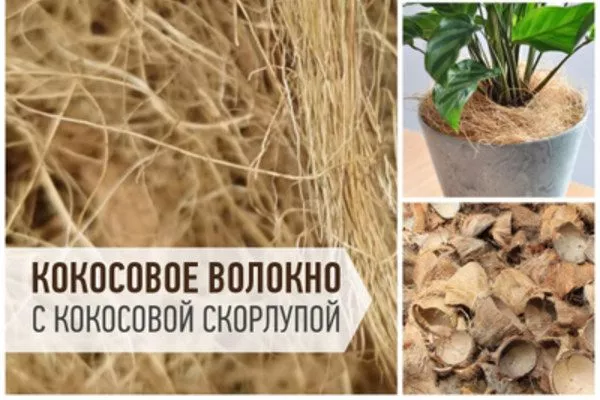
Coconut fiber is an elongated strand extracted from the coconut husk. Key features:
- Coconut coir is made from the processed middle husk of the coconut and consists of fine shavings and larger particles known as 'chips'.
- Larger fractions of this material are popular among terrarium keepers and are used to create bedding in terrariums intended for amphibians.
- Fine soil, commonly referred to as "coco-soil," is an excellent component for creating a loose, moderately water-retentive soil mix suitable for almost all terrestrial plants.
- In hydroponics, pure coconut soil is valued for its lack of nutrients, which allows for precise control of the composition of the nutrient solution.
- Coconut fiber has found application in growing orchids, ferns, bromeliads and succulents.
River sand
Sand improves soil drainage and prevents soil compaction. For bulbous plants, it acts as a protective cushion, protecting the bulbs from excess moisture.
Sphagnum moss
Sphagnum moss, thanks to its excellent water-retaining properties, is an indispensable component in soil mixtures for epiphytic orchids, as well as azaleas, Saintpaulias, gloxinias, anthuriums, and aglaonemas.
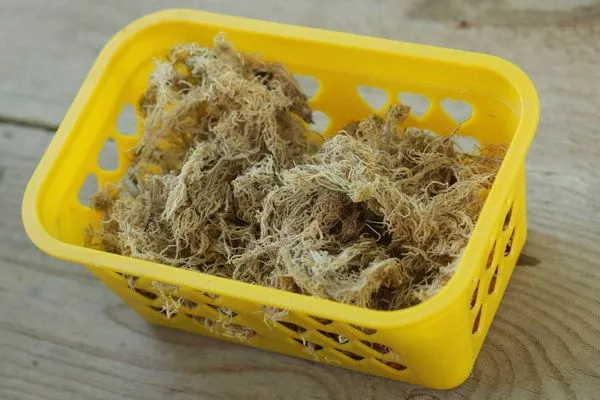
It can also be useful in situations where plants need to be left unattended for several days. When placed in a damp pot, sphagnum moss gradually releases moisture, maintaining optimal humidity levels.
Charcoal
Improves soil structure, making it looser, and is capable of absorbing excess moisture and gradually releasing it. Material features:
- characterized by antiseptic and antifungal properties, preventing the development of fungal diseases and rot;
- it is added not only to the soil, but also to the drainage layer;
- is an essential component of soils for orchids, maranta, bromeliads and aroid plants.
Dolomite chips or flour
An effective solution for reducing soil acidity. It is often used in combination with high-moor peat to neutralize its acidity. Peat-based soil mixtures with the addition of dolomite flour become more suitable for plants that prefer a neutral or slightly alkaline environment.
Dolomite flour enriches the soil with magnesium, which is especially important during active growth. In budget substrates, it is sometimes replaced with chalk, which, although it reduces acidity, does not provide the soil with useful elements.
Hydrogel
In modern gardening, hydrogel has become a popular component for retaining soil moisture. It is widely used both in cultivating seedlings and in growing houseplants in pots.
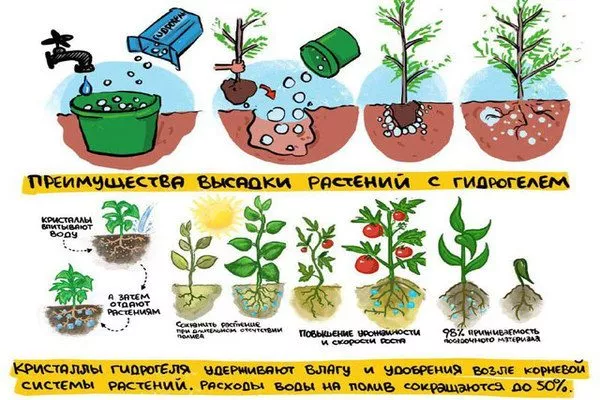
This polymer material significantly improves soil aeration and significantly reduces watering frequency, reducing it by 3-6 times. Its advantage is durability. Unlike traditional potting mixes, it retains its properties and can be used for two years without replacement.
Expanded clay
A lightweight, porous material produced by firing clay is often used in floriculture as a drainage medium or as a component of potting soil. When growing geraniums, it helps improve air permeability and water drainage, preventing water stagnation and root rot.
Fine expanded clay particles can be added directly to the substrate (up to 10-15% of the total volume) to make it looser. Expanded clay is also often placed at the bottom of the pot in a 2-3 cm layer to ensure reliable drainage.
Brick chips or pebbles
They serve as excellent soil looseners, ensuring good air circulation and drainage. These materials are especially useful when growing geraniums, which do not tolerate waterlogging.
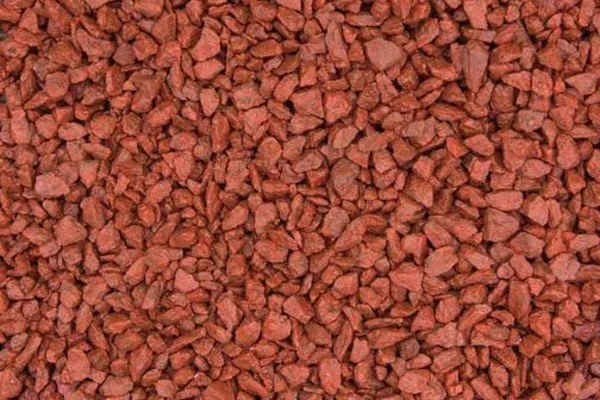
Brick (preferably red, without cement impurities) is crushed to a 0.5-1 cm particle size and added to the soil at a rate of up to 10%. Pebbles are used both as part of the substrate and at the bottom of the pot to create drainage, preventing water stagnation at the roots.
Styrofoam
This lightweight and readily available material is often used as a loosening agent and drainage aid when growing geraniums. It is crushed into small pieces (approximately 0.5-1 cm) and added to the substrate in small quantities – up to 10% of the total volume.
Foam plastic improves air exchange, prevents soil compaction and promotes the rapid removal of excess moisture from the roots.
How to prepare the substrate yourself?
For pelargoniums, it's important to use a loose, breathable, and nutritious substrate. Ready-made potting mixes are available at the store, but many gardeners prefer to prepare their own, tailoring the composition to specific growing conditions and plant variety.
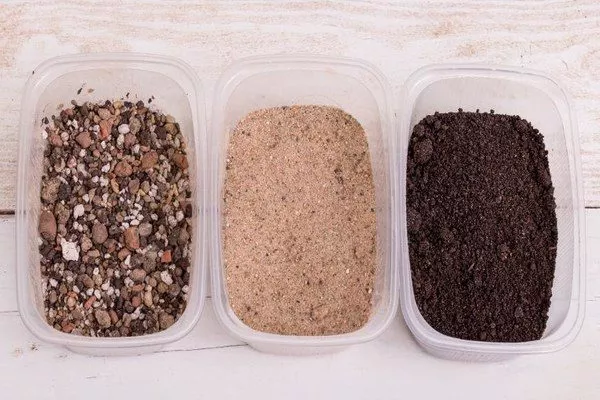
DIY soil options for geraniums
The simplest and most proven option is a mixture of turf, peat, and sand in a 2:1:1 ratio. Leaf mold or humus can be added to increase the nutritional value.
Other composition:
- 1 part garden soil;
- 1 part coconut substrate;
- 1 part perlite.
Such mixtures retain moisture well, provide drainage and promote active root development.
Preparatory work
Before mixing the ingredients, all components should be disinfected. The soil can be baked in the oven or soaked in boiling water with potassium permanganate, and the sand should be washed and rinsed with boiling water.
These measures will help eliminate pest larvae and fungal spores. It's also worth preparing a container and tools.
Connection of soil components
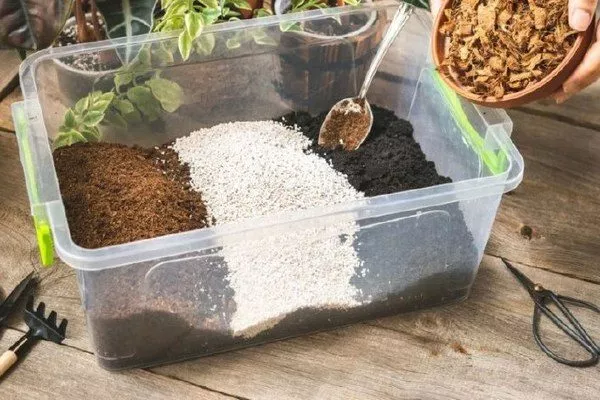
In a deep container, thoroughly mix all ingredients until smooth. If the mixture is too heavy, add a little vermiculite or agroperlite. To enhance the antiseptic properties, you can add a small amount of wood ash.
Construction of a drainage layer
For healthy geranium growth, in addition to having holes for water drainage, a drainage layer of porous material is extremely important, which is usually placed at the bottom of the pot in a layer of 2-3 cm.
To create a drainage layer you can use:
- expanded clay – lightweight, porous and durable material;
- brick chips – natural and breathable;
- pebbles, stones – suitable when there are no other options;
- foam plastic – It is inexpensive and lightweight, but does not decompose in the soil.
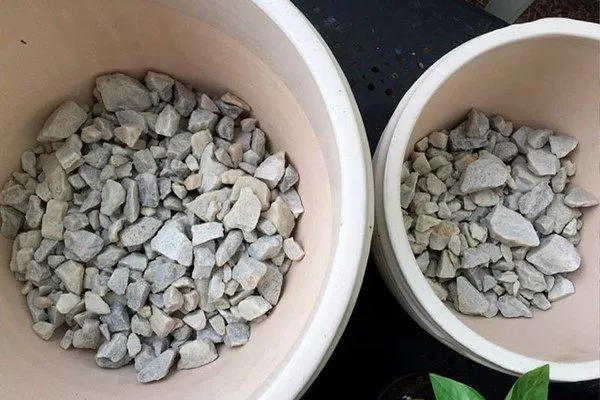
The materials can be used either individually or in combination.
After drainage, add prepared soil for pelargonium, compact it lightly and proceed to planting the plant.
Filling the pot
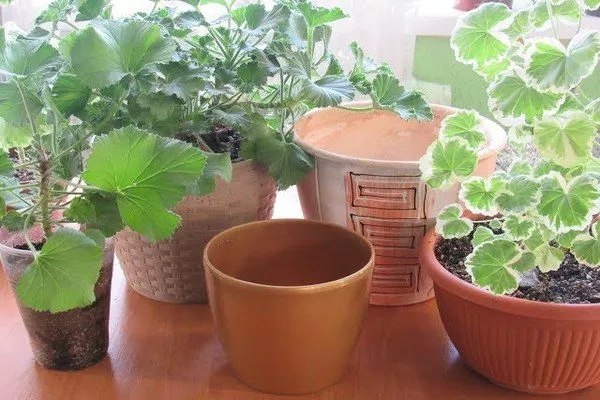
For successful geranium growing, the choice of pot material (clay, ceramic, or plastic) isn't crucial and is determined by the grower's personal preference. However, when using a plastic container, it's recommended to choose a white color to prevent the roots from overheating in the sun.
Ceramic pots are also ideal for repotting geraniums. The pot size depends on the variety and age of the pelargonium. Young plants begin their growth in small containers of approximately 250 ml. At 2-3 years of age, it is recommended to repot geraniums into pots of approximately 2 liters.
How to choose ready-made soil for pelargonium in the store?
Currently, the market offers a wide selection of soil mixtures designed for growing various plants. Specialized substrates are easily found at any flower shop, where a consultant can help you choose the optimal composition for your geraniums.
If you don't have the required soil, a universal potting mix suitable for most flowering plants can serve as an alternative. You can also consider purchasing a succulent-grade soil, which contains coarse sand to prevent soil compaction.
How to choose the right soil for geraniums?
To successfully grow geraniums, although they are considered an unpretentious plant, it is extremely important to select the right soil to ensure health, abundant flowering, and strong immunity.
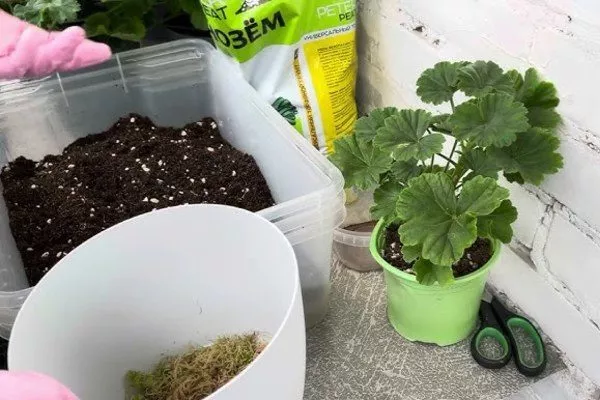
The main requirement is fresh, loose, and light soil that hasn't been used before. A drainage layer in each pot is essential, as geraniums don't tolerate excess moisture in the roots.
Helpful tips:
- For beginning gardeners, a ready-made universal substrate with added perlite, vermiculite, and washed river sand is ideal. All ingredients must be thoroughly mixed before planting.
When choosing a ready-made substrate, you should make sure there is no mold or insects, and also check its freshness: high-quality soil will crumble in your hands, while old soil will clump together. - Peat soil is an essential component of the soil mixture, providing the necessary looseness. To prepare the soil, combine 8 parts turf soil, 2 parts humus, 1 part sand, and 1 part peat.
Another option:- 10 parts of ready-made soil (for example, Krepysh, Sadovnik, Ogorodnik, Universal from the agricultural firm "Fasco");
- 1 part crushed sphagnum moss;
- 1 part sand;
- 0.5 parts humus.
Properly selected soil is the key to lush and long-lasting blooms for pelargoniums. You can purchase a ready-made soil mix or create your own based on the plant's needs. It's important to ensure good air and moisture permeability and remember to provide adequate drainage to protect the roots from waterlogging.