
For indoor plants to thrive and bloom profusely, they require nutrition. Fertilizer is especially important for orchids, as they grow not in regular soil, but in a special substrate that doesn't include garden soil. Consequently, the flowers have nowhere to get nutrients. These nutrients are applied in a variety of ways.
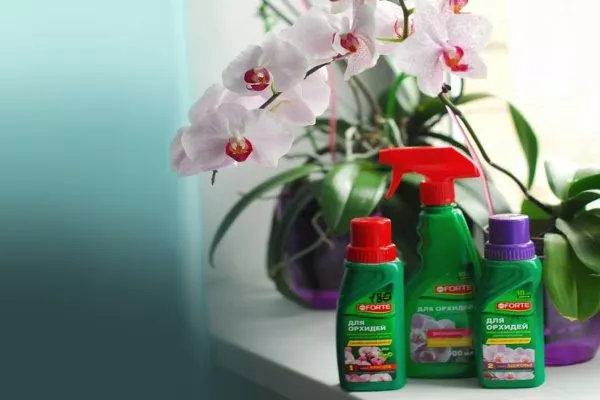
Orchid nutrition in nature
In the wild, orchids grow in two ways: almost on the ground (terrestrial species) and on the surface of trees, rocks, etc. (autotrophs). This is due to the special structure of their root system, which can also be aerial. It's not always clear to the average person how a plant can feed without a substrate (after all, nutrients must come from somewhere).
In reality, everything is banally simple:
- Autotrophs have the ability to synthesize inorganic substances into organic ones. The root system is most often located on tree bark, wrapping its branches around it. These branches have a thickened velamen layer, which allows them to absorb abundant moisture from the tree and the air.
During wind, various objects get caught between the roots - leaves, tropical debris, insects, etc., which creates a nutrient medium after decomposition (a kind of humus). - Terrestrial species cannot feed from the soil, as they require symbiosis with fungi of various, but specific, origins. Therefore, their preferred habitat is rotten stumps. Rotting wood always contains fungi, which penetrate the orchid's root system, saturating the flower's cells with nutrients.
Peculiarities of feeding at home
The roots and green parts of orchids are quite sensitive and delicate, so fertilizers are applied only during watering. This prevents burns. This is the first and most important rule that novice gardeners should remember.
- ✓ The water temperature for irrigation should be no lower than 22°C and no higher than 28°C.
- ✓ The concentration of fertilizer should be 2-3 times less than for other indoor plants.
There are other accents that should not be ignored:
- the frequency and dosage are selected individually - it depends on the environmental conditions, the composition of the substrate, the vegetative phase, the variety and type of orchid (the flower's demands);
- use complex fertilizers, which are sold in a wide range;
- Be sure to do additional feeding with folk remedies;
- Immediately after purchasing a flower or replanting, do not feed the plant for about a month, since under stress, the flower cannot fully absorb nutrients;
- Avoid both overdosing and underdosing - both factors lead to unpleasant consequences;
- Orchids that grow in mature substrate should be fertilized less frequently, otherwise salinization will occur;
- If the flower is sick, first pick off the affected areas and then fertilize (the dosage is lower than usual);
- During the dormant period, avoid intensive feeding.
If you accidentally add the wrong fertilizer or violate the recommended proportions during the procedure, rescue the plant immediately. Simply place the pot in a container of water for 20-30 minutes, then allow the liquid to drain. Repeat this process twice.
How to determine the need for feeding?
All plants signal when it's time to feed them. This is especially true for orchids, as their nutritional needs depend on various factors. They require the most intensive feeding during the growth and flowering period, from February-March to September. During the rest of the year, the dosage is reduced by two or three times.
If you are growing a phalaenopsis, which can bloom year-round, fertilizers are applied in equal proportions throughout the flower’s life.
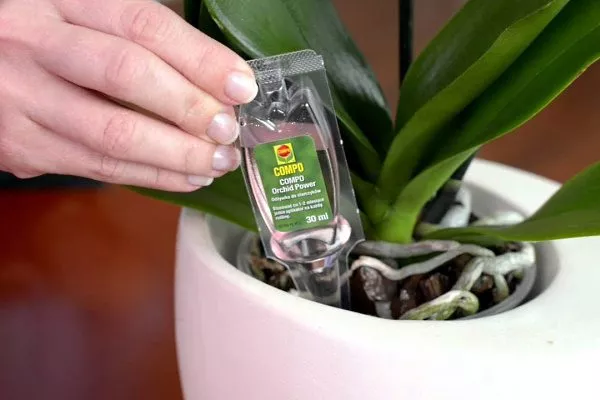
There are a number of signs that indicate an orchid needs fertilizing:
- stopping the process of leaf formation;
- lack of flowering during the prescribed period;
- flowers shrink and fall off;
- change in the color of the green mass to a duller, paler color;
- yellowing and drying of leaves in the lower tier.
Keep in mind that similar symptoms can also indicate plant diseases or overdosage (the symptoms are the same in all cases). Sometimes salinization occurs, caused by watering with too hard water.
Orchids require three minerals most of all. Signs of deficiency or overdose are presented in the table:
| Elements | Deficit | Excess |
| Nitrogen | Yellowing of leaves, thickening and enlargement of veins on them, growth of small and deformed foliage. | Weak budding against the background of excessive growth of green mass, lack of flowering, burns on the root system. |
| Phosphorus | Slow growth of the bush, very sparse flowering, the leaves acquiring a dark green tint (darker than usual). | Darkening of only the tips of the leaves, dying of the roots. |
| Potassium | Formation of yellowing on the green mass first, blackening later. | cessation of development of the aboveground part, since nitrogen ceases to be absorbed. |
Methods of application
Orchis are fertilized using only two methods: root and foliar. Each has its own application requirements, depending on the plant's growth phase, etc.
Foliar
This method involves spraying the bush—specifically, the foliage, not the buds and flowers. Moreover, the foliage should be treated both externally and internally. It is used in the following situations:
- during active plant development;
- if the root system is damaged;
- when chlorosis appears.
Processing rules:
- Spray the leaves only in the morning or after sunset;
- keep the room temperature at around +28…+30 degrees;
- If drops of water remain in the growth points or leaf axils, remove them with a napkin, otherwise the rotting process will begin in this area;
- Before spraying, moisten the soil.
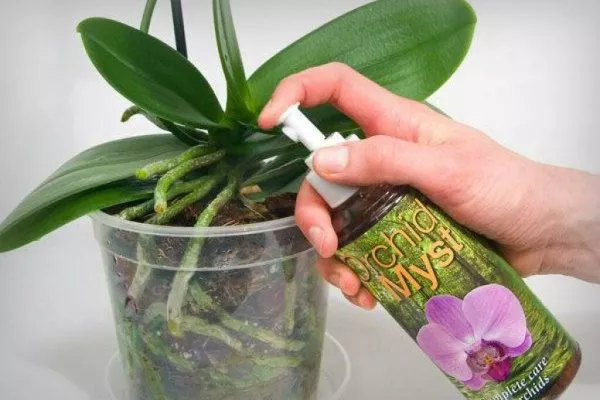
Root
With this method, fertilizers are added to the substrate, as the main goal is to nourish the root system. It is used during all stages of the growing season, but is primarily used on plants that are not affected by diseases. Here's how to do it correctly:
- Water the orchid.
- Dissolve the fertilizer in water and pour into a large container.
- Place the flower pot in this container and leave it there for about 15 minutes.
- Take out the flowerpot and water the root zone with the same fertilizer.
- Let the liquid drain.
Fertilizer depending on the season
At different stages of growth and development, orchids require specific care and fertilization. Let's look at what fertilizers orchids need during different seasons.
In winter time
In winter, orchids (but not all varieties) enter a dormant state, so fertilizers are applied significantly less frequently than during the active season, and the dosage is also reduced by half. Or, no fertilizer is applied at all during this period. Watering is also reduced, but misting is actively included in plant care, as the heating season significantly reduces air humidity.
In spring for active growth
To increase the lushness of foliage and flowering in the future, feed the plant in the spring with nitrogen (N), phosphorus (P), potassium (K), boron, and magnesium. It is recommended to use ready-made complex fertilizers specifically for orchids, which are widely available.
In summer during flowering
Orchid growers commonly believe that fertilizers can shorten the flowering period, but on the other hand, if plants aren't fed during this period, they will quickly weaken due to the energy they expend. Therefore, experts recommend the following:
- During the formation of the flower stalk and during budding, feed the orchid twice a week;
- After the flowers open, it is enough to do this once a week.
In autumn during the dormant period
After flowering, the orchid rests, recuperates, and prepares for winter dormancy. In early autumn, it's preferable to use phosphorus and potassium as fertilizers (nitrogen is either completely eliminated or used in minimal amounts). In late spring (when phalaenopsis growth slows or dendrobium leaves turn yellow-brown), leave the flower alone, allowing it to enter a dormant phase.
Features of the use of different types of fertilizers
A wide variety of products, both store-bought and homemade, are used as nutrient fertilizers for orchids. Each has its own purpose and effect, so it's important to carefully review all the features before purchasing.
Growth stimulants
There are a number of products designed to accelerate plant development. They are applied immediately after planting/repotting and after the plant breaks dormancy.
| Stimulant | Time of action | Recommended frequency of application |
|---|---|---|
| Zircon | 2-3 days | Once every 2 weeks |
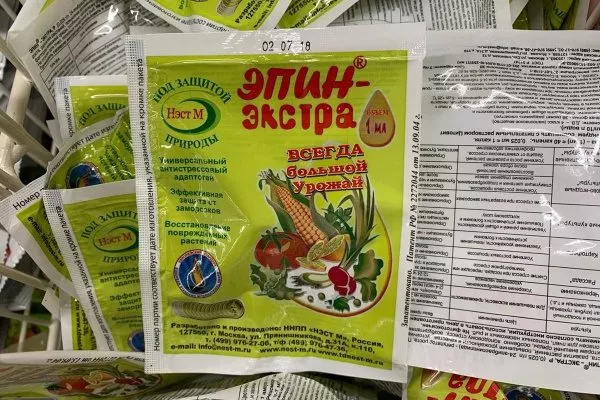
| Epin-extra | 5-7 days | Once a month |
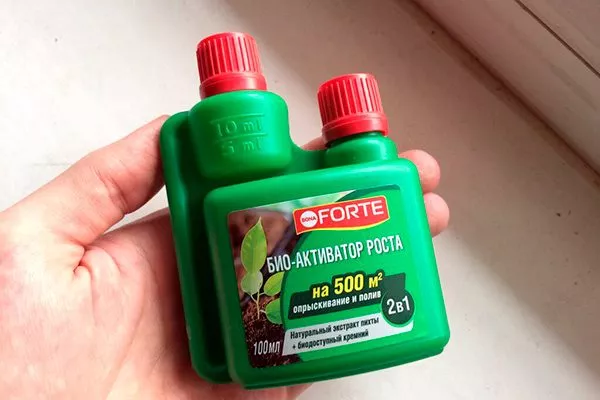
| Bona forte | 7-10 days | Once every 3 weeks |
Examples of funds:
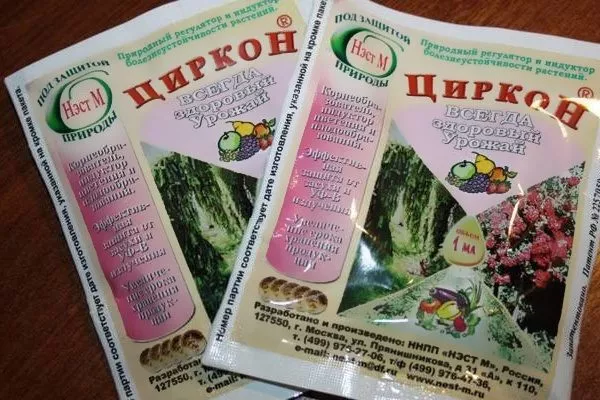
- Zircon. Promotes root development, root sucker formation, and enhanced plant growth and development. It also increases resistance to bacterial, fungal, and viral diseases, and promotes faster recovery from illness. It's a strong fertilizer, as the plant responds quickly to fertilization.
Therefore, frequent application is not recommended, as this will result in less abundant and shorter-lasting flowering. Spraying once every two weeks in the spring before flowering (1 ml of the product per 10 liters of water) is sufficient.

- Epin and Epin-extra. This biological stimulant allows flowers to quickly recover after repotting. It has a gentle effect and a wide range of uses.
It is used not only for root formation, but also as an immunostimulant, to strengthen the immune system, remove nitrates and other harmful substances, and also as a means for increasing green mass and prolonging the flowering period.
There is also Epin-extra, which is not as gentle, so it should be used with caution (dilute 1 ml of the preparation in 5 liters of water and spray the plant with this solution).
- Bona forte. Another biological formula activator, it contains fatty ethyl acids, urea, and bacterial strains. It's a universal fertilizer with a broad spectrum of action—it accelerates plant growth and flowering, strengthens the plant's immune system, influences root development, and improves the appearance of flowers.
It can be used after replanting, when transporting orchids, and in situations where the growing conditions of the plant are disrupted (low light, temperature fluctuations, low humidity).
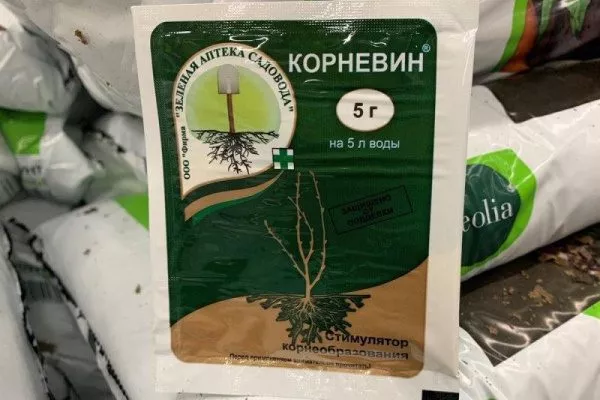
For root feeding: 1 ml per 1 liter of water. For spraying leaves until wet (do not spray flowers!): 5 ml per 1 liter of water. - Kornevin. It stimulates root formation, so it's most often used after replanting and for rehabilitation after illnesses. It can be used either dry (as a dusting on fresh root cuttings) or liquid (1 g of the product per 1 liter of water, watered 10 days after planting).
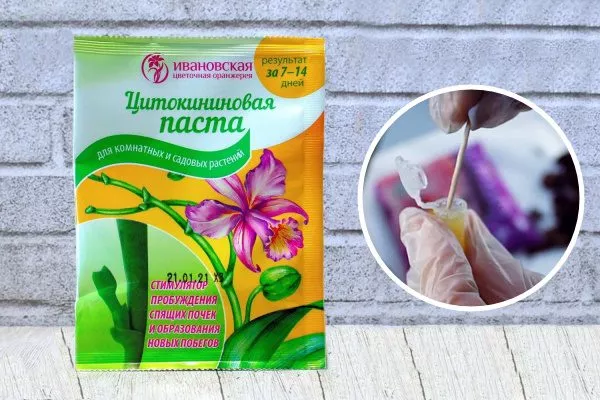
- Cytokinin pasteThis hormone-based product helps orchids recover from illnesses and other problems, activates cell growth and development, and awakens buds from dormancy. Therefore, cytokinin paste is always applied after the dormant period.
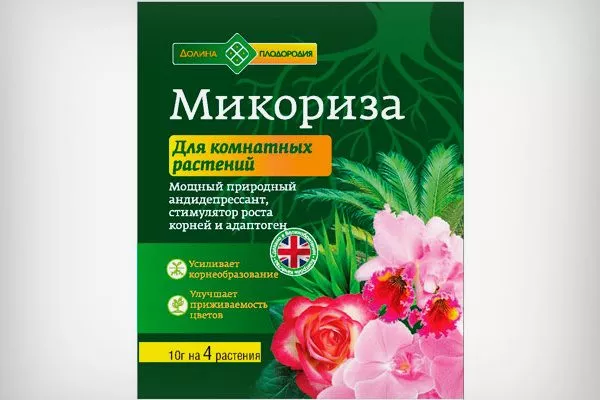
Additionally, the preparation strengthens shoots and accelerates metabolism, which in turn promotes flowering. If desired, propagate an orchid This hormonal treatment is also used on children. To do this, use a disinfected needle to prick the dormant bud a couple of times and apply a thin layer of the paste to the wound. A liquefying effect can be observed after 7-14 days. - MycorrhizaMycorrhiza is the symbiotic relationship between fungal mycelium and the root system of a plant. The fungus penetrates the plant's root and carries out its vital functions there, allowing the orchid, with the help of the fungus, to obtain the products necessary for the healthy growth and development of the plant itself. This is a mutually supportive relationship.
Thanks to symbiosis, the following occurs:- the absorption of nutrients and moisture is enhanced;
- improves resistance to drought and pathogenic microorganisms;
- improves the survival rate of flowers when transplanting;
- active germination of seeds and development of sprouts occurs;
- stimulates the growth of roots and the plant as a whole.
Acids
An acidic environment is essential for orchids, as it promotes accelerated growth. Most often, gardeners use succinic acid, but there are other types of solutions:
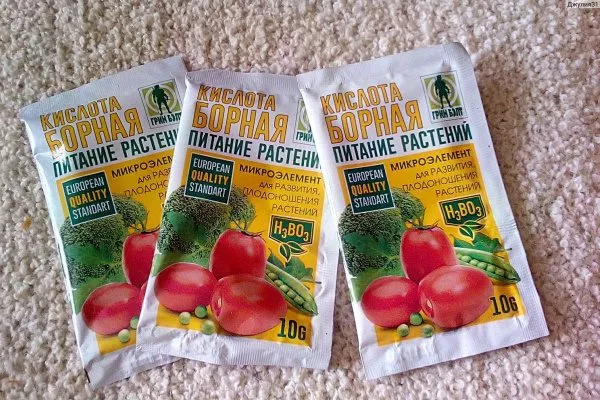
- Boric. You can buy boric acid as a fertilizer at a pharmacy or gardening store. How does boric acid affect plants?
- forms buds, increases flowering intensity;
- promotes the formation of growth points;
- strengthens the immune system.
To prepare the solution, mix 5 g of the product with 10 liters of water. It is recommended to spray the leaves in the spring (before flowering) in the morning or evening (to avoid burning the plant). The spray cloud should be as fine as possible (usually this can be adjusted on a spray bottle by rotating the nozzle). - Amber (Burstinova). This is the most popular acid among orchid growers because it actively participates in photosynthesis and the supply of nutrients to the plant. However, it should not be used during heavy flowering or during the dormant period.
In addition to what has already been said, it promotes:- increasing green mass and root system;
- prolonging the viability of the flower;
- acceleration and increase in the duration of flowering;
- improvement of the substrate microflora;
- improving the condition of the plant, strengthening its immunity;
- restoration of the bush after stressful situations (replanting, rejuvenation, illness, etc.).
Typically, to prepare a solution, 2 g of the preparation is diluted in 20 liters of water. Water the plant with this solution no more than once a month (and no more than four times per season).
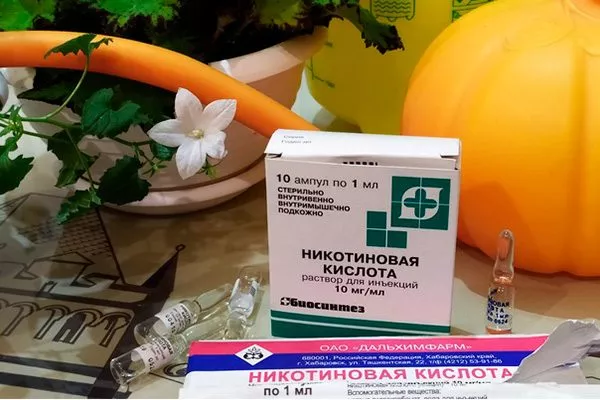
Also available for sale is a concentrated solution of Yantarin (from the TM "August"). It's diluted as follows: take 5 liters of settled water, pour it into a glass, and add 15 ml of amber liquid. Mix well. Then, pour this solution into the remaining approximately 5 liters of water and mix well. Use the solution immediately (i.e., on the day of preparation). Water in the spring (once every 20 days, but no more than three times). - Nicotine. It also contains vitamin B3, which improves reproduction, increases the number of shoots and flowers, and accelerates flowering. It is recommended for use as a restorative. One ampoule is dissolved in 1 liter of water. Water the plant with this solution in spring or summer if flowering is not occurring.
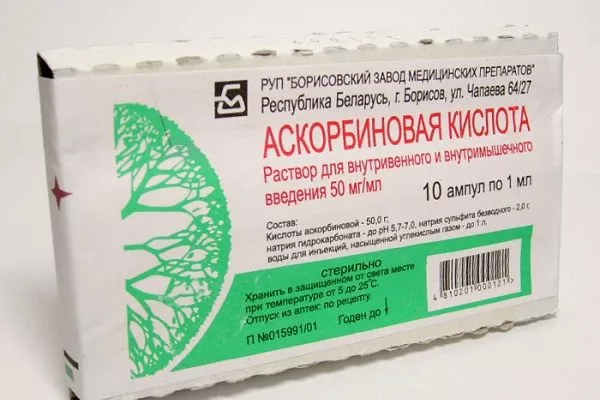
- Ascorbic. Recommended for use after sunburn and dryness. It's an antioxidant and chlorophyll restorer, saturating the orchid with hydrogen, improving its protective properties, and increasing oxygen permeability. Use one ampoule per liter of water.

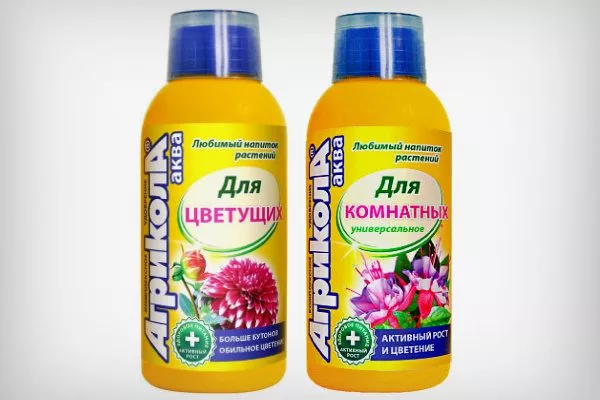
Agricola (Russia)
This brand offers several types of fertilizer, including a universal fertilizer for indoor plants, a separate fertilizer for flowering plants, a fertilizer for decorative foliage plants, a fertilizer specifically for orchids, and more. This product is also available in various forms, including liquid concentrate, water-soluble powder, granules, and stick fertilizers.
Micronutrients are chelated, making them easily absorbed by plants. This fertilizer is designed to improve the appearance of flowers, promote rapid establishment in a new location after transplantation, strengthen the immune system, protect against bacteria and fungi, and extend the flowering period.
However, growth is not stimulated, so additional nitrogen-containing fertilizers are required. The only drawback is the lack of magnesium.
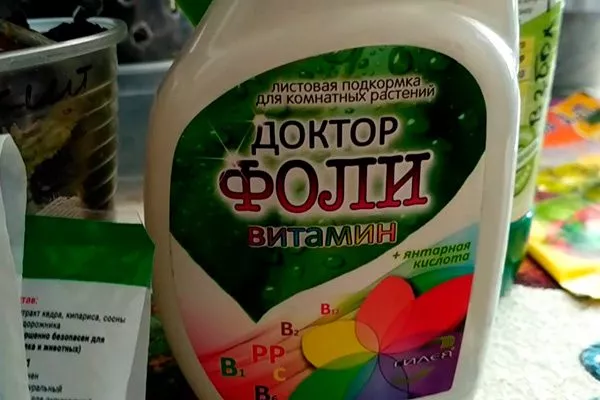
Doctor Foley Vitamin (Ukraine)
This product is intended for foliar feeding (sprayed onto the plant's green mass once a week). It contains numerous vitamins, phytohormones, and minerals, which not only nourish the plant but also:
- the level of resistance to adverse factors increases;
- the color of the petals becomes brighter and more saturated;
- budding is activated;
- flowering becomes more lush.
Pokon
This product is designed to fully saturate orchis with nutrients. It helps prolong the flowering period and promote more frequent budding. Pokon is available in stick or liquid form.
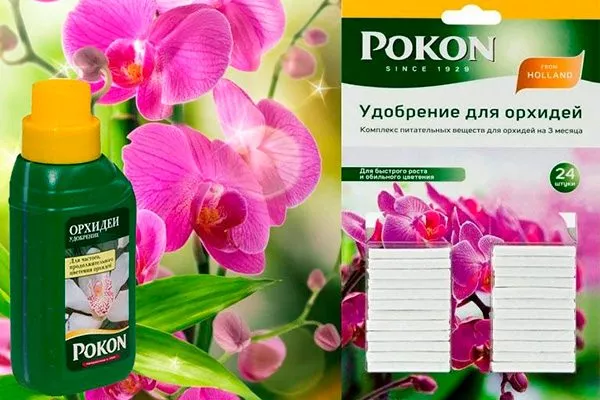
Liquid fertilizer (half a capful) is diluted in 1 liter of water and the plant is watered with this solution once a week. As for stick fertilizer, the dosage is calculated based on the pot diameter; for example, a 15-30 cm pot will require 1 stick.
Other
Flower shops also carry other types of orchid fertilizers that are equally effective. For example:
- Ribav-Extra. This mycorrhizal preparation is based on ginseng root, which makes it extremely effective. It not only accelerates growth and nourishes the plant, but also improves its health, protects it from stress, increases the number of flowers, and improves its appearance.
- Fasco Flower. Stimulates bud formation, accelerates and improves flowering.
- Effect BioThis isn't a single fertilizer, but a whole line designed for feeding at different stages of the growing season. There's even a substrate for orchids.
- Osmocote. A granular form that's added to the substrate and then watered. It nourishes the orchis with beneficial and essential nutrients. Feeding once every six months is sufficient.
- Alive for flowers. This organic product contains plant proteins and L-amino acids. In addition to nutrition and other properties, it increases orchid cold tolerance, prolongs the life of orchis, improves photosynthesis, and activates photosynthesis. There are two types of the product: a pink package for flowers and a green package for all plants (universal).
- Master-Agro for flowering plants. It provides orchids with the most balanced nutrition possible. It's a chelated product, making it easily absorbed and effective. Cell division increases green mass, brightens leaves and flowers, and improves flowering. Its unique NPK ratio is universal, making it suitable for use at all stages of orchid development.
- Aminozole from Avgust. An organic liquid fertilizer containing a comprehensive amino acid complex, it is used for foliar and root feeding. It regulates phytohormone synthesis, prolongs flowering, accelerates plant growth, and enhances orchids' decorative qualities. It also develops the root system and strengthens the immune system.
- Various sprays for orchids. The most popular products among orchid growers are Ecogel, Elixir, Miracle Spray, Biomaster, Agricola, Effect, Bona Forte, etc. They are easy to use, as they are ready-made (no need to dilute).
Folk remedies as fertilizers
Home remedies should be used with caution, as exceeding their dosage can lead to unpleasant consequences. What can be used:
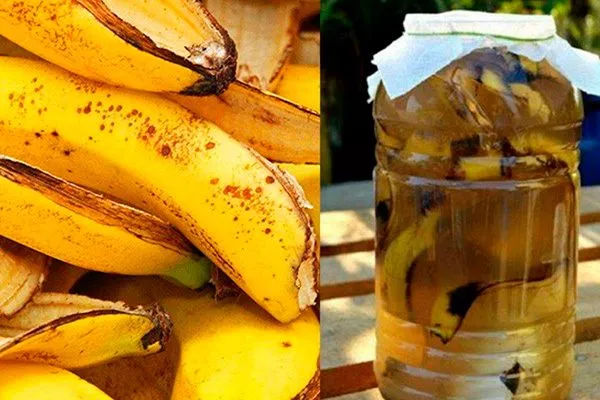
- Banana peel. It's ranked first among folk remedies because it contains all the essential minerals, but their proportions only promote the growth of green mass, so using it during flowering is pointless. How to prepare the fertilizer:
- cut the peel of 1 banana into pieces;
- add to 1 liter of water (room temperature);
- let it brew for 2 days;
- Strain and dilute the liquid with water in equal proportions.
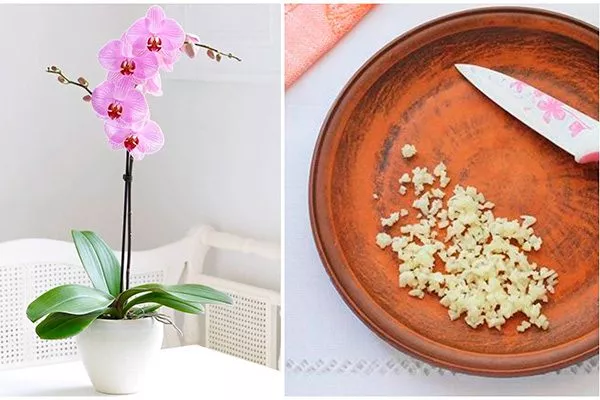
- Garlic water. The purpose is to prevent pest infestations and kill pathogenic microorganisms. To prepare, peel 3 cloves of garlic, crush them, and add them to 1 liter of warm water. Let it steep for 24 hours, then strain.
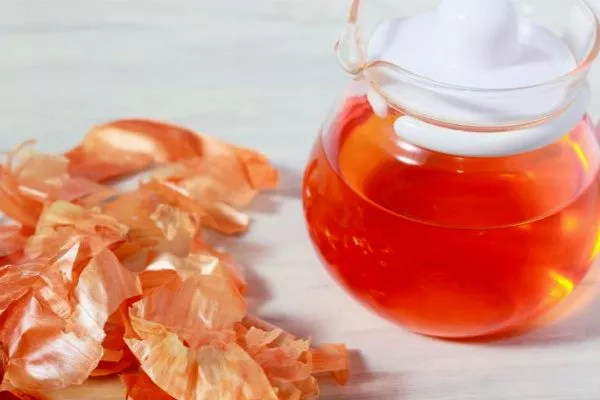
- Onion broth. The purpose is the same as garlic water. Boil the peel, let it steep for a couple of hours, and strain. Dilute the liquid to a light color by adding water.
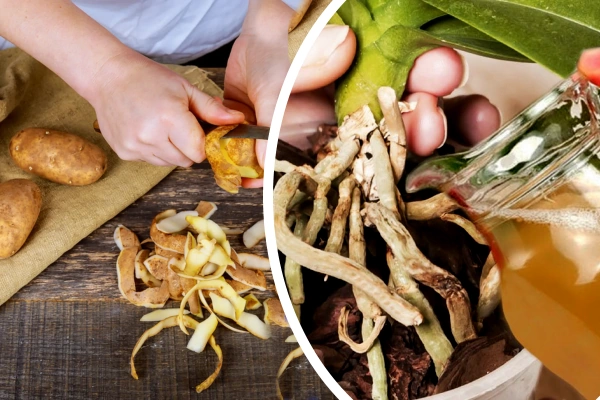
- Potato broth. The peel, which is rich in potassium, is used. It is washed and boiled. Only the broth is added.
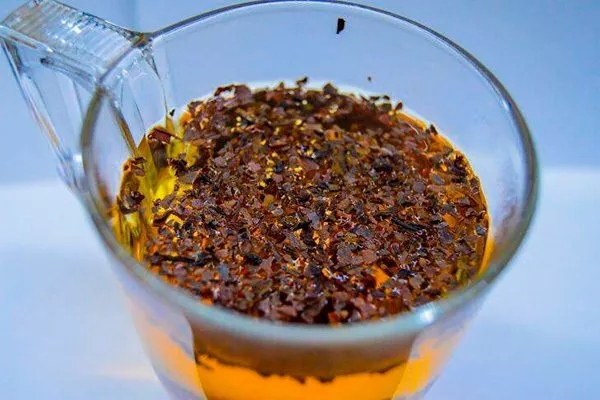
- Tea. It contains a small amount of minerals, but it acidifies the substrate perfectly. Simply brew the tea, strain it, and let it reach a medium-brown hue. Adding a little lemon juice strengthens the orchid's immune system.
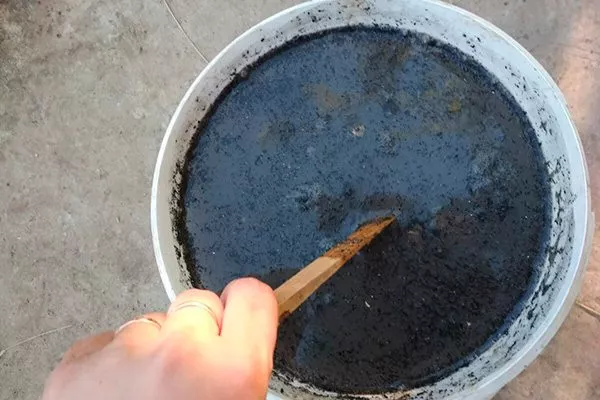
- Ash solution. Ash is the best fertilizer for plants. To prepare, pour the ash into a 2-liter container, add 1 liter of boiling water, cover with a lid and a blanket. Let it steep for 2 days. Before use, dilute the ash concentrate with water at a ratio of 1:10.
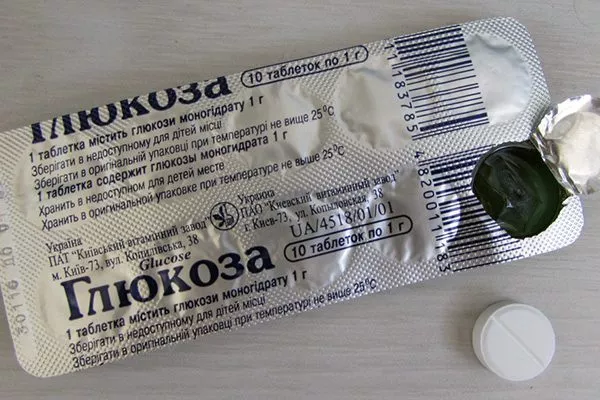
- Glucose water. Essential for enhancing mineral absorption. Just 1 tablet per 1 liter of water.
- Hydrogen peroxideThis folk remedy's primary purpose is to disinfect the substrate, thereby preventing the development of root rot. It also has additional benefits:
- accelerates bush growth and flowering;
- the substrate is saturated with oxygen;
- the root system is strengthened;
- the general condition of the flower is restored after damage.
For use, add 30 ml of hydrogen peroxide to 250 ml of water. It's important to perform this procedure after thoroughly loosening the soil.
See also the video on this topic:
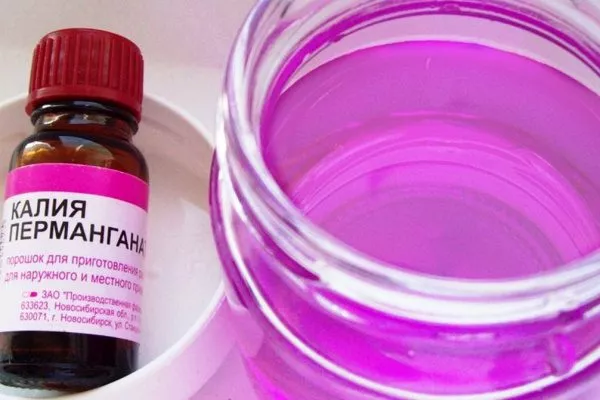
- Potassium permanganatePotassium permanganate in the formula KMnO4 is used to fertilize orchis. It is most often used to disinfect seeds, cuttings, substrate, and pots. However, it is rarely used as a fertilizer due to the danger of overdosing. However, experienced orchid growers actively use manganese for the following purposes:
- disease prevention;
- increasing the acidity level of the substrate;
- saturation of the plant with manganese and potassium.
A safe solution should have a very light pink tint.
Yeast
Yeast mixture has recently been used for orchids. It is high in B vitamins, which promotes the formation of new ovaries and flower stalks, and accelerates flowering. Yeast extracts potassium from the substrate, so it is important to supplement with this mineral when using it.
To prepare fertilizer, follow these steps:
- Combine 1 liter of warm water with 1 g of dry yeast.
- Add 3 g of granulated sugar.
- Keep in a warm place for 24 hours.
Uses of moss
Sphagnum moss is used by gardeners to create a substrate because it accumulates and evenly distributes moisture and has an antiseptic effect. However, there's another important factor: as the lower layer of moss ages, it begins to die off. This results in the formation of peat, which acts as a natural fertilizer.
Coconut water
Many experienced gardeners also use coconut water. For more information on why and how to use it, watch the following video:
What to choose?
Specialized orchid fertilizers are definitely the best choice. They contain all the essential plant components in the correct ratios. Each product specifies the appropriate time and method for use. All a gardener needs to do is choose the manufacturer (and there are many).
Vitamin cocktails are the second most frequently used. Vitamins are essential for improving the absorption of minerals by the root system. They also accelerate budding and flowering, increase photosynthesis, retain moisture within the plant structure, and promote the accumulation of nutrients.
What vitamins exactly are needed:
- thiamine (B1);
- nicotinic acid (B3);
- cobalamin, cyanocobalamin (B12);
- pyridoxine (B6);
- ascorbic acid (C).
Also watch a video from an experienced gardener on how to make similar vitamin cocktails:
There are many different fertilizers available for orchids. You can also make your own. The most important thing is to strictly adhere to the dosages specified in the instructions or recipes. Remember, any overdose can lead to disastrous results, including the death of the orchis. The golden rule for orchid growers is: it's better to underfeed than overfeed.