
Kalanchoe is a plant that combines ornamental and medicinal properties. Despite its tropical roots, it is a relatively easy-to-grow houseplant that can thrive indoors if a few simple rules are followed. With careful care, it will delight you with beautiful green foliage and vibrant pink flowers.
Optimal conditions for Kalanchoe
It's important to provide optimal conditions for your Kalanchoe to ensure it stays healthy and blooms. Consider humidity, temperature, and lighting.
Lighting
In nature, Kalanchoe prefers open spaces to receive maximum light. Therefore, indoors, place it near a south- or southwest-facing window to ensure good light throughout the day. Don't block the window, as the rays won't harm the plant's leaves or flowers.
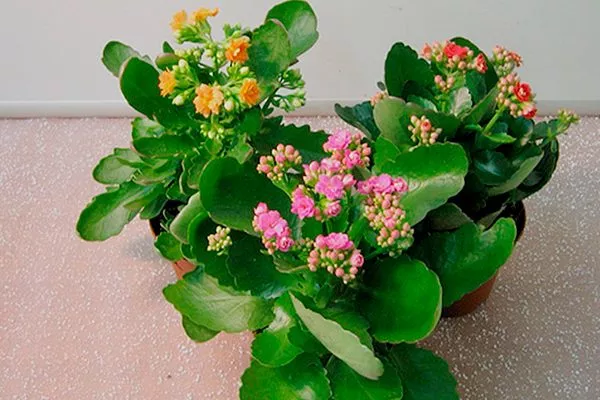
- ✓ Use phytolamps during short daylight periods to provide 10-12 hours of illumination.
- ✓ Avoid direct sunlight during summer midday to prevent leaf burn.
There's a helpful tip for stimulating bud formation in Kalanchoe. This short-day plant prepares for flowering with 10 to 12 hours of daylight. By isolating it from sunlight for 1 to 1.5 months, bud formation can be encouraged.
Temperature
In summer, the optimal temperature is around 22°C, while in winter, it's recommended to lower the temperature to 15-17°C, approaching the conditions of its natural habitat. Temperatures above 25°C can cause the leaves to wilt and fall off, and frequent watering won't improve the situation.
Humidity
Avoid placing Kalanchoe in areas with high humidity. This plant does not tolerate excess moisture, not only in the soil but also in the surrounding air.
Excessive humidity in the air can cause water to accumulate in the stem rather than the root system, creating conditions favorable for fungus and mold growth. Keep the air dry, especially during the fall and winter.
Priming
When preparing soil for Kalanchoe, pay special attention to good drainage. Stagnant water can cause root rot and lead to the death of the plant. During hot periods, the soil should be kept sufficiently moist, but avoid daily watering.
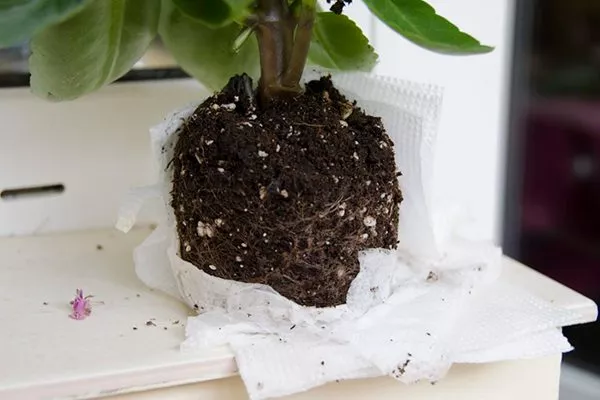
It's acceptable to add a small amount of water to the bottom of the pot to ensure sufficient moisture. The ideal soil for Kalanchoe should be loose and contain a mixture of turf, peat, leaf mold, and humus. This mixture will provide the plant with all the necessary elements for healthy growth.
Pot
Either a plastic or ceramic pot with a slight bulge at the bottom is suitable, as Kalanchoe does not respond well to waterlogging. A regular clay pot is the optimal choice for this plant. Add drainage to the container, ensuring a minimum of headspace.
- ✓ The clay pot should be unglazed for better air exchange.
- ✓ The pot diameter should be 1-2 cm larger than the root system for optimal growth.
Don't plant a small plant in an overly large pot in the hopes of future growth. It's unacceptable to combine Kalanchoe with other plants, flowers, or trees in the same pot.
Growing rules
Agronomic practices will help maintain the health and abundant flowering of your Kalanchoe during cultivation. Provide proper care to prevent its death.
How often should Kalanchoe be watered?
To water your Kalanchoe, use soft, warm, settled water. Water sparingly, only after the top layer of soil has dried. When caring for the plant, avoid allowing the soil to dry out completely, as this can cause the leaves to drop.
In winter, water your Kalanchoe only every third day after the soil mixture has dried out. It's best to use a tray to maintain optimal humidity.
Spraying
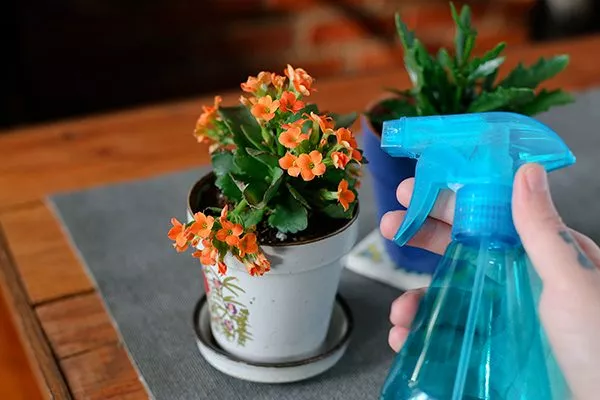
Spraying the plant with a spray bottle is not recommended, except in cases of extremely dry winter air due to heating or during periods of extreme heat. This can be helpful for humidifying the air around the plant and maintaining its health.
How to feed Kalanchoe?
When caring for your indoor Kalanchoe, pay attention to proper fertilization to prevent various problems. These can arise due to nutrient deficiencies and may include:
- cessation of growth;
- yellowing of lower leaves;
- brown spots on leaves;
- absence of peduncle.
Each of these problems may be related to a deficiency of a specific micronutrient, and the use of fertilizers promotes rapid restoration of the plant's health. Kalanchoe is easy to fertilize, and excessive use can be harmful.
To achieve satisfactory results, it's best to follow the instructions when choosing a fertilizer dose. Kalanchoe requires fertilizing every two weeks. In the spring, during active growth, apply nitrogen. During bud formation and flowering, add potassium and phosphorus.
Trimming
Kalanchoe needs to be pruned to form a neat bush. Regularly trim the tops to encourage the growth of side shoots. After flowering, perform a sanitary pruning. This includes removing spent flower stalks and leaves. Trim any thin shoots that protrude above the bush.
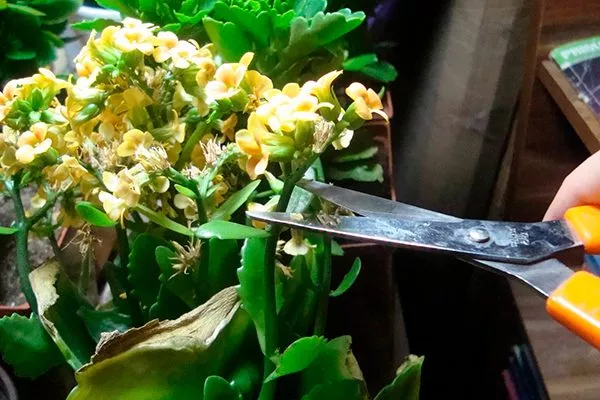
Many Kalanchoe varieties tolerate pruning and shaping well, creating a bushy and attractive appearance. When pruning, use sharp scissors to prevent unnecessary damage. Remove old leaves and flower heads as you prune. Perform these procedures during the dormant season (March to September).
When to replant Kalanchoe?
Kalanchoe grows rapidly, but due to its rapidly expanding root system, it requires frequent repotting, regardless of the size of its stems. Repot in late spring, when the plant is in its most active growth phase.
How to transplant Kalanchoe?
Over time, Kalanchoe may need to be repotted into a larger pot, which usually occurs around its third year. This process is not difficult, and even a novice gardener can handle it.
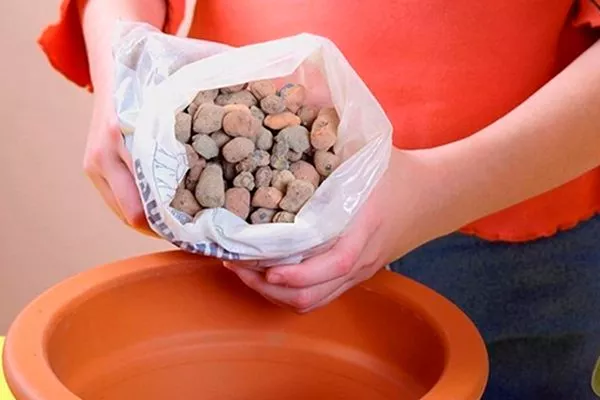
For a successful transplant you will need the following materials:
- a new pot (2 cm larger in diameter than the previous one);
- prepared substrate;
- sand;
- disinfectant;
- spatula for easy extraction of roots;
- drainage material;
- water.
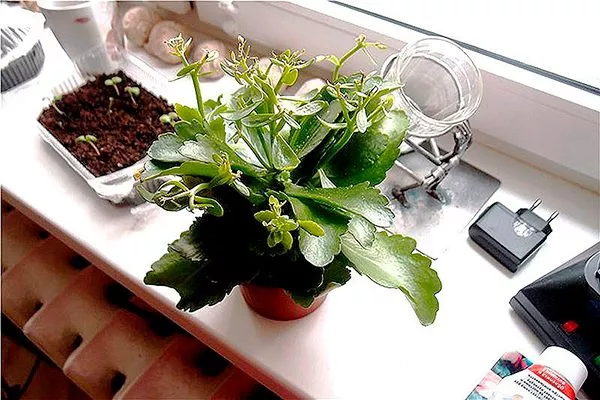
Step-by-step instructions for replanting Kalanchoe:
- Prepare a substrate that matches the composition of the one in which the plant grew before transplanting.
- Place a 2 cm layer of expanded clay, pebbles or crushed stone on the bottom of the new pot, then add 1 cm of sand and fill the pot with substrate to a quarter of its height.
- Before removing the plant, water the substrate in the old pot.
- Carefully remove the Kalanchoe from its old container, freeing the roots from the soil. Use a garden trowel to prevent damage to the roots.
- Trim off any rotten or dried out parts of the root system.
- Place the Kalanchoe in the new pot, distributing the roots evenly. Add enough potting soil to cover the roots but not reach the top of the container by 2 cm.
- After replanting, water the plant generously to speed up the adaptation process.
Diseases and pests of Kalanchoe
Kalanchoe, like any plant, can be susceptible to disease and pest attacks. Here are some common problems and methods for preventing and treating them:
- Root rot. The problem is caused by overwatering and insufficient drainage. Reduce watering, ensure good drainage, and repot the plant in dry soil.
- Powdery mildew. High humidity and insufficient ventilation are the main causes of the disease. Use fungicides, ensure good ventilation, and avoid excess humidity.
- Bacterial infections. The cause is water splashing on the leaves during watering, leading to leaf damage. Reduce watering, avoid splashing water on the leaves, and treat the plant with an antiseptic.
- Blackleg. This occurs due to overly humid conditions and poor drainage. Repot the Kalanchoe in well-drained soil and provide moderate watering.
- Aphid. Leaves curl, and a sticky coating appears. Inspect the plant regularly, remove aphids mechanically, and use soap or oil solutions.
- Ticks. Yellow spots and fine webbing appear on the leaves. Humidify the air, use insecticides, and remove mites mechanically.
- Root nematodes. Symptoms include yellowing leaves and stunted growth. Use healthy soil and treat plants with nematicides.
It is important to regularly inspect the plant, monitor its condition for changes, and take measures to prevent and treat diseases to ensure healthy growth and development of the flower.
What to do if Kalanchoe does not bloom?
Kalanchoe is often offered in stores in two varieties: flowering or with multiple inflorescences. This is due to the use of artificial growth enhancers in greenhouses. After flowering, the plant typically loses its inflorescences, and waiting for new ones can take a long time, even with proper care.
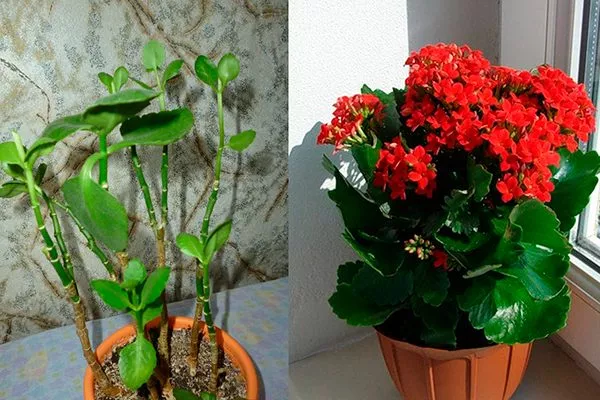
Here are some tips on how to make Kalanchoe bloom at home:
- Kalanchoe blooms in spring, but it requires an "artificial winter" to form buds. Place the plant pot between window frames or on an insulated balcony where the temperature does not drop below 10°C.
Water moderately to prevent leaf wilting and reduce daylight hours to 10 hours per day. - Pinch out new shoots to preserve the Kalanchoe's strength for flower stalk formation. This step is recommended in late February or early March.
- After the flower stalks have formed, return the plant to its normal conditions, and it will delight you with abundant flowering.
By following these recommendations, you can stimulate Kalanchoe flowering and create optimal conditions for the formation of colorful flowers at home.
How to get Kalanchoe to bloom again?
After the Kalanchoe has finished flowering, prune the plant, removing excess shoots and trimming them to short stumps or the desired length to achieve the desired shape. Place the plant in the shade for 1-2 months, preferably in a cool location. Provide minimal watering.
Once the Kalanchoe begins actively growing, return it to a warm location and provide maximum light, pinching the tips of the branches (usually after 4-5 pairs of leaves) to form dense bushes. To stimulate bud formation, limit daylight hours to 8-10 hours.
Tips for caring for Kalanchoe
Various Kalanchoe varieties experience their active growth phase in winter, but year-round care is essential to maintaining the plant's health and beauty. This promotes the formation of healthy shoots and abundant flowering.
Insufficient care can result in a lack of blooms and a deterioration in the overall health of the plant. Follow these care recommendations:
- Establish an optimal watering regime, fertilize regularly, and prune and replant when necessary into a larger pot with fresh nutrient substrate.
- Succulents require moderate watering, as they tolerate short-term drought better than overwatering. Apply water at the roots, avoiding drips on the leaves. While watering two to three times a week in summer is sufficient for a month in winter.
- Kalanchoe does not require frequent fertilizing, but you can apply mineral fertilizers for succulents twice a month in the summer and fall to stimulate growth and the formation of new buds.
- Combine spring pruning with plant propagation. Use the removed shoots and leaves to grow new specimens, either by rooting them in water or planting them directly in the ground.
- Viviparous varieties produce "pups" on the soil surface, which can also be used for propagation. Remove them to prevent them from competing for nutrients with the mother plant.
- Transplant young plants with roots into separate containers for further growing.
Caring for Kalanchoe at home is a process that can bring joy to plant lovers. By following these recommendations, you can create comfortable conditions for this easy-to-grow plant to thrive. Kalanchoe's colorful flowers and decorative foliage will make a wonderful addition to your home.