
Kalanchoe is an attractive and easy-to-grow plant, popular as an interior design element. With its bright, lush leaves and beautiful flowers, it can create a cozy atmosphere in your home or office. Like any other plant, it may require repotting after purchase.
Why and when is a transplant needed?
Repotting will allow the plant to free itself from its transport pot and move to a more spacious and comfortable location. Kalanchoe's rapid growth quickly saturates its current pot with roots, making repotting to a larger pot necessary to avoid restricting its growth.
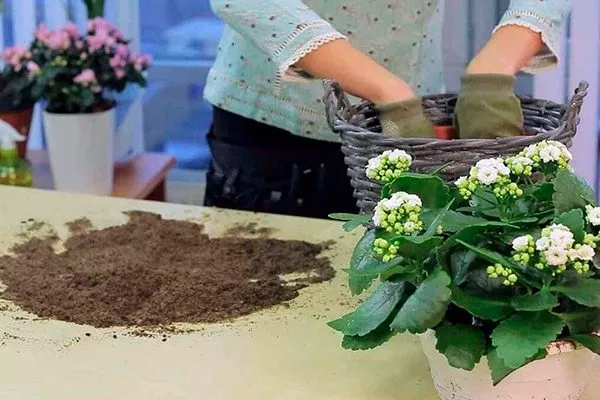
Other reasons for replanting Kalanchoe:
- Repotting is necessary to refresh the soil for your Kalanchoe. After you purchase your plant, the soil in its pot may lose its fertility and nutrients. Repotting your Kalanchoe can replace the old soil with nutritious potting soil.
- Repotting provides an opportunity to identify and prevent root problems. When repotting, carefully inspect the Kalanchoe roots to identify potential problems, such as rot or dried-out roots.
If necessary, remove damaged roots and treat the remaining ones with an antiseptic to prevent various diseases and damage.
Repotting a Kalanchoe not only provides more comfortable growing conditions for the plant but also helps identify and correct root problems early. Repot the Kalanchoe immediately after purchase into a spacious pot, refreshing the soil regularly to maintain its health and vigorous growth.
The right time
Kalanchoe is repotted in several situations. Here are the main reasons:
- Two to three weeks after purchasing the plant.
- In case of disease or damage to the flower due to excess moisture.
- If it is necessary to replace the pot due to its tightness.
The optimal time for transplanting is in the spring, during the dormant period, 3-4 weeks before flowering begins.
Choosing a pot
Selecting the right pot for Kalanchoe plays a key role, as this plant requires special attention to its growing conditions.
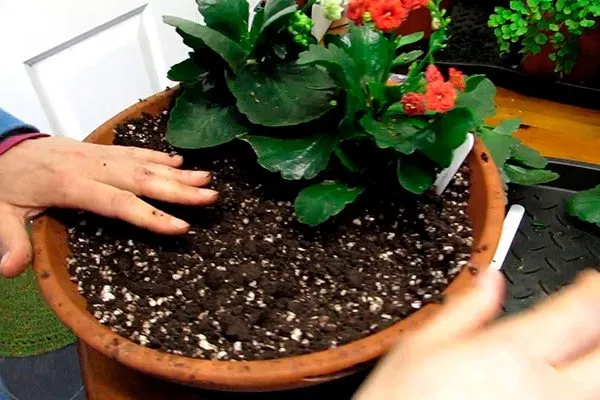
Please pay attention to the following points when choosing a pot for Kalanchoe:
- Size. The container should be large enough to provide the plant with adequate root space. Avoid overly large pots to prevent the soil from becoming waterlogged.
- Material. Choosing a pot made of a material that provides good drainage and prevents overwatering is key. Plastic and clay pots are often considered the best choice for Kalanchoe.
- Drainage system. The pot should have holes in the bottom to effectively drain excess moisture. This prevents root rot and overwatering.
- Design. Aesthetics are also important. The pot should harmonize with the interior and overall style of the room, creating a unified appearance with the plant.
What kind of soil do you need?
Careful selection of soil composition when repotting Kalanchoe can have a significant impact on its overall health and prosperity. Since Kalanchoe's tuberous roots are located close to the surface, they require soil that provides good moisture and air exchange.
General recommendations:
- The main component of a Kalanchoe potting mix is a light, nutritious soil mixture. A combination of humus-rich peat, sand, and a small amount of perlite is optimal.
Peat provides the necessary moisture and nutrients, while sand and perlite maintain good air circulation. - It's helpful to add a small amount of wood ash to the soil mixture to improve its physical properties. Ash regulates soil acidity and promotes mineral absorption by plants.
- Before using the soil mixture, sift it thoroughly to remove large clumps and foreign particles. This pre-preparation step helps prevent root compaction and ensures better plant-soil interaction.
By following these guidelines when choosing a potting mix for repotting, you will ensure ideal conditions for the healthy growth and development of your Kalanchoe.
How to transplant – features
Repotting a Kalanchoe requires careful attention to a number of factors to ensure the healthy growth and prosperity of this easy-to-grow plant. It's important to consider several key points.
Planned transplant
Planned Kalanchoe repotting is performed while maintaining the integrity of the root ball. Step-by-step instructions:
- Water the plant a few hours before replanting to make it easier to remove from the old pot and to prevent soil from crumbling.
- Pour 2-3 cm of drainage layer and a small amount of fresh soil into the bottom of the new container.
- Remove the flower and carefully examine the roots surrounding the root ball. Healthy roots should have a light color (white or yellowish).
- Place the root ball in the center of the new pot.
- Fill the empty space with soil. Don't add too much soil on top; 3-5 mm is enough.
- ✓ The roots should be elastic and not break when pressed lightly.
- ✓ No dark spots or slime on the roots.
If you notice rotten roots, pest larvae, or an unpleasant odor from the soil, clean the root system.
After purchase
After purchasing, it's equally important to repot the plant. Step-by-step instructions for repotting a Kalanchoe after purchase:
- Place a 20 mm thick drainage layer at the bottom of the new pot and fill it with fresh substrate.
- Remove the plant from the old container.
- Carefully loosen the Kalanchoe roots from the soil mixture, using a wooden stick for ease of handling. Remove the transport soil, minimizing damage to the plant. If the root ball is difficult to remove, leave some of it in place.
- Inspect the root system for rotted or damaged areas. Healthy roots should be white or dark straw-colored, while rotten ones will be grayish and watery.
- Cut off damaged roots and treat the remaining ones with fungicides. Cover the cut areas with crushed activated charcoal or charcoal.
- Place the flower in a new pot so that the roots are evenly distributed and do not bend.
- Add new substrate, being careful not to compact it too much—the soil should remain loose. Fill all voids.
- When planting, make sure that the root collar is not buried too deep.
- Choose a planting height so that the soil level is approximately 1-1.5 cm below the rim of the pot.
- If the soil is dry, water it.
After the cuttings have taken root
If a Kalanchoe cutting has developed in the substrate, a transshipment method is used, similar to a planned transplant. If the seedling has aerial roots or has grown in water, the process of planting in the soil mixture requires care to avoid damaging the young shoots.
Step-by-step instructions:
- Place drainage material at the bottom of the pot and cover it with a layer of soil on top so that the soil level is 1-2 cm below the edge of the pot.
- Form a depression in the substrate and carefully place the cutting into it. Do not press too hard to avoid damaging the branch.
- Fill the soil around the cutting.
In case of illness
If your plant is under attack by pests or shows signs of disease, it's important to take immediate action. Follow these steps:
- Carefully clean the Kalanchoe root system from soil.
- Remove damaged and rotten parts of the roots.
- If rot is detected, rinse the remaining roots with fungicides. If the soil is infested with insects, treat the plant with insecticides.
- Let the plant dry out, then sprinkle the cut areas with crushed charcoal.
- Plant in fresh soil mixture.
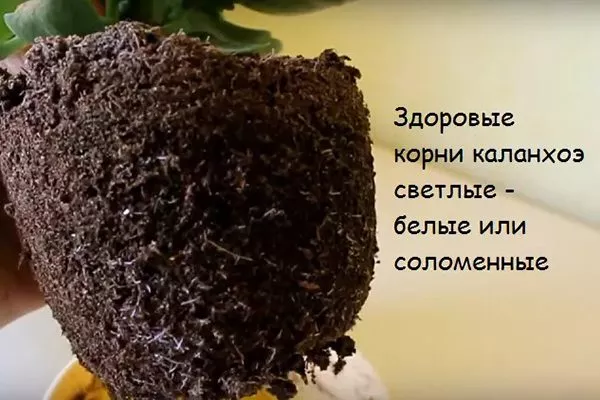
If repotting involves replacing the soil, avoid watering the plant beforehand. Dry soil will be removed more easily, and the roots will be less susceptible to damage.
Transfer algorithm
When repotting, choose a pot that's only 2-3 cm larger than the previous one, as an overly spacious container may reduce flowering. Follow these instructions:
- Carefully remove the Kalanchoe from its original container and carefully assess the condition of the root system.
- Remove damaged areas if necessary.
- Transplant the plant into a new pot, then sprinkle with soil and compact it slightly.
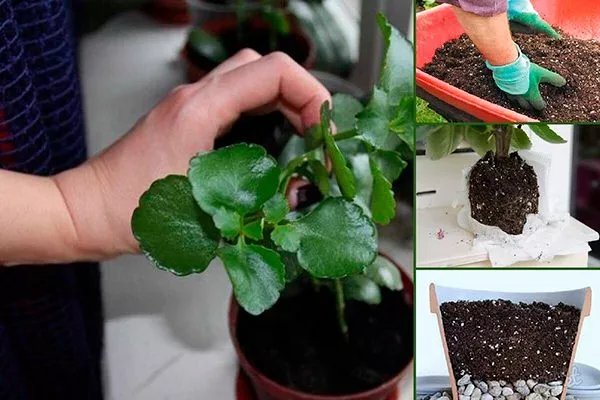
The final stage is watering using water at room temperature, supplemented with a small amount of fertilizer.
How to care for Kalanchoe after replanting?
After repotting using the root ball method, return the Kalanchoe to its original location and continue with normal plant care. Follow these recommendations:
- After repotting, the plant requires adequate moisture for active recovery and growth. Avoid overwatering to prevent root rot. Regularly test the soil moisture with your finger and water when the top layer begins to dry out.
- After repotting, your Kalanchoe may require additional nutrients to maintain health and stimulate growth. Use a fertilizer formulated for cacti and succulents, following the package instructions.
- Kalanchoe prefers bright light, but avoid direct sunlight, especially during the summer months. Place the plant near an east- or west-facing window to ensure adequate light.
- Kalanchoe prefers moderate temperatures between 15-25°C. Avoid sudden temperature changes and constant exposure to drafts.
- Kalanchoe blooms continuously, and removing spent flowers helps stimulate new bud formation and prolong blooming. Remove spent flowers regularly using sharp garden shears.
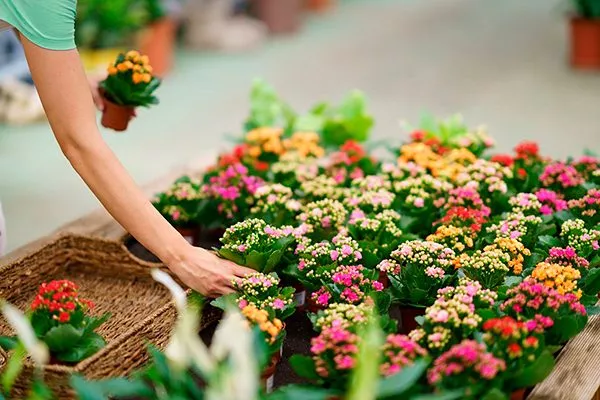
By following these recommendations, you will ensure the successful development of Kalanchoe after replanting and support its healthy growth and decorative appearance.
Common mistakes
If your Kalanchoe shows no signs of flowering or slows down after repotting, it may be due to mistakes made. The most common ones include:
- Using unsuitable soil. Kalanchoe doesn't require particularly fertile soil, but it should be well-drained. The mistake is using soil that's too dense or too wet.
Use a specialized soil for succulents or add sand or perlite to regular soil. - Incorrect transfer time. Kalanchoe is best repotted in spring or early summer, when the plant is actively growing. Repotting at the wrong time of year, such as fall or winter, when the plant is dormant, can be a mistake.
- Wrong choice of pot. Kalanchoe prefers compact pots, as too-large containers can cause moisture retention and lack of oxygen for the roots. Choosing a pot that's larger than the Kalanchoe's root system is a mistake.
Choose pots slightly larger than the plant's roots. - Root damage. Kalanchoe roots are very fragile and easily damaged during repotting. Rough handling is a disadvantage. To prevent damage, carefully clean the root system and carefully repot the plant into a new pot.
- Incorrect watering after transplanting. After repotting, Kalanchoe requires a proper watering regimen to ensure successful adaptation. The problem often stems from over- or under-watering. To avoid this, monitor the soil moisture and maintain moderate watering.
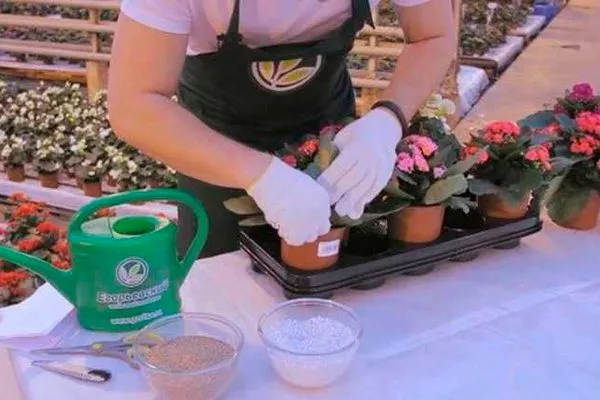
Growing and repotting are crucial aspects of caring for this beautiful and easy-to-care-for plant. Choosing the right pot, suitable soil, and careful root care will help create optimal conditions for the health and development of your Kalanchoe.