
Kalanchoe has long been known to be beneficial in treating various ailments. For example, it has been shown to be effective against ear infections, various skin conditions, and colds. With proper care and timely pruning, Kalanchoe becomes a beautiful, lush flower that can decorate and complement any interior.
The essence of the procedure
Pruning is an important procedure when growing Kalanchoe. The plant's shoots grow rapidly and vigorously, and without crown shaping, the bush may lose its neat shape.
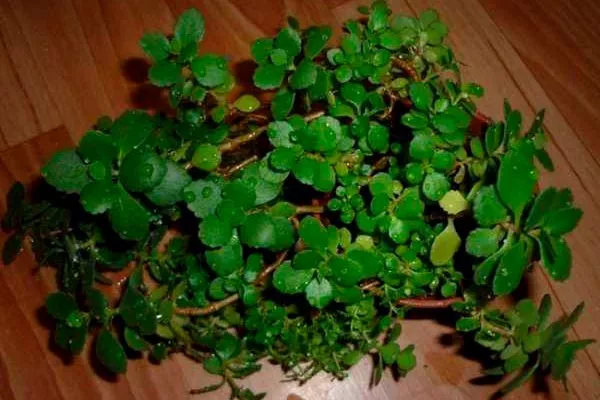
Flower pruning also has additional purposes:
- It's essential to pinch the upper parts of the shoots to ensure the crown takes on a rounded and neat shape. Since the upper shoots are actively growing, pinching encourages the bush to expand.
- Old shoots usually lose their leaves and become bare, so they are removed to maintain the attractive appearance of the plant.
- Faded and wilted inflorescences are also pruned. This prevents the flower from becoming infected with various diseases and promotes more abundant flowering in the future.
- Rejuvenating pruning is performed to maintain the health of the bush. Without old shoots, the sap is evenly distributed throughout all tissues.
General rules
Pruning Kalanchoe involves removing overgrown shoots, dried buds, and leaves that interfere with normal nutrition and healthy development of the plant.
There are several types of pruning. For effective pruning, use a sharp kitchen or gardening knife. A new blade from a stationery set will do. It's important to disinfect the tool with rubbing alcohol beforehand.
Do not perform pruning in the following cases:
- in the first days after purchase or in a new place;
- during the flowering period:
- during the acute period of the disease;
- 2-3 weeks after transplantation;
- when exposed to direct sunlight;
- in winter.
If necessary, apply wood ash or crushed activated charcoal to any wounds that appear on the stem. Avoid manually removing leaves to prevent stem damage and subsequent wilting of the flower.
Should this be done?
Pruning Kalanchoe can be beneficial, especially for creating a beautiful and healthy crown, stimulating the growth of lateral shoots, and maintaining a compact appearance. This procedure is essential, as evidenced by several factors:
- Stem extension. If Kalanchoe stems become too leggy, pruning can help keep the plant compact. Trim the tops of the stems to encourage lateral growth.
- Flowering and peduncles. After Kalanchoe has finished flowering, removing spent flower stalks can improve the appearance and stimulate the formation of new flowers.
- Removing wilted leaves. Regularly removing dead leaves helps maintain the overall health of the plant and prevents potential problems with rot or disease.
- Crown formation. If you want to give your Kalanchoe a certain shape or balance the crown, pruning is very effective.
How to form a beautiful bush?
Crown shaping can be accomplished using various methods depending on the desired goals, including primary pruning, decorative treatments, and other options. Let's take a closer look at how to properly shape a beautiful bush.
First pruning
Primary pruning is recommended for young plants immediately after repotting. In this case, the tops are trimmed to encourage branching, which helps form a lush crown.
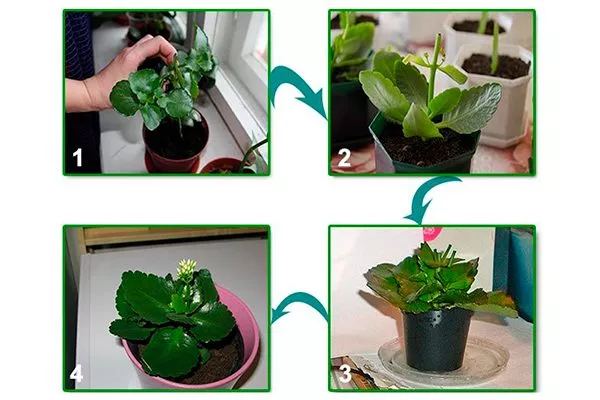
It's not necessary to prune every stem; it's important to focus on the desired appearance of the plant. Perform this procedure in the first half of spring.
Preventive
During active plant growth, preventative pruning plays an important role. There are several reasons why this procedure is necessary:
- Where shoots and leaves were previously cut, new shoots are beginning to form in the axils and buds. Prune the shoots to maintain the desired crown shape.
- Regular inspection of the plant and removal of dry or rotten parts immediately maintains the health of the Kalanchoe, preventing the occurrence of various diseases.
- The lower shoots gradually lose their leaves and become bare, creating an unattractive appearance. It is recommended to remove the bare lower branches as the flower grows, so that only fresh, lush green foliage remains.
- During the summer, the upper shoots actively stretch. To stimulate the growth of side branches and create a bushy shape, pinch the tops.
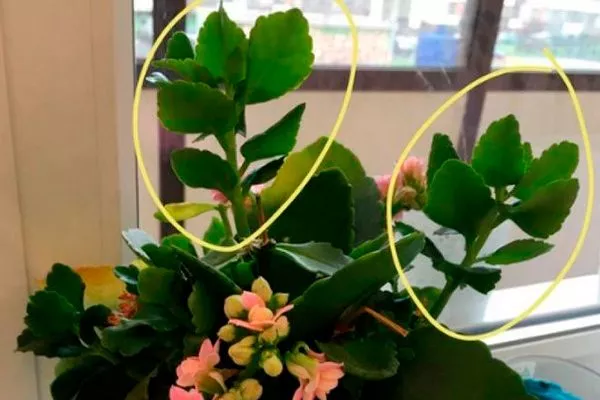
If the upper shoots have reached 10-12 cm in length, they can be used for propagation. The process is simple and requires little effort: place the leaves and cuttings in a container of room-temperature water. Over time, roots will begin to grow. You can then plant them in soil, creating a young plant.
Decorative
Ornamental pruning is a crown-shaping process that involves removing all old and damaged shoots, as well as those that don't match the desired appearance (too long, thick, growing in an undesirable direction, etc.). Perform this procedure in late fall.
Forming a plant in bonsai style
Forming a Kalanchoe in the bonsai style is a creative and aesthetic process that results in a miniature and distinctive plant.
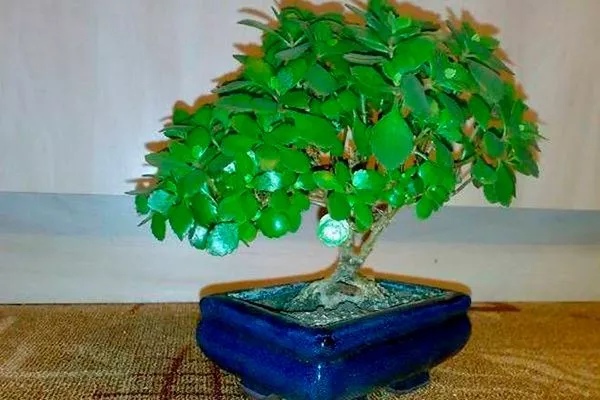
Follow the recommendations:
- Choose a succulent Kalanchoe that's easy to prune and has a compact shape. Most varieties are suitable for this.
- Decide what bonsai style you'd like to cultivate your Kalanchoe in. It could be "ereki," "cascade," "forest," or any other style that suits your taste.
- Decide what basic form you want to create. This could be a standard tree or something more unique, reflecting the characteristics of the Kalanchoe.
- Use a sharp tool to trim the stems to the desired style and shape. Leave a few key leaves on each stem to maintain the plant's vigor.
- Trim and shape the top of the plant to create a crown that suits the chosen bonsai style.
- After pruning, pay attention to regular watering, lighting control, and fertilization to ensure the health and development of the Kalanchoe.
Shaping Kalanchoe into a bonsai style is a creative process that can add a unique accent to your home or office, highlighting the beauty of this graceful succulent.
After lush flowering
After flowering, trim the flower stalks at their base. Remove any wilted leaves and stems, and discard any dead parts.
How to pinch correctly?
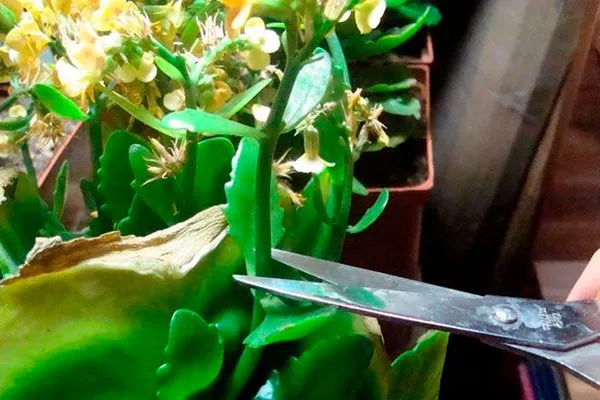
Pinching is the process of trimming the tips of shoots using a sharp blade or young leaves. This procedure helps correct the shape of the crown and is considered gentler. A sharp blade will help prevent uneven cuts and preserve the shoot's structure.
- ✓ Pinch only the top 1-2 cm of the shoot to stimulate branching without stressing the plant.
- ✓ Use only young, non-woody shoots for pinching to minimize damage.
Treat cuts with wood ash. This will speed up the healing process and prevent possible rot. Avoid pinching during flowering.
How to make a plant bloom?
To ensure your Kalanchoe blooms and delights you with its beautiful inflorescences, follow certain rules. Here are the basic recommendations:
- Kalanchoe prefers bright but indirect light. Place it in a spot where it will receive adequate light, but avoid direct sunlight, especially during the hottest hours of the day.
- This succulent prefers moderate watering. Allow the top layer of soil to dry out between waterings. Avoid overwatering, as this can lead to root rot.
- Kalanchoe prefers a warm climate. The optimal temperature for flowering is usually around 18-24°C. Avoid sudden temperature changes.
- During the period of active growth and flowering, feed your Kalanchoe with a flowering plant fertilizer. Follow the instructions on the fertilizer packaging.
- To encourage new bud formation, remove faded flowers and flower stalks.
- Some Kalanchoe varieties have their own flowering cycle. When purchasing a plant, check its flowering seasons and ensure the necessary conditions are met.
- Humidity: Although Kalanchoe generally adapts well to indoor conditions, occasionally adding humidity can help keep the plant healthy.
By following these recommendations, you will create optimal conditions for Kalanchoe, which will promote its flowering.
What to do if the trunk has grown tall?
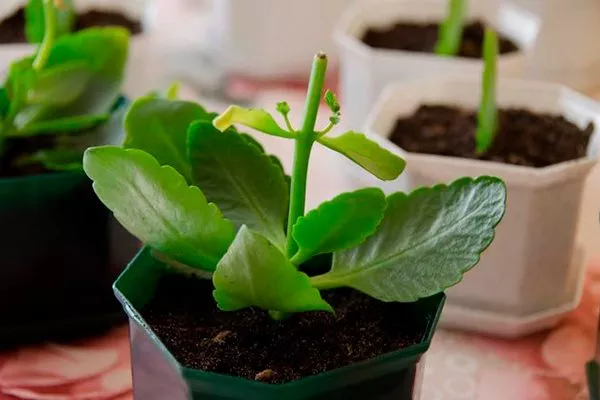
For a stretched trunk, simply trim the top, leaving the desired height. Avoid cutting the trunk at the base. The remaining trunk should retain shoots, which can be used to develop a branched crown through regular pruning or pinching.
Which species need to be pruned?
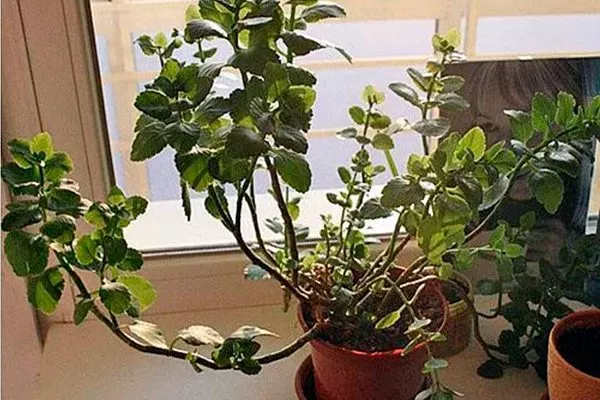
There are over 200 different species of Kalanchoe known to the gardener, but only a few are grown indoors. While pruning principles are common to all species, there are some special considerations.
The most common windowsill plant is Kalanchoe blossfeldiana, recognizable by its bright red blooms adorning a compact, vibrant green bush. This hardy plant easily survives even drastic pruning.
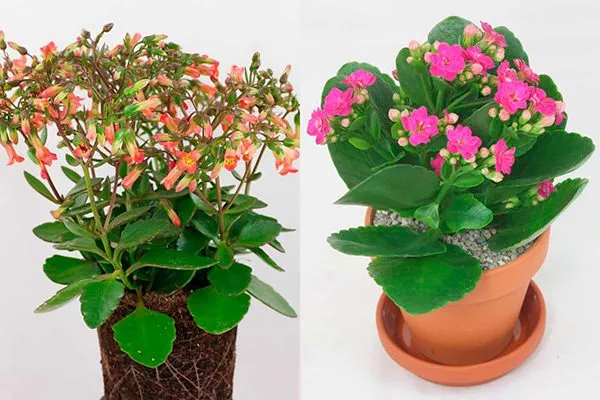
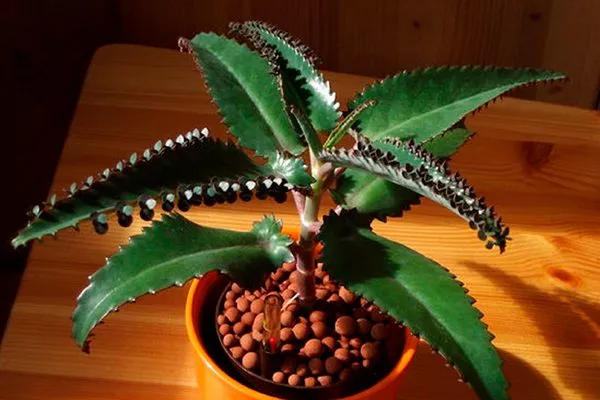
Yellow- and white-flowered hybrids are more demanding and require careful pruning, as they do not tolerate excessive leaf removal. Kalanchoe daigremoniana is distinguished by its colorful appearance thanks to its upright stem and gray-green foliage surrounded by young shoots. This species requires formative pruning.
Features depending on the variety
Not all plant species respond equally to pruning. The more luxuriant the crown, the more effective pruning is, especially for flowering varieties such as Blossfelda, Rosalina, and Calandiva.
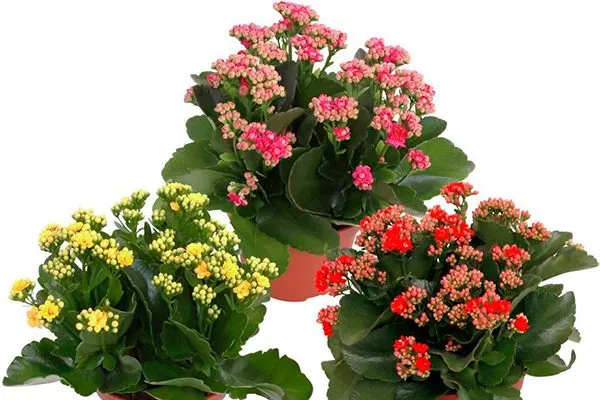
Varieties requiring compact growth and non-flowering plants require pruning only in extreme cases. In this case, only old and damaged parts are pruned.
Further care for Kalanchoe
After pruning, it's important to follow certain care procedures. Follow these recommendations:
- For 30-40 days after pruning, move the plant away from the window, avoiding direct sunlight. Place it in a cool, shaded area with temperatures no higher than 16°C (61°F).
- Reduce watering frequency to once every two weeks. Use warm, soft water. You can water the roots or place the pot in a tray filled with damp sand, moss, or pebbles.
- In hot and dry weather, humidify the air in the room.
Within 25-30 days after pruning, the plant may require feeding with charcoal or mineral fertilizers for succulents.
Possible problems
If you don't cut Kalanchoe flower stalks at the base immediately after flowering, there's a risk of them rotting. With Kalanchoe Degremona, pinching may result in either a lack of lateral growth or a slow and inactive growth.
Hybrid varieties respond relatively poorly to pruning, so it's recommended to only pinch off their tips. To prevent root rot, drain excess water from the tray several hours after watering the Kalanchoe. Remove any blooms that have stopped blooming.
Proper pruning of Kalanchoe is an important step in caring for this succulent. It not only helps create a beautiful, compact crown but also maintains the plant's overall health. Basic pruning principles include removing wilted parts, shaping the bush to its desired shape, and encouraging lateral growth.