
Kalanchoe has been renowned for its beneficial properties since ancient times. The plant can provide invaluable benefits to human health. There are numerous recipes for tinctures, infusions, and ointments based on this healing flower.
Kalanchoe pinnate: what is it?
Kalanchoe pinnata, known as the "house doctor" or Bryophyllum calyx, is often found on windowsills. This plant not only impresses with its aesthetic appeal but also possesses medicinal properties.
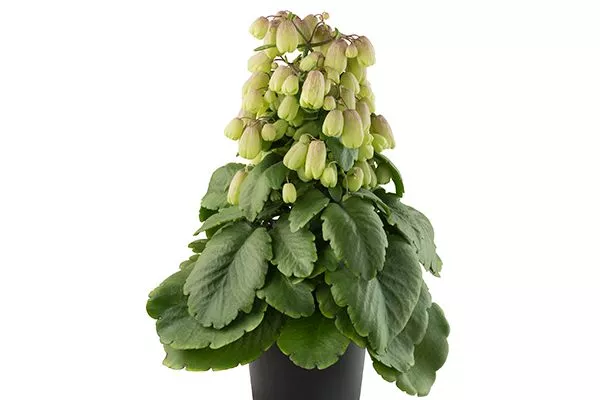
History of selection
Kalanchoe pinnata was first described by Carl Linnaeus the Younger in 1782. The species was initially classified by Jean-Baptiste Lamarck as part of the genus Cotyledon under the name Cotyledon pinnata. Subsequently, in 1805, Christian Heinrich Persoon decided to move it to the genus Kalanchoe.
Botanical description
In its natural habitat, the plant grows on rocky slopes, preferring poor soils. Its height can reach 2 meters. The stem is hollow and fleshy, and as it grows, it begins to woody at the base.
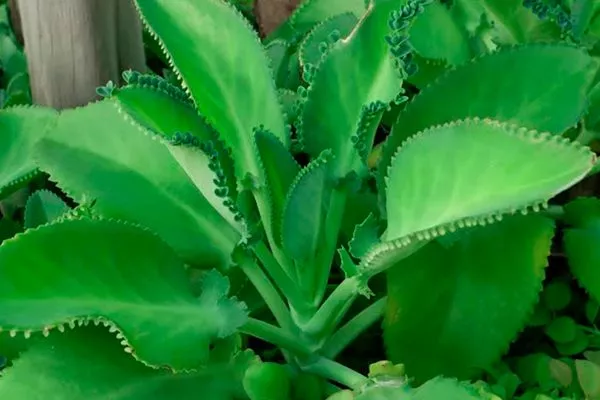
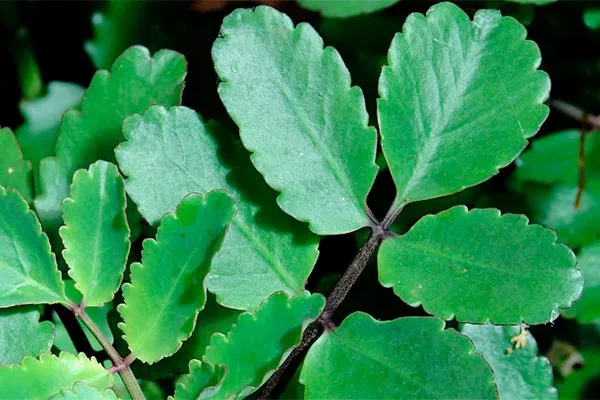
The leaves are bright green, oval, and arranged in opposite pairs. The edges are serrated, and between these serrated edges, the offspring are used for propagation.
Medicinal properties of Kalanchoe pinnate
Even for those who aren't fans of traditional medicine, it's important to note the plant's positive effects on the body. The healing properties of feathery Kalanchoe:
- effective air purification from harmful microbes;
- use of juice for colds and wound healing;
- content of biologically active substances.
Features of flowering
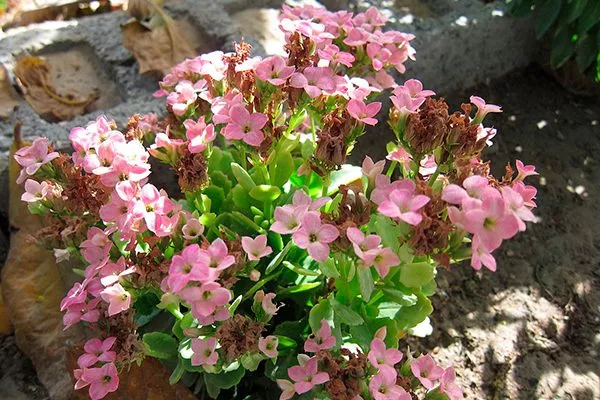
Kalanchoe flowers are highly decorative, but one of their distinctive features is their ability to reproduce through offshoots. On the serrated leaves, offshoots form in each depression, which can fall, root, and develop into a new plant.
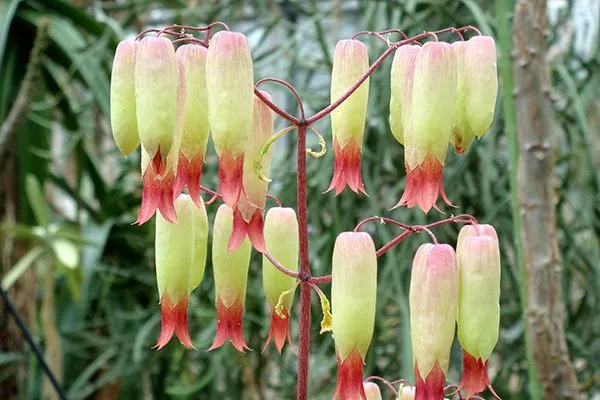
- ✓ The appearance of babies on the leaves indicates good health and the plant’s readiness to reproduce.
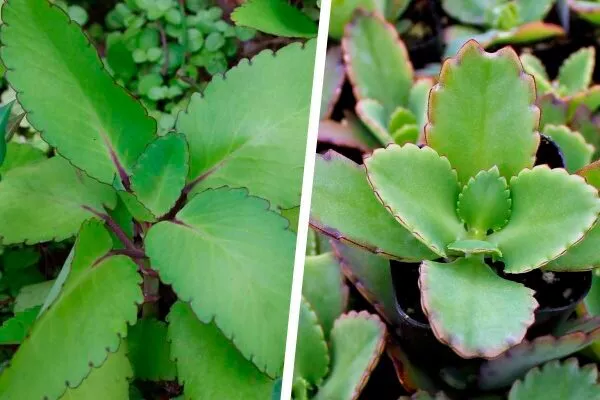
- ✓ A change in the color of the leaf edges to a darker or redder shade in sufficient light is normal and does not require intervention.
Characteristics of the pinnate Kalanchoe
Kalanchoe pinnate is characterized by its attractive appearance and numerous properties. The plant has good energy and is popular among gardeners.
Energy
Kalanchoe is a flower symbolizing determination and energy, ideal for those who strive for success and are ready to overcome new obstacles. This succulent can inspire and support goal-oriented individuals in their pursuit of goals.
For those experiencing indecision and self-doubt, Kalanchoe is worth considering. Placing this plant in the home can help overcome self-doubt, boost spirits, and increase self-confidence.
Signs and superstitions
There are several folk beliefs and superstitions associated with the tree of life. They are described below:
- For unmarried women, it is believed that planting a tree of life on the windowsill will speed up the process of finding a partner for marriage and life.
- Kalanchoe is perfect for families. This succulent can revive a couple's feelings and foster a cozy home.
- Pregnant women are advised to propagate and replant the "tree of life" during pregnancy. Many believe this will make childbirth easier and quicker.
Sometimes, even with good care, a Kalanchoe can begin to wilt for no apparent reason. According to ancient belief, this phenomenon indicates that the flower has absorbed a powerful negative energy shock, thereby protecting the household from harm.
- ✓ The optimal temperature for Kalanchoe pinnate should be maintained in the range of +10 to +25°C, taking into account seasonal changes.
- ✓ To prevent diseases associated with excess humidity, it is important to ensure good ventilation without drafts.
Growing conditions
Providing suitable growing conditions is key to caring for your Kalanchoe to thrive and delight you with its beauty. A few key points will help you grow a beautiful Kalanchoe.
Lighting
The optimal location for Kalanchoe is a west- or east-facing window where it receives diffused sunlight. Intense light may slow growth slightly, but the plant will remain vigorous.
A lack of solar energy manifests itself in the plant's appearance. Stems begin to stretch and weaken, and leaves become dull.
Humidity indicators
Kalanchoe thrives in medium humidity. The succulent can handle short-term increases in humidity or periods of drought. It's not recommended to plant it near plants that produce their own humidity, such as peace lilies.
Ventilation
It is beneficial to ventilate the plant, but it is important to avoid drafts, as they can negatively affect the growth of Kalanchoe.
Temperature
Kalanchoe pinnate is undemanding when it comes to growing conditions. Its optimal temperature ranges from 10 to 25°C. During periods of extreme heat, frequent watering is essential.
Location
Avoid placing Kalanchoe in the back of the room, as it may lose its decorative qualities. This will cause the buds to fade, the foliage to lose its richness, and the flowering period to become shorter.
In summer, move your Kalanchoe to a veranda or balcony. Fresh air will help cool the leaves, and the plant won't be damaged by strong sunlight. During other seasons, it's best to place it closer to a window to receive the necessary amount of light.
Repotting a feathery Kalanchoe
Repotting a feathery kalanchoe is a simple process that doesn't require any experience or knowledge from the gardener. It's important to select the right pot and soil, and follow the planting instructions.
Pot
Kalanchoe thrives in ceramic or plastic pots with ridges at the bottom. The succulent also thrives in clay pots. It's important that the container provides sufficient space for growth.
Don't transplant a small Kalanchoe into a larger pot with the hopes of future growth. This can cause the plant to focus all its energy on root development, leaving less energy for bud formation. Don't grow Kalanchoe in the same pot with other plants.
Soil mixture
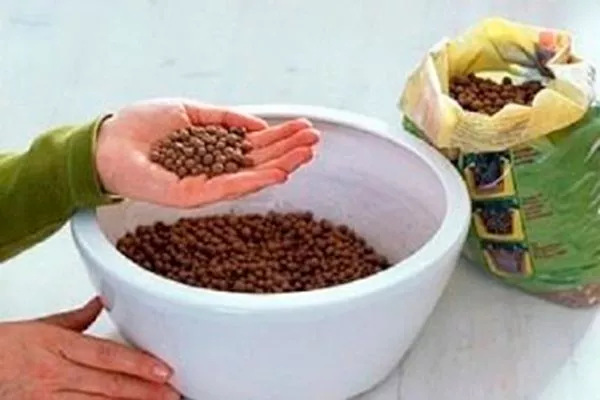
When planting Kalanchoe, use suitable soil. It should contain loam, leaf mold, and sand in a ratio of 1:2:1. Drainage should be approximately 1/3 of the pot's height. For drainage, use expanded clay, pebbles, or fine crushed stone.
Timing and technology of transplantation
Repot your Kalanchoe pinnate as needed, when the roots become cramped in the pot and become visible above the soil surface. Step-by-step instructions:
- Place a drainage layer on the bottom of the pot and cover it with soil.
- Before replanting, water the plant to moisten the soil.
- Be careful not to damage the root system. Move the Kalanchoe into a new pot along with the root ball and compact it.
Carry out scheduled repotting in the spring. If you bought your Kalanchoe in a store, be sure to repot it, as temporary containers may contain unsatisfactory peat soil.
Caring for Kalanchoe pinnate at home
Kalanchoe is an easy-to-grow plant, resistant to diseases and pests. By choosing the right location and following simple care guidelines, you'll have a healthy and thriving succulent.
Watering
Overwatering Kalanchoe is not recommended. Ideally, watering every 3-4 days is recommended. Kalanchoe prefers moderately moist soil. The plant is able to retain moisture in its leaves. This characteristic allows it to withstand periods of drought.
Spraying
Kalanchoe doesn't require additional spraying, except during periods of extreme heat. Remove excess moisture from the leaves. Dry them thoroughly with a soft cloth.
Top dressing
Feed the plant once a month with a complete fertilizer designed for succulents to ensure it receives the necessary nutrients. This is especially important during the warmer months when the Kalanchoe is actively blooming.
Avoid overfertilizing, as this can negatively impact the plant's health. Avoid fertilizing during the winter.
Topping
This procedure is performed to stimulate the development of young lateral shoots. Using scissors, carefully remove thinning leaves at the top of the plant. To strengthen and maintain the Kalanchoe's shape, trim the flower stalk, giving the plant additional energy.
Pinching is often done for decorative purposes to correct the shape and create a desired appearance. Perform this procedure carefully to avoid damaging the plant.
Trimming
Pruning Kalanchoe is essential because the flowering process takes a lot of energy. When pruning, remove spent flower stalks and rotted parts as low as possible. Don't worry about the plant's appearance, as it grows rapidly.
Caring for Kalanchoe during flowering
The Kalanchoe flowering period lasts from November to March. Due to vegetative propagation, Kalanchoe may not bloom.
To stimulate flowering, follow these recommendations:
- Maintain the temperature at least +17°C at night and +25°C during the day.
- Water twice as often as usual.
- Provide the plant with sufficient light, sometimes using phytolamps.
Kalanchoe's leaf edges often change color when exposed to sufficient light. They develop darker or even different shades, such as red.
Caring for Kalanchoe after flowering
Kalanchoe care after flowering includes several important steps aimed at maintaining health and stimulating re-flowering. To achieve this, keep the plant in special conditions for 3-4 weeks: a temperature of 13-15°C, with no more than 8 hours of daylight.
Winter care
Kalanchoe is a tropical plant, so it's not recommended to expose it to temperatures below 10°C. Since Kalanchoe blooms in winter, it's best to place it on a south-facing windowsill to ensure it receives daylight.
Avoid placing Kalanchoe near heating devices. Sometimes it's better to reduce the frequency of watering but increase the amount of water.
How to stimulate flowering?
Kalanchoe care, while simple, can require some attention, especially if the plant isn't blooming. Frequent pruning and pinching of shoots encourages the formation of flower buds. These procedures not only stimulate flowering but also make the plant more lush and compact.
Methods of reproduction
There are several ways to increase the number of plants. Experienced gardeners prefer propagation by cuttings and leaf cuttings, but others grow Kalanchoe from seeds or separate offspring.
Cuttings
Propagation involves using a large leaf or stem with 2-3 leaves as a cutting. Root the cutting in the soil to a depth of about 2 cm, tilting it at a slight angle. Perform this procedure in late May or early June.
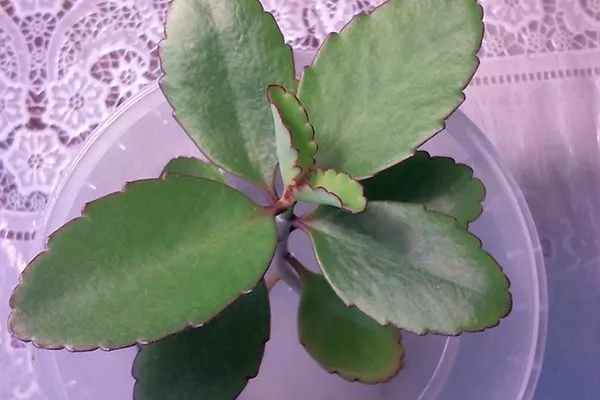
Children
Kalanchoe pinnate produces numerous offshoots, providing convenient material for easy propagation. Their advantage is the presence of a pre-formed root system, which facilitates the growing process without any difficulties.
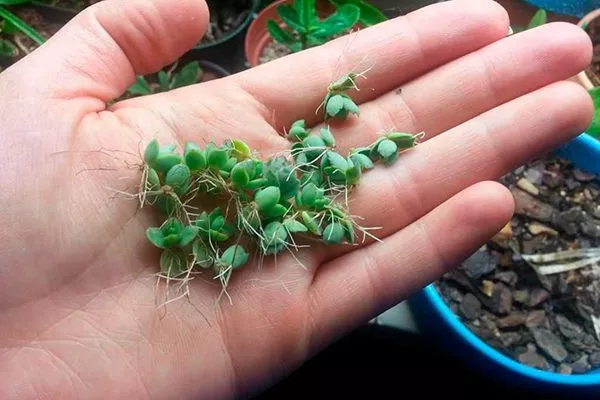
Place the separated offspring in a seedling container and cover with a thin layer of soil, approximately 1 cm thick. Water the planting daily with warm water.
Within a week, 1-2 cuttings emerge from each offshoot, which can be transplanted into individual pots after a month. This propagation method ensures the successful formation of new plants, thanks to the pre-developed root system of the offshoots.
Leaf
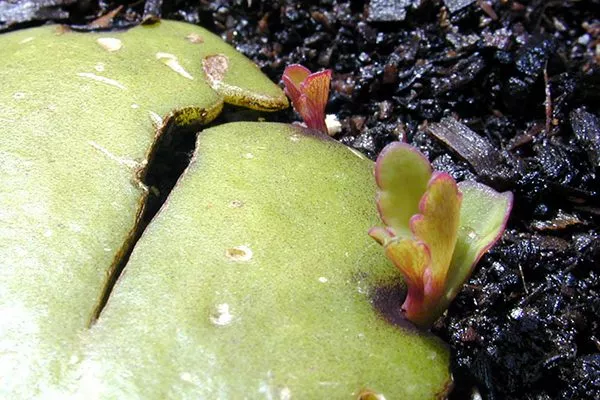
This method is ideal for beginning gardeners. Cut a Kalanchoe leaf and place it in well-moistened soil, then create a "dome" with a glass jar on top. Roots will begin to develop within 3-4 days, after which the succulent will begin to grow vigorously.
Seeds
Seed propagation is ideal for cooler months. Spread the seeds evenly over the soil surface, pressing them lightly rather than burying them. Then, water them lightly and cover with glass or fabric to protect the future seedlings from direct sunlight.
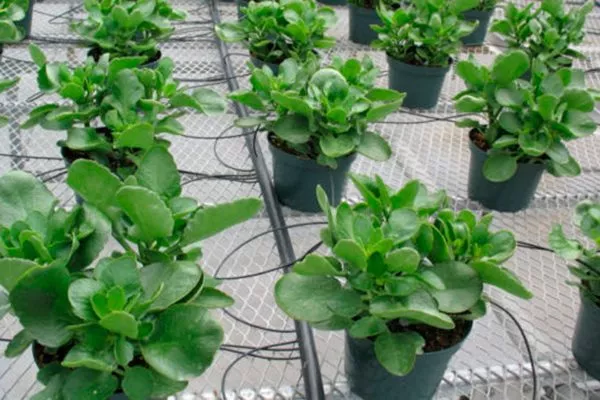
Once the seedlings emerge, move the plants to a box and cover it with plastic. Transplant them into individual pots once 4-5 leaves appear. The new kalanchoes will begin to bloom in about a year.
Pests and diseases
Most Kalanchoe diseases can be treated with fungicides, lighting, good ventilation, and dry soil. The plant is susceptible to the following diseases and pests:
- Powdery mildew. An infectious disease caused by excessive moisture. Isolate the affected plant and treat with fungicides such as Aktarofit and Fitoverm.
- Gray mold. The fungus spreads to all parts of the plant, causing brown, water-soaked spots on the stems and a grayish dust on the leaves. Treatment involves removing fallen leaves, replacing the soil, and applying fungicides such as Actellic.
- Aphid. Insects suck the juices from the leaves. Wash them off with soapy water or use insecticides such as Aktarofit or Actellic.
- Scale insect. Small insects with waxy shields can be a problem. Remove them by hand, wipe the leaves with a soap solution, or treat with insecticides.
- Spider mite. The pests spin webs, causing the leaves to harden and brown spots to appear. To combat them, use Fitoverm or a soap solution.
- Mealybug. This insect causes the growth of black mold. Removing affected parts, spraying with mineral oil, or using insecticides (Komandor or Aktara) will help control it.
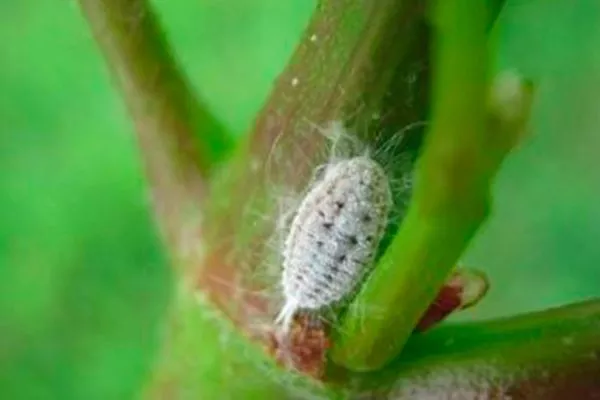
Try to get rid of diseases and pests in a timely manner to protect the plant from adverse effects.
Potential difficulties when growing
Beginner gardeners often encounter difficulties when growing flowers, so it's important to know how to handle any situation. Let's take a closer look:
- Yellowing of leaves and dryness at the tips. This could be due to sunburn or a spider mite attack. Move the plant to partial shade. If pests are detected, treat the leaves with pesticides.
- Loss of turgor and appearance of dark spots on the leaves. These symptoms can be caused by poor soil, overwatering, or using a ceramic pot on a cold windowsill. Replace the soil with a lighter, looser mixture and repot the plant in a plastic container.
- Stretching. This symptom indicates a lack of light and nutrients. Solutions include additional lighting, pinching, and fertilizing.
- Reduction in leaf size. This phenomenon is generally not a problem. In stores, the plant often has large leaves, which may become smaller when grown indoors.
Proper care of Kalanchoe will ensure lush and long flowering, and then no difficulties or insects will be able to harm it.
Folk recipes using feathery Kalanchoe
In addition to its decorative properties, feathery Kalanchoe is used in folk medicine for its medicinal properties. Some of these uses are described below.
Tincture
Kalanchoe-based tinctures are traditionally used in folk medicine. They offer numerous benefits:
- have a tonic effect;
- have anti-inflammatory properties;
- help strengthen the immune system;
- help fight colds and viral infections;
- relieve breathing problems.
Before preparing the tincture, it's important to choose the right plant. A Kalanchoe plant should be at least three years old and have a strong, fleshy stem at least 50 cm long.
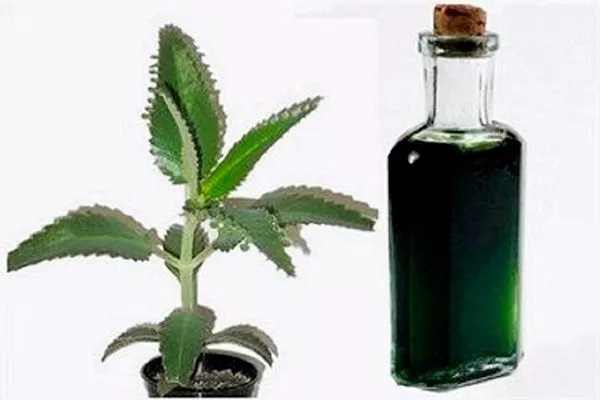
Step-by-step instructions:
- Take a 500 ml jar.
- Rinse the Kalanchoe with running water and dry it with a paper towel.
- Cut the prepared plant into small cubes and place them in a jar, filling it halfway.
- Fill the contents with medical alcohol or vodka.
Seal the jar tightly and place it in a cool, dark place for 10 days, shaking the contents daily. Store the finished tincture in the refrigerator.
Juice
To make homemade Kalanchoe juice, use the lower, fleshy leaves and refrigerate them for 10 days to enhance their healing properties. Afterward, crush the leaves and squeeze them through cheesecloth.
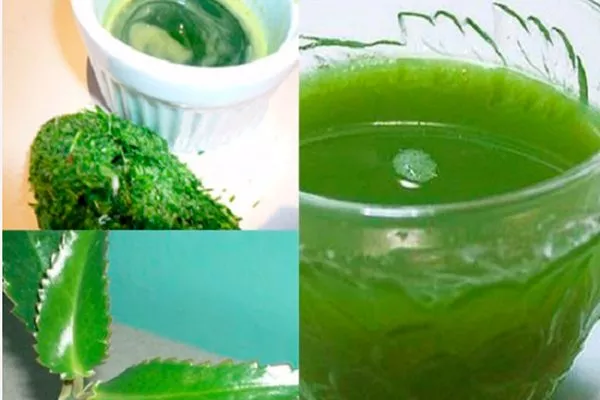
Refrigerate the resulting mixture, and after sediment forms, drain the top layer and use the resulting juice for medicinal purposes. The juice's beneficial properties will last for several days if kept refrigerated.
Infusion
Kalanchoe infusion is a natural alternative to synthetic medications. To improve health and combat many ailments, it should be used carefully and judiciously.
To prepare the infusion you will need:
- 100 g of Kalanchoe leaves and stems;
- 500 ml of boiled water.
Steps for preparing the healing composition:
- Wash the green parts of the plant thoroughly, dry them and chop them with a knife until smooth.
- Pour boiled water over the ingredients and let it cool. Let the mixture sit at room temperature for 60 minutes.
- Heat the mixture to a boil in a water bath and leave for 3 minutes.
- Strain the infusion through cheesecloth.
Traditional healers recommend an infusion of the succulent for gastritis with low acidity and chronic colitis. Take 1 tablespoon no more than 3 times a day, half an hour before meals. Compresses made from the infusion can alleviate the unpleasant symptoms of skin conditions and eyelid inflammation.
Kalanchoe extract
To extract Kalanchoe, evaporate it using a double boiler until the volume is reduced by half. To preserve all the medicinal properties of Kalanchoe, it is recommended to store the extract in the refrigerator in a dark container for no more than 6 months.
The extract is used for chronic tonsillitis and gum inflammation, and also helps combat digestive ailments. For internal use, dilute it with boiled water in a 1:1 ratio.
Ointment
This is an effective home remedy for first aid, capable of treating purulent wounds, burns, and trophic ulcers, and preventing infections. It is also useful in combating psoriasis, eczema, and dermatitis.
To prepare this remedy you will need the following ingredients:
- 20 ml flower extract;
- 50 ml lanolin;
- 50 ml of Vaseline.
Mix all ingredients thoroughly and place in a glass container with a tight-fitting lid. Store the resulting mixture in the refrigerator for up to 20 days. Apply the mixture to a gauze pad and apply to the affected area.
The use of Kalanchoe in cosmetology
Kalanchoe is an excellent alternative to both pharmaceutical and store-bought products. Regular use will ensure lasting positive results.
Due to its rich content of valuable substances, Kalanchoe is considered a source of youth and beauty:
- For the face. If you're experiencing skin problems, you can try home remedies using Kalanchoe-based folk remedies. A popular rejuvenating mask is: Mix 20 ml of Kalanchoe juice, 1 teaspoon of honey, 20 ml of milk, and 1 egg yolk. Apply to your face for 15 minutes.
- For the neck and décolleté area. To prevent premature signs of aging, it's important to focus on comprehensive skin care. Kalanchoe lotion will provide freshness, vitality, and radiance. Mix 20 ml of Kalanchoe juice with 40 ml of homemade sour cream and apply to the desired areas of skin for 15 minutes.
- For nails. To strengthen nails and make them smooth and beautiful, wrapping them is an effective method. Soak gauze in Kalanchoe juice and wrap each nail. Then put on cotton gloves and leave for 10-12 hours. Then remove the solution.
- For hair. To restore shine, vitality, and strengthen your hair, mix equal parts Kalanchoe juice, birch juice, and garlic. Add an equal amount of honey and an egg yolk. Apply the mixture to your scalp and hair, wrap your head in plastic wrap or a towel. Rinse with warm water after 2 hours.
Using homemade cosmetics not only saves money, but also helps maintain beauty and health for years to come.
Application in medicine
The medicinal properties of Kalanchoe are widely used in various fields of medicine, as well as in traditional and folk practices. Learn more about the uses of Kalanchoe:
- For viral and infectious diseases. Kalanchoe has antimicrobial properties, making it effective in the fight against influenza, acute respiratory viral infections, and seasonal viruses.
- For inflammatory processes. The plant has anti-inflammatory properties and is used in gynecology and urology to treat genitourinary disorders.
- Gastrointestinal tract. Kalanchoe juice, taken internally, helps relieve inflammation of the gastric mucosa, strengthen the immune system, and normalize metabolism.
- Skin diseases. Kalanchoe is successfully used to treat skin problems such as erysipelas, boils, eczema and skin rashes.
- In ophthalmology. Kalanchoe-based preparations are used by ophthalmologists for eye injuries, keratitis, corneal erosions and degenerative changes in the eye.
Instillation of a solution of Kalanchoe juice into the eyes is performed directly into the conjunctival sac, under the supervision of an ophthalmologist.
Contraindications
Before considering Kalanchoe as a medicinal remedy, it's important to consider potential contraindications. Here they are:
- pregnancy and breastfeeding period;
- individual intolerance and allergic reactions;
- low blood pressure;
- bronchial asthma;
- liver disease;
- joint diseases and rheumatism;
- decompensated diabetes mellitus;
- children under 3 years of age.
Kalanchoe attracts gardeners with its decorative qualities and medicinal properties. With proper care, any variety of this plant will thrive in home conditions. Kalanchoe pinnate is particularly popular—it's grown not only for ornamental purposes but also for medicinal and cosmetological uses.