
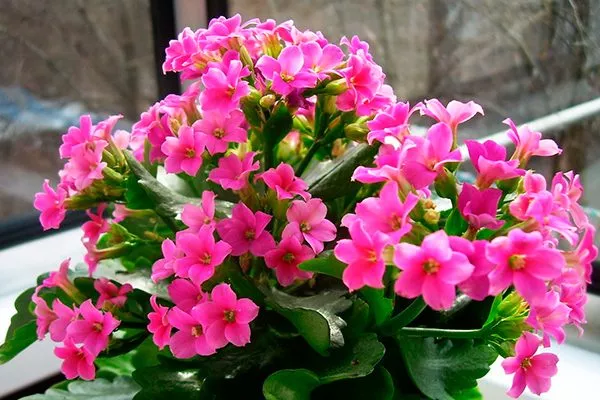
Kalanchoe It's a succulent that can be either flowering or ornamental, so if the plant isn't blooming, first determine the exact species and variety you have. If it's a flowering variety but buds aren't forming, the only possible cause is improper care.
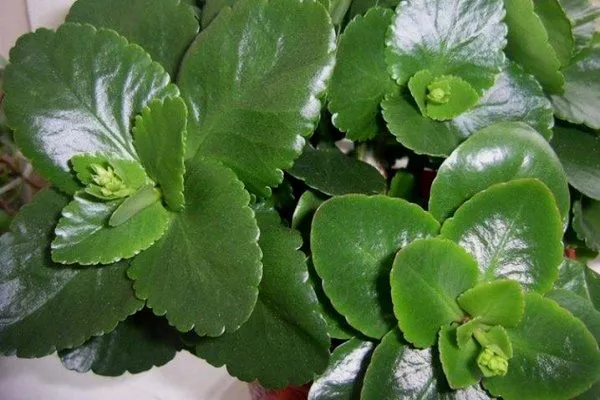
Features of Kalanchoe flowering at home
Kalanchoe begins to bloom in late winter and finishes in spring or summer, depending on the specific plant speciesBut there are also late-flowering varieties, which bud in the spring, and the last flowers appear in the fall.
- ✓ The illumination level must be accurately measured using a lux meter, the optimal values are 2000-2500 lux.
- ✓ Temperature conditions must be strictly observed: night temperatures should not exceed daytime temperatures by more than 5 degrees.
After the flowering period ends, the bush needs to regain its strength, so a period of rest begins, during which the frequency of watering is reduced and fertilizing is stopped.
Reasons for the lack of flowering
There are many negative factors that affect flowering, but keep in mind that you can only begin to take action if six months have passed since the seedling has taken root or a year has passed since the seeds were planted.
Insufficient lighting
Kalanchoe requires a minimum of 10 hours of daylight, and a maximum of 12 hours. Lighting should be as bright as possible before noon and diffused in the afternoon. Therefore, east- and west-facing windowsills are considered ideal, but in winter, a south-facing window is recommended.
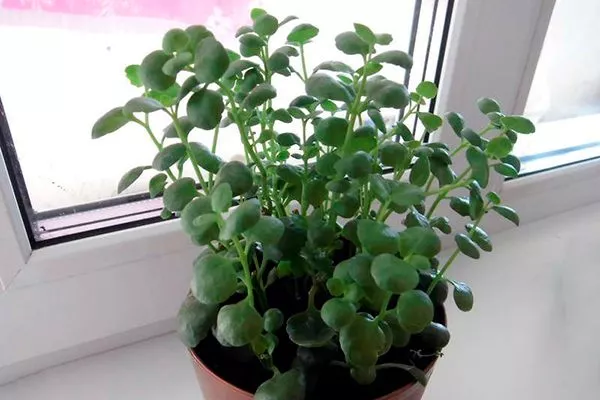
When insufficient light is present, Kalanchoe not only refuses to bloom but also stretches toward the light source. This is followed by leaf shedding. Light deficiency is easily detected by observing pale leaves, and small new growth.
Unsuitable soil for growing
Kalanchoe will not bloom if the substrate is inadequate. It should be permeable and lightweight, with a pH of 5.5 to 7.0. Do not leave the plant in the same soil it was transported in from the store, as the plant is treated with growth hormones, which is unsuitable for indoor conditions.
If the soil isn't suitable, replace it. Experts recommend creating your own mixture using:
- 3 parts turf soil;
- 2 parts leaf soil;
- 2 parts coarse sand and humus;
- 1 part fine pine bark and charcoal.
This soil mixture will quickly restore the flower, and it will bloom soon.
Mistakes when watering a flower
Kalanchoe is a succulent that doesn't tolerate excessive soil moisture. However, it tolerates drought, as its leaves store moisture and release it back into the soil when it dries out. However, frequent dryness should be avoided, as this will negatively impact flowering (the plant becomes depleted).
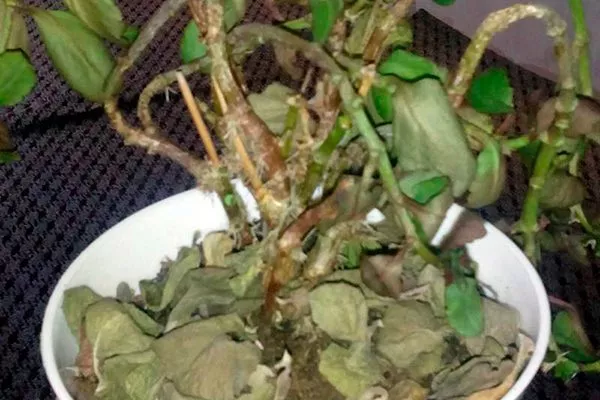
If you water too frequently and too deeply, the roots and stems will rot at the base. The optimal watering frequency for spring and summer is twice a week, and once a week for fall and winter.
Consider other factors that affect flowering:
- do not water with hard water;
- in summer the liquid should be cool and in winter warm;
- It is forbidden to leave water in the tray - it is drained immediately after watering.
Frequent watering promotes foliage growth, preventing bud formation. Remember to moisten the soil when the soil is dry to a depth of 3 cm.
Temperature too high or too low
Without favorable temperatures, flower buds won't form. However, each season has its own specific requirements:
- in summer and spring the air temperature should be within +20…+25 degrees;
- in autumn it decreases by 5 degrees;
- In winter the parameters are +15…+18 degrees.
Lack or excess of fertilizers
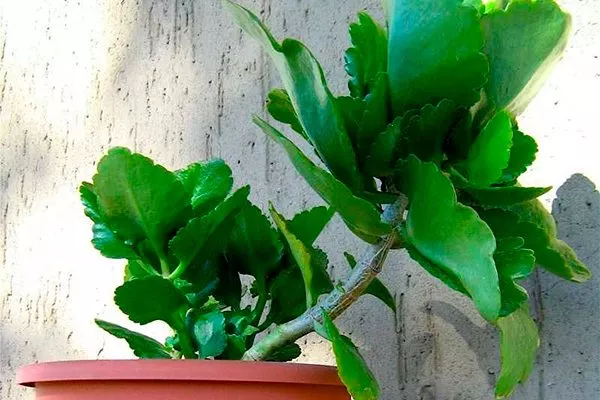
Both nutrient deficiencies and excesses inhibit bud formation. In the former case, the plant lacks the energy to form ovaries, while in the latter case, fertilizers, especially nitrogen-rich ones, only promote leaf growth. Remember that organic matter contains the most nitrogen, so it is used very rarely (usually during repotting).
Rules for fertilizing for flowering:
- after transplanting, feed after 60 days;
- During the dormant period, you cannot fertilize Kalanchoe;
- It is best to apply liquid compositions, as dry ones can cause burns.
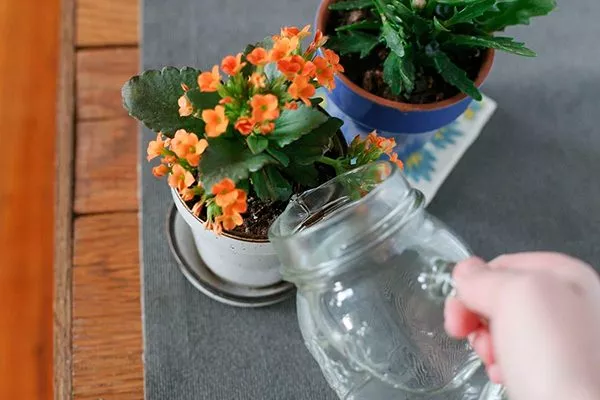
To determine whether you have an excess or deficiency of a particular microelement, pay attention to the following signs:
| Substance | Symptoms of overdose | Symptoms of deficiency |
| Nitrogen | No ovaries, rapid growth of green mass, increase in leaf size. | Leaves become smaller, growth stops. |
| Potassium | Curvature of foliage. | Slow growth, pale leaves. |
| Phosphorus | Yellowing of leaves and their shedding. | There is no budding, and when flowering, flowering is too rapid. |
If a deficiency is detected, supplemental feeding is recommended; if an excess is detected, the concentration should be reduced. To do this, water thoroughly while simultaneously removing liquid from the tray.
The absence of a dormant period in a plant
The minimum dormant period is 1.5-2 months. During this time, the plant has time to recover and gain the necessary strength. The dormant period is when the Kalanchoe stops feeding, waters less frequently, and shortens the daylight hours.
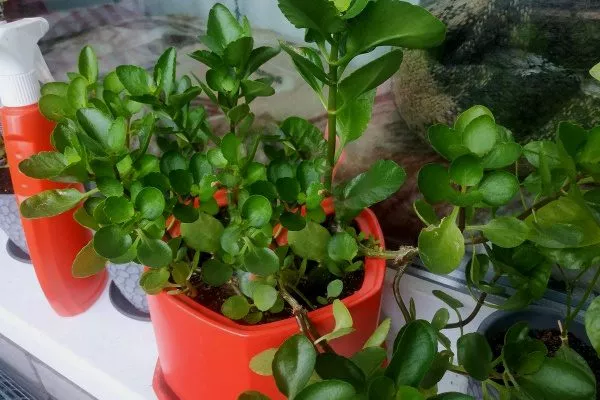
Follow these other rules too:
- Before the dormant period, cut off all flower stalks and shorten the remaining shoots, be sure to remove all weakened stems and leaves;
- there should not be bright light in the room - it is best to keep it in partial shade;
- the air temperature should not exceed +15 degrees;
- water very rarely - only when the entire soil dries out;
- After the dormant period is over, move the pot to a light windowsill, which will cause flowering to begin.
At this time, you should spray the greenery and begin watering vigorously. Keep in mind that the ideal dormant period is 2-2.5 months.
The wrong pot
The Kalanchoe container should be wide and shallow, and fully accommodate the root system. Pots are replaced annually until the plant reaches four years of age, increasing their diameter by 3 cm. Subsequently, repot every three years, again increasing the pot by 3-4 cm.
- ✓ The pot should have drainage holes not only at the bottom, but also on the sides for better aeration of the roots.
- ✓ The pot material affects the frequency of watering: clay pots require more frequent watering than plastic ones.
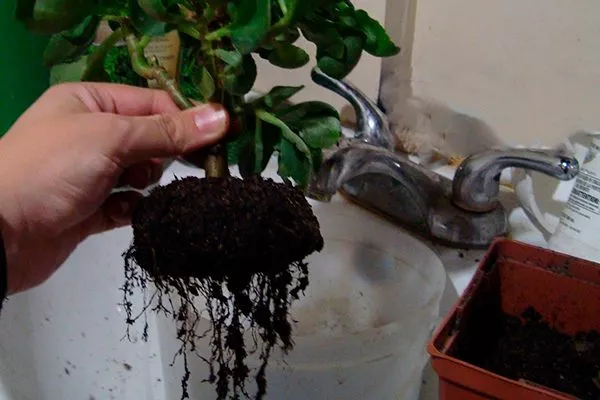
Why flowering does not occur:
- if the volumes are too large, the root system grows, which takes not only a lot of time, but also effort;
- In small pots the plant feels uncomfortable.
Constant pinching and drafts
Pinching the tops promotes branching and growth of the bush, so the plant does not have the strength to form buds.
Drafts, even warm ones, also have a negative effect, so if the pot is located near an open window, fan or air conditioner, provide it with a screen cover.
Diseases and pests
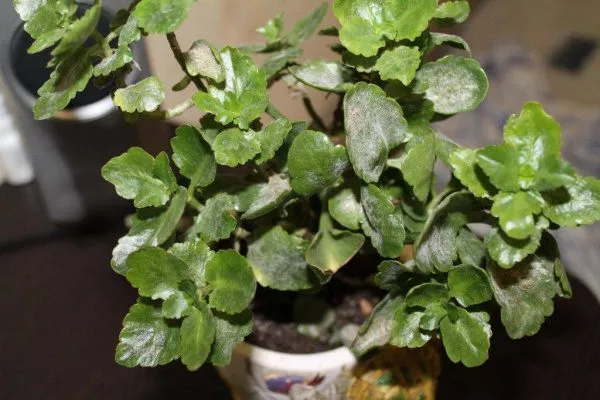
The presence of any disease or pest significantly weakens the plant's immunity, preventing budding. Until you get rid of the insects or the disease, don't even think about flowering—it won't happen. Experts recommend spraying with insecticides and fungicides as a preventative measure and immediately after the dormant period ends.
How to make Kalanchoe bloom at home?
Knowing that flower buds only form in the dark can help you force your plant to bloom. To do this, simply manipulate the light intensity—provide light for a maximum of 9 hours, and keep it in complete darkness the rest of the time (using cloches).
Other measures to make Kalanchoe bloom:
- if necessary, transplant the flower into a new pot with fresh substrate;
- achieve the optimal temperature conditions for budding;
- remove new shoots so that they do not take away strength from the plant;
- Use only fertilizers that do not contain any nitrogen.
How to prolong flowering – useful tips
Many factors influence the duration of flowering, including the variety itself. But it's mostly related to growing conditions. To extend the budding period, you should follow just three guidelines during flowering:
- brightness of light;
- shortened daylight hours;
- cool temperature – +18 degrees.
If your Kalanchoe refuses to bloom, evaluate whether the growing conditions meet the requirements, and remember that the required values may vary for each type of succulent. But the most important thing is to water and fertilize properly, perform timely sanitary pruning, and avoid excessive or excessive temperatures.