
The magic of nature comes to every home with the exotic and amazing Kalanchoe 'Deer Horns'. This unique plant, which has captured the hearts of home gardeners, attracts attention with its unusual shape and leaves, which resemble deer antlers. It's important to create a cozy environment for this tropical guest in your home and provide it with proper care.
Description of the plant
The Kalanchoe 'Deer Horns' is a very popular plant. It's an ideal choice for both beginners and experienced gardeners.
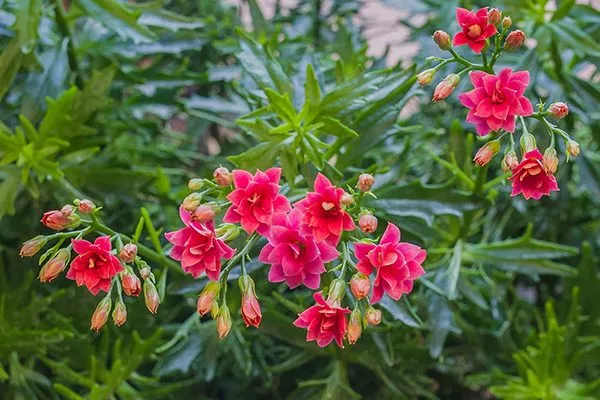
Why is the plant called "deer antlers"?
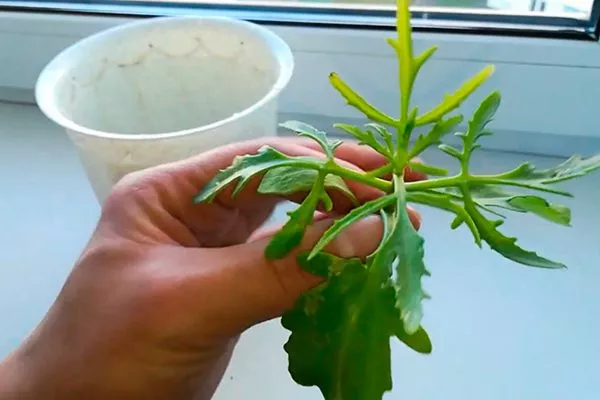
The plant got its name for a reason. The key lies in its appearance: the thin, branched leaves located on the stem actually resemble neat deer antlers up close.
Homeland and habitat
Kalanchoes grow in tropical and humid forests in various regions, including Australia, Africa, Asia, the Philippines, and the islands of the Indian Ocean. They most often grow alongside mosses, orchids, and other epiphytic ferns.
Appearance
Kalanchoe is an evergreen succulent from the Crassulaceae family, easily recognizable by its straight, sturdy stems. The branches bear fleshy, glossy, oblong leaves with serrated edges, arranged opposite each other.
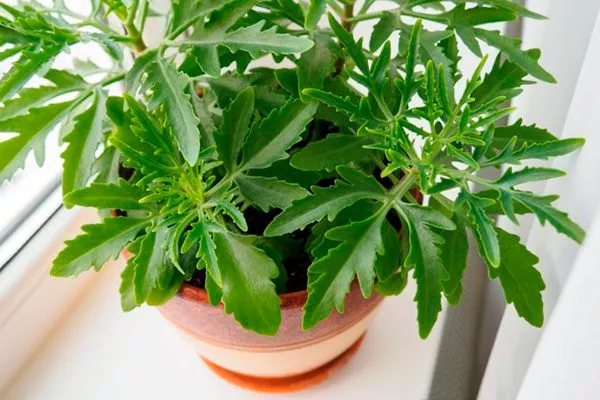
The upper leaves are green, while the lower ones can have a glaucous or slightly purple tint. Kalanchoe doesn't bloom every year, but when it does, it produces unusual and beautiful flowers with bright red petals.
Bloom
With proper care, Kalanchoe can delight you with its flowers year-round, from January to December. The plant typically produces yellow, tubular flowers.
After flowering, give the plant a resting period of at least a month. Move it to a shaded area or cover it with a sheet of paper, and reduce watering to a minimum. If you maintain this regimen, the Kalanchoe will bloom again in 2-3 months.
Chemical composition and medicinal properties
The plant contains a wide range of biologically active components. These include tannins, vitamins, organic acids, minerals (manganese, zinc, aluminum, iron, magnesium), enzymes, steroids (bufadienolides), flavonoids, polysaccharides, and ascorbic acid.
This plant has been known for many decades, combining not only aesthetic appeal but also medicinal properties. Medicinal properties:
- It has been found to have astringent, hemostatic, anti-inflammatory, antibacterial, emollient and diuretic properties.
- External use of finely crushed leaves is recommended for the treatment of various skin injuries and bruises, including non-healing ulcers.
- Kalanchoe is used for itching and joint pain, headaches and coughs in the form of poultices.
Folk omens
The appearance of a Kalanchoe can be used to draw conclusions about the impact of outsiders on your home. If the plant begins to show signs of wilting after a guest leaves, this may indicate a negative attitude toward the owner. If the plant dies completely, this may indicate an intention to cause harm.
It's recommended to refrain from gifting this succulent to young couples, as it can cause conflict and misunderstandings in relationships. On the other hand, for couples with a wealth of experience together, the flower can be a useful addition, helping to strengthen and refresh relationships.
Varieties
There are many different varieties of the 'stag horn' Kalanchoe. Florists distinguish two popular types.
| Name | Leaf type | Flower color | Plant height |
|---|---|---|---|
| Laciniata dissected | Cirrus | Yellow | Up to 50 cm |
| Yellow laciniata | Fleshy | Yellow | Short stature |
Laciniata dissected
Originating in subtropical regions, this flower has since become widespread throughout the world. It is characterized by its distinctive pinnate leaves, which have a distinct bright green hue, unusual for many plants.
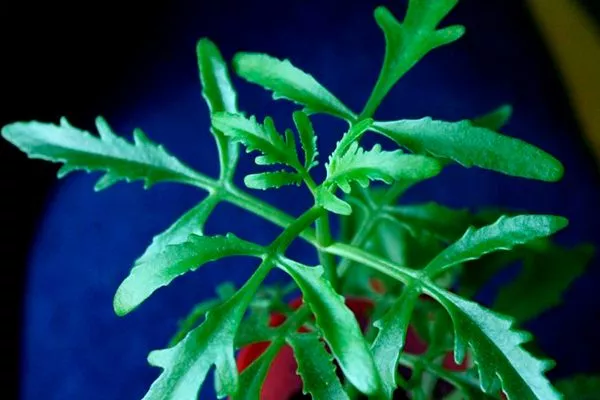
The leaves of this plant are fleshy, and the stems can reach up to 50 cm in length, but over time, the plant tends to spread along the ground. This plant produces abundant and profuse blooms. The flowers are simple and uncomplicated, up to 2 cm in diameter, and are yellow in color.
Yellow laciniata
This succulent was named "Yellow Laciniata" due to the bright yellow hue of its flowers, which look very similar to lilies. The leaves of this plant are fleshy, plump, and exhibit pronounced anti-inflammatory properties.
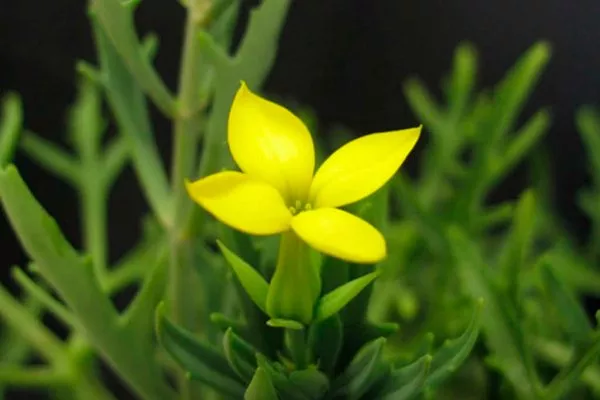
When the plant reaches five years of age, its leaves begin to droop downward, giving it a distinctive appearance. For a long time, this plant, spreading along the ground, continues to delight with its abundant blooms.
Where and how to plant?
Repotting a plant is an essential part of its care and is recommended. Before repotting, thoroughly treat the new pot to prevent disease, and a solution of potassium permanganate is ideal for this purpose.
Lighting and location
Kalanchoe prefers abundant light, as it naturally grows in hot and dry places. It's recommended to place the plant in a bright, sunny spot, but avoid placing it in a north-facing window.
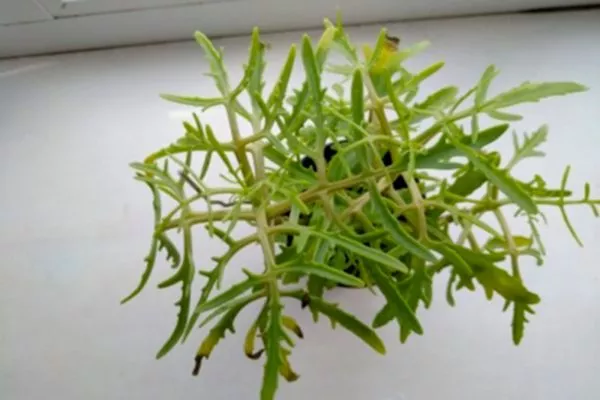
If you plan to place Kalanchoe in a dark room, you will need to use phytolamps to maintain the required level of lighting, especially in winter or autumn.
Keeping the plant in partial shade is not recommended, as this can cause it to wilt quickly. Proper lighting will help ensure healthy growth and prosperity for the Kalanchoe.
Soil requirements
To grow Kalanchoe, use a suitable substrate, available at the store, providing the right conditions for cacti and succulents. If for some reason you can't find a ready-made substrate, you can make your own using this simple recipe.
You will need:
- 1 part turf soil;
- 1 part coarse river sand;
- 1/4 part vermiculite;
- 1 part of ordinary garden or leaf soil.
How to care for it properly?
For a plant to thrive and bring you joy, it needs proper care. This includes watering, fertilizing, and more.
Watering
Caring for a succulent like Kalanchoe involves moderate watering. Monitor the soil in the pot and allow it to dry out completely before watering again. Avoid overwatering, as this can lead to root rot.
- ✓ Use only distilled or settled water for irrigation to avoid the accumulation of salts in the soil.
- ✓ Maintain the room temperature at least +15°C in winter to prevent stress on the plant.
For watering, use the drip tray method. During warm summer days, watering frequency can be about once a week, while in winter, reduce it to every two to three weeks. Avoid getting water on the leaves to prevent rot, although in hot summers, you can lightly mist the plant.
Spraying
In high humidity conditions, the 'Staghorn' Kalanchoe does not require additional watering. Misting the air around the pot or the leaves themselves is not necessary. The leaves of the 'Laciniata' plant can be watered occasionally, especially on hot days.
Temperature
Kalanchoe has no specific temperature requirements. The plant thrives in temperatures ranging from 17°C to 28°C. During winter, keep the room temperature below 18°C to prevent flower buds from forming.
In winter, it's important for laciniata to rest before the upcoming flowering season. Kalanchoe prefers moderate humidity and tolerates the dryness of radiators.
Fertilizers
Kalanchoe, like many other plants, requires fertilizer to maintain its health and growth. Apply fertilizer to the soil in conjunction with watering. During the summer, it is recommended to apply mineral fertilizer every eight days. Avoid using fertilizer in winter; it's better to apply it to the soil in the spring.
Trimming
The Staghorn Kalanchoe grows rapidly, so to avoid it looking untidy and spreading out of its pot, prune it regularly. This is best done from spring to fall. To maintain its aesthetic appearance, pinch off the top.
Remove weak shoots to avoid excessive density, which can lead to a lack of light and nutrients. Also, remove wilted or damaged leaves to prevent them from lingering in the pot. These measures will help maintain the plant's neat and well-cared-for appearance.
Peculiarities of care at different times of the year
Caring for Kalanchoe throughout the seasons requires certain adjustments. During warmer months, characterized by temperatures of 22-28°C (72-82°F) in the summer and 14-18°C (55-64°F) in the winter, place the plant pot on a south-facing window in the winter and on an east- or west-facing window in the summer.
In the spring
In the spring, Kalanchoe requires repotting and rejuvenating pruning. Repot mature plants into new pots, trimming back any old shoots. Feed the plant with a complete fertilizer in the spring to stimulate vigorous growth.
In summer
In summer, focus on regular watering and occasional fertilizing, as many plants actively bloom during this period.
In the fall
In the fall, reduce the frequency of watering and begin preparing for winter. Reduce the frequency and intensity of fertilizing. The plant may require additional lighting as its flowering slows.
In winter
During the cold season, avoid placing the plant in an overly warm location. Reduce watering to once every 2-3 weeks. Provide the plant with 6-8 hours of light per day, followed by complete darkness.
When and how to transplant a plant?
The plant needs to be repotted periodically. It's recommended to do this about once a year. The new pot should be slightly larger in diameter than the previous one, allowing the plant additional room to grow.
Soil composition
For growing Kalanchoe, it's ideal to use soil designed for orchids, which can be purchased at specialized flower shops. A suitable mixture consists of:
- 2 parts leaf soil;
- 2 parts washed river sand;
- 4 parts high-moor peat;
- 1 part sphagnum moss;
- 1 part crushed pine bark.
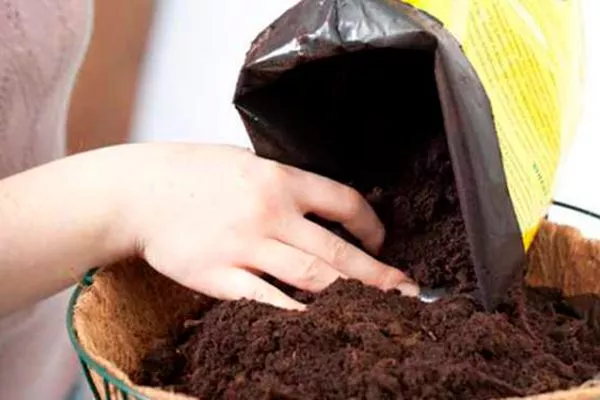
Deer antlers grow slowly indoors, so choose compact pots that are slightly larger than the diameter of the plant's root system.
Pot
Both ceramic and plastic containers with ridges at the bottom are suitable for growing Kalanchoe. The plant thrives in clay pots. The main requirement is that the container should have sufficient space.
Don't transplant a small Kalanchoe into an overly large pot in the hopes that the succulent will grow larger over time. This will cause the plant to devote its energy to root development, leaving no room for bud development.
Features of transplantation
If a Kalanchoe stem has begun to rot due to improper repotting and care, cut off the healthy portion and plant it in a container with sand or perlite, creating a mini-greenhouse. Once roots appear, the succulent can be transplanted into soil.
When relocating the Kalanchoe, carefully use the transshipment method to preserve the old soil ball. Place the plant in the new pot, filling any remaining voids with fresh potting mix.
How to propagate Kalanchoe 'Deer Horns'?
The most convenient way to grow new Kalanchoe plants is by using cuttings. This method is recommended for beginning gardeners, but propagation of this species is also possible using offshoots and seeds.
Dividing the bush
This method is considered one of the easiest. Step-by-step instructions:
- When replanting, carefully inspect the plant bush.
- Determine the locations for the cuts so that each separated section contains healthy rhizomes and leaves.
- Using a sharp knife, pre-treat it with alcohol, make cuts. Then, treat the cut areas with wood ash.
Plant each cut section of Kalanchoe in a separate pot or container.
Propagation by seeds
To grow Kalanchoe from seed, follow certain guidelines. The procedure is quite simple:
- Sow the seeds from January to March, placing them on top of light, leafy soil. Moisten the soil slightly and press down lightly. Then cover them with plastic wrap, glass, or a sheet of paper.
- Germinate the seeds in a cool room at a temperature of 16-18°C. Remove the cover every morning and evening to allow air to pass through, turning it over.
- Water the seedlings regularly to prevent them from drying out. After a month, transplant the seedlings into a larger container, keeping them covered for a couple more days. As soon as the first shoots appear, remove the cover.
- Wait until a few leaves emerge and transplant the seedlings into small 7-cm diameter pots. Once they have rooted, pinch off the tops. Repeat this process in midsummer to shape the bush.
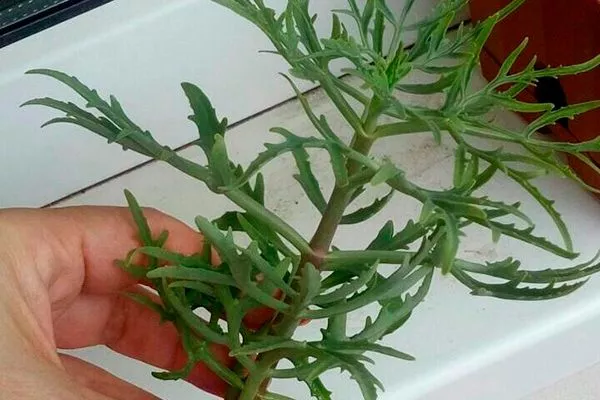
Leaf
Propagating Kalanchoe using leaves is a simple procedure, suitable even for beginner gardeners. Cut off a leaf and place it in well-moistened soil. Then, create a "dome" over the leaf using a glass jar. Roots will begin to develop within 3-4 days, after which the succulent will begin to grow vigorously.
Common pests
Kalanchoe 'Deer Horns' is characterized by strong immunity. However, the plant may occasionally be attacked by pests.
Mealybug
Mealybugs are insects from the order Coccidae, which can reach up to 5 mm in size. These pests are characterized by a distinctive white secretion that resembles cotton wool. Mealybugs most often attack young shoots and leaf petioles.
- Isolate the plant from other indoor flowers to prevent the spread of pests.
- Treat the affected areas with a solution of laundry soap (10 g per 1 liter of water) before using chemicals.
- Repeat the treatment after 7-10 days to kill any hatched larvae.
When leaves are infected, they become deformed. If these pests are detected, remove the infected areas with a cotton pad soaked in alcohol.
Scale insect
The pests reach 2 mm in size. They feed on plant sap and form a protective waxy shield around themselves. These insects primarily inhabit the undersides of leaves.
Plants exposed to scale insects often become weakened and more susceptible to fungal infections. A sticky coating on the leaves is a sign of scale infestation. To combat this pest, thoroughly wipe the infested leaves with a swab soaked in alcohol.
Common diseases
Despite its resistance to disease, the 'Deer Horn' Kalanchoe sometimes suffers from them. The most common are gray mold and powdery mildew.
Powdery mildew
Affected plants show external signs of brown spots on the upper side of the leaves. A white, powdery coating appears on the underside in the same location.
To prevent powdery mildew, maintain good ventilation, avoid stagnant moisture, and create less favorable conditions for the development of this fungal disease.
Gray mold (botrydial)
The pest that causes gray mold thrives in warm, humid conditions, especially with insufficient ventilation. These conditions are facilitated by damage to any part of the plant, which can facilitate the spread of the disease.
External signs of this disease include brown spots on dead tissue covered with a grayish, velvety coating consisting of mycelium and spores. For treatment, use fungicides according to the manufacturer's instructions.
Common mistakes in caring for Kalanchoe Deer Antlers
A lack of detailed information on proper care is often the reason why Kalanchoe plants fail to bloom. If the succulent fails to produce flower stalks and appears weak and unsatisfactory, it's important to carefully assess its growing conditions.
Incorrect lighting
Kalanchoe needs varying amounts of light depending on its life stage. During the active growth phase, place the plant pot on an east- or west-facing windowsill. Avoid placing the plant on a south-facing window, as direct sunlight can burn the leaves and slow growth.
Unsuitable soil composition
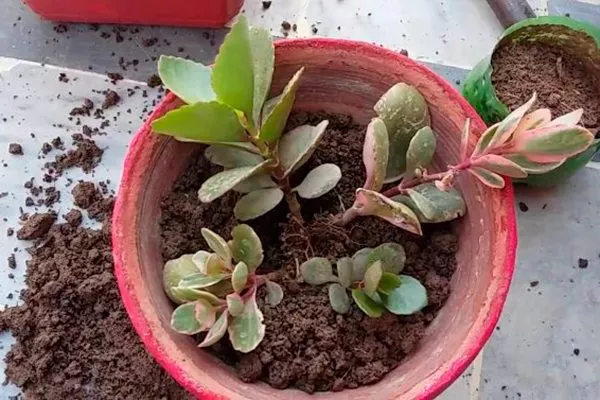
You can buy ready-made soil or prepare it yourself by combining leaf soil (50%), peat (25%) and sand (25%).
Incorrect watering
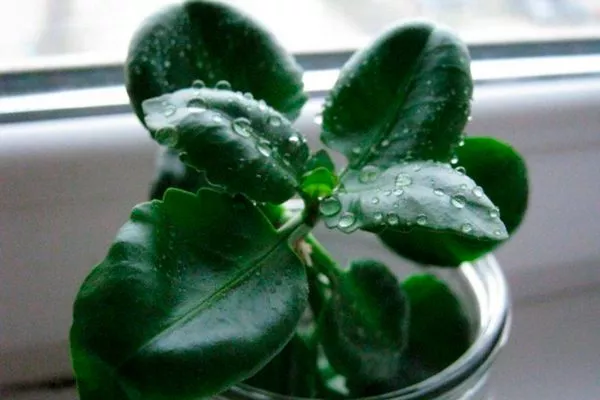
Succulents, including Kalanchoe, don't require abundant watering. It's recommended to water the plant only after the soil has completely dried out. Excessive moisture can disrupt the plant's metabolism, cause root rot, and encourage mold and fungus growth, while insufficient water can lead to foliage loss.
Inappropriate room temperature
The optimal indoor temperature for Kalanchoe during the flowering period is between 18 and 29°C. Kalanchoe can tolerate higher temperatures, but cold conditions can cause serious damage to the plant. In the event of frost, the damaged areas of the plant can be saved by trimming off the entire upper part.
Overfeeding
A common mistake when caring for Kalanchoe is over-fertilizing, which can lead to excessive foliage growth and a lack of flowering. Feed the succulent no more than once every three weeks, increasing the frequency to every two weeks during flowering.
Avoid fertilizing completely during winter and dormancy. Use liquid fertilizers specifically designed for succulents, containing nitrogen, phosphorus, and potassium.
Potential problems when growing
Despite its low maintenance, Kalanchoe can be a source of concern for gardeners due to potential diseases and insects. The following problems may arise when growing it:
- It stretches out. If your Kalanchoe is growing rapidly upward, gradually remove the top leaves, which will stimulate the growth of new shoots, creating a compact appearance of the plant.
- The roots are rotting. Overwatering can lead to root rot. Signs include soft, brownish stems at the base. Trim off the rotted roots, repot the plant in new soil, and maintain a moderate watering regime.
- The leaves are turning yellow. Yellowing leaves indicate improper care. A balanced fertilizing and watering regimen, along with adequate sunlight, will help solve this problem.
- The leaves are falling. If your Kalanchoe is losing leaves, the air in the room may be too musty. Regular ventilation can help alleviate this problem.
- The leaves are drying out. In summer, if the leaves turn yellow and dry out, the plant may be attacked by aphids. Treating the leaves with a soapy solution, maintaining optimal humidity, and watering with settled water can help.
- The leaves are curling. If the leaves are curling, this may indicate too much nitrogen in the soil. Repot the plant in more suitable soil.
- Spots on the leaves. The solution depends on the nature of the spots. If brown spots appear on the Kalanchoe leaves, this could be a sign of dropsy, caused by overwatering and temperature fluctuations. Move the succulent to a dry, warm location and reduce the amount of water when watering.
The appearance of a white coating on leaves may be due to the use of hard water containing lime and salt. To resolve this, filter or let the water settle before watering. - Blackening. The color of the stains can indicate various problems (dropsy, hard water, or fungal infestation). The solution depends on the type of stain and may include changing the soil, filtering the water, or treating with antifungal agents.
- Slow growth. Poor growth may be due to poor soil. Fertilizing may help, and if growth doesn't resume, repot the plant in fresh soil.
- Small leaves. Insufficient light can cause dull and small leaves. Move the plant to a brighter location and feed it to stimulate growth.
- Paleness of the plant. Pale and soft leaves may be due to too much sunlight. Move the plant to partial shade.
- Does not bloom. Insufficient light, too much nitrogen fertilizer, or overwatering can cause a lack of blooms. Adjusting the conditions and caring for the plant will help restore blooms.
Pay due attention to protect the flower from problems.
Interesting facts
It's not recommended to give this plant to newlyweds, as there's a folk belief that it foretells quarrels in the family. According to legend, if an enemy enters the house, the Kalanchoe will begin to wither after their departure and may even die.
Growing and caring for the Staghorn Kalanchoe is a fascinating pastime for gardeners. This unusual plant impresses with its unique shapes and minimal care requirements. By following these recommendations, you can provide it with favorable conditions for growth and prosperity.
Thank you, you wrote everything in such detail. It was interesting to read, and now I really want one of these "Olezhkas" for my collection.