
Cacti are often perceived as hardy and undemanding plants, able to survive prolonged droughts and temperature fluctuations. But even these prickly creatures are susceptible to a variety of diseases, which can develop due to improper care, pests, or unfavorable environmental conditions. It's important to learn the symptoms of diseases and treat them.
Causes of cactus diseases
Cacti are sensitive to any changes in care or environmental conditions. Indoors, they depend on the attentiveness of the grower—the slightest mistakes can lead to weakened immunity and the development of disease. Numerous factors influence the plant's health.
Improper care
The most common cause of illness is failure to follow basic care guidelines. Let's take a closer look:
- Excessive soil moisture – This leads to root and stem base rot. Cacti do not tolerate constant waterlogging, as their root system is adapted to rapidly absorbing moisture and subsequent periods of dryness.
- Lack of light – Causes stem elongation, weakening of tissue, and loss of turgor. In dark conditions, the plant becomes pale and less resistant to fungal infections.
- Incorrect watering – Too frequent or, conversely, infrequent irrigation during the active growth period disrupts natural physiological processes. In summer, the crop requires moderate but regular irrigation, and in winter, complete or almost complete cessation of irrigation.
Pest damage
Pests not only feed on cactus tissue but also transmit infections. The plant may be attacked by the following parasites:
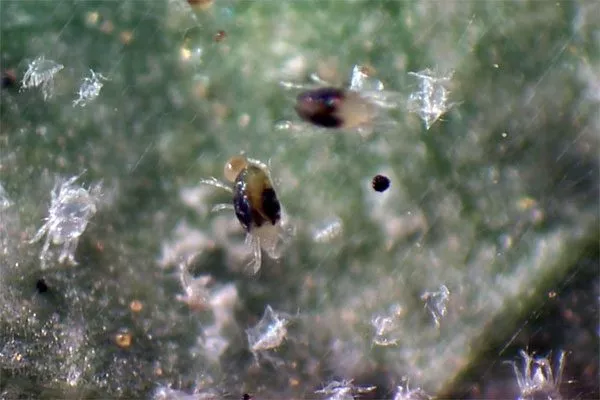
- Spider mites – They suck the plant's juices, leaving behind tiny discolored spots and a fine web. Gradually, the tissues lose moisture, and the cactus begins to deform.

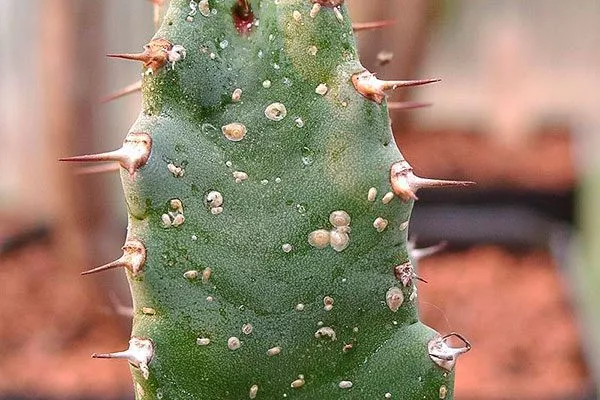
- Scale insect – It attaches itself to the stem surface, covering it with a dense shield. Under this shield, the insect feeds on the plant's sap, weakening it and causing rot.
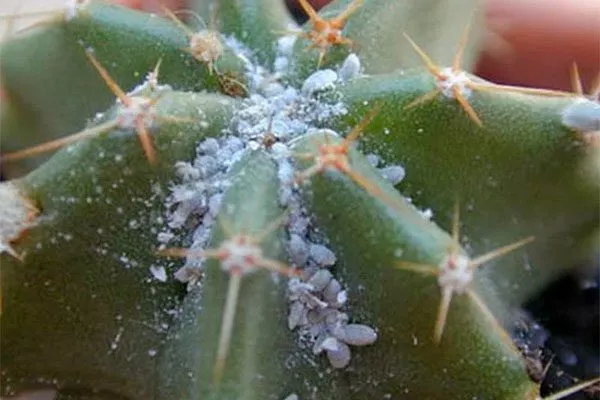
- Mealybug - It leaves a sticky secretion that quickly fosters the development of sooty mold. It attacks both the above-ground parts and the roots, causing the flower to lose vigor and possibly die..
Adverse environmental conditions
Cacti are accustomed to a specific microclimate, and sudden changes can be stressful. Temperature fluctuations are especially dangerous during the active growth period – they disrupt metabolic processes, provoke cracking, and increase the risk of rot.
Dry air combined with high temperatures can lead to tissue shrinkage and weakened immunity. Some cacti, especially forest cacti, require high humidity; a lack of it leads to bud drop and stunted growth.
Errors during transplantation and propagation
Even brief damage to the root system or stem tissue can become an entry point for infection. Beginning gardeners often encounter the following difficulties:
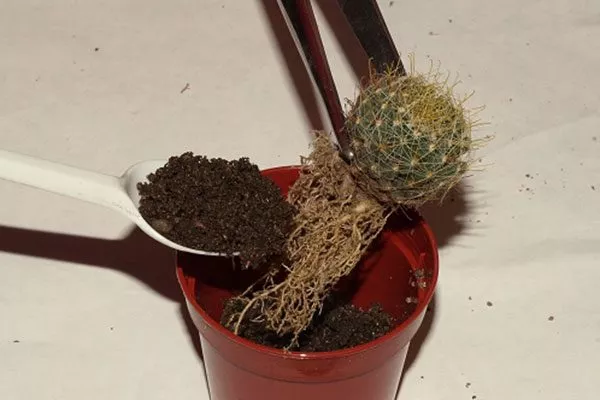
- When replanting, roots are often damaged, after which the plant takes root less well and may rot.
- Using non-sterile soil or instruments increases the risk of fungal and bacterial contamination.
- When taking cuttings, it is important to dry the cuts properly, otherwise there is a high risk of rot developing at the site of the wound.
The main diseases of cacti
Detecting infection in cacti can be difficult, as the disease's early stages often go unnoticed. However, over time, the plants begin to wilt. Whitish or brown areas, as well as signs of black rot, appear on the stem surface.
In most cases, diseases are caused by fungi, viruses, and bacteria. Let's take a closer look at the main enemies of these prickly plants.
Fungal diseases
Fungal infections often lead to the development of dangerous plant diseases. The most important prevention method is proper agricultural practices. The use of specialized fungicides is effective only in the early stages of the disease.
Rust
Spotting spots on a cactus is a serious problem for any gardener. Reddish or light brown spots often indicate a serious fungal infection known as rust.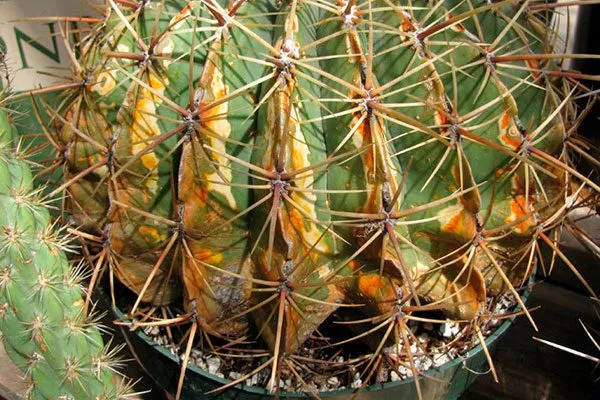
The most common causes of rust are errors in maintenance:
- sunburn;
- watering with cold water;
- sharp temperature fluctuations.
There are two main methods for combating cactus rust:
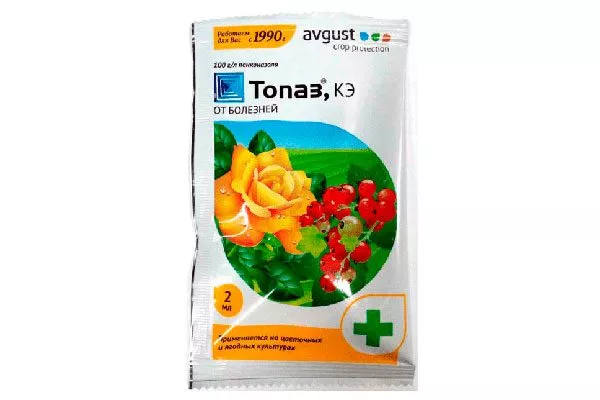
- Treating the plant with a special fungicide, for example, Topaz, which can be purchased in specialized stores.
- Moving the cactus to a dry and well-lit place. Under such conditions, the fungus cannot actively reproduce, so the plant can recover on its own, returning to its healthy appearance.
Rhizoctonia
Yellowing at the base of a cactus indicates the development of soft rot. The disease progresses rapidly, leading to tissue death. It's important to address the problem promptly, as the infection is especially noticeable on young shoots at an early stage.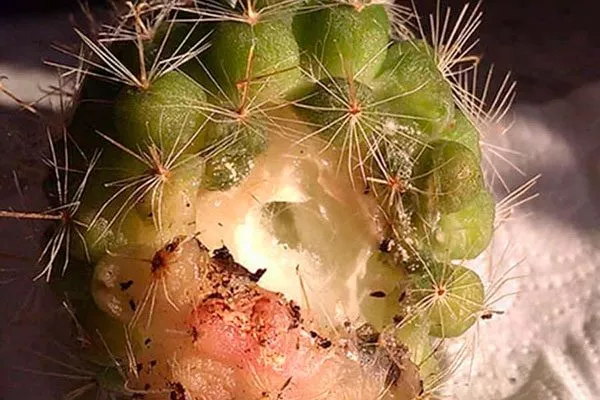
The first step is to remove the affected area of tissue with the resulting yellow spot. After trimming, treat the cut with an antiseptic.
Helminthosporium
The disease develops more rapidly on young succulents, causing their deformation. Immediate intervention is required at the first sign of infection. Rapid infection manifests as distinct brown spots on the cactus's body. This leads to dehydration and, ultimately, death of the plant.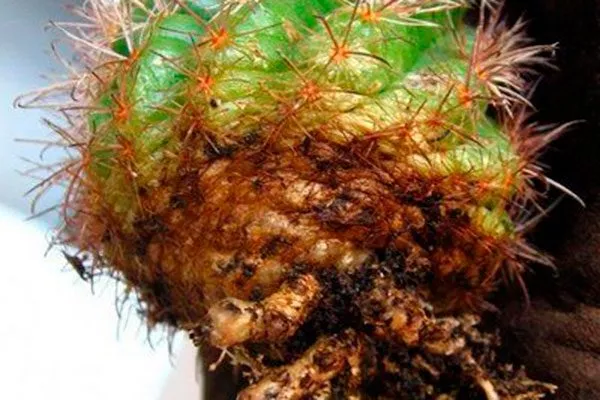
One of the methods is effective:
- removal of infected cactus tissue;
- immediate transplantation into fresh, uninfected soil.
Fusarium
The development of a fungal infection radically transforms the cactus's appearance, leading to its death. First, the main stem turns yellow, then takes on a reddish-brown hue, shrivels, and dies due to rotting of the root system, which is vital to the plant.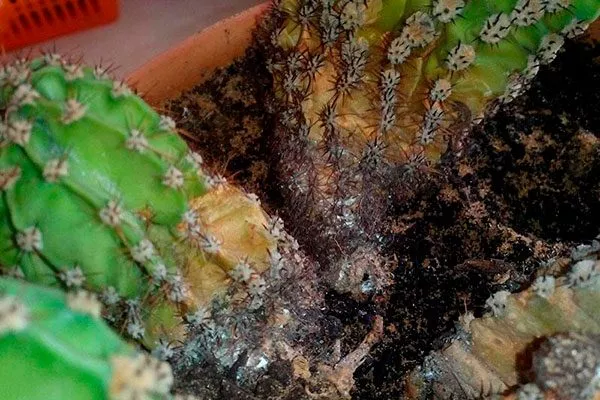
Fusarium wilt prevention involves moderate watering, done only after the soil has completely dried out. Treatment consists of several stages:
- removal of affected areas;
- disinfection of sections with a solution of brilliant green (brilliant green) or colloidal sulfur.
Phytium and cactus phytophthora
The main cause of soft rot is soil-borne pathogens, which primarily attack the base of the plant stem. Infection leads to softening and subsequent rotting of the stem tissue.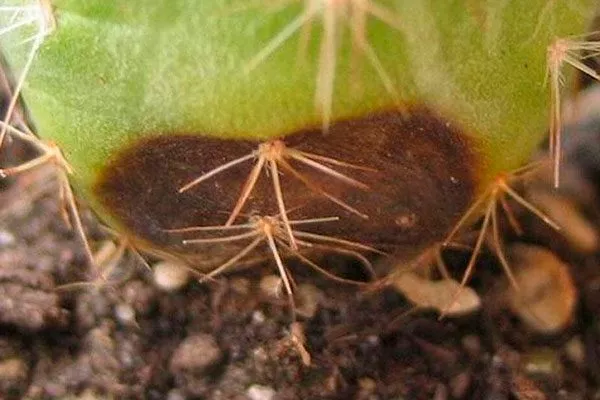
To prevent the spread of the disease, sterilize the soil before use. Immediately destroy infected plants and their pots. Since high humidity promotes rot, strictly control watering, especially during dormant periods.
Brown spot, or anthracnose
Brown spot infestation dramatically transforms the appearance of a succulent. Patches of varying shades of brown form on the surface, quickly spreading throughout the plant.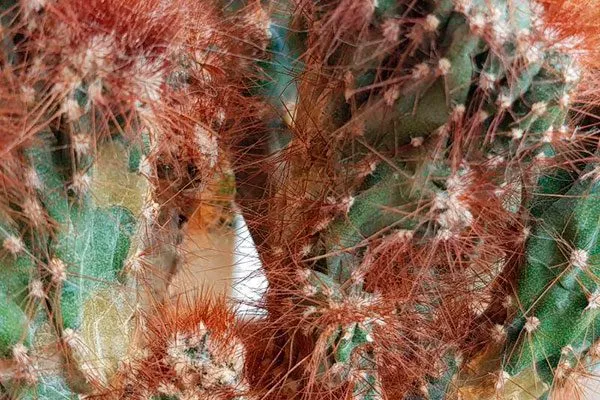
At the initial stages of infection development, a standard treatment method is used:
- Carefully remove all affected, darkened areas.
- Treat the remaining tissues thoroughly with sulfur solution.
- At the end of the procedure, spray the cactus with a fungicide.
Black spots
The disease, caused by a fungus, most actively affects plants during periods of low temperatures and high humidity.
For warm-loving cacti, it is necessary to maintain a sufficient temperature and avoid excess humidity in the environment.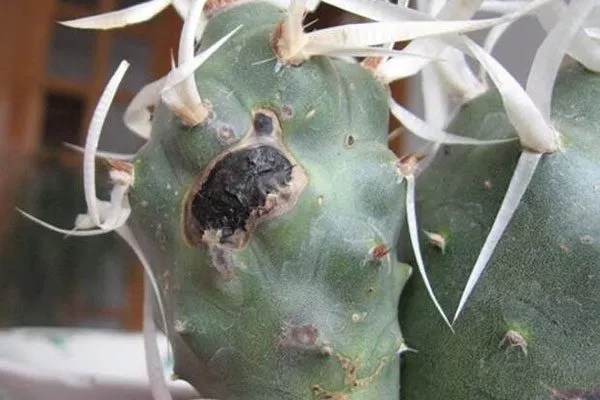
Bacterial infections
Diseases develop rapidly, attacking plant tissue from the inside and often leading to death. Once in the damaged areas, bacteria rapidly multiply, causing rotting, darkening, or the development of an unpleasant odor.
Most often, they penetrate through microcracks, pest bites, or fresh cuts, especially if care and maintenance conditions are far from ideal.
Blackleg
This dangerous bacterial disease attacks the base of the stem. It is most common in young plants and seedlings, especially in conditions of excessive soil moisture and insufficient ventilation. The disease progresses rapidly: within a few days, a healthy cactus can completely lose its turgor and die.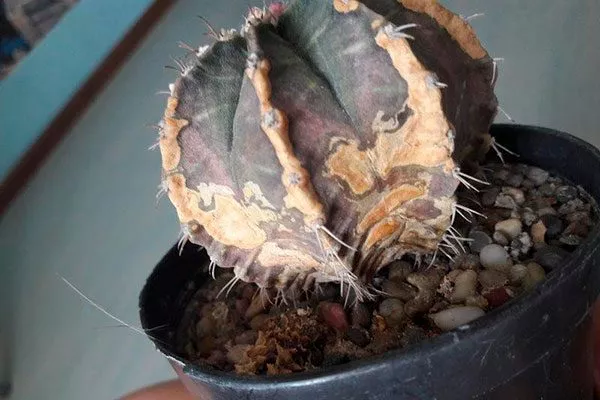
Symptoms of the disease:
- At the initial stage, a small dark spot appears at the base of the stem, which quickly grows, turns black and becomes soft.
- The tissues are watery and easily damaged when touched.
- The plant loses its elasticity, begins to lean and eventually collapses completely.
- An unpleasant putrid odor is often observed.
It is rarely possible to save a plant with black leg, as the infection spreads rapidly.
If the lesion has just begun, you can try several techniques:
- Cut away all diseased tissue to healthy tissue, treat the cuts with crushed charcoal or antibiotic powder (for example, Streptomycin).
- Dry the cactus for several days.
- Replant the plant in sterile dry soil and do not water for 5-7 days.
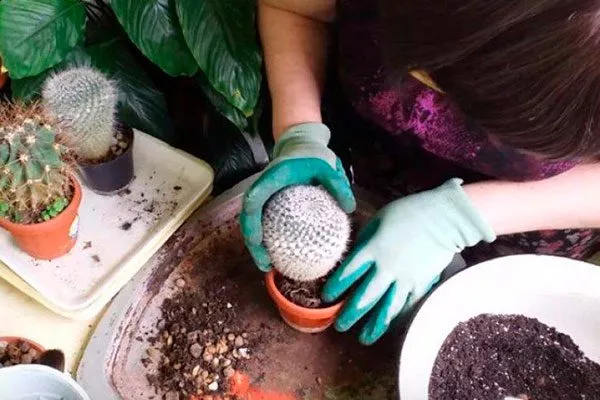
To prevent blackleg, water moderately, especially for seedlings, and ensure good drainage and ventilation. It's also recommended to sterilize the soil before planting and inspect the plants regularly to detect the problem early.
Root rot
One of the most common and dangerous cacti diseases, it often leads to death. It most often develops due to overwatering and improper watering.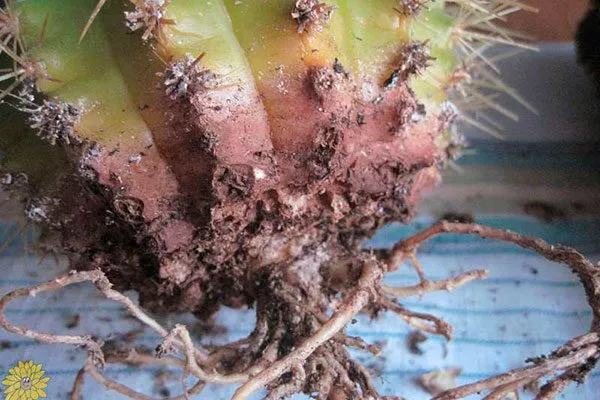
In its early stages, root rot is unnoticeable, as it affects the underground parts of the plant. The first signs are:
- growth retardation;
- loss of stem elasticity;
- yellowing or fading of color.
Over time, the cactus begins to wobble in the soil, and when removed from the pot, you may notice blackened, soft, or completely rotted roots. In advanced cases, the base of the stem becomes watery and dark, and an unpleasant odor develops.
To save the plant, follow these steps:
- Remove it from the soil and remove all affected areas of the roots with a sharp, sterile knife.
- Treat the cuts with crushed wood or activated charcoal, and then dry the cactus in the shade for several days.
- Replant the crop into fresh, sterile, well-drained soil.
- Resume watering only after 5-7 days to allow the cuts to heal completely.
Stem rot
The disease affects the above-ground portion of the cactus. It develops rapidly, especially in high humidity and sudden temperature fluctuations. Without treatment, it can destroy the plant in a matter of days.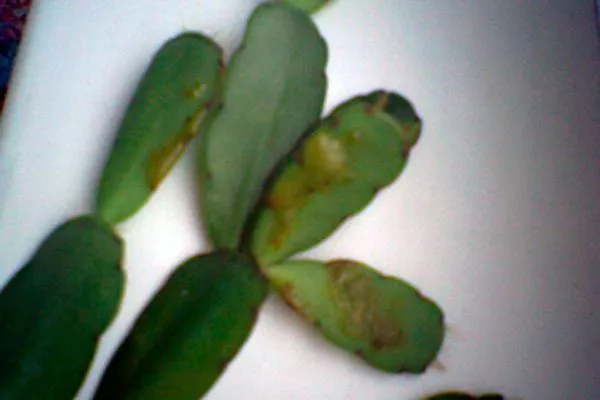
The first signs are the appearance of soft, water-soaked, or darkened areas on the stem. Over time, these spots enlarge, turning brownish-black, and the tissue begins to decompose. The affected area may become coated with a film or slime, and an unpleasant odor develops. As the disease progresses, the rot spreads throughout the stem, leaving it soft and misshapen.
If stem rot is detected, follow these instructions:
- Immediately remove all affected areas down to healthy tissue with a sharp, sterile knife.
- Treat the cuts with crushed wood or activated charcoal, and dry the cactus for several days in a dry, warm, and well-ventilated place.
If the rot has spread extensively, only the healthy top or undamaged segments of the plant can be saved by rooting them as cuttings. After repotting in fresh, sterile soil, begin watering the plant no sooner than a week later, avoiding overwatering.
Dry rot (phoma)
A characteristic feature of the infection is its latent progression in the early stages, when signs of infection are unnoticeable. The disease is often diagnosed in its later stages, when the cactus is in critical condition. At this time, it loses its color saturation and becomes pale, indicating its impending death.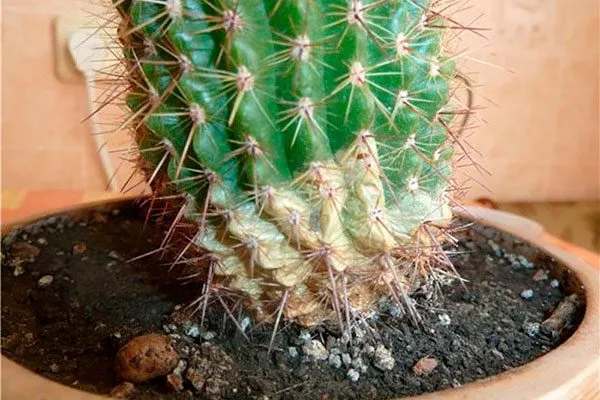
Dry rot is characterized by the complete destruction of the cactus's internal tissues. The disease progresses rapidly and, unfortunately, is untreatable. Due to its rapid spread and the lack of effective control methods, detection of the infection often means the death of the plant.
Viruses in cacti
Viral diseases exhibit specific symptoms that allow for their diagnosis. Exceptions include cases where dense pubescence of spines makes it difficult to visually detect the characteristic pattern that invariably accompanies viral infections.
Key Features:
- Typical signs include concentric rings and various spots arranged in a regular pattern on the stem, creating a 'mottled' effect reminiscent of acid burns.
It is important to distinguish these symptoms from sunburn, especially if the cactus has not been sprayed or exposed to direct sunlight. - The spots are usually light in color, indicating a lack of chlorophyll in the affected cells. Artificially cultivated cacti infected with the virus may exhibit a uniform and vibrant stem coloration (red, yellow, white, etc.), which is a genetically determined characteristic of the disease.
If a viral infection is suspected, you can try antiviral medications intended for humans, such as Remantadine (1 tablet per 500 ml of water). Fungicides are also suitable as treatments:
- Hom;
- Oxychom;
- Fundazol;
- Quinozole.

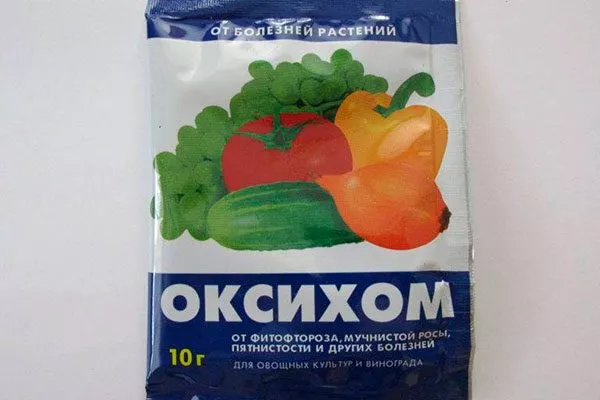
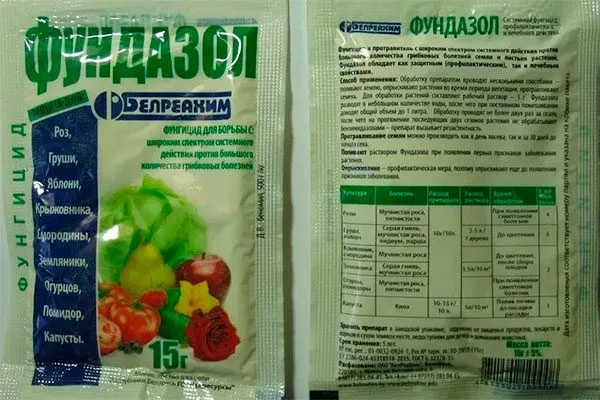
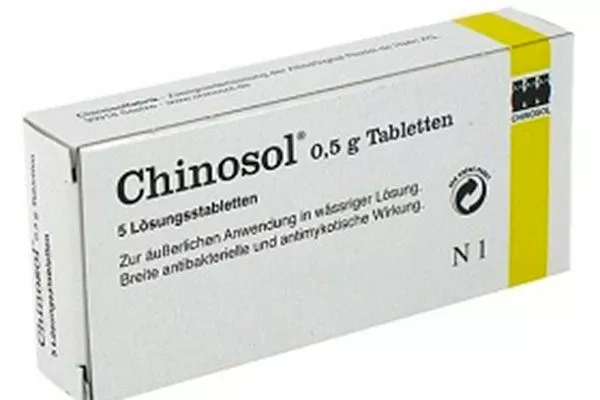
Dissolve the fungicide according to the instructions and treat the cactus by soaking it in the solution. Then, repot the plant in new, sterilized soil, such as one that has been heated in the oven for about 30 minutes until completely dry and then cooled.
Non-parasitic diseases
Diseases are not caused by pests or infections, but by unfavorable living conditions and care errors. They are associated with physiological disturbances caused by temperature fluctuations, excess or insufficient humidity, improper lighting, and inadequate nutrition.
Non-parasitic diseases are not transmitted from plant to plant, but can seriously weaken the cactus and reduce its decorative value.
Corking
Excessive humidity combined with cool temperatures, as well as nutrient imbalances, especially excess nitrogen, lead to this problem. Leafy cacti and various types of prickly pear are particularly vulnerable to this problem.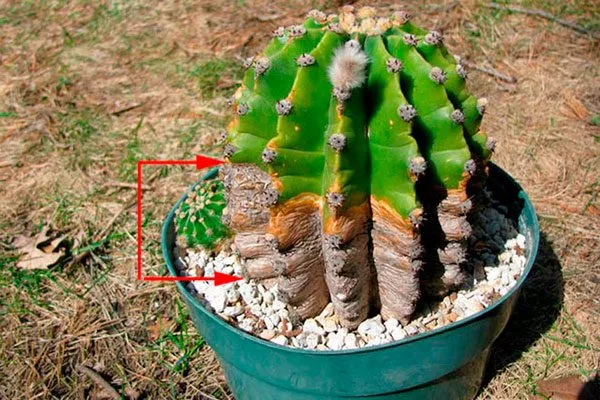
The damage appears to be a roughening of the upper tissue layer, similar to a severe spider mite infestation. This condition occurs due to unfavorable conditions.
Chlorosis and etiolation (light deficiency)
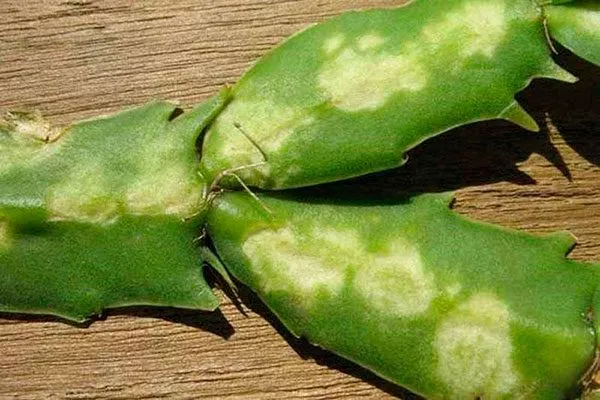
Chlorosis is a non-contagious plant disease caused by poor plant care. The main symptoms include:
- pale stems;
- yellowing;
- white spots.
Helpful tips:
- For treatment, use liquid Fitoverm, treating the cactus several times at intervals of four days.
- Soil fertilization is recommended.
- As a preventative measure, spray with Antichlorosin.
Etiolation develops due to a lack of light, which causes the cactus to lose its color saturation. The solution is simple: move the plant to a sunny location or use artificial lighting in winter. Over time, the symptoms will disappear and the cactus will regain its attractive appearance.
Epidermal burns
Sunburn is most likely to occur in plants in the spring, after the winter period, due to insufficient light. This damage appears as large, light-yellow areas on the stems, which, unfortunately, are irreversible. In extreme cases, sunburn leads to rotting and death of the cacti.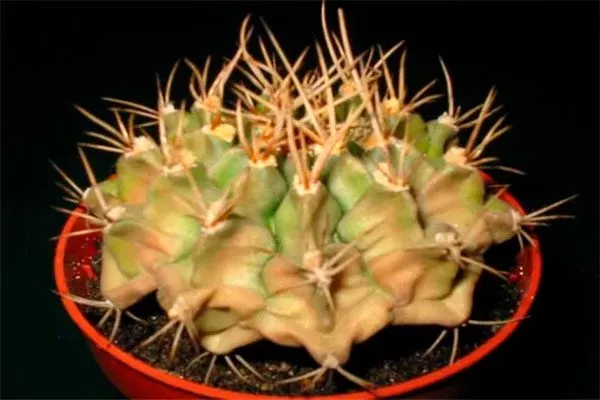
Reddening of plants
Discoloration of the epidermis is often caused by intense sun exposure combined with severe moisture deprivation. Another possible cause is root system dysfunction caused by diseases, particularly nematode infestations.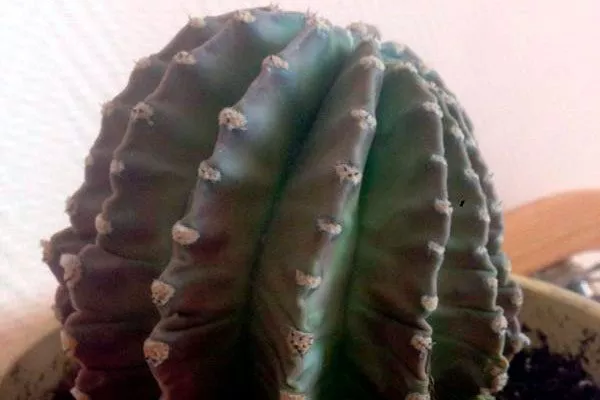
In most cases, plants regain their natural color after the negative factor is eliminated. It's important to pay attention to watering during periods of intense sunlight and monitor the condition of the plant's root system.
Bud drop and underdevelopment of buds
Delayed development of flower buds, especially in species such as Echinopsis, Rebutia, Lobivia and Opuntia, often occurs with premature and excessive watering in the spring.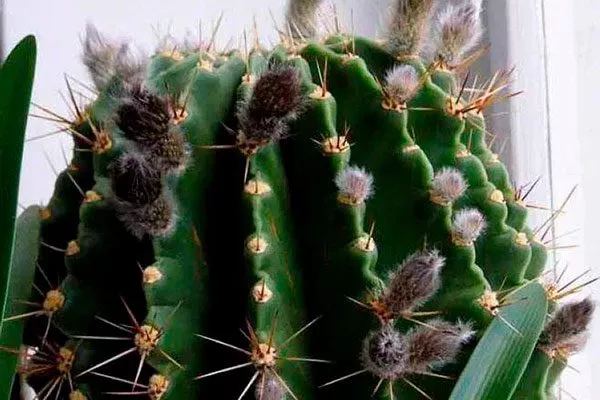
This problem is common in cacti with leaf-like stems and can be caused by a number of factors:
- lack of moisture;
- too dry air;
- nutrient imbalances (particularly excess nitrogen).
Once buds begin to form, it's not recommended to change the plant's position relative to the light source. This may cause the flower buds to stop developing.
Disease caused by alkalization of the substrate
In epiphytic cacti, this manifests itself in root death and loss of turgor. The upper limit of soil acidity for Schlumbergera reaches neutral levels (pH 7). Other lime-sensitive cacti react differently to elevated pH. These include:
- Cereuses;
- Ferocactus;
- lobivia;
- notocactus,
Root destruction occurs gradually, the plants become pale yellow, growth abnormalities are observed, and growth eventually stops. Often, the apical shoots dry out, especially in Cereus, which ultimately leads to the death of the plant.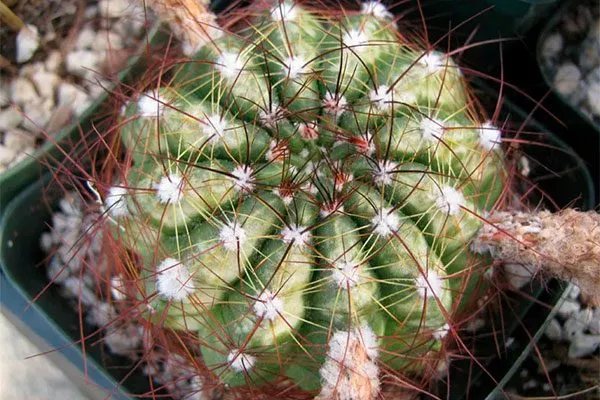
Prevention of cacti diseases
Prevention is the key to longevity and healthy growth of cacti. Proper care, stable conditions, and timely protective measures can significantly reduce the risk of disease and damage. Let's take a detailed look at how to organize care to prevent most problems.
Regular inspection of plants
Visual analysis is the first and simplest step in prevention. It helps detect changes early and take action before the disease has a chance to spread. It's especially important to pay attention to plants during the active growth period, when the risk of infection is highest.
Helpful tips:
- inspect cacti at least once a week, and in winter – once every 2-3 weeks;
- check the surface of the stem, the base of the plant, and when replanting, the roots;
- Use a magnifying glass and flashlight to examine hard-to-reach areas;
- Record all changes to track the dynamics of the state.
Proper organization of irrigation
Proper watering is the foundation of healthy cacti. Excessive moisture is the main cause of rot, and drying out during the active growth period can weaken the plant. It's important to find a balance, depending on the species and the season.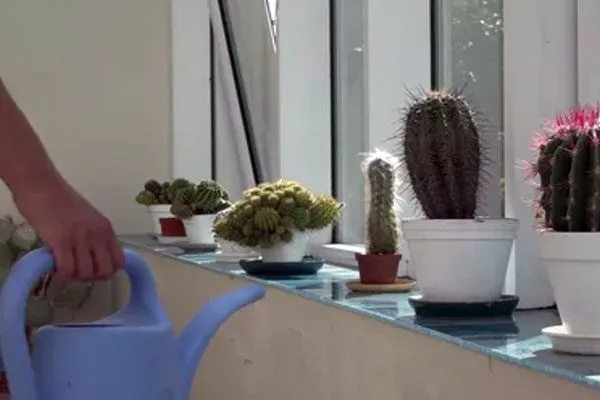
Follow the rules:
- water cacti only after the substrate has completely dried out;
- pour liquid until it appears in the drainage holes, then remove the excess;
- use warm, settled or rainwater;
- In summer, moisten more often, and in winter, most species do not require moistening at all.
Use of high-quality soil and drainage
Properly selected soil and good drainage protect the cactus from overwatering and root rot. Dense or heavy soil retains moisture and creates dangerous conditions for the roots.
Choose a loose, breathable substrate. Add sand, perlite, pumice, or expanded clay to improve drainage. Ensure the pot has drainage holes. Sterilize the soil before planting and use clean containers.
Providing optimal lighting
Light is vital for cacti. Adequate amounts make plants strong and disease-resistant, while insufficient light leads to weakened and elongated stems.
Please follow the requirements:
- Place cacti on sunny windowsills, preferably southern or southwestern ones;
- accustom plants to direct sunlight gradually to avoid burns;
- in dark rooms use phytolamps;
- Avoid sudden changes in lighting.
Air humidity control
Although most cacti prefer dry air, too little or too much humidity can cause stress and disease. It's important to maintain humidity levels within the range comfortable for the individual species.
Follow these tips:
- ventilate the room, avoiding stagnant air;
- do not place cacti in stuffy or constantly damp places;
- Provide higher humidity for epiphytic species;
- Avoid spraying dry-loving species.
Isolation of diseased specimens
This is an important technique that helps prevent widespread infection of your collection. At the slightest suspicion of disease, it's best to err on the side of caution and isolate the plant.
Helpful tips:
- Keep new specimens in quarantine for 2-4 weeks;
- immediately separate diseased plants from healthy ones;
- disinfect tools and work surfaces;
- Dispose of heavily contaminated remains rather than composting.
Use of preventive measures
Preventative treatments strengthen cacti's immunity and reduce the risk of infection. Biopreparations and properly selected fertilizers are a safe way to maintain health.
- use products containing Trichoderma and Bacillus to protect the roots;
- Feed cacti with low-nitrogen fertilizers;
- spray the soil 1-2 times a year;
- Avoid excessive use of chemicals, opting for gentle products.
Healthy cacti are the result of careful care, stable conditions, and prompt response to the first signs of problems. Regular inspection, proper watering, high-quality soil, adequate lighting, and pest control can prevent most diseases.