
Cacti are amazing plants that have long been popular among indoor gardeners. Despite their undemanding nature and drought tolerance, they are not immune to various pests. These insects and microorganisms can significantly weaken the plant, damage its appearance, and even lead to its death.
Risk factors for pest infestation
Even the strongest and healthiest cactus can suffer from pests if its growing conditions or care don't meet the plant's needs. Understanding what triggers insect infestations helps prevent problems before they arise.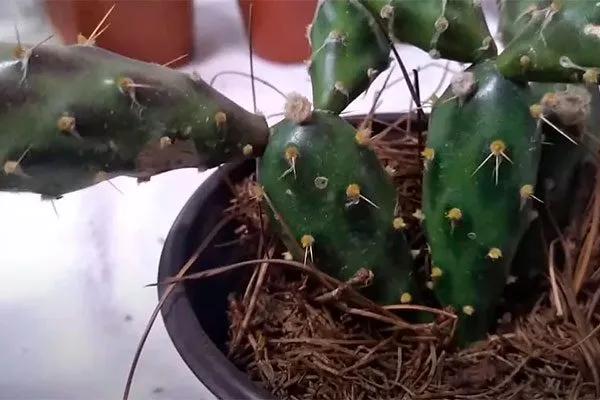
What causes pests to appear?
Certain habits of plant owners unwittingly create favorable conditions for pest proliferation. The main reasons are:
- Overwatering. Excessive moisture in the soil provokes the development of root rot, weakens the cactus, making it easy prey for soil insects (root mealybugs, nematodes).
- Rare cleaning of the plant. Dust and dry scales on thorns or bark provide shelter for spider mites, scale insects and mealybugs.
- Lack of preventive treatment. Cacti that are never sprayed with insecticidal or acaricidal solutions in preventative doses are more vulnerable to pest attacks.
- Poor nutrition or excess nutrition. A lack of microelements weakens the plant's immunity, while an excess of nitrogen makes tissues more succulent for parasites.
What attracts harmful insects?
In addition to care, the cactus's environment plays a crucial role. The following factors are often the cause of attacks:
- Humid air and heat. High humidity at temperatures above +25°C creates ideal conditions for the development of mealybugs and spider mites.
- Poor ventilation. Stagnant air promotes the proliferation of pests and the development of fungal diseases.
- A cluster of plants in one place. When planted close together, cacti quickly become infected by each other, so the pest can spread to all specimens in a short time.
- Dirty trays and pots. Remnants of old soil, plant sap or plaque on the walls of containers become breeding grounds for insects.
Typical mistakes of gardeners
Pests often appear not due to external factors, but due to human error. Gardeners may encounter the following problems:
- No quarantine for new plants. A store-bought cactus or a gift may be infested. If you immediately place it with other cacti, the insects will spread quickly.
- Ignoring the first signs of damage. Gardeners sometimes think that “it will go away on its own,” which is why they miss the moment when the parasites could still be eliminated with little effort.
- Using untested soil. Garden soil or old mixtures without disinfection often contain pest larvae.
- Spraying too often and unnecessarily. Water remaining in the space between the spines creates a comfortable environment for fungi and small insects.
The most common pests of cacti
Pests on cacti are quite common. They can migrate to succulents from other houseplants, appear after repotting if contaminated soil was used, or be introduced with a new plant from a store or nursery.
Aphid
It is one of the most common pests of prickly pears and other cacti. Even with regular preventative treatment, the risk of occurrence remains high. These small, elongated insects are mobile and come in a variety of colors.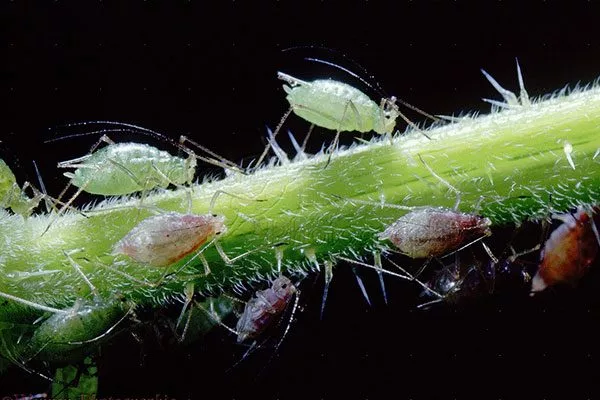
Key Features:
- Aphids feed on plant sap, piercing it with their proboscis and sucking out nutrients. This results in black spots appearing on the cactus—signs of damage that weaken the entire succulent.
- Adults can lay eggs and easily migrate to other houseplants. Therefore, if aphids are discovered, the affected plant should be immediately isolated from the rest of the collection.
- To reduce the risk of pests, it's important to create conditions for succulents that mimic their natural habitat as closely as possible. Creating the right microclimate helps maintain plant health and increases their resistance to pests.

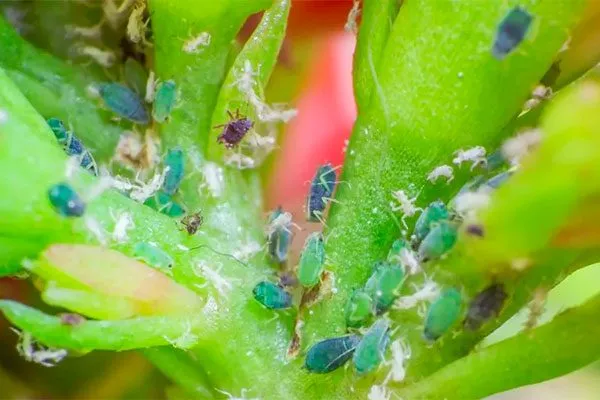
For cactus pest control, products based on imidacloprid and thiamethoxam, as well as acaricides such as Actellic, Akarin, Fitoverm, and Neoron, are recommended. These products are effective against most pests.
Use moderately toxic insecticides for treatment, but exercise caution, especially when working with flowering epiphyllums. Avoid spraying directly on open flowers, as this will quickly detract from their beauty.
Spider mite
The common spider mite on a cactus can only be seen with a magnifying glass—it's no larger than 0.25 mm. The pest is sedentary and prefers to nest on the young tips of succulents.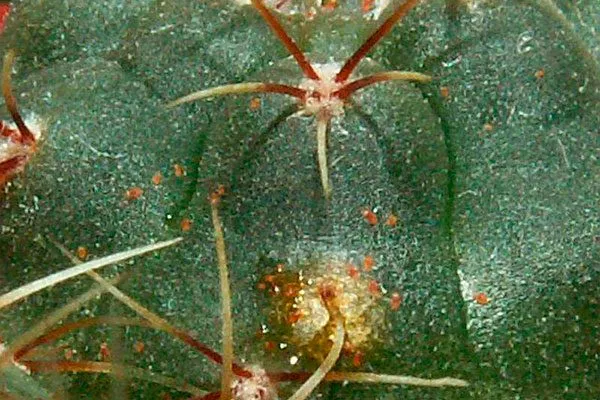
Distinguishing characteristics:
- The parasite feeds on plant cells, leaving air pockets in their place, which disrupts the process of photosynthesis and leads to a deterioration in the appearance of the cactus.
- One of the first signs of damage is dark spots, which enlarge over time, spreading across the affected tissue. Under a magnifying glass, it can be seen that these areas are dead and do not recover even after treatment. As new healthy tissue grows, the damaged areas become less noticeable.
- Spider mites leave a fine web covering damaged plant parts. Under favorable conditions, they can produce up to 20 generations per year. They most often enter warm rooms through open windows, carried by the wind from gardens and vegetable patches in the spring and summer.
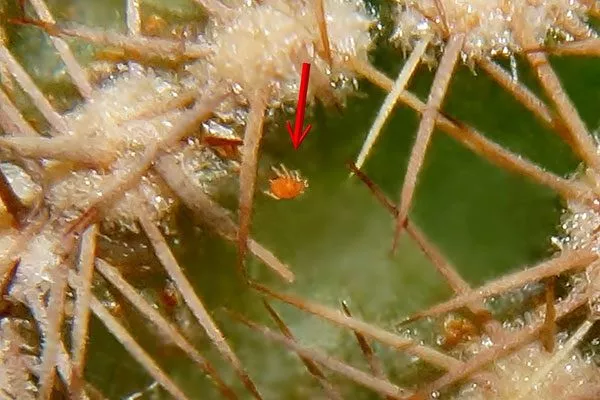
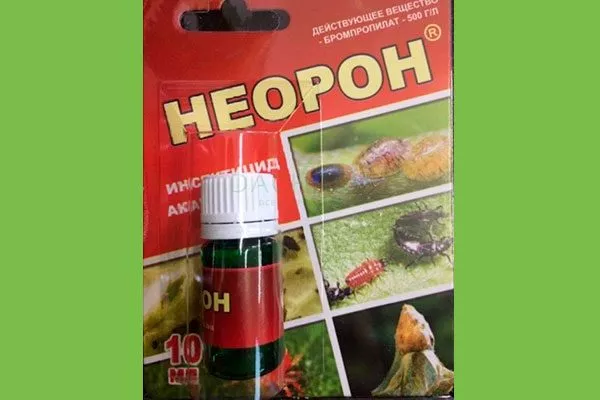
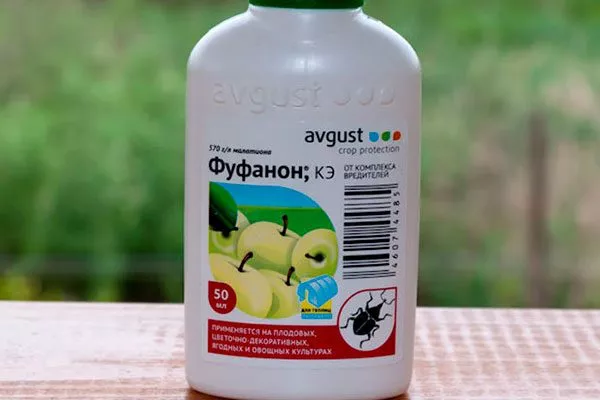
Treatment should be carried out using products specifically designed for tick control – acaricides. Repeat the treatment 2-3 times, spaced several days apart, as these products only kill adult mites and larvae, but do not affect eggs.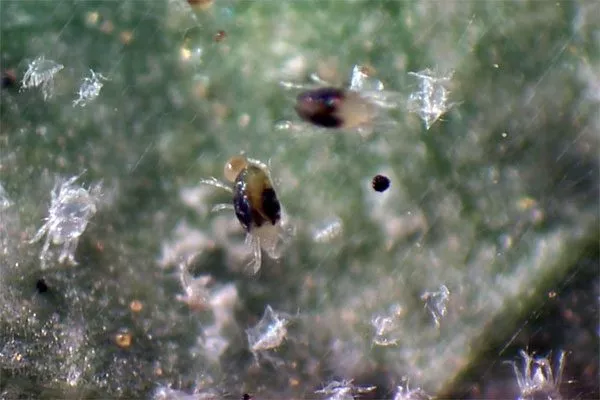
Effective drugs:
- Akarin;
- Apollo;
- Neoron;
- Omayt;
- Fufanon;
- Fitoverm.




Mealybug and root bug
Mealybugs are a serious pest that threatens many plant species, including cacti. They are often noticed too late, when the succulent has already suffered significant damage from the insects and their larvae.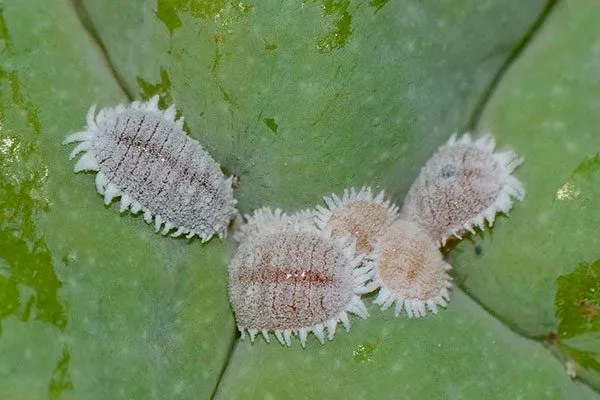
The pest looks quite inconspicuous:
- the body is elongated, up to 5 mm long, gray in color, covered with white villi;
- It has legs on the sides that are difficult to notice.
Root mealybugs primarily inhabit roots and the root zone, but in severe infestations they can also appear on the stems, areoles, and ribs of cacti. These insects prefer to hide in shelters and move very slowly, making them difficult to detect.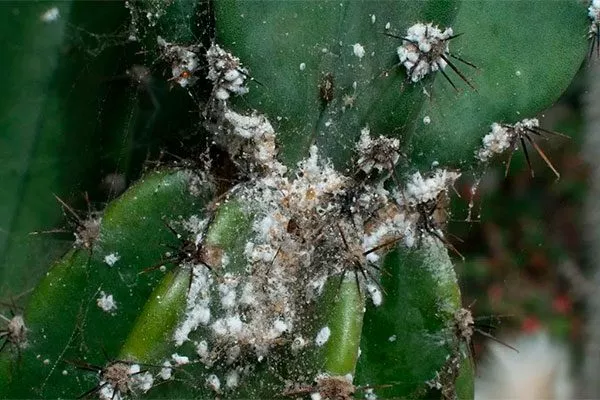
When severely infected, the cactus will show the following symptoms:
- growth slows down;
- wilting occurs;
- elasticity and natural color are lost.
The main sign of the presence of mealybugs is white powdery deposits and cottony lumps on the surface of the plant.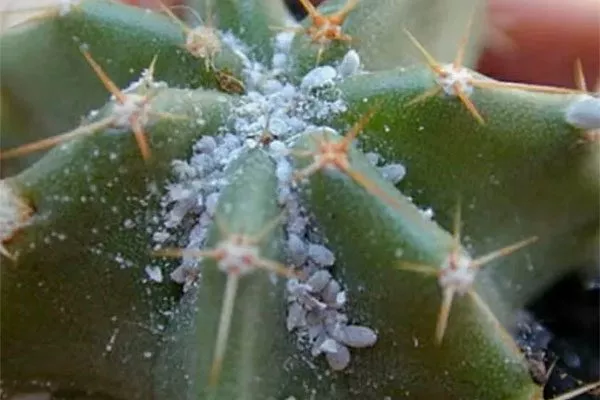
Pest control is recommended to begin with mechanical removal of the parasites and their larvae. However, there are other effective measures:
- Monitor your plants closely. For minor infestations, simply apply a drop of pesticide to the affected area with a stiff brush. Repeatedly spraying with a thin stream of water from a spray bottle also helps. However, in most cases, the use of chemicals is unavoidable.
- For severe infestations, use systemic treatments or specialized insecticides. To ensure the insecticide adheres better to the insects' protective secretions, add a small amount of dishwashing liquid to the mixture—approximately 5 ml per 10 liters. It's crucial to thoroughly wet all affected areas of the plant.
- Pre-spraying with a weak alcohol solution (1 part alcohol to 4 parts water) is recommended only on small damaged areas, primarily on green cacti without a waxy powdery coating.
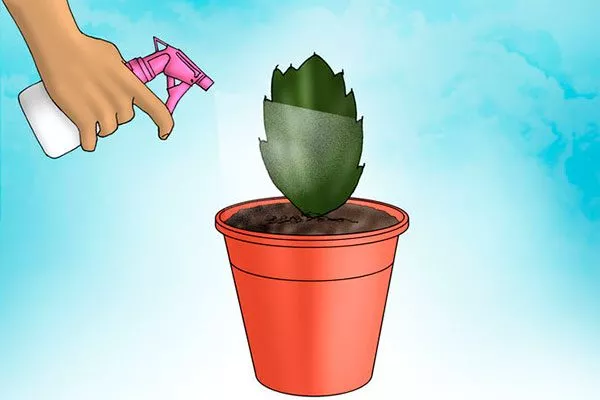
The following preparations are effective for controlling mealybugs and rootbugs on cacti:
- Aktara;
- Actellic;
- Fitoverm;
- Confidor;
- Mospilan.


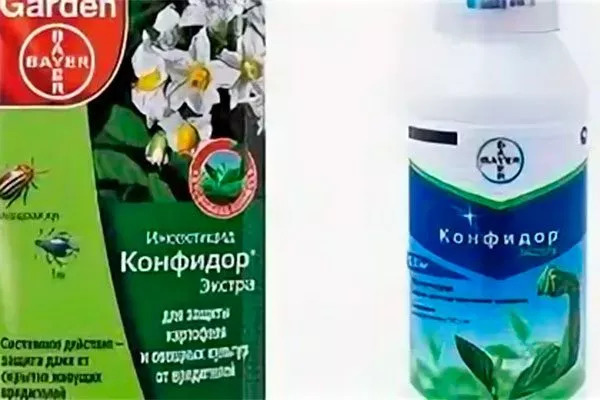

To combat root mealybugs, treat the roots by soaking them in the solution, then treat the soil and the plant itself. Repeat this treatment 2-3 times, every 10-14 days, to completely eliminate the pests and their eggs.
Scale insect
This pest is most often found on prickly pears, columnar cacti, and leafy cacti. Key features:
- They appear as small, raised, brown spots on the surface of the plant – these are like shields under which the insects hide.
- Adults are immobile, breeding and laying eggs under these shields. After hatching, the larvae gradually disperse throughout the plant.
- The wax shield reliably protects the parasites, so conventional methods of controlling adult insects are ineffective.
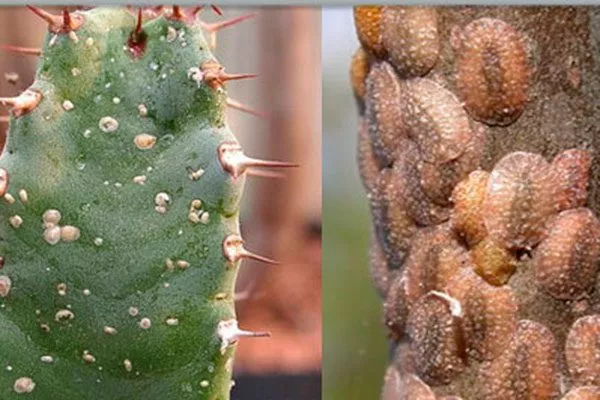
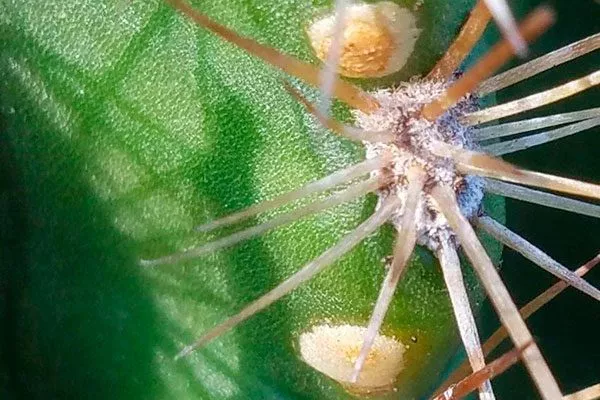
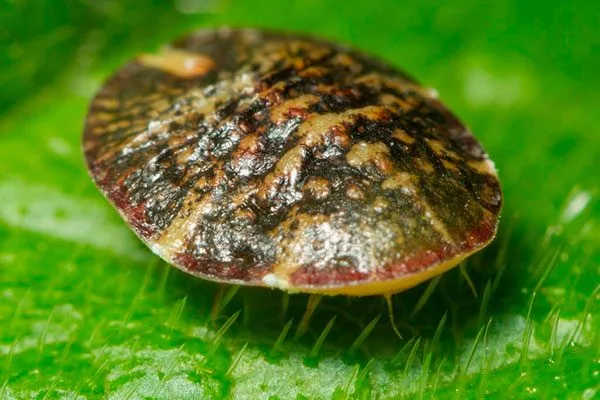
Experts recommend removing the parasites manually, gently cleaning the plant with a cotton swab dipped in alcohol. It's important to be careful not to spread the eggs and larvae to other parts of the succulent.
After mechanical cleaning, it is recommended to treat the cactus with insecticides and regularly inspect the plant, repeating the treatment if necessary.
Thrips
These small insects with yellow-brown bodies usually live at the tops of plants. They are easily spotted by silvery or white spots on the surface of the cactus. These pests move quickly, easily moving from one plant to another.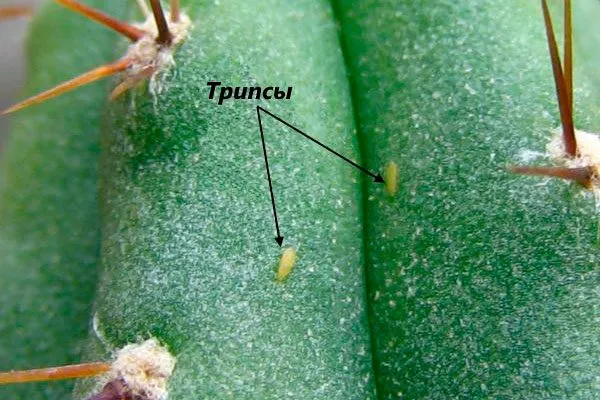
Before treating a cactus with special products, it's important to accurately identify the source of the infestation. Completely eliminating thrips usually requires several treatments and regular inspection of the plant to detect any re-infestation.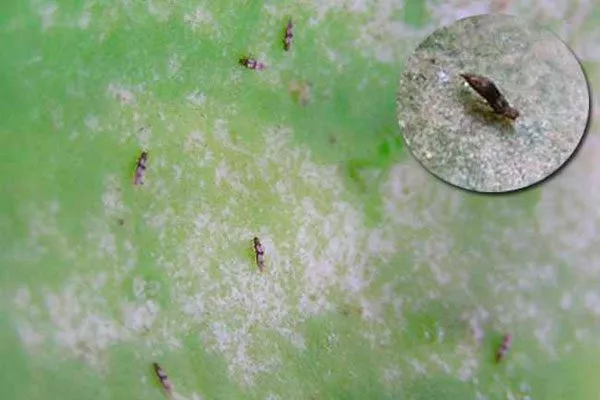
Pest control includes the following steps:
- Mechanical removal. For minor infestations, gently wash the plant with a soft brush or a gentle stream of water to remove insects from the surface.
- Chemical treatment. To control thrips, use insecticides and acaricides. Apply 2-3 times at 7-10 day intervals, as these products only kill adults and larvae, not eggs.
- Soil care. Thrips can hide in the soil, so it is recommended to periodically change the top layer of soil and use sterilized substrate when replanting.
Recommended medications:
- Actellic – effective against a wide range of insects;
- Fitoverm – biological drug with a mild effect;
- Akarin - acaricide, well suited for fighting small pests;
- Karate Zeon – modern insecticide with long-lasting action.
Preventive measures:
- Isolating new plants. Before adding them to your collection, quarantine new cacti for 2-3 weeks to ensure they are free of pests.
- Regular inspection. Check your plants at least once a week, looking for silvery or white spots.
- Optimal growing conditions. Maintain the right microclimate: moderate humidity and good ventilation to reduce the risk of pest infestation.
- Cleanliness of the room and tools. Regularly disinfect pots, trays, and equipment.
- Use natural remedies. For prevention, you can spray cacti with garlic or tobacco infusion, or a soap solution – these repel insects.
Nematode
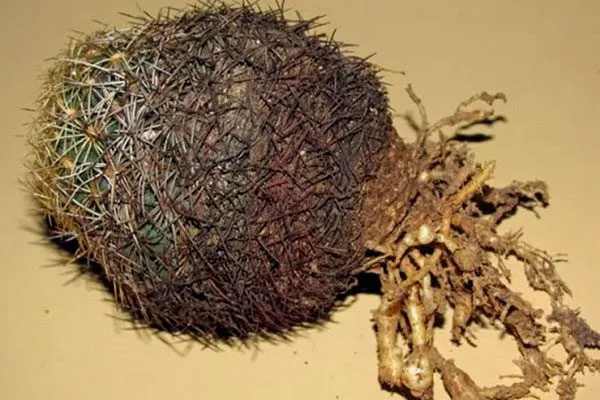
Controlling nematodes is an extremely difficult task. The first warning sign is the cactus's growth stopping. If the pest is not detected and eliminated promptly, damage to the root system will lead to the gradual wilting and death of the plant.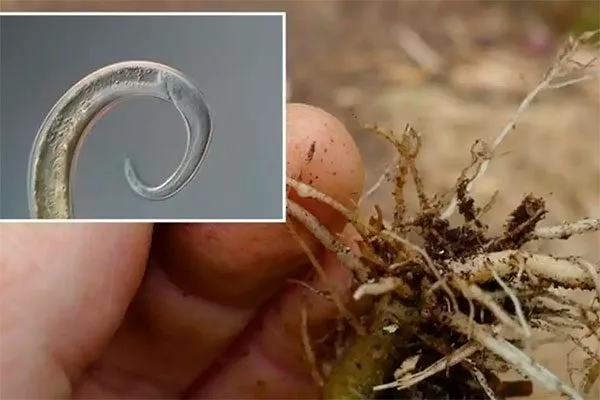
There are three main types of insects:
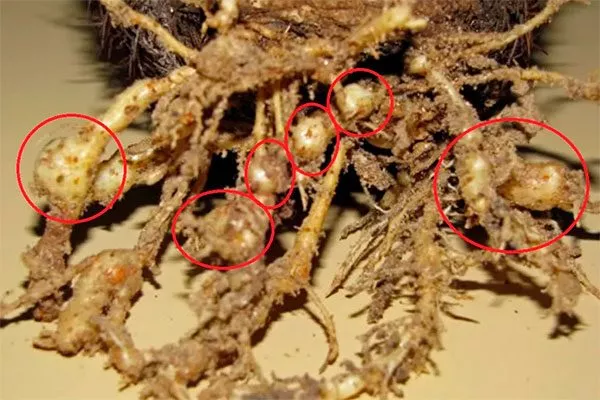
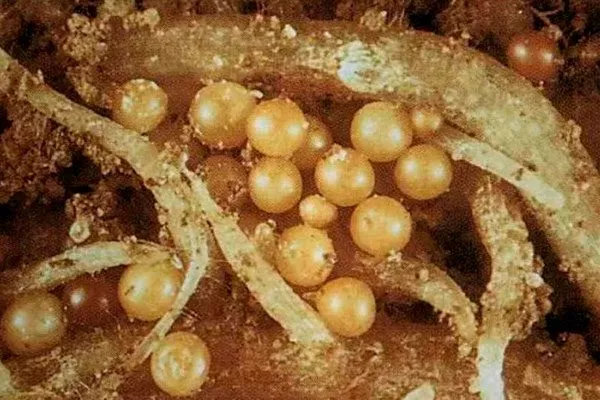
- Root-knot nematode. Microscopic worms, approximately 0.5 mm long, burrow into the roots and suck out their juices. In response to the secretions of the salivary glands, the plant develops galls—thickened growths resembling growths, sometimes reaching the size of a hazelnut.
These damaged roots lose their ability to absorb water and nutrients, die along with the galls, and decompose. Nematode eggs remain in the soil and facilitate the further spread of the pest. - Nematodes with cyst formation. The parasites also live in the roots, destroying the root epidermis. The female's body transforms into a sac—a cyst—filled with eggs and larvae. The cysts are brown and lemon-shaped, hanging from the root surface.
- Free-living nematodes. They don't attach to specific areas, but constantly move around in the soil. Damage from them often becomes noticeable only when the roots are severely damaged and the plant begins to wither.
Nematodes reproduce quickly, and under unfavourable conditions they can enter a dormant stage, remaining viable for months or even years.
They spread over short distances on their own or with water, and over longer distances through the transfer of contaminated soil, pots, tools, as well as through shoes and shelving in greenhouses.
To prevent the spread of nematodes, strict sanitary measures must be observed:
- It is recommended to rinse pots, work surfaces, and tools with boiling water—a simple but effective disinfectant (keep in mind that some plastic containers may deform from high temperatures).
- Mechanical methods are the mainstay of control: when replanting, all severely damaged roots must be removed. Sometimes it's necessary to cut off almost all the roots and place the plant in fresh rooting medium.
- Nematodes are sensitive to high temperatures—soaking roots in water at 45°C for 30 minutes can kill the pests, and cactus roots usually tolerate this treatment without harm. However, this procedure is quite difficult to implement in practice.
Popular remedies for nematode control:
- Actellic;
- Vermitek;
- Fitoverm and others.
Other pests
In addition to the insects described above, cacti can be attacked by other parasites. These can cause specific damage to the plant, ranging from tissue damage to metabolic disruption. It's important to regularly inspect the plants and take prompt measures to protect against all potential threats.
Sciarids or "fruit gnats"
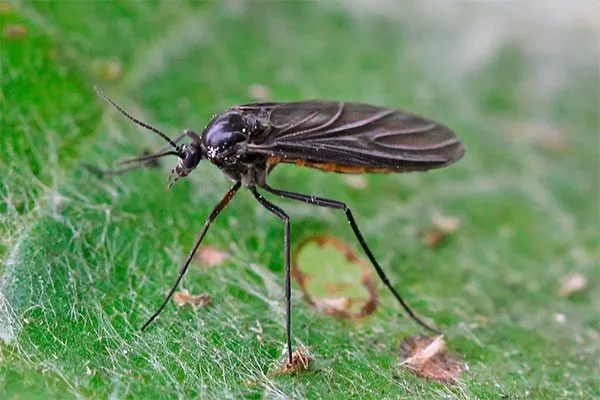
Small, dark insects, 3-5 mm in size, lay eggs in organic-rich soil or decaying debris. The hatched larvae, reaching 6-7 mm in length, feed on young shoots and the fine roots of mature plants, causing damage. Damaged areas become vulnerable to fungal diseases and rot.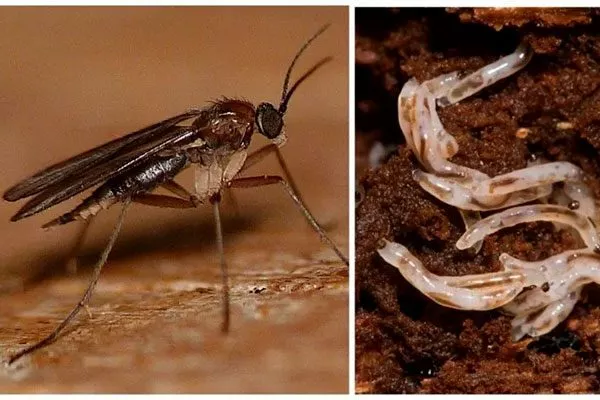
Helpful tips:
- To combat pests, it is recommended to use organic fertilizers with extreme caution.
- When sowing, you should choose a substrate that is poor in humus.
- In some cases, sticky traps placed above plants are effective. Traps painted yellow attract these insects.
The following remedies will help in the fight against parasites:
- Actellic;
- Aktara;
- Fitoverm;
- Karate Zeon.
Woodlice
These small creatures belong to the class of crustaceans. Their diet consists primarily of decaying organic matter, although they also enjoy young plant shoots. They are nocturnal, preferring to hide from light under pots, rocks, cracks, and other damp shelters.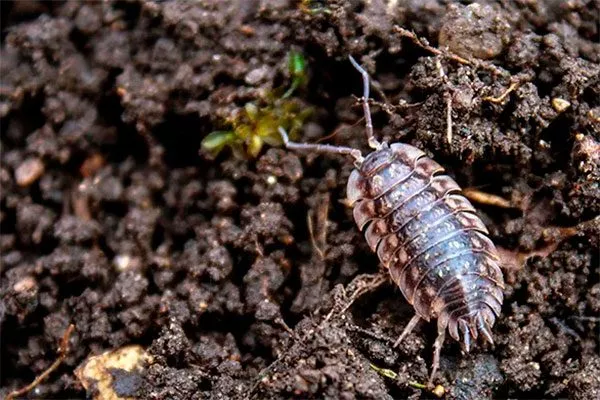
To combat woodlice, you can use traps: potato or carrot halves with small indentations. The pests crawl into these indentations, making them easy to collect.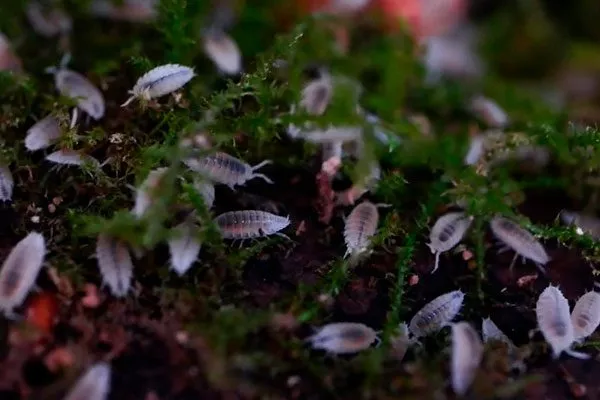
Natural enemies of woodlice that control their population in nature:
- moles;
- lizards;
- shrews.
Naked slugs
These delicate hermaphrodites prefer a moist environment. They can be identified by their characteristic mucus trails. They are active primarily at night, and only in cloudy weather.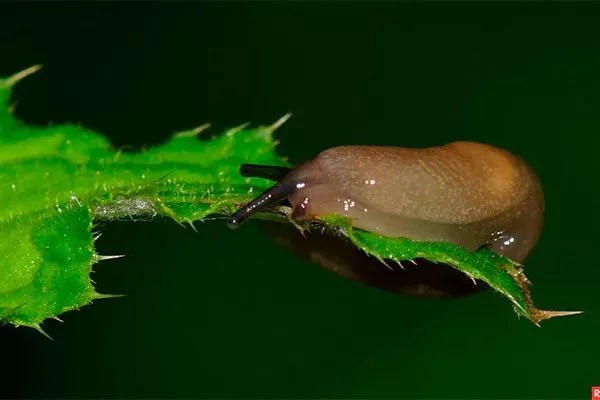
Their diet consists primarily of young shoots, buds, and other plant parts. During the day, they hide from light and dryness in secluded areas, such as under containers and pots.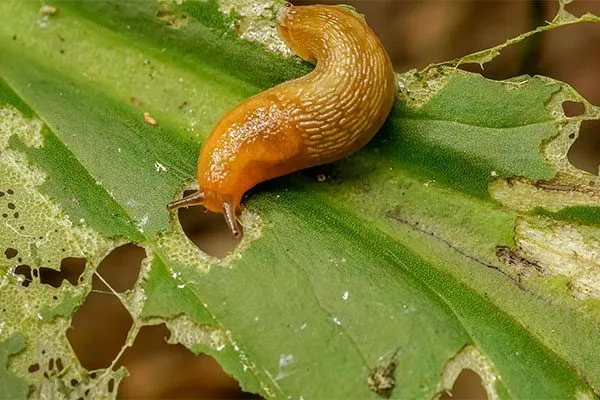
To combat them, use various methods:
- use of poisoned baits and specialized traps;
- Manual collection of pests at night.
Ants, house mice and field mice
Insects known as "seed thieves" can cause damage to crops by distributing seeds and building nests directly among the crops.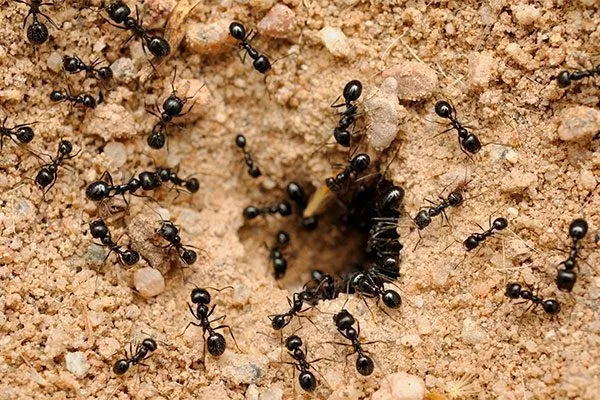
To control the ant population, it is recommended to use specialized insecticides:
- Thunder-2;
Actellic; - Ant-eater;
- Karbofos.
An alternative method is to use bait containing sweet liquids placed in containers accessible to insects, such as glasses or bottles. The well-known Coca-Cola is a popular choice.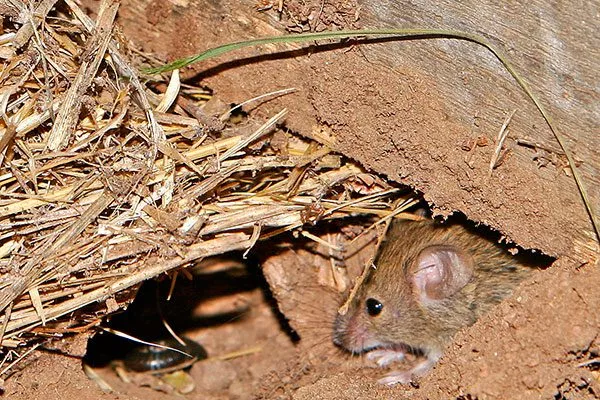
Preventive measures
Prevention is the most reliable way to protect cacti from pests and keep them healthy. Proper care and following a few simple rules help prevent insect infestations and minimize the risk of infestation.
Maintaining cleanliness of the premises and tools
Regular cleaning of the area where cacti are grown reduces the risk of pest breeding. Thoroughly clean and disinfect all pots, trays, and gardening tools to prevent the transfer of eggs and larvae from one plant to another.
Checking new plants before planting
Before adding it to your general collection, carefully inspect the purchased cactus for pests and diseases.
It's recommended to quarantine it for a couple of weeks to ensure it's free of pests. This prevents the introduction of pests from new plants and protects existing plants.
Ventilation and lighting control
Good ventilation and proper lighting create unfavorable conditions for the reproduction of many insects.
Regular ventilation prevents air stagnation and increases the plants' overall resistance to pests. It's also important to maintain sufficient natural or artificial light, which is essential for the normal growth and development of cacti.
Creating optimal humidification conditions
High humidity and overwatering often promote pest infestations and fungal diseases. Maintain a consistent watering schedule, avoid overwatering, and try to keep water away from stems and leaves.
Use of biopreparations
Biological products based on beneficial microorganisms or natural components are effective for pest prevention. Effective products include:
- Fitoverm;
- Bitoxybacillin;
- Actofit.


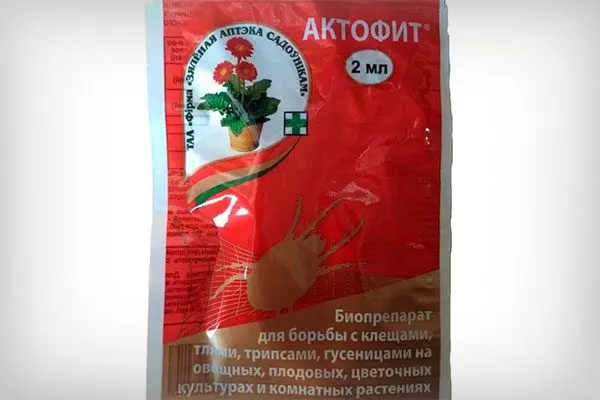
They are safe for plants and humans, help strengthen the immunity of cacti, and prevent the proliferation of harmful insects. Regular use of biological products reduces the need for chemical treatments and promotes the healthy development of the collection.
Prevention and early detection of pests are the key to the health and longevity of cacti. Regular care, creating suitable conditions, and using pest control products will help keep the plants strong and beautiful. Careful attention to the plant guarantees better protection against a variety of problems, including insects.