
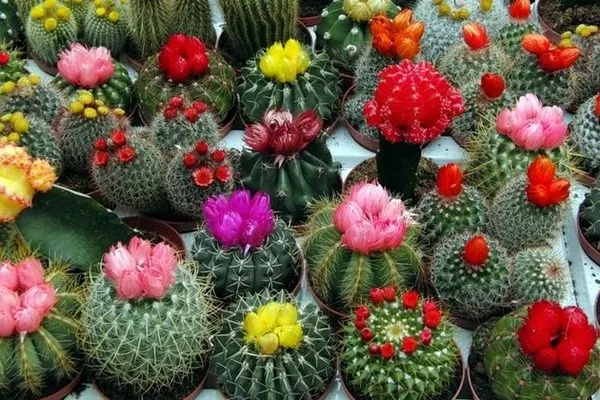
Cactus blooms are one of the most spectacular events in indoor gardening. These vibrant, sometimes unusually shaped flowers don't appear by chance, but rather in response to proper care and respect for the plant's natural rhythms. To ensure this event, it's important to create an optimal environment for the cactus, as close as possible to its natural habitat.
Understanding Cactus Biology
Cacti are amazing plants, capable of surviving in extreme conditions and delighting gardeners with unique shapes and vibrant blooms. To encourage buds to appear on these prickly plants, you need to understand their biology, developmental patterns, and natural rhythms.
You can read about the different types of cacti, how they look and bloom. Here.
Features of appearance and formation of flowers
The cactus's structure is adapted to conserve moisture and protect it from overheating. Instead of leaves, it has spines that serve as protection and reduce moisture evaporation.
Other distinctive characteristics:
- Flower buds (flower buds) are formed in areoles – special areas on the stem from which thorns, shoots or flowers can develop.
- Bud formation is usually triggered by a combination of factors: optimal temperature, day length, and dormancy before the growing season.
- Flower opening is a complex process controlled by internal phytohormones (auxins and gibberellins) and external signals, including temperature and light.
- Some species have flowers that open only at certain times of the day, such as nocturnal cacti (Selenicereus) that open in the evening to attract nocturnal pollinators.
Duration of flowering of individual cacti species
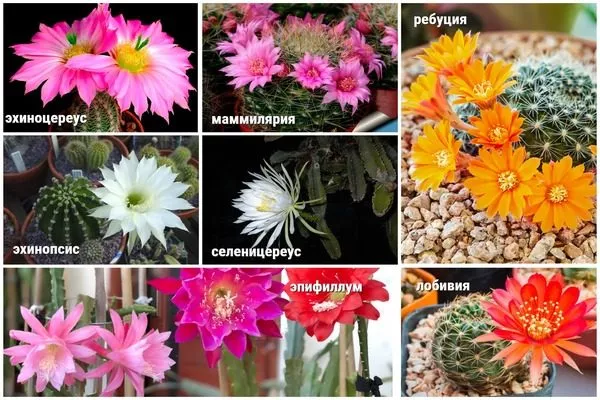
Flowering period home cactus Depends on the crop variety and growing conditions. Let's take a closer look:
- Echinocereus, Mammillaria – they bloom for up to 2-3 weeks, with several flowers blooming at once;
- Echinopsis – an individual flower lives only 1-2 days, but the plant can release them in waves;
- Selenicereus, Epiphyllum – They often bloom overnight, but the spectacle is so spectacular that it is worth waiting for the whole year;
- rebutia, Lobivia – delight with flowering for up to a month, especially with good lighting and regular watering during the growth period.
Dormant period and preparation for flowering
A dormant period is a necessary stage in the life of most cacti. It occurs in autumn or winter, when daylight hours shorten and temperatures drop. During this time, the plant slows its growth, conserves energy, and sets future flower buds.
For proper rest, the following conditions are necessary:
- temperature drop – up to +8…+15°C (depending on the type).
- dry mode – stop watering or reduce it to a minimum;
- maximum light – Even in cool conditions, a cactus requires sunlight.
If you miss the dormant period, you may not see flowering, as the plant will grow green mass, but buds will not form.
The main signs of approaching flowering
Experienced gardeners can tell early that a cactus is about to bloom. The following factors indicate this:
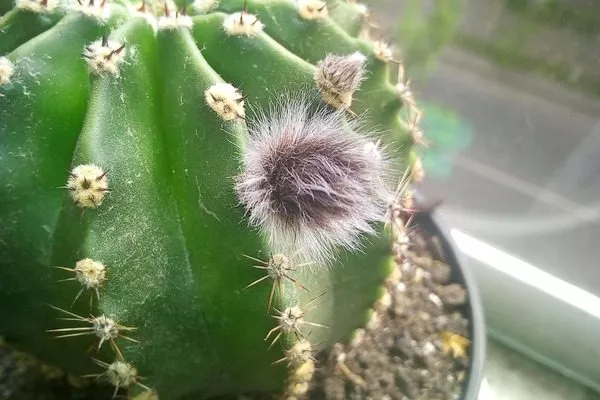
- the appearance of seals or “fluffy” formations in the areoles – future buds;
- active thickening of the stem in spring, after a period of dormancy;
- abundant formation of new thorns and growth;
- discoloration in the area of the apex or ribs.
Important conditions for better flowering
In order for a cactus to not only grow, but also delight you with flowers every year, it needs to be given an environment that is as close to natural as possible.
In the deserts and highlands where these plants are accustomed to living, the changing seasons, daily temperature fluctuations, abundant sun, and meager but balanced nutritional resources play a key role in the formation of buds.
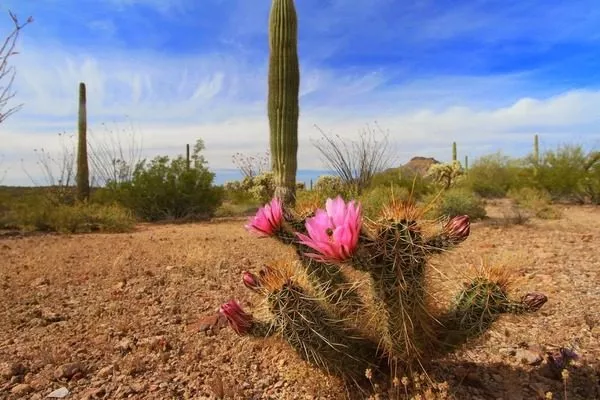
It's important to replicate these factors at home—then even the most capricious species will reward you with lush and long-lasting flowering.
Flower age
Young cacti rarely bloom. Most species reach "flowering age" between 3 and 7 years of age, and some only after a decade.
Lighting
Cacti are sun-loving plants, and a lack of sunlight is one of the main reasons for a lack of flowering. Bright light stimulates photosynthesis, nutrient accumulation, and activates hormonal processes responsible for bud formation.
Recommendations for plant placement:
- the best orientation is the south or southeast side;
- In winter, it is advisable to use phytolamps to compensate for the short day;
- In spring, gradually acclimate plants to direct sunlight to avoid burns;
- In a greenhouse or outdoors, cacti better respond to seasonal changes in light and temperature, which has a beneficial effect on flowering.
Temperature
Most cacti thrive at temperatures of 20 to 28°C during the day and 15 to 18°C at night. During the dormant period, temperatures should be lower (8 to 15°C) to signal the plant to prepare for flowering.

Natural daily fluctuations mimic desert conditions, helping the plant synchronize its biorhythms. A 5-10 degree difference between day and night temperatures stimulates bud formation and enhances flower color.
Watering
During active growth and budding, the cactus requires moderate but regular watering – the soil should dry out slightly between waterings.
Please adhere to the following requirements:
- During the dormant period, provide minimal watering or stop it completely.
- Use soft, settled, slightly warm water.
- Pour the liquid under the root, avoiding stagnant moisture.
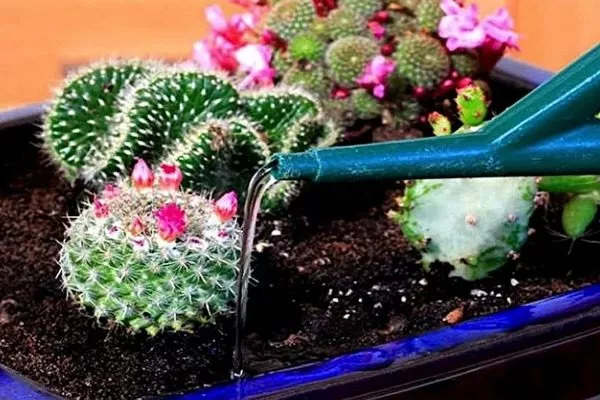
Overwatering during the budding phase can lead to rotting or bud shedding.
You can find maximum useful information on how to properly water cacti growing in our home Here.
Soil and fertilizer
A flowering cactus requires light, loose soil that allows air to reach the roots. The soil should be permeable, with a drainage layer, and nutritious, but not excessively so—too much nitrogen encourages vigorous growth but hinders flowering.
Prepare a mixture of turf, coarse sand, fine gravel, leaf mold, and a small amount of humus. For epiphytic species, you can add bark and peat.
Fertilizer types and application frequency:
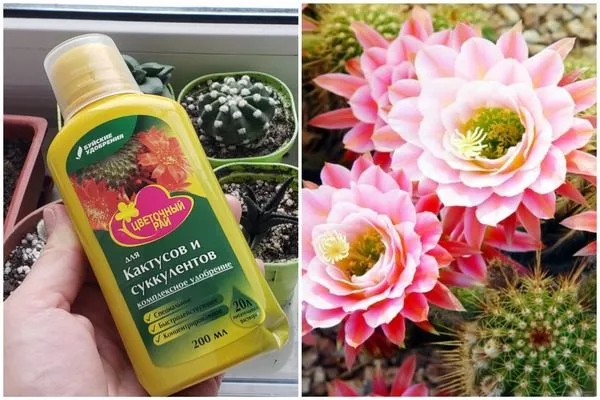
- in spring and summer, feed the crop once a month or every three weeks;
- use substances with low nitrogen content and high amounts of phosphorus and potassium - these elements stimulate flowering;
Phosphorus strengthens roots and stimulates bud formation, while potassium enhances the brightness of flower color and prolongs their life.
Possible problems and solutions
Even with good care, a cactus may refuse to bloom. The causes lie both in the care it provides and in the plant's own characteristics. Knowing common problems and how to fix them can help a gardener restore the plant's vigor and stimulate bud formation.
Main difficulties:
- Container size is insufficient. Roots that are constrained by a small pot cannot develop fully, which means flowering will be in question.
Replant the cactus into a container slightly larger than the size of the root system, with drainage holes. - Nutritional deficiencies. If a cactus has not received nourishment for a long time, it spends all its energy on survival, not on flowering.
During the period of active growth, feed with fertilizers with low nitrogen content and high phosphorus and potassium content, and mineral complexes for succulents.

- Too frequent overfilling and underfilling. Excess moisture causes rot, and constant dryness inhibits growth and bud formation.
Water the plant moderately, allowing the soil to dry out slightly between waterings. Always use soft, settled water. - Wrong soil. Heavy or poor substrates impede root respiration and prevent the plant from obtaining the necessary nutrients. A loose, permeable mixture based on turf, coarse sand, and fine gravel is suitable.
If your cactus is growing in poor soil, repot it to ensure lush flowering in the future. You can find instructions for this procedure here. here. - The appearance of pests and diseases. Spider mites, scale insects, mealybugs and fungal infections weaken the plant.
Inspect the cactus regularly, treat with insecticides or fungicides if necessary, and isolate infected specimens. The best insecticides are Aktara, Actellic, Fitoverm, and Confidor Extra. Effective fungicides include Fundazol, Topaz, Skor, Horus, copper sulfate, or Bordeaux mixture. - Pruning and shaping the plant for abundant flowering. In some species, removing old or damaged segments stimulates the growth of new shoots that are capable of flowering.
Perform formative pruning with a sterile instrument during the dormant period, allowing the cuts to dry.
Tips for Beginner Cactus Lovers
The period leading up to flowering and the flowering season itself require special attention to care. Even low-maintenance cacti require proper watering, nutrition, and dormancy during this time.
Beginners should adhere to simple agricultural practices:
- During the warm season, water the cactus moderately, waiting until the top layer of soil is completely dry. Use soft, settled, slightly warm water. During flowering, avoid both drying out and overwatering, as this can cause bud drop.
- During the period of active growth and bud formation, feed the plant every 3-4 weeks with a low-nitrogen fertilizer with increased phosphorus and potassium. These nutrients will strengthen the roots, stimulate bud formation, and improve flower color.
- In winter or during the cool season, most cacti require lower temperatures (8…15°C), infrequent or no watering, and maximum light. This dormancy helps the plant develop future flower buds and gain strength for spring.
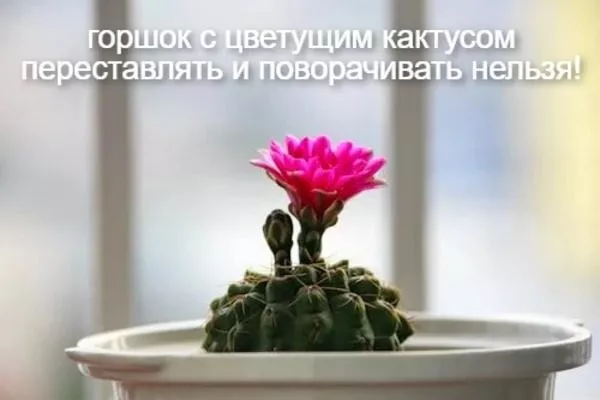
- Once the buds have formed, do not move or turn the pot - changing its position may cause them to fall off.
- Inspect the plant for pests and signs of disease, as a weakened plant will bloom less well or refuse to form buds at all.
The ideal conditions for cacti to bloom are a balance of light, warmth, moisture, nutrition, and rest. The correct combination of these factors helps the plant not only maintain its health but also build up the strength for lush, long-lasting blooms. By caring for your plant, you can not only maintain its vitality but also hasten the moment when it will delight you with colorful flowers.