
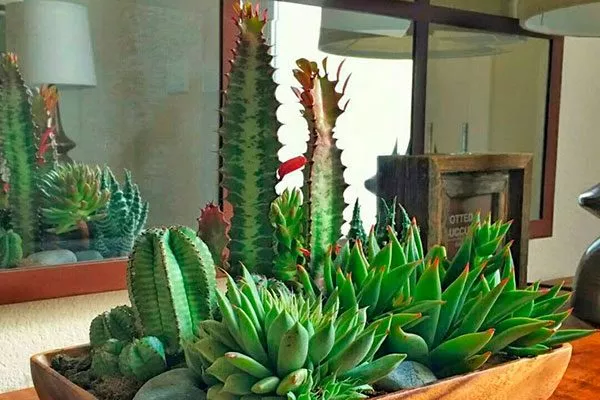
One of the trends in modern interior design is creating arrangements of various succulents, including cacti. Placing several species together allows for interesting compositions that highlight the individuality of each plant. Let's explore which plants work best with cacti, and which shouldn't.
Why is co-growing beneficial?
Houseplants enjoy the company of their own kind. They feel more at home near neighboring plants, grow more vigorously, and are less susceptible to pest attacks. Furthermore, carefully chosen neighbors help create a harmonious composition that enhances the interior of any room.
What is compatibility?
Plant compatibility refers to the ability of different species to coexist peacefully in the same area, creating a stable ecosystem that promotes overall health and good flowering.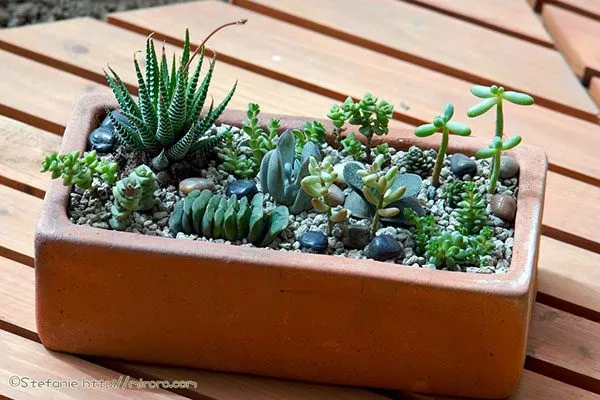
Basics of Plant Compatibility
Compatibility is based on several key concepts:
- Chemical exchange. Every crop releases biologically active substances into the environment, directly or indirectly affecting their neighbors. Some substances are beneficial and support the vital functions of other plants, while others have a depressing effect.
- Use of resources. Plants utilize available resources—water, nutrients, light, and space—in different ways. A composition that includes plants with different needs allows for efficient use of available resources and avoids competition.
- Microclimate. Tall shrubs or trees create a specific zone of influence, changing the temperature, humidity, and wind conditions. Low-growing plants in the shade must adapt to these conditions.
- Allelopathy. A phenomenon in which one plant has a negative effect on others, causing growth inhibition or reduced fruiting.
- Diseases and pests. Some plants attract specific pests or become a source of infection that is dangerous to neighboring plants.
The principle of choosing companion plants
The foundation of effective crop combinations is consideration of the physiological characteristics of each species. Effective combinations are developed based on knowledge of the plants' requirements for light, moisture, temperature, and soil composition.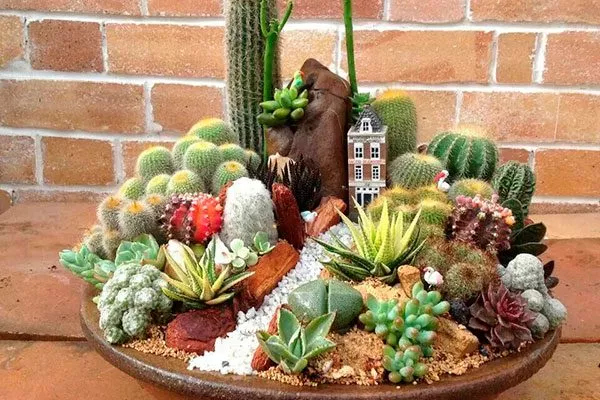
Practical application of knowledge about compatibility
Knowledge of plant interactions, the beneficial effects of coexistence, and the potential dangers of poor selection play a crucial role. By learning how to properly form a plant community, you can ensure sustainable crop growth and the well-being of each individual planting.
What kind of neighbors are best for cacti?
Cacti are most often paired with their fellow succulents. However, not all of them make ideal companions. The following plants are considered the best:
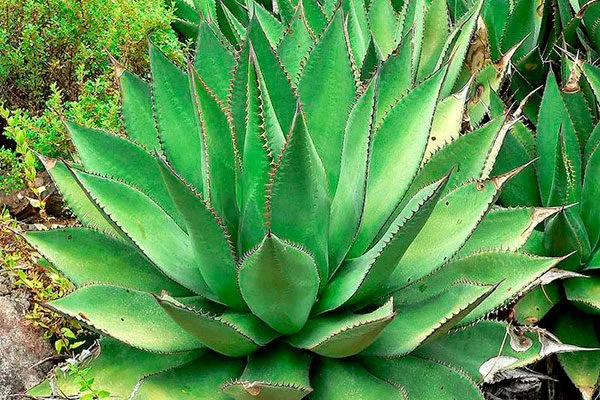
- Agave. This easy-to-grow plant, native to Mexico, thrives alongside most cacti due to its similar temperature, humidity, and soil requirements. Its beautiful bluish-green leaves will add a special charm to any arrangement.

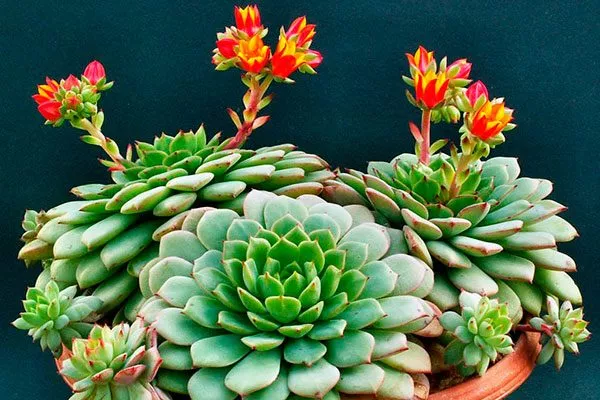
- Echeveria. Bright representatives of the Crassulaceae family, with beautiful leaves of varying colors, combine harmoniously with cacti. Their compact size allows them to be placed next to larger members of the genus.
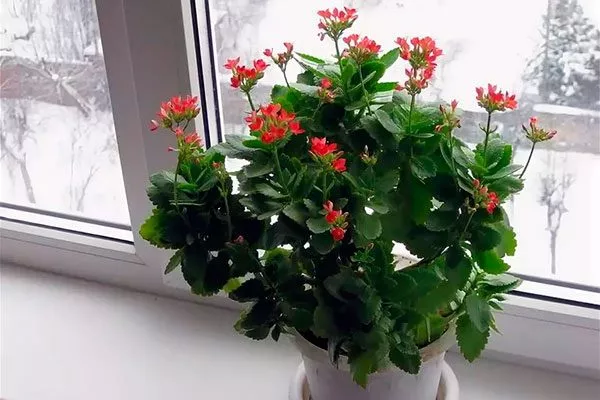
- Kalanchoe. These African perennials boast fleshy leaves and vibrant flowers that brighten any room. Thanks to their shade tolerance, Kalanchoe can be safely combined with succulents that prefer bright sunlight.
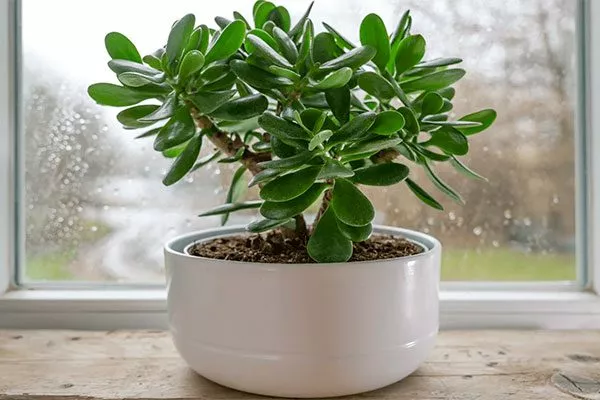
- Crassula ("money tree"). A popular houseplant with thick, succulent leaves and the ability to store moisture. It pairs well with cacti due to their similar nutritional and care needs.
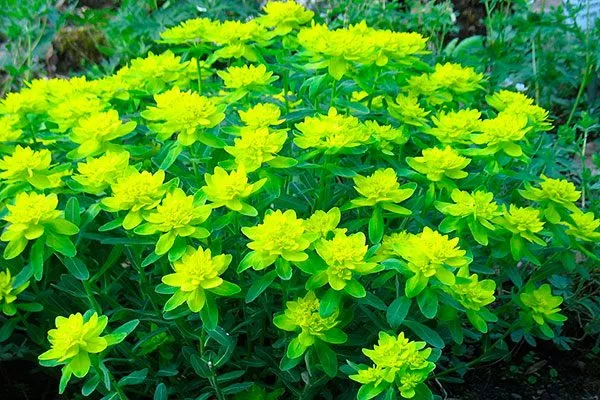
- Spurge. Euphorbias come in a wide variety of shapes and colors, making any arrangement unique and attractive. Care should be taken when handling them, as their sap is toxic and can cause skin irritation.
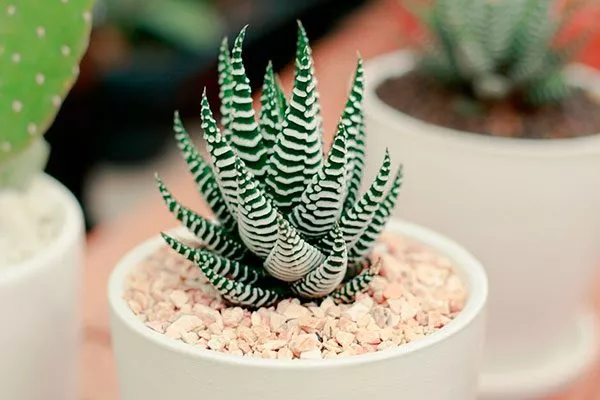
- Haworthia. Haworthias' small, rounded rosettes form picturesque groupings and add a touch of elegance to compositions. They are easily propagated by division and tolerate long periods in the same container.
Important points for growing together
The diversity of succulents offers ample opportunity for imagination and creativity. By incorporating certain species into your garden, you'll enrich the interior of your home and create harmony among these beautiful flora. But keep the following in mind:
- All plants being combined should be in the same temperature conditions and receive an equal amount of light.
- Combining cacti with succulents requires regular monitoring of soil moisture and disease prevention.
- When creating group arrangements, avoid crowding, ensuring each plant has enough space to grow.
What succulents should not be grown with cacti?
Many cactus lovers strive to decorate their windows and shelves with original arrangements of a variety of succulents. However, not all plants are suitable for companion growing.
Reasons to avoid some combinations
It is not advisable to combine cacti with some succulents for the following reasons:
- Competition for resources. The close proximity of competing species leads to conflict for water, nutrients, and light. More aggressive plants can outcompete weaker ones or deplete the soil's mineral reserves.
- Intolerance to some conditions. Each plant species prefers specific conditions: some thrive in warmth and sun, while others thrive in cooler environments. A mismatch in climate preferences will result in the suppression of one plant in the arrangement.
- Possibility of cross-contamination. The coexistence of diverse species increases the risk of pathogen and pest exchange. A disease that occurs in one plant can quickly spread throughout the entire collection.
Succulents incompatible with cacti
Cacti should never be planted next to or together with the following succulents:
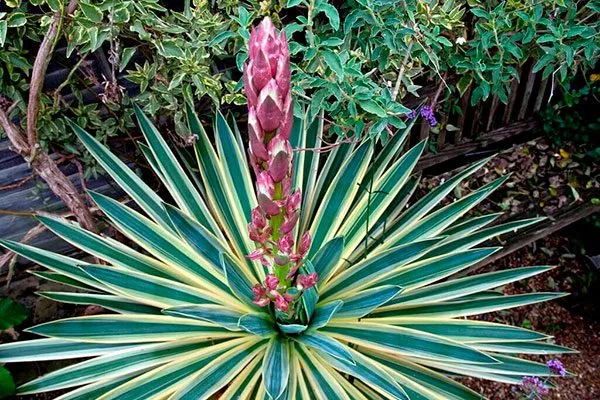
- Yucca. This plant has higher light intensity and soil volume requirements. Yucca grows much faster than cacti and can shade its neighbors, blocking sunlight.
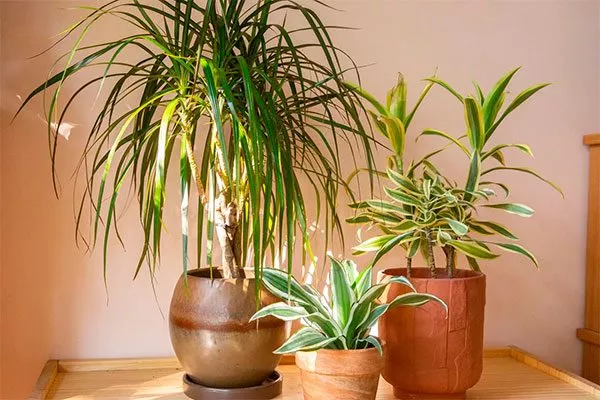
- Dracaena. Fast-growing dracaenas crowd out slow-growing cacti, absorbing a large share of the nutrients. The result is an uneven distribution of resources and stunted cacti growth.
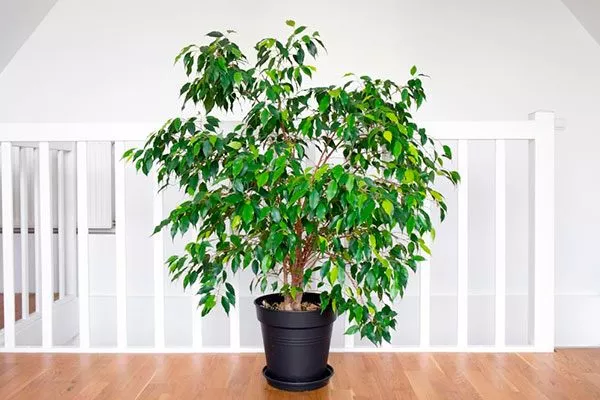
- Ficus Benjamina. Ficus trees emit chemicals that negatively impact the growth of other nearby plants. This phenomenon is called allelopathy and results in the suppression of neighboring species.
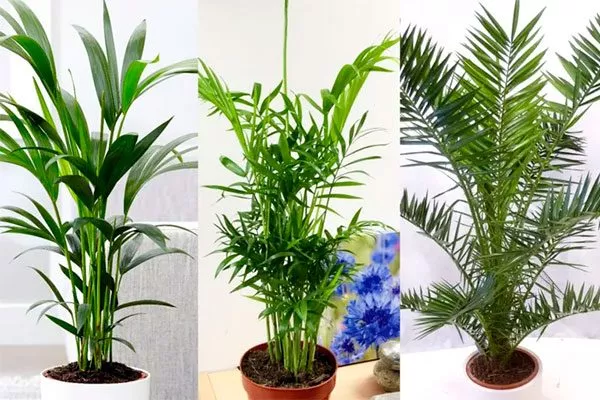
- Palm trees. Palm trees grow vertically, reaching a considerable height and shading lower plants. Date palms, often used in interior design, can limit the amount of light needed by cacti below.
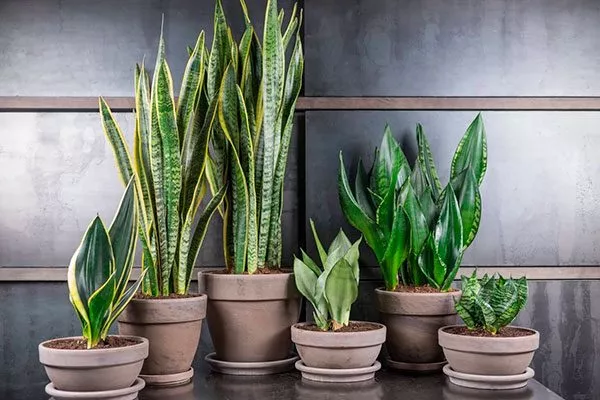
- Pike tail (Sansevieria). Although this member of the lily family resembles a succulent in appearance, it has completely different care and growing conditions. Its leaves secrete essential oils that can negatively impact nearby plants.
Before choosing companion plants for your cacti, research the preferences of each species and compare their needs. A well-chosen collection will enhance your home and bring joy from gazing at beautiful plants year-round.