
Proper nutrition is the key to the health and beauty of cacti, especially when it comes to home collections and ornamental plants. Fertilizing provides the plant with all the necessary macro- and micronutrients, strengthens the root system, and stimulates growth and flowering. There are many types of fertilizers on the market, each with its own advantages and disadvantages.
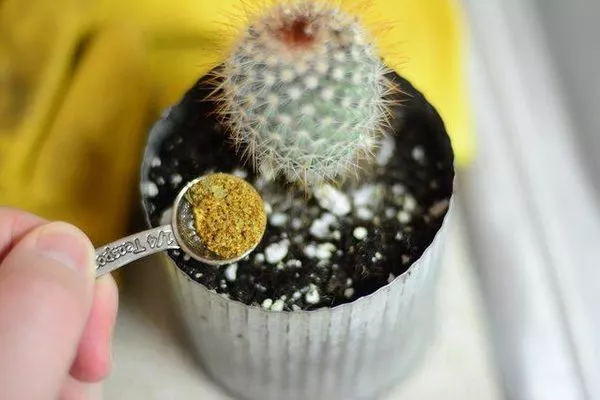
Basic types of fertilizers for cacti
Cacti, despite their apparent ease of care, require proper nutrition for proper growth, development, and flowering. A wide variety of fertilizers are available on the market today, and choosing one depends on numerous factors.
Liquid fertilizers
These are solutions of mineral substances that are quickly absorbed by plants. They are especially useful for cacti grown indoors, in pots or small containers.
Features and Benefits:
- Fast acting: nutrients become available to roots and stems almost immediately.
- Easy to control dosage, which reduces the risk of overfeeding.
- Convenient for regular feeding during the period of active growth.
Granular fertilizers
Granules are a solid form of fertilizer that gradually dissolves in the soil, releasing nutrients over a long period of time.
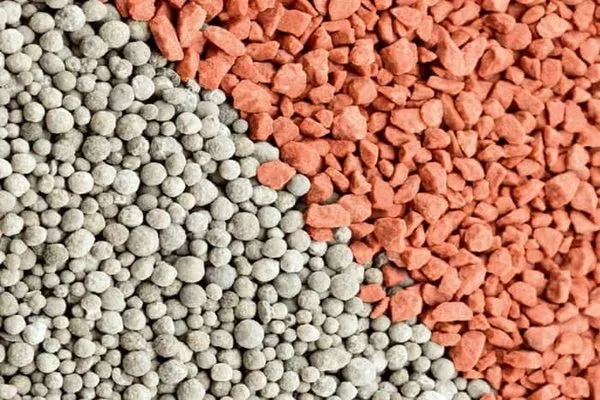
Features and benefits:
- Provides prolonged nutrition, which is especially useful for busy gardeners or for plants that are difficult to feed frequently.
- May include microelements necessary for flower formation and disease resistance.
- Convenient for feeding cacti in open ground or large collections.
Organic fertilizers
Organic compounds include humus, compost, humus, seaweed extracts, bird droppings, and specialized biopreparations. They enrich the soil with not only macronutrients but also micronutrients and improve its structure.
Positive qualities:
- Improve water and air exchange in the substrate.
- They support the vital activity of beneficial soil microflora.
- Plants receive nutrition gradually, which reduces stress and stimulates natural growth.
Complex fertilizers
They combine several nutrients: nitrogen, phosphorus, potassium, and microelements. There are specialized formulas on the market specifically for cacti and succulents.
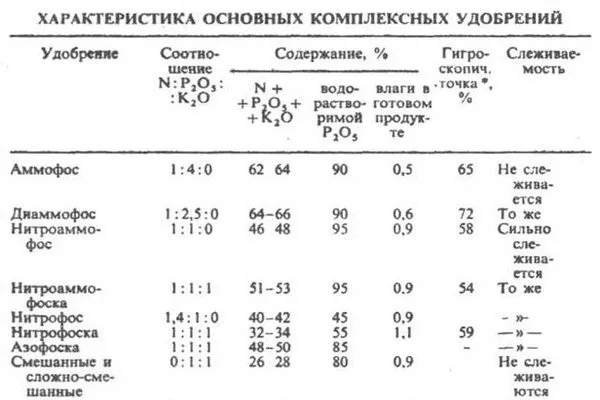 Features and Benefits:
- Provides balanced nutrition in one feed.
- Convenient for beginning gardeners, as they simplify dosage calculations.
- There are both liquid and granular forms.
Organic fertilizers
Organic fertilizers are natural substances that nourish cacti while simultaneously improving soil structure. They create a more vibrant environment for roots, promote the development of beneficial microflora, and make plants more resilient to stress and disease.
Types of organic fertilizers
There are many natural ingredients available on the market that can serve as fertilizers for cacti. Each has unique properties and benefits, influencing the growth, flowering, and health of the plant.
Let's look at the main types of organic matter and their characteristics:
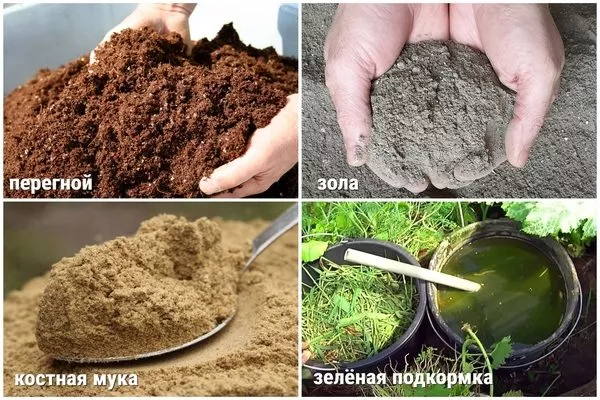
- Compost – Decomposed plant residues enriched with microorganisms. Improves soil structure, stimulates root growth, and increases the substrate's water holding capacity.
- Humus - A product of decomposing plant and animal remains, rich in organic acids. It increases soil biological activity, enhances mineral absorption, and promotes the development of a strong root system.
- Humus - This is a mixture of rotted animal manure (cows, horses) and plant residues. It is rich in nitrogen, phosphorus, and potassium. It improves the looseness and permeability of the soil.

- Peat - plant remains with high organic mass, partially decomposed.
Increases soil acidity, promoting moisture retention. Suitable for cacti that prefer a slightly acidic environment. - Ash - A byproduct of burning wood or straw, rich in potassium, calcium, and microelements. It strengthens stems and roots, increases disease resistance, and regulates substrate acidity.
- Bone meal – crushed animal bones, a source of phosphorus and calcium.
Stimulates flowering, strengthens the root system, and improves fruit formation in cacti blooming outdoors. - Herbal infusions and green mass – used for liquid fertilizers.
They gently nourish plants, promote active growth of shoots and leaves, and are safe even for young cacti.
Advantages and disadvantages of organic fertilizers
Organic fertilizers have their strengths and weaknesses, which are important to consider when planning your fertilization. They not only nourish plants but also improve the soil, but they act more slowly and require some skill to use.
How and when to apply organic fertilizers?
Proper application of organic matter is essential to ensure cacti receive maximum benefits and avoid stress. There are different methods of fertilizing, as well as optimal times of year for feeding.
Directions for use:
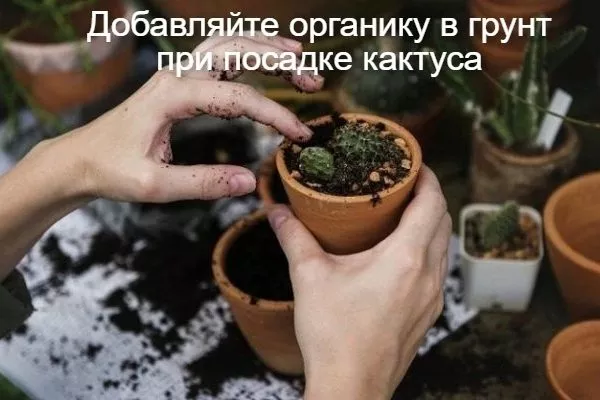
- mixing with soil when transplant or preparing new plantings;
- surface application of granular components;
- liquid infusions of compost, humus or green mass for watering.
Application time:
- during the period of active growth (spring-summer);
- before replanting or updating the substrate.
Dosage and precautions:
- start with minimal doses, observing the plant’s reaction;
- Avoid using fresh manure or concentrated root infusions;
- Alternate with mineral fertilizers for balanced nutrition.
Chemical fertilizers
Chemical fertilizers are synthetic or mineral compounds designed to quickly and accurately supply plants with all the necessary nutrients. They are especially useful for cacti grown in pots or collections, where natural soil nutrition is limited.
Detailing of chemical fertilizers
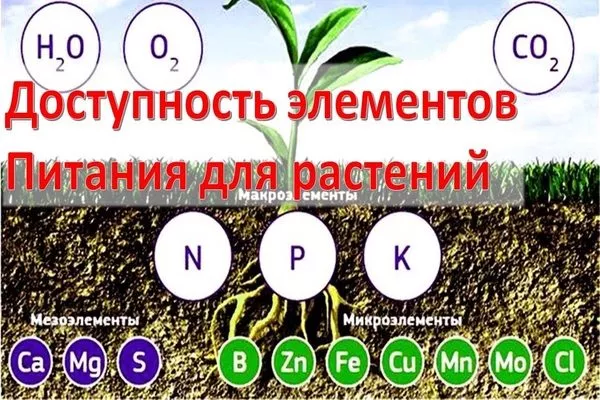
Chemical fertilizers contain a range of macro- and microelements vital for the normal development of cacti. They can be used to regulate plant growth and adjust their nutrition depending on the season and the plant's condition.
Solutions include:
- nitrogen (N) – stimulates the growth of shoots and green mass;
- phosphorus (P) – strengthens roots and promotes flowering;
- potassium (K) – increases resistance to stress, improves water metabolism;
- magnesium (Mg) – participates in photosynthesis;
- calcium (Ca) – strengthens cell walls, maintains root health;
- iron (Fe), boron (B), zinc (Zn), manganese (Mn) – provide enzymatic processes and plant immunity.
Follow the manufacturer's instructions carefully to avoid root burn. Use a low-nitrogen fertilizer to prevent excessive stem growth.
Various forms (granules, powders, solutions) allow the fertilizer to be adapted for irrigation or application to the soil.
Types of chemical fertilizers
Today's market offers a wide range of chemical fertilizers, varying in composition and form. The choice depends on the intended application and application method:
- mineral salts – contain one or more macronutrients (for example, calcium nitrate, potassium sulfate);
- complex fertilizers – include NPK and microelements specially developed for cacti;
- liquid concentrates – quickly absorbed, convenient for regular feeding;
- granular compositions – prolonged action, gradually release nutrients.
Pros and cons
Chemical fertilizers have their advantages, but they also have limitations that are important to consider. Research these points before using them.
Features of application and terms
To ensure chemical fertilizers are beneficial, it's important to follow the application guidelines and consider seasonal factors. Follow these recommendations:
- Feed cacti only during the period of active growth;
- During the dormant period, it is not advisable to use fertilizers;
- dilute the fertilizers strictly according to the instructions, it is better to use a weak solution (half the dose);
- frequency of application: liquid – once every 2-4 weeks, granules – once every 1-2 months.
To prevent root burn, apply fertilizer after watering, when the soil is slightly damp. Read on for instructions on how to apply fertilizer correctly. Here.
Special mixtures for cacti
Specialized mixtures are fertilizers created specifically for the specific needs of succulents and cacti. They provide plants with all the necessary nutrients and minimize the risk of dosage errors.
Varieties
There are various forms and compositions of specialized cactus mixes available on the market, each addressing specific needs. The choice depends on the plant type, age, and growing conditions.
Let's consider the main types of such fertilizers.
- Liquid mixtures. They are quickly absorbed and suitable for regular feeding. They typically contain potassium, phosphorus, magnesium, calcium, and trace elements, while their nitrogen content is reduced.
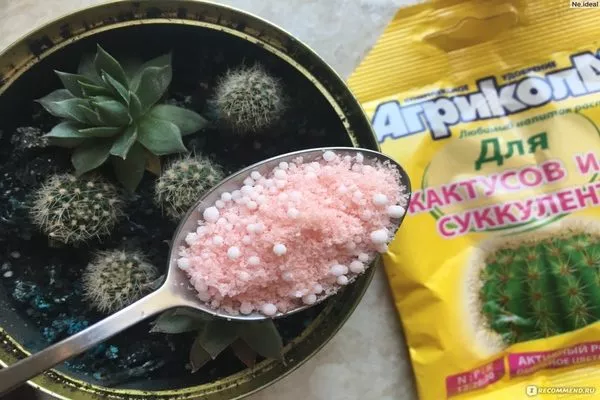
- Granulated and prolonged-release mixtures. They slowly release nutrients, providing long-lasting nutrition. Ideal for large collections or hard-to-reach plants.
- Dry powder mixtures. They are used for preparing infusions or adding to fresh substrate.
- Complex preparations with microelements and growth stimulants. They contain vitamins, organic acids and biostimulants that improve the absorption of nutrients and the immunity of cacti.
Pros and cons
Every fertilizer has its strengths and weaknesses, and special cactus mixtures are no exception. It's important to understand their advantages and limitations to ensure maximum effectiveness.
When to apply?
To effectively nourish cacti, it's important to apply special mixtures at the correct times. These should align with the plants' biological rhythms to ensure safe and beneficial feeding.
Start from the time period:
- spring-summer – the main period of fertilizing, when cacti are actively growing and preparing to bloom;
- before flowering – application stimulates the formation of buds and improves the color of flowers;
- autumn and winter – No fertilizing is carried out, as the plants are in a dormant state.
Step-by-step instructions for applying preparations
Even specialized fertilizers require proper application for maximum benefit and minimal risk. Following step-by-step instructions helps cacti receive all the necessary nutrients without overloading them.
Main stages:
- Preparation. Dilute liquid mixtures with water according to the manufacturer's instructions. Spread granules or powders evenly over the soil surface or mix them with the substrate.
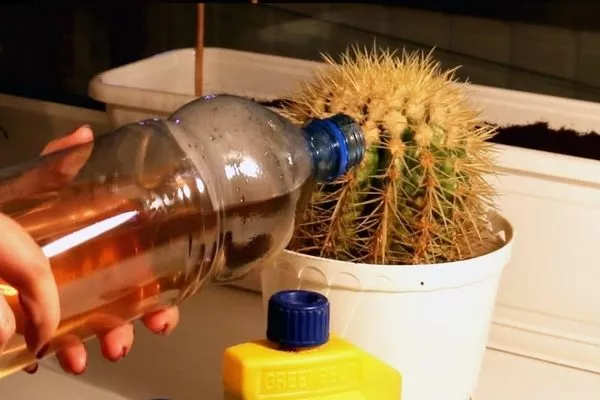
- Contribution. Apply liquid fertilizer to the roots, avoiding contact with stems and thorns. Lightly incorporate granules into the soil, avoiding concentration in one spot.
- Frequency of feeding. Liquid mixtures – once every 2-4 weeks. Granular and prolonged-release – 1-2 times per season.
- Monitoring plant condition. Observe the growth, flowering, and coloring of the stems. If signs of overdose occur (yellowing, root burn), reduce the concentration or take a break.
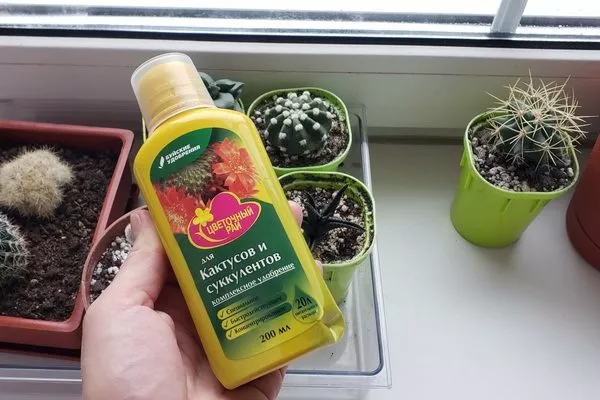
Homemade fertilizers for cacti
Folk remedies are natural remedies you can prepare yourself and use to nourish cacti. They are a safe alternative to commercial fertilizers and help strengthen plants, stimulate growth, and improve flowering.
Let's look at the most popular and effective options:
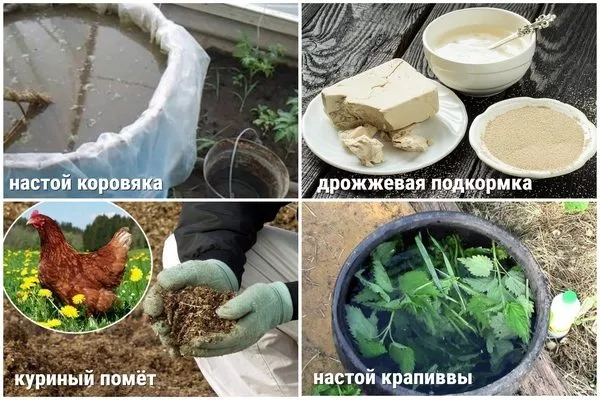
- Infusion of mullein or horse manure – A liquid organic fertilizer rich in nitrogen and microelements. It is diluted with water (usually 1:10) and applied to the roots.
- Chicken manure - A strong fertilizer that requires dilution (e.g., 1:20). Let it sit for a few days before use. Stimulates growth and strengthens plants.
- Yeast solution -Dissolve 10 g of dry yeast in 1 liter of warm water with a small amount of sugar. This promotes root activation and growth in young cacti.
- Ash - A source of potassium, calcium, and microelements. Used as a soil top dressing or as an infusion for irrigation.
- Herbal infusions – Nettle, dandelion, or horsetail infusions can be used as liquid fertilizer. They stimulate growth and boost plant immunity.
- Combined mixtures – You can mix humus with a small amount of wood ash or herbal infusion for a more balanced diet.
Homemade fertilizers have several important advantages:
The biggest drawback of homemade mixtures is their unbalanced composition, which can lead to an excess or deficiency of a particular nutrient. Furthermore, such fertilizers are not sterile and may contain fungi and pathogenic bacteria.
Features of use:
- dilute concentrates with water before use, especially manure or chicken manure;
- use only during the period of active growth (spring-summer);
- Observe the plant's reaction and reduce the concentration of the solution if necessary.
General rules for the use of fertilizers
Proper fertilization plays a key role in the health and development of cacti. Failure to adhere to the correct dosage or timing can lead to various problems:
- root burns;
- growth retardation;
- weakening of plant immunity.
Following basic recommendations allows you to effectively use both organic and chemical and specialized mixtures, providing a balanced diet.
Basic principles of safe application:
- Always follow the manufacturer's instructions and recommended concentration;
Do not apply fertilizer to dry soil – water the cactus first; - Avoid contact of concentrated solutions with stems and thorns to avoid burning;
- When handling concentrates, wear gloves and, if necessary, eye protection.
The effectiveness of fertilizers directly depends on the season and the plants' biological rhythms. The main periods of active growth and flowering are spring and summer, so all types of fertilizers are acceptable during these periods.
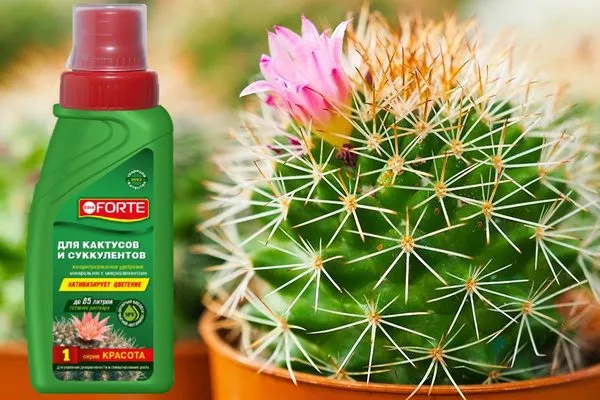
Before flowering, fertilize the plant only with phosphorus and potassium fertilizers. You'll find more useful information about what a cactus needs to bloom luxuriantly in your home. here.
Storage times and application of fertilizers are also important for their effectiveness:
- Prepare liquid solutions in small portions and use immediately or within a few days.
- Store granules and powders in a cool, dry place, away from direct sunlight and moisture.
- Use organic infusions and compost solutions fresh, as they quickly lose nutritional value.
Common mistakes and problems
Even when using high-quality fertilizers, cacti can suffer due to improper application or failure to follow fertilizing guidelines. Knowing these common mistakes helps prevent plant damage, ensure balanced nutrition, and maintain plant health.
This section covers the main risks and precautions to consider when fertilizing cacti. The most common problems include:
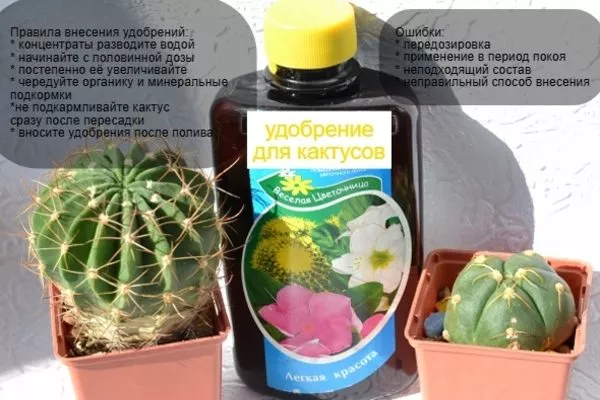
- Overdose of fertilizers. Associated with the application of overly concentrated solutions or granules. Symptoms: root burns, yellowing or drying of stems, and stunted growth.
- Top dressing during the dormant period. Cacti do not require nutrition during winter or dormancy. Consequences: unwanted growth and depletion of plant resources.
- Use of unsuitable compositions. Excessive nitrogen fertilizers stimulate stem elongation. Incorrect mixtures can disrupt the micronutrient balance.
- Incorrect entry. Concentrated solutions coming into contact with stems or thorns. Failure to maintain soil moisture before fertilizing.
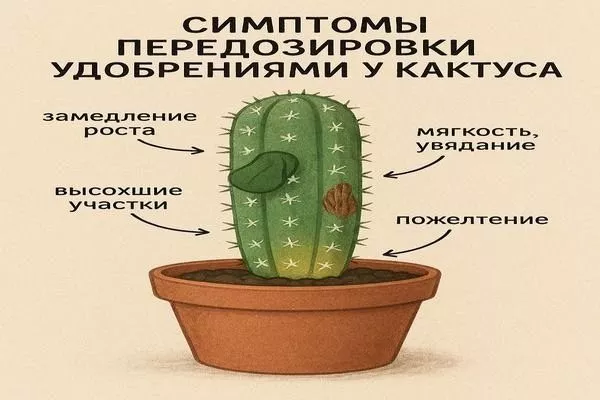
Precautions against nutrient overload:
- Always dilute concentrated fertilizers with water, especially chemical and organic infusions.
- Start with half the dose, observe the plant's reaction, and gradually increase if necessary.
- Alternate types of fertilizers (organic and chemical) for balanced nutrition.
- Avoid fertilizing immediately after repotting until the plant has adapted to the new substrate.
- Monitor the soil moisture – fertilizing is carried out on slightly moist soil.
What fertilizer should I choose for cacti?
The choice of fertilizer for a crop depends on the plant species, growing conditions, and feeding goals. An incorrect choice can result in stunted growth, lack of flowering, or root damage.
The right strategy allows you to provide cacti with all the necessary nutrients, strengthen their immunity and stimulate decorative qualities.
Fertilizer selection criteria:
- Plant type and its needs. Young cacti require a gentle fertilizer with sufficient nitrogen for growth. Mature and flowering specimens require fertilizers with increased phosphorus and potassium to stimulate flowering and strengthen roots.
- Fertilizer form. Liquid solutions are quickly absorbed and are suitable for regular feeding and controlled dosage. Granules and slow-release mixtures provide long-lasting nutrition, saving time. Homemade infusions and organic solutions gently nourish plants and are safe for young and sensitive cacti.
- Fertilizer composition. Balanced succulent fertilizers contain potassium, phosphorus, and trace elements, while nitrogen is reduced. Mixtures with higher phosphorus and potassium levels are suitable for stimulating flowering.
Practical recommendations:
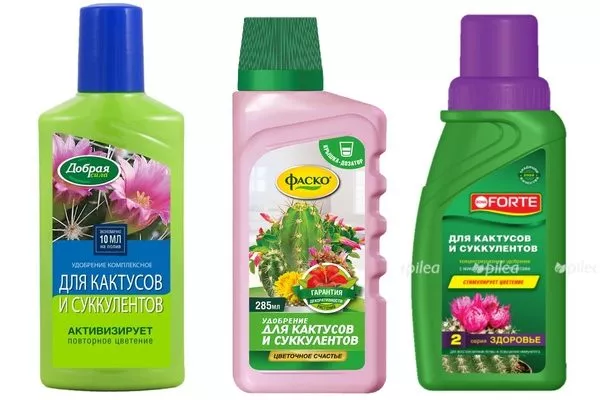
- For beginners, it's easiest to use specialized cactus mixtures, as they are balanced and minimize the risk of overdosing.
- For experienced collectors, you can combine organic fertilizers and granular fertilizers, alternating them according to the season.
- It is important to take into account the dormant period - in winter, fertilizing is not carried out, even if the fertilizer is safe.
The selection and proper use of fertilizers directly impact the health, beauty, and flowering of cacti. Organic, chemical, and specialized mixtures, as well as homemade fertilizers, each have their own advantages and disadvantages that are important to consider when applying. Following safe use guidelines will help prevent overdosing and stimulate vigorous growth.