
Cactus roots are an invisible yet vital part of the plant, directly affecting its growth, flowering, and overall health. Despite their resilience, the root system of succulents is vulnerable to diseases, pests, and adverse growing conditions. Early recognition of problems and proper care can help maintain the plant's health and prevent its decline.
The importance of healthy roots for the overall health of a cactus
Healthy roots are the foundation of a cactus's well-being and longevity. Their condition determines the plant's ability to absorb water and nutrients from the soil, essential for growth, flowering, and immune support.
Problems with the root system quickly affect the appearance and overall health of the cactus, leading to slow growth, loss of color, and susceptibility to disease.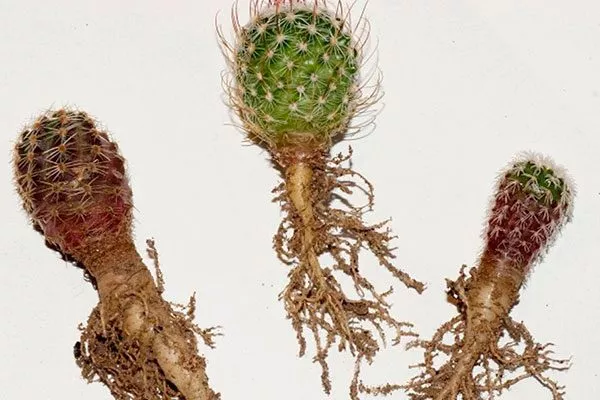
Cactus roots perform a number of vital functions:
- ensure reliable fixation of the plant in the substrate, preventing it from tipping over;
- absorb water and mineral salts from the soil, delivering them to the above-ground part of the cactus;
- serve as a reservoir for storing reserve nutrients that are used by the plant during periods of drought or lack of light.
Healthy cactus roots are usually light, yellowish-white, or beige in color, firm, and evenly distributed in the soil. Diseased roots, on the other hand, may be soft, watery, brown, or black. An unpleasant, rotten odor also indicates problems with the root system.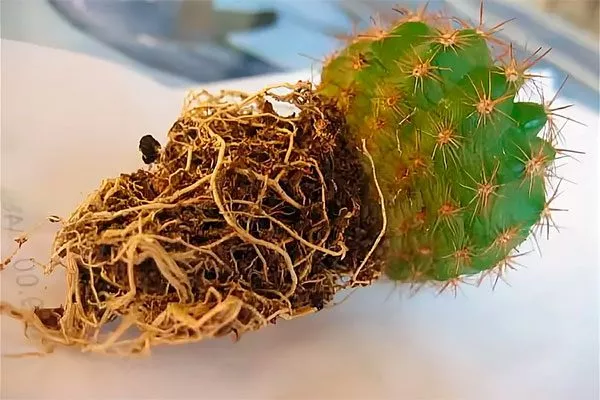
The main factors that negatively affect the health of cactus roots:
- overwatering;
- unsuitable substrate;
- fungal infections and pests.
Risk factors affecting the condition of the root system
Cactus roots are susceptible to a variety of risk factors. Key threats include:
- Overwatering – One of the most common mistakes in cacti care is overwatering. Excessive moisture leads to root rot, especially during the cold season. It's important to allow the soil to dry out completely between waterings and to use a well-drained substrate.

- Unsuitable substrate – If it's too dense or contains too much organic matter, it promotes root rot. It's recommended to use specialized mixes for cacti and succulents that provide good drainage and aeration.
- Insufficient ventilation – Especially in enclosed spaces, it creates favorable conditions for the development of fungal infections. Regular ventilation will help prevent the development of mold and rot.
- Fungal diseases – can quickly damage the cactus's root system. Preventative treatment with fungicides and prompt removal of affected tissue will help maintain the plant's health.
- Pests – They can cause significant damage to the cactus's root system. Regularly inspecting the roots when repotting and treating with insecticides when necessary will help prevent the spread of insects.
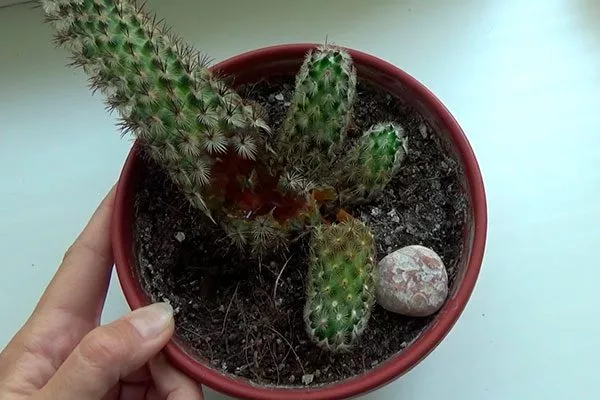
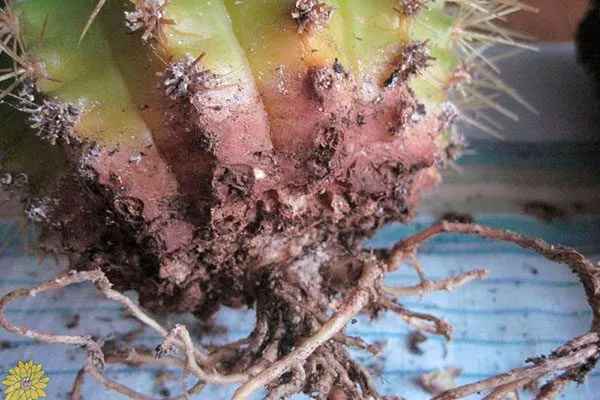
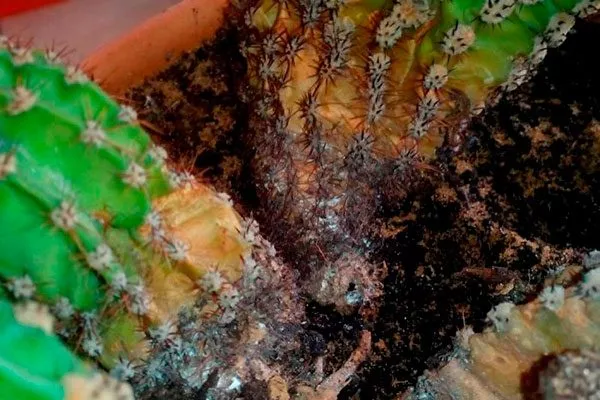
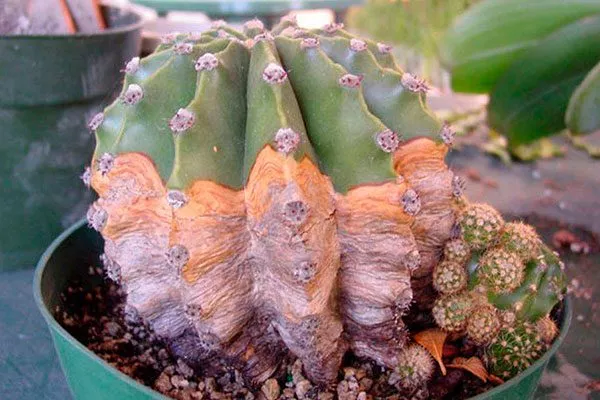
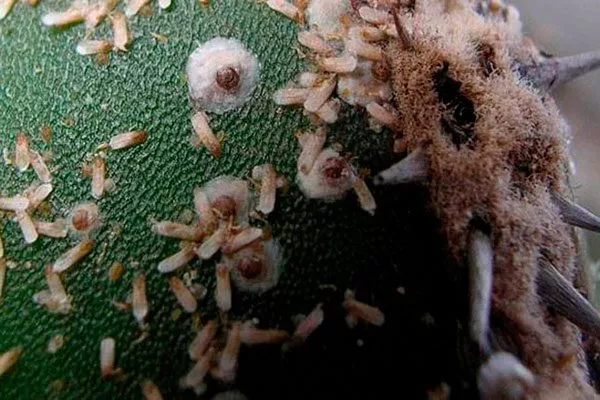
Problems with cactus roots
The root system of cacti plays a key role in their health and development, providing the plant with moisture and nutrients. However, if the growing conditions are not met or the care is improper, the roots can be damaged, which affects the overall health of the plant and requires timely intervention.
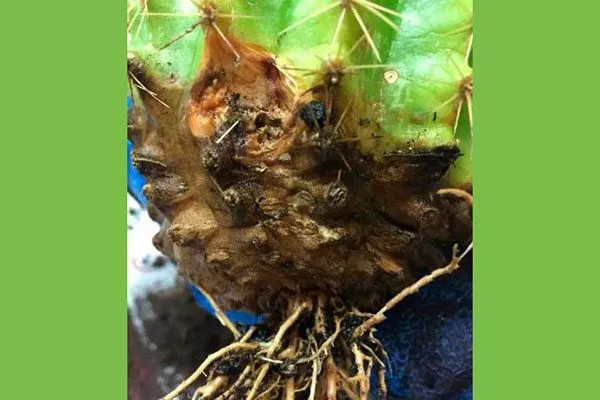
Fungal infections and root rot
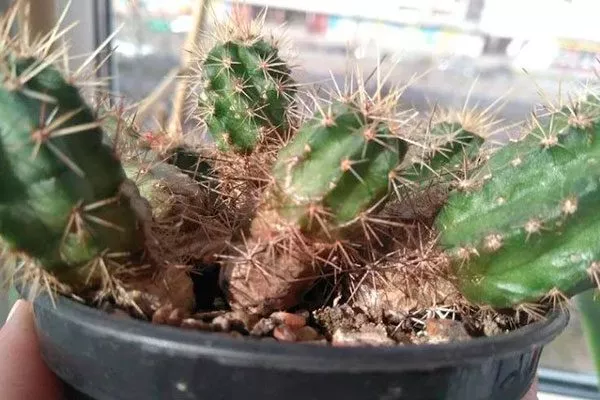
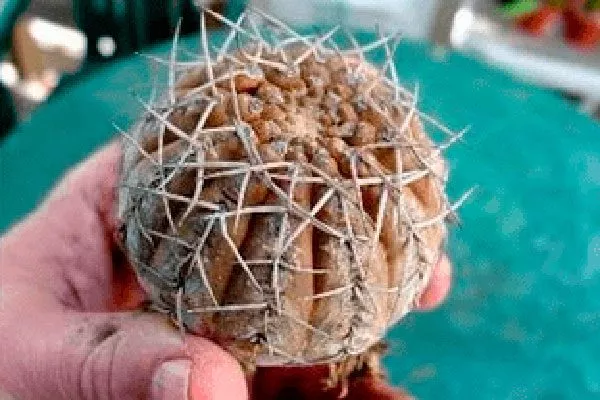
Fungal root infections are among the most dangerous cacti diseases, as they develop cryptically and are often detected only in the late stages. Late blight, black root rot, and helminthosporosis quickly destroy plant tissue, disrupting nutrition and leading to death.
Main difficulties:
- Late blight. The roots and lower part of the stem darken, become soft and watery, and a brown coating is visible when cut. The affected areas gradually spread up the stem, causing it to wilt.
The main causes of late blight are: excessive watering at low temperatures, compacted soil without drainage, and contaminated soil.
Trim affected roots back to healthy tissue, treat the cut areas with fungicides (Previkur, Maxim, Fundazol), and repot the plant in fresh, sterile soil. For prevention, use only disinfected soil, ensure good drainage, and avoid overwatering the succulent. - Black root stem. The base of the cactus turns black, the tissue becomes soft, water-soaked, and easily separated from the healthy parts. The disease is often accompanied by an unpleasant odor. It develops due to severe overwatering, low temperatures, dense plantings, and mechanical damage to the roots.
Remove any affected roots completely, dry the cactus, and repot it in dry, sterile soil. Apply crushed charcoal or sulfur to the cut surfaces; you can also treat with fungicides (Vitaros, Topsin-M). To prevent infection, avoid overwatering and control humidity. - Helminthosporosis. Dark brown sunken spots appear on the roots, tissue gradually dies, the plant loses turgor, growth slows, and may shed its spines. This development occurs due to excess moisture, weakened plant immunity, contaminated soil, or poor ventilation.
Remove soil from the roots, trim away any damaged areas, treat with systemic fungicides (Fundazol, Skor), then replant in sterile soil. For preventative measures, regularly inspect the roots during replanting and apply fungicides during the active growth period.
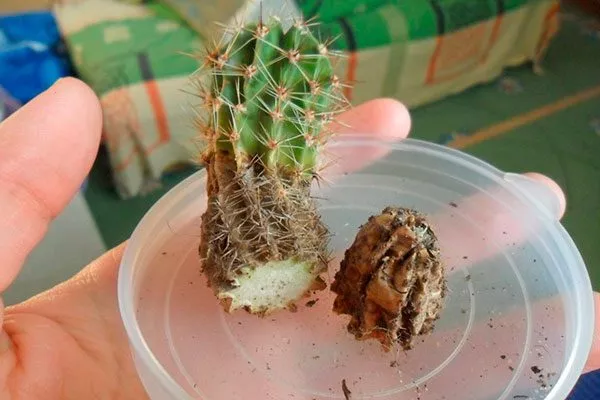
Pest damage
Parasites that attack the root system of cacti operate covertly and are often discovered only during repotting or when the plant is noticeably weakened. These insects feed on the plant's sap, damaging tissue and disrupting nutrient supply, which leads to gradual growth decline and the development of disease.
Common pests of cacti:
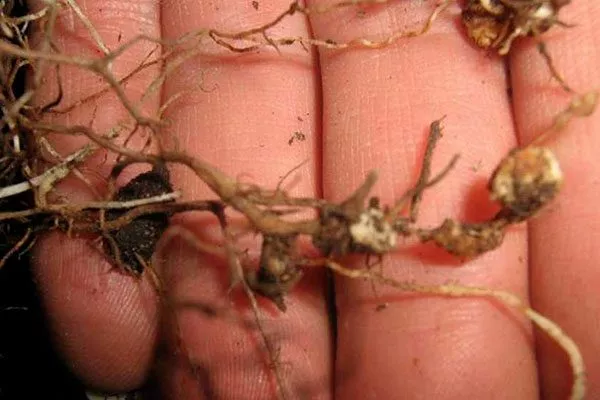
- Root nematodes. Growth slows down, shoots turn yellow and wrinkle, and characteristic tumors (galls) form on the roots.
To solve this problem, remove the cactus from the pot, remove all the substrate, thoroughly rinse the roots with warm water, and trim off any damaged areas. Then, spray with systemic nematicides (Actovit, Marshal, Nematorin).
In case of severe damage, heat treatment can be used – short-term immersion of roots in water at a temperature of +45…+50°C.
For prevention, use only sterile soil, avoid over-watering and dense plantings, periodically inspect the roots when replanting. - Mealybugs. Symptoms include yellowed shoots, loss of turgor, and stunted growth. White, cottony lumps—infectious colonies—are visible on the roots.
Remove the old substrate completely, wash the roots in soapy water or a mild insecticidal solution, and trim off any severely damaged areas if necessary. Systemic insecticide treatments (Aktara, Confidor, Mospilan) are effective, followed by replanting in fresh substrate.
Maintain quarantine for new plants, maintain optimal growing conditions, periodically water the soil with preventative doses of insecticides, and avoid overwatering.
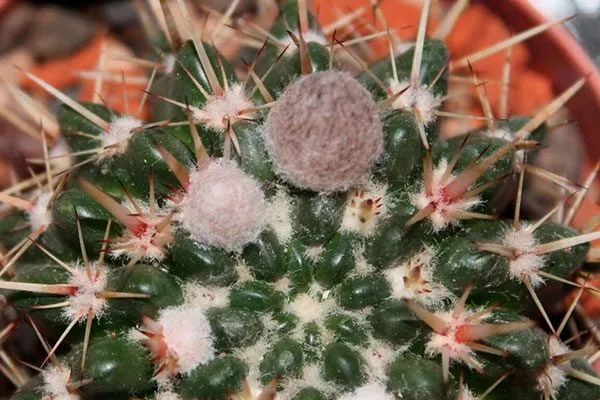
Mechanical damage to roots
The root system of cacti is quite fragile, and any careless handling during repotting or care can result in injury. Even minor damage can weaken the plant, slow its growth, and create favorable conditions for infection.
Causes of damage:
- rough removal of a cactus from a pot during replanting;
- excessive planting density, which causes the roots to become intertwined and damaged;
- compacted soil that prevents normal ventilation and development.
Damaged roots absorb moisture and nutrients less effectively, leading to stunted growth and loss of turgor. Severe damage can cause the plant to lose stability in the pot, and if infected, it can lead to rot and death.
Algorithm of actions upon detection of mechanical damage:
- Carefully remove damaged areas of the roots with a sharp, sterile instrument.
- Sprinkle the cut areas with crushed charcoal or sulfur powder for disinfection.
- Let the roots dry for 1-2 days in a warm, dry and ventilated place.
- Repot the plant in fresh, sterile potting soil with good drainage.
- Do not water for the first 5-7 days after transplanting to allow the root system to heal and prevent rotting.
Root aging
Over time, the cactus root system undergoes natural age-related changes known as physiological senescence. This process is inevitable and is associated with a slowdown in the plant's metabolic functions, a reduced capacity for active growth, and a reduction in tissue renewal.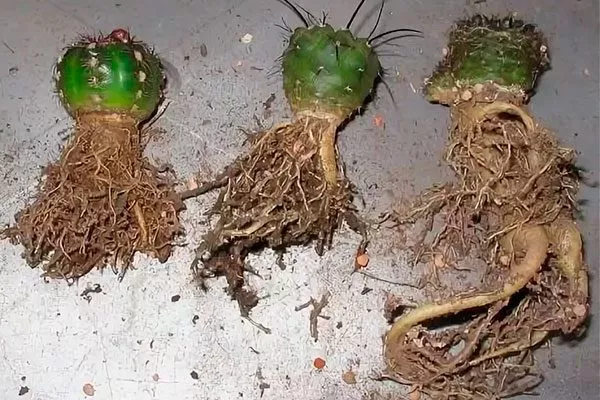
Key Features:
- With age, roots thicken, their surface becomes dense and less elastic, and the vascular bundles gradually become overgrown with corky tissue. As a result, the roots' ability to absorb water and nutrients decreases.
The reason is not only the age of the plant, but also its long-term maintenance in the same soil without replanting or updating the substrate. - Old roots become coarse, dark, with a dense sheath, often containing remnants of dead tissue. The plant may also slow down in growth, lose turgor in hot weather, and recover more slowly after watering, as moisture absorption is impaired.
Solutions to root problems
A healthy root system is the foundation for a cactus's healthy growth and longevity, so it's important to act quickly and effectively if any problems are detected. Prompt treatment and root restoration help preserve the plant and prevent recurrence.
Treatment methods
When a cactus develops root problems, it's important not only to eliminate the source of the damage but also to help the plant recover. This involves a combination of techniques aimed at cleansing the root system, preventing re-infection, and stimulating new tissue formation.
Helpful tips:
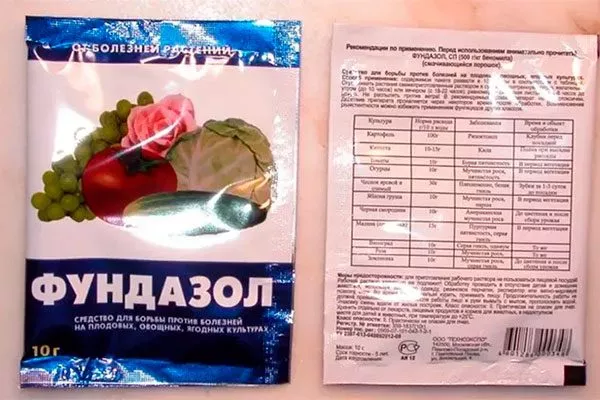
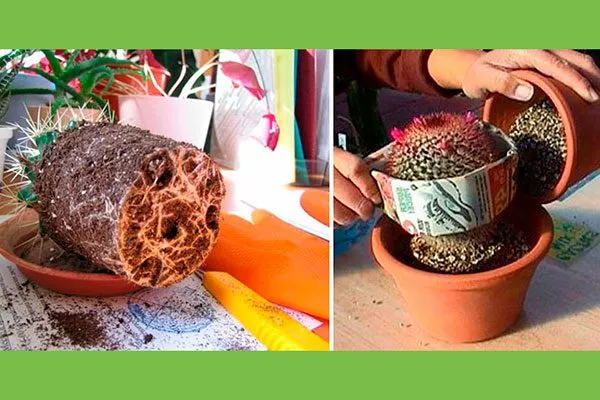
- If you suspect fungal diseases or rotting, carefully remove soil from the root system, being careful not to damage healthy areas. Rinse the roots in warm water to remove any old soil, then soak them in a fungicide solution (Fundazol, Previkur, Maxim) for 15-30 minutes.
This treatment destroys pathogens and prevents further spread of infection. After disinfection, be sure to let the roots dry for 1-2 days before replanting in new soil. - If infection or root damage is caused by poor soil quality, fungal infestation, pests, or overwatering, a complete soil change is necessary. Remove the plant, remove all old soil, rinse and spray the roots, and thoroughly disinfect the pot (for example, with a solution of potassium permanganate or alcohol).
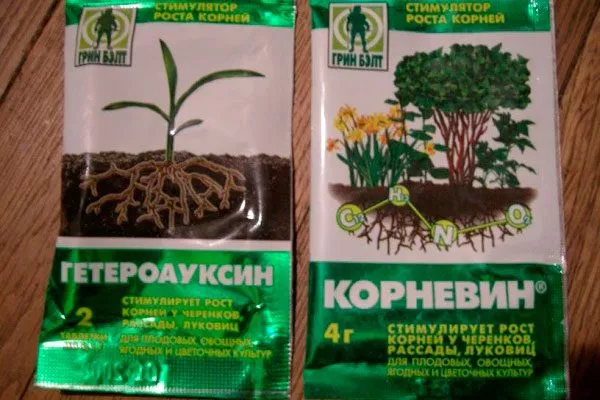
For minor problems, you can limit yourself to partially replacing the top layer of the substrate with a fresh, sterile one, which will improve aeration and reduce the risk of re-infection. - To accelerate the healing of damaged roots and the formation of new root shoots, use special growth stimulants such as Kornevin, Heteroauxin, Zircon, and succinic acid. These products enhance cell division in the damaged area, increase the plant's resistance to stress, and accelerate rooting.
Treatment can be carried out by dusting the roots with dry powder or soaking them in a solution of the preparation before planting.
Preventive measures
Preventing root problems is much easier than treating existing diseases or damage. Proper care, monitoring the growing conditions, and regular inspection of the plant's condition can help maintain a cactus's root system healthy and active for many years.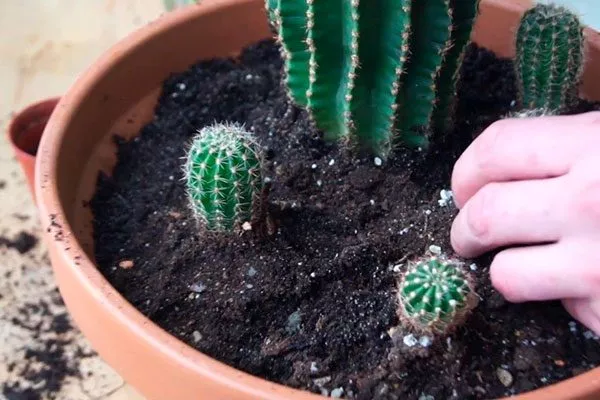
Basic requirements:
- One of the main causes of root problems is overwatering, especially when combined with low temperatures. Cacti require watering only after the substrate has completely dried out, and during the cold season, only minimal amounts of moisture.
- The temperature should be appropriate for the season: during the period of active growth – warm (+22…+28°C), and during the dormant period – cooler (+12…+15°C), which reduces the risk of root rot.
- The soil mixture for cacti should be lightweight, permeable to air and water, and neutral or slightly acidic. Using heavy, compacted soils leads to water stagnation and a lack of oxygen for the roots.
- Add drainage components such as perlite, expanded clay, and coarse sand. Ensure the pot has holes to allow excess water to drain. Completely renew the soil every few years to prevent the accumulation of salts and pathogenic microflora.
Regular inspection of the plant helps to identify the first signs of trouble:
- slow growth;
- change in stem color;
- loss of turgor.
Alternative ways to maintain healthy roots
In addition to standard care techniques, there are additional methods that help strengthen the cacti's root system and reduce the risk of disease. These methods are aimed at creating unfavorable conditions for the development of pathogens and pests, as well as improving aeration and the overall health of the plant.
Please follow these guidelines:
- Conducting preventive treatment with copper and sulfur preparations. Copper and sulfur substances have pronounced fungicidal properties and effectively protect the root system from fungal infections.
Once a season, you can perform a preventative soil treatment with a weak solution of copper sulfate or use colloidal sulfur as a dusting. Such treatments are especially useful in high-humidity conditions or when frequently using the same substrate.
Observe the dosage so as not to damage the delicate roots. - Organizing soil ventilation by loosening the top layer of soil. Even when using a high-quality substrate, over time its top layer can become compacted, preventing oxygen from reaching the roots.
Lightly loosening the surface to a depth of 1-2 cm improves aeration, reduces the risk of waterlogging, and prevents the development of rot. For loosening, it's preferable to use a thin wooden stick or plastic tool to ensure the safety of the roots. - Periodic checking of the root system during replanting. A scheduled relocation of cacti is an excellent opportunity to assess the condition of their roots. This inspection allows you to quickly spot early signs of rot, pests, or aging root tissue.
If necessary, remove damaged areas, treat the roots with a fungicide or growth stimulant, and repot the plant in fresh, sterile soil. This preventative measure helps maintain the plant's health for many years to come.
Cactus root problems can arise for a variety of reasons, but in most cases, they can be avoided by following basic care guidelines. Careful attention to watering, substrate selection, and regular preventative maintenance significantly reduce the risk of disease and damage. Proven treatment and restoration methods guarantee robust health and vigorous growth.