
Old and overgrown cacti often lose their appeal: they stretch out, lose their elasticity, and are no longer as visually striking. To restore their healthy appearance and stimulate new growth, special rejuvenation techniques are used to help the plants recover and continue to thrive.
Replanting an old cactus
Over time, even the most undemanding cactus needs fresh growing conditions. Relocating an old plant helps rejuvenate the root system, improve nutrition, and prolong the life of this prickly plant.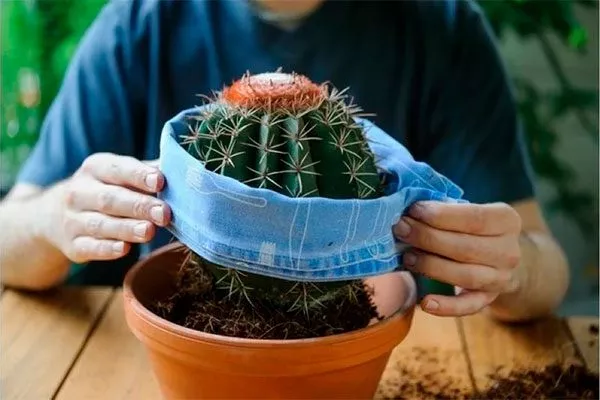
Preparing a new substrate and container
Properly selected soil is the key to successfully repotting an adult cactus. As the plant ages, its needs change: old soil becomes depleted, accumulates salts, and can become compacted, impeding root respiration. For repotting, prepare fresh, well-drained soil.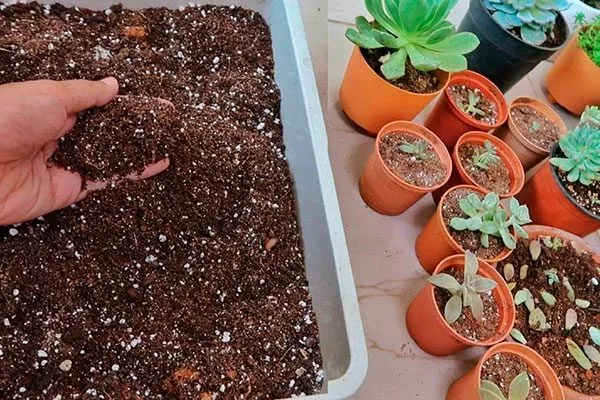
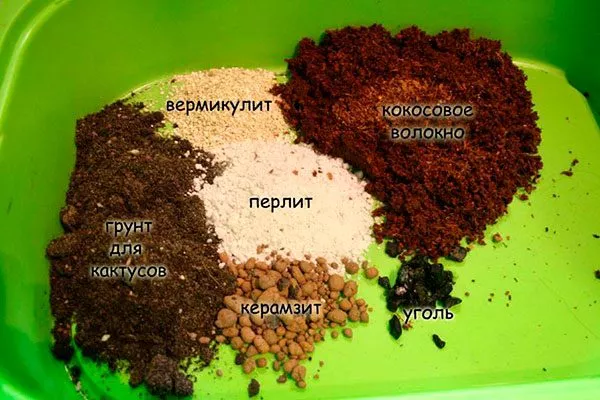
Ideal composition:
- 2 parts leaf soil;
- 1 part coarse river sand or perlite;
- 1 part fine gravel or brick chips.

Select a new container based on the size of the root system, not the above-ground portion of the plant. Choose a pot 2-3 cm wider than the old one, with drainage holes. Place a layer of expanded clay, pebbles, or broken brick on the bottom of the disinfected container to prevent water stagnation.
Extraction and trimming of damaged roots
An old cactus requires care when removing it from its old pot—its roots can be tangled, fragile, and easily damaged. Avoid watering the plant for 5-7 days beforehand to allow the soil to dry out and make it easier to separate from the roots.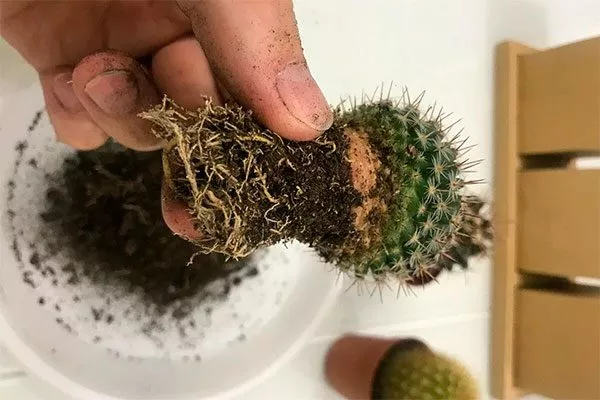
Follow these steps:
- Carefully remove the cactus by the base (you can use a folded towel or thick gloves to protect against the thorns).
- After extraction, free the roots from the old substrate by lightly shaking them off and cleaning them with a toothpick or wooden stick.
- Inspect the root system: trim away any dry, rotten, slimy, or dark material with a sharp, disinfected tool. Sprinkle the cuts with crushed charcoal or a fungicide.
- Let the roots dry in the air - from several hours to a day, depending on the humidity of the room and the volume of pruning.
Adaptation period and aftercare
After planting in fresh substrate, the plant needs to recover. Delay watering for a week to allow the root wounds time to heal and prevent rot.
Helpful tips:
- Place the pot with the repotted plant in a bright, but not sunny, location, avoiding direct sunlight during the first few days. The air temperature should be stable, without sudden fluctuations.
- The first waterings are moderate, only after the soil has completely dried out.
- Apply fertilizer no earlier than 4-6 weeks after transplanting.
Over time, the cactus will begin to grow new roots and, with proper care, can once again delight you with growth, and sometimes even flowering.
Topping method
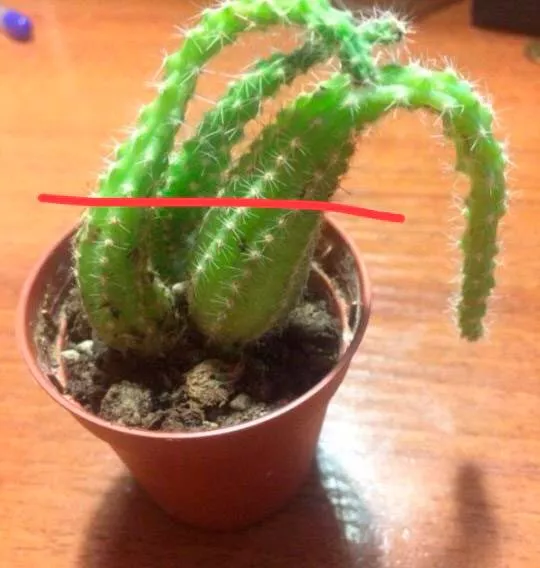
An effective way to rejuvenate an old, stretched, or damaged cactus is top pruning. This method helps create a more compact plant shape and stimulates the growth of lateral shoots.
Conditions for applying the method
There are several reasons to resort to this procedure. The main ones are:
- the cactus has become very elongated due to lack of light;

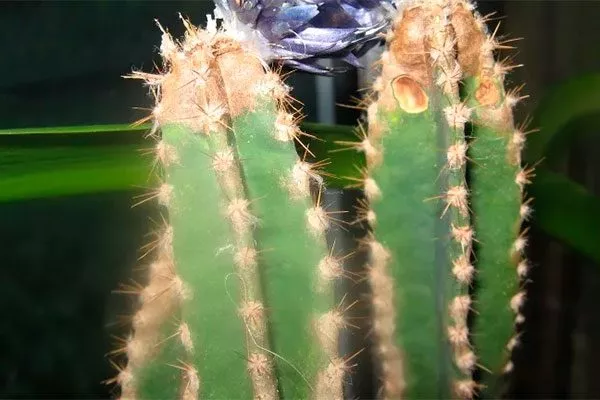
- the top is rotten or damaged by pests;
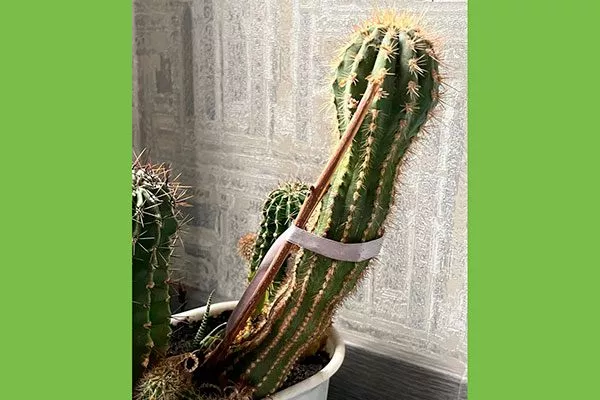
- the plant has become unstable and is losing its decorative properties;
- it is necessary to rejuvenate the old plant and stimulate branching;
- I want to propagate a cactus by cuttings.
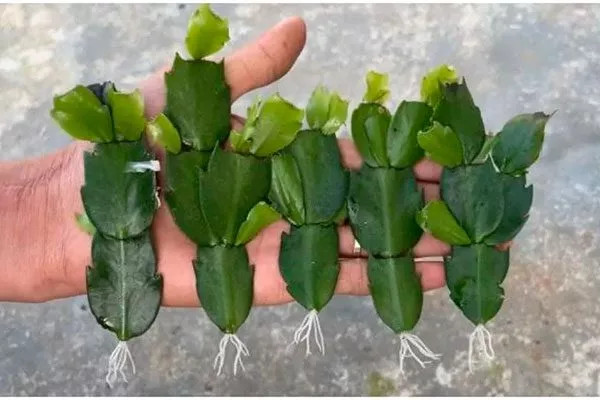
The best time to do this is spring or early summer, when active growth begins. It's not recommended to cut during the dormant period in winter, as healing will take longer, and the risk of rot is higher.
Pruning is contraindicated:
- in the autumn-winter period, when the plant is in a dormant state;
- if there are signs of general weakening of the cactus (lethargy, soft stem, disease);
- if the plant has recently been replanted or has experienced stress (drying out, burns, pests);
- in conditions of low temperature and high air humidity - this increases the risk of cut rot.
At the wrong time, it is better to postpone the procedure and provide the culture with stable conditions until the onset of the period of active growth.
Tools and preparation of the cutting site
Pruning requires specialized equipment, which should be readily available for best results. Prepare the following tools:
- a sharp knife or scalpel, preferably with a thin blade;
- alcohol or other antiseptic for disinfection;
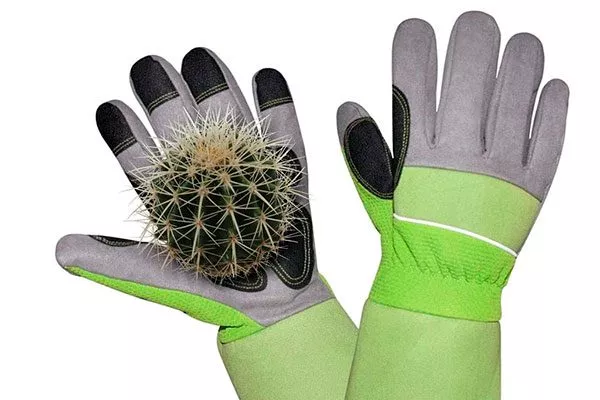
- paper towels or thick gloves (to protect from thorns);
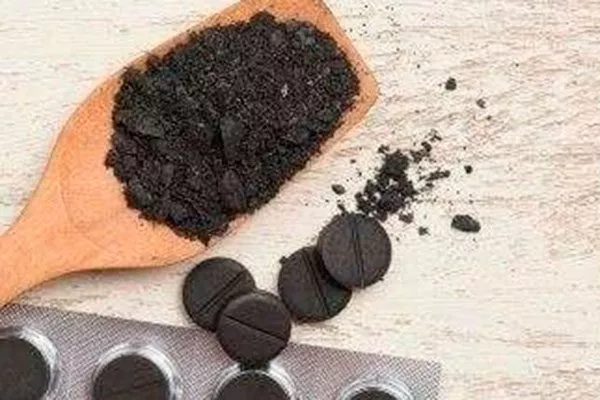
- activated carbon, sulfur powder or charcoal for processing the cut.
Rules for conducting the procedure
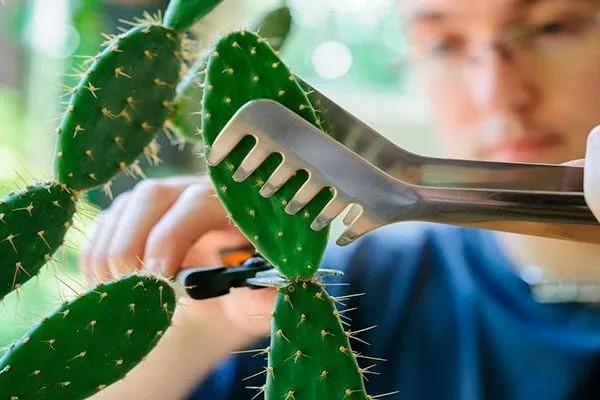
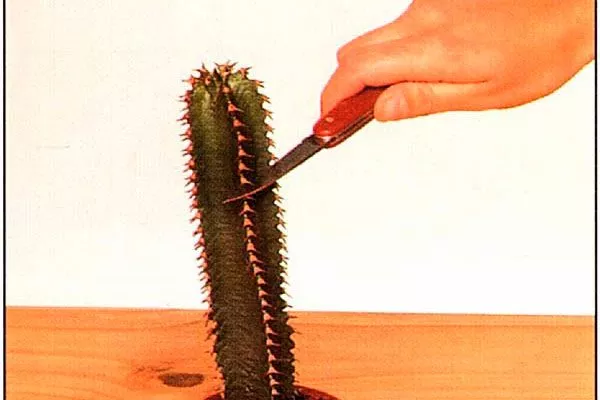
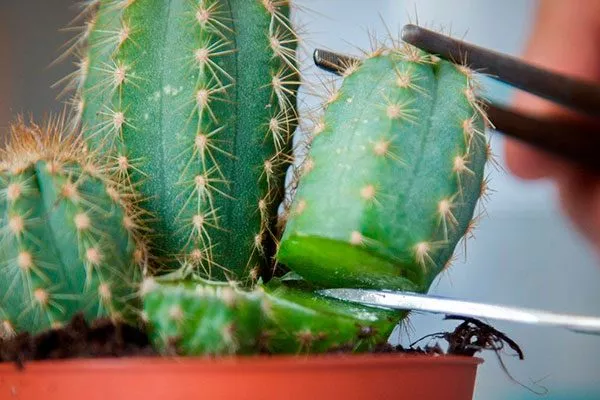
Prune on a healthy, uninfected part of the stem. The cut should be straight, at a right angle to the plant's axis. Avoid leaving nicks, torn areas, or crushed tissue—such areas heal poorly and are easily infected.
Instructions:
- Secure the cactus so it doesn't move. Make the cut in one smooth motion.
- Treat the surface with antiseptic powder (charcoal, sulfur, etc.).
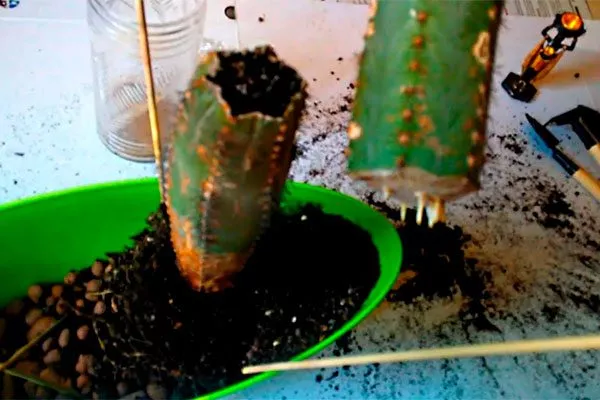
After the procedure, leave the plant in a dry place without watering for 5-10 days until a corky crust forms at the cut site. This prevents infection and helps the wound heal naturally.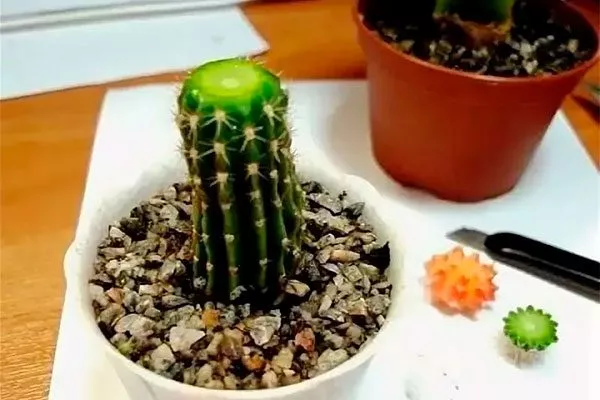
Once the cut is completely dry, return the plant to its permanent location and gradually resume watering. Over the next few weeks, new shoots will emerge from the base or trunk.
Propagation by cuttings
Cuttings are one of the simplest and most reliable methods of propagating cacti at home. This method allows you to obtain a new plant from a shoot or the top of a mother cactus, preserving all the varietal characteristics.
Preparing cuttings
For propagation, use healthy, undamaged plant parts—this could be the top of the cactus, a side shoot, or a small offshoot. The stem should be firm, free of spots, signs of rot, or insects.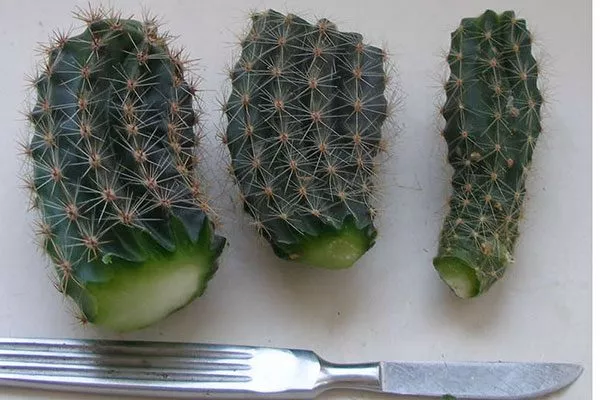
Follow these recommendations:
- Using a sharp, disinfected knife, cut the cutting off in one smooth motion. Make the cut at a precise right angle. If it's a lateral shoot, carefully cut it off at the base, being careful not to damage the tissue of the main plant.
- Sprinkle the cutting with charcoal or activated charcoal powder. This prevents infection and speeds healing.
- Be sure to leave the cutting in a dry, warm place for a week to allow a dry crust to form on the cut surface. Drying is best done in diffused light, away from direct sunlight.
The process of rooting a cutting
Once the crust has formed, the cutting is ready for rooting. To do this, you'll need:
- Capacity – a small pot or plastic cup with drainage holes.
- Substrate – Lightweight, sterile, and breathable. A mixture of leaf mold, sand, and perlite or vermiculite in a 1:1:1 ratio works well. The soil should be slightly moist, but not wet.
Rooting conditions:
- Temperature - from +22 to +28°C. At lower temperatures, root formation slows down.
- Lighting – Bright, but diffused. Direct sunlight is contraindicated during this period to avoid burns.
- Air humidity – Moderate. Avoid creating a greenhouse effect or covering the cutting with a jar: stagnant moisture can lead to rot.
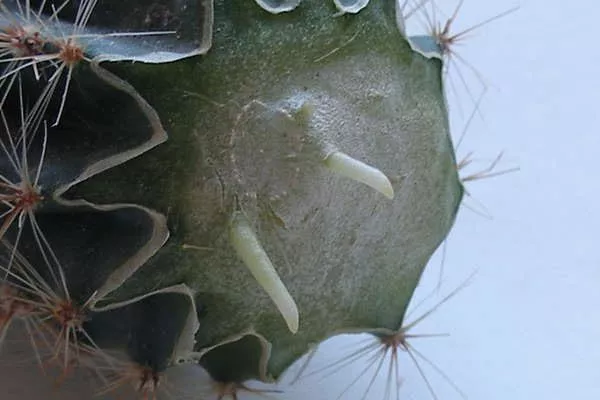
Place the cutting slightly 1-2 cm deep into the soil, or simply place it on the surface and press it into the soil. The first roots will begin to appear in 2-4 weeks, sometimes sooner. During this time, do not water the plant, or lightly mist the soil at the base.
Care procedures after rooting
Once roots appear, the cutting can be considered a fully grown young plant. Carefully transfer it to a permanent pot with suitable soil, placing drainage at the bottom.
Care in the first months includes:
- Watering - moderate, only after the top layer of soil has completely dried out. Overwatering is extremely dangerous early on.
- Lighting – gradually acclimate to bright light, but protect from the aggressive midday sun.
- Top dressing – no earlier than 1.5-2 months after rooting, with a very weak solution of fertilizer for cacti.
- Temperature - stable, without drafts and sudden changes.
A successfully rooted cutting will begin to grow actively within a few months, and with good care, will produce buds in the following seasons.
Dividing the bush
Dividing a bush is an effective method for propagating large cacti with multiple stems or extensive root systems. This method allows you to obtain several independent plants without the lengthy rooting period required by cuttings.
When to perform the procedure?
The best time to divide a cactus is spring or early summer, when it emerges from dormancy and begins active growth. During this period, the plant adapts more quickly to division and rooting.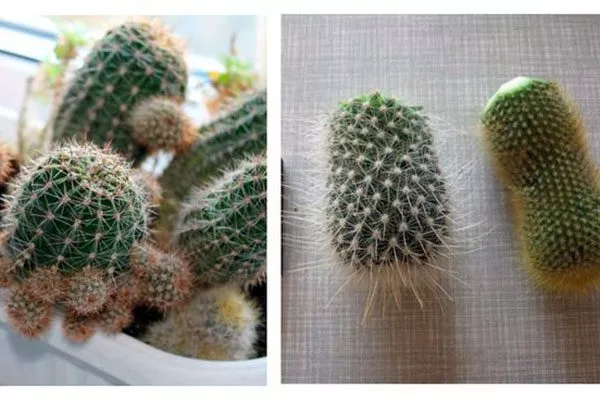
Division is carried out in several cases:
- if the bush has become too dense and thickened;
- in the presence of a large number of lateral shoots or babies with their own root system;
- when it is necessary to rejuvenate an old plant or transplant it into a more spacious container.
Avoid dividing the cactus while it's in bloom or during winter. Dividing is not recommended if the cactus is weakened by disease, pests, or stress, such as overdrying or improper watering.
How to divide a bush?
Stop watering 5-7 days before the procedure to allow the soil to dry out and make it easier to remove the plant. Carefully turn the pot over, being careful not to damage the root system. Be sure to sterilize all tools.
Step-by-step algorithm:
- After removing the bush, carefully remove the soil, lightly shaking and untangling the roots. If the shoots are connected by fused roots, carefully cut them off.
- Each selected section should have a portion of the stem and its own roots. If there are damaged or rotted roots in the area, trim them off and sprinkle them with crushed charcoal or another preservative.
- Allow the cuts to air dry for 12-24 hours. This is a necessary step, especially if you're pruning a large amount of wood.
- Plant the divided segments in individual pots with drainage and a light cactus substrate. Moisten the soil slightly, and place the pots in a warm, indirectly lit area.
Aftercare
Do not water the plants during the first few days after planting. Wait until the cuts and wounds have completely healed. Resume watering after 5-7 days, very carefully and sparingly.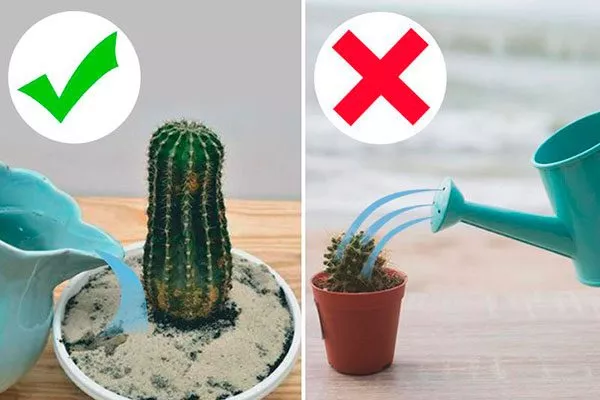
Create favorable conditions for the cactus:
- temperature regime – stable, from +22 to +26°C, without drafts;
- lighting – bright, but without direct sun until fully rooted;
- top dressing – no earlier than a month later and only if there are signs of active growth.
If everything is done correctly, new plants quickly take root, begin to grow and form full-fledged bushes.
Maintaining the health of cacti
The health of a cactus directly depends on its growing conditions and the care it receives from its owner. Even the most resilient species require regular monitoring, timely intervention, and proper care, especially over the long term.
Important techniques for preserving plants
Cacti rarely show obvious warning signs in the early stages of problems. However, at the first signs of rot, pests, or physiological disturbances, it's important to take immediate action.
Delayed treatment can lead to irreversible tissue damage, especially if the root collar or stem base is affected. The sooner the problem is detected, the better the chances of saving the plant.
Timely intervention includes:
- removal of damaged areas;
- replanting into fresh substrate if root rot is suspected;
- adjustment of watering and lighting regime;
- treatment with fungicides or insecticides.
Delaying or ignoring symptoms can result in loss of the plant, even within a few days.
Preventive measures
To prevent disease, it's important to visually inspect your cacti at least once every 1-2 weeks. Pay attention to:
- change in stem color (yellowing, darkening);
- the appearance of soft areas, stains, dents;
- cobwebs, plaque or small insects;
- growth deformation, wilting or shrinking.
Preventive measures include:
- compliance with the watering regime taking into account the season;
- mandatory drainage and loose substrate;
- avoiding over-watering and sudden temperature changes.
It is advisable to ventilate plants from time to time, especially in greenhouses or glassed-in areas.
Vegetative rest in a cool place
Cacti require a period of dormancy, especially in winter. This is a natural phase of their life cycle during which the plant does not grow, does not flower, and requires almost no water or nutrients.
Optimal conditions:
- temperature +10…+15°C;
- a light but cool place (for example, an insulated windowsill, loggia);
- complete refusal of additional feeding;
- Watering should be minimal, no more than once every 4-6 weeks, or stop completely for particularly drought-resistant species.
Helpful Tips
The substrate and container in which a cactus grows lose their qualities over time. Salt accumulation, soil compaction, and aging roots require regular replacement.
Basic rules:
- repot young cacti every 1-2 years, adult ones – every 3-4 years;
- each time you move the plant, check the condition of the roots and remove any rotten areas;
- Use fresh, sterile, well-drained potting mix;
- If necessary, rejuvenate the plant by pruning the top or dividing.
Rejuvenating old cacti is not only a way to extend their lifespan but also an opportunity to infuse them with new energy for growth and flowering. With proper care and timely application of effective methods, the plants can remain healthy and attractive for many years.