
Every cactus owner strives to create ideal conditions for their plants to reach their full potential. Special growth stimulators help achieve excellent results quickly. We've prepared a detailed overview of popular products used to enhance the productivity and beauty of cacti.
The best types of cactus growth promoters
Today, a huge variety of products are available for sale that accelerate plant growth, but not all of them are suitable for succulents and cacti. Below are the most effective products of various types.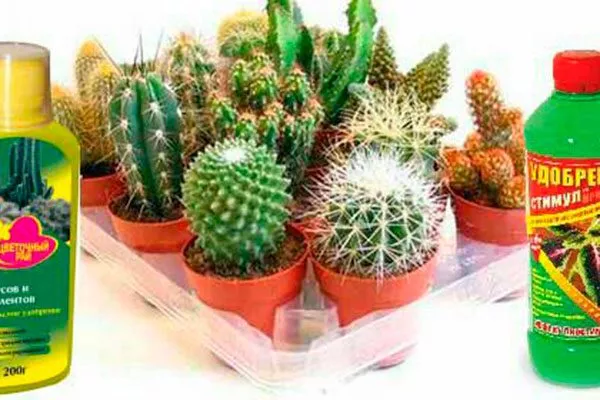
Cytokinins
A group of drugs that are analogs of natural cytokinin hormones that regulate cell division and tissue differentiation. These include:
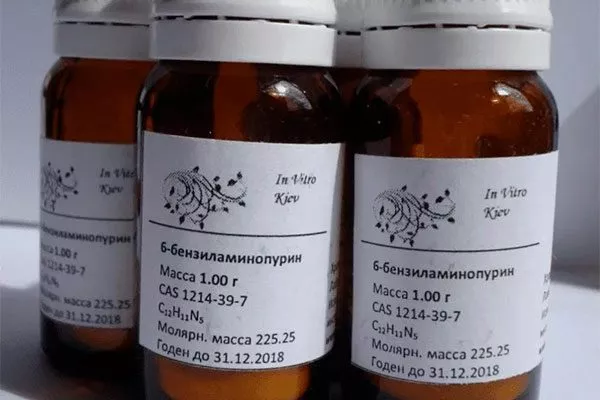
- 6BAP (6benzylaminopurine) – It is actively used to induce root formation and tissue regeneration.

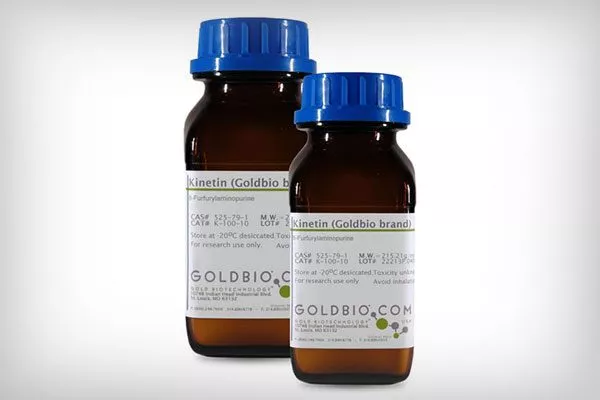
- Kinetin – effective in stimulating cell division and activating latent buds.
Auxins
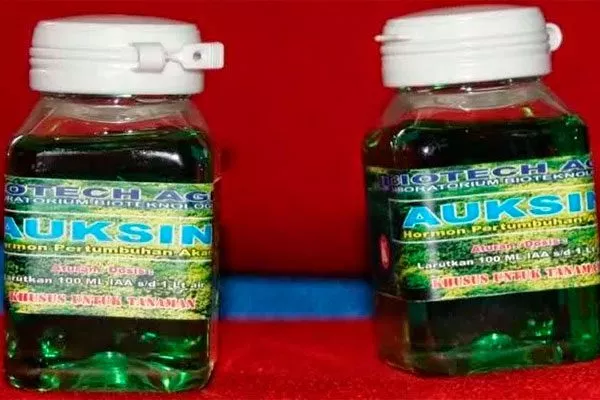
Auxin-like compounds play an important role in cell elongation and internodal expansion. Examples include:
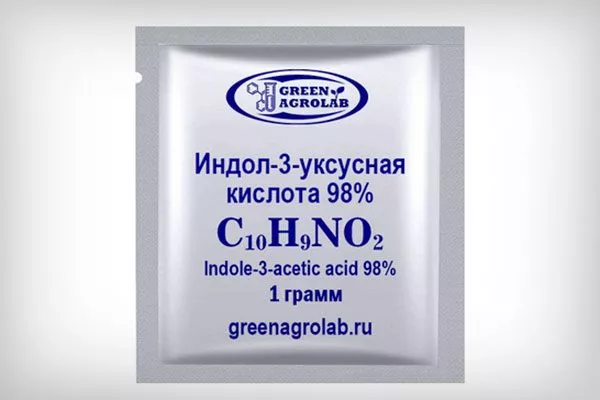
- Indoleacetic acid (IAA) – A popular remedy for increasing the length of stems and overall growth of plants.
- Natural auxin βindolylbutyric acid (IBMA) – used to support the growing season and reduce stress reactions.
Gibberellins
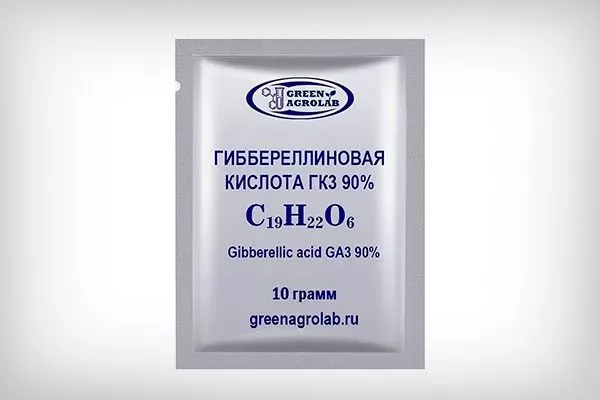
This group of drugs are synthetic analogues of the natural hormone gibberellin, which stimulates cell elongation and accelerates plant growth. Well-known representatives include:
- Gibberellic acid (GA) – It is widely used for forced growth, acceleration of fruit ripening and regulation of branching.
- Epin Extra – a natural growth regulator that increases plant resistance to stress and improves the taste of products.

Complex growth regulators
Complex preparations combine various groups of active compounds, enhancing the overall positive effect on the plant. For example:
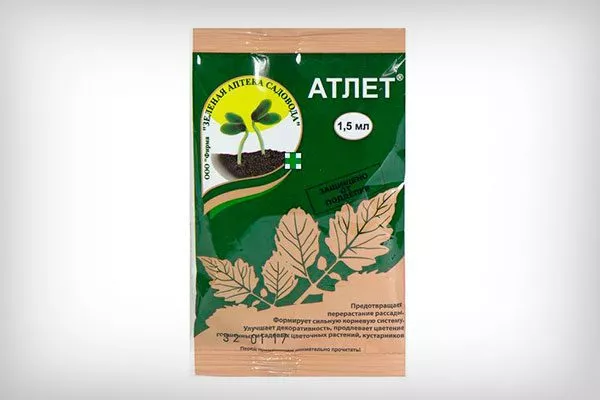
- Athlete - an effective means for controlling the growth and development of ornamental plants.
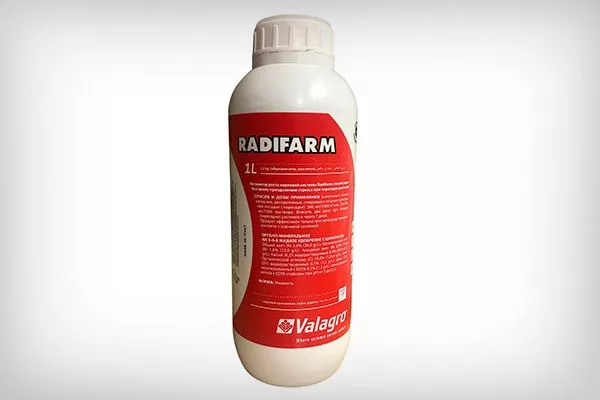
- Radipharm – a biological stimulant that strengthens the root system and increases resistance to diseases.
Plant-based biostimulants
Extractive preparations are obtained from natural raw materials by isolating the active components of plant biological structures. Examples include:
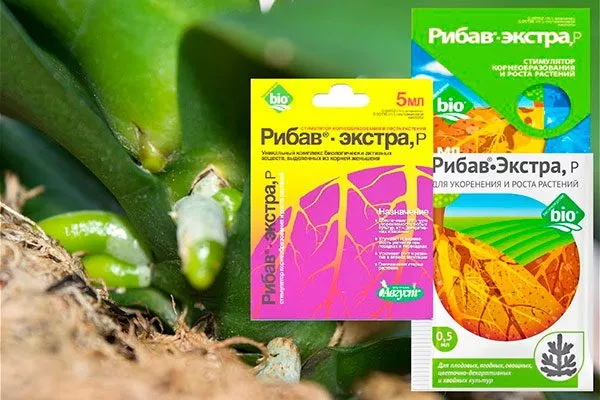
- Ribav Extra – a powerful bioactive substance that activates metabolic processes and accelerates plant development.
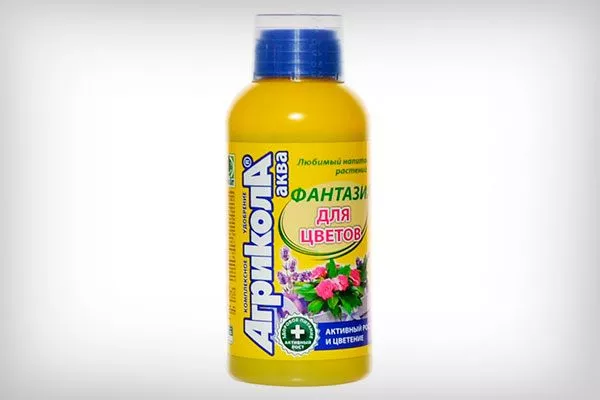
- AgricolaFantasy – natural growth stimulator containing algae extracts and humic acids.
How to choose the best growth stimulant for cacti?
Growth stimulants are an essential part of cactus care, helping to improve the appearance and resilience of the plants. But how do you choose the perfect product that will provide maximum benefit to your beloved plant? Let's consider the key criteria for choosing a product:
- Type of stimulant. Determine the specific effect you want from the drug. There are different types of stimulants:
- Hormonal stimulants such as cytokinins and auxins improve cell division and organ development.
- Anti-stress preparations, such as Epin and Zircon, increase plant resistance to adverse conditions.
- Immunostimulants, such as Immunocytophyte, protect plants from diseases and viruses.
- Prescription of the drug. Check the instructions to ensure the product is specifically designed for cacti. General-purpose stimulants may be ineffective or even harmful to succulents.
- Release form. Modern stimulants are available in liquid, granule, tablet, and aerosol forms. Liquid forms are easier to use for treating large areas, while tablets and granules are better suited for targeted application.
- Safety and environmental friendliness. The fewer chemicals a product contains, the better for the environment and the safety of those around it. Organic products are considered more gentle and beneficial for long-term use.
- Compatibility with other substances. Many stimulants are compatible with various types of fertilizers and insecticides, but always check the information on the packaging or consult with the seller.
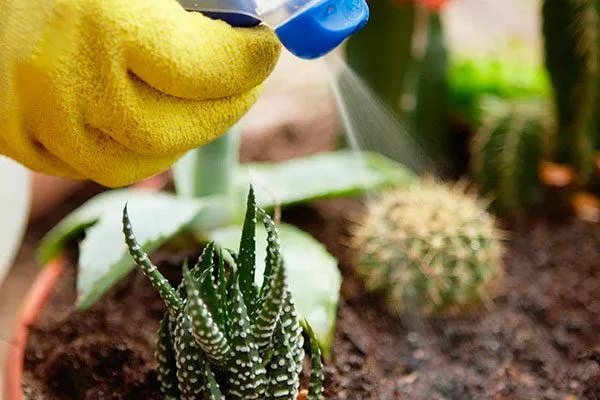
Cactus growth promoters are a powerful tool that helps unlock the potential of plants and overcome environmental challenges. Proper use of these products can increase yields and enhance the decorative qualities of cacti.