
Cacti are renowned for their undemanding nature and resilience to adverse conditions, but sometimes owners encounter an unpleasant problem: soft stems. Let's figure out why this happens and how to restore your beloved plant to its healthy appearance. We'll also help you avoid the most unpleasant consequences—cactus death.
Incorrect temperature
Sudden temperature fluctuations or constant low temperatures can cause damage to stem cells.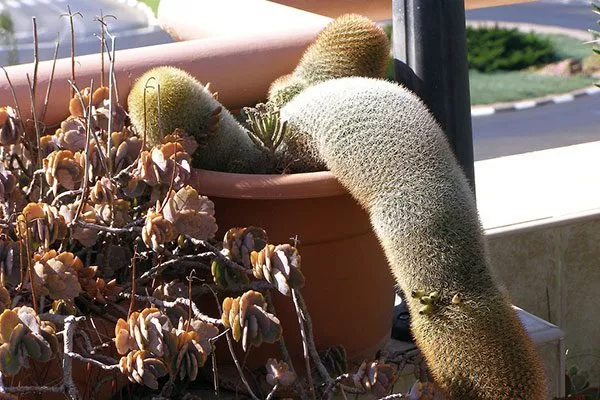
Solution to the problem:
- Place the cactus in a suitable environment. Avoid direct sunlight immediately after repotting; provide indirect light and a comfortable environment.
- The optimal temperature for desert cacti ranges from 15°C to 18°C. This range stimulates the plants' preparation for the next flowering season.
- Forest or tropical cacti have different requirements. They need the following conditions:
- Bright but diffused light. This is especially important in winter when natural sunlight is scarce.
- Moderate temperature, not exceeding +22-+25°C during the active growing season.
- During the dormant period, the optimal temperature is considered to be +15-+17°C, which imitates natural conditions in forests and tropics.
Overwatering and root rot
Overwatering is one of the main causes of problems with cacti. If the plant regularly receives excess moisture or is grown in a pot without proper drainage, root rot is highly likely. This condition manifests itself as a softening of the stem and a dark brown coloration.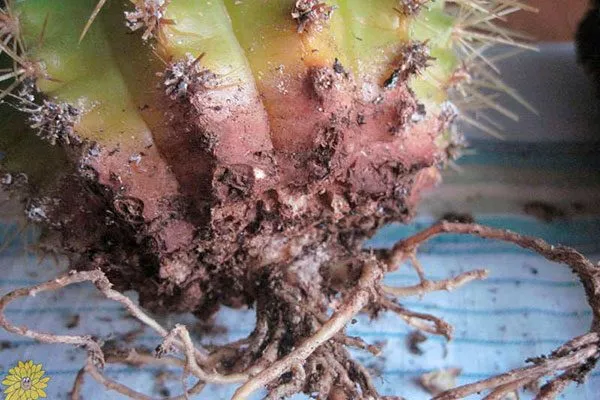
You can check the condition of the cactus by following these steps:
- Carefully remove the plant from the pot.
- Check the roots: healthy ones should be white or light brown, rotten ones should be dark, loose and often smell unpleasant.
- Assess the consistency of the stem: light pressure with your finger will indicate the degree of tissue destruction.
If signs of rot are detected, act immediately:
- Using a sterile, sharp instrument, remove the damaged areas, reaching the healthy layer.
- Treat cut areas with activated charcoal or sulfur to prevent further spread of rot.
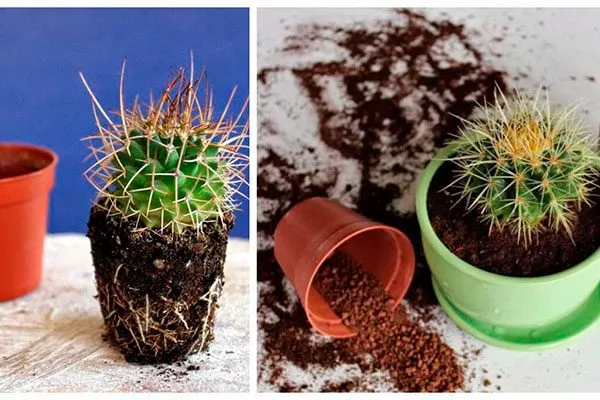
- Repot the cactus in new, dry soil designed specifically for succulents, with some sand, pumice, or gravel added to improve drainage.
- Take preventative measures by treating the plant with special agents such as Maxim or Fitosporin.

Lack of light
Light deficiency affects the cactus's appearance: it loses its natural green color, acquiring a pale, yellowish, or even reddish tint. This phenomenon is due to the plant's attempt to compensate for the lack of light by stretching and changing shape.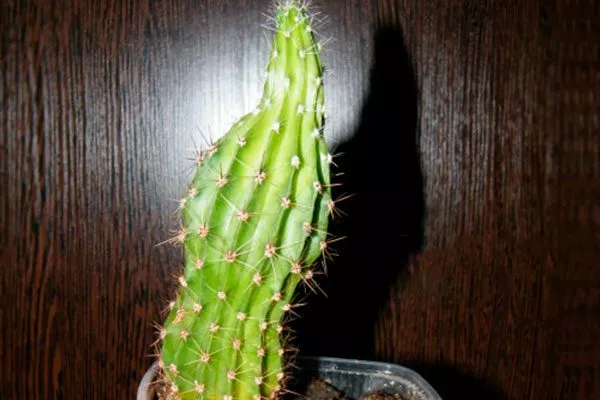
Solution to the problem:
- Move the cactus closer to the sun by choosing a south-facing window or installing artificial lights (phytolamps).
- Every 6-8 days, rotate the pot to ensure even distribution of light over the entire plant area.
It is important to remember that some varieties of cacti (for example, representatives of the genus Echinocactus) react to stressful situations by turning red, but this is acceptable as long as the stem remains dense and strong.
Cold Stress: When a Cactus Freezes
Cacti do not tolerate low temperatures well. Leaving a plant on a cold windowsill in winter or in a room with temperatures below 5°C can cause serious damage to the tissue, causing darkening and loss of density.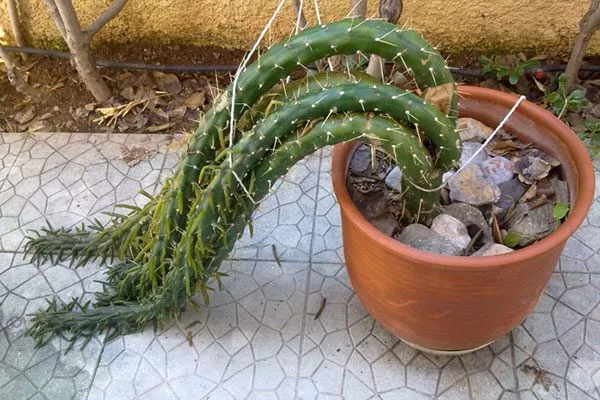
What actions will help save the plant:
- Move the cactus to a warm place, providing comfortable conditions with a temperature of +15°C to +25°C.
- Reduce the amount of watering as much as possible, allowing the plant to recover on its own.
- Damaged areas that have not had time to dry naturally must be carefully removed.
Pests: Uninvited Guests in Roots and Stems
Parasitic insects such as scale insects, root mealybugs, and nematodes cause significant damage to the cactus by depleting its nutrient reserves. The attack may result in a characteristic sticky discharge on the surface of the softened stem or light-colored spots.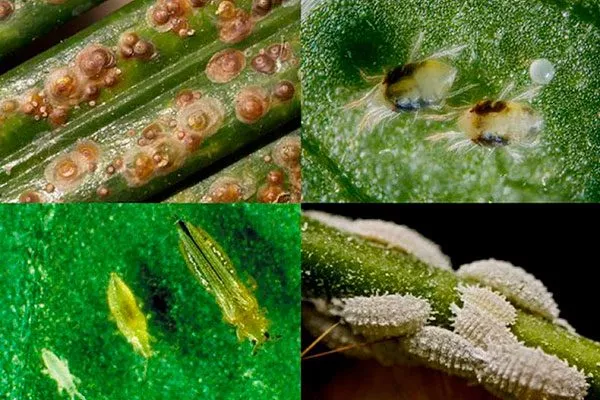
Diagnosing the presence of pests is simple:
- When replanting, carefully inspect the roots and body of the plant using a magnifying glass.
- Touch the stem with your hand: the presence of sticky liquid indicates the presence of harmful organisms.
Methods of control:
- Make a solution of alcohol and water (1:10 ratio) with a small amount of liquid soap and treat the plant.
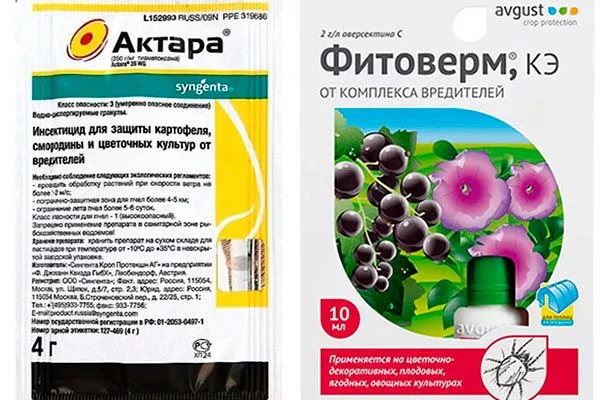
- In case of extensive infestation, it is advisable to use chemical pest control agents such as Aktara or Fitoverm.
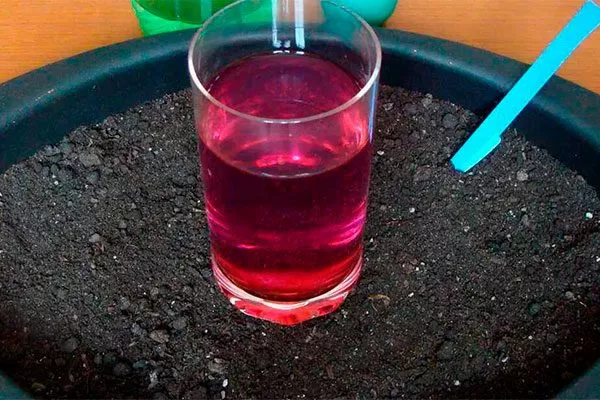
- Carry out a complete transplant, paying special attention to treating the roots with a solution of potassium permanganate.
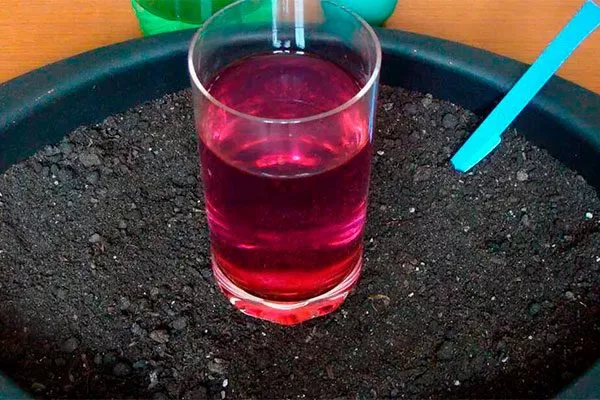
Preventing problems comes down to just one action: regularly monitor the condition of the cactus, especially after purchasing a new specimen or after repotting.
Sunburn: When There's Too Much Light
Sudden exposure of a cactus to strong sunlight can cause damage to its skin, characterized by the appearance of whitish or brownish spots. This causes the fleshy structure of the plant to gradually soften. Such defects, although they heal over time, leave permanent scars.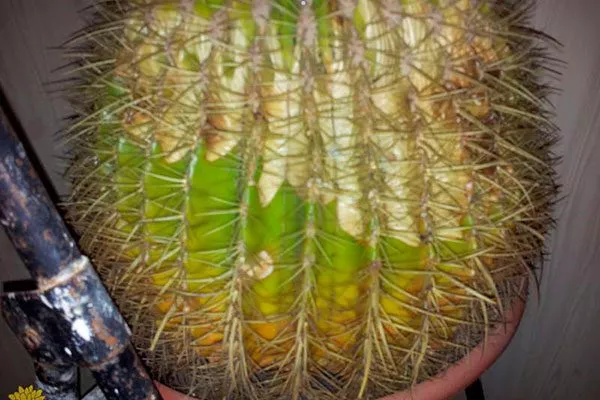
The procedure for providing assistance to an injured plant:
- Immediately move the cactus to partial shade, providing rest for one to two weeks.
- Water moderately, avoiding additional stress on weakened tissue.
- Leave the burns alone: the wounds will heal on their own when conditions improve.
Natural processes: aging and adaptation
Changes in color and structure in some cacti over time are completely natural: older sections of the trunk acquire darker tones, while new growth retains its vibrant pigmentation. This phenomenon does not indicate a problem if the overall condition of the plant remains satisfactory and there is no loss of turgor.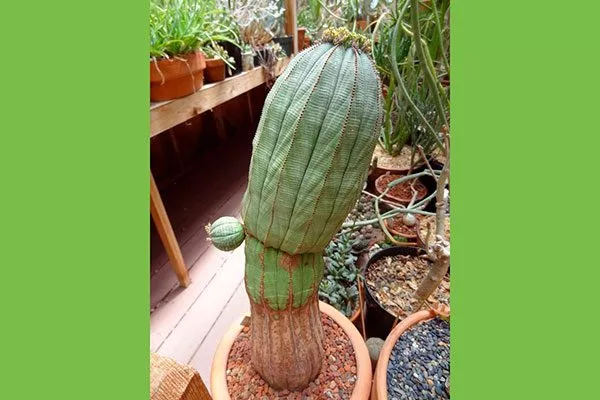
Care instructions:
- If there are no signs of rot, carefully remove the damaged fragments.
- Continue standard care, monitoring the further dynamics of the cactus's condition.
Incorrect soil: when roots don't have enough air
Soil quality problems can have serious consequences for cacti. Dense or overly acidic soil impedes proper air circulation, causing damage to the root system and subsequent rot.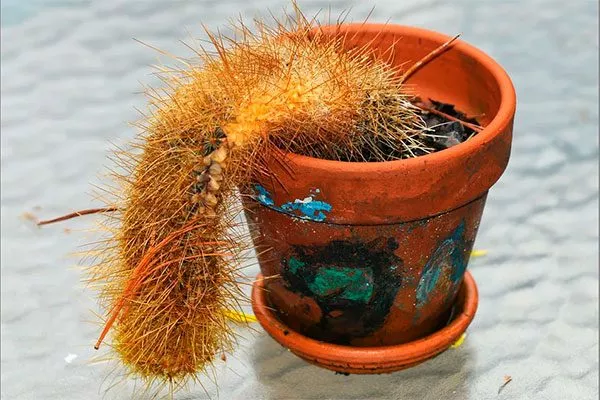
This problem can be solved by following these steps:
- Replant the plant into specialized soil prepared from a mixture of sand, clay and gravel in a ratio of 2:1:1.
- Make sure the container you use has adequate drainage holes to allow excess moisture to drain freely.
Such measures will help to establish normal root respiration and prevent the development of pathogenic microorganisms.
Post-transplant stress: Give yourself time to adjust
Sometimes, after a recent repotting, a cactus will exhibit temporary changes, such as color changes and a loss of tissue density. This is a response to the stress of being moved to a new environment.
Adaptation tips:
- Avoid watering for one to two weeks after repotting to allow the plant to adjust.
- Place the cactus in partial shade, facilitating its transition to new living conditions.
Over time, the plant should return to normal, regaining its original appearance and lost elasticity.
What to do if cacti become soft?
The first step is to stop watering and any spraying. You'll need a tool like a sharp knife or scalpel, as well as an antiseptic like sulfur or charcoal. Here's how:
- First, carefully remove the plant from the pot and carefully examine its root system.
- Using a clean, sharp knife, remove all rotted roots one by one. Inspect the cuts: if you find any brownish-yellowish spots or particles, the plant is infected with late blight.
Here, it is extremely important to show decisiveness: it is necessary to continue the operation until the healthy areas are reached, because the smallest infected area can trigger a repeat of the pathological process, leading to the death of the cactus. - Then make a clean cut with a disinfectant instrument. In addition to removing the diseased parts, you'll need to remove the lateral structures (areoles) along with the spines. The procedure is like sharpening a pencil.
Ignoring this stage will result in rooting becoming impossible due to the drying out of the cutting and the subsequent formation of a cavity. - Sprinkle the cut off part with charcoal powder and leave for a couple of hours to dry.
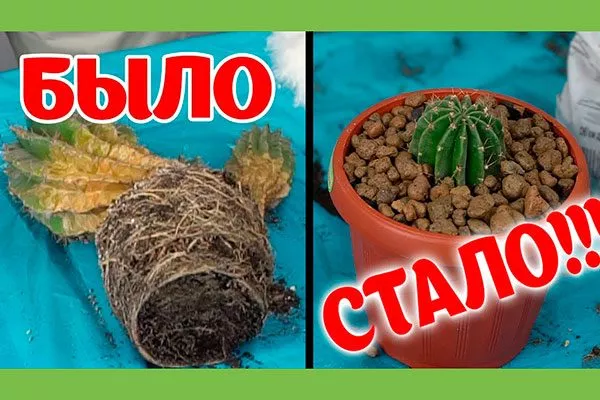
Next, you can plant the cutting in special sterilized soil, burying it but not covering it with soil. If necessary, provide support by inserting a wooden stick and securing the plant, adding rocks for stability. For the first two weeks, avoid watering, using only light misting in hot weather.
Post-operative care
Post-operative rehabilitation of cacti requires special measures to ensure effective rooting. Young plants (pups) show the best results, but they require closer monitoring and special conditions:
- Organization of a special mini-greenhouse space with a constant temperature from +22°C to +25°C and an additional light source.
- It is especially difficult to care for cacti during the winter, when the plants are dormant and at risk of fungal infections.
- Additional difficulties are created by a cold windowsill and short days with little light.
It is recommended to create “spring” conditions for plants:
- Installing additional lamps to increase the length of daylight hours.
- Maintaining a stable temperature (+20°C…+22°C).
Rooting specimens should be inspected once a week, as there's a high risk of the disease returning. You can check for rooting by gently wiggling the plant: if it's firmly planted, the process has proceeded normally.
If the roots are not visible, remove the cactus and carefully inspect the cut area:
- If the cut is dry, calmly return the plant to its place.
- The appearance of signs of rot means the need for repeated surgical intervention, after which the plant should be rooted exclusively using the dry method (without using water or spraying).
- If mold is detected, immediately make a fresh cut, treat the wound with crushed charcoal, leave to dry for a while and replant, temporarily reducing the amount of watering.
Such actions guarantee good rooting in 70-80% of cases. For a 100% result, grafting is recommended, especially for echinopsis.
To save your cactus, follow these simple guidelines:
- Review your watering schedule. Allow time between waterings, and let the soil dry out. It's better to wait until it's slightly dehydrated than to overwater.
- Check the drainage. Make sure the pot holes are clear and allow for good water drainage.
- Replace the soil. Use a specialized cactus substrate that provides aeration and allows for quick drying after watering.
- Assess the condition of the roots. Carefully remove the plant from the container and inspect the roots. Remove any damaged areas and treat the healthy parts with a fungicide solution.
Treat with pest control products if signs of parasites are detected.
Prevention: How to prevent the problem from recurring?
It's easier to prevent a disease than to treat its consequences (it's helpful to familiarize yourself with information about potential diseases and parasites that threaten cacti). Simple precautions will help protect your plants from a variety of threats:
- Water cacti exclusively with warm, room-temperature water. Reduce water supply if ambient temperatures drop below 17°C.
- Planting should be done in high-quality sterile soil, designed specifically for cacti.
- Be careful with fertilizers: choose specialized fertilizers and use them in moderation.
- Quarantine newly acquired plants separately from the rest of your collection.
- Strengthen the immunity of cacti by providing access to fresh air in the summer and cool storage in the winter.
- Have regular preventative checkups – at least twice a year.
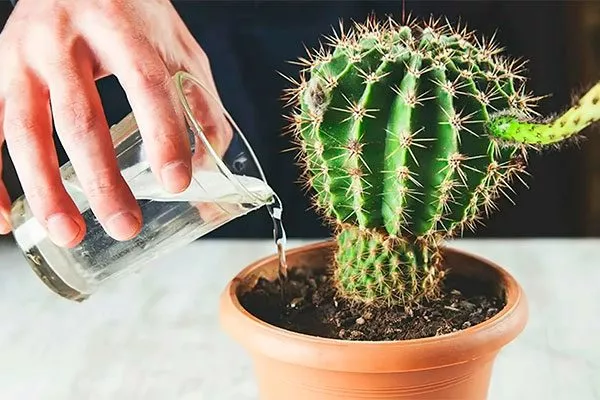
Following these recommendations will increase the plants' resistance to negative factors and prevent the occurrence of most unpleasant consequences.
Behind the outer protective spines lie fragile plants that require delicate care and constant monitoring. By following simple guidelines, you can not only preserve your existing specimens but also expand your home collection or decorate public greenhouses with expressive multi-level arrangements.