
In summer, when the weather becomes hot and sunny, cacti are at risk of sunburn. This damage can seriously harm the plant, causing slower growth, poorer appearance, and increased vulnerability to disease. But there are a few simple steps you can take to protect your cacti from summer sunburn.
Why do cacti get burns?
Sunburn occurs when a plant's skin is exposed to direct, bright sunlight for an extended period of time. Young and recently transplanted plants, which have not yet had time to acclimate to the new lighting conditions, are particularly susceptible.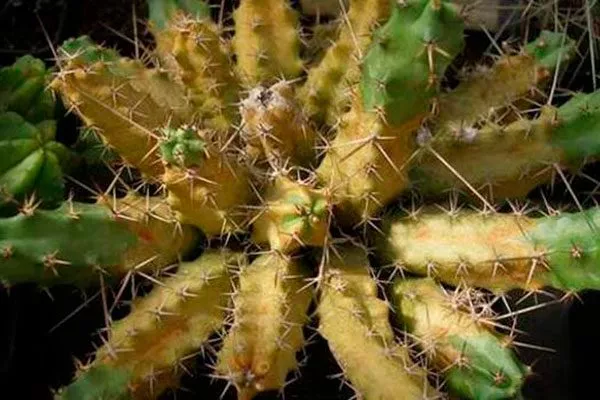
Let's look at the main reasons why cacti get burned:
- Direct contact with solar radiation. The main cause of sunburn is direct exposure to sunlight. When the sun is high in the sky and intensely heats the ground, the plant's surface becomes so hot that the epidermal cells are damaged. The longer the exposure, the more severe the damage.

- Hot weather and dry air. High ambient temperatures intensify the sun's negative impact. Dry, hot air further increases the risk of damage to plant cells, accelerating dehydration and aging processes.
- Change of conditions of detention. Sometimes sunburn occurs after moving a plant from one environment to another. For example, if you move a house cactus outside for the first time after winter, its delicate skin may not be adequately prepared for the new UV rays.
- Exposure to chemicals. The use of fertilizers or insecticides can also cause burns. Chemicals that interact with the plant's surface increase the epidermis's sensitivity to UV radiation.
- Poor quality soil. An incorrectly selected substrate or poor soil quality leads to a deterioration in the water balance, a decrease in the supply of nutrients and the creation of unfavorable conditions for the restoration of damage.
Symptoms of cactus burns
Signs of sunburn in cacti are expressed in various ways:
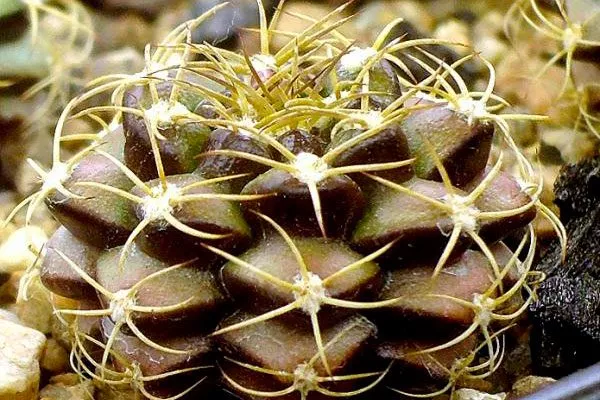
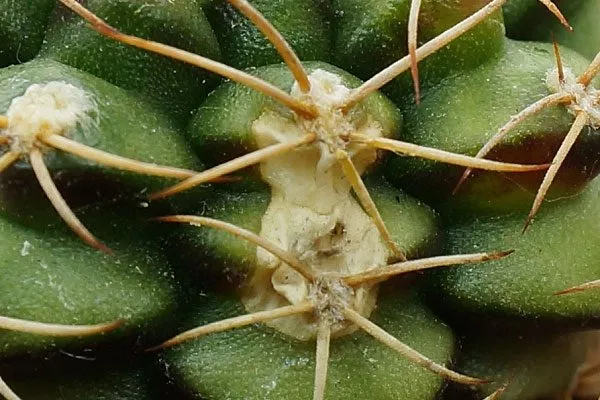
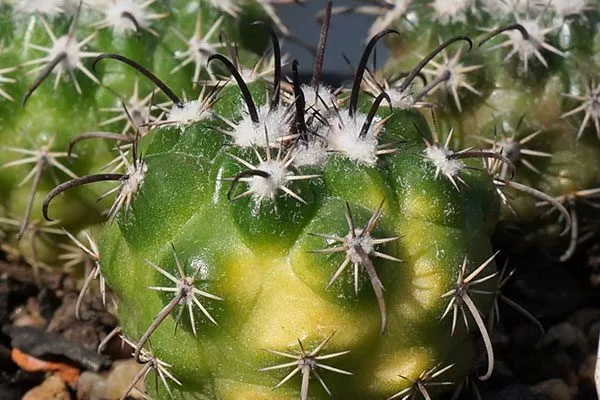
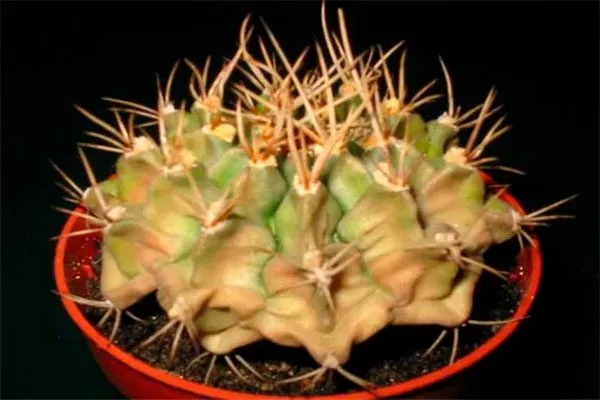
- Color change: Initially, a yellowish tint appears, turning into light brown or gray.
- Appearance of spots: Small areas resembling blisters or scars form on the skin.
- Loss of elasticity: The surface of the cactus becomes hard and brittle, losing its natural flexibility.
- Growth retardation: Damaged plants have difficulty recovering energy and continue to suffer from poor growth.
Practical tips for preventing burns
It's best to acclimate plants gradually, starting with morning or evening light. Gradually increase the amount of sun exposure, allowing the plant to become accustomed to direct sunlight. However, there are other important steps and recommendations:
- During hot days, it's important to ensure good ventilation and air circulation in the room where the cacti are kept. Open windows and doors, and install a fan to ensure even distribution of warm air, preventing stagnation at the base of the plants.
- It's recommended to water early in the morning using slightly warmed water. This allows the plant time to absorb the necessary moisture, and the remaining water will evaporate under the influence of the midday sun. It's important to prevent water from accumulating at the roots by ensuring good drainage.
- Shade nets of varying densities are an effective means of preventing overheating. They protect plants from excess sunlight and ultraviolet rays, while still allowing sufficient light for photosynthesis.
- Another measure is to create shade directly for the pots. You can use special trays or attach reflective PVC film to the outside of the rows closest to the light source.
- If the cactus is kept outdoors, on particularly hot days it's advisable to use a lightweight fabric such as gauze or tulle to create movable shade. Avoid dense materials, which hinder the plant's adaptation to natural lighting conditions.
- If your cactus receives direct sunlight all day, try moving it to a partially shaded area where the light is soft and even.
- Choose the right soil. Using light, porous soil improves root aeration and reduces the risk of condensation, which can cause burns.
- Inspect plants daily for signs of skin damage. If you notice any abnormalities, take immediate action to correct the cause.
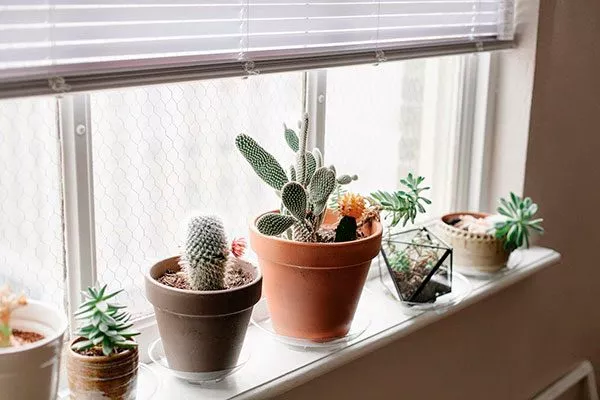
By providing your cactus with the right lighting and proper care, you can prevent unpleasant situations like sunburn. Remember, prevention is always better than cure, so keep a close eye on your pets and respond promptly to any signs of trouble.