
Since their arrival in Europe, cacti have captivated gardeners, leaving them captivated. The diversity of their shapes, sizes, and colors is awe-inspiring. These plants have become true artists in interior design, allowing for the creation of unique compositions in homes.
General characteristics and description
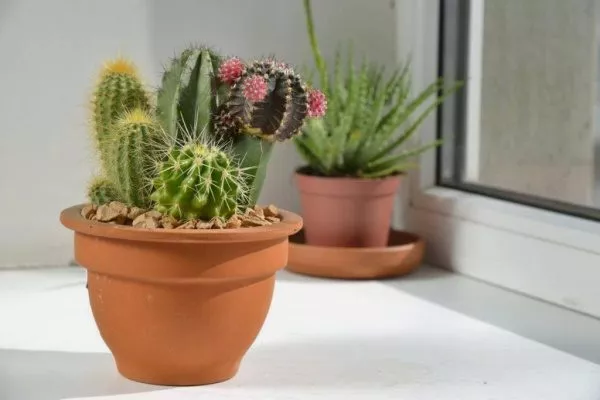
Cacti are a diverse and fascinating group of succulent plants adapted to life in harsh and arid conditions. They belong to the Cactaceae family and are characterized by a number of unique features:
- Cacti have fleshy, thickened stems and leaves that serve as water-storage organs. This allows them to survive prolonged periods of drought.
- Most cacti lack true leaves, instead having spines or thorns that protect against predators and help reduce evaporation.
- Cacti produce colorful and varied flowers of varying shapes and sizes. These blooms can range from large and showy to small and inconspicuous.
- There is a huge variety of cactus species in the world, differing in stem shape, size, color, and surface texture.
- Cacti have developed numerous adaptations to survive in harsh conditions. They are able to collect water, adapt to extreme temperatures, and reduce evaporation.
- Plants inhabit a variety of regions, from deserts to forests, from dry plains to highlands. They are found in various parts of the world, from the Americas to Africa and Asia.
- Cacti are widely popular among gardeners and plant collectors due to their unique appearance and ease of care.
- ✓ Optimal temperature for wintering: +14-16°C, which is critical for stimulating flowering.
- ✓ Type of ash for processing: wood, preferably from deciduous trees, without chemical additives.
These characteristics make cacti unique and captivating plants that attract attention with their exoticism and diversity.
Cactus bloom
Depending on the variety, cacti exhibit a variety of flowering patterns. Some species produce large, single flowers, while others produce numerous small clusters around the stem or along its circumference.
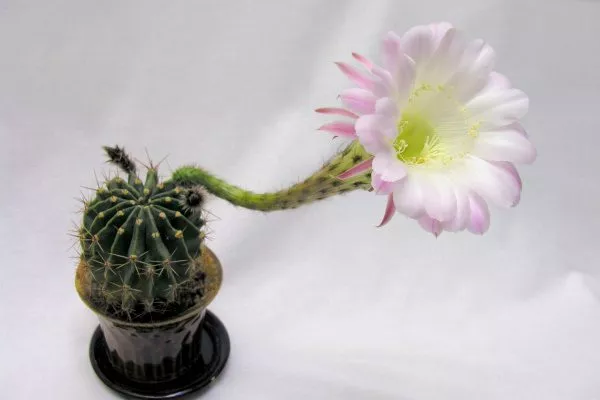
The color range varies: flowers can be red, yellow, white, pink, or purple. Some cacti even have flowers on tall stems.
Types of indoor cacti
| Name | Plant height | Flower color | Flowering period |
|---|---|---|---|
| Prickly pear | 30 cm | Yellow, red | Summer |
| Cereus | 1 m | White | Summer |
| Trichocereus | 1.5 m | Pink | Summer |
| Echinocereus | 30 cm | Pink | Spring |
| Chamecereus silvestri | 30 cm | Scarlet | Spring |
| Aporocactus | 1 m | Pink | Spring |
| Mammillaria | 10 cm | White, red, purple | Spring |
| Notocactus | 15 cm | Yellow | Summer |
| Astrophytum | 30 cm | Yellow | Summer |
| Rebutia | 10 cm | Red, orange, pink | Spring |
| Cleistocactus straussii | 1 m | Red | Summer |
Even in our latitudes, you can find a wide variety of indoor cacti. They share a common feature: fleshy, thick stems used for storing water and spines that replace leaves.
There are several types of cacti:
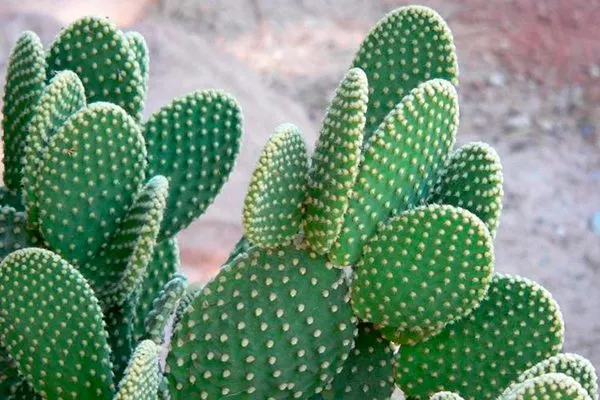
- Prickly pear. Various subspecies of prickly pear are true home garden classics. They are characterized by a flat stem composed of teardrop-shaped segments.
Various varieties attract attention with their colors and needles. For example, the prickly pear is covered in thin, wool-like spines that can cause a painful sting when touched. Prickly pears can reach up to 30 cm in height.

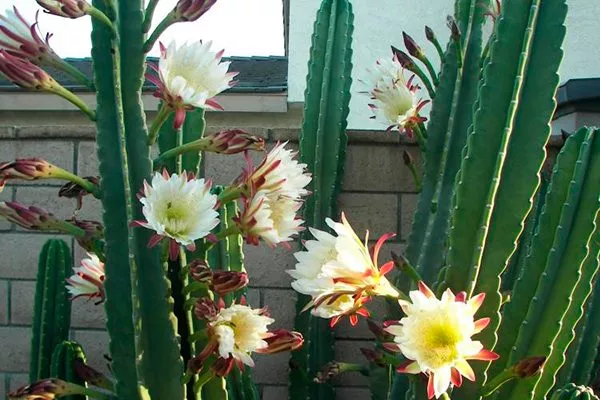
- Cereus. It can grow for many years and reach a height of up to 1 m. An interesting feature of this plant is the existence of varieties with unusual mutations. For example, the famous Monstrosus, which truly amazes with its monstrous appearance.
- Trichocereus. The plant grows large, reaching up to 1.5 m. In rare cases, it grows at an angle and requires support. The spines grow up to 4 cm long. Large and fragrant flowers are a characteristic feature of this species.
- Echinocereus. The plant bears large, pink-hued flowers. Some species have pink spines.
- Chamecereus silvestri. Florists cite this variety's unique shape and rapid growth as advantages. The plant grows expansively and is covered in a profusion of bright scarlet flowers within the first few years.
- Aporocactus. It stands out for its unique feature: its stems are thin, vine-like structures with a diameter of approximately 1 cm. This cactus species grows rapidly and has an impressive appearance, especially when placed in baskets or hanging planters.
Bright flowers with long, elongated petals complete the picture, making the aporocactus especially attractive. It blooms in spring.
- Mammillaria. This unique cactus has an unusual structure. It appears to be made up of tiny nipples hidden among long, soft needles. Mammillaria is a favorite among gardeners because it blooms in shades of white, red, and purple.
- Notocactus. This cactus begins to bloom after several years. It attracts attention with its bright yellow flowers, reaching up to 8 cm in diameter. The cactus's trunk is small and cylindrical, bright green, and has yellow spines.
- Astrophytum. The cactus blooms in the shape of a ribbed ball, gradually elongating into a cylinder. The spines can be straight or curved. The Astrophytum produces beautiful flowers, up to 30 cm in diameter, reminiscent of daisies.
- Rebutia. These small cacti, no more than 10 cm tall, take on the shape of a fluffy ball. They are unpretentious, elegant, and fit perfectly into decorative arrangements.
Rebutia flowers appear not at the top of the stem, but closer to the roots. They delight the eye with warm red-orange or pink hues.
- Cleistocactus straussii. It has unique characteristics: its stem is densely covered with spines and white hairs, giving it a rough appearance. Furthermore, this cactus is known for its abundant flowering of tubular buds that do not open.
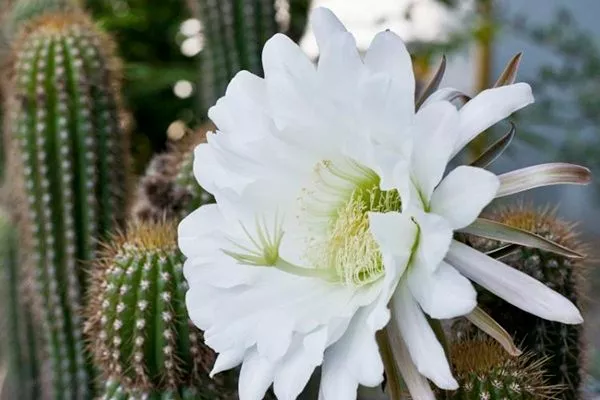
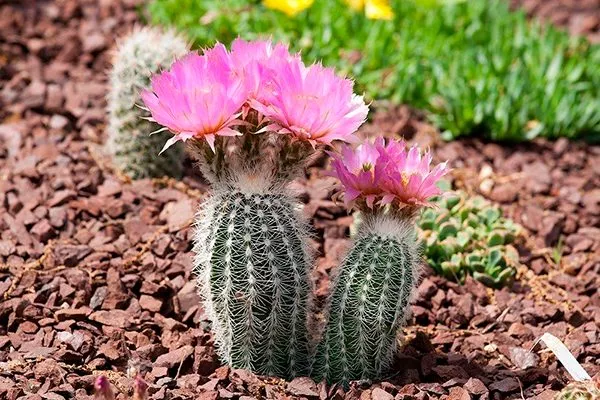
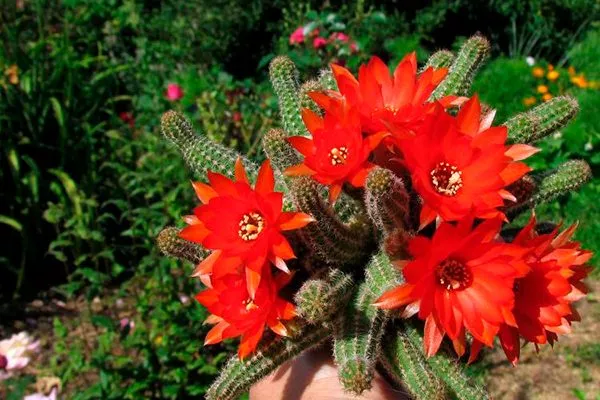
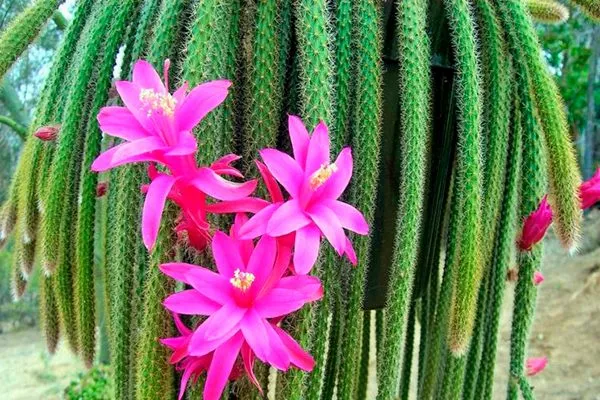
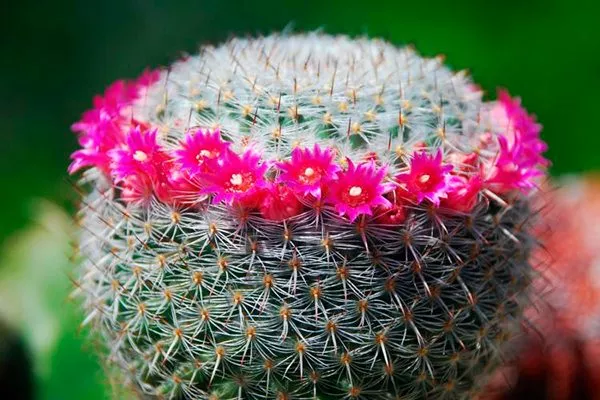
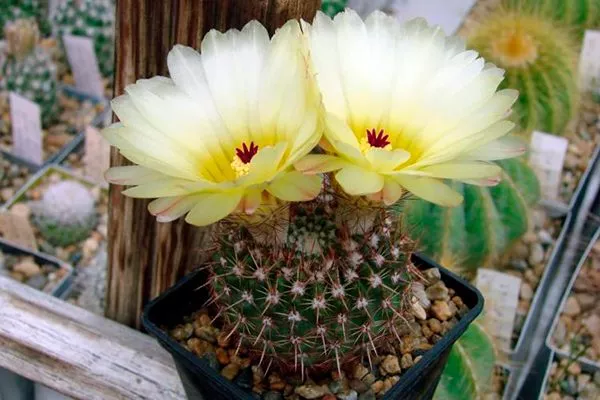
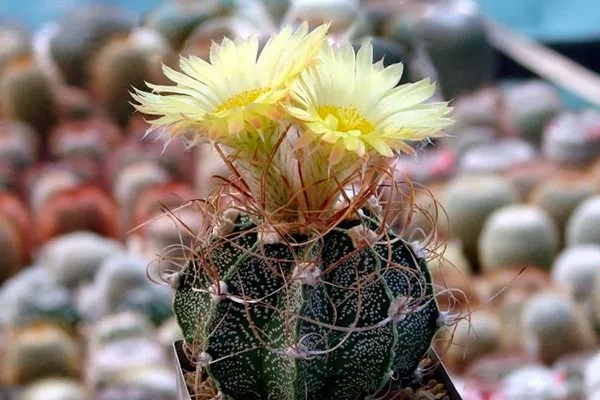
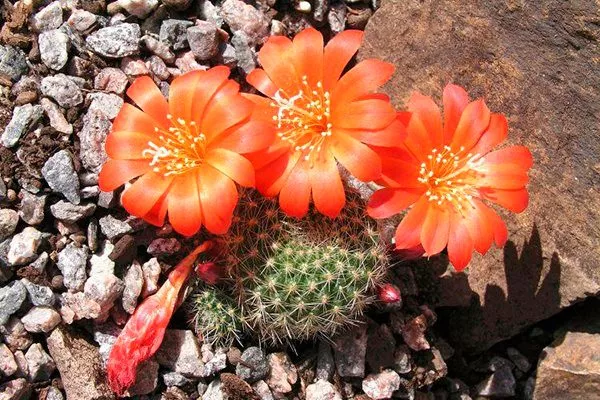
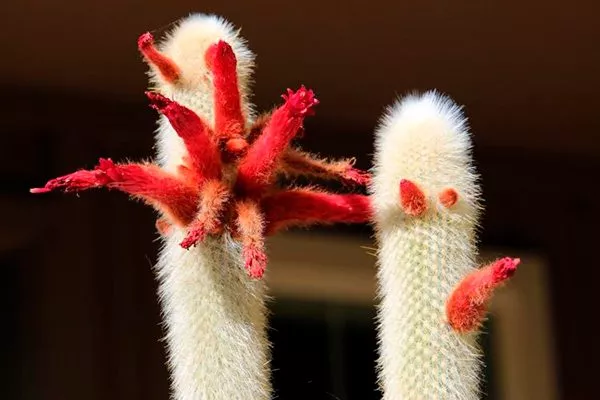
Each cactus species is unique and has its own characteristics. Florists select different varieties for their collections. Other cactus species are discussed. here.
Growing conditions and care
Growing a cactus is not a difficult task, but it does require following certain rules. These rules determine the plant's flowering and subsequent growth.
Lighting and location
Forest cacti thrive in partial shade and shade, but other species require bright light to thrive. South-facing windows are ideal.
Regularly rotating the cactus relative to the light source helps prevent trunk deformation, which can occur with prolonged exposure to one-sided light. In low-light conditions, the cactus trunk can become thin and elongated.
Humidity
Cacti are plants adapted to dry and arid conditions, so humidity plays a vital role in their health and development. Here are some important aspects of humidity for successful cacti care:
- Most cacti prefer low humidity. Good ventilation and moderate watering can artificially maintain low humidity indoors.
- Avoid prolonged high humidity around cacti, especially during the cold season. Excessively humid conditions can promote the development of fungal infections and rot.
- Place cactus pots on trays filled with gravel or expanded clay. This will help prevent moisture from stagnating in the pot.
- Moderate watering combined with a good drainage system will help avoid over-watering of the roots.
- Try to avoid getting water on stems and leaves, especially on hairy varieties, to prevent rot from developing.
- During the colder months, when indoor air may be more humid due to heating, reduce watering and keep cacti in cooler conditions.
- Good ventilation will help reduce the humidity level around the cacti and prevent condensation.
Humidity control is an important aspect of cactus care, helping to prevent various problems.
Temperature conditions
Cactus flowering depends on temperature fluctuations. During the warmer months, plants thrive in high temperatures and low humidity, while in winter, temperatures between 14 and 16 degrees Celsius are recommended. If a cactus overwinters in a warm room, its flowering may be suppressed.
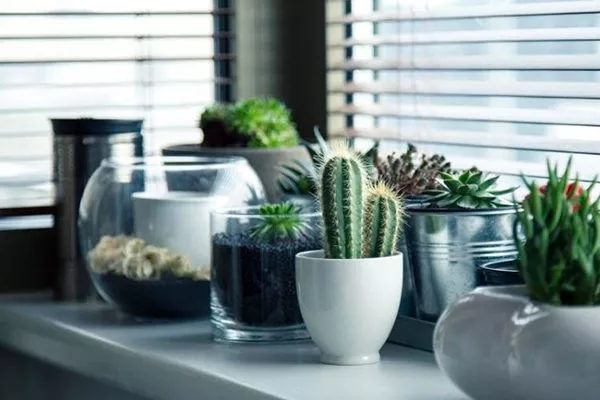
Choosing a pot
The choice of pot for cacti should be appropriate to the size of the plant. Cacti with deep root systems require narrow but tall pots, while varieties that produce many offspring are best suited to wider pots.
Priming
You can purchase ready-made soil specifically designed for succulents, or make your own. Use leaf mold, river sand, charcoal, and a little peat. The key is to ensure the mixture is loose and slightly acidic.
Avoid adding clay, as it can cause the soil to become compacted when wet, restricting air flow to the roots, and to crack when dry, damaging the root system.
Replanting a cactus
Caring for indoor cacti includes annual repotting for young plants, while mature specimens can remain in the same soil for up to three years. When repotting, use tweezers or thick gloves to remove the cactus from the pot.
Stop watering the soil five days before repotting. Avoid repotting flowering plants or those that have already begun to form buds. Read more about repotting cacti. Here.
How to water?
In the summer, caring for the cactus includes providing fresh air and regular wateringDespite their drought tolerance, plants require adequate moisture in hot weather, especially young specimens.
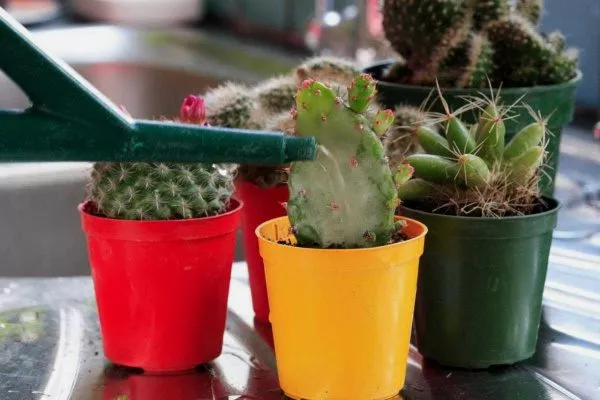
Helpful tips:
- For small cacti in small pots, moderate watering every morning on hot days is advisable. Misting is also acceptable.
- During the winter, do not allow the soil to dry out completely, but reduce and moderate watering of the cacti.
- Young plants should be watered once a month, while mature specimens should be watered no more than twice during the entire dormant period.
Top dressing
Cacti require fertilizer during the active growth period. Apply fertilizer in the spring, after the plants emerge from dormancy.
As soon as sunny and warm weather arrives, add fertilizer to the soil along with regular watering. For this purpose, use a ready-made fertilizer complex for succulents, adding it to the soil once a week from March to October during watering. Flowering cacti do not require additional feeding.
Trimming
Cactus pruning may be necessary to shorten the stem, remove damaged areas, or achieve a balanced plant shape. Step-by-step instructions for pruning a cactus:
- The best time for pruning is spring or early summer, when cacti are actively growing. Pruning during the dormant period can slow healing.
- Determine the point on the stem where you plan to prune. Stop before side shoots begin to grow or flowers appear.
- Carefully trim the stem at the chosen point. Make the cut at an angle to reduce the cross-sectional area and reduce the risk of moisture ingress.
- Treat cut areas with charcoal or a special antiseptic to prevent infection and decay.
- Allow the cut areas to dry for a few days to allow them to heal and dry out.
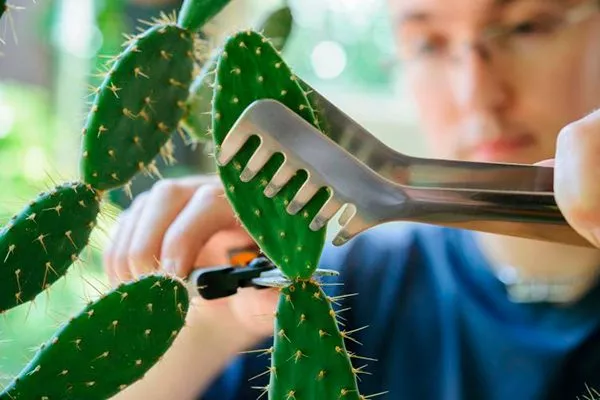
Monitor the pruned plant closely. If the cut areas show signs of infection or rot, treat them with an antiseptic.
Methods of reproduction
Cacti propagate through seeds or cuttings. With a convenient method, you can easily increase the number of plants.
Growing from seeds
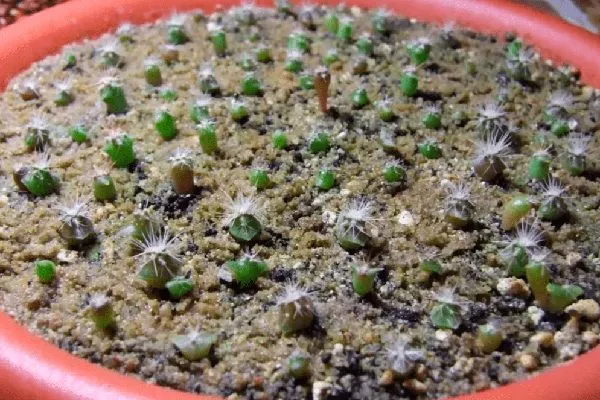
Propagating cacti by seed is a labor-intensive process that requires skill and attention. This method is most often used when the goal is to grow new varieties, but seedlings often encounter problems such as root loss, drying out, and rotting.
Seeds can be large or as fine as dust. To improve germination, they can be pre-soaked in stimulants or sown dry.
Sowing and growing process:
- Sow the seeds on the surface of the soil in shallow furrows (no more than 1 cm deep) at a distance of about 1 cm from each other.
- Place drainage material at the bottom of the container, then compact the soil so that it does not settle when watering.
- Cover the container with a lid or glass and place it in a warm place with a temperature of 28 to 33°C during the day and 22 to 25°C at night. A greenhouse or artificial lighting may be used.
- Water by submerging the container in warm water. Once the soil has absorbed the moisture through the drainage holes, return the container to its original location.
- The time it takes for seeds to germinate depends on the species: from a couple of days to several months.
- Until the first picking is done, maintain a constant temperature and humidity.
Replant young cacti one month after the seedlings appear, then transplant them every two months throughout the year.
Reproduction by babies
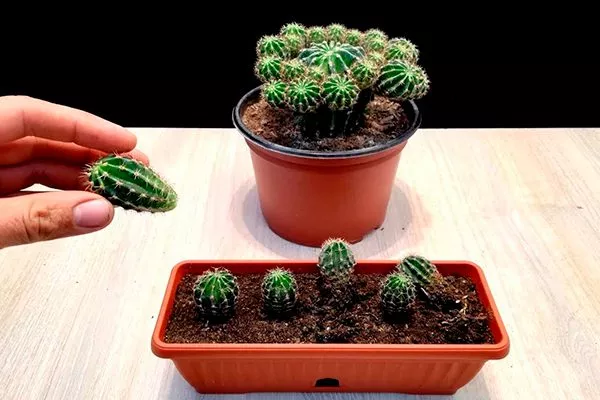
The easiest way to propagate a cactus is by using cuttings, especially if they already have roots, but forming cuttings on mature plants can take time. Once the cuttings have grown, dividing and replanting becomes easier and quicker.
Method of propagating cacti by babies:
- If the offspring has roots and is attached to the mother plant by a thin ligament, gently pinch it off or twist it clockwise to separate it. If the connection is fleshy and tight, it's best to use a sharp knife or scissors.
- Leave the cut for a few days to dry. Then treat it with charcoal or brilliant green.
- Plant the baby in a loose mixture of sand, leaf mold and gravel, or use special soil for cacti.
- When planting, do not bury the root collar; leave only the roots in the soil. You can use pebbles or expanded clay to support the seedling.
After repotting, care for the baby cacti the same way as adult cacti. First, place the pot on a moderately shaded window for a week, then move it to its permanent location.
Possible problems
When growing indoor cacti, gardeners may encounter certain problems. To avoid them, it's important to know the right methods.
- lack of light;
- parasites and diseases;
- lack of moisture;
- problems with roots;
- over-watering;
- aging;
- change in temperature;
- lack of nutrients.
To determine the exact cause of yellowing in a particular case, it's important to evaluate the growing conditions, watering, lighting, drainage, and root condition. Once the source of the problem is identified, eliminate it.
- poor drainage;
- low temperature;
- fertilizing or watering during the cold period;
- over-watering;
- mechanical damage;
- fungal infections.
To prevent rot, ensure good drainage, properly manage watering and fertilizing, provide good ventilation, and avoid mechanical damage. Take action at the first sign of rot, such as soft, dark spots on the stem or roots.
- diseases and pests;
- lack of light;
- stress or transplant;
- over-watering;
- unsuitable pot or soil;
- lack of moisture;
- stress or transplant;
- poor drainage.
To speed up cactus growth, provide it with optimal conditions: proper lighting, regular and balanced watering, the right temperature, and a suitable pot with good drainage. If the cactus still isn't growing, check the condition of the roots, soil, and other factors.
Pests and their control
Cacti face a variety of pests, including nematodes, mealybugs, root bugs, and mites, which can cause damage.
Let's take a closer look:
- Mealybug. It leaves a fluffy secretion on the plant, making it difficult to detect on hairy cacti. Removal of the pest is possible by rinsing with running water or by hand picking with a cotton swab dipped in alcohol.
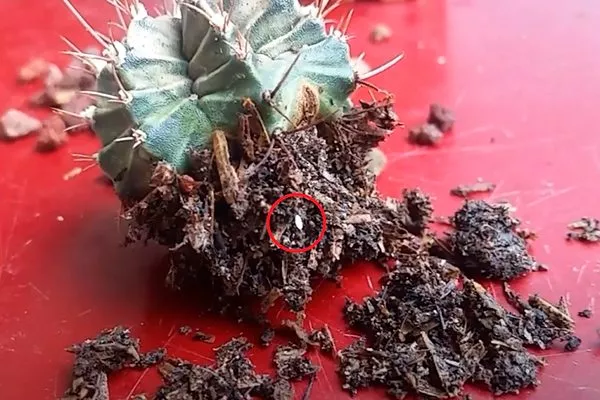
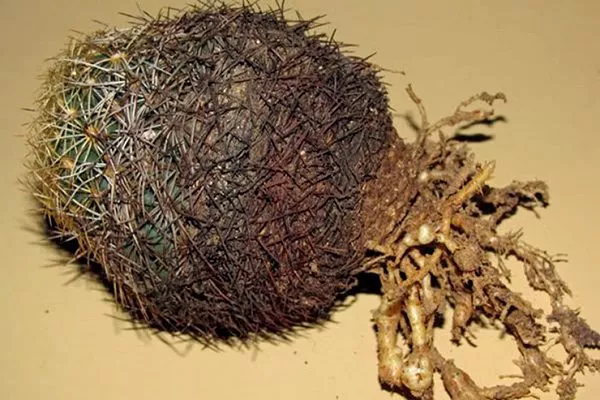
- Root mealybug. It infests the roots and can cause rot. Echinopsis are the first to be affected. The pest can be identified by removing the cactus from its pot—blue, cottony clumps will be visible near the root zone. Control of this pest involves washing the roots with soapy water and treating them with chemicals.
- Nematode. It causes root thickening and can migrate between plants, making it difficult to detect. Control involves re-rooting the upper portion of the cactus and removing the roots and soil.
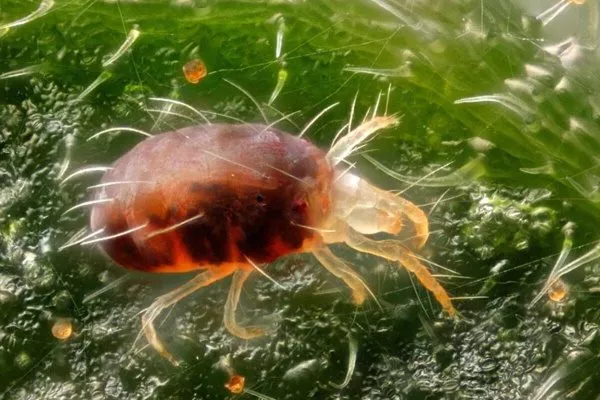
- Red and spider mites. They prefer warm, low-quality conditions. They feed on cacti juices, which can cause brown spots on the trunks. Mammillaria, Rebutia, and Chamaecereus are particularly frequently affected. Control of these pests requires the use of chemicals.
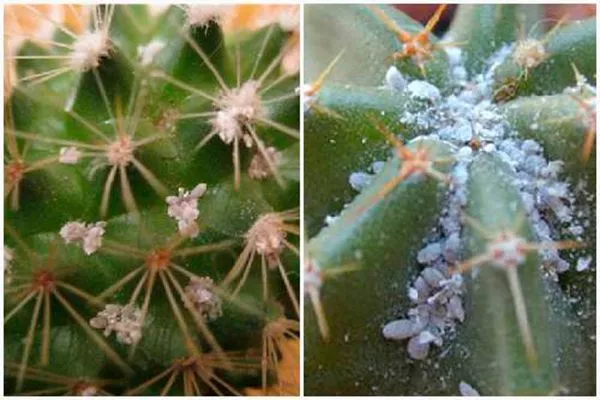
- ✓ Mealybugs leave a fluffy secretion that is especially difficult to detect on hairy cacti.
- ✓ Root mealybugs appear as blue cottony lumps in the root zone when the cactus is removed from the pot.
Diseases and their treatment
Cacti, like any plant, can develop various diseases. Some of the most common diseases and their treatment options include:
- Late blight. This fungal disease attacks the root system, softening the tissue and causing yellowing and shriveling of the plant. Prevention involves maintaining dry conditions and ensuring good ventilation. If affected, remove the affected areas and treat with fungicides.
- Helminthosporium. This is a rot that causes young plants to become twisted and dry out. Remove affected plants and treat the soil with fungicides.
Rhizoctonia. A fungal soft rot that causes stems to become soft and dark. To prevent this, avoid high humidity and remove affected plants. - FusariumAnother fungal disease that causes yellowing and wilting of the plant. Removing the affected parts and treating with fungicides helps control it.
- Viruses. Cacti are sometimes infected by viruses, which manifest as various spots and deformations on the stems. Treatment is difficult, but sometimes medicinal plant growth products can be tried.
To combat diseases, avoid overwatering, provide good ventilation, use healthy soil, check plants regularly for signs of disease, and apply fungicide treatments when necessary.
Signs associated with cacti
There are several superstitions associated with cacti growing at home. Here are a few:
- Some believe that having cacti in the house helps attract good luck and protects against negative energy.
- There is a belief that placing cacti in certain places in the house can attract financial benefits and prosperity.
- A blooming cactus is considered a good sign, foreshadowing joyful events and success in the near future.
- According to some beliefs, giving cacti as a gift is a bad omen, as they can symbolize discord and quarrels.
Caring for indoor cacti is a fascinating and rewarding art, requiring attention to detail and an understanding of the unique needs of these plants. From choosing the right soil and pot to ensuring optimal lighting and humidity, understanding the basics of care will help keep your cacti healthy and beautiful for years to come.