
Miniature dwarf cacti are amazing plants, perfect for decorating interiors and creating a cozy atmosphere in any space. Their compact size and numerous configurations make them attractive to both novice gardeners and experienced collectors. However, successful cultivation depends on proper planting and care.
Choosing the Right Varieties of Miniature Cacti
The variety of shapes, sizes, and features of each type allows you to find the perfect piece to suit any taste. You can create a unique collection that will delight and be hassle-free.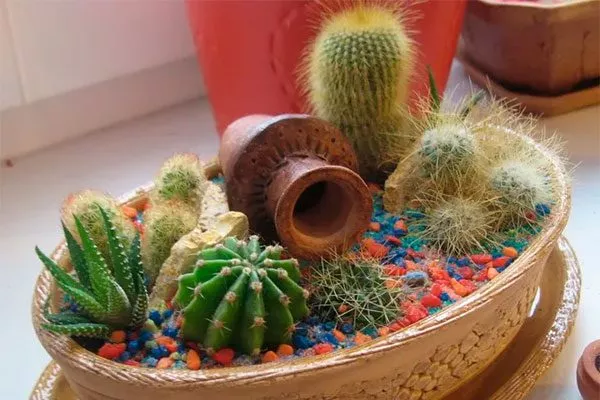
Description of popular miniature species
There are many varieties of small cacti. Below is an overview of popular species with brief descriptions.
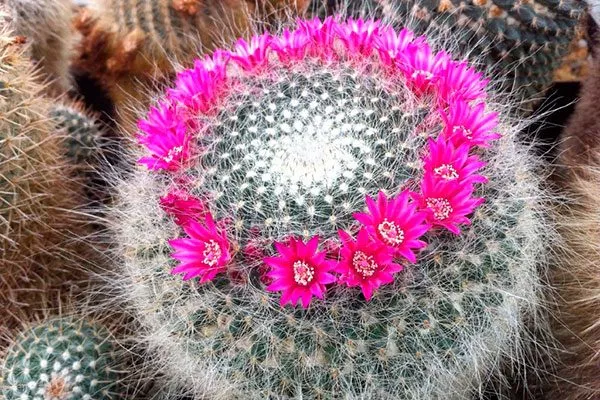
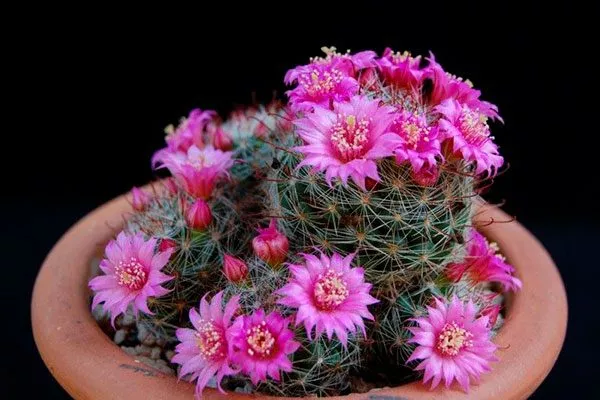
Mammillaria
Members of this family are very popular among cactus enthusiasts. Mammillarias are distinguished by their compact size and a variety of shapes and spines.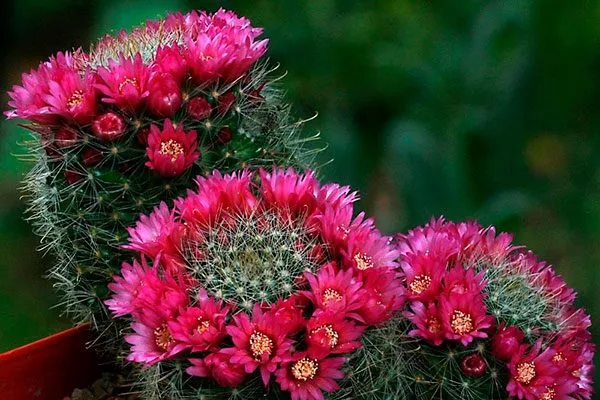
Types:
- Snow white (Candida). A small cactus that forms dense clumps. The stem is bright green, densely covered with white (sometimes slightly pinkish) needles, creating a striking contrast. It blooms in spring, and the flowers range in color from plum to pink.

- Bocasana. It grows in bushes and has a rounded, green-blue stem with short, thick spines. The flowers are small, white or yellow.
- Ghana (Hahniana). A single, spherical stem covered in soft white hairs. The flowers are bright red and clustered at the top.
- Zeilmanniana. The variety is similar to Ghana, but forms large groups of stems, branches actively and blooms profusely.
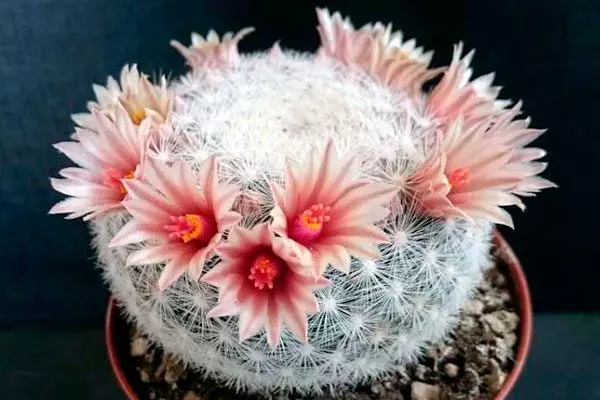
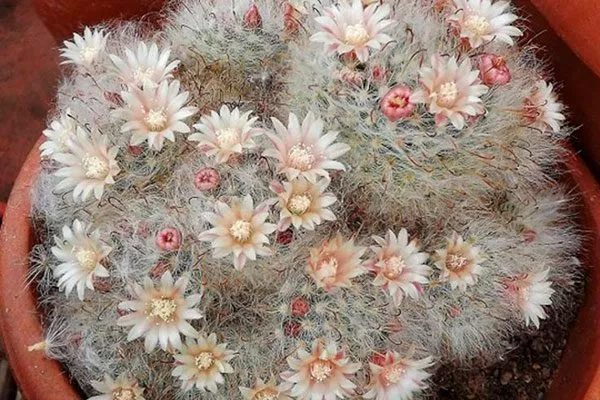
Gymnocalycium
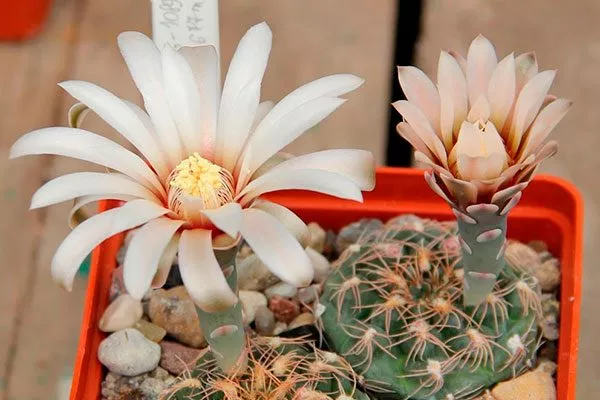
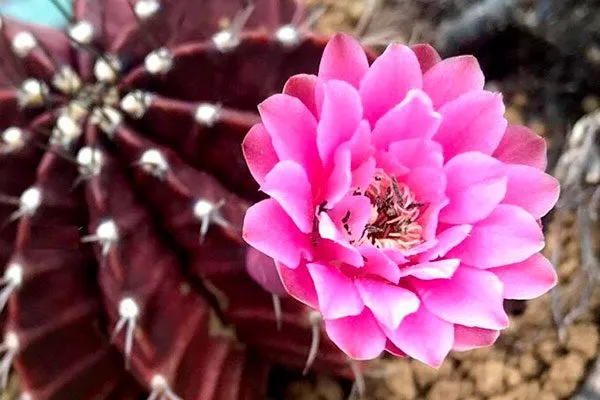
These cacti are perfect for growing on windowsills and narrow shelves. They are native to South America, and there are about 150 species. They prefer filtered light, as direct sunlight can damage the stems.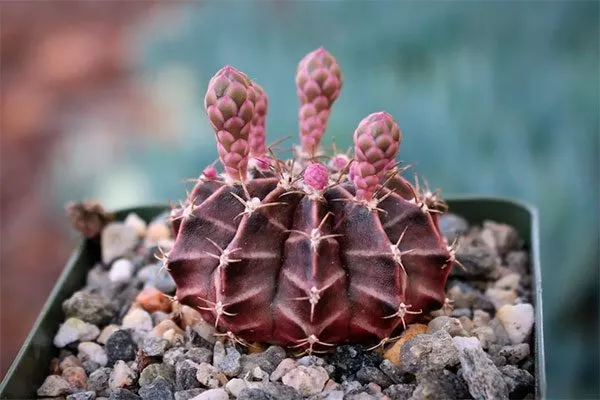
Types of Gymnocalycium:
- Humpbacked (Gibbosum). A large, spherical stem with ribs, colored green with a bluish tint. The flowers are creamy.
- Small-flowered (Leptanthum). A miniature cactus up to 5 cm in diameter, with spines pressed against the stem. The flowers are large, white, often as long as the stem itself.
- Mihanovich (Mihanovichii). A low-growing, gray-green cactus with irregular ribs. Hardy and undemanding, it prefers sunlight and moderate heat.
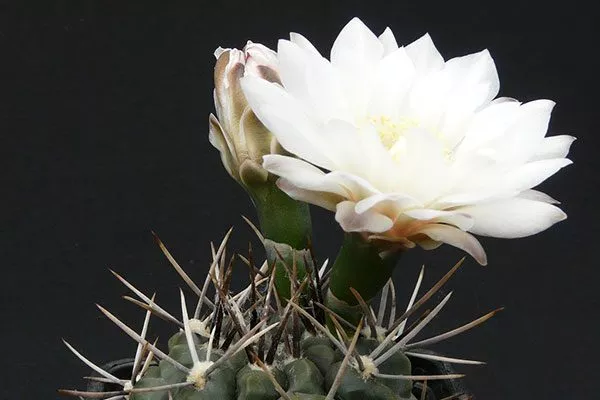
Astrophytum
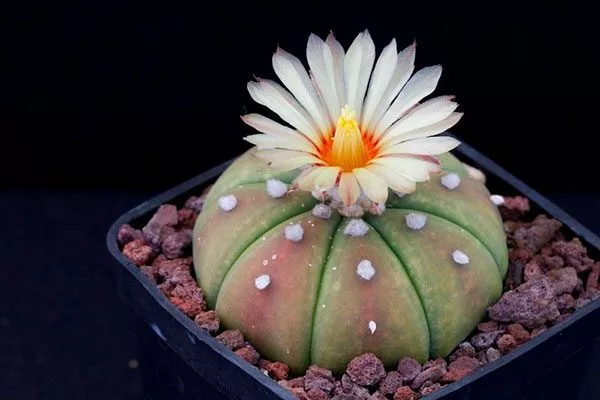
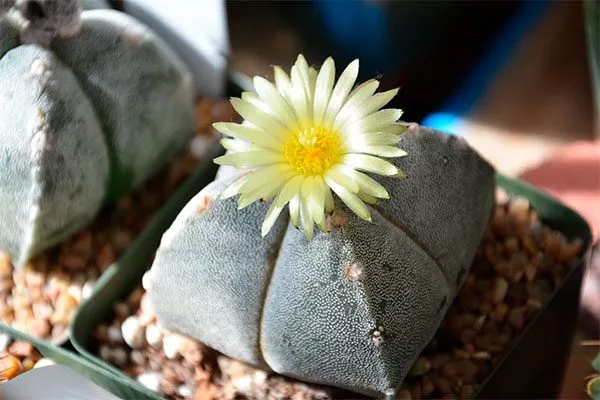
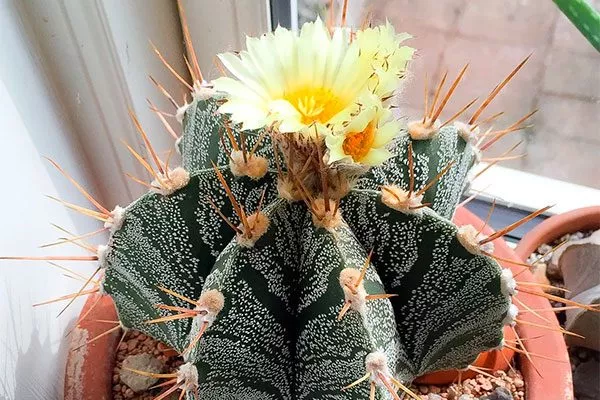
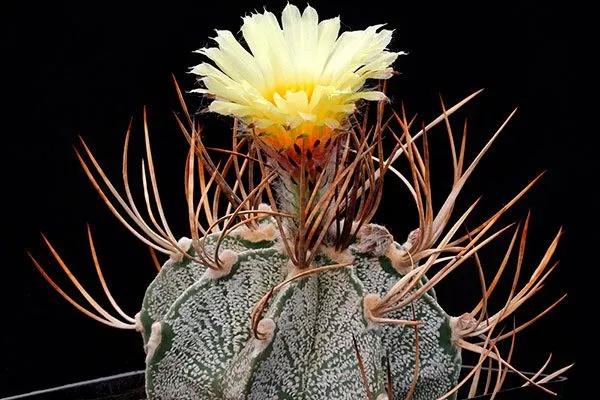
Compact, spherical or cylindrical cacti prized for their long flowering period and decorative flowers. A distinctive feature is the presence of small tufts of light-colored hairs that help collect moisture.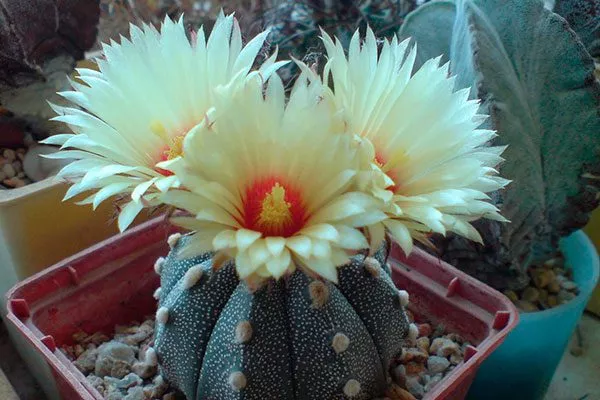
Types of Astrophytum:
- Starry (Asterias) - spineless, found in the wild in Texas and northern Mexico;
- Myriostigma - It also has no thorns, can grow up to 1 m, flowers are yellow;
- Decorated (Ornatum) - similar to the previous species, but the stem is densely covered with thick thorns;
- Capricorn - An inhabitant of the northern regions of Mexico, it is distinguished by its long, twisted spines.
Rebutia
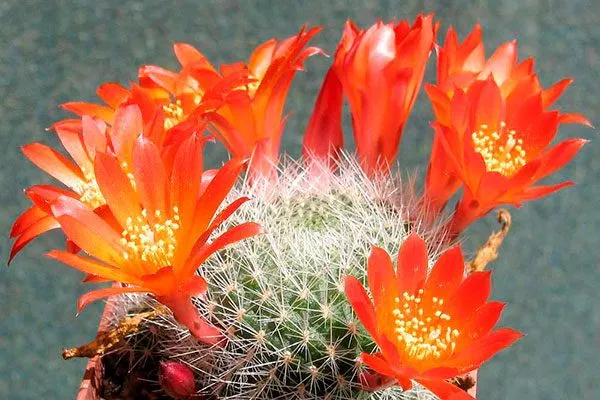
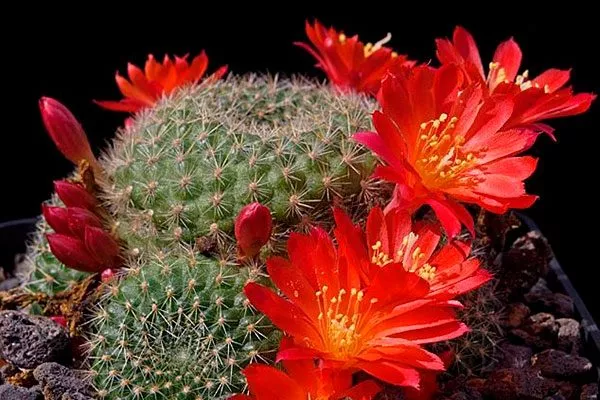
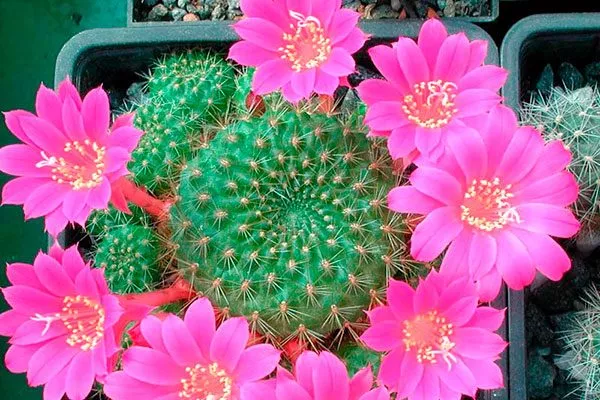
These miniature cacti are native to South America. They have a slightly flattened, spherical stem with tubercles arranged in a spiral. They usually bloom in their second year, with the flowers appearing at the base of the stem and can come in a wide range of shades—from orange and red to yellow and purple.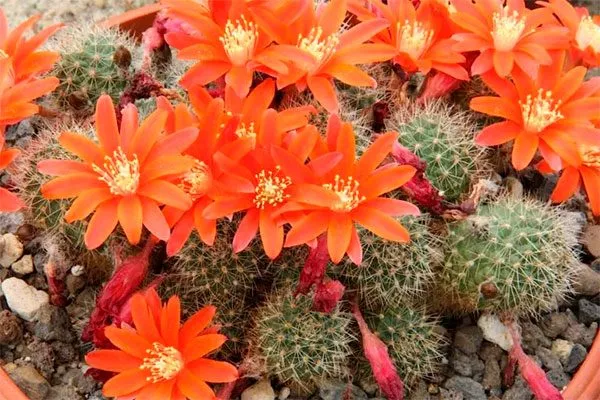
Types of rebutia:
- Senile (Senilis) - thick stem, densely covered with small light thorns, red flowers;
- Tiny (Minuscula) - smaller in size, but with larger flowers;
- Violaciflora - Rarely grown at home, it is distinguished by its large purple flowers.
Differences in the requirements of different species for growing conditions
Although all cacti belong to the same family and are generally drought-tolerant, their growing conditions can vary significantly. This is due to the natural habitats of the different species.
Suitable conditions:
- Illumination. Sun-loving species (such as Astrophytums and Mammillarias) prefer bright, indirect light and tolerate direct sunlight well with gradual acclimation. Shade-tolerant varieties (some Gymnocalyciums) require light shade, especially on hot summer days, to avoid sunburn.
- Temperature. Heat-loving plants (Mammillaria, Rebutia) thrive at 22 to 28°C and do not tolerate sudden temperature drops. Cold-tolerant plants (certain Astrophytums and Gymnocalyciums) can tolerate short-term cold snaps down to 5 to 8°C, which is important during the winter dormancy period.
- Humidity and watering. Species with fine roots (Gymnocalyciums, Rebutias) are more sensitive to overwatering and therefore require infrequent watering and good drainage. Cacti with robust root systems (Astrophytums) can retain more moisture, so they can be watered slightly more generously, but still avoid waterlogging.
- Rest period. Rebutias and Astrophytums require significant winter dormancy—they should be kept cool (8…12°C) and receive little to no water. Mammillarias and Gymnocalyciums are less demanding—they can overwinter at room temperature, but require less watering.
Criteria for selecting seeds or ready-made seedlings
Selecting planting material is one of the key steps in successfully growing cacti. The quality of the seeds or seedlings directly affects the survival rate, health, and future decorative value of the plants.
Helpful tips:
- Give preference to seeds from trusted suppliers or specialized nurseries that guarantee varietal purity.
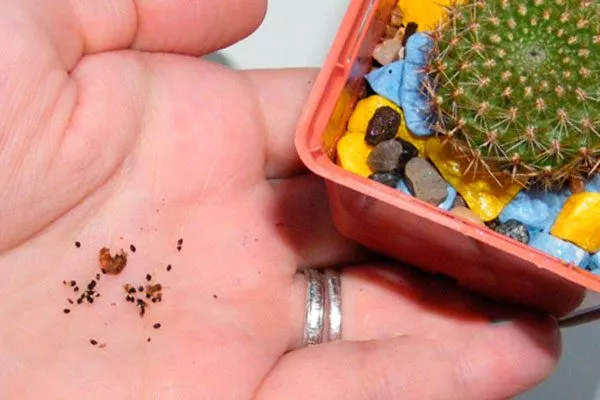
- The seeds remain viable for 4-6 years, but it is best to use fresh ones (up to 2 years from the date of collection).
- The seeds must be dry, without traces of mold, mechanical damage or adhering soil.
When choosing a seedling, pay attention to the following criteria:
- stem condition – dense, elastic, without soft areas, cracks or signs of rot;
- color - rich and uniform, without yellow or brown spots (except for the natural coloring characteristics of the species);
- spines and areoles – whole, do not break off at the slightest touch;
- root system – the roots are dry, without any unpleasant odor, rot or insects.
Preparing materials and equipment for planting
It's important to prepare everything you need for growing a crop in advance. Properly selected soil, high-quality drainage, a suitable pot, and convenient tools will not only make the process more comfortable but also provide the plant with optimal growing conditions.
What kind of soil is best?
The plant requires a loose, permeable substrate with a low organic content. The best option is specially prepared mixes for cacti and succulents, available at flower shops. They have the right balance of nutrients and structure.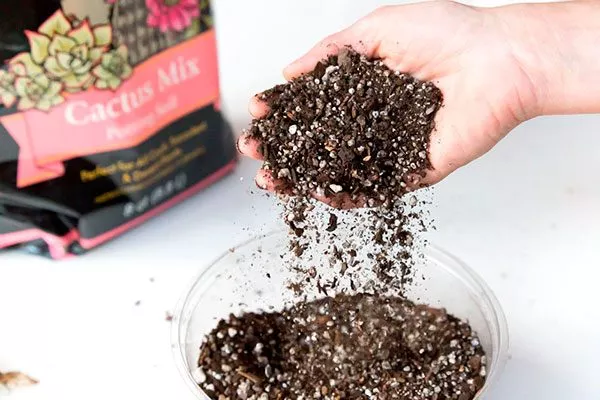
For self-preparation use:
- 40-50% turf or leaf soil – the basis of the nutrient part of the soil;
- 30-40% coarse sand or fine gravel – to improve drainage and air exchange;
- 10-20% disintegrating agents (perlite, vermiculite, brick chips, fine expanded clay) – to prevent soil compaction.
Drainage and container selection
Drainage prevents water stagnation at the roots and the development of rotting processes. Expanded clay, pebbles, broken brick, or ceramic shards are suitable as a drainage layer. The layer thickness should be 1-3 cm, depending on the depth of the pot.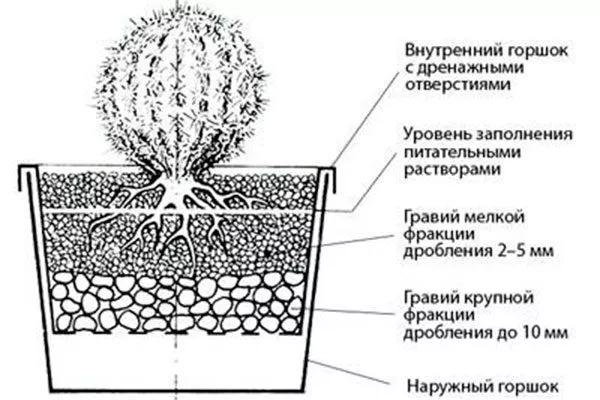
Selecting a pot:
- It should be 1-2 cm wider than the diameter of the plant and not too deep (most cacti have superficial roots).
- Clay and ceramic containers allow air to pass through better but dry out the soil faster, while plastic containers retain moisture longer and are lighter in weight.
- Wide and shallow pots are suitable for spherical and columnar species, while deeper ones are suitable for plants with long roots.
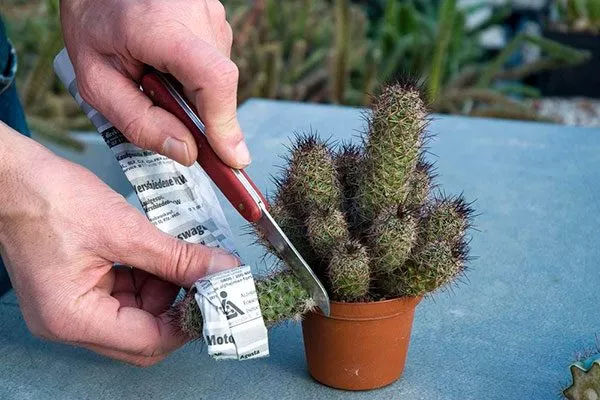
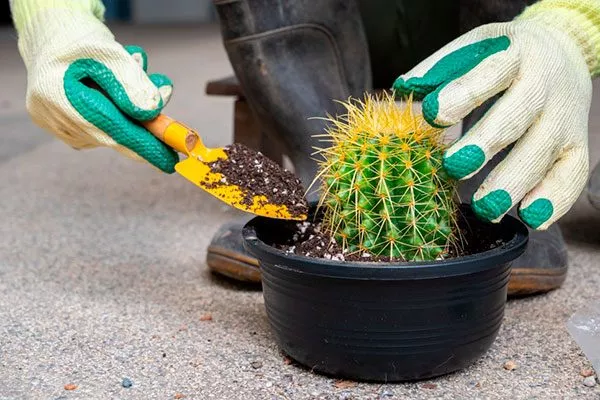
Tools for safely handling thorny plants
Working with cacti requires care to avoid damaging the plant and avoid injury. It's helpful to have:
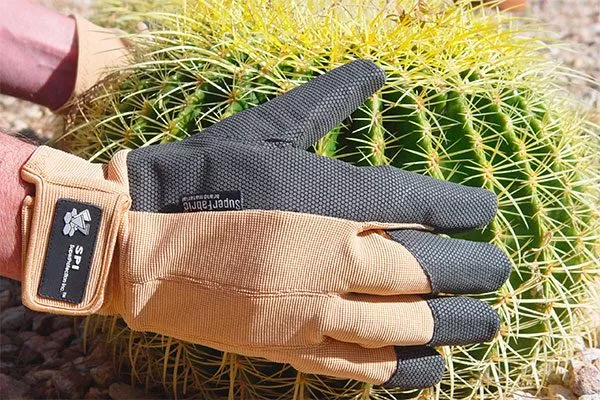
- thick gloves (garden or leather) to protect hands from thorns;
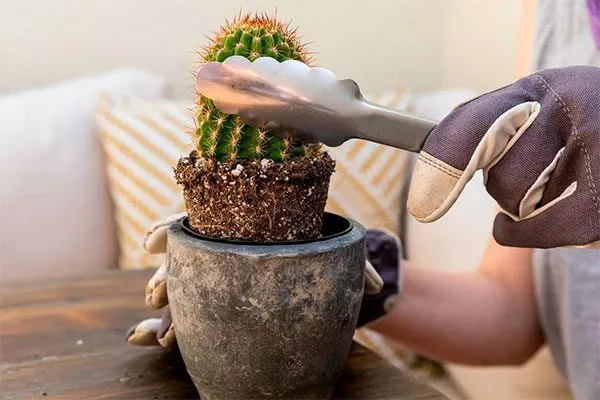
- tweezers or forceps for carefully holding small specimens;
- folding knife or sharp pruning shears for cutting off damaged roots and shoots;
- a small spatula or spoon for carefully adding and compacting soil in the pot.
The process of planting mini cacti
Even such undemanding plants need the right start to establish strong roots and enjoy healthy growth. By following these step-by-step recommendations, you can provide your young cacti with comfortable conditions from the very first day.
A step-by-step guide to planting seedlings or seeds
Place a 1-2 cm drainage layer of expanded clay, pebbles, or small stones at the bottom of the chosen pot or container. This will protect the roots from waterlogging.
Use a special cactus soil or a prepared mixture with a high sand and loosening agent content. The soil should be dry and loose.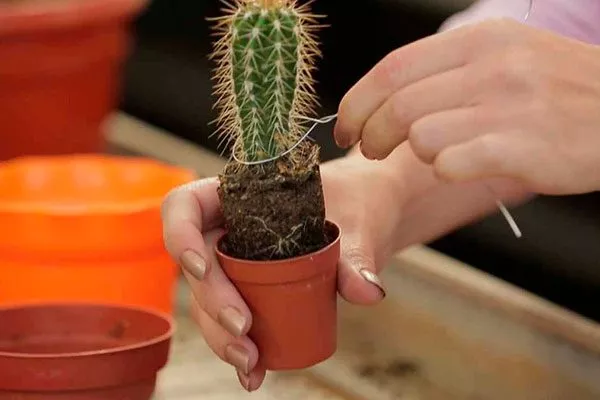
Next, follow these steps:
- Carefully remove the seedling from the temporary container, being careful not to damage the roots.
- If the roots are too long or damaged, shorten them with a sterile knife.
- Place the plant in the center of the pot, spreading out the roots, and carefully sprinkle with soil, lightly compacting the substrate.
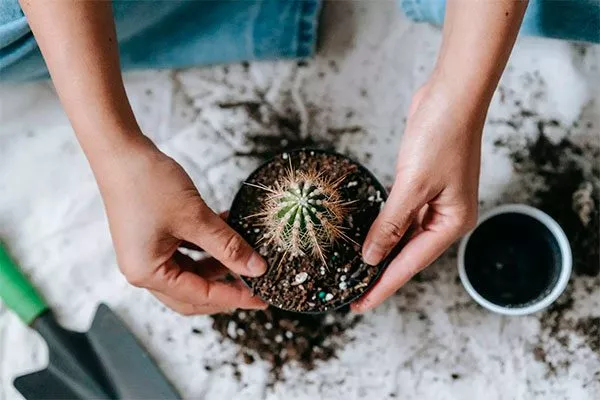
Sowing seeds:
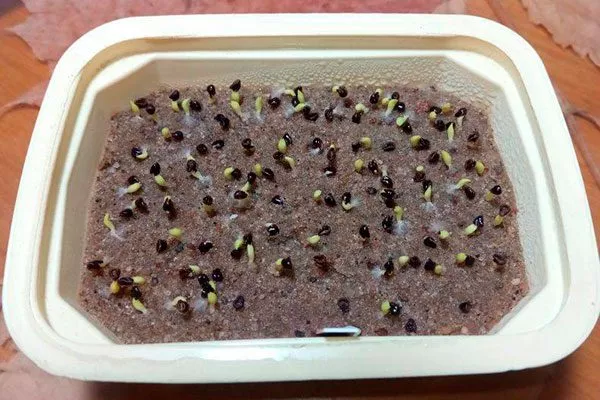
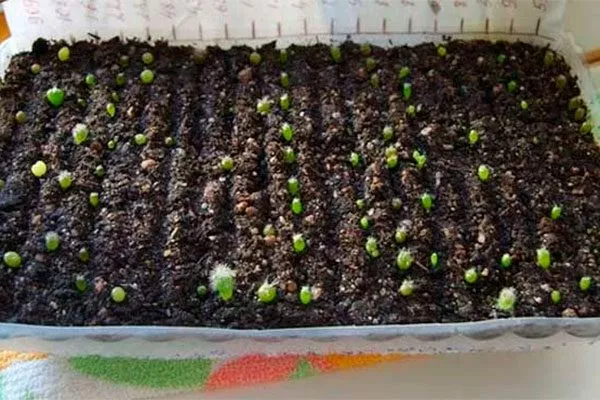
- Spread the seeds evenly over the surface of slightly moistened soil. Don't cover them with a thick layer of soil—a sprinkling of sand or fine vermiculite is sufficient.
- Cover the container with a transparent lid or film to create a greenhouse effect.
Tips for the correct placement of planted plants
Mini cacti shouldn't be planted too close together, otherwise they will become crowded as they grow and ventilation will be impaired. The optimal distance between plants is 2-3 cm.
When placing several cacti in a single container, consider their future size and shape to ensure a harmonious arrangement. Pots with new plantings are best placed in a bright location protected from direct sunlight.
How to care for the plant?
Don't water the seedlings immediately, but wait 3-5 days after planting to allow the root tips to dry and prevent rot. When sowing seeds, lightly mist the soil with a spray bottle.
Helpful tips:
- Use only warm, settled water, watering very moderately and strictly at the roots.
- The air temperature in the first days should be stable, without sharp fluctuations – optimally +20…+24°C.
- For seedlings in a greenhouse, it is important to ventilate the container daily to prevent mold from developing.
- Protect plants from direct sunlight for the first 2-3 weeks, gradually acclimating them to bright light.
Optimal conditions for growing miniature cacti
Miniature cacti, despite their hardiness, require special care. Proper care will ensure their decorative appearance and regular flowering.
Lighting
Light plays a key role in the life of cacti, influencing their growth, flowering, and overall health. Most species prefer bright light, and not only the quantity but also the quality of light is important.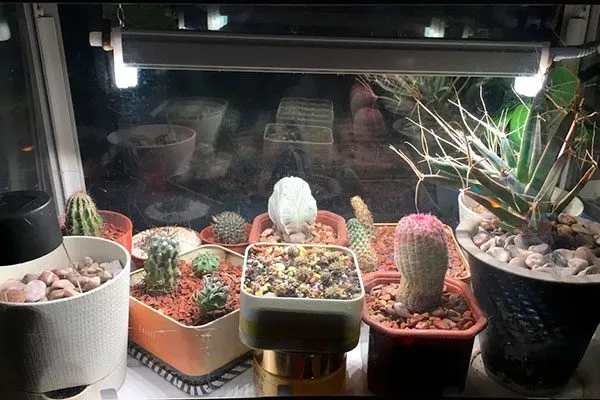
Key Features:
- Cacti require at least 4-6 hours of direct or diffused sunlight per day, and the optimal daylight hours during the active growth period are 12-14 hours.
- South- and southeast-facing windowsills are the best choice for most species. However, in spring and summer, especially at midday, some cacti (such as gymnocalyciums) require light shade to avoid sunburn.
- In winter, daylight hours are shorter, so plants should be provided with maximum available sunlight.
- If natural light is insufficient, grow lights or full-spectrum LED lamps can be used. They compensate for the lack of light and help maintain the plant's normal growth cycle.
Watering
During the active growth period (spring-summer), water cacti approximately once every 7-10 days, until the soil is completely dry. The amount of water should be sufficient to lightly moisten the entire root ball, but not to allow water to stagnate in the tray.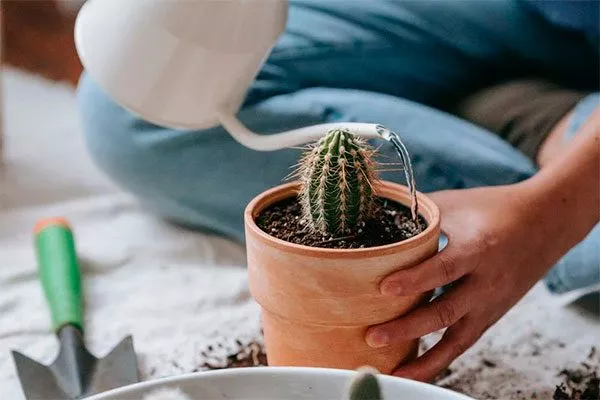
In winter, most species go into a dormant state - reduce watering to once every 3-4 weeks, and in cool conditions (below +15°C) some cacti can go without watering at all until spring.
Helpful tips:
- the stem becomes slightly soft and loses elasticity - a sign that it is time to water;
- the plant's color fades, light wrinkles appear on the surface - a signal of a lack of moisture;
- The stem remains dense and bright, and the soil is dry – you can wait with watering.
Overwatering doesn't immediately show signs of damage, but over time it can cause root rot, so it's better to slightly underwater than overwater. Always water with warm, settled water, directing the stream toward the roots and avoiding the stems and especially the growing tips.
Temperature and humidity
The right microclimate is one of the key factors ensuring the health and longevity of miniature cacti. These plants are adapted to sudden changes in natural conditions, but they require a certain level of stability in a home environment.
Important points:
- In spring and summer, the optimal temperature for most cacti ranges from 20°C to 28°C during the day and no lower than 15°C at night. Short-term increases to 35°C are acceptable, but only with good lighting and ventilation.
- In autumn, the temperature is gradually reduced, and in winter, during the dormant period, many species benefit from being kept cool – around +10…+15°C, which promotes the formation of flower buds.
- It is best to avoid sharp temperature changes, but a slight difference between day and night temperatures has a positive effect on plant development.
- Cacti tolerate dry air well, especially in heated apartments in winter, and don't require additional misting. The optimal humidity for them is 30-50%. However, excessively dry air combined with high temperatures can slow growth and promote spider mite infestation.
Fertilizers and dressings
Despite their modest needs, cacti require nutrients to maintain vigorous growth, develop strong stems, and bloom profusely. Proper fertilizing allows the plant to thrive and be less susceptible to disease.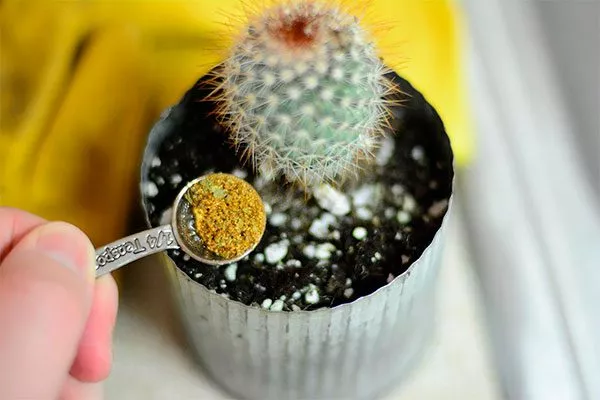
Optimal fertilizers for cacti should contain less nitrogen and more phosphorus and potassium:
- nitrogen – stimulates the growth of green mass, but its excess leads to loosening of tissues and increased susceptibility to rot;
- phosphorus – strengthens the root system, and potassium improves flowering and increases resistance to stress.
For replenishment use:
- Mineral fertilizers – special liquid complexes for cacti and succulents (for example, marked low nitrogen), potassium monophosphate, potassium sulfate.
- Organic fertilizers – weak infusion of wood ash (source of potassium and microelements), extract from vermicompost.
- Combined options – substances with the addition of humates, which simultaneously nourish and enhance the plant's immunity.
Pest and disease control
Cacti can be susceptible to various diseases and pests. It's important to recognize problems early and take corrective action to maintain the plant's health.
Main difficulties:
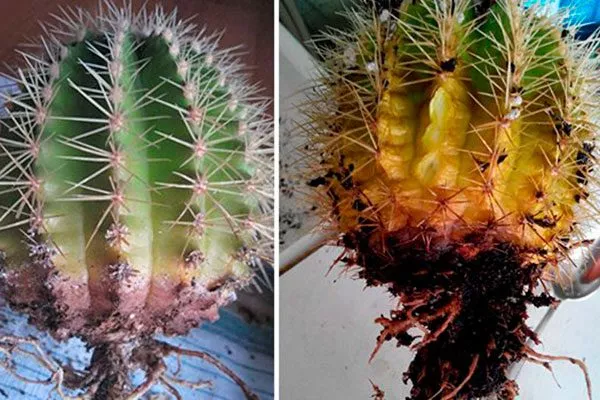
- Root rot. Occurs with overwatering and stagnant water. The roots become soft and black, and the stems may turn yellow and rot. Replant the plant in fresh, dry soil, removing the affected roots. Reduce watering and treat with fungicides such as Fundazol or Topaz.
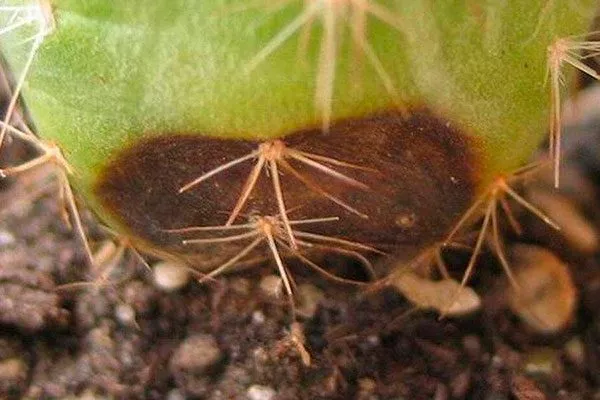
- Late blight. A fungal disease that appears as dark, waterlogged spots on the stem. Remove damaged areas, improve ventilation and reduce humidity, and use fungicides such as Previkur Energy or Acrobat MC.
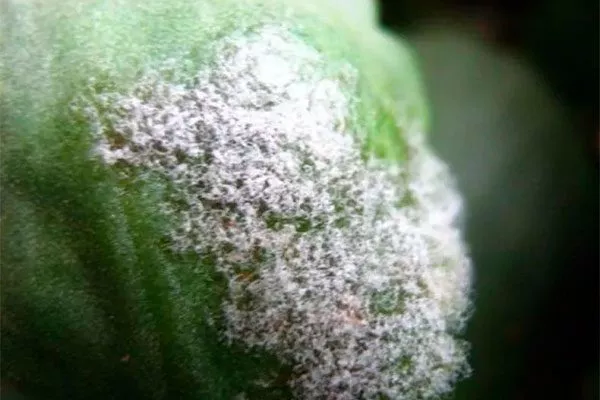
- Mold and powdery mildew. Accompanied by a white coating on the surface of the cactus. Spray the plant with sulfur-based products or fungicides, and ensure good air circulation.
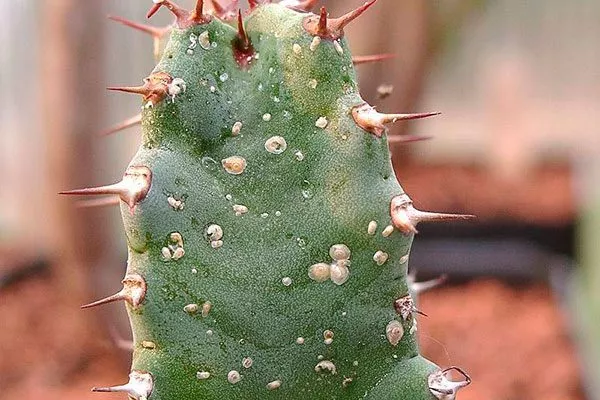
- Scale insect. Small brown or gray bumps on stems and spines; they feed on plant sap. Remove the pest mechanically using a cotton swab soaked in soapy water. Treat with insecticides such as Aktara or Actellic.
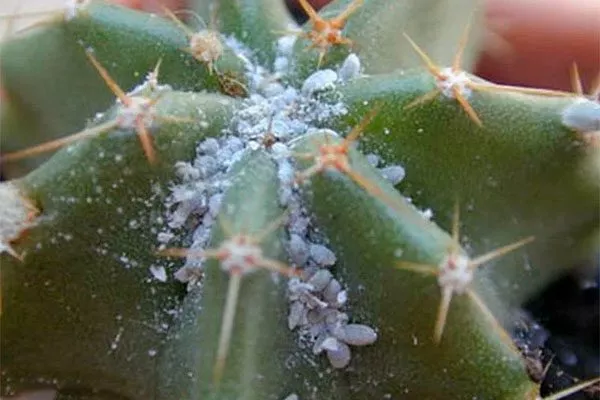
- Mealybug. You can recognize the presence of the parasite by the white, fluffy coating at the joints and bases of the spines. To combat the pest, use an alcohol solution to remove the coating, systemic medications, and insecticides.
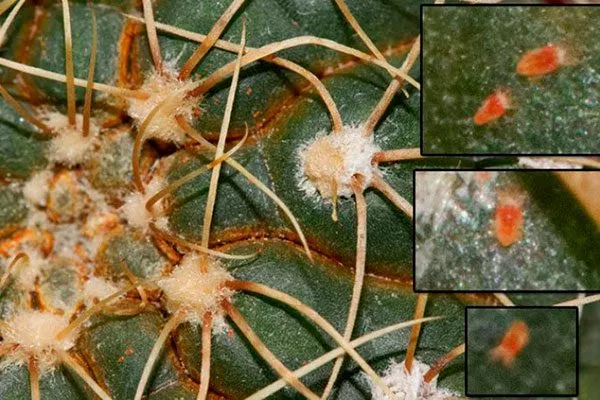
- Spider mite. Small red or brown spots and fine webbing on the plant. Regularly water the cactus to increase humidity and apply acaricides such as Neoron or Fitoverm.
Prevention includes:
- compliance with the watering regime and proper lighting;
- Regular inspection of plants for early detection of problems;
- use of sterile soil and clean instruments when replanting;
- Quarantine new plants before adding them to the collection.
Trimming
Cactus pruning should be done only when absolutely necessary, avoiding it unless absolutely necessary. Pruning is especially not recommended during the fall and winter.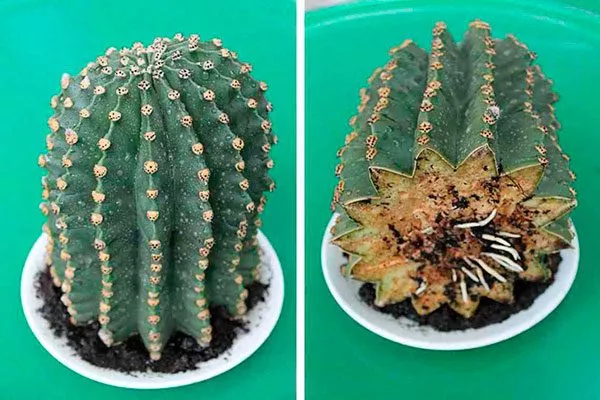
However, if a visual inspection reveals signs of plant unhealthiness (yellowing, wrinkling, rot), immediate intervention is required. Pruning for aesthetic purposes is best postponed until the plant is actively growing.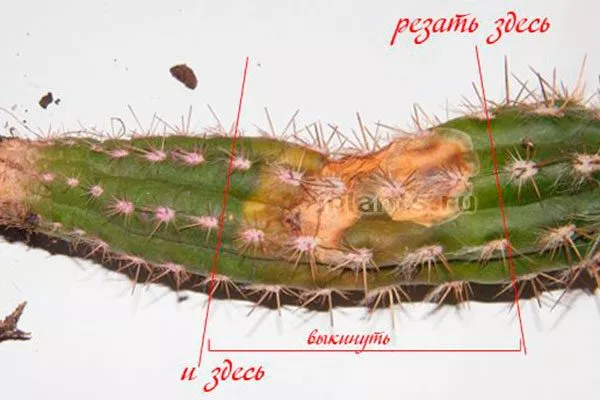
Step-by-step instructions:
- Carefully remove the cactus from the pot and lay it horizontally. If the height exceeds 15 cm, you can trim the top.
- Using a sharp, disinfected blade, cut off a shoot about 10 cm long, holding the plant by the top.
- Inspect the cutting for damage and rot, remove the affected areas.
- Shape the tip of the cutting into a pencil shape, exposing some of the pulp (without touching the cambial ring in the center).
- Sprinkle the cut area with charcoal powder.
- Place the cutting on a stand so that it does not touch the bottom and leave to dry away from direct sunlight for about 5 days.
- Place the cutting in a pot with cactus compost to a depth of about 2 cm. Do not use greenhouse conditions or plastic.
- Before roots appear, place the cutting on a light windowsill and spray it for a month.
Possible difficulties and solutions
Growing cacti may seem simple, but common problems often arise, especially for beginners. Knowing about them and how to prevent them will help keep your plants healthy and beautiful.
Common mistakes beginners make and how to avoid them
Inexperienced gardeners may overwater cacti, choose the wrong soil or pot, or fail to consider lighting requirements. To avoid problems, it's important to learn basic care rules, take your time with watering, and purchase specialized supplies.
Overwatering and waterlogging of the soil
Overwatering leads to root rot and soft, sagging stems. The key to avoiding this is to allow the soil to dry completely between waterings, use well-drained soil, and use pots with drainage holes.
Insufficient light and sunburn
Weak light causes the plant to stretch and turn pale, while excessive and sharp exposure to direct rays causes burns on the stems, which appear as dry spots and redness.
To avoid problems, place cacti in bright areas with diffused light and, if necessary, use light shading during the hottest hours.
The appearance of mold and fungal infections
High air and soil humidity, poor ventilation and over-watering create favorable conditions for the development of mold and fungi.
For prevention, it is important to ensure good drainage, maintain a watering regime, regularly ventilate the room, and use fungicides at the first signs of disease.
Transfer
Regular repotting of miniature cacti is an important part of care, helping to maintain the plants' health and renew their collection. Properly performed, this procedure promotes the development of a strong root system and prevents disease.
When is it necessary to repot miniature cacti?
Repot when the plant has outgrown its pot—the roots fill the entire container and begin to peek out from the drainage holes. Repotting is also necessary in other cases:
- when soil quality deteriorates – the soil becomes dense and stops allowing air and moisture to pass through;
- if signs of disease or rot appear – to replace the substrate with fresh one;
- to update the collection – Replanting allows you to separate new shoots or propagate a plant.
Technique for careful transplantation without damage
Prepare a new pot with drainage and suitable soil. Wear heavy gloves or use a soft cloth to avoid damaging the spines and protect your hands.
Step-by-step algorithm:
- Carefully remove the plant from the old pot, lightly tapping the sides to loosen the soil.
- Inspect the roots and remove soft, rotten areas with sterile instruments.
- Place the cactus in the new container, carefully distributing the roots. Fill with fresh soil, lightly compacting it around the roots.
- After transplanting, do not water the plant for 5-7 days to allow the roots to heal and adapt.
Forming compositions from several species in one container
Creating a composition of different types of miniature cacti is a great way to add variety and decorative flair to your interior. Properly selected plants not only combine beautifully but also coexist harmoniously, providing each other with comfortable conditions.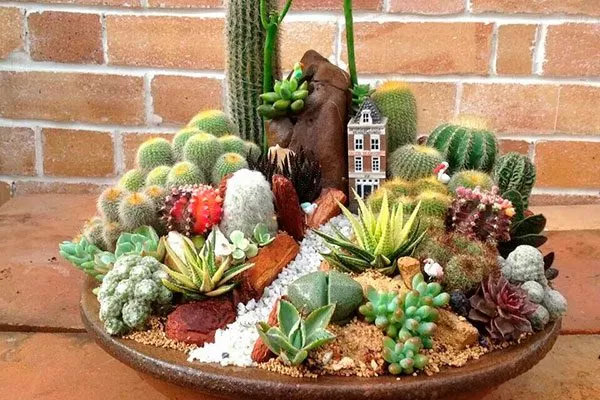
Helpful tips:
- Selection of plants. For your arrangement, choose species with similar light, watering, and temperature requirements. For example, Mammillaria and Rebutia plants thrive together, while Astrophytum plants thrive with Gymnocalycium plants. A variety of shapes, sizes, and colors will add vibrancy and interest.
- Location and fit. Place tall, spreading plants toward the center or back of the container, and short, compact ones toward the edges. Leave enough space between them (2-4 cm) to ensure good air circulation and prevent rot.
- Decorative elements. To decorate the composition, you can use small pebbles, decorative sand, stones, or bark, which will not only decorate the container but also help retain moisture in the soil.
- Caring for the composition. Water and fertilize according to the most demanding plants in the container. Regularly ventilate the container and monitor the condition of each plant to detect any potential problems early.
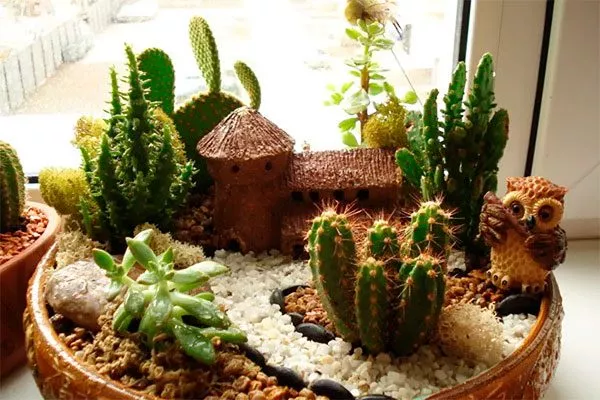
Planting and proper care of miniature dwarf cacti is the key to their health and decorative appeal. Following basic rules will create comfortable growing conditions for these unpretentious yet striking plants. With patience and attention, even a novice gardener can grow a full collection of miniature cacti.