
Miniature gardens with domestic cacti – are a stunning way to bring greenery, texture, and vibrant accents into a space, even when space is limited. They're perfect for both indoors and outdoors, allowing you to create small corners of nature that reflect your personal style and imagination.
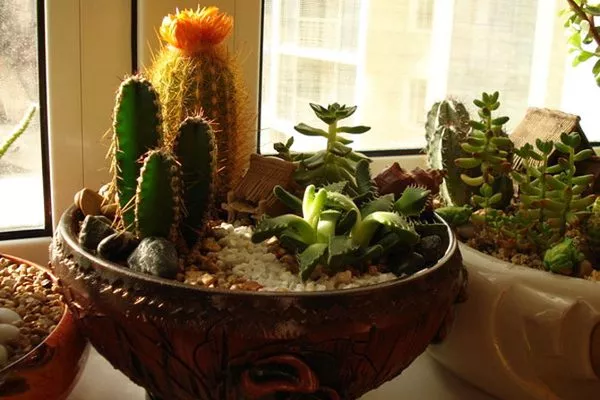
Miniature cactus gardens at home
Miniature cactus gardens allow you to create a small corner of nature that brings joy and lifts your spirits every day.
Advantages
A mini cactus garden makes a stylish accent in any interior. It has many positive qualities:
You can choose the ideal location for each plant to ensure they grow healthy and beautifully. This is especially important for cacti, which are sensitive to overwatering and lack of light.
Flaws
The main drawback of indoor miniature gardens is their size. It's difficult to accommodate a large variety of plants in a limited space, and cacti roots quickly fill a small container, limiting growth.
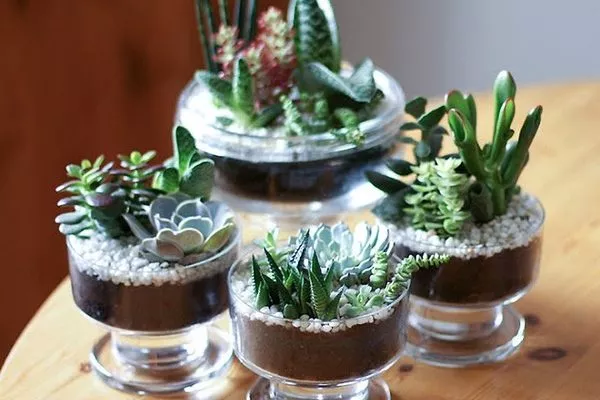
Although cacti are unpretentious, a mini garden requires attention:
- It is necessary to periodically check the condition of the plants;
- remove dried parts;
- transplant cacti into new containers;
- renew the soil.
Miniature gardens with cacti in open ground
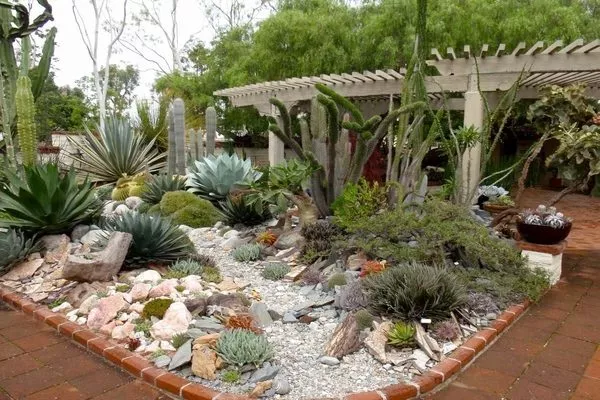
Compositions allow you to create picturesque corners right in your garden or country house. They create a sense of natural harmony and give plants more freedom to grow and develop. These gardens are ideal for those who want to combine decorative elements with a natural setting.
Advantages
Outdoor cacti have ample space to develop their root system and grow. This allows the plants to develop naturally, without the constraints of indoor containers.
Outdoor gardens have other benefits too:
Flaws
An outdoor garden is subject to the vagaries of the weather, such as:
- frosts;
- excessive precipitation;
- heat.
In the wild, cacti can be susceptible to attacks from insects, fungal infections, and other pests. Regular inspection, preventative treatment, and timely intervention are essential for maintaining a healthy miniature garden.
Practical tips for creating a miniature cactus garden
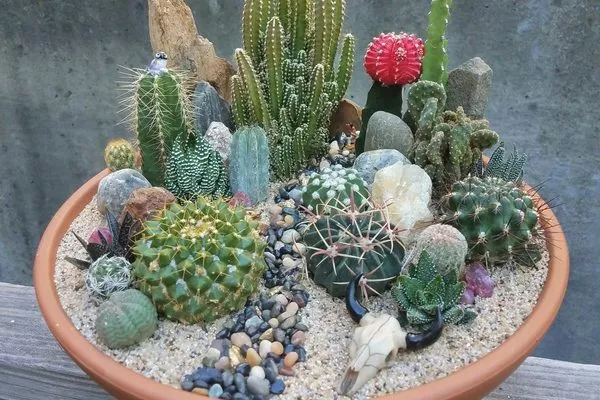
Creating a miniature cactus garden is a fun and creative process that allows you to combine your love of plants with design ideas. The arrangement will not only be a beautiful decoration for your interior or garden, but also a way to relax and watch the plants grow.
Selecting plants for a mini garden
Choosing plants for a miniature garden is a crucial step, determining not only the appearance of the composition, but also its durability and ease of care.
Which cacti and succulents are best?
Cacti and succulents are the foundation of a mini garden. They are decorative, easy to grow, and thrive in limited spaces.
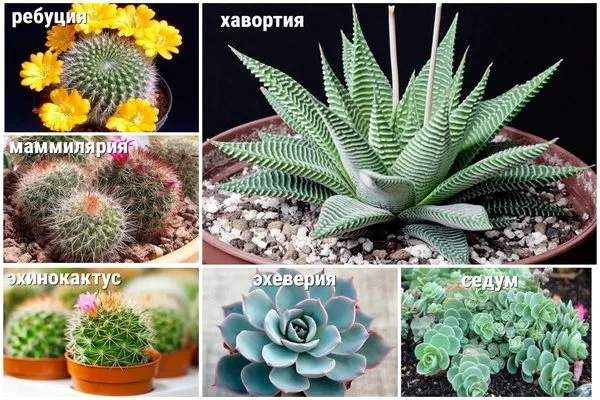
Popular options:
- Rebutia - A low-growing cactus with bright flowers, slow growing, perfect for small gardens;
- Mammillaria - a compact, spherical cactus with small needles that blooms with small, bright flowers;
- Echinocactus – large spherical cactus, resistant to heat and low humidity;
- Echeveria – rosettes with dense leaves come in different shades, creating color accents;
- Sedum – a low-growing succulent, often used as a groundcover plant, softens the composition;
- Graptopetalum – fleshy leaves of an unusual shape, gray-blue hue, add textural variety;
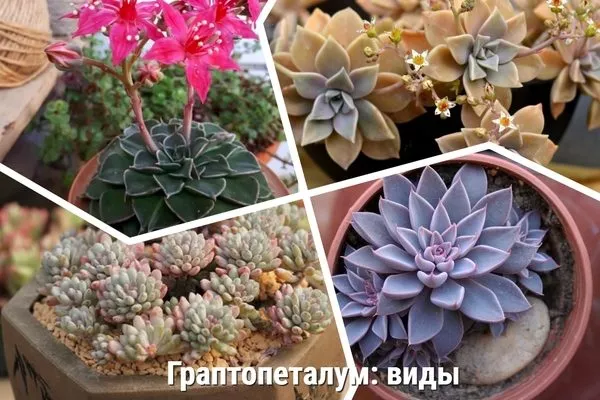
- Haworthia – A compact, slow-growing succulent with beautiful leaf patterns, ideal for a home mini garden.
The Importance of Species Compatibility
When creating a miniature garden, it's important to consider plant compatibility. Failure to follow these guidelines can lead to an imbalance: faster-growing species will overwhelm their neighbors, while different watering and lighting requirements will complicate maintenance.
Please pay attention to the following points:
- Growth rate. Combine slow-growing cacti with similar succulents to ensure the arrangement retains its shape for a long time.
- Irrigation requirements. Cacti require infrequent watering, succulents tolerate more moisture, but it is better to choose species with similar moisture requirements.
- Lighting. Plants that require bright sunlight should not be placed next to shade-tolerant varieties to avoid stretching and pale leaves.
Selecting a container and materials
Selecting the right container and materials for a miniature cacti and succulent garden is just as important as choosing the plants themselves. The container determines the style of the arrangement, provides optimal conditions for the roots, and influences the longevity of the garden.
Types of containers
Consider not only the container's appearance but also its functionality: shape, size, material, and moisture retention. Properly selected containers create conditions for healthy plant growth and a harmonious mini-garden.
Optimal options:
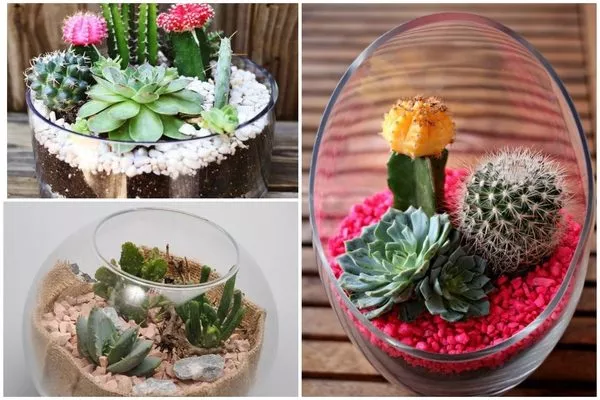
- Glass. Ideal for transparent mini-gardens where soil layers and decorative elements are visible. Requires careful watering, as water does not evaporate naturally.

- Ceramics. A classic choice for miniature gardens, clay and terracotta pots "breathe," maintaining optimal humidity. They are heavy, making the arrangement stable, and come in a variety of shapes and colors.
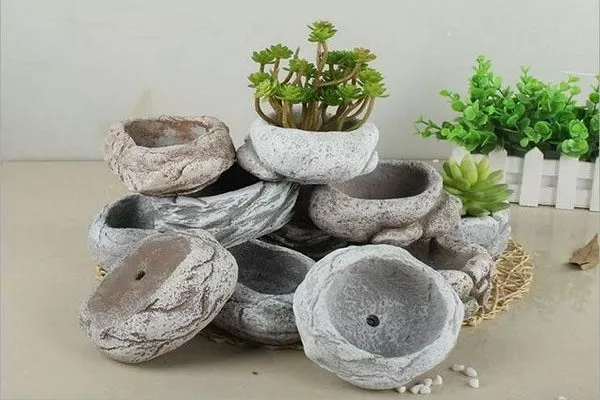
- Stone bowls. Aesthetically pleasing and durable, they create a natural landscape. They're perfect for creating rockeries and alpine mini-gardens.
- Tree. Creates a warm, natural atmosphere. For longevity, the wood should be treated with water-repellent agents. Suitable for succulents and cacti, provided there is good drainage.
Drainage and soil
Proper soil and drainage are key to healthy plants. Cacti and succulents don't tolerate stagnant water well, so follow these guidelines:
- Place a 2-3 cm thick layer of expanded clay, pebbles or gravel on the bottom of the container.
- The soil for a mini-garden should be loose and nutritious, but with good water permeability.
- A mixture of garden soil with sand, perlite or vermiculite is recommended.
Decorative elements
They make the mini-garden visually complete and harmonious. Use decorative elements such as:
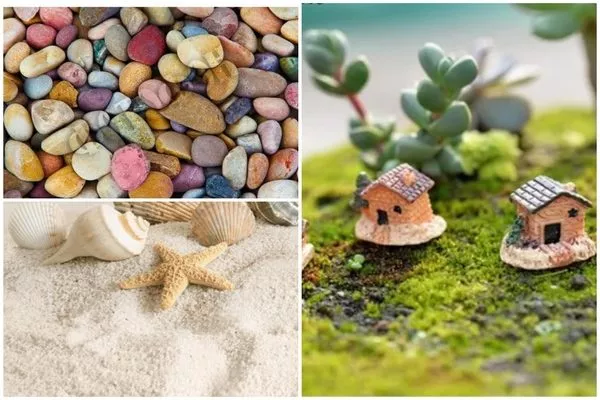
- Stones and pebbles. They create an alpine landscape effect, help retain moisture and prevent soil erosion.
- Sand. Can be used to create contrasting layers or a 'desert' effect typical of cacti.
- Figurines and miniatures. From tiny houses to small animals, they add personality and transform a miniature garden into a miniature story.
Creating a Mini Garden: Step by Step
This exciting process allows you to unleash your imagination and create a vibrant, decorative corner of your home or outdoor space. To ensure a beautiful, long-lasting, and easy-to-maintain arrangement, it's important to follow a specific sequence of steps.
Preparing the container
Start by choosing a container for your mini garden. It should be sturdy, stable, and suitable for the chosen composition.
Basic requirements:
- Check the integrity of the pot or bowl, make sure there are no cracks.
- For home gardens, it is better to choose containers with drainage holes so that excess water can drain away and the plant roots do not rot.
- If the container is decorative and without holes (for example, a glass flask or a closed terrarium), you will need to pay special attention to drainage and watering control.
- Clean the container from dust and dirt, and if necessary, treat the surface with an antibacterial solution or vinegar to eliminate the risk of mold.
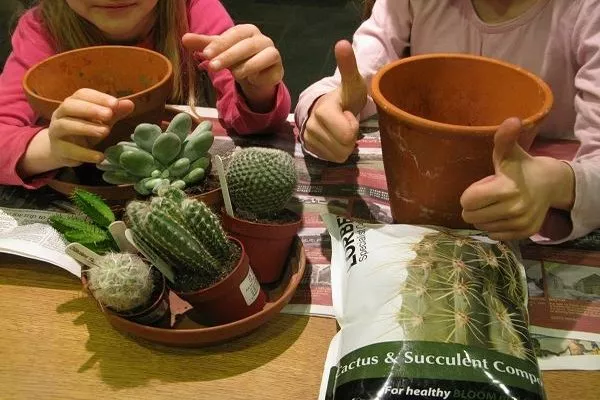
Laying drainage and soil
This step is especially important for cacti and succulents, which don't tolerate standing water well. Follow these steps:
- Place a 2-3 cm thick drainage layer at the bottom of the container. You can use expanded clay, small pebbles, or gravel. This layer will drain excess moisture and prevent root rot.
- Add prepared soil over the drainage layer. A light, permeable mixture is suitable for a mini garden with cacti and succulents: garden soil + coarse sand + perlite or vermiculite.
- For extra root protection and to prevent bacteria growth, add a little charcoal.
- Lightly compact the soil, but not too much, so as not to damage the soil structure and not to squeeze the plant roots.
Planting plants
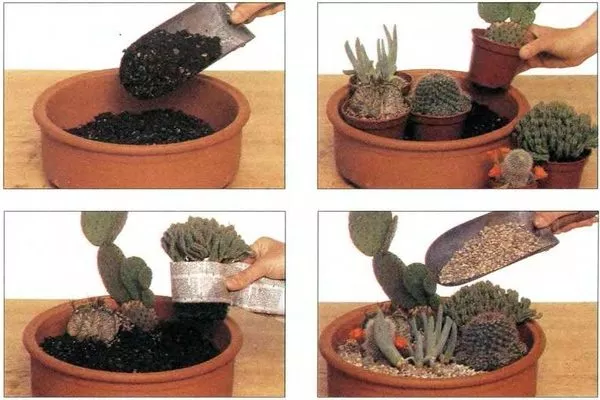
Once the soil is ready, one of the most exciting stages begins: plant placement. Helpful tips:
- Start with large, tall cacti, placing them in the center or in the background of the composition if the container is open on all sides.
- Next, add medium-sized plants and low-growing succulents that will fill the space around them.
- Carefully remove the plants from their pots, being careful not to damage the roots or stems. Spread the roots slightly if necessary.
- Make holes in the soil, plant the plants and cover with soil, compacting it lightly around the stem.
Adding decor
The final stage is decorating the mini-garden with decorative elements. This gives the composition individuality and completeness.
Use materials such as:
- stones and pebbles – help to consolidate the soil and create the effect of a natural landscape;
- sand or colored gravel – used for contrasting layers, creating a “desert” effect or decorative patterns;
- miniature figurines – Houses, animals, wooden bridges or small benches enliven the garden and make it look like a small world in miniature.
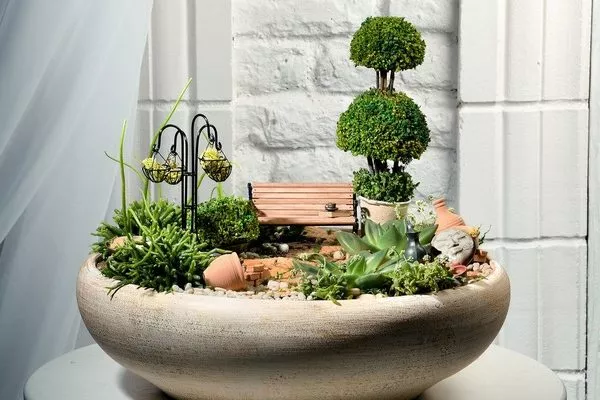
Arrange the elements so as not to overcrowd the plants and leave room for them to grow. Once all steps are completed, the mini garden is ready to be placed on a windowsill, table, or in the garden.
Caring for a mini garden
A mini garden with cacti and succulents is a living, decorative corner that requires careful yet simple care. Regular maintenance will keep the arrangement healthy and attractive for years to come.
Watering
A key aspect of miniature garden care is moisture. Cacti and succulents tolerate dry periods well, so excess moisture is dangerous for them.
Watering frequency depends on the season and temperature. In summer, water plants every 7-10 days, depending on the soil moisture level; in winter, water every 3-4 weeks.
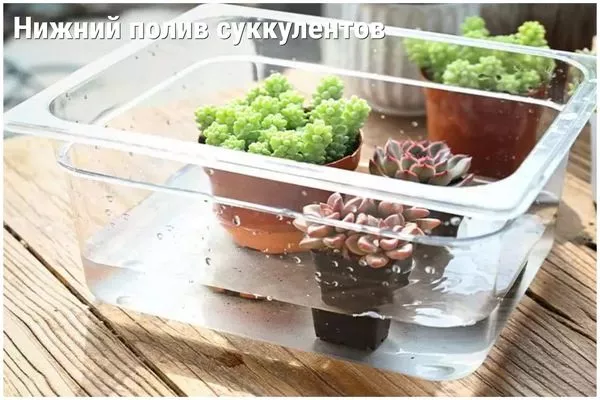
Methods:
- Bottom watering – Water is supplied to the tray or drainage layer to ensure the roots receive moisture and the leaves remain dry. This reduces the risk of rot.
- Spraying – It's used rarely and only for succulents with thin leaves. Water should not linger on the leaves.
After wetting, it is recommended to let the soil dry out a little so that the roots are not exposed to constant moisture.
Lighting
Light is essential for the normal growth and flowering of cacti and succulents. Insufficient light causes stems to stretch and leaves to turn pale, while too much light causes sunburn.
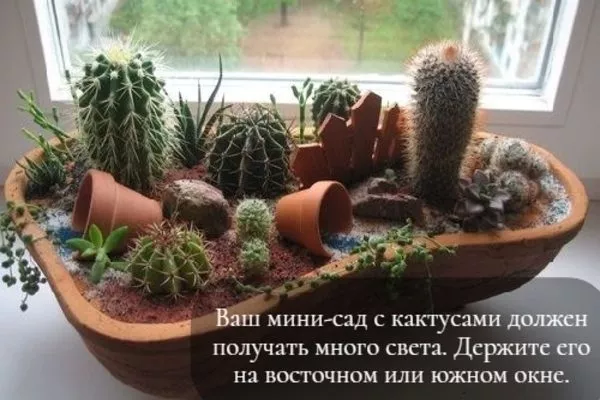 Basic requirements:
- Natural lighting. South- and east-facing windows are ideal. South-facing windows provide bright light, but in hot sunlight, it's best to provide some shade for the plants.
- Artificial lighting. If light levels are insufficient, use phytolamps or LED lights. For optimal growth, daylight hours should be 12-14 hours.
Place the plants so that all varieties receive uniform light. Rotate the containers every 1-2 weeks if necessary.
Temperature and humidity
The right temperature and humidity levels create conditions similar to the natural habitat of cacti and succulents. Create suitable temperature conditions:
- Optimal temperatures for most species are + 18-28°C in summer and + 12-18°C in winter.
- Temperatures that are too low (below 5°C) can slow growth and cause root rot. When combined with excessive humidity, this is dangerous for all plants. Maintain good ventilation.
- In dry rooms, trays of pebbles and water can be used to slightly increase the humidity around the plants without disturbing the soil.
You will find more details about the optimal temperature for keeping cacti here. Here.
Pruning and replanting
A mini garden requires periodic maintenance to maintain compactness and healthy plants. Follow these guidelines:
- Remove dry, damaged, or overly elongated shoots. This will stimulate new leaf growth and maintain a harmonious shape.
- Repot every 2-3 years or as needed. Use fresh soil and remove the plants carefully to avoid damaging the roots.
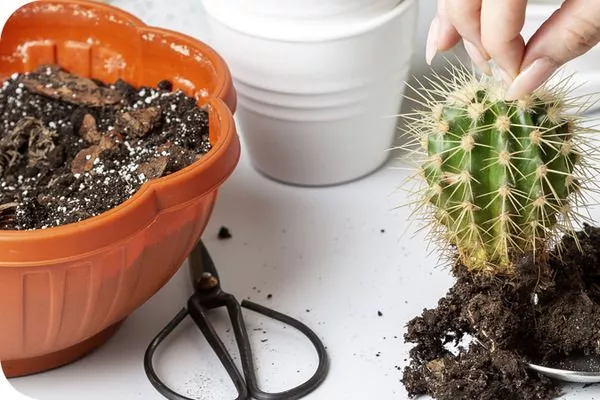
At transplant You can slightly separate succulents that form rosettes to give them room to grow.
Wintering
For miniature gardens located outdoors, it's important to provide winter protection. Follow these guidelines:
- Move containers of sensitive cacti and succulents into a warmer room at the first frost.
- If transfer is not possible, insulate the containers with agrofibre, foam or dry leaves.
- Limit watering to a minimum to prevent root rot.
- Watch the light: in winter there is little natural light, so use phytolamps to support photosynthesis.
Tips for plant design and arrangement
Creating a miniature garden with cacti and succulents is a labor-intensive process, but anyone can handle it. The right design ensures harmony between the plants, soil, and decorative elements.
Ideas for inspiration
Before you begin planting, it's important to determine the style and concept of your mini garden. Helpful tips:
- Decide whether you want to create a calm composition with soft shades of green, a colorful garden, or a contrasting composition.
- Browse photos of mini-gardens, noting interesting combinations of plants, shapes, and colors.
- Sketch out the placement of plants and decorative elements to visualize in advance what the final composition will look like.
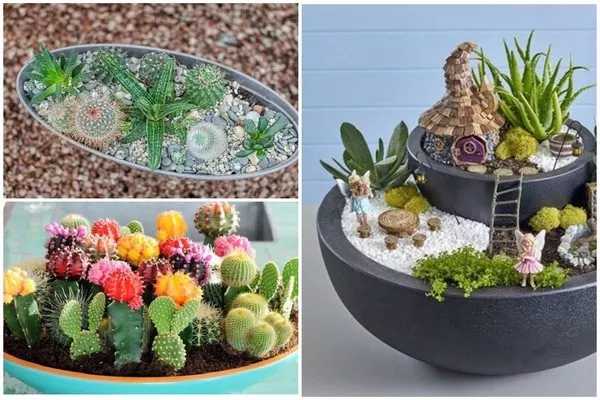
Examples of themed gardens
When creating a mini garden, concept is key – the theme sets the mood and determines the choice of plants, soil, and decorative elements. You can create a harmonious composition and highlight the garden's individuality:
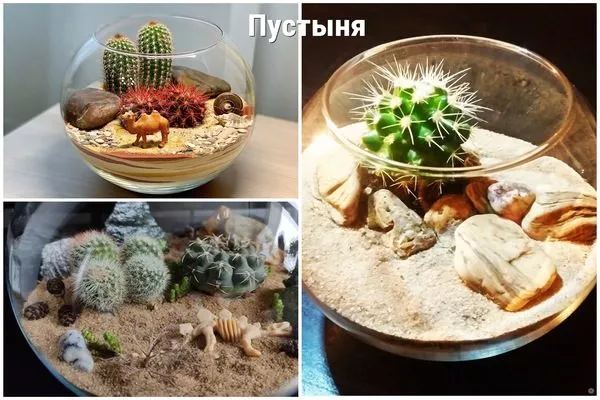
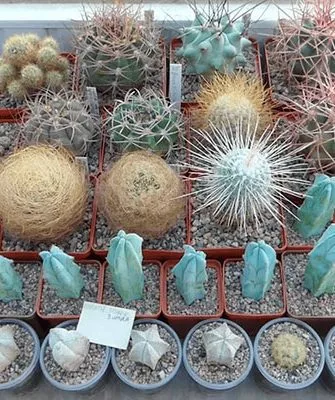
- Desert. This is a classic style for cacti and low-growing succulents. The base consists of plants with thick or spiky leaves that tolerate drought well. The soil is usually light, with sand and small pebbles added, creating the effect of a dry, sandy landscape.
The composition can be enlivened with tiny cactus figurines or rocks imitating dunes. This garden looks sleek and minimalist.
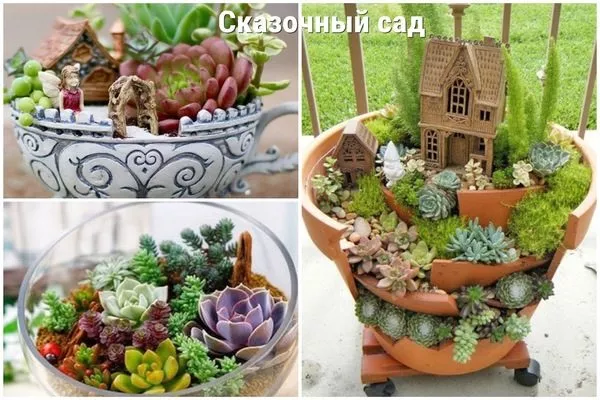
- Fairytale forest. It conveys the atmosphere of a magical forest in miniature. The base is formed by succulents in various colors: green, purple, gray, sometimes with red veins. The composition is completed with moss, small driftwood, miniature houses, animal figurines, and small pebble paths.
Layer plants to create the effect of a dense forest undergrowth. This type of garden is especially effective in enclosed terrariums or on bright windowsills, where you can regulate the lighting and humidity, keeping the plants looking attractive and fresh.
- Rocky landscape. Recreates a mountain or alpine landscape. The base consists of rocks of varying sizes, small pebbles, and low-growing cacti. Rocks can be placed in groups or laid out in "paths," creating a visual sense of relief.
Use dried branches or sand inserts as additional elements to enhance the effect of a natural rocky landscape. This style is ideal for outdoor settings, where plants are resistant to wind and sun, and the composition looks natural and harmonious.
- Marine theme. Suitable for creating a cool, calm atmosphere, the base can be light or bluish succulents, and decorative elements include sand, small shells, coral fragments, or sea stones.
This composition is reminiscent of a coastal landscape and looks great on terraces or balconies. To enhance the effect, you can add miniature boats or figurines of sea creatures or divers.
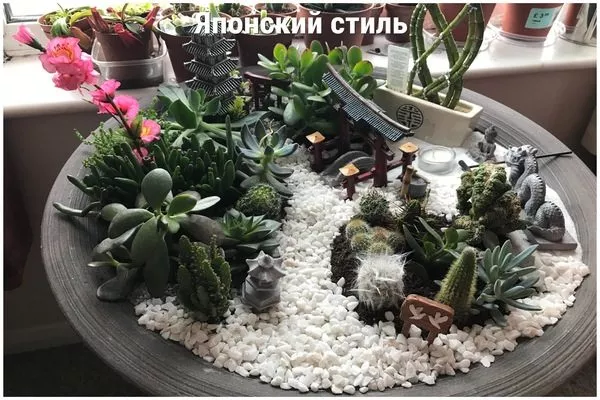
- Oriental (Japanese) garden. Inspired by Japanese and Chinese aesthetics, it features harmonious combinations of stones and plants, most often compact, low-growing cacti and succulents with neat forms.
The soil can be enriched with decorative sand laid in patterns, and tiny bridges, lanterns, or Buddha figurines can be placed between the plants. This miniature garden creates a sense of calm and tranquility, ideal for interiors that emphasize harmony and order.
- Fairytale garden. It's created using colorful cacti and succulents. The plants are selected in a variety of shades: bright red, orange, purple, green, and gray.
To enhance the effect, use colored pebbles, gravel, or miniature figurines of fairytale characters—gnomes, fairies, elves, or animals. This garden enlivens the interior and becomes a true decorative focal point, drawing attention.
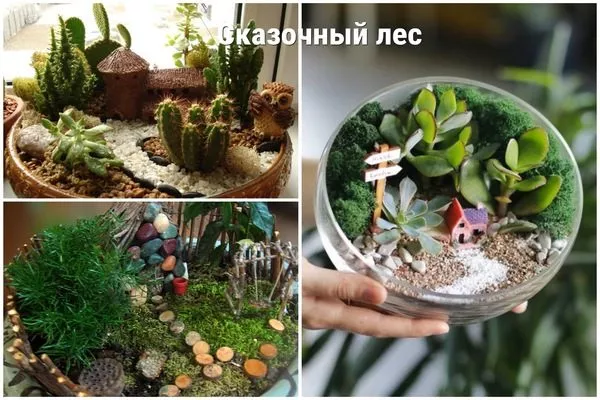
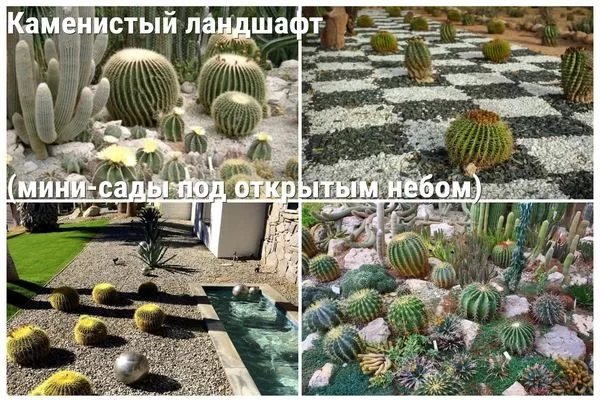
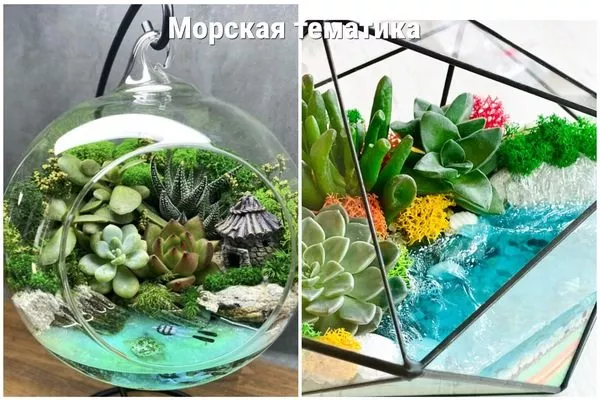
Each theme allows you not only to create a beautiful composition, but also to take into account the conditions in which the plants are kept.
Using colorful cacti and succulents for contrast
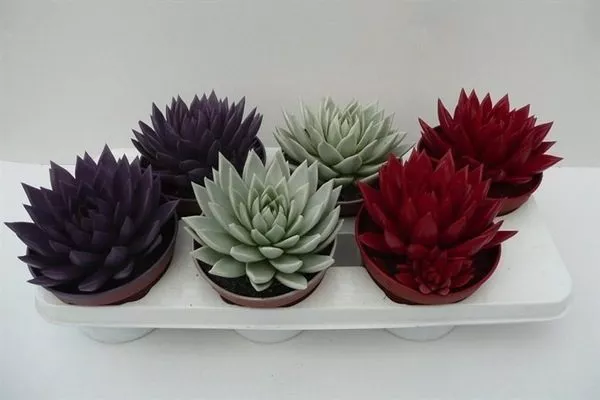
Colorful plants are one of the most effective ways to liven up a miniature garden and add expressiveness. Their vibrant hues create accents, highlight the composition's shape, and add visual interest and dynamism.
Colorful cacti and succulents come in a wide variety of shades: red, orange, purple, yellow, pink, and even silver.
When choosing plants, it is important to consider two key aspects:
- Compatibility in terms of conditions of detention. Plants with similar light and watering requirements are best paired together to avoid disease and rot. For example, bright red Echeverias pair beautifully with the green rosettes of Haworthias.
- Contrast in shape and texture. The vibrantly colored needle-like cacti stand out against the smooth leaves of the succulents, and the combination of different shapes creates a visually interesting composition.
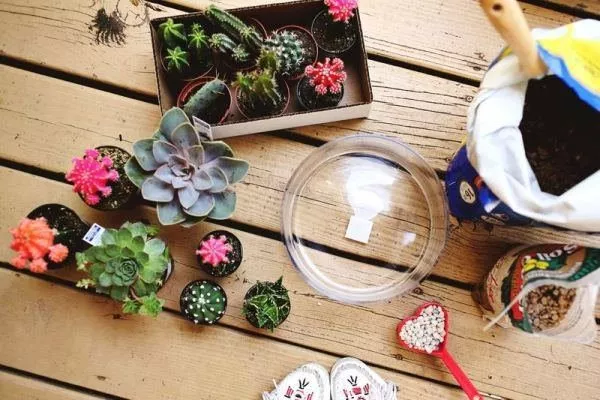
The correct placement of brightly colored plants enhances the contrast and makes the mini garden expressive:
- Central accent. One bright cactus can be placed in the center so that it immediately attracts attention.
- Grouping. Several small colorful plants, combined into a group, create a “color island” that enlivens the entire composition.
- Background contrast. Brightly colored plants stand out better against neutral soil or green succulents. For example, purple echeveria looks especially striking against sandy soil and green haworthias.
Colorful plants can be further emphasized with decorative details. Colored pebbles, sand, or multicolored soil layers enhance the visual effect and create a unified composition.
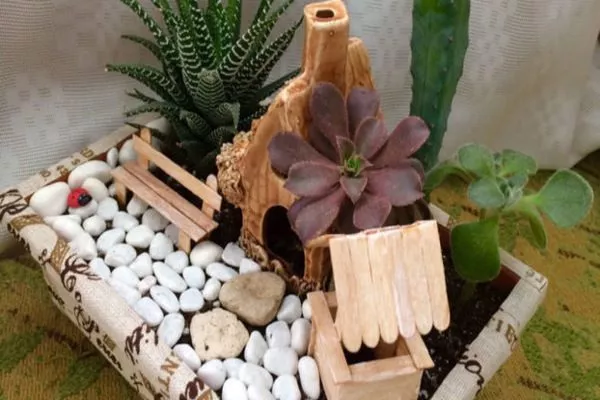
Minifigures, tiny bridges, or other themed elements add storytelling and bring the mini garden to life.
Basic rules of care:
- Pay attention to the lighting: insufficient light leads to a loss of color vibrancy.
- Monitor watering: Brightly colored plants are often more sensitive to overwatering.
- Rotate the container or individual plants periodically to ensure the leaves receive even light and do not become leggy.
Ideas for inspiration
A single brightly colored cactus surrounded by green succulents creates a simple yet striking contrast. Using two or three accent colors (not just plants, but also decorative items) allows the composition to be vibrant without being overwhelming.
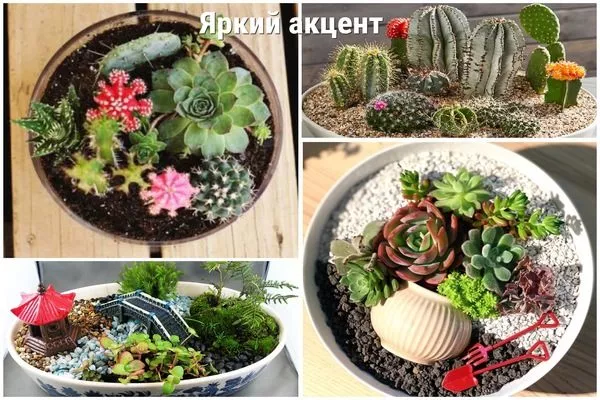
For themed gardens, such as a "fairytale forest" or "desert," vibrant plants can be placed next to figurines or decorative elements, enhancing the sense of storytelling and magic.
Where is better - indoors or outdoors?
Choosing a location for a miniature cactus garden depends on many factors, including climate conditions, the design goals, the level of care, and the desired visual effect. Each option has its own unique characteristics that should be considered during planning.
Let's start by looking at the advantages and disadvantages of home mini-gardens (they are presented in table form).
Mini gardens grown outdoors allow plants to enjoy natural conditions: sun, rainwater, fresh air, and the opportunity to grow naturally. Outdoors, it's easier to create large-scale compositions by combining cacti, succulents, rocks, and sand, as well as to develop themed landscapes. The advantages and disadvantages of these gardens are listed in the table.
If your goal is a decorative miniature garden that's easy to maintain and can be used as a decorative element, it's best to create it indoors. However, if you're looking for a natural, large-scale effect and the opportunity to experiment with landscape design, an outdoor garden is an excellent choice, although it will require more careful maintenance and plant protection.
Miniature cactus gardens can be a true highlight of any interior or property, regardless of the location. The key is to choose the right plants, containers, and decorative elements, taking into account the growing conditions and climate. The choice between indoor and outdoor placement depends on your goals and budget.