
Cacti are increasingly gaining a place in landscape design, offering a fresh perspective on gardens and homesteads. These plants offer a striking variety of shapes, colors, and textures, and their natural hardiness makes them ideal for creating low-maintenance arrangements. They can transform a space, highlighting its individuality and style.
Benefits of Using Cacti in Landscape Design
Cacti are becoming an integral part of modern landscape design. Not only do they add a unique and exotic touch to a garden, but they are also easy to care for, making them an ideal choice for both experienced gardeners and beginners.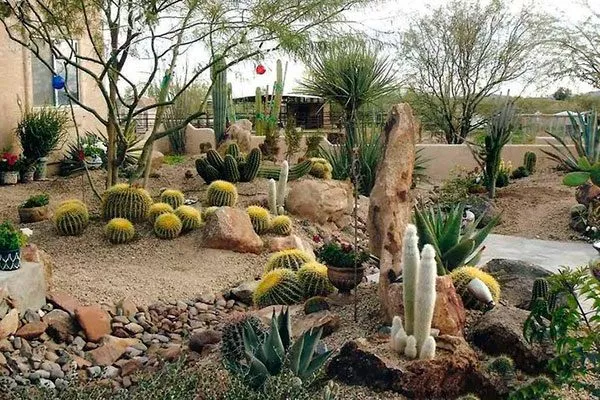
Thanks to their expressive form, variety of sizes and shades, the plants combine harmoniously with stones, gravel, decorative elements and other plants, creating unique compositions.
Main advantages:
- Minimal care requirements. The plant tolerates drought well, doesn't require frequent watering, and can grow in poor soil. This is especially convenient for busy people or gardeners who don't have much time to devote to their plants.
- Resistance to adverse conditions. Cacti easily withstand high temperatures and direct sunlight, and some species are not afraid even of cool nights and temperature changes.
- Longevity and slow growth. The plants retain their decorative appearance for many years without requiring frequent replanting or pruning.
- Variety of shapes and textures. From miniature spherical specimens to tall columnar species, cacti allow you to create unusual accents and visually highlight areas of the garden.
- Saving resources. Due to the low need for water and fertilizers, the use of the crop in landscape design helps to reduce maintenance and watering costs.
- Compatibility with other design elements. The plants look great in rockeries, alpine gardens, dry gardens, as well as in compositions with succulents and decorative stones.
Basic principles for placing cacti on a site
Proper placement of cacti in a garden is the key to creating a harmonious and long-lasting decorative effect. These plants not only serve as decoration but also create a unique ambiance in the garden.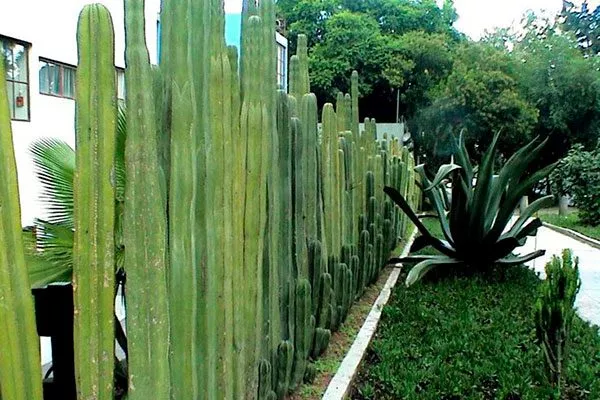
Placement principles:
- Select a sunny location. Cacti require a lot of light, so they are best planted in open, well-lit areas where they receive full sun for most of the day. Partial shade is acceptable only for some species.
- Organization of drainage. Stagnant water is detrimental to the root system of cacti. Before planting, ensure good drainage using gravel, sand, or fine crushed rock.
- Combination with other plants. These plants can be harmoniously combined with other drought-tolerant plants, such as succulents, lavender, and sedums. This creates striking compositions and reduces the risk of competition for moisture.
- Placement by size and shape. Large species are best used as accent plants in the center or background, while miniature ones are best used in borders, rock gardens, and compositions in the foreground.
- Protection from wind and excess moisture. Tall or sensitive species should preferably be planted near rocks, walls, or other protective elements that will reduce wind loads and protect them from rainfall.
- Maintaining distance between plants. Enough space should be left between bushes for growth and air circulation, which prevents the occurrence of rot and fungal diseases.
Ideas for using cacti in landscape design
Cacti in landscape design are not only exotic but also an opportunity to implement unconventional solutions that will delight all year round. Thanks to their texture, variety of shapes, and shades, these plants fit harmoniously into both minimalist and complex compositions.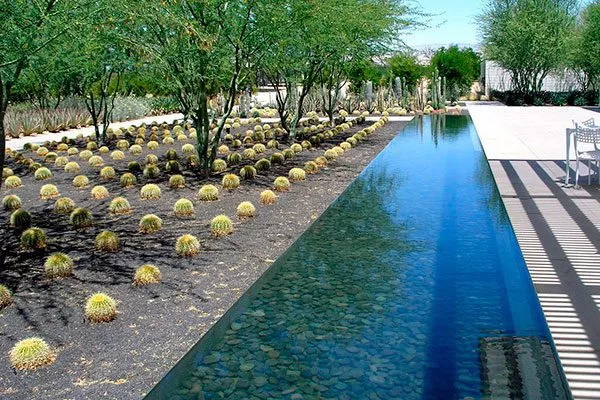
Below are some popular design techniques and examples of successful combinations of cacti with other garden elements.
Design of rockeries and alpine hills
Cacti in rockeries and alpine gardens are a spectacular way to add an exotic touch and highlight the landscape's drought resistance. These plants are ideal for creating picturesque compositions that mimic desert and mountain landscapes.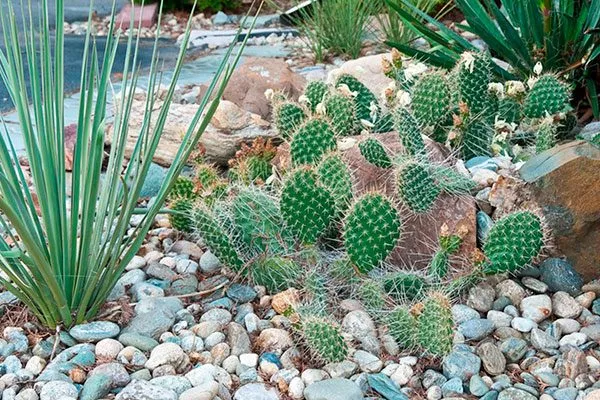
Please adhere to the requirements:
- When choosing cacti for a rock garden, consider the region's climate. For regions with cold winters, frost-hardy species, such as prickly pears and some cereuses, are suitable. In warmer climates, the choice is much wider and includes cereuses, mammillarias, and other heat-loving species.
- When placing cacti in a rock garden, ensure they have good drainage, as excess moisture is detrimental to these plants. They are best planted on elevated sites or slopes, using sandy-gravel soil.
- To create a harmonious composition, combine cacti of different sizes and shapes with other drought-tolerant plants, such as succulents, saxifrages, and groundcovers. Consider contrasting textures and colors to create a natural and attractive rock garden.
Creation of vertical green walls and suspended structures
Cacti in vertical gardens and hanging structures are a bold and innovative step in phytodesign, requiring a careful approach and an understanding of the characteristics of drought-resistant plants.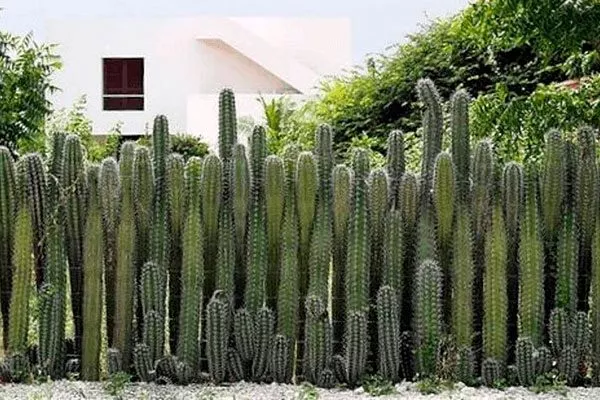
While cacti are traditionally associated with horizontal landscapes, their inclusion in vertical compositions adds unique texture, form, and visual interest.
Helpful tips:
- Small, slow-growing cacti are suitable for vertical gardens and hanging structures: Mammillaria, Rebutia, and some Opuntia species. It's important to provide excellent drainage, using a light, porous substrate consisting of sand, perlite, and a small amount of peat.
- The vertical structure must be stable and provide good air access to the plant roots. The hanging elements must be strong enough to support the weight of the cacti and the growing medium.
Water moderately, allowing the soil to dry out between waterings to prevent root rot. Provide cacti with adequate sunlight, especially during winter.
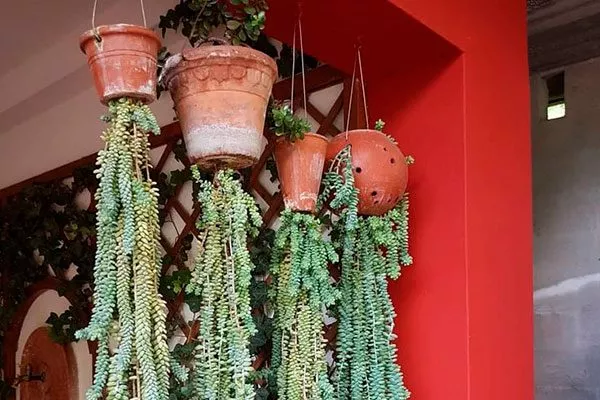
Cacti in vertical gardens and hanging structures can be used to create minimalist and modern compositions. Their spiky texture contrasts with the soft greenery of other plants, creating an interesting visual effect. Furthermore, flowering plants add brightness and color to the vertical garden.
Decorative areas and mixborders
Cacti in decorative areas and mixed borders are an unexpected yet striking solution for creating unique and drought-resistant landscape compositions. Their graphic shapes and varied textures add dynamism and visual interest, especially when combined with other ornamental plants.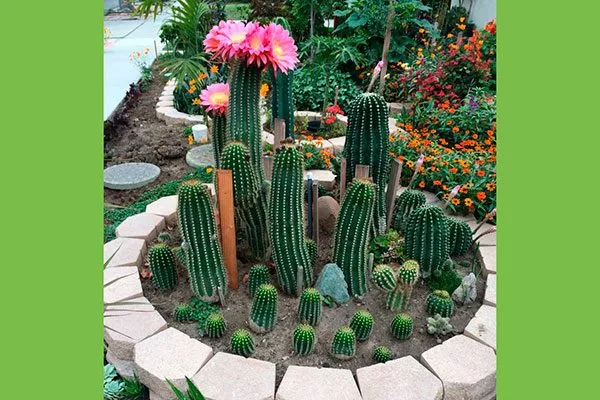
When choosing cacti for a mixed border, take into account the climatic conditions of the region:
- In mild-winter areas, a wide range of species can be used, including Cereus, Echinopsis, and Opuntia.
- In colder regions, give preference to frost-hardy varieties of prickly pear and some species of cereus.
When placing cacti in a mixed border, consider their need for sunlight and good drainage. Add sand and gravel to the soil to improve water permeability.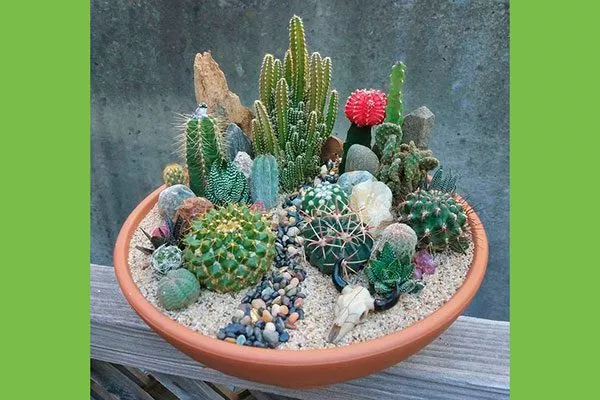
Cacti can be combined with other drought-resistant plants:
- succulents;
- lavender;
- rosemary;
- ornamental grasses.
Single accents and focal points
Cacti used as solitary accents and focal points are a landscape design technique that creates a dramatic effect and emphasizes the uniqueness of a space. As "soloists," cacti draw attention with their shapes, textures, and unusual appearance, transforming an ordinary corner of the garden into a work of art.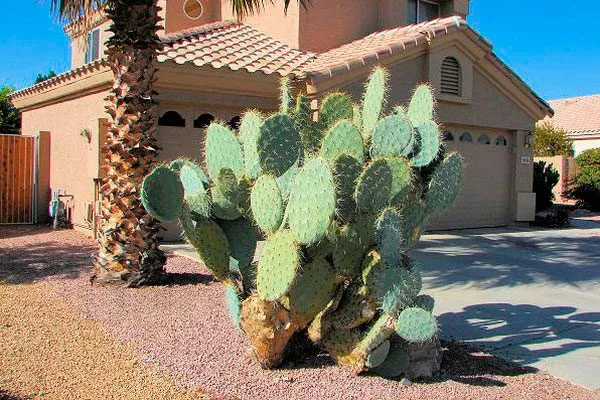
The choice of cactus to serve as a focal point depends on the size of the area and the desired effect:
- large cereuses or echinopsis will become the center of attention in a spacious garden;
- Miniature mammillarias or rebutias are ideal for small alpine slides or rockeries.
Consider the architectural style of your home and the overall landscape design concept to ensure the cactus blends harmoniously into the surrounding environment.
When placing a cactus as an accent, provide it with suitable conditions:
- sunny place;
- good drainage;
- protection from excess moisture.
Other cactus garden landscaping ideas
Beyond traditional solutions, there are many original ways to integrate cacti into a space. Popular options include:
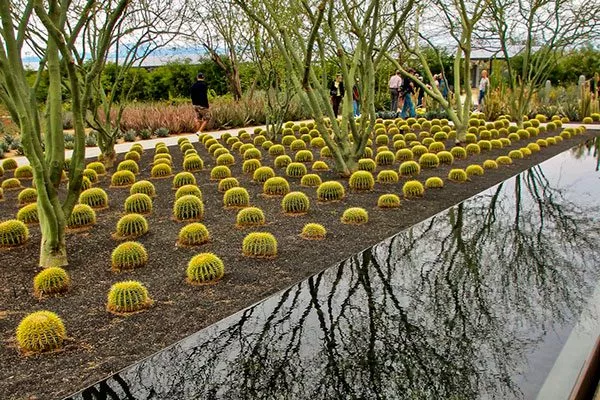
- Compositions with water features. Cacti look spectacular on the banks of artificial ponds and fountains, especially when combined with stones and decorative sand.

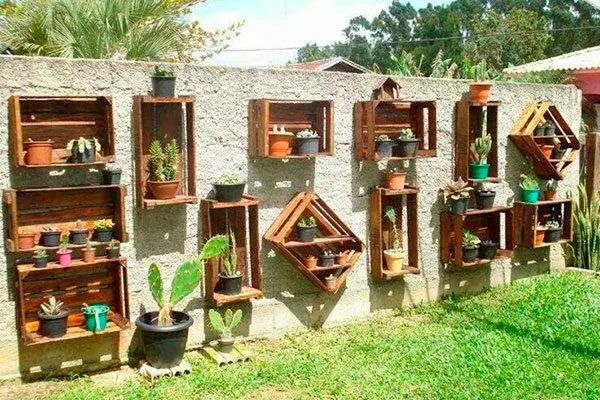
- Wooden structures. Small plants can be placed in boxes, wooden pallets or decorative barrels, creating a country or eco-design style.
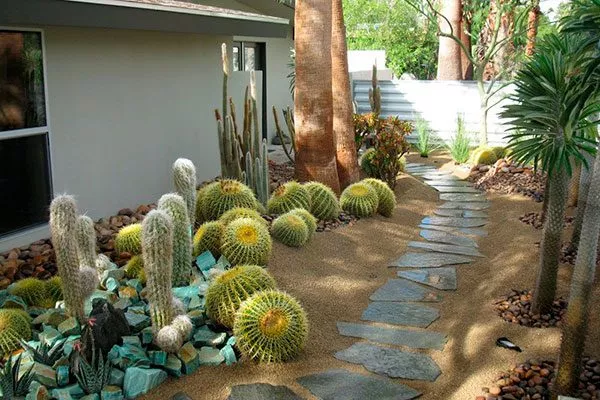
- Garden paths. Cacti are often planted along paths made of tiles, pebbles or boards, creating an unusual and prickly "frame".
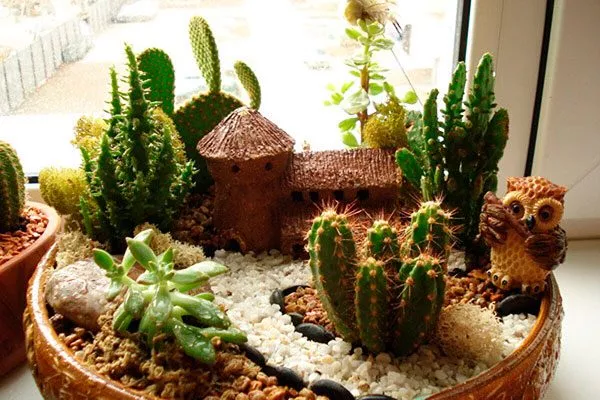
- Mini garden in a container. A combination of cacti with gravel, driftwood and small stones in a large flat bowl is an excellent solution for a patio or veranda.
Popular varieties of cacti for landscape design
When choosing cacti for your property, it's important to consider not only their decorative qualities but also their tolerance to the region's climate. There are species that thrive in outdoor settings, rockeries, and container plantings.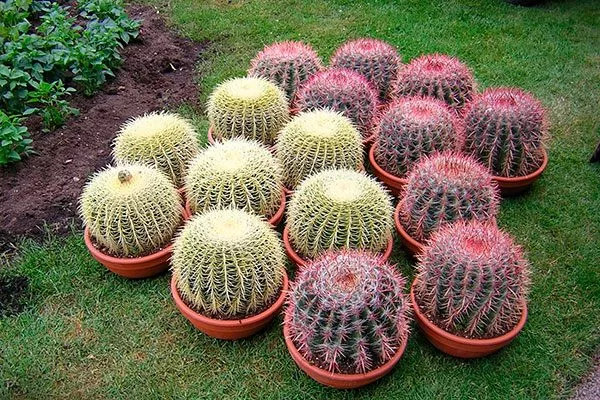
Below are some popular varieties:
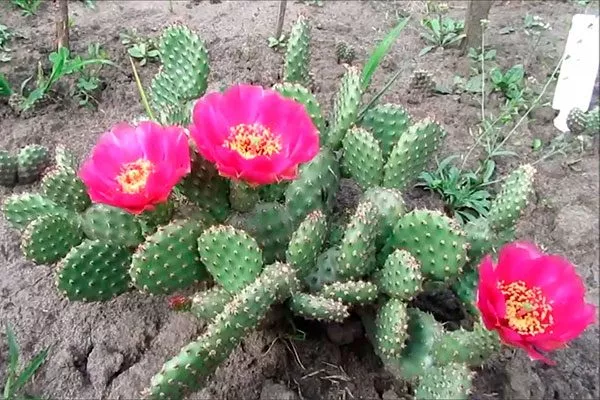
- Opuntia bastica. A popular cactus species noted for its beauty. The plant, reaching 51 cm in height and 1.5 m in width, typically blooms from winter to early summer. The flowers range from deep cherry to pink, exuding a scent reminiscent of watermelon. Ideal for xeriscapes.
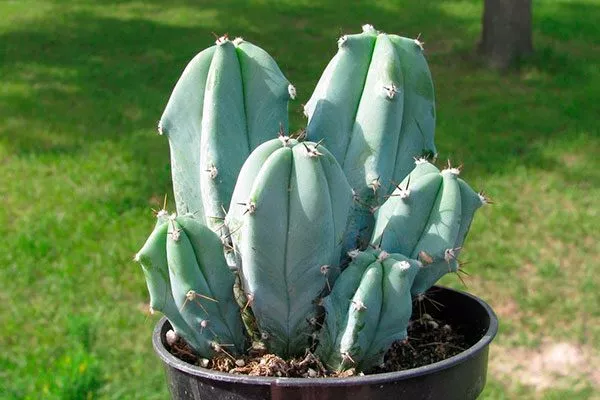
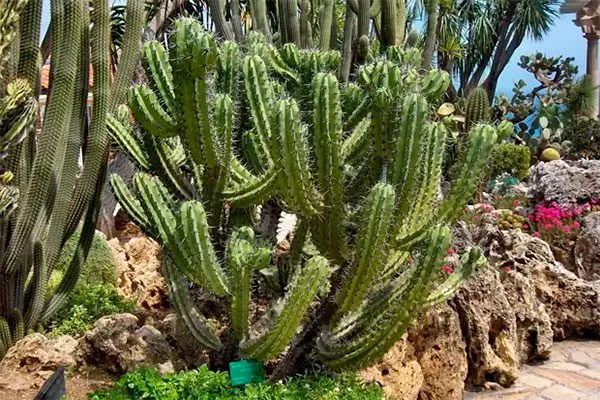
- Myrtillocactus. An easy-to-grow cactus, suitable for beginning gardeners. It is characterized by blue-green fruits after flowering and a columnar shape, although other varieties are also available.
In its natural environment it grows up to 4 m. It is often used in landscape design to decorate paths. - Myrtillocactus cochal. Grown as a houseplant, it reaches a height of 1-3 m and produces yellowish or white flowers in early summer, producing edible, but not very tasty, fruits. It looks beautiful both in indoor pots and on hillsides in its natural habitat.
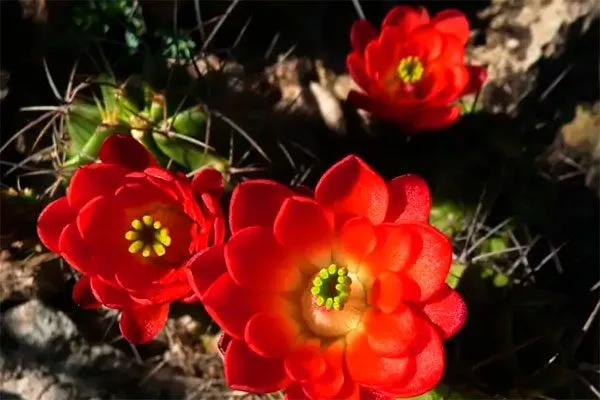
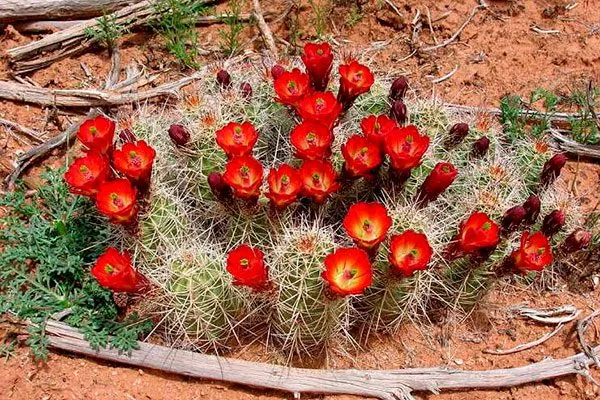
- Echinocereus trispinata. Known as the "hedgehog" or "king cactus," this low-growing plant grows up to 1 m tall with red or pink flowers that bloom in spring. It's distinguished by the web-like spines on its stems and fruits, which are juicy and reminiscent of strawberries. It's suitable for decorating rooms.
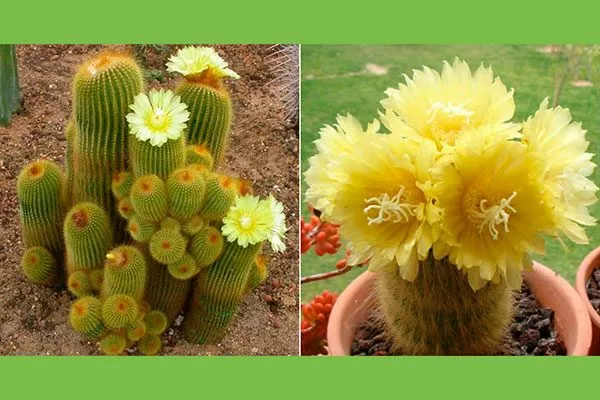
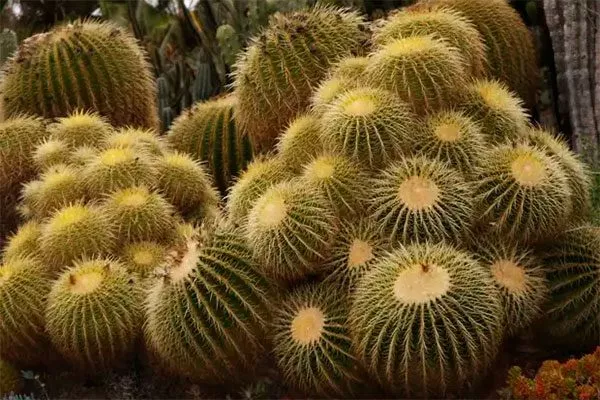
- Golden cactus. A small yellow cactus with long, safe spines. Ideal for garden decoration, it pairs well with other plants and looks stunning in containers.
- Echinocactus Gruzon. Often confused with the golden cactus due to its golden-yellow color, it has a barrel-shaped form and looks spectacular in group plantings, both in the front and backyard.
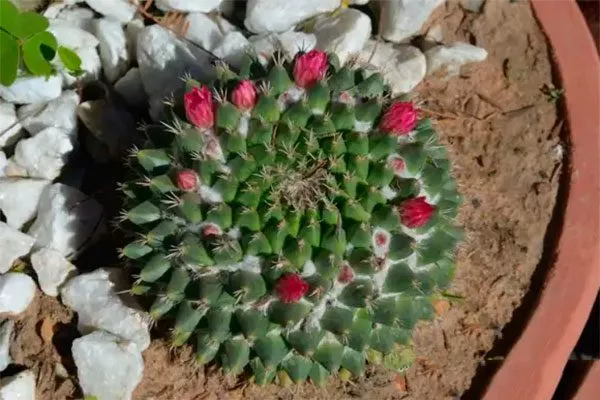
- Mammillaria multilateralis. One of the smallest cacti, up to 30 cm tall, with small pink flowers. It pairs well with taller plants and shrubs in the garden.
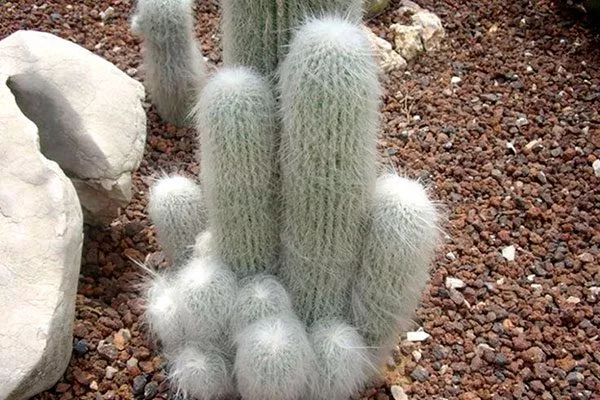
- Cephalocereus senile. A tall cactus, up to 15 m tall, with yellowish-pink flowers that appear at night in spring. It is distinguished by long silvery hairs. It is suitable for garden decoration, but requires proper care.
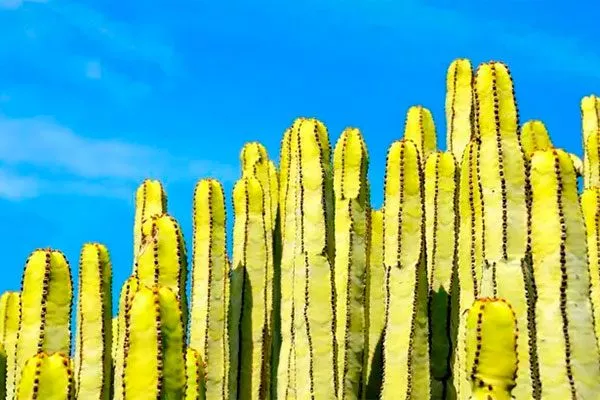
- Tube cactus. A distinctive cactus, up to 9 m tall, growing in clumps. It blooms in spring with light pink flowers that open at night. It is often used as a hedge and for backyard decoration.
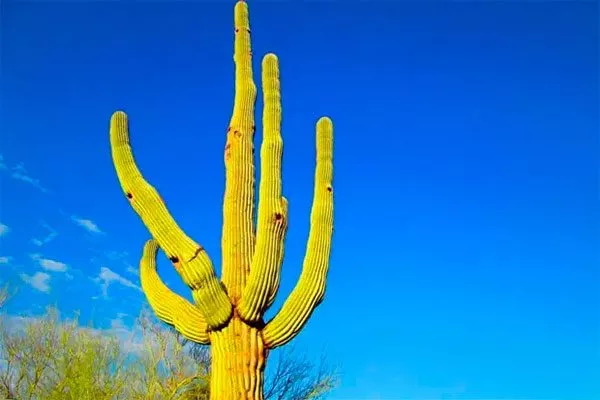
- Carnegie. Can reach over 18 m in height in 100 years. A symbol of the Sonoran Desert, it blooms in spring with greenish flowers tinged with white.
Using cacti in landscape design is a great way to create a unique garden atmosphere that combines aesthetics and practicality. These plants not only look stunning but also require minimal maintenance, which is especially valuable for busy homeowners. A wise selection of species, thoughtful placement, and a creative approach allow you to bring even the most daring ideas to life.