
Cacti are amazing plants, capable of surviving in extreme desert conditions thanks to their adaptability to hot climates. Despite their hardiness, they require specific conditions for optimal growth and flowering. One key factor is ambient temperature.
How does temperature affect cacti growth?
Temperature has a significant impact on the development of cacti:
- Low temperature: Most species are sensitive to cold, especially at temperatures below 10°C. To avoid negative consequences, it is best to provide warmth.
- Warm water: Watering with this liquid promotes growth up to a certain point. It is recommended to use water at room temperature (around 20-25°C), as too cold water can cause root rot.
- Hot water: Contrary to popular belief, hot water does not accelerate growth. On the contrary, prolonged heat stress leads to stress, severe dehydration, yellowing and blackening of tissue, and ultimately, death of the plant.

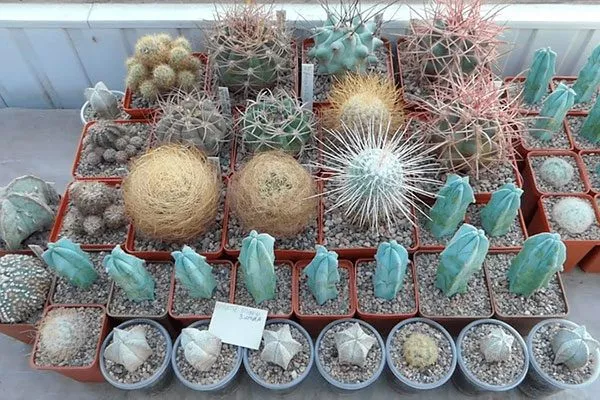
Temperature requirements for different types of cacti
Each cactus species has its own unique temperature requirements. Despite this diversity, there are general minimum and maximum temperature readings for the main groups of cacti:
- Spherical: withstand temperatures from +5 to +35°C.
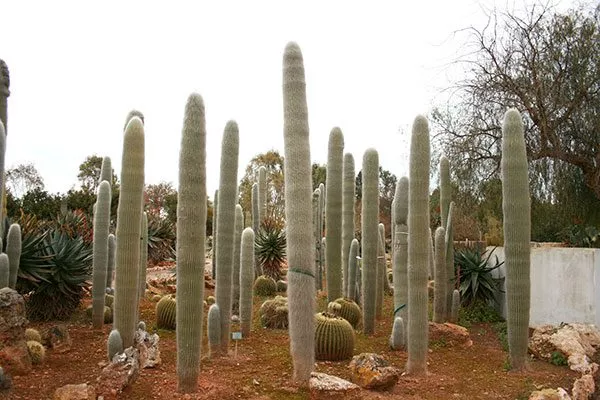
- Columnar: feel comfortable at temperatures from +10 to +40°C.
- Flat: The optimal temperature range is from +7 to +30°C.
- Columnar: The best conditions are created at temperatures from +15 to +40°C.
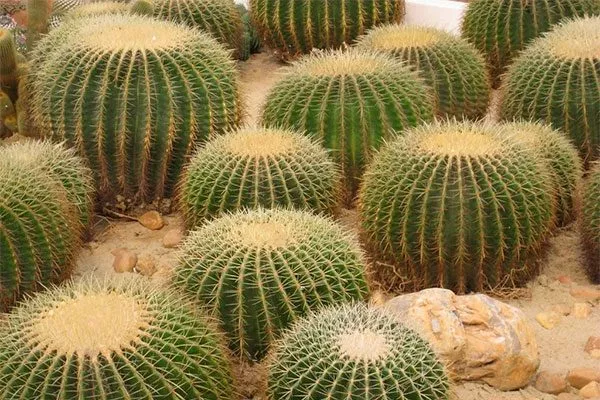
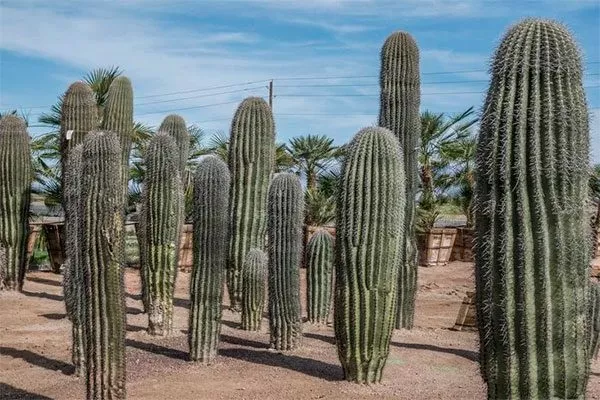
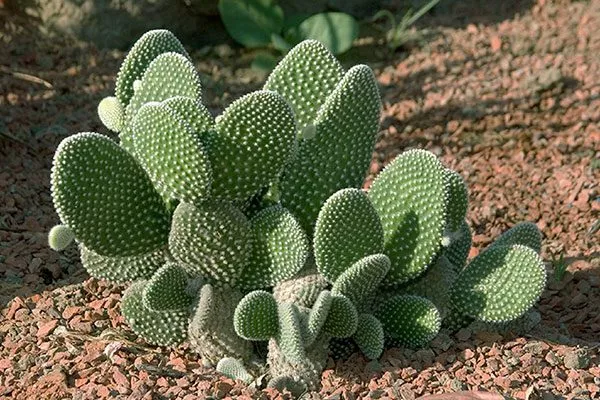
All cacti are extremely sensitive to sudden temperature changes and drafts. Therefore, it's important to carefully select a location and monitor the temperature.
The optimal temperature for stimulating growth for most cacti is around 20°C. Some species can adapt to higher temperatures, but it's important to consider the risk of sunburn from intense sunlight.
Temperature sensitivity of different cacti species
Cacti are among the most popular houseplants due to their low maintenance and ability to survive in extreme conditions. Some species are particularly sensitive to changes in ambient temperature. Let's look at which species require special attention when it comes to temperature.
The most heat-loving species of cacti
Heat-loving cacti require consistently high temperatures for successful growth and flowering. These include:
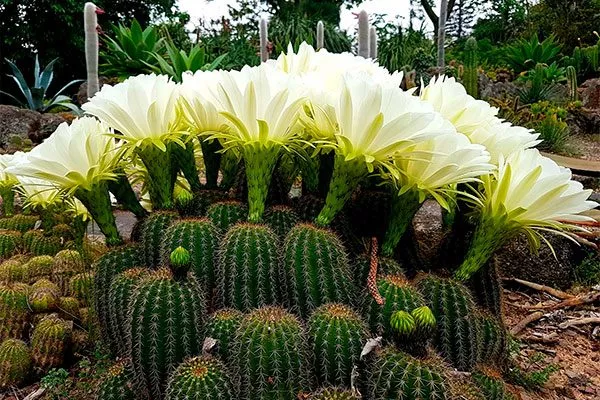
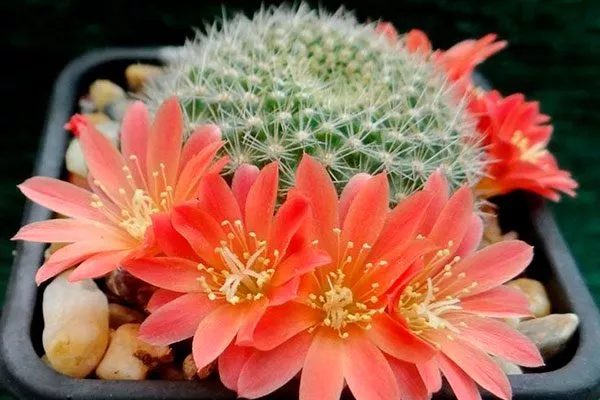
- Echinopsis: This genus includes many species that prefer moderately warm conditions (temperatures above +18°C).
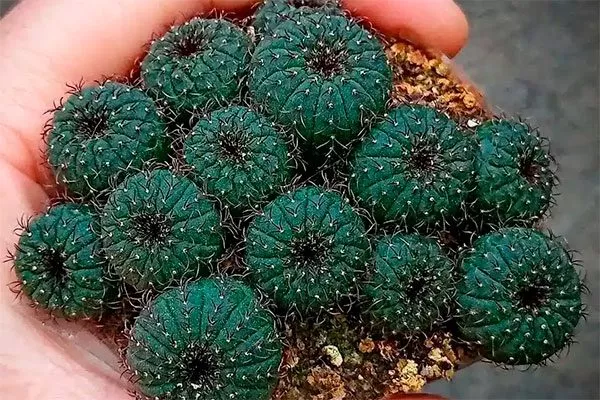
- Frailea: Representatives of the genus Frailea often suffer from hypothermia, which causes slow growth and decreased immunity.
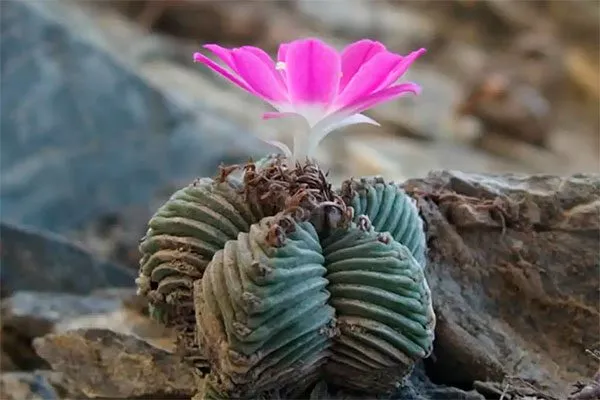
- Aztekium: The species is highly demanding in terms of temperature, requiring constant conditions without significant daily fluctuations.
Cacti that need cool temperatures
Other species are sensitive to higher temperatures and prefer to grow in cool conditions:
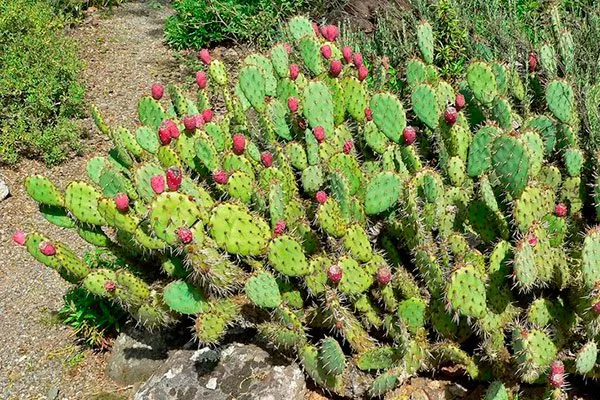
- Prickly pears (Opuntia): Although many species are tolerant of hot conditions, some specimens growing in mountainous areas require a constant supply of cool air.
- Rebutia: A number of varieties of Rebutia prefer to overwinter at lower temperatures (+1..+10°C), which ensures a full period of dormancy before spring growth.
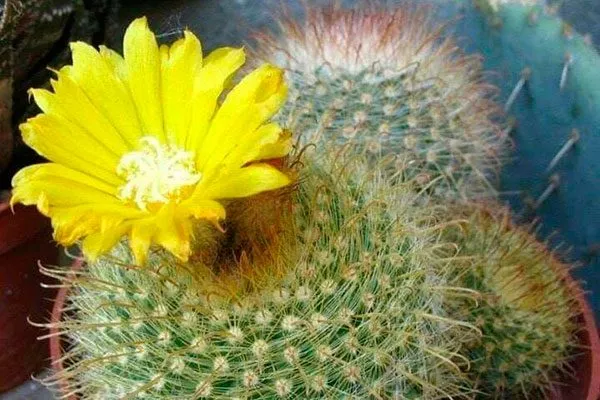
- Parody: This genus is able to tolerate short-term cold spells, but prolonged exposure to low temperatures is detrimental.
Conditions for keeping particularly sensitive species
Some exotic varieties, including rare Gymnocalycium and Astrophytum, require special care:
- temperature control using thermometers;
- Regular measurement of substrate moisture and avoiding overwatering;
- creation of artificial sources of additional light in winter.
Thus, knowledge of the characteristics of individual genera and species of cacti allows for proper care, ensuring comfortable conditions and preventing plant diseases.
What factors influence the choice of temperature for cacti?
Choosing the right temperature depends on several key factors:
- Time of year. In summer, the ideal temperature range is considered to be between 25 and 35°C, although some species can tolerate temperatures as high as 40°C. In winter, average temperatures should range from 5 to 10°C, but there are exceptions among species that require a warmer temperature of around 18-20°C.
- Rest period. Winter rest is important for many members of the cactus family. The ideal temperature for most of them is between 3 and 5°C, which promotes bud formation and subsequent profuse flowering during the warmer months.
- Air humidity level. To avoid burns and diseases, it is necessary to regularly ventilate the space around the plants, creating air movement.
- Drafts. Although fresh air is beneficial for cacti, they are susceptible to the negative effects of strong winds and cold. When ventilating the room, be careful to avoid drafts.
How does lighting affect the temperature of cacti?
Light and temperature play important roles in the life of cacti, but they often conflict with each other. Most of these plants require good lighting and thrive in full sunlight. However, if you give them maximum light simply by exposing them to the sun, most cacti will freeze and stop developing fully.
Peculiarities:
- Along with the heat, some of the necessary light is lost. Therefore, each hobbyist must determine the balance between the optimal light level and the right temperature for their specific needs.
- Furthermore, a lack of light coupled with high temperatures, especially in wet soil, can cause irreversible growth deformations. This means that when light is insufficient, moisture and heat input should be minimized to prevent negative consequences.
Maintaining a stable temperature day and night
Creating comfortable temperature conditions throughout the day is crucial for the healthy development and growth of cacti. Daytime temperatures should range from 18-24°C, while nighttime temperatures should fluctuate between 10 and 16°C.
It's important to remember that significant temperature fluctuations can adversely affect the plant, leading to serious damage and even death. To stabilize the microclimate, it's recommended to use devices such as fans, air conditioners, and heaters.
Other nuances on how to maintain optimal thermometer readings:
- When placing cacti, avoid direct sunlight, as it can overheat the plant. A slightly shaded location with good access to fresh air is best.
- Using fans improves ventilation and helps maintain a moderate temperature. An air conditioner can cool the room, but overuse can dry out the air, which is undesirable for cacti.
- In winter, special attention is paid to heaters to ensure the required temperature is maintained.
Preventing hypothermia and freezing of cactus roots in winter
Winter is a challenging time for cacti, especially for novice gardeners. Low temperatures and high humidity can cause severe root damage, leading to rot and death. It's important to prepare in advance and take measures to protect your beloved succulents.
The main causes of hypothermia of cactus roots
Overcooling and freezing of roots occurs mainly due to the following factors:
- incorrectly chosen location of the plant (for example, next to a window or door from which a cold stream of air comes);
- overwatering, which creates stagnant water in the pots;
- lack of drainage or poor drainage system leading to moisture accumulation in the soil;
- insufficient thermal insulation of window frames or walls near which potted plants are located.
Methods for preventing root hypothermia
To protect cactus roots from hypothermia and frost, use the following tips:
Signs of hypothermia and treatment methods:
- Symptoms include soft spots on leaves, mold, or fungal infections;
- Treatment involves removing the affected areas and replanting the plant in new soil with good aeration.
By following these recommendations, you can successfully survive the winter and prepare your cacti for the next season of active growth and flowering.
How to protect a cactus from overheating in hot weather?
Summer heat poses a serious threat to cacti, especially young specimens and newly acquired plants. High temperatures and scorching sun can lead to overheating, cell damage, and even death.
Causes of cacti overheating
Overheating occurs due to prolonged exposure to high temperatures and strong solar radiation. Symptoms of overheating include:
- yellowish or brown spots on the surface of the stem;
- slow growth or complete cessation of development;
- damaged tissues prone to infection and disease.
The main causes of overheating:
- prolonged exposure to direct sunlight;
- high ambient temperature;
- insufficient soil moisture;
- poor or unsuitable composition of the soil mixture.
Simple tips for protecting cacti from overheating
Avoiding overheating is entirely possible—even a novice cactus grower can handle it. Follow these simple rules:
- Transfer to a shady place. The easiest way to avoid overheating is to move the plant to a shaded area. Place the cactus where it receives sunlight only in the morning or evening, when light intensity is at its lowest.
- Installation of screens. Use transparent materials (paper, fabric, or special mesh) to create shade over the plants. The screen will reduce the amount of light entering, protecting the plant from excessive heat.
- Increase the frequency of spraying. During extreme heat, water the soil more frequently, but only with small amounts, avoiding completely submerging it. Misting the leaves and trunk will help cool the plant slightly and replenish lost moisture.
- Increasing the level of air humidity. Create additional cooling by placing a container of water nearby or a wet cloth near the cactus. The evaporating water will create a slight cooling effect.
- Soil improvement. The quality of the soil plays a significant role. A light, airy mixture should be used to promote rapid evaporation of excess moisture and facilitate root respiration.
Temperature is a key factor in determining the health of cacti. They are adapted to dry and hot conditions, completely different from our everyday climate. However, different cacti species may have different temperature preferences, so it's important to understand the specifics of each species. Therefore, before purchasing a particular cactus variety, familiarize yourself with its temperature preferences.