
Cacti most often grown indoors and in gardens are those covered in sparse or numerous spines growing from areoles (modified axillary buds). These spines act as the plant's leaves, so breaking or plucking them is strictly prohibited. To avoid injury while caring for your cactus, carefully read the information below.
The main types of prickly cacti varieties
Cacti are among the most fascinating flora species due to their unique appearance and ability to survive even in extreme conditions. Among the many varieties, the prickly varieties deserve special attention, distinguished by their exceptional decorative qualities and low maintenance.
Echinopsis
Echinopsis is one of the most popular and well-known species in the Cactaceae family. These plants have spherical stems approximately 8-15 cm in diameter and are covered with elongated, straight spines that can reach several centimeters in length.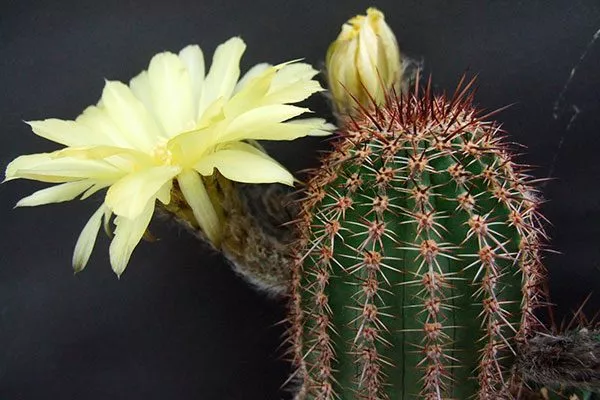
Echinopsis flowers are large, white or pink, typically blooming at night and possessing a pleasant fragrance. This genus is characterized by its ease of cultivation and rapid growth, making it an ideal choice for beginning cactus collectors.
Gymnocalycium
Gymnocalyciums are compact, spherical plants covered with short, thick spines arranged in rows along the ribs. They are characterized by a variety of flower colors, from white and yellow to red and purple.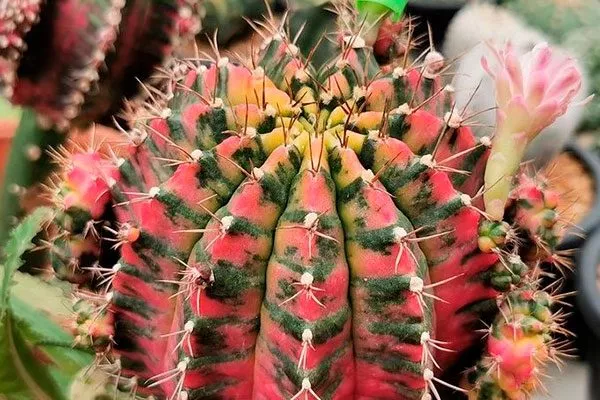
Some varieties have flowers just a few centimeters across, but some are giants, reaching 7-8 cm in diameter. This genus is characterized by slow growth and increased drought tolerance, making it suitable for those who prefer minimalist care.
Cereus
Cereuses are columnar cacti, reaching considerable sizes, sometimes taller than a human. Their surface is covered with large, stiff spines that form characteristic rows.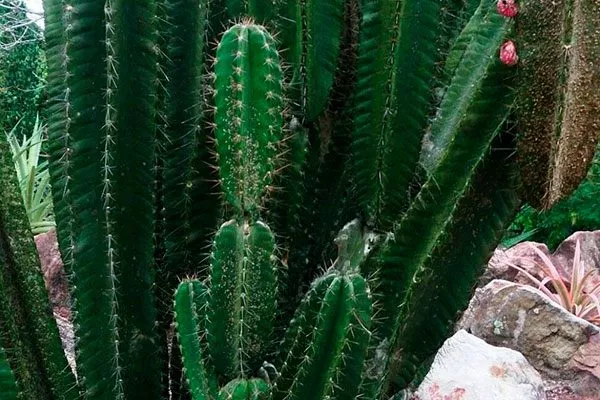
Despite their outward severity, cereuses attract attention with their magnificent flowers, which open mainly at night and have a pleasant aroma.
Mammillaria
This genus is represented by a wide variety of shapes and colors, from small, spherical specimens to small bushes. The stems are decorated with small white or gray papillae, between which are short, thin needles of varying shapes and colors.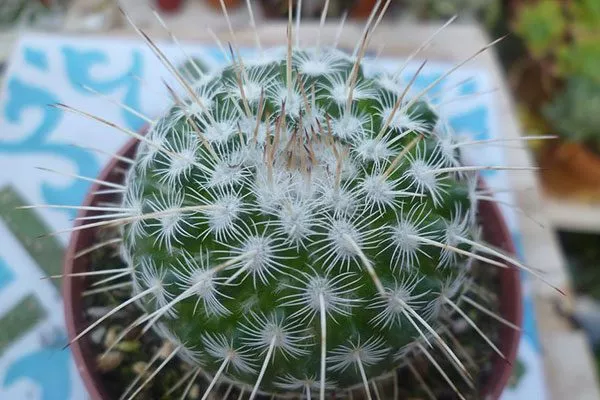
Mammillarias are characterized by small, brightly colored flowers arranged around the top of the plant. Their miniature size and attractive appearance make them a favorite among many collectors.
Gasteria
Although gasterias are not formally members of the Cactus family, they have earned their place among the prickly plants due to their similar appearance and growing conditions. Gasteria leaves are elongated, fleshy, and covered with small, spine-like tubercles.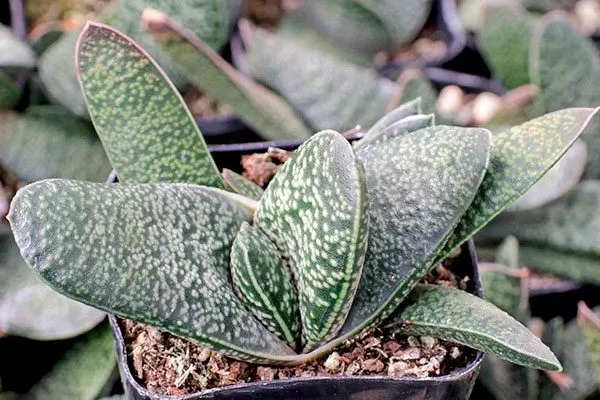
The plants require moderate light and tolerate dry indoor air well, making them an excellent addition to any interior.
Features of caring for prickly varieties of cacti
Cacti are unique plants, capable of adapting to extremely unfavorable conditions. However, to ensure they not only survive but thrive, providing their owners with flowers and a healthy appearance, proper care is essential.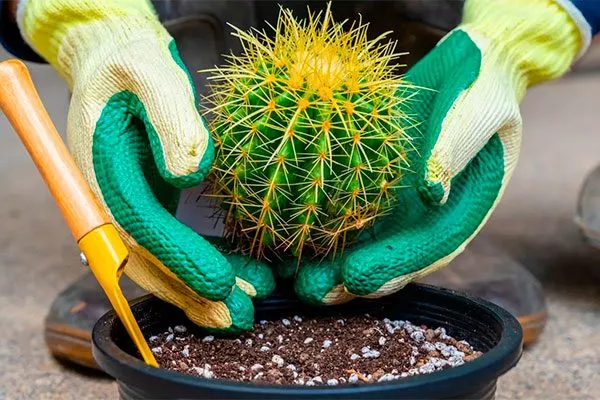
Lighting
Cacti love sunlight, especially those found in desert regions. Without sufficient sun, they cannot achieve full growth and flowering.
Recommendations:
- Location: South, southwest and west facing windows are ideal, providing the maximum amount of daylight.
- Direct sunlight: Most desert cacti thrive in full sun. However, young plants or those that have been in shaded areas for a long time need to be gradually acclimated to intense light, otherwise sunburn is possible.
- Additional lighting in winter: During the cold season, when days are shorter, a good solution is to use special phytolamps that compensate for the lack of natural light.
Temperature and humidity
Cacti are warm-loving plants, but they require temperature changes to stimulate flowering.
Recommended conditions:
- Summer period: The optimal temperature is 25-35°C. You can place cacti outdoors, for example, on a balcony or in the garden, but remember to protect them from precipitation.
- Wintering: Most cacti require a cool rest period (10-15°C). This break stimulates bud formation and flower bud initiation.
- Humidity requirements: Desert cacti thrive in dry microclimates, while tropical varieties require slightly more moisture. It's worth noting that misting the plants themselves is not recommended. Humidity can be increased by placing containers of water nearby.


Soil and pots
Choosing the right soil and a quality pot can have a significant impact on the health and well-being of your cactus:
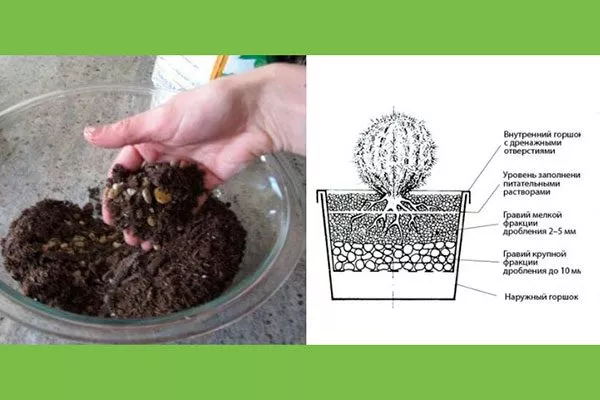
- Soil composition. The best option is a specialized soil substrate designed specifically for cacti, available in specialty stores. The mixture should be lightweight, porous, and ensure efficient drainage of excess moisture.
If you want to create your own soil, use the following recipe:- 2 parts leaf soil;
- 2 parts coarse sand;
- 1 part perlite or vermiculite;
- 1 part of fine crushed stone or broken bricks.
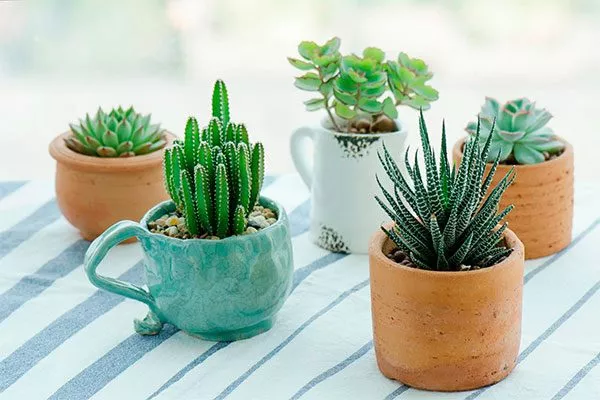
- Pots. The most important thing is the presence of drainage holes to allow excess liquid to drain. The container size should be chosen according to the volume of the root system: a pot that is too large can lead to water retention, which will negatively impact the plant's development. As for materials, both plastic and ceramic are acceptable.
Watering and fertilizing
Humidity plays a key role in proper cacti care. Although these plants are accustomed to dry climates, a complete lack of moisture will lead to negative consequences.
Basic principles of irrigation:
- Frequency of procedure:
- Spring-summer (active season): Water the soil approximately 1-2 times a week, taking into account the temperature and humidity level.
- Autumn: Reduce watering frequency to once every two weeks.
- Winter (rest period): The minimum frequency of adding liquid is approximately once a month or even less often.
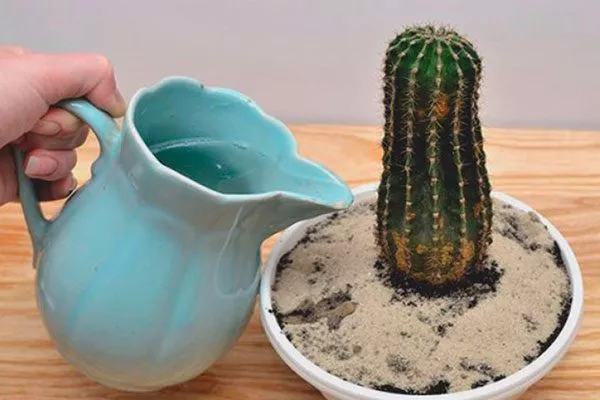
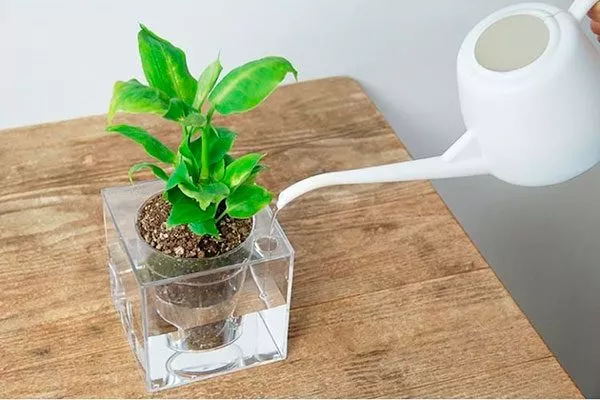
- Irrigation method. You can choose the overhead method (watering the soil directly from above), but try to avoid dripping onto the plant itself. An alternative is to immerse the pot in a container of water from the bottom up (bottom watering). The main rule is to distribute the moisture evenly over the entire surface of the substrate.
- Water quality. It's important to remember that the liquid should be soft, settled, and close to room temperature. Rainwater or filtered water are ideal.
- Excess moisture. The main thing to remember is that overwatering is detrimental to cacti, causing root rot. Therefore, make sure your pot has drainage holes and the soil is well-drained.
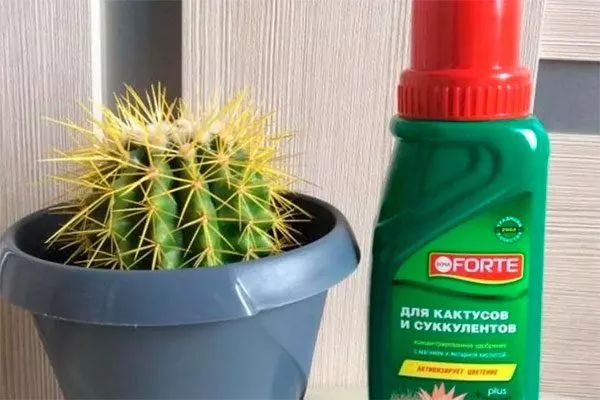
Cacti don't require regular fertilizing, but during the active growth phase (spring and summer), they will benefit from additional support. Fertilizer application tips:
- Fertilizer type: Choose specialized formulations designed specifically for cacti, with a reduced level of nitrogen compounds.
- Application mode: Feed the plants approximately once every three to four weeks.
- Features of winter: During the cold period, vegetation slows down, therefore, there is no need for additional nutrients, so feeding is stopped completely.
Pest and disease control
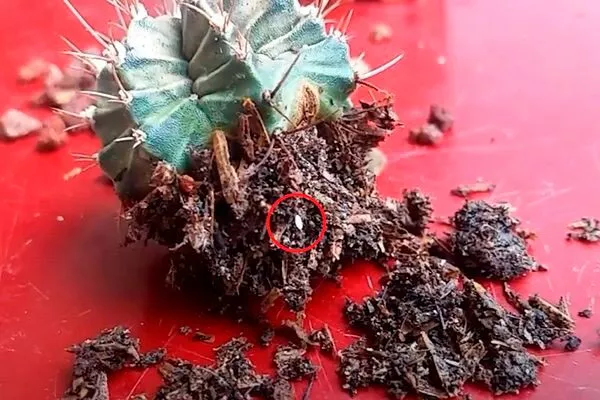
Cacti are susceptible to various pathogens and pests if not properly cared for. The most common problems include:
- Mealybug: It manifests as a white, fluffy coating on shoots. It can be eliminated by cleaning the affected area with an alcohol solution and treating it with a special insecticide.
- Spider mite: Characterized by the appearance of a fine web on the plant. Acaricides are effective.
- Root rot: This occurs due to excess moisture. It is necessary to remove the affected part of the root and replace the soil.
Transfer
Repotting is done to improve the soil mixture and maintain healthy plant growth. When to repot:
- It is recommended to repot young cacti annually;
- For adult specimens, it is enough to change the soil once every 2–3 years.
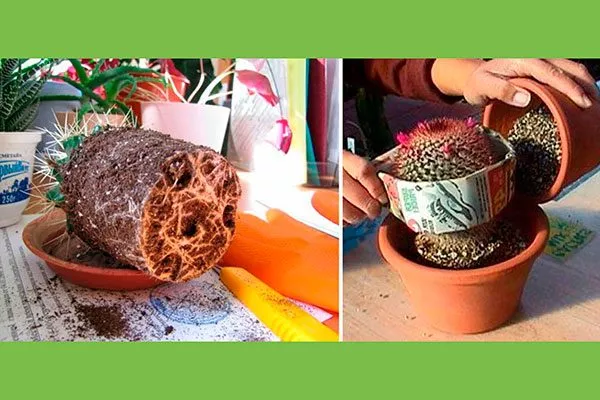
The transplant process:
- Prepare a new suitable container and fresh soil.
- Carefully remove the cactus from its original pot, being careful not to damage the root system or prick yourself.
- Remove the old soil, carefully inspecting the roots for signs of rot.
- Carefully place the plant in the new container, filling the voids with soil so that the growing point remains level with the surface.
- After completing the procedure, refrain from watering for 5-8 days, allowing the damage to the roots to recover.
Stimulation of flowering
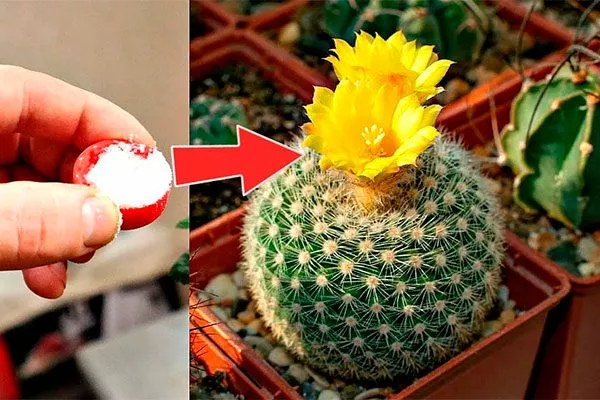
Flowering cacti bring true joy to their owners. Here are a few tips to help you achieve the desired result:
- Organize “hibernation”: provide a comfortable winter with minimal watering frequency and lower temperatures.
- Make sure there is good lighting: give the plant enough light.
- Limit the frequency of repotting mature plants to allow buds to form.
Safety when caring for thorny cactus bushes
Needle-shaped cacti are becoming increasingly popular among indoor gardeners due to their unique beauty and ease of care. However, their sharp spines make working with them potentially dangerous. To prevent injury and unpleasant consequences, it's important to take precautions when handling these plants.
Why is caution important?
Contact with cactus spines often causes adverse effects, including pain, inflammation, and skin irritation. The plant's spines remain embedded in the skin, triggering a localized reaction.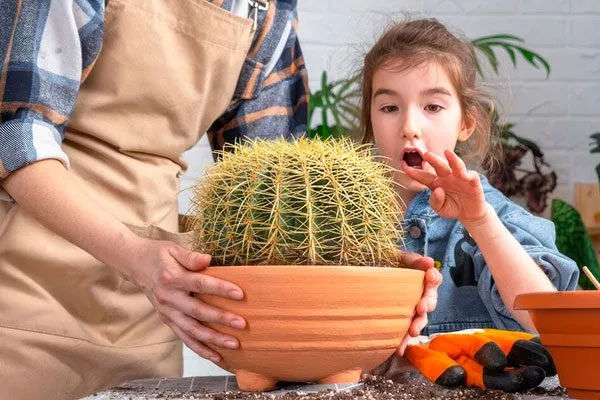
The type of spines varies:
- some are soft and brittle;
- others are hard and sharp.
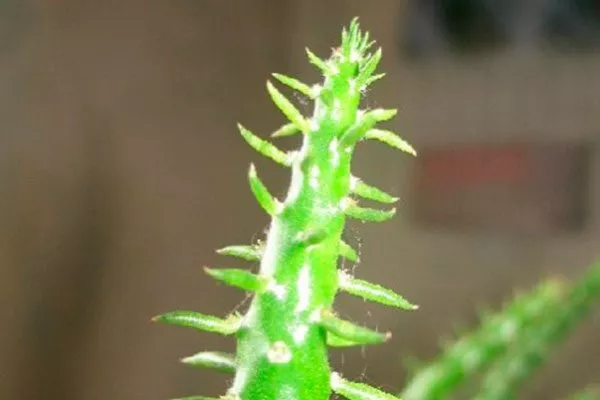
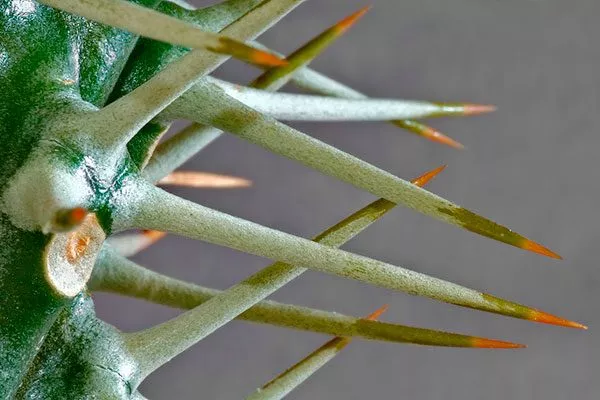
The severity of symptoms is determined by the characteristics of the needles of a particular type of cactus and the individual characteristics of the human body.
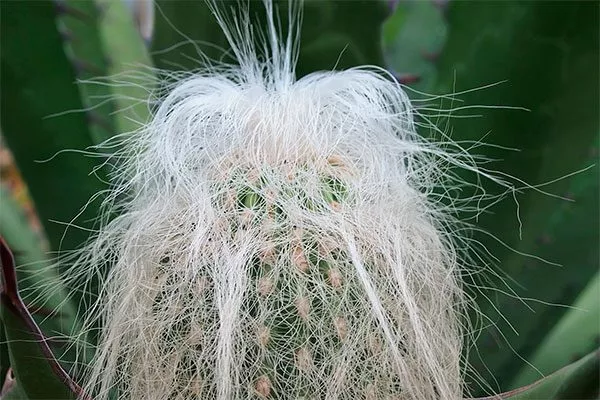
Among the key manifestations after a cactus injection, the following signs are distinguished:
- the appearance of pain and discomfort in the affected area;
- redness and swelling of the epidermis;
- manifestation of itching and burning;
- formation of pinpoint traces of blood at the puncture site.
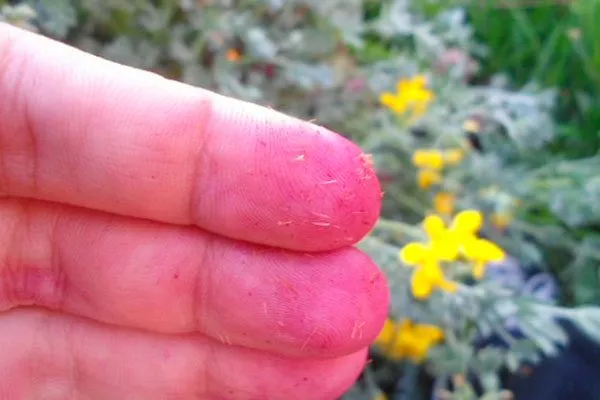
The spines of most cacti are extremely sharp and easily penetrate the skin, causing not only irritation and inflammation but even allergic reactions. Furthermore, many spines can break off within the skin, making removal difficult.
The most common consequence of a cactus thorn puncture is an inflammatory reaction of the skin near the affected area. This causes redness, swelling, and soreness, but more serious complications can also occur:
- Dermatitis is an inflammation of the skin, characterized by itching and rash.
- It's especially dangerous if cactus spines penetrate deeper into soft tissue or internal structures. For example, a prick into a joint can trigger arthritis, while a thorn's penetration into muscle tissue or a nerve can lead to long-term pain and dysfunction of the corresponding structures.
- Getting cactus particles into the eye can have serious consequences: damage to the corneal epithelium, the development of conjunctivitis and, in the worst case, loss of vision.
Understanding the potential risks and consequences of a cactus sting allows for prompt, appropriate first aid measures, which significantly reduces the likelihood of adverse outcomes and accelerates the body's recovery.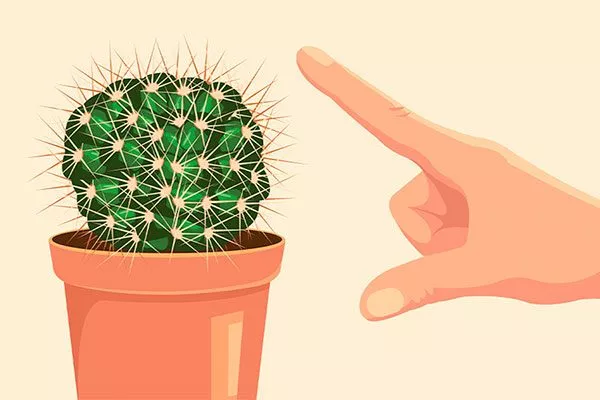
Use of protective equipment
To protect your hands, it's recommended to use special gardening gloves with a thick coating to prevent small thorns from penetrating your fingers. If you're working with complex specimens, consider thick leather or rubber gloves.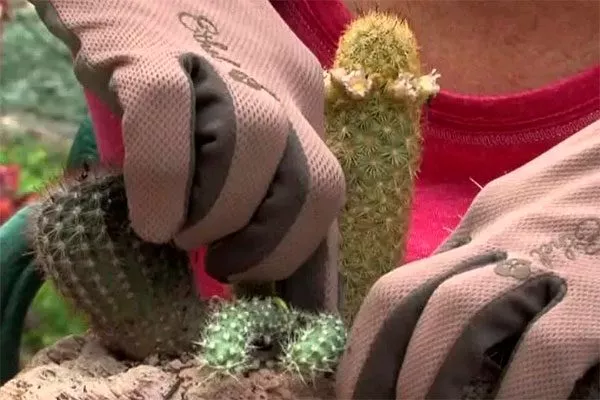
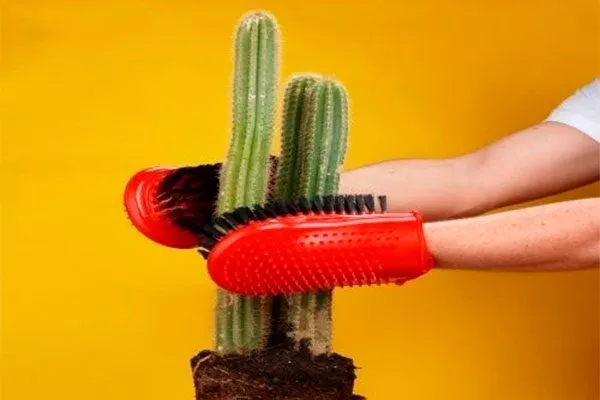
Experts also recommend wearing protective goggles or masks, especially when planting new plants or moving large specimens. This will prevent dust and thorn fragments from accidentally getting into your eyes.
Correct selection of tools
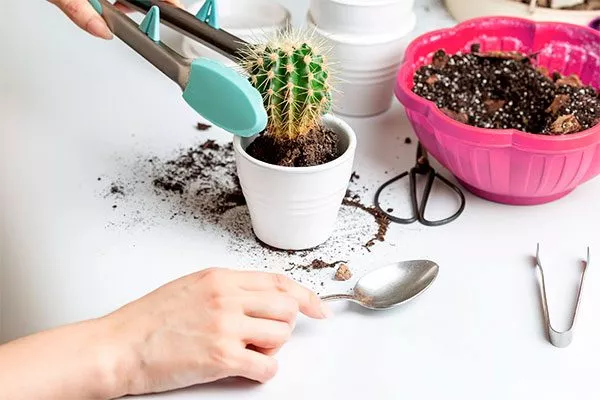
When working with needle-shaped cacti, it's advisable to use specialized tools that facilitate planting and moving the plants without risk of damage. For example, these could include:
- tweezers or wooden sticks that allow you to carefully hold the plant, avoiding contact with the skin;
- A good alternative are container holders designed specifically for transporting cacti;
- It's useful to have rubber brushes or paintbrushes to clean surfaces of small debris and pollen that has settled on plants—this tool will help avoid unnecessary contact with sharp parts of the plant.
How to remove accidentally growing thorns?
If cactus spines penetrate your skin, it's important to carefully inspect the affected area using a magnifying glass. Keep in mind that even the smallest needle fragments may go unnoticed.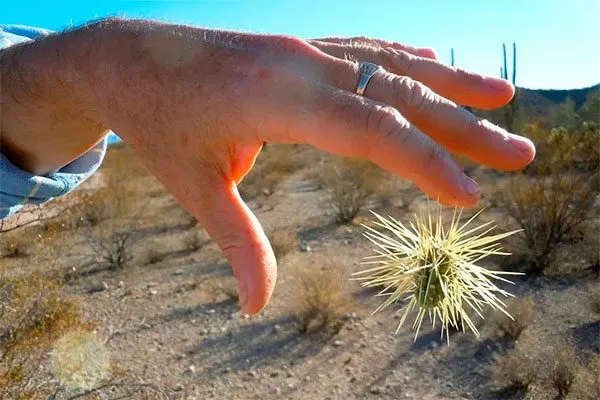
Classic options
If you're sure there are no foreign bodies in the skin, you should treat it with antiseptics: hydrogen peroxide, chlorhexidine, or miramistin. In a pinch, alcohol, vodka, medicinal infusions, or even alcohol-based perfumes will do. After disinfecting, apply iodine or brilliant green solution to the affected area.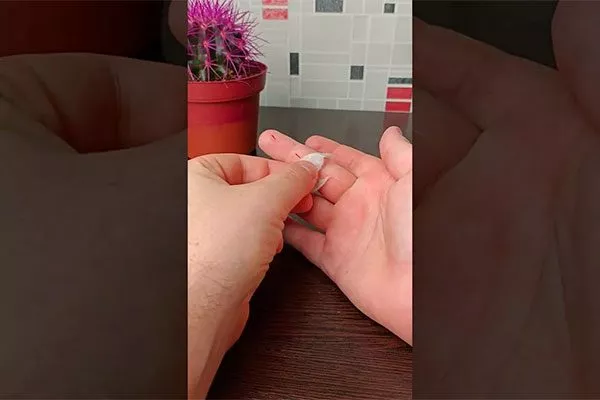
Next, monitor the condition of the affected area:
- A rapid reduction in redness and the absence of pain and swelling indicate a successful outcome. You can also use antiseptic solutions or alcohol-based products again.
- If the situation develops unfavorably—the skin is swollen, hot, or the pain has increased—an invisible needle fragment has likely been inserted. Apply ichthammol ointment to the area, cover with a small piece of gauze, and secure with adhesive tape.
- If after 24 hours the observed negative effects persist or intensify, stop self-manipulation and visit a medical facility.
But what should you do if you know for sure that the needle remains in the tissue? Ignoring the presence of a foreign object is unacceptable, as this could lead to dangerous consequences: severe inflammation and the formation of a pustule. Since the needle is unlikely to come out on its own, mechanical removal will be necessary.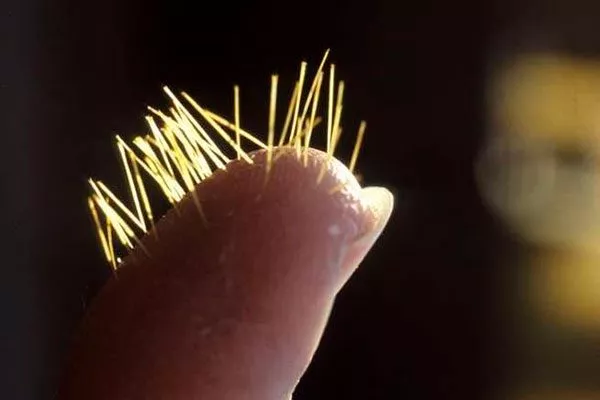
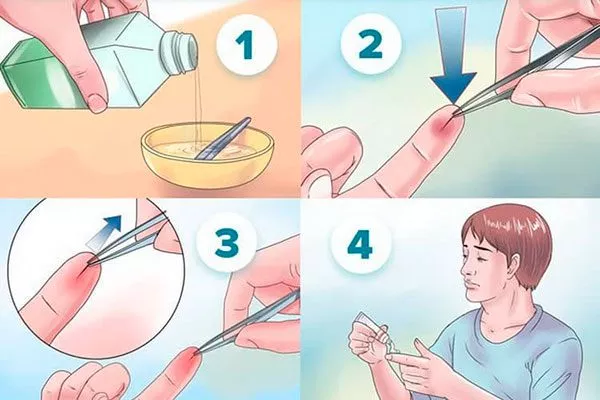
The procedure is as follows:
- Disinfect the instrument (tweezers) using an antiseptic: alcohol, vodka, chlorhexidine solution or hydrogen peroxide.
- Treat the area near the splinter with a clean cotton pad soaked in a similar solution.
- Using tweezers, hold the tip of the needle close to the skin surface and gently pull it upward.
Unusual methods
Cactus growers continue to develop other, more traditional methods for removing spines. One such method is rubber cement, which is an effective means for simultaneously removing multiple cactus spines.
How to do it:
- First, carry out standard preparation – disinfect the skin with an antiseptic solution.
- Next, using a cosmetic spatula or cotton swab, apply a thin layer of glue directly to the area where the splinter is located.
- Wait until the adhesive dries completely, forming a flexible protective layer. While the adhesive dries, some discomfort may occur at the puncture site. If severe pain occurs, taking a pain reliever, such as paracetamol, can help relieve the discomfort.
- Once the polymerization process is complete, gently pull the resulting film away from the skin. Any remaining needle fragments will also come out. If not all the needles are removed after the first procedure, try again or remove the remaining ones manually using tweezers.
Another popular solution is to use regular medical tape or wide, transparent adhesive tape. Apply the strip of adhesive material to the skin and quickly tear it off.
What to do if a needle gets stuck in your skin?
If none of the suggested methods successfully remove the splinter, there are still additional options:
- Soak the affected area in warm water to soften the tissue and facilitate further removal. After the steam bath, thoroughly disinfect the area with an antiseptic and try to gently squeeze out the splinter.
- Another alternative is to use anti-inflammatory ointments such as Vishnevsky ointment or ichthyol paste. Apply the chosen solution overnight, covering the area with a bandage or medical tape. This procedure can have a positive effect, accelerating the removal of the foreign body and reducing inflammation.
However, if a morning examination shows no improvement, pain persists, the area is red and continues to bother you, the only correct step is to visit a medical specialist.
In what cases should you see a doctor?
Most often, cactus stings cause only temporary pain, slight redness, and skin irritation. However, there are circumstances that require immediate medical attention:
- You experience significant discomfort or prolonged pain after the injection.
- Violation of the integrity of the skin is accompanied by noticeable bleeding.
- The area of contact begins to swell noticeably or become more irritated than usual.
- There is a feeling of tingling, numbness or other unusual sensations in the affected area.
- Symptoms of an allergic reaction may include rash, severe itching, tissue swelling, or difficulty breathing.
- The puncture occurred in vulnerable areas such as the mucous membrane of the mouth, eyes or genitals.
If any of these factors are present, it is advisable to consult a doctor who will assess the situation and prescribe appropriate treatment. It is important to remember that self-treatment may be ineffective and increase the risk of further complications.
Tips from experienced gardeners: how to protect yourself from pricks?
There are a number of helpful tips from cactus growers to help reduce the risks when working with prickly varieties:
- When caring for a cactus, always exercise care and delicacy. Remember that every cactus has sharp spines that can cause injury if handled carelessly.
- When performing any manipulations related to replanting, try to remove the cactus from the old container carefully, using a towel folded in several layers to protect your hands.
- It is recommended to place pots containing prickly inhabitants away from traffic routes to prevent accidental collisions.
- If you have small children in your home, make sure your green “friends” are out of reach of little hands.
- Those owners whose cats tend to show interest in litter boxes can solve the problem by hanging them on the walls.
Contact with cactus spines generally doesn't pose a serious health risk if the punctures are removed promptly and the affected area is treated with antiseptic. The key rule: spine fragments left in the body won't dissolve on their own, so they should be removed immediately.