
Winter is a dormant period for cacti. During this time, their light and water requirements change significantly, requiring owners to adjust their care routine. Proper lighting and a consistent watering schedule help maintain the plant's health, prevent stress and disease, and provide comfortable conditions until the active growing season begins.
Characteristics of cacti needs in winter
In winter, cacti undergo a special period of vegetative dormancy, which is an important part of their life cycle. Under conditions of short daylight hours and lower temperatures, the physiology of these plants changes significantly:
- growth slows down;
- metabolism decreases;
- the need for water and nutrients decreases.

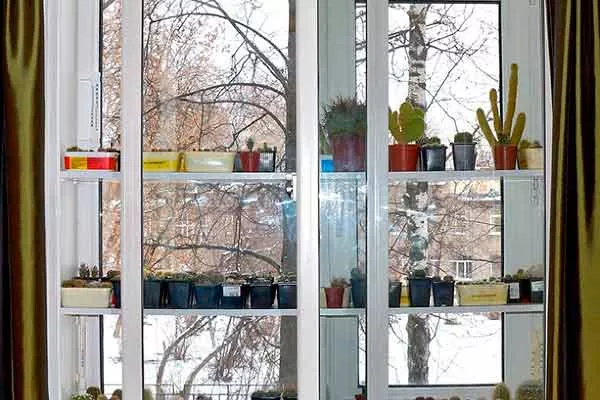
Maintaining a dormant period during winter helps cacti conserve their strength and prepare for active growth in the spring and summer. Ignoring these natural rhythms can lead to weakening of the plant, the development of disease, and even death.
The need for light
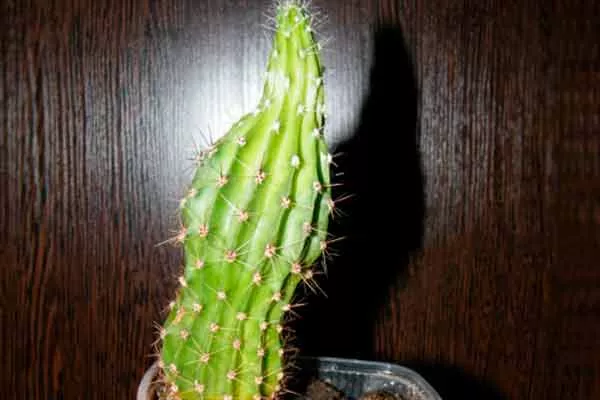
Despite the dormancy, cacti continue to require bright but indirect light during winter. The light intensity should be sufficient to maintain photosynthesis at a minimum level, which helps maintain the plant's health and color.
Basic requirements:
- The optimal light intensity is considered to be around 1000-2000 lux.
- It is recommended to maintain the duration of lighting within 10-12 hours per day to compensate for the shortened day and prevent excessive stretching of shoots.
Temperature conditions
Proper winter care for your crop is essential. Follow these guidelines:
- The appropriate temperature during the dormant period typically ranges from 5°C to 12°C. Lower temperatures can cause tissue damage and plant death, while excessively high temperatures (15°C and above) stimulate premature growth, which is undesirable in winter.
- Imbalances in temperature control reduce cacti's resistance to disease and stress. To maintain a comfortable temperature, it is recommended to place plants in cool but well-ventilated areas, avoiding sudden temperature changes and cold drafts.
- If necessary, you can use special insulating stands or place cacti on windowsills with good protection from the cold.
Lighting organization
In winter, natural sunlight is often insufficient for cacti, so it's important to properly manage artificial lighting. For this purpose, specialized lighting fixtures are used to provide the plants with the necessary spectrum and intensity of light.
When installing lamps, consider not only their type and wattage but also safety regulations—light sources must be securely fastened. Optimally, position the lamps so that the light evenly covers all plants, without creating shadows or causing localized overheating.
Choosing the right lighting
Various types of lamps are often used to provide additional lighting for cacti. The most popular are:
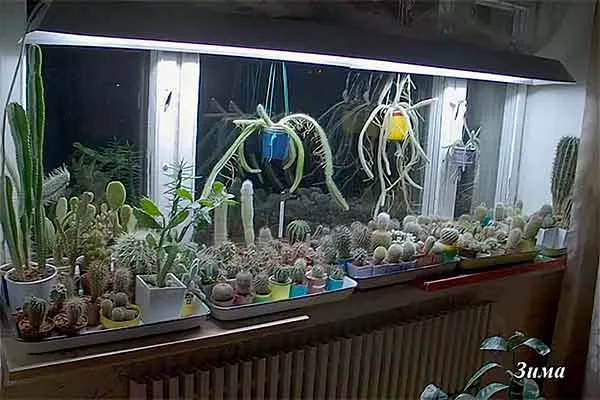
- Fluorescent lamps – An affordable and widely available option, they produce soft, diffused light with a good spectrum and are suitable for small collections. However, they have relatively low energy efficiency and lose brightness over time.
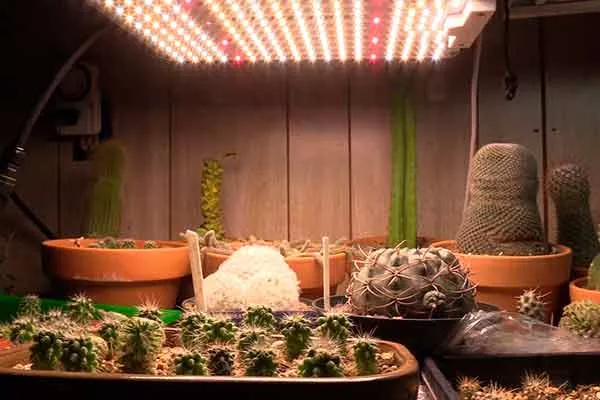
- LED grow lights – A modern solution specifically designed for plants. They are highly energy efficient, have a long service life, and can be customized to the desired light spectrum (for example, red and blue wavelengths, which are important for photosynthesis). The downside is the high cost.
Backlight power and duration
The duration and intensity of supplemental lighting depend on the natural conditions of the region and the location of the cacti. Basic requirements:
- In northern latitudes with short daylight hours, illumination may be required for up to 12-14 hours a day, in more southern regions – about 8-10 hours.
- The total illumination should be approximately 10,000-20,000 lux.
- To calculate the power, use the area occupied by the plants as a guide: approximately 20-40 W of LED lighting or the equivalent power of fluorescent lamps is recommended for 1 square meter.
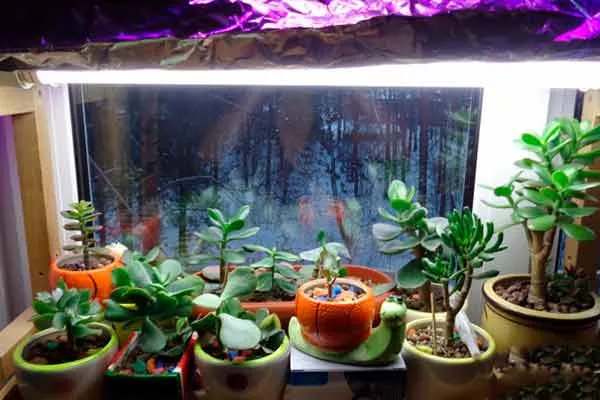
Adjusting the distance between the light source and the plant
The optimal distance between the lamp and the cactus depends on the type of light source and its power. Let's take a closer look:
- For LED grow lights, it is recommended to place the lamps at a distance of 20-40 cm, for fluorescent lamps - about 30-50 cm.
- If the light is too close, the plant may get burned or overheated; if it is too far away, the illumination will be insufficient and growth will slow down.
For even light distribution, use multiple lamps positioned to minimize shadows. Regularly check the height of the lamps, adjusting it as the plants grow to ensure consistent, optimal lighting.
Watering mode
During winter, cacti are dormant, so their water requirements are significantly reduced. During this period, proper irrigation is important to maintain plant health and prevent diseases associated with excess moisture.
Watering frequency, temperature and water quality
During the winter, water your cacti moderately. Follow these guidelines:
- Moisten the soil no more than once every 3-4 weeks, depending on the room temperature and humidity. The main goal is to prevent the soil from drying out completely, but also to avoid excessive moisture.
- Water for irrigation should be warm, room temperature or slightly higher (+20…+25°C), so as not to cause stress to the roots.
- Use settled water without chlorine or impurities, preferably rainwater or filtered.
- Water carefully, at the root, avoiding moisture getting on the cactus and its base, which reduces the risk of rot.
Signs of over- or under-watering
Overwatering manifests itself as softening and darkening of the tissue at the base of the plant (stem or roots). Other symptoms also include:
- the appearance of rot and unpleasant odor from the soil;
- yellow or transparent spots on the "body" of the cactus;
- slow growth or complete cessation of development.
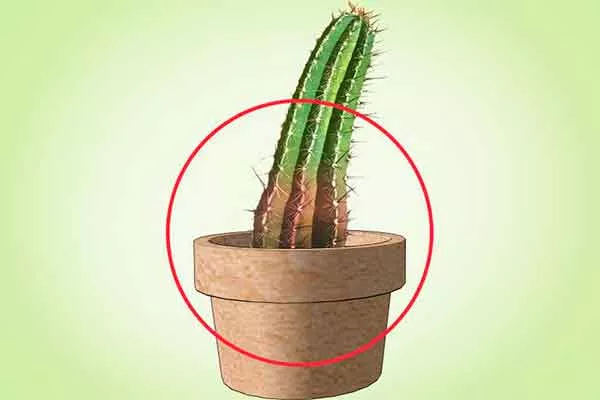
Lack of moisture is expressed through the following symptoms:
- wrinkling and shrinkage of cactus tissues;
- loss of turgor (elasticity);
- growth retardation and pale coloration.
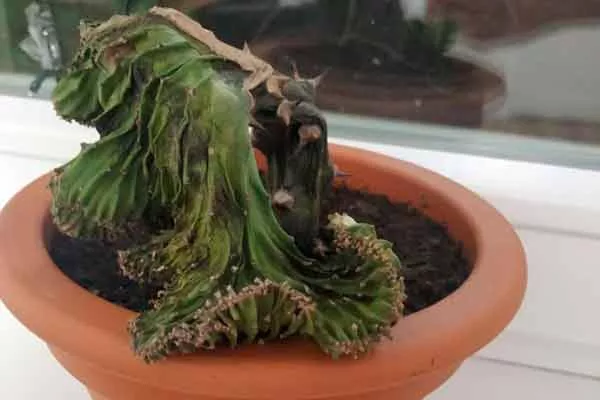
In this case, it is necessary to increase the frequency of watering, but do it gradually so as not to provoke over-watering.
Care tips
During winter, when cacti are dormant, proper care is especially important to maintain their health and beauty. Here are some practical tips:
- Preventive treatment against pests. Even during the cold season, cacti can be attacked by spider mites, scale insects, and other pests. Inspect the plants regularly, especially the undersides of the stems and areas near the roots.
At the first signs of infestation, treat with insecticides or natural remedies, such as soap solution or garlic infusion. - Maintaining humidity levels. Cacti prefer dry air, but not too dry during the heating season, as this can negatively affect the condition of the plants.
The optimal humidity level is around 40-50%. To increase humidity, you can use special humidifiers or place trays of water near the plants. Avoid excessive moisture and drafts. - Monitoring plant conditions. Regularly inspect cacti for discoloration, spots, deformations, or signs of rot. Pay attention to the soil—it shouldn't be constantly wet.
Remove dead or diseased plant parts promptly to prevent the spread of diseases. - Optimization of conditions of detention. Monitor the temperature and lighting conditions, and adjust watering and lighting as needed. If possible, provide adequate ventilation, avoiding sudden temperature changes and cold drafts.
- Minimization of fertilizers. During the dormant period, cacti do not require fertilizing – excessive fertilizers can cause unwanted growth and weaken the immune system.
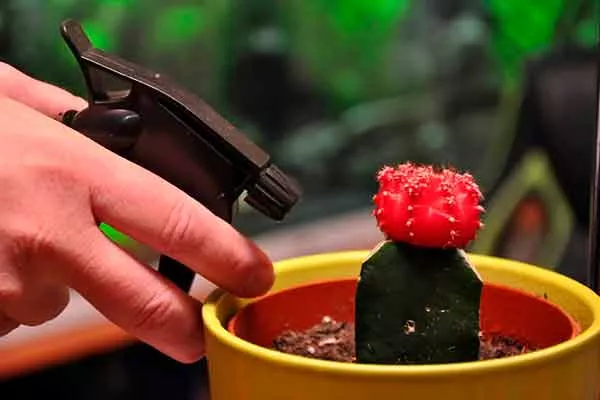
Caring for cacti in winter requires attention and an understanding of their natural needs. Proper lighting and moderate watering are key to successfully caring for them during the cold season. Following simple guidelines will not only help you avoid common winter care problems but also prepare your plants for vigorous and lush growth in the new season.