
Crown shaping and pruning are important procedures in cactus care. These procedures help maintain the plant's health, improve its appearance, and stimulate vigorous growth. Although the plant is low-maintenance, proper crown shaping prevents stretching and deformation and promotes more lush flowering.
General information about cacti and their growth characteristics
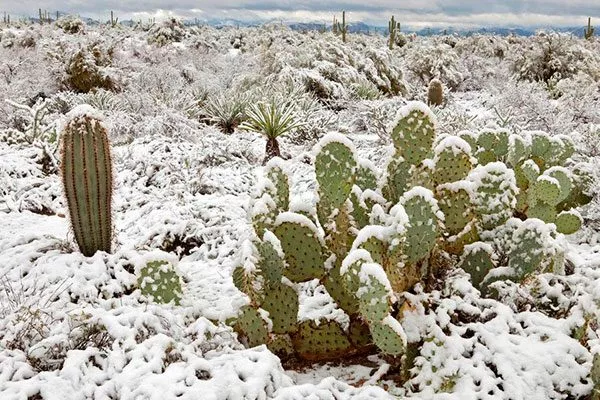
Cacti are a unique group of plants belonging to the cactus family (Cactaceae), which attract attention for their ability to survive in harsh conditions where most other crops perish.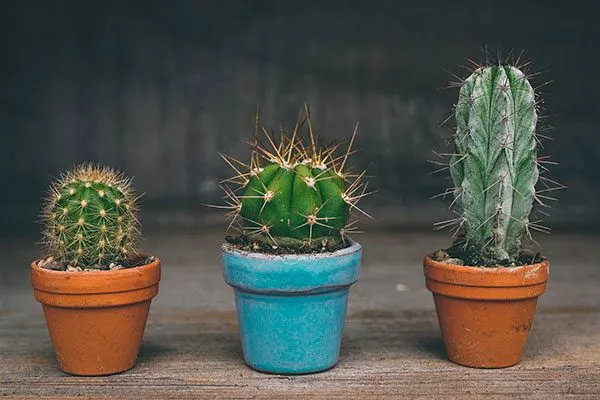
Distinguishing characteristics:
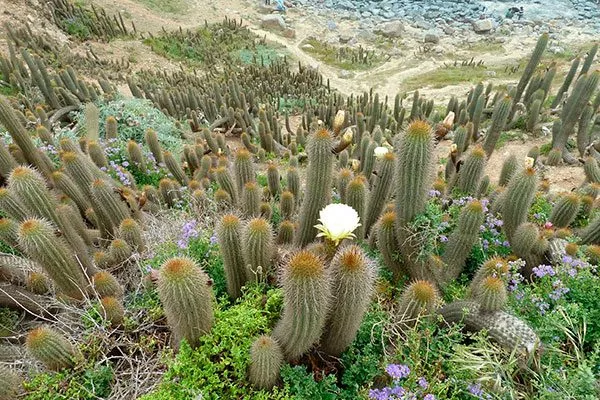
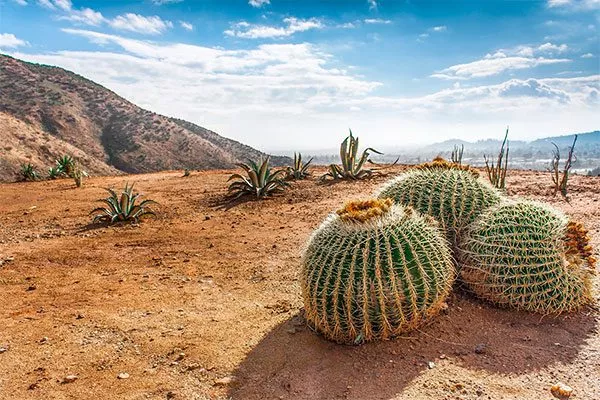
- The natural habitat is the arid and semi-desert regions of America, from the southern regions of Canada to Patagonia, although cacti are successfully grown for ornamental purposes throughout the world.

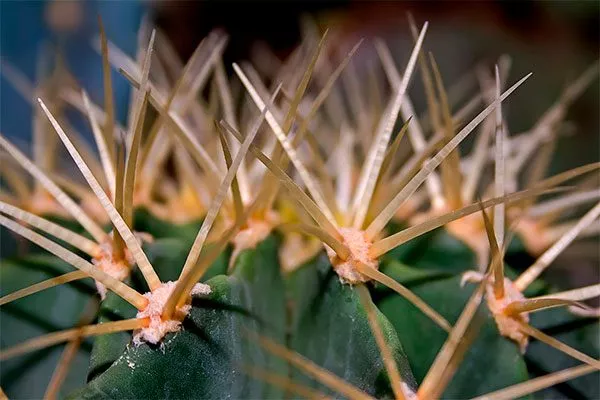
- One of their key characteristics is their adaptation to water conservation. Instead of the usual leaves, they have developed spines, which reduce evaporation and serve as protection from animals.
- The main function of photosynthesis in these plants is assigned to the stem, which often has a thickened and ribbed shape to accumulate water.
- Cacti growth depends on several factors: light intensity, temperature, humidity, and soil characteristics. In nature, they thrive in sandy or rocky substrates with good drainage.
- Periods of active growth usually occur during the warm season, and in winter many species enter a dormant state, requiring minimal watering and lower temperatures.
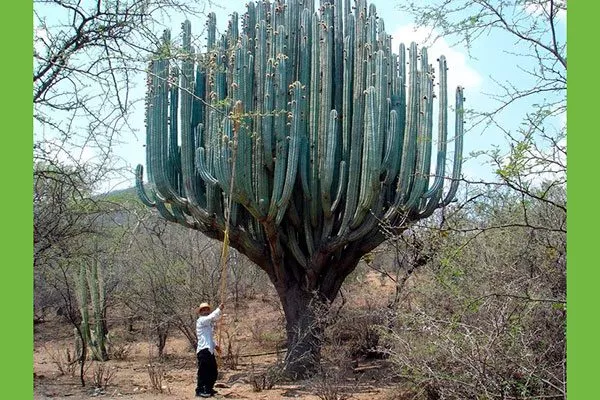
- Unlike most crops, cacti grow slowly, but can live for decades, gradually forming impressively sized specimens or, conversely, remaining miniature if this is inherent in the species' genetics.
When is it necessary to prune a cactus?
Cactus pruning isn't done often, but in some situations it helps maintain the plant's health and improve its appearance. The main situations in which this procedure is recommended are:
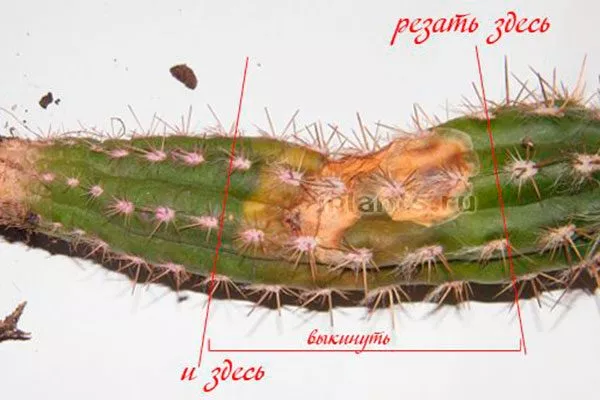
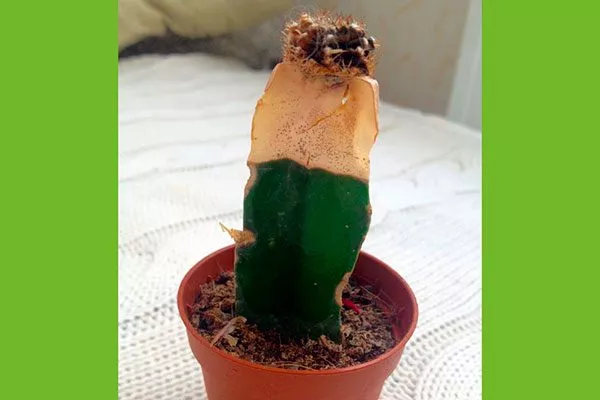
- Removal of damaged or diseased areas. If signs of rot, mechanical damage, or fungal or bacterial spots appear on the stem, carefully cut off the affected segments to prevent the infection from spreading further.
- Removal of dried or deformed parts. Over time, some cacti may experience dry tips or individual segments, which can ruin their appearance. Remove these to encourage healthy new growth.
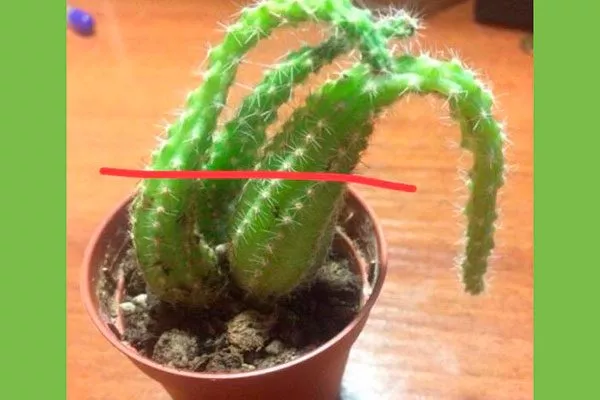
- Correction of plant shape. When a cactus stretches due to lack of light, takes on an asymmetrical or too bulky shape, pruning helps to restore a compact appearance or form the desired composition.
- Stimulation of lateral branching. In some species, cutting off the top causes the formation of lateral shoots, which makes the plant more lush and decorative.
- Preparing for breeding. Trimmed healthy segments are often used as cuttings for rooting and obtaining new specimens.
- Removing shoots or offshoots that interfere with the growth of the main stem. Sometimes lateral shoots take away the plant's strength, preventing it from developing, so cut them off.
The importance of correct plant shape for health and decorativeness
The correct shape of a cactus has a direct impact on both its health and its decorative qualities. There are several explanations for this:
- Ensures even distribution of sunlight across the entire stem surface. This helps the plant photosynthesize without unnecessary strain and prevents individual sections from becoming elongated, which often occurs with inadequate lighting.
- Promotes plant stability. Cacti with asymmetrical or overly elongated stems can lean or even break under their own weight. Maintaining a harmonious structure reduces the risk of mechanical damage.
- A healthy appearance is directly related to its decorative value. A smooth, richly colored stem, free of curves, dry spots, and unsightly thickenings, always looks more attractive and harmonious in a composition, whether planted individually or in a group.
- Maintaining the correct shape makes care easier: such a cactus is easier to inspect, replant, and protect from pests, since it is accessible from all sides.
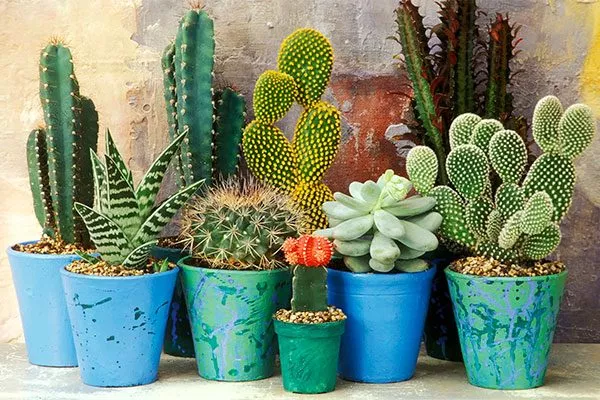
Which species need it most?
Cacti that tend to grow quickly, become overgrown, or lose their decorative shape most often require pruning. These include:
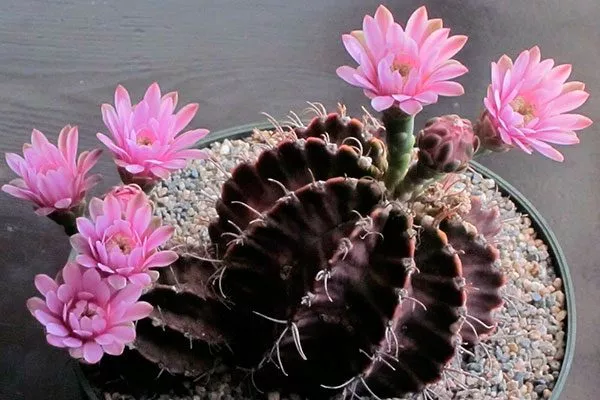
- Gymnocalycium mihanovichii. It is distinguished by a thick, elongated stem with triangular ribs, colored brown or gray-green.
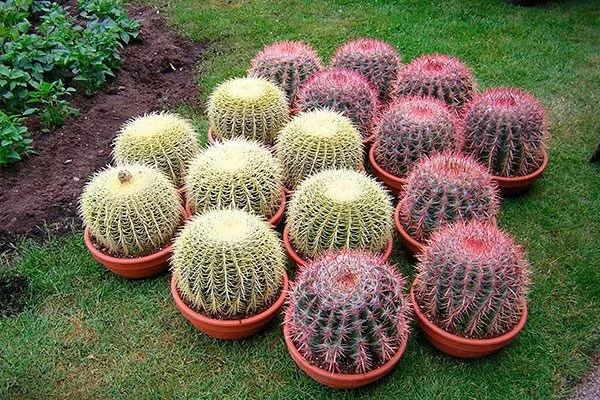
- Echinocactus. A spherical, slow-growing and unpretentious species that can stretch out if there is insufficient light.
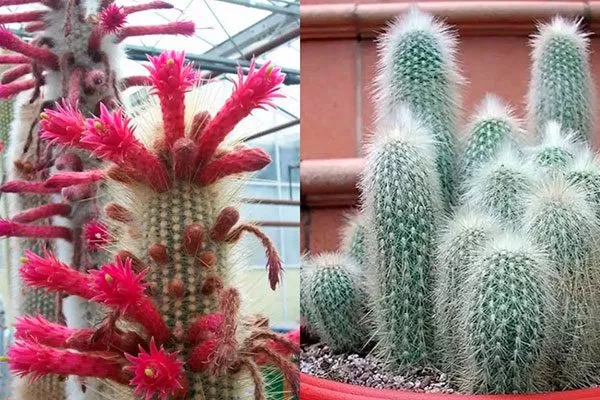
- Cleistocactus Strauss. A columnar cactus reaching up to 1 m in height. Its characteristic features are closed tubular flowers.
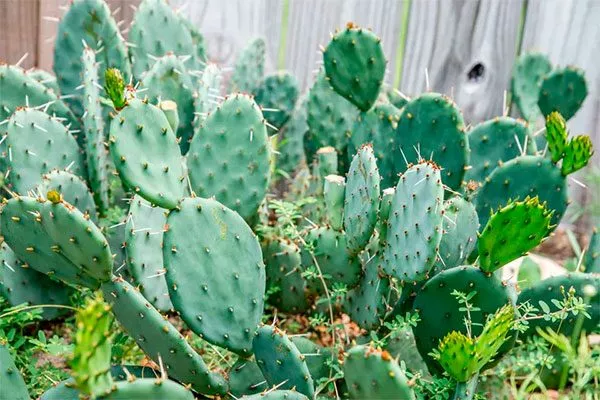
- Prickly pear. A compact species, up to 30 cm tall, with numerous small, very sharp spines. It tends to grow vigorously.
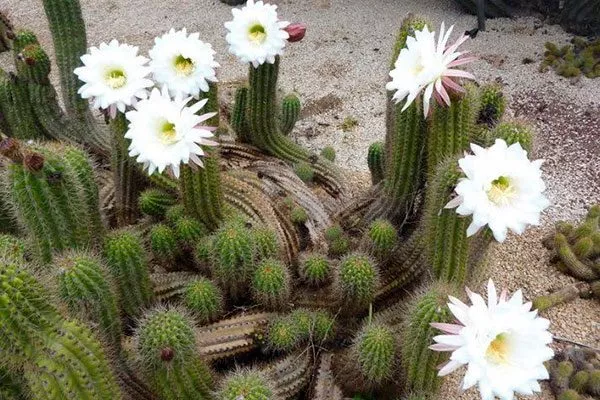
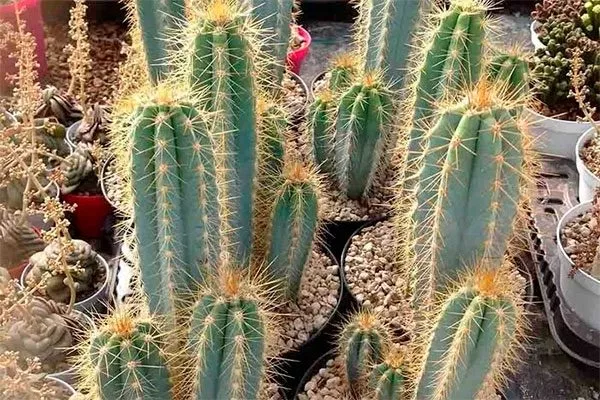
- Whitening Trichocereus. An upright or slightly sloping stem, adorned with large white funnel-shaped flowers.
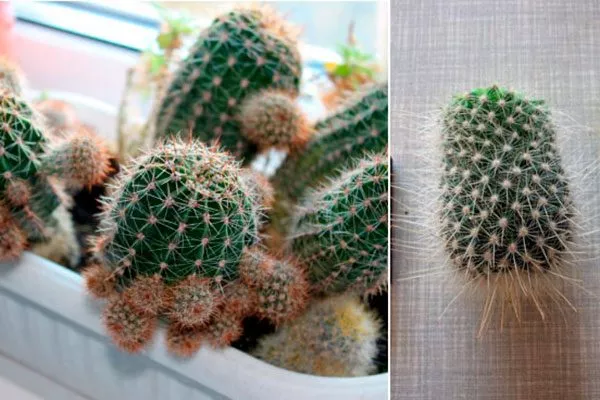
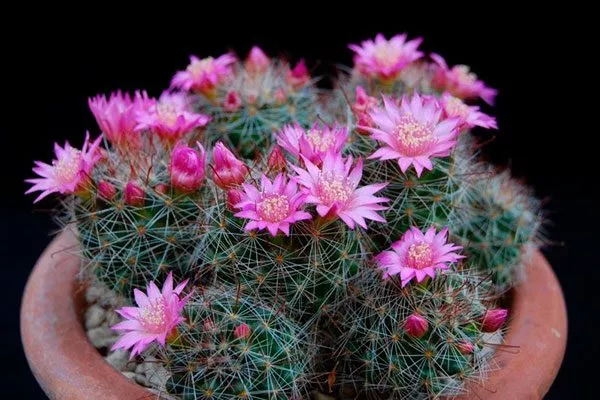
- Mammillaria. Covered with long soft spines, it has a cylindrical or oval shape and may become bare at the base over time.
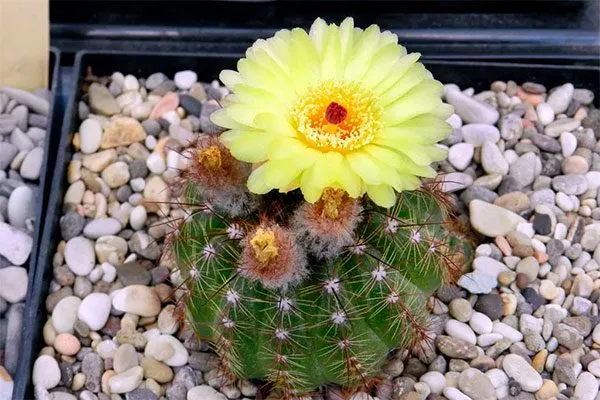
- Notocactus Otto. A thick stem with clearly defined edges on which are located stiff spines.
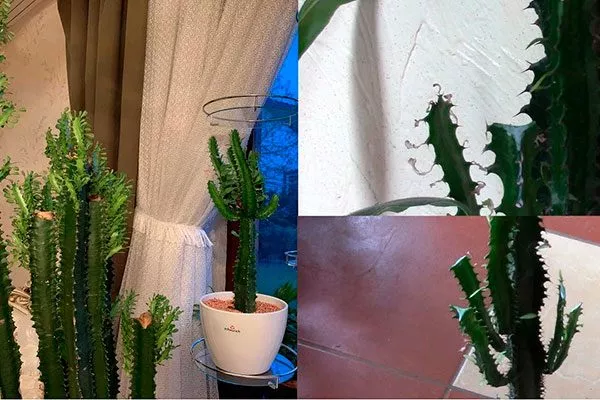
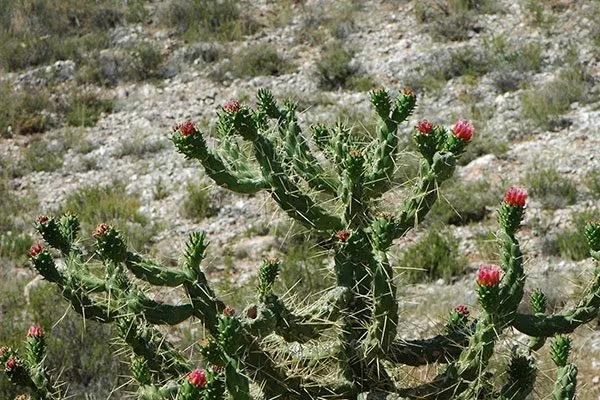
- Cylindropuncture. A branched plant with a stem composed of elongated segments. Indoors, it can reach 1-2 m.
- Cereus. A tree-like cactus with a massive stem and many lateral branches, fast growing and requiring height control.
Preparing for crown formation
Before pruning and shaping a cactus, it's important to carefully plan everything. Proper preparation helps avoid damage to the plant and ensures safe handling of prickly specimens.
What will you need?
When pruning cacti, use sharp and clean tools. You'll need the following:
- pruning shears;
- garden knives;
- scalpels or blades.
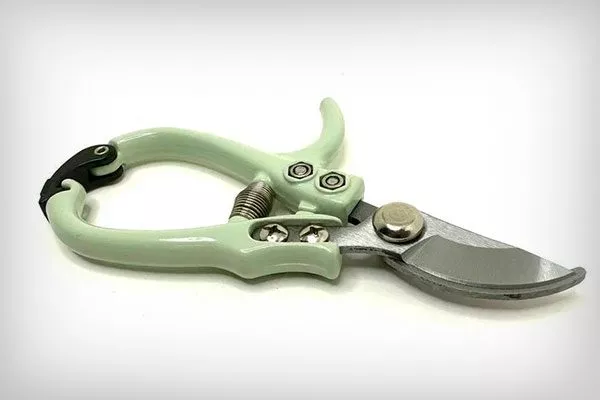
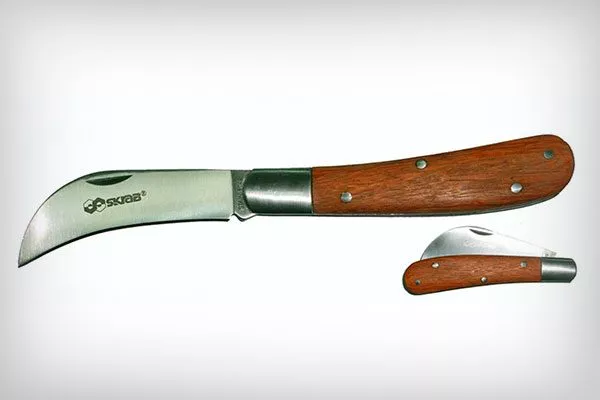
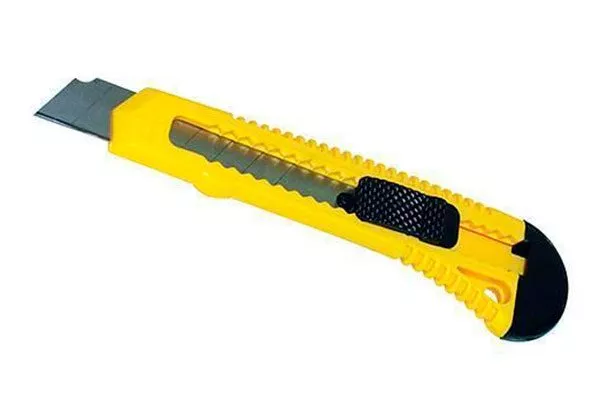
The sharper the tool, the smoother the cut and the faster it will heal. Before cutting, be sure to disinfect the blade: wipe it with alcohol, potassium permanganate solution, or chlorhexidine. This prevents infection from entering the plant tissue.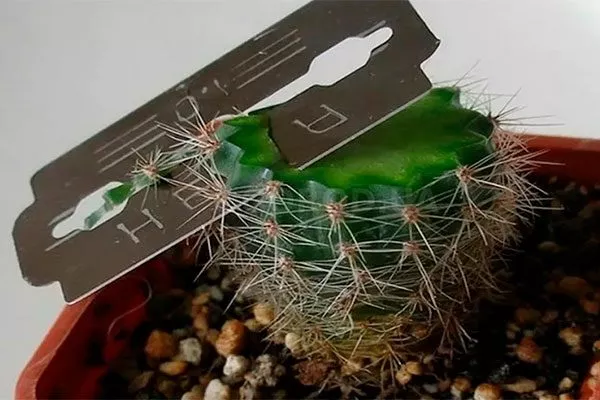
Safety rules when cutting hair
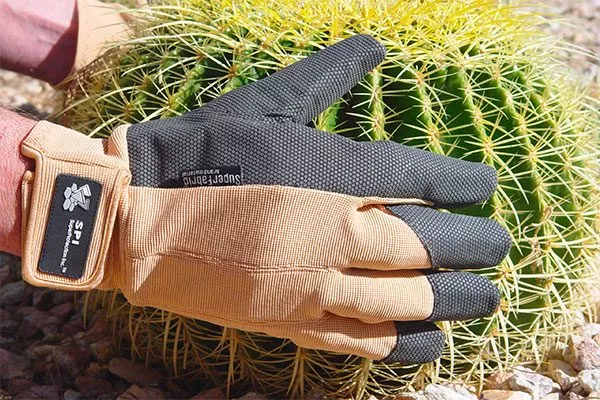
Cactus spines can be sharp, tough, or even jagged. Therefore, be sure to follow these guidelines when working with them:
- Wear thick gloves (preferably leather or special gardening gloves).
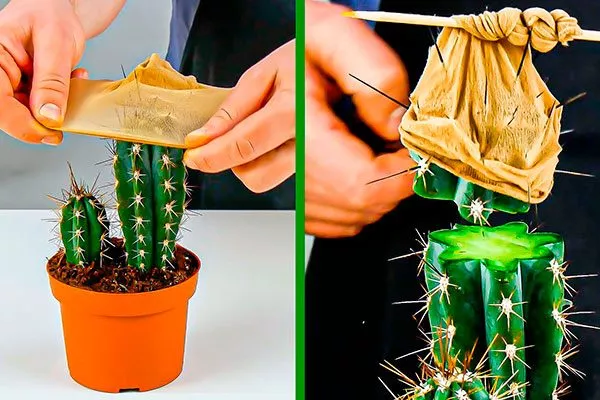
- When pruning large or particularly prickly species, use several layers of newspaper or a piece of thick cloth to support the stem.
- Carry out the event in a stable position to avoid accidental cuts and falling of the plant.
Defining the goals of crown formation
To improve the appearance of your cactus, trim away any deformed, elongated, or dry areas. Follow these other recommendations as well:
- To stimulate flowering, remove damaged shoots or those that interfere with the development of bud-bearing segments, and also carry out light pruning so that the plant directs its energy to the formation of buds.
- To rejuvenate the plant, cut off old segments to awaken old buds, stimulating the emergence of new shoots.
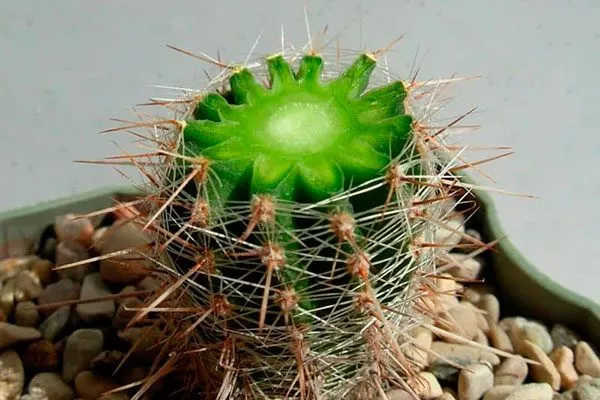
A clear understanding of the task allows you to choose the correct volume and location of pruning.
Crown formation methods
There are various techniques used to shape a cactus and maintain its decorative appeal. This section discusses ways to correct growth, stimulate branching, and improve the plant's appearance.
Pinching out stepsons
Side shoots or "pups" are lateral shoots that form on the main stem or at the base of a cactus. In some species, they appear in large numbers, crowding the plant and robbing it of nutrients.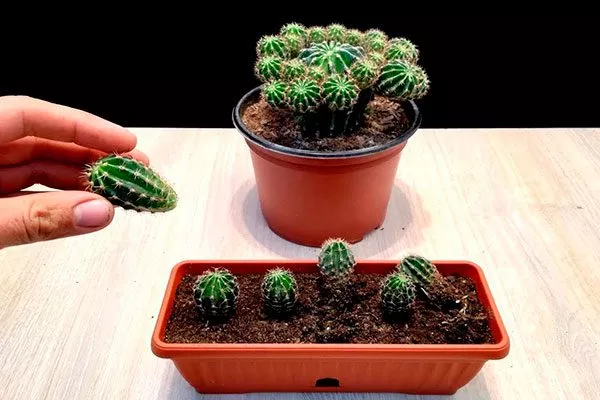
Key recommendations:
- Remove side shoots carefully to avoid damaging the main stem. Use a sharp, disinfected tool.
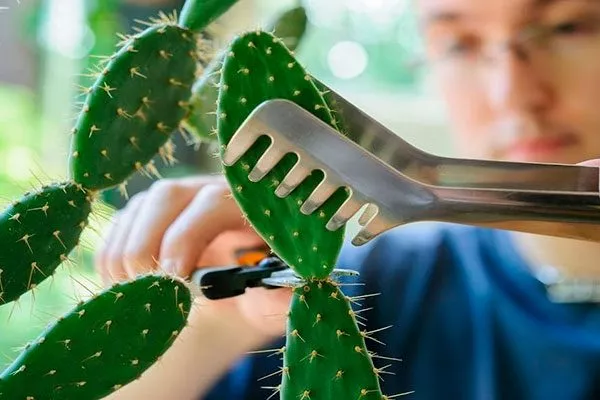
- Carefully twist out small shoots with your hands, holding them by the base, but only with gloves or through a thick cloth to protect from thorns.
- Sprinkle the cut or tear area with crushed charcoal, sulfur or cinnamon to prevent rotting and infection.
The optimal time for removing side shoots is during the cactus's active growth period, usually in spring or early summer. At this time, the plant heals damage more quickly, and the separated shoots root more easily. It is not recommended to perform the procedure during the dormant period (fall and winter) or during flowering, to avoid weakening the plant.
Pinching the tops
The apex of a cactus is the active growth zone from which the plant elongates and forms new segments. However, in some cases, it is removed to slow vertical growth, stimulate lateral branching, or adjust the plant's configuration.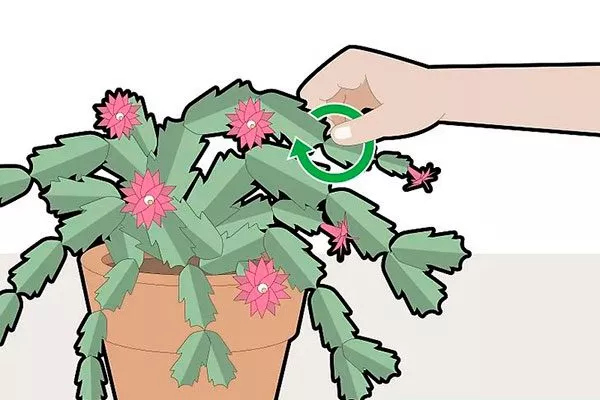
Pinching is especially useful for species that stretch excessively due to insufficient light or lose their decorative appeal.
Basic requirements:
- Perform the procedure carefully to avoid damaging healthy tissue.
- For small species or young plants, remove the tops by gently pinching them with gloved fingers or through a layer of cloth. For larger cacti, pinch them with a sharp knife, making the cut as small as possible.
- After removing the top, sprinkle the cut area with charcoal or sulfur powder to protect against rot.
Trimming damaged parts
Cacti defects can arise from mechanical injury, burns, overwatering, as well as pest and disease damage (rot, fungal infections). Signs that pruning is necessary include:
- soft, darkened, moist, or discolored areas;
- visible traces of rot, mold;
- change in tissue structure.
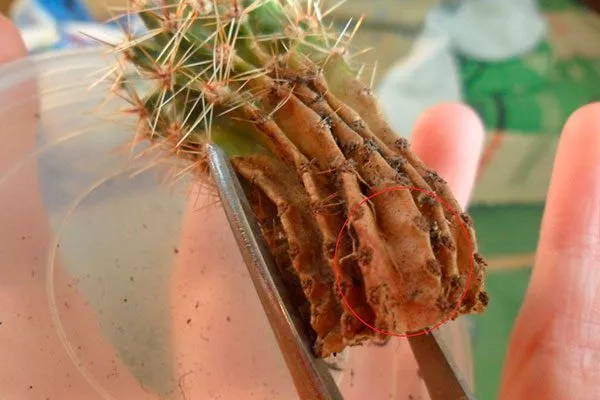
If such damage is not removed promptly, it can quickly spread to healthy parts of the plant.
Post-procedure care
After pruning a cactus, it's especially important to provide the plant with proper care to speed recovery and minimize stress. Proper watering and suitable growing conditions will help the plant adapt more quickly and continue healthy growth.
Watering and fertilizing after pruning
After pruning, the cactus becomes temporarily more vulnerable, so reduce the water supply to avoid overwatering and the risk of rot on fresh cuts.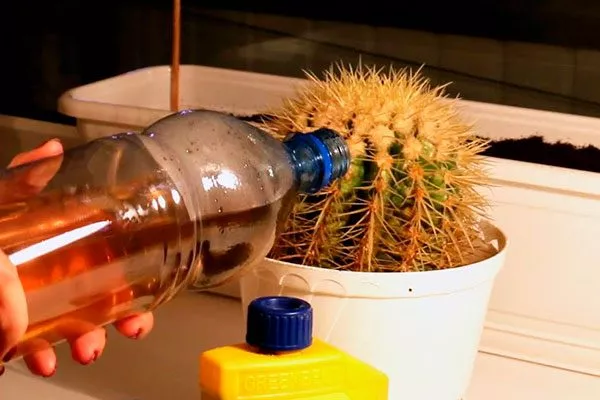
Follow these recommendations:
- In the first 7-10 days after the procedure, limit yourself to moderate soil moisture, allowing the substrate to dry well between waterings.
- Also postpone fertilizing for 2-3 weeks so that the plant does not waste energy on digesting fertilizers, but directs resources to healing wounds and tissue restoration.
After this period, you can resume fertilizing using light doses of complex or organic solutions that stimulate growth and strengthening of roots.
Optimal maintenance conditions after crown formation
Providing plants with a comfortable environment for recovery is crucial. Suitable conditions:
- temperature - stable and moderate, without sudden changes, optimally within the range of +20-25°C;
- lighting – bright, but diffused to avoid burning on fresh cuts;
- air ventilation – good, helps prevent the development of fungal infections and rot.
Common mistakes when pruning cacti
Sometimes, after pruning, a cactus can become sick if proper precautions aren't taken. To avoid this, it's important to:
- strictly adhere to the correct pruning technique;
- protect the plant from direct sunlight, strong winds and drafts;
- do not place the crop next to diseased plants or on an open balcony, where it will be exposed to attack by pests and pathogenic microorganisms;
- refrain from feeding during the recovery period.
What to do if the plant dies after the procedure?
If, after pruning, a cactus begins to wilt and shows signs of death, it is important to act quickly to try to save it or at least preserve part of it for further propagation.
Follow these recommendations:
- Assess the condition of the plant. Check how deep the rot or damage has spread. If only a small area is affected, there's a chance you can save the rest of the tree.
- Remove damaged tissue. Carefully trim away any soft, discolored, or rotted areas down to healthy tissue using a sharp, disinfected tool.
- Treat the wounds. Sprinkle the cuts with charcoal or sulfur powder to prevent infection.
- Reduce watering. During recovery, reduce irrigation to avoid excess moisture, which can worsen rot.
- Create favorable conditions. Provide the plant with good lighting without direct sunlight, a stable temperature and good ventilation.
- Use cuttings for propagation. If the main plant cannot be saved, try rooting healthy cuttings. Treat them with an antiseptic and dry them before planting them in the prepared substrate.
Crown structuring and pruning are effective tools for maintaining the decorative appearance and vitality of cacti. When done correctly, these procedures help the plant remain strong and beautiful for many years. Regular care and attention will make this plant a true gem in your home or garden.